Have you ever looked at your tiny, fluffy companion and thought, ‘You’re so cute, I wish I could wear you’? Well, what if I told you that you (safely and ethically) can? Welcome to the wonderful world of teaching your small dog to be a ‘scarf’—arguably one of the most endearing and photo-worthy tricks you can add to your repertoire. This isn’t about turning your beloved pet into a fashion accessory, but about building trust, communication, and having a whole lot of fun together.
The ‘scarf’ trick involves your dog comfortably and calmly resting on your shoulders, draped around your neck like a cozy scarf. It’s a fantastic party trick, a great way to keep your little one close in certain situations, and an incredible display of the bond you share. But like any advanced trick, it requires patience, a positive attitude, and a solid foundation of trust. This guide is designed for small, healthy dogs who are comfortable with being handled. It’s crucial to prioritize your dog’s comfort and safety above all else. So, grab your tastiest treats and your four-legged best friend, and let’s get started on this adorable journey together!
Prep School: Gathering Your Tools for Success
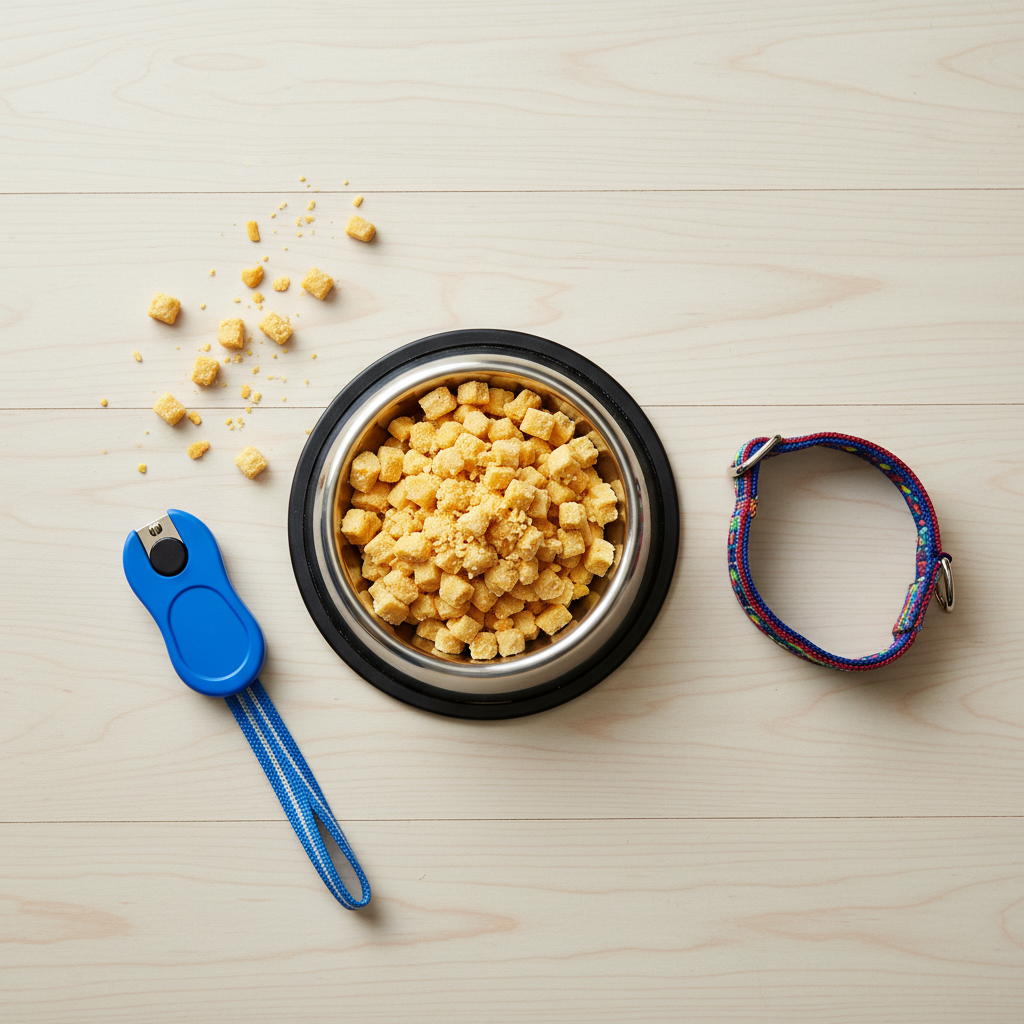
Before you even think about lifting your pup, let’s set the stage for a successful and stress-free training session. Having everything you need on hand will help you stay focused and keep the experience positive for your dog. Think of it as gathering your ingredients before you start baking a cake—preparation is key!
What You’ll Need:
- High-Value Treats: We’re not talking about their everyday kibble. For a trick this special, you need to break out the good stuff! Think tiny pieces of boiled chicken, cheese, freeze-dried liver, or their absolute favorite store-bought training treats. The treats should be small enough that you can give many in a single session without filling them up too quickly.
- A Clicker (Optional but Recommended): A clicker is a fantastic tool for marking the exact moment your dog does something right. This precise communication can speed up the learning process. If you’re not using a clicker, a consistent verbal marker like a sharp “Yes!” or “Good!” works just as well.
- A Comfortable, Distraction-Free Space: Choose a quiet room where you and your dog won’t be disturbed. A soft carpeted floor or a yoga mat is ideal. You should be able to sit comfortably on the floor to start.
- A Willing Participant: This is the most important ‘tool’ of all. This trick is only suitable for small, lightweight dogs (think Chihuahuas, Yorkies, Maltese, small Terriers, etc.) who are generally calm and enjoy being held and cuddled. If your dog is anxious, squirms when held, or has any back or joint issues, this is not the trick for them. Always respect your dog’s personality and physical limitations.
Expert Tip: Keep your training sessions short and sweet! Aim for 5-10 minute sessions once or twice a day. Always end on a positive note, even if it’s just for a simple ‘sit’. This keeps your dog excited and eager for the next session.
The Foundation: Building Comfort and Confidence
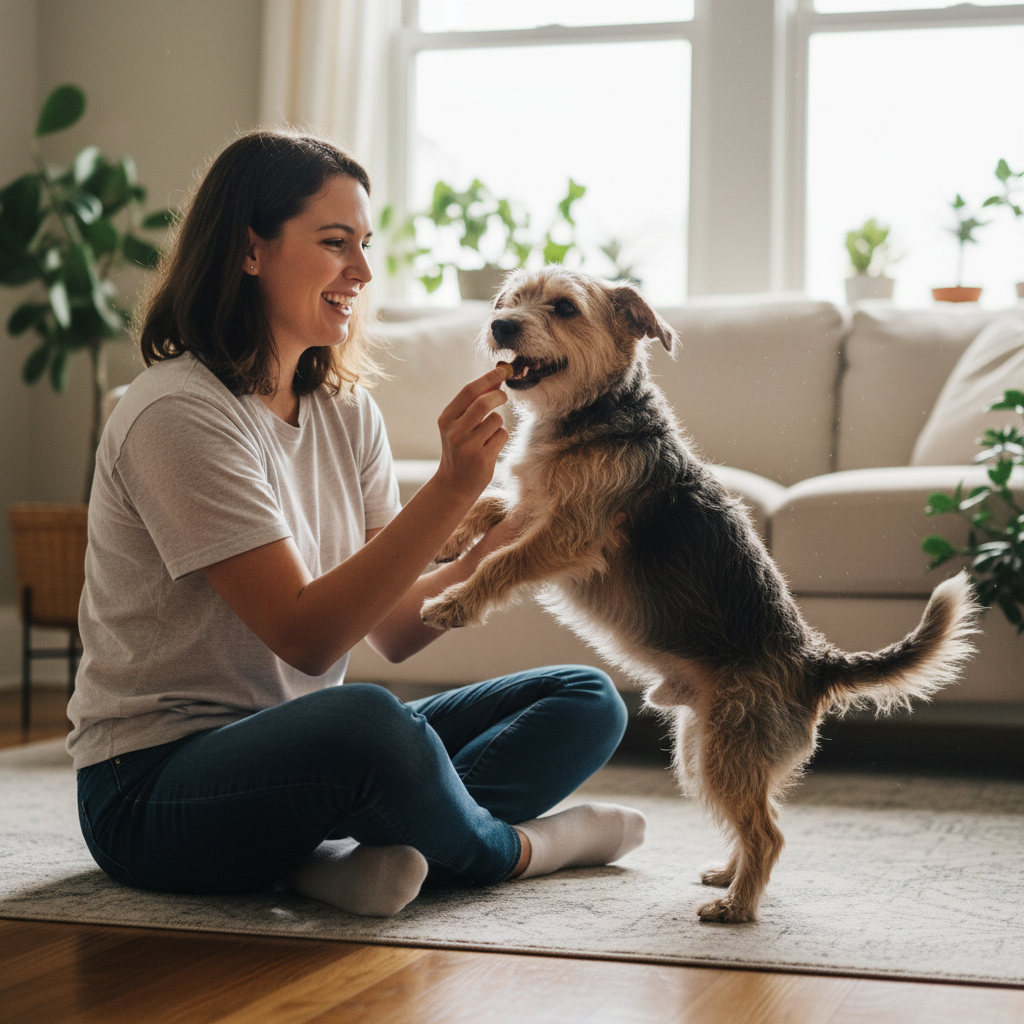
You wouldn’t ask someone to run a marathon without training them to jog first, right? The same principle applies here. We can’t just place a dog on our shoulders and expect them to be okay with it. The foundation of the scarf trick is built on your dog’s complete comfort with being lifted, held, and positioned in new ways. This phase is all about creating positive associations.
Step 1: The Happy Lift
Many dogs tolerate being picked up, but don’t necessarily love it. Let’s change that! Start by sitting on the floor. Lure your dog into your lap with a treat. When they’re there, gently place one hand under their chest and the other supporting their rear end. Say “Up!” in a cheerful voice, lift them just an inch or two, immediately place them back down, and give them a treat and praise. Repeat this, gradually increasing the height and duration of the lift over several sessions. The goal is for your dog to associate the word “Up!” with a fun, rewarding experience.
Step 2: Cuddle Time is Reward Time
Once your dog is happy with the ‘Up!’ cue, start holding them securely against your chest for a few seconds before rewarding them. Cuddle them, speak in a soft voice, and make it a lovely experience. We want them to think, ‘Oh, being held like this means I get the best treats and lots of love!’ Gradually increase the time you hold them. If they struggle, you’ve moved too fast. Go back a step and work at their pace.
Step 3: Approaching the Shoulders
This is where we introduce the destination. While sitting on the floor and holding your dog securely against your chest, slowly and gently raise them towards one of your shoulders. Don’t put them on it yet! Just bring them close, let them sniff, then bring them back down and reward. Repeat this multiple times, alternating shoulders. We are desensitizing them to the motion and the location, making it familiar and non-threatening. The key is to make every step of this process a positive, treat-filled game.
The Main Event: Step-by-Step to the ‘Scarf’
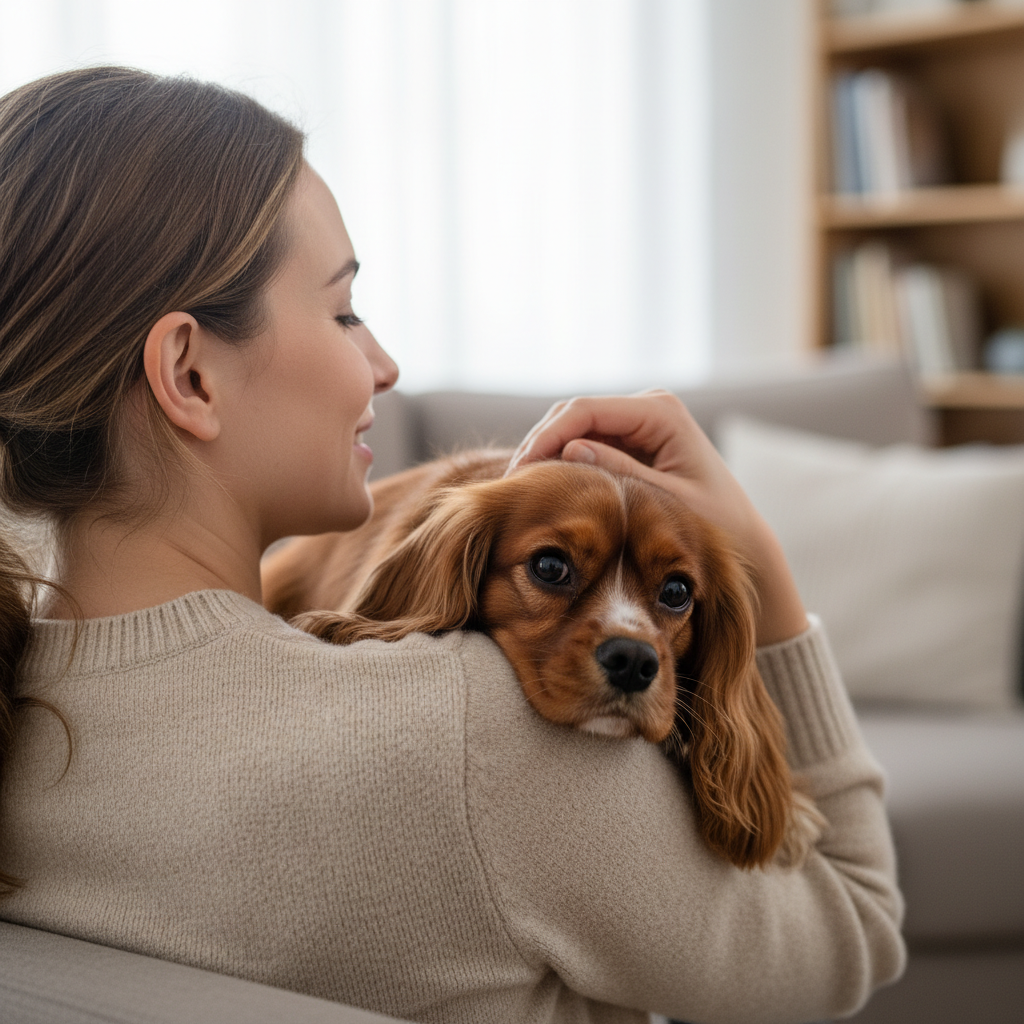
Alright, your pup is comfortable with being lifted and held, and they understand that being near your shoulders is a great place to be. Now it’s time to put it all together! Remember to move slowly and keep the praise and treats flowing. This is the most technical part of the training, so break it down into tiny, achievable steps.
- The Partial Drape: Sit on the floor. Give your ‘Up!’ cue and lift your dog. This time, gently rest their front paws and chest over your shoulder, while still fully supporting their back end with your other hand and arm. They will be in a diagonal position. The instant they are in this position, click/mark and treat. Hold for just a second, then lower them back to your lap and reward again. Repeat this until they seem relaxed with this partial placement.
- The Full Drape (with Full Support): Now, we go for the full position. Lift your dog and gently drape them over the back of your neck, so their body is resting across both of your shoulders. CRITICAL: At this stage, you must keep both hands on your dog, securely supporting their body. Do not let go. They should feel completely safe and stable. The moment they are settled, click/mark and give them a jackpot of treats (several in a row). Keep the duration extremely short—literally one or two seconds—before lifting them off and placing them down. The goal is: ‘On shoulders = BIG party!’
- Introducing the Verbal Cue: Once your dog is consistently and calmly accepting the ‘Full Drape’ with your support, you can add the verbal cue. Just before you lift them to place them on your shoulders, say your chosen cue in a happy voice. “Scarf!” or “Houdini!” or whatever you like. Say the cue, perform the action, and then reward. Repetition will build the association.
- Building Duration: This step requires patience. With your dog in the ‘scarf’ position and your hands still supporting them, start to delay the treat by one second. Then two seconds. Then three. Feed them a steady stream of tiny treats while they are up there to encourage them to stay. We are teaching them that remaining calm in this position is what earns the reward. If they get squirmy, you’ve waited too long. End the attempt on a positive note and try for a shorter duration next time.
- Fading Hand Support (The Final Boss): This is the final and most advanced step. Once your dog can stay calmly for 5-10 seconds with your full support, you can begin to *very briefly* remove one hand, then the other. Start by loosening your grip for a split second, then reward. Gradually, you can remove one hand for a second, then place it back. Eventually, you’ll be able to remove both hands for a moment while they balance on their own. Never move around or stand up until your dog is a seasoned pro and you are 100% confident in their ability to balance and stay. Your hands should always be hovering nearby, ready to provide immediate support.
Troubleshooting: When Your Scarf Unravels
Even with the best plan, you might hit a few snags. Don’t worry, it’s completely normal! Dog training is never a straight line. Here are some common issues and how to work through them with a positive mindset.
Problem: My dog seems scared or anxious when I lift them.
Solution: This is a clear sign to slow way, way down. Go back to the foundational ‘Happy Lift’ step. Your dog’s emotional well-being is the top priority. Spend more time just rewarding them for being in your lap, then for a lift of only half an inch. Use your highest value treats here. If the fear persists, this may not be the right trick for your dog, and that’s okay! Find another fun trick they genuinely enjoy, like a ‘spin’ or ‘high-five’.
Problem: My dog keeps trying to jump off my shoulders.
Solution: This usually means one of two things: you’ve moved too fast in building duration, or they don’t feel physically secure. Go back to the ‘Full Drape with Full Support’ step. Make sure you are holding them firmly and comfortably so they feel stable. Then, rebuild duration very slowly, delivering a high rate of reinforcement (lots of treats in a row) for just a few seconds of stillness. Make being still and calm the most rewarding thing they can do in that moment.
Problem: They just won’t settle down and keep wiggling.
Solution: A wiggly dog is often an over-excited or slightly confused dog. Are your training sessions too long? A tired or overstimulated brain has a hard time focusing. Try cutting your session length in half. Also, ensure the ‘job’ is clear. Use your clicker or marker word to pinpoint the exact moment of stillness you want to reward. Even a split second of calm can be marked and rewarded, and then you can build from there.
Remember this mantra: ‘The dog is never wrong.’ If the trick isn’t working, it’s not their fault. We just need to be better teachers by breaking it down into even smaller, more manageable steps. Patience is your superpower!
Safety First! The Dos and Don’ts of the Scarf Trick
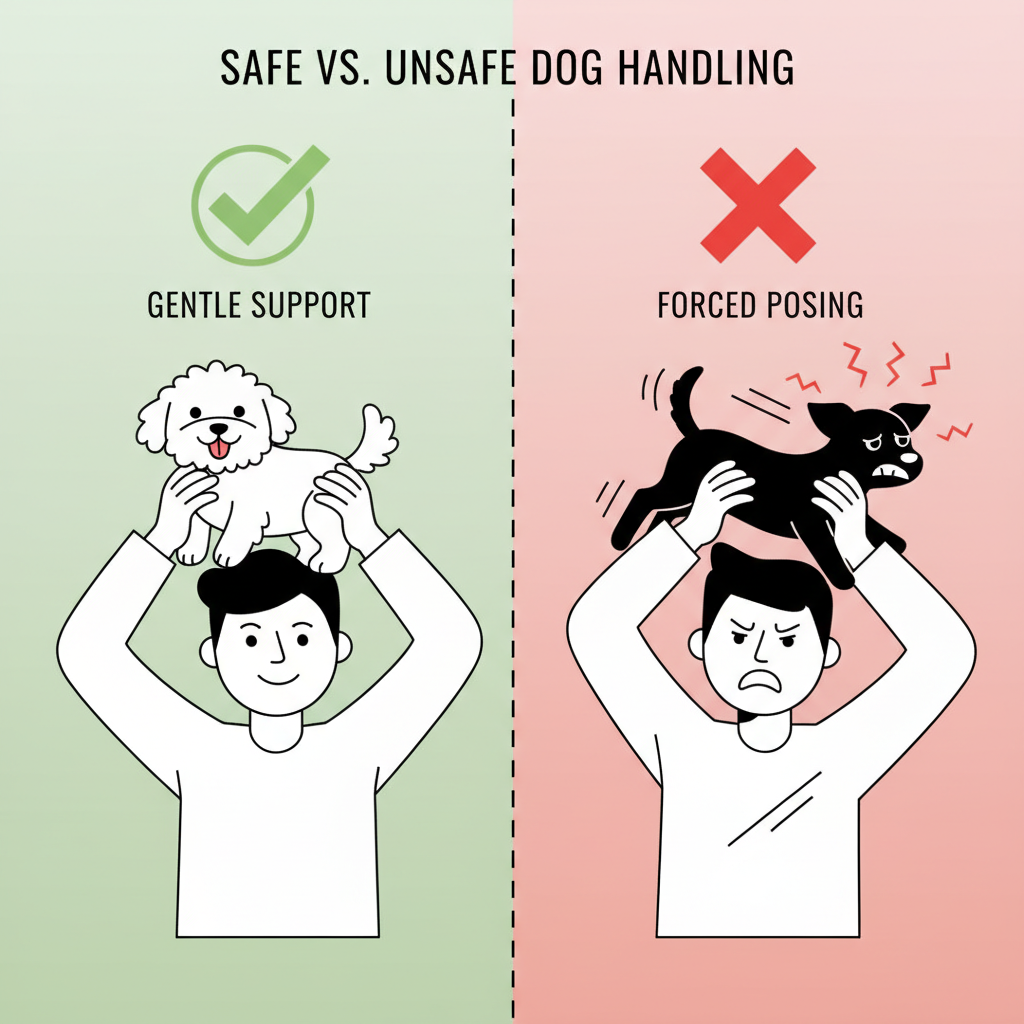
This is, without a doubt, the most important section of this guide. The ‘scarf’ trick is adorable, but your dog’s safety and well-being must always come first. Following these rules will ensure this remains a fun and positive experience for everyone involved.
The DOs ✅ |
The DON’Ts ❌ |
|---|---|
| DO keep your hands on or very near your dog at all times, especially when you’re starting out. | DON’T ever force your dog into the position or hold them there if they are struggling or showing signs of stress (like lip licking, yawning, or whale eye). |
| DO start and practice while sitting on a soft floor. This minimizes any risk of a fall. | DON’T attempt this trick with medium or large dogs. It’s designed specifically for the physiology and weight of very small breeds. |
| DO keep training sessions short (5-10 minutes) and always end on a positive note. | DON’T walk around or make sudden movements with the dog on your shoulders until they are an absolute expert and have proven they can balance securely. |
| DO pay close attention to your dog’s body language. A happy, relaxed dog is key. A stiff, anxious dog is a sign to stop immediately. | DON’T allow strangers or children to try this with your dog. This trick is based on the deep trust between you and your pup. |
| DO ensure your dog has a clear and easy way off. Teach a release cue like ‘Okay!’ or ‘Off!’ and help them down gently every time. | DON’T use any form of punishment or negative reinforcement. This is a trust-based trick that should only be built with positivity. |
Ultimately, you are your dog’s advocate. If you sense for any reason that they are not enjoying this game, it’s your job to stop and find a different activity to share. The goal is a stronger bond, not just a cool trick.
Conclusion
Congratulations! You now have all the steps, tips, and safety protocols to teach your little companion the incredibly charming ‘scarf’ trick. Remember that the journey is just as important as the destination. Every short training session, every treat, and every bit of praise you share while teaching this trick is another deposit in the bank of trust and love you share with your dog.
Some dogs might pick it up in a week, while others might take a month, and that’s perfectly fine. Go at your dog’s pace, celebrate the small victories, and most importantly, have fun. When you finally capture that perfect picture of your furry friend perched happily on your shoulders, you’ll know that you didn’t just teach a trick—you built a beautiful memory together. Now go on, give it a try, and get ready for the ‘oohs’ and ‘aahs’!