Is your beautifully manicured garden starting to resemble a lunar landscape, complete with craters and mounds of displaced earth? If you’re a dog owner, you’ve likely experienced the unique frustration of discovering your furry friend, paws caked in mud and tail wagging proudly, next to a freshly excavated hole where your prize-winning petunias used to be. It’s a classic canine conundrum! But before you throw in the trowel, let’s get one thing straight: digging is not a ‘bad’ behavior. It’s a deeply ingrained, natural instinct for our dogs. They dig for all sorts of reasons—to hunt, to cool down, to bury treasures, or simply out of sheer, unadulterated joy.
Trying to stop the digging instinct entirely is like trying to stop a retriever from retrieving; it’s a losing battle that often leads to frustration for both of you. So, what’s a garden-loving pet parent to do? The answer lies not in punishment, but in redirection. Welcome to the wonderful world of the doggy sand pit—a designated ‘yes’ zone where your dog can dig to their heart’s content. This guide will walk you through everything you need to know, from understanding the canine urge to dig to building the perfect pit and training your dog to love it. Get ready to reclaim your garden and give your dog a safe, enriching outlet for their natural instincts. It’s a true win-win!
Why Your Dog is a Digging Machine: Unearthing the Instincts
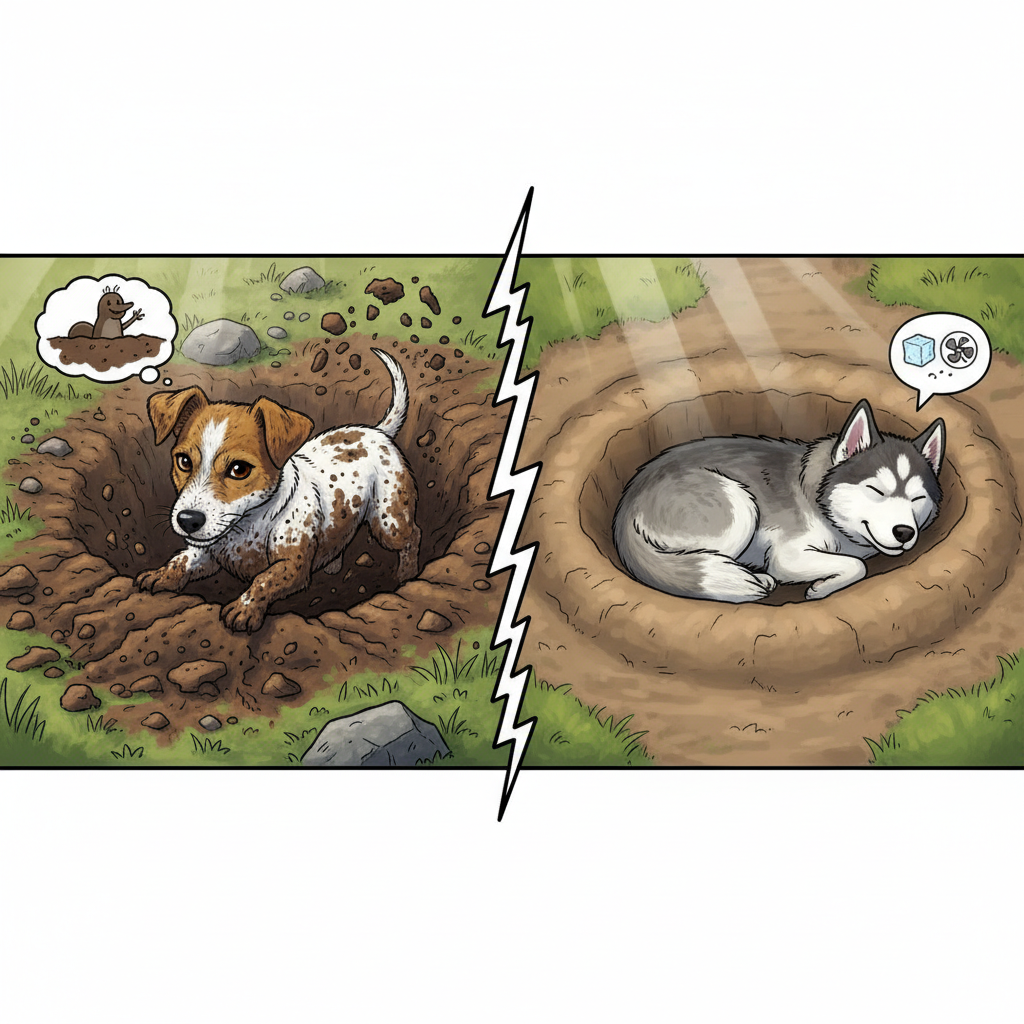
Before we can redirect the behavior, it’s incredibly helpful to understand why your dog is so obsessed with digging in the first place. It’s rarely about spitefully ruining your landscaping. More often, it’s a powerful instinct passed down through generations. By identifying the motivation, you can better meet their needs.
Common Reasons for Digging:
- Breed Predisposition: Let’s be honest, some dogs are just born to dig. Terriers (whose name literally means ‘earth dog’) were bred to hunt and flush out vermin from underground burrows. Dachshunds, Beagles, and Huskies are other breeds with a strong genetic predisposition for excavation.
- The Thrill of the Hunt: Your backyard is a bustling ecosystem. The scent of a mole, vole, or gopher underground can trigger your dog’s prey drive, leading to an enthusiastic (and destructive) hunt.
- Comfort and Climate Control: On a hot day, dogs will often dig a shallow pit to lie in the cooler earth beneath the surface. In colder weather, a dug-out den can provide shelter from the wind. It’s their own personal, custom-built recliner.
- Boredom and Excess Energy: A dog without a job will often invent one for themselves, and digging is a fantastic way to burn off pent-up physical and mental energy. It’s a self-soothing activity that can alleviate boredom.
- Stashing Valuables: Much like a pirate burying treasure, your dog might dig to hide high-value items like a favorite bone, chew toy, or a stolen piece of toast. It’s a way of keeping their prized possessions safe for later.
- Anxiety or Fear: For some dogs, digging can be a displacement behavior to cope with stress, such as separation anxiety or fear of loud noises like thunderstorms.
- Escape Artistry: Sometimes, digging along a fence line is a clear attempt to get out and explore the wider world. This is often driven by boredom or the scent of another animal.
Understanding your dog’s specific ‘why’ is the first step. If it’s boredom, the sand pit combined with other enrichment will be a lifesaver. If it’s for comfort, ensuring the sand pit is in a shady, appealing spot is key. By working with their nature, not against it, you set everyone up for success.
Creating the Ultimate Doggy Dig Pit: Your Step-by-Step Setup Guide
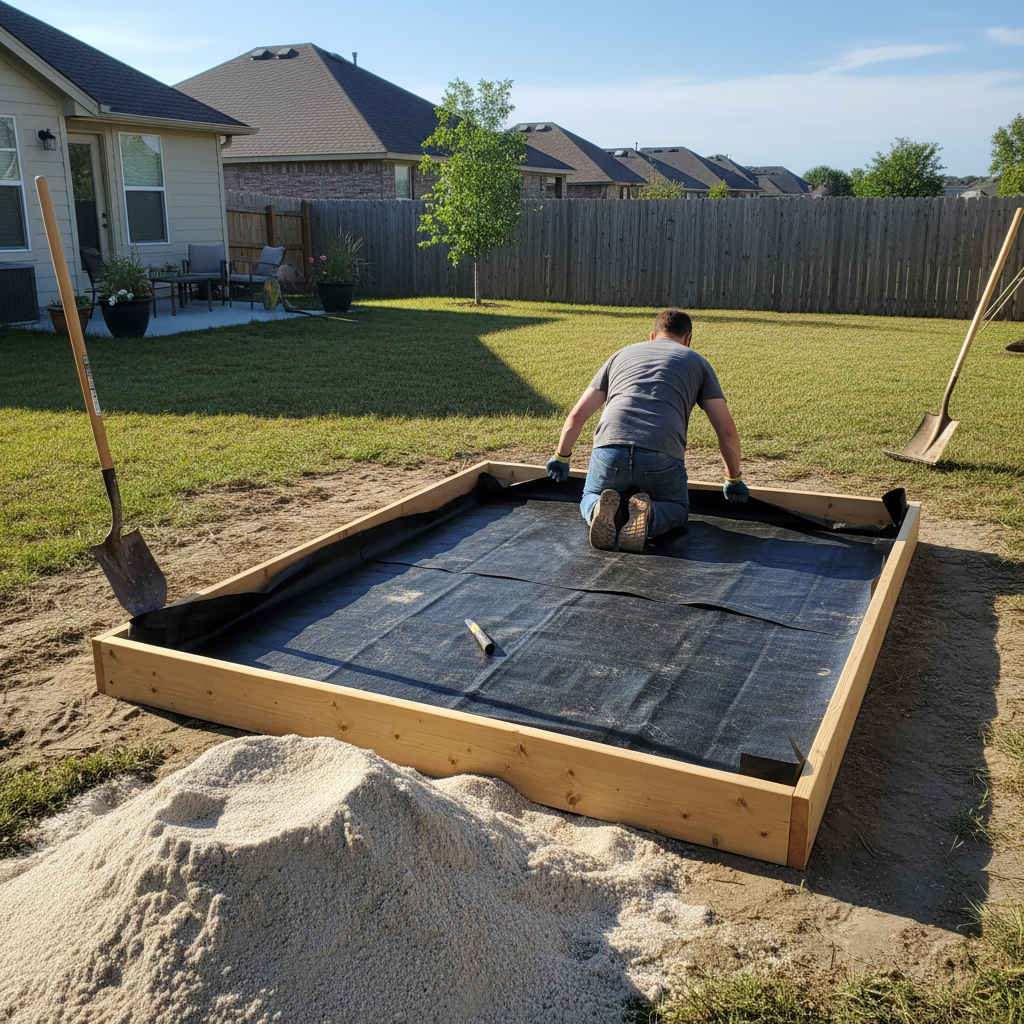
Now for the fun part: building your dog their very own construction zone! This doesn’t have to be a complicated or expensive project. You can create an effective and attractive digging pit with a few simple materials and an afternoon of work.
Choosing the Right Spot
Location is crucial. Pick a spot in your yard that’s convenient but also appealing to your dog. Consider a place that gets some shade during the hottest part of the day. You might also want to place it in an area where your dog has previously tried to dig, making the transition more natural. Avoid placing it too close to your prize-winning roses or vegetable garden to prevent any sandy kick-back from damaging your plants.
Materials You’ll Need
- A Frame: This contains the sand and defines the digging zone. You have several options: a pre-made plastic kiddie pool, a wooden frame built from untreated lumber (like cedar, which is naturally rot-resistant), or even large landscaping stones or bricks.
- Weed Barrier/Landscape Fabric: This is an important step! Placing this at the bottom of your pit will prevent weeds from growing up through the sand and stop your dog from turning their sand pit into a mud pit.
- Sand: The best choice is play sand, which you can find at any home improvement store. It’s clean, soft on paws, and screened for safety. Avoid industrial or contractor sand, which can contain silica dust and other harmful particles.
Let’s Build It: A Simple Guide
- Mark and Clear the Area: Lay out your frame or mark the dimensions of your desired pit. A good starting size is about 4×4 feet, but you can adjust based on the size of your dog and your yard. Clear the area of grass and sod.
- Dig Down (Optional but Recommended): For a more permanent and tidy look, dig down about 6-8 inches within your marked area. This will help keep the frame secure and the sand contained.
- Lay the Foundation: Place your weed barrier fabric at the bottom of the excavated area, ensuring it covers the entire surface.
- Set the Frame: Place your kiddie pool or assemble your wooden frame in the designated spot on top of the fabric.
- Fill ‘er Up!: Now, pour in the play sand. Fill the frame so the sand is deep enough for a satisfying dig—at least 6-10 inches is a good start. Rake it smooth.
Expert Tip: Consider adding a cover for your sand pit. A simple tarp or wooden lid will keep it clean, prevent neighborhood cats from using it as a litter box, and keep the sand from getting waterlogged during heavy rain.
All Paws on Deck: How to Train Your Dog to Use the Sand Pit
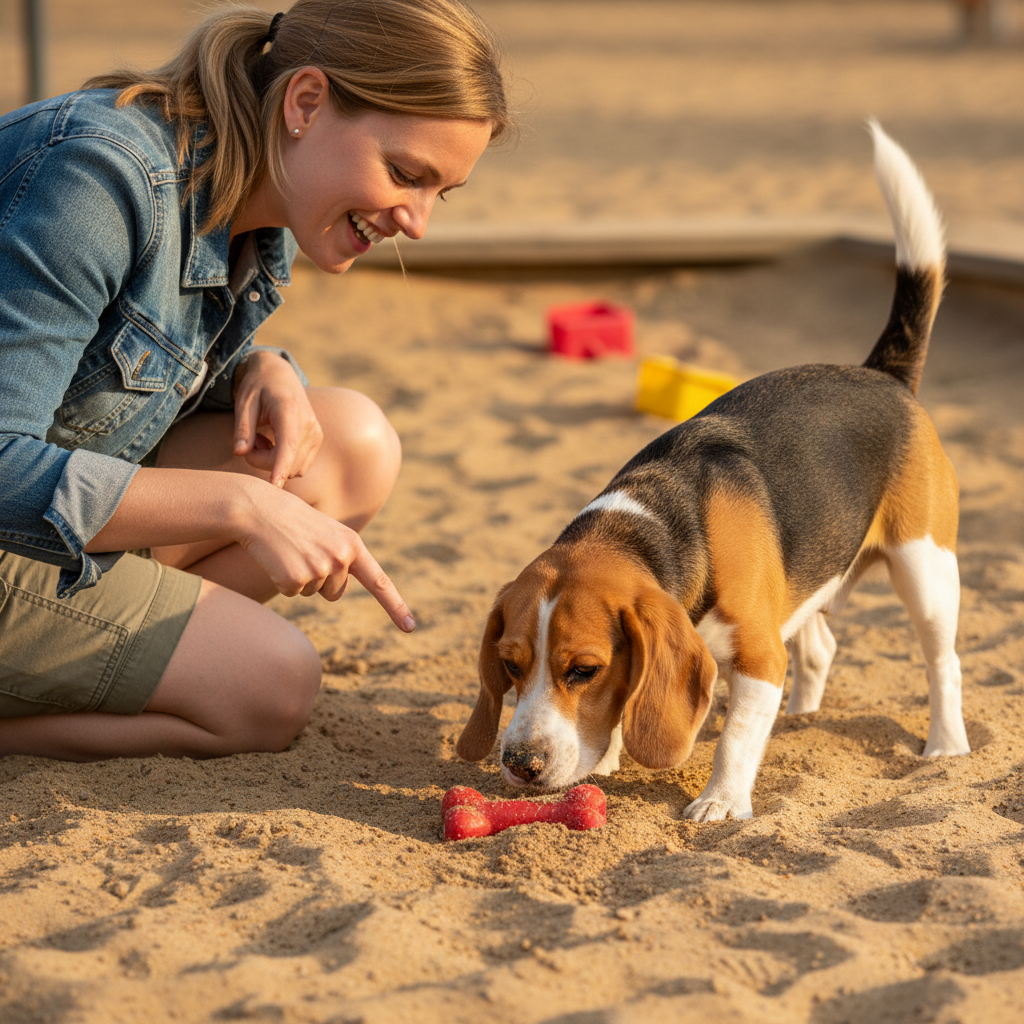
You’ve built a beautiful sand pit, a veritable canine paradise. But your dog doesn’t automatically know it’s for them. Now, you need to market it! The key is to make the sand pit the most exciting, rewarding place in the entire yard.
Step 1: The Grand Introduction
Lead your excited dog on a leash over to the new sand pit. Use a happy, upbeat tone of voice. Let them sniff and explore it at their own pace. Don’t force them in. Toss a few of their favorite toys into the pit to encourage them to step inside on their own. The goal of this first meeting is to create a positive association.
Step 2: Bury the Treasure
This is the secret weapon. When your dog isn’t looking, bury a few high-value treats or a super-exciting toy (like a durable chew toy or a special bone) just under the surface of the sand. Then, bring your dog to the pit and say something like, “Find it!” or “Where’s your toy?” Help them by scuffing the sand a little with your foot. The moment their nose catches the scent and they start to dig, they’ll be ‘discovering’ treasure. This self-rewarding activity is incredibly powerful. They’re not just digging; they’re on a successful treasure hunt!
Step 3: Add a Verbal Cue
As your dog gets the hang of digging in the pit, start adding a verbal cue. Right as they begin to dig for a buried toy, say your chosen phrase in a cheerful voice, like “Go dig!” or “Dig here!” After a few repetitions, they will begin to associate the command with the action of digging in that specific spot.
Step 4: Praise, Praise, and More Praise!
Whenever you see your dog in the sand pit—whether they’re digging, sniffing, or just lying down—praise them enthusiastically. Tell them what a good dog they are! This positive reinforcement makes them understand that the sand pit is a wonderful place where good things happen.
Step 5: Interruption and Redirection
What if you catch them digging in the old spot by the fence? Don’t yell or punish them. Instead, make a sharp, attention-grabbing sound (like a clap or a quick “Ah-ah!”). The moment they look up, cheerfully call them over to you. Then, immediately lead them to the sand pit and initiate a fun game of ‘find the treasure.’ You’re not just stopping the ‘wrong’ behavior; you’re actively showing them the ‘right’ alternative.
Patience and consistency are everything. Every time you redirect successfully, you are strengthening the new, desired habit.
Operation Garden Shield: Making Old Digging Spots Less Appealing
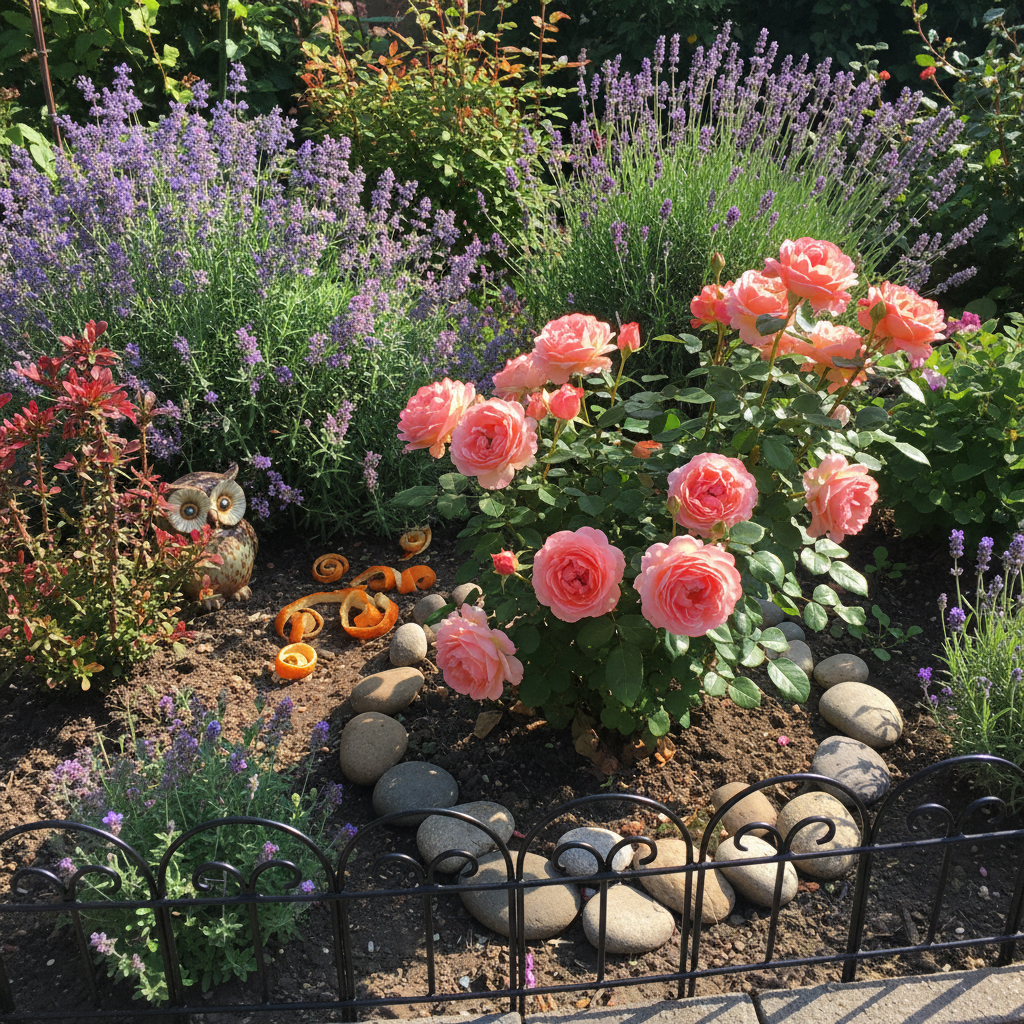
While you’re busy making the sand pit the most attractive place on earth, you also need to make the old, forbidden digging spots less appealing. This two-pronged approach dramatically speeds up the training process. This is about management and deterrence, not punishment.
Create Gentle Obstacles
You can make their favorite crater less fun to excavate using some simple, humane deterrents:
- Bury Unpleasant Textures: In the spots where your dog loves to dig, bury something they won’t enjoy digging up. This could be some flat rocks, a sheet of chicken wire just under the surface (ensure the edges are safely folded over), or even some of their own poop (most dogs will avoid digging where they’ve defecated).
- Use Scents They Dislike: Many dogs are repelled by the smell of citrus. Scattering orange, lemon, or grapefruit peels in your garden beds can be an effective deterrent. You can also try commercial dog repellent sprays, but be sure to choose one that is non-toxic and safe for both pets and plants.
- Install Temporary Fencing: For high-value areas like a vegetable garden or a new flower bed, a small, decorative garden fence can be enough of a physical barrier to discourage them while they’re learning the new rules.
Increase Supervision and Management
During the initial training period, it’s essential to supervise your dog when they are in the yard. Don’t leave them unattended for long periods, as this is when they’re most likely to revert to old habits. Every time they go outside, it’s an opportunity to practice your new routine: a quick potty break, then straight to the sand pit for a fun treasure hunt! By managing the environment, you prevent the unwanted behavior from being practiced and reinforced.
Remember, these deterrents are temporary tools. The ultimate goal is for your dog to choose the sand pit because it’s so much more fun and rewarding than anywhere else in the yard.
Help! My Dog Still Prefers My Peonies: Troubleshooting Tips
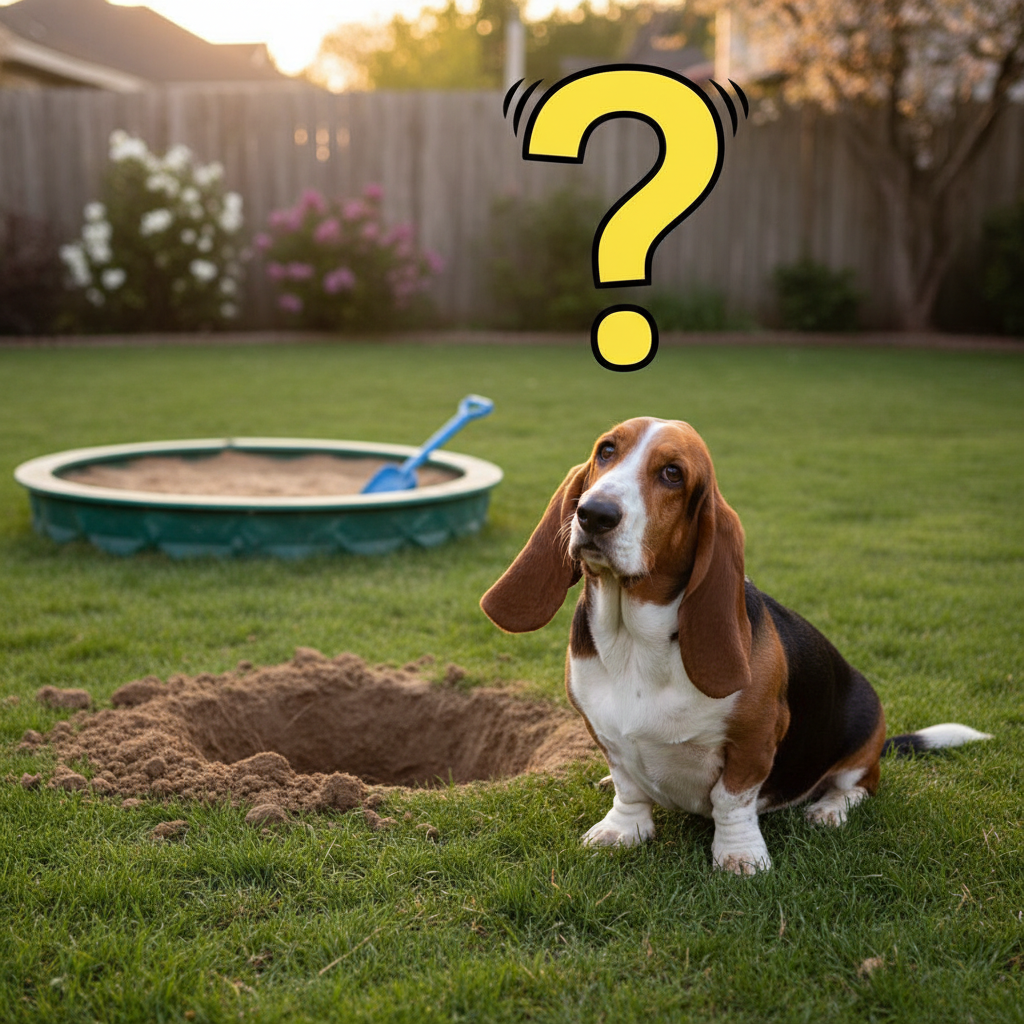
Training is never a perfectly straight line. You’re bound to hit a few bumps and holes—pun intended—along the way. If you’re struggling, don’t despair! Here are some common problems and how to solve them.
| The Problem | The Solution |
|---|---|
| My dog completely ignores the sand pit. | Up the ante! The rewards in the pit might not be high-value enough. Switch from regular treats to small pieces of cooked chicken or a super-special toy that they only get to play with in the sand pit. You also need to be an active participant—get in there and play with them to build excitement. |
| My dog digs for the buried toys, then leaves and digs elsewhere. | This is a sign that the digging itself is the reward, not just the toy. This is where overall enrichment comes in. Your dog might be bored. Try increasing their daily exercise, introducing puzzle toys, or having more frequent training sessions to engage their brain. A tired, mentally stimulated dog is less likely to engage in destructive digging. |
| My dog just eats the sand! | A little sand ingestion usually isn’t harmful, but if they’re eating a lot of it, it can cause issues. This can sometimes be a sign of pica (a condition of eating non-food items) which may warrant a vet visit. To discourage it, make sure the ‘treasures’ are too large to swallow with a mouthful of sand, like a large KONG toy stuffed with treats. Always supervise them in the pit. |
| My dog digs right next to the sand pit, but not in it. | Your dog has the right idea, just the wrong location! This could mean the pit is too small, or the border is uncomfortable. Try expanding the size of the pit. You can also try blurring the lines by scattering a little sand just outside the border to make the transition more seamless. |
| I think my dog is digging out of anxiety. | If the digging happens mostly when you’re gone or during stressful events like storms, the sand pit alone won’t solve the problem. It can be a helpful coping mechanism, but you need to address the root cause of the anxiety. Consult with your veterinarian or a certified professional dog trainer to work on a behavior modification plan for the anxiety itself. |
Conclusion
Transforming your backyard from a minefield into a peaceful oasis is entirely within your reach. The journey begins with empathy—understanding that your dog’s digging is a natural, healthy instinct, not a malicious act. By embracing this and providing a fantastic, approved outlet like a sand pit, you’re not just solving a problem; you’re enriching your dog’s life in a meaningful way.
Remember the pillars of this process: Create, Redirect, and Reinforce. Build a sand pit that’s more enticing than any flower bed, consistently redirect your dog to their new favorite spot, and shower them with praise and rewards when they get it right. Be patient, be consistent, and most importantly, have fun with it! Training should be a bonding experience. Before you know it, the only holes in your yard will be the ones in your dog’s designated digging zone, and you can go back to enjoying your garden, with your happy, fulfilled, and slightly sandy canine companion by your side.