Have you ever wanted to teach your dog a trick that’s a real showstopper? Something that melts hearts and shows off your pup’s cleverness? Well, get ready to pull back the curtain on one of the cutest tricks around: teaching your dog to get ‘shy’ and hide behind a curtain on cue! This isn’t just about the ‘aww’ factor, though. Teaching tricks like this is a fantastic way to build your bond, boost your dog’s confidence, and provide some much-needed mental stimulation.
Imagine having friends over and asking your dog, ‘Where’d you go?’ only for them to trot over and expertly tuck themselves behind the nearest drapes. It’s a guaranteed smile-inducer! But more importantly, the process of learning this trick reinforces your communication and trust. It teaches your dog to focus, follow directions, and problem-solve. In this guide, we’re going to break down the entire process into simple, fun, and easy-to-follow steps. We’ll cover everything from the treats you’ll need to troubleshooting common hiccups along the way. So, grab your treat pouch, find a willing curtain, and let’s teach your furry friend how to play the ultimate game of peek-a-boo!
Setting the Stage: What You’ll Need for Success
Setting the Stage: What You’ll Need for Success
Before you and your furry student dive into your first lesson, let’s make sure you have everything you need to create a positive and productive training environment. Preparation is key! A little bit of setup now will make the whole process smoother and more enjoyable for both of you.
The Perfect Training Treats
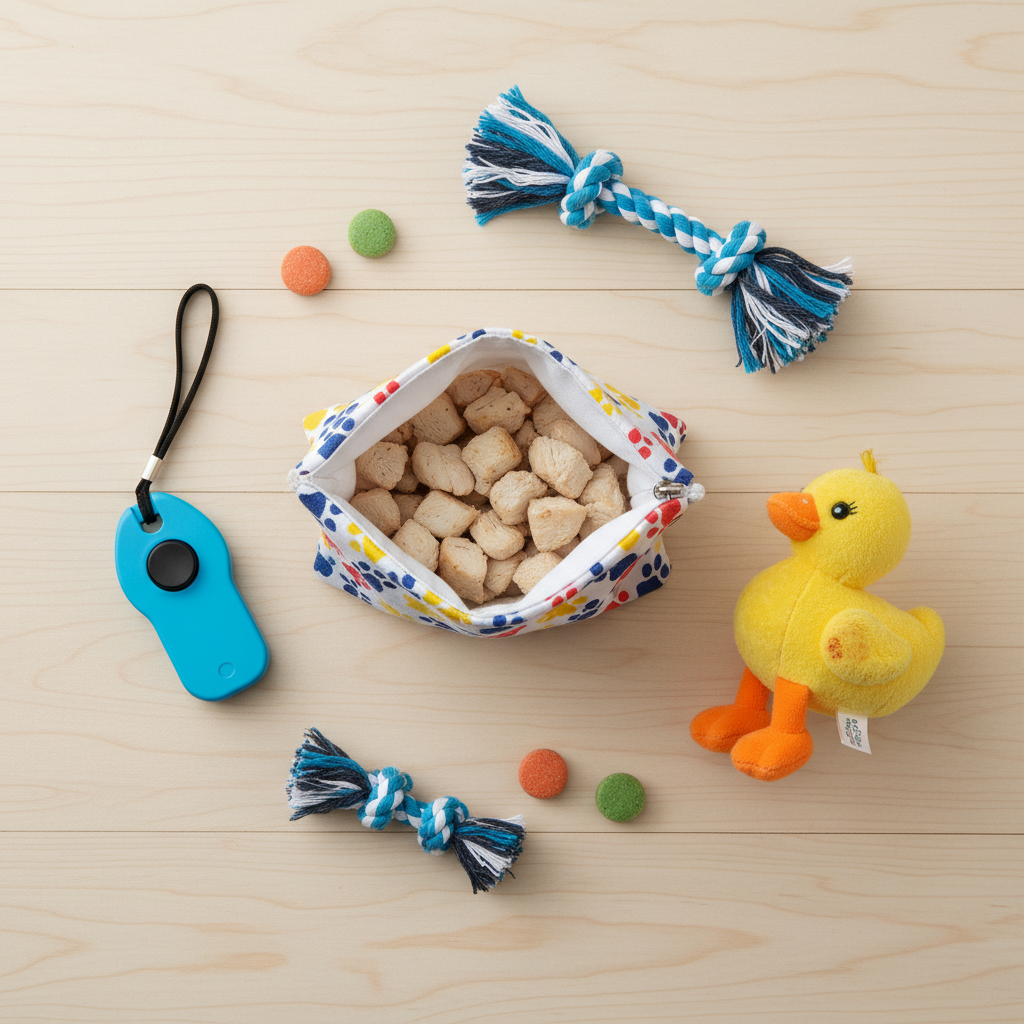
The currency of dog training is, you guessed it, treats! And for a new trick, you’ll want to bring out the good stuff. We’re talking high-value treats—tidbits that are way more exciting than their regular kibble. Think small, soft, and extra smelly (in a good way!).
- Good choices include: Small pieces of boiled chicken, tiny cubes of cheese, soft commercial training treats, or even bits of hot dog.
- Size matters: Keep the treats pea-sized. You’ll be using a lot of them, and you don’t want your pup to get full too quickly or upset their tummy.
- The Treat Pouch: A simple treat pouch that clips onto your belt or pocket is a game-changer. It keeps your hands free and the treats readily accessible, allowing for perfect timing.
Choosing Your Curtain
Not all curtains are created equal in the world of dog tricks. For starters, pick a curtain your dog can easily get behind. A heavy, floor-length drape is often easier than a sheer or short curtain. Most importantly, make sure it’s a curtain you don’t mind getting a little dog hair on! Avoid beaded curtains or anything that might startle your dog when they move through it. The goal is to make the curtain a fun place to be, not a scary obstacle.
The Power of a Clicker (Optional but Recommended)
A clicker is a fantastic tool for marking the exact moment your dog does something right. The ‘click’ acts as a precise signal that says, ‘YES! That’s what I wanted!’ followed immediately by a treat. This clear communication can speed up the learning process significantly. If you’ve never used a clicker, don’t worry! It’s simple. Just ‘charge’ it by clicking and immediately giving your dog a treat about 10-15 times in a row without asking for any behavior. Your dog will quickly learn that click = treat.
Expert Tip: Keep your training sessions short and sweet! A dog’s attention span, especially when learning something new, is limited. Aim for multiple 5-10 minute sessions throughout the day rather than one long, frustrating one. Always end on a high note with a successful repetition to keep your dog excited for the next lesson.
Step-by-Step Guide: From Curtain Curious to Hiding Pro
Step-by-Step Guide: From Curtain Curious to Hiding Pro
Alright, the stage is set, and your star pupil is ready! This is where the magic happens. We’re going to use a technique called ‘luring’ to guide your dog into the correct position. Remember to be patient, keep it fun, and celebrate the small wins. Let’s get started!
-
Step 1: Introduce the Curtain as a Friend
First things first, we need to ensure your dog is completely comfortable with the curtain. Some dogs might be a bit wary of this strange, flowy object. Stand near the curtain and, with an upbeat tone, toss a few treats on the floor right next to it. Let your dog approach and eat the treats. Do this a few times until they are happily sniffing around the curtain without any hesitation. You’re building a positive association: good things happen near this curtain!
-
Step 2: The Nose Target (Luring Part 1)
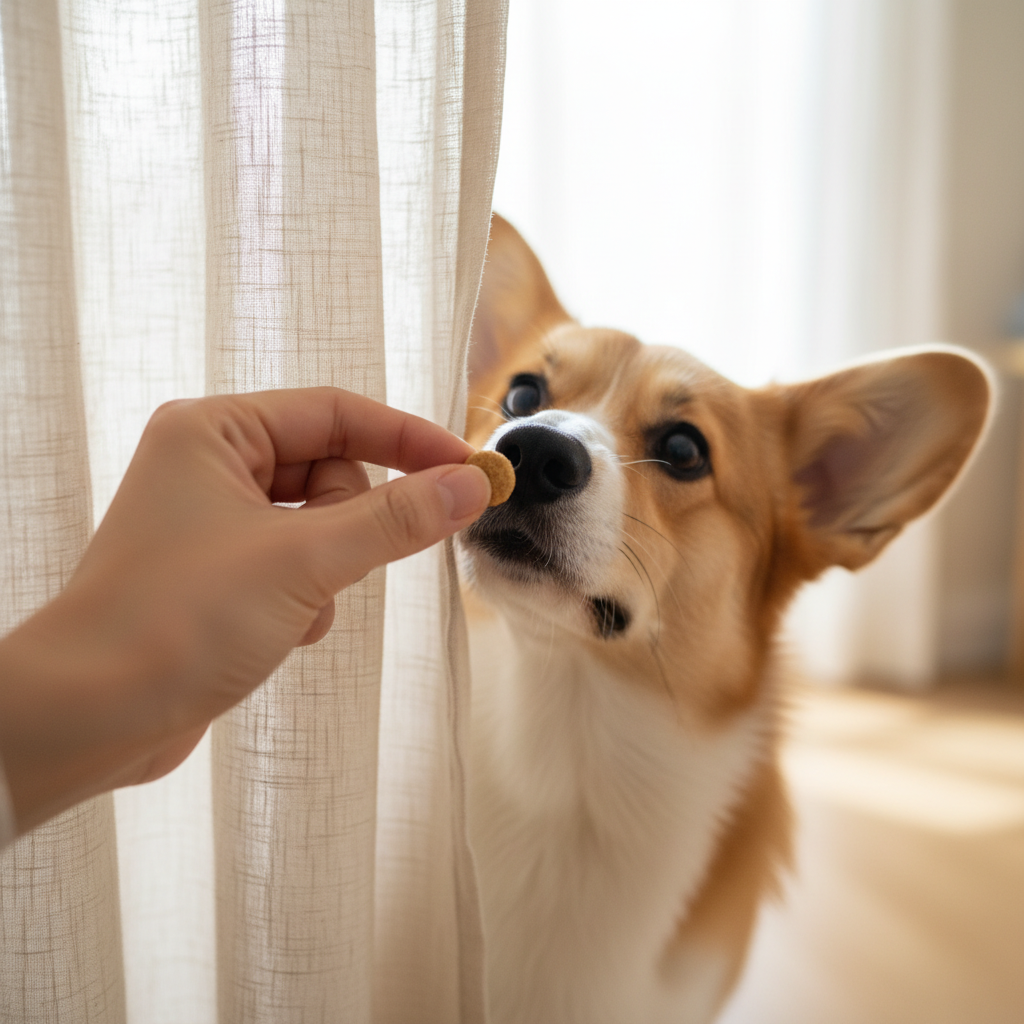
Now, hold a tasty treat in your fingers. Let your dog sniff it, then slowly move your hand towards the edge of the curtain. The goal is to have your dog’s nose touch the curtain. The very instant their nose makes contact, click (if you’re using a clicker) and give them the treat. Repeat this 5-10 times. We are rewarding simple curiosity and interaction with the curtain.
-
Step 3: Luring the Head Behind
Once your dog is confidently booping the curtain with their nose, it’s time to ask for a little more. This time, lure their nose to the edge of the curtain, but instead of stopping, sweep your hand just behind the fabric. Your dog should follow the treat, poking their head behind the curtain. The moment their head disappears, even for a split second, click and treat! It’s crucial to reward this initial effort. Pull your hand (and the dog’s head) back out to give them the reward. Repeat this until they are eagerly poking their head behind the curtain to follow the lure.
-
Step 4: Getting the Shoulders In (Luring Part 2)
Now we’ll build on that momentum. Lure their head behind the curtain, but this time, continue the motion of your hand a little further back, encouraging them to move their front paws and shoulders behind the fabric. This is a bigger step, so be ready to click and treat for any forward progress! At first, you might just be rewarding one paw stepping behind. That’s perfect! Gradually, over several repetitions, you’ll ask for both front paws and their shoulders to be concealed before you click and treat.
-
Step 5: The Full Hide!
This is the final piece of the puzzle. Once your dog is comfortably putting their front half behind the curtain, use the same luring motion but make it bigger. Lure them all the way behind the curtain so their entire body is hidden from your view. The first time they do this, make a huge deal out of it! Give them lots of praise and a ‘jackpot’ of several treats. Practice this full-body lure until your dog understands that the goal is to get completely behind the curtain.
Remember Patience: Every dog learns at a different pace. If your dog gets stuck on a step, that’s okay! Just go back to the previous, easier step for a few repetitions to rebuild their confidence before trying again. Keep it light and fun!
Making it a Trick: Adding the Cue and Fading the Lure
Making it a Trick: Adding the Cue and Fading the Lure
Your dog is now a pro at following a treat behind the curtain—fantastic! But a trick isn’t a trick until your dog can do it on command. Now, we’ll transition from the physical hand lure to a verbal or visual cue and teach your dog to perform the behavior independently.
Introducing the Verbal Cue
The key to adding a cue is timing. You want your dog to associate the word with the action they are about to perform.
- Say it, then do it: Just before you begin the luring motion you’ve been practicing, say your chosen cue clearly. Good cues are short and distinct, like ‘Shy!’, ‘Hide!’, or ‘Peek-a-boo!’.
- Perform the lure: Immediately after saying the cue, use your hand to lure your dog fully behind the curtain as you have been.
- Reward: When they are hidden, click and give them a big reward.
Repeat this process—’Shy!’, then lure, then reward—many times. Your dog’s brain will start to connect the dots: ‘When I hear that word, this fun hiding game is about to happen!’
Fading the Hand Lure
The goal is to remove your hand’s heavy involvement so the dog responds to the verbal cue alone. This must be done gradually. Think of it as slowly erasing the physical prompt.
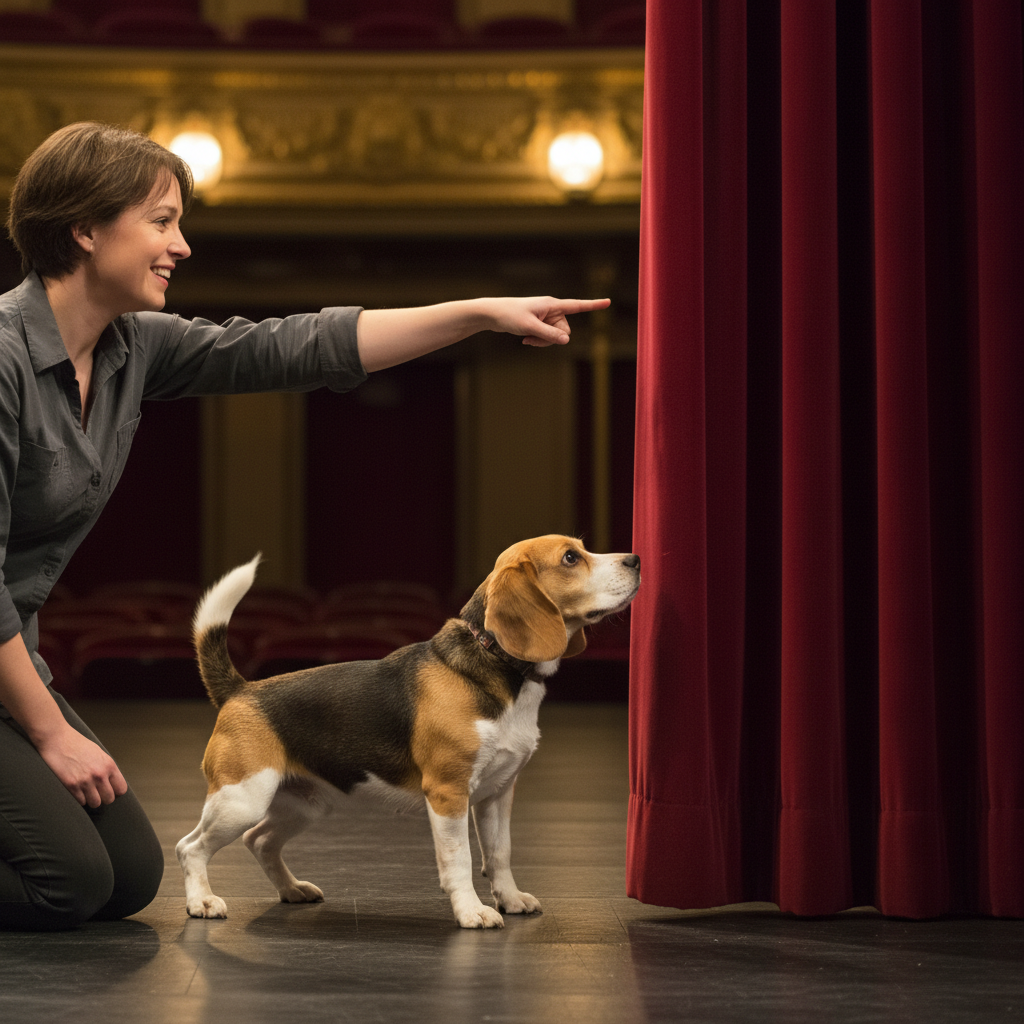
- Make the lure smaller: Instead of a big, sweeping hand motion, make it more subtle. Start by just pointing towards the curtain after you give the verbal cue. Your dog, remembering the previous steps, should still follow your general direction.
- Transition to a gesture: Turn your point into a more refined hand signal. A simple point or a sweeping motion towards the curtain can become your new visual cue. Continue to say the verbal cue right before you give the hand signal.
- Remove the hand signal: Once your dog is reliably hiding with just the verbal cue and a small point, try giving only the verbal cue. Be patient. They might hesitate at first. If they seem stuck, give them the small hand signal to help them out, then try again with just the word on the next repetition.
Troubleshooting Tip: What if my dog just stands there when I fade the lure? You’ve likely faded it too quickly. Go back a step! If they won’t hide with just a point, go back to a slightly larger lure for a few reps to remind them what’s expected. The key is to find the ‘sweet spot’ where they still succeed, and then gradually make the prompt smaller again.
Proofing the Behavior: Making ‘Shy’ Stick Anywhere
Proofing the Behavior: Making ‘Shy’ Stick Anywhere
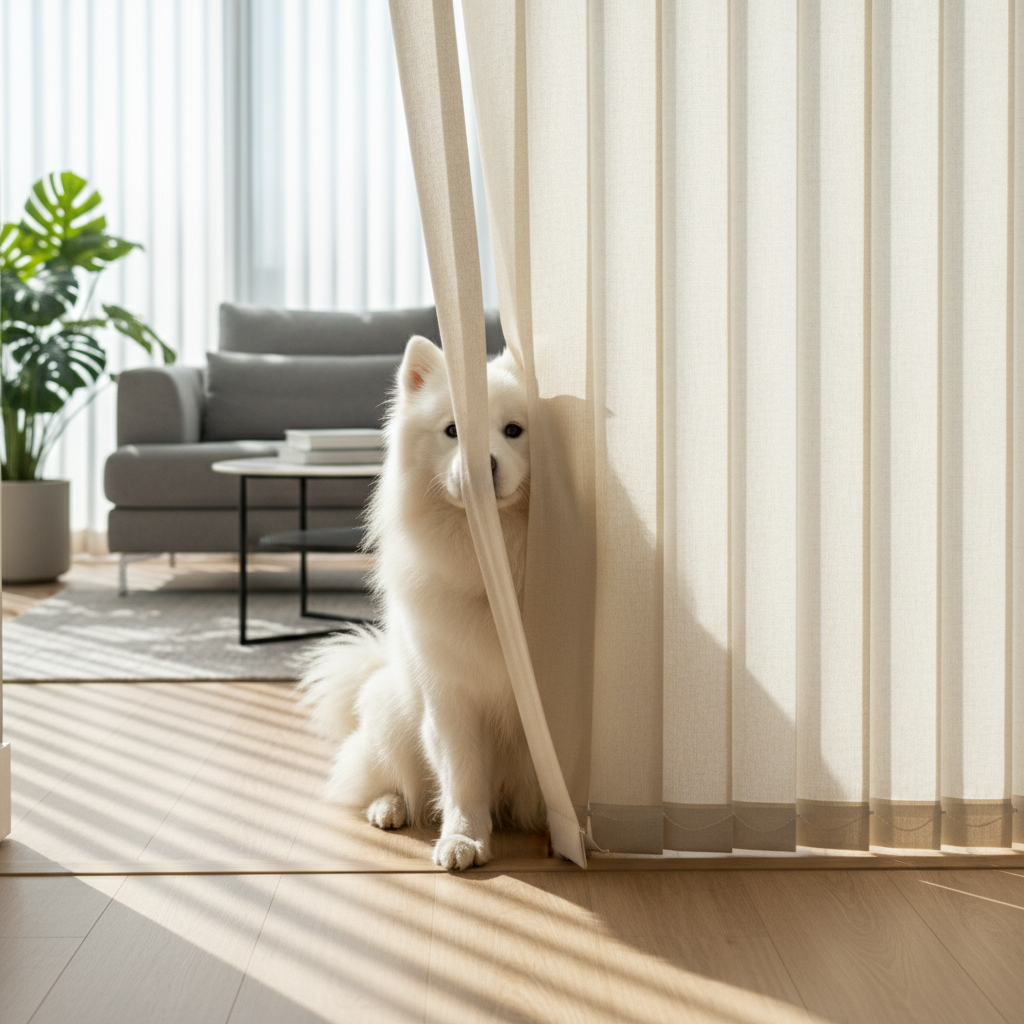
Your dog can now hide behind the living room curtains on command. High five! But what happens when you try it in the bedroom? Or when Grandma is visiting? ‘Proofing’ is the process of teaching your dog to perform a cue reliably in different environments and under various conditions. It’s how you make a trick solid and dependable.
Generalizing to New Locations
Dogs don’t generalize well. They might think the ‘Shy’ command only applies to that one specific curtain in the living room. We need to teach them it applies to any curtain.
- Start Small: Begin with a different curtain in your house, perhaps in the bedroom or office. Your dog might be a little confused at first, so be prepared to help them out. You may need to go back to a slight lure or a more obvious hand signal for the first few tries in the new spot.
- Vary the Curtain Type: Practice with different types of curtains—long ones, short ones, shower curtains (make sure they’re dry!), or even a hanging blanket. Each time you introduce a new ‘hiding spot,’ act as if you’re teaching it for the first time, offering extra guidance and big rewards for success.
- Take it on the Road (Eventually): Once your dog is a curtain-hiding champion at home, you can try it in new, low-distraction environments, like a friend’s house.
Adding Mild Distractions
Life is full of distractions! A solid trick holds up even when things are going on in the background. Introduce distractions slowly and at a low intensity.
- A Person Sitting Quietly: Start by having another person simply sit on the couch in the same room while you practice.
- Low-Level Noises: Try practicing while the TV is on at a low volume or while music is playing softly.
- Movement: Have another person walk slowly through the room while you give the cue.
If your dog fails, it just means the distraction was too much. Don’t get frustrated! Simply lower the intensity of the distraction (e.g., have the person stand still instead of walking) and try again. The goal is to set your dog up for success.
Expert Tip: When proofing, always increase your rate of reinforcement. If you’re adding a new challenge like a new location or a distraction, make sure the reward is extra special. This keeps your dog motivated to work through the difficulty.
Common Questions & Troubleshooting
Common Questions & Troubleshooting
Even with the best plan, you might hit a little snag. Don’t worry, it’s a normal part of the training process! Here are some common challenges and how to work through them with a positive attitude.
‘My dog is scared of the curtain!’
This is quite common. The movement or sound of the fabric can be spooky for some dogs. The solution is to go back to basics and build a super positive association. This process is called counter-conditioning.
- Don’t force it: Never push or pull your dog towards the curtain. This will only increase their fear.
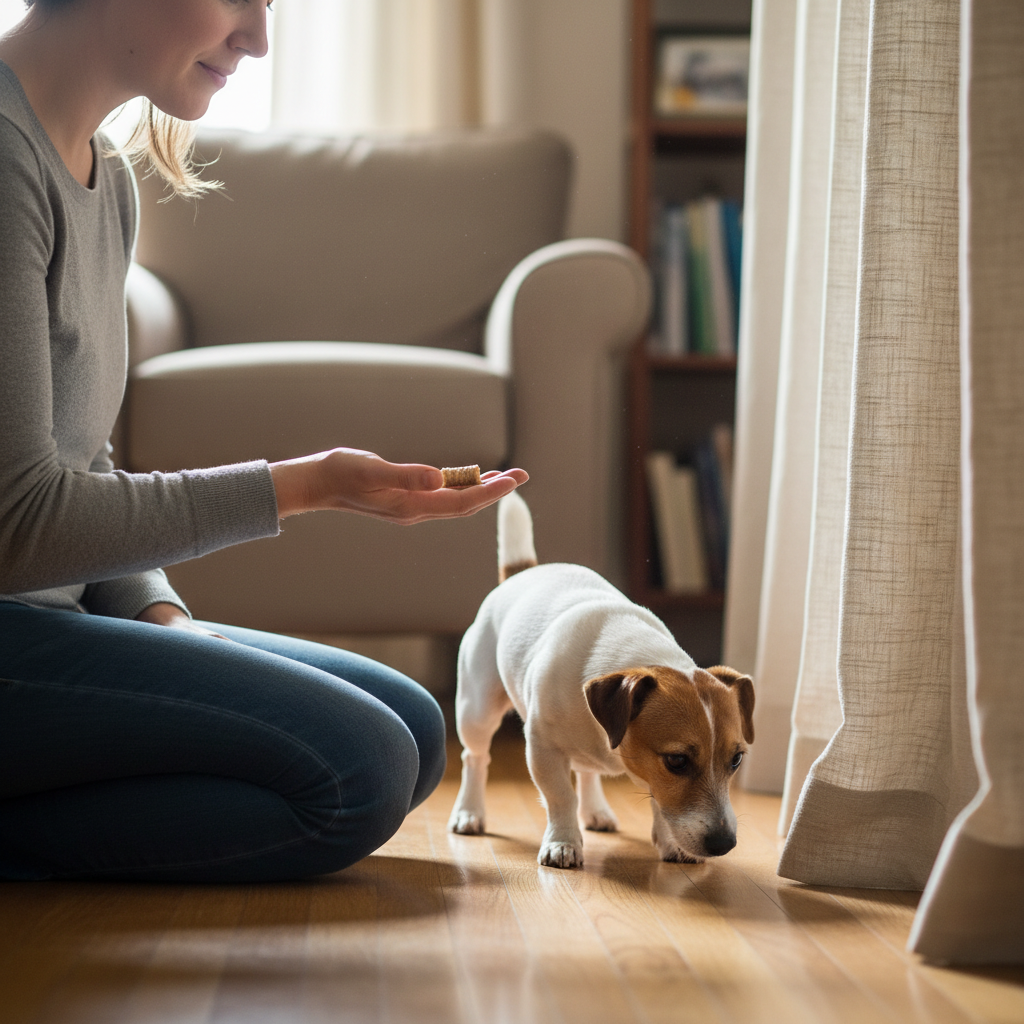
- Treats from a distance: Start by rewarding your dog for just looking at the curtain from across the room. Click/treat for any calm glance in its direction.
- Gradual approach: Slowly decrease the distance, tossing high-value treats closer and closer to the curtain over several sessions. Let your dog decide when they’re ready to get nearer.
- Interact with it yourself: Show them it’s not scary. Touch the curtain, move it gently, and act happy and relaxed around it. Your calm demeanor is reassuring.
‘My dog only hides their head, not their whole body.’
This usually means you’ve rewarded the ‘head-in’ position so well that the dog thinks that’s the final trick! To fix this, you need to raise your criteria. Stop rewarding just for the head and go back to luring. Use an extra-tasty treat to lure them further behind the curtain. Only click and treat when their shoulders or entire body are behind the fabric. You’re essentially re-teaching Step 4 and 5 from our guide to clarify the end goal.
‘My dog gets bored and wanders off.’
If your dog is losing interest, it’s a sign that the session is too long, the treats aren’t exciting enough, or they’re feeling frustrated.
- Shorter Sessions: Cut your training time in half. Two 3-minute sessions are better than one 6-minute session where your dog checks out.
- Upgrade Your Treats: Are you using kibble? Try switching to chicken or cheese and see if their motivation skyrockets.
- End on a Win: Always, always end the session with a successful repetition of something easy, even if it’s just a simple ‘sit’. This keeps their confidence up and makes them eager for the next session.
| Problem | Quick Solution | Underlying Reason |
|---|---|---|
| Fear of Curtain | Reward for looking at/approaching the curtain from a distance. | Negative or uncertain association with the object. |
| Partial Hide Only | Stop rewarding for partial hides and re-lure for a full hide with a better treat. | Dog thinks the partial hide is the finished behavior. |
| Losing Interest | Use better treats, shorten the session, and end on a successful rep. | Session is too long, reward isn’t motivating, or frustration is setting in. |
Conclusion
And there you have it! You are now fully equipped with the knowledge and techniques to teach your dog the utterly charming ‘shy’ trick. Remember that dog training is a journey, not a race. Every dog learns at their own pace, so celebrate the small victories, laugh at the silly mistakes, and cherish this special time you’re spending together. The bond you build and the confidence your dog gains are far more valuable than the finished trick itself.
By breaking it down into small, manageable steps—from making friends with the curtain to proofing the behavior in new places—you’ve set your dog up for success. So keep those training sessions short, your attitude positive, and your treat pouch full. Before you know it, your clever pup will be hiding on cue, ready to delight everyone they meet. Happy training!