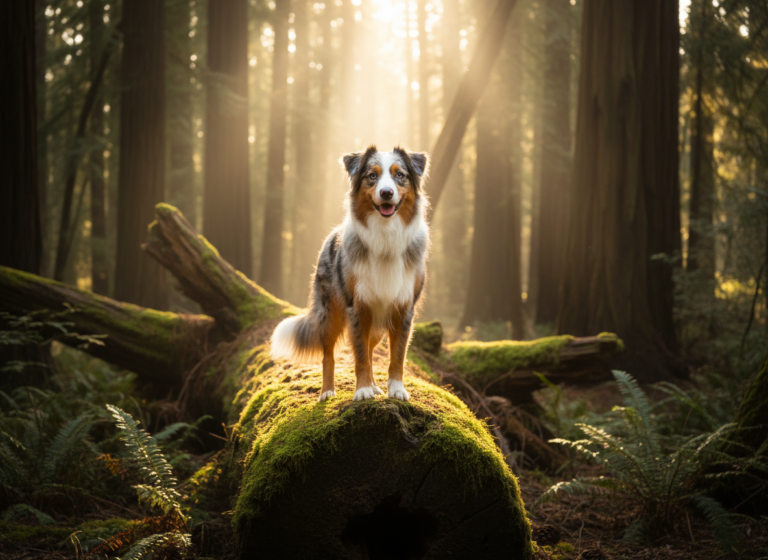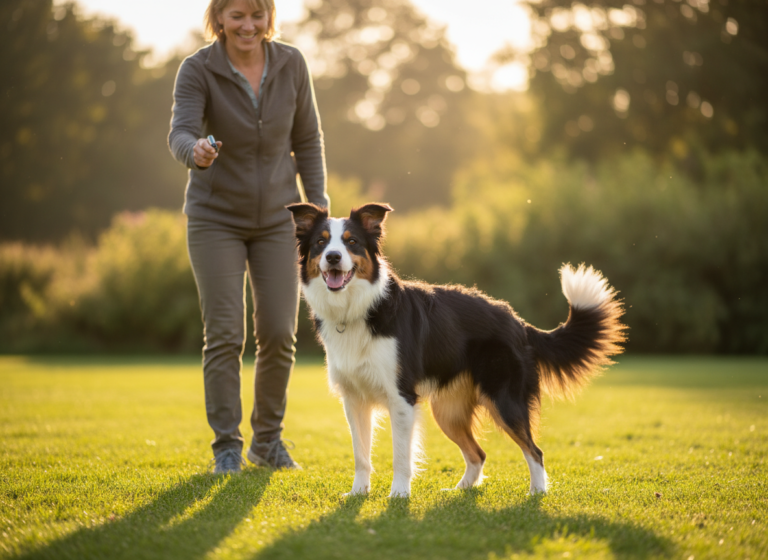
Is your daily walk feeling a little… repetitive? Same route, same smells, same old routine? What if you could transform that everyday stroll into a thrilling adventure that builds your dog’s confidence, sharpens their mind, and strengthens their body? Welcome to the wonderful world of nature parkour!
You don’t need fancy equipment or a special training facility. The world is your dog’s playground, and with a little guidance, objects you walk past every day—like fallen logs, low boulders, and yes, the humble tree stump—can become tools for incredible enrichment. Teaching your dog to balance on a tree stump is more than just a cute trick; it’s a gateway to boosting their physical and mental well-being. It improves their proprioception (their sense of where their body is in space), builds core strength, and gives them a massive confidence boost. In this guide, we’ll walk you through everything you need to know to safely and joyfully introduce your canine companion to their new favorite hobby. Let’s get ready to explore!
What is Nature Parkour and Why is it Pawsome for Your Pup?

At its heart, nature parkour (sometimes called urban agility) is about interacting with the environment in a fun and physical way. Instead of just walking around obstacles, you and your dog learn to creatively go over, under, around, and through them. It’s a low-impact, high-reward activity that offers a whole host of benefits for dogs of all ages, breeds, and sizes.
The Amazing Benefits of Stump Standing
- Mental Stimulation: Learning a new skill and figuring out how to control their body to achieve a goal is a fantastic mental workout. It prevents boredom and can help reduce problem behaviors that stem from a lack of stimulation.
- Confidence Building: Successfully mounting and balancing on an object that once seemed challenging is a huge win for a dog. This is especially true for timid or anxious pups. Each successful balance is a deposit in their confidence bank!
- Improved Body Awareness (Proprioception): Balancing on an uneven surface requires your dog to be highly aware of where each of their paws is. This enhanced body awareness can help prevent injuries in day-to-day life and in other dog sports.
- Strengthens Core & Stabilizer Muscles: Holding a balanced position engages small muscle groups in the core and legs that aren’t typically worked during a normal walk or run. It’s like doggy yoga!
- Enhances Your Bond: Training is a two-way conversation. Working together to achieve a goal, communicating clearly, and celebrating successes deepens the trust and partnership you share with your dog. It makes your walks more interactive and less of a chore.
Expert Tip: Think of nature parkour as a game you play together. The goal isn’t perfection, but participation and fun. Keep your energy light and positive, and your dog will be excited to play along!
Gearing Up: Safety First for Your Parkour Star
Before you and your pup leap into your new parkour career, let’s talk about safety. The number one rule of nature parkour is to keep it safe and positive. This means carefully selecting your obstacles and using the right gear to support your dog.
The Perfect Stump Checklist
Not all stumps are created equal! When you’re scouting locations, keep these criteria in mind:
- Stability is Key: Push on the stump or log with your foot. Does it wobble, shift, or roll? If so, skip it. It must be completely stable and able to support your dog’s weight without moving.
- Size Matters: Start with a stump that is low to the ground and wide enough for your dog to comfortably stand on with all four paws. As your dog gets more confident, you can progress to smaller or slightly higher surfaces.
- Check the Surface: Make sure the top of the stump is relatively flat and free of sharp splinters, jagged edges, or slippery moss (especially when wet). Brush off any loose debris before you begin.
- Safe Surroundings: Look at the area around the stump. Is it clear of glass, sharp rocks, or thorny bushes? Your dog needs a safe space to land if they decide to jump off.
Essential Gear
For this activity, a good harness is your best friend.
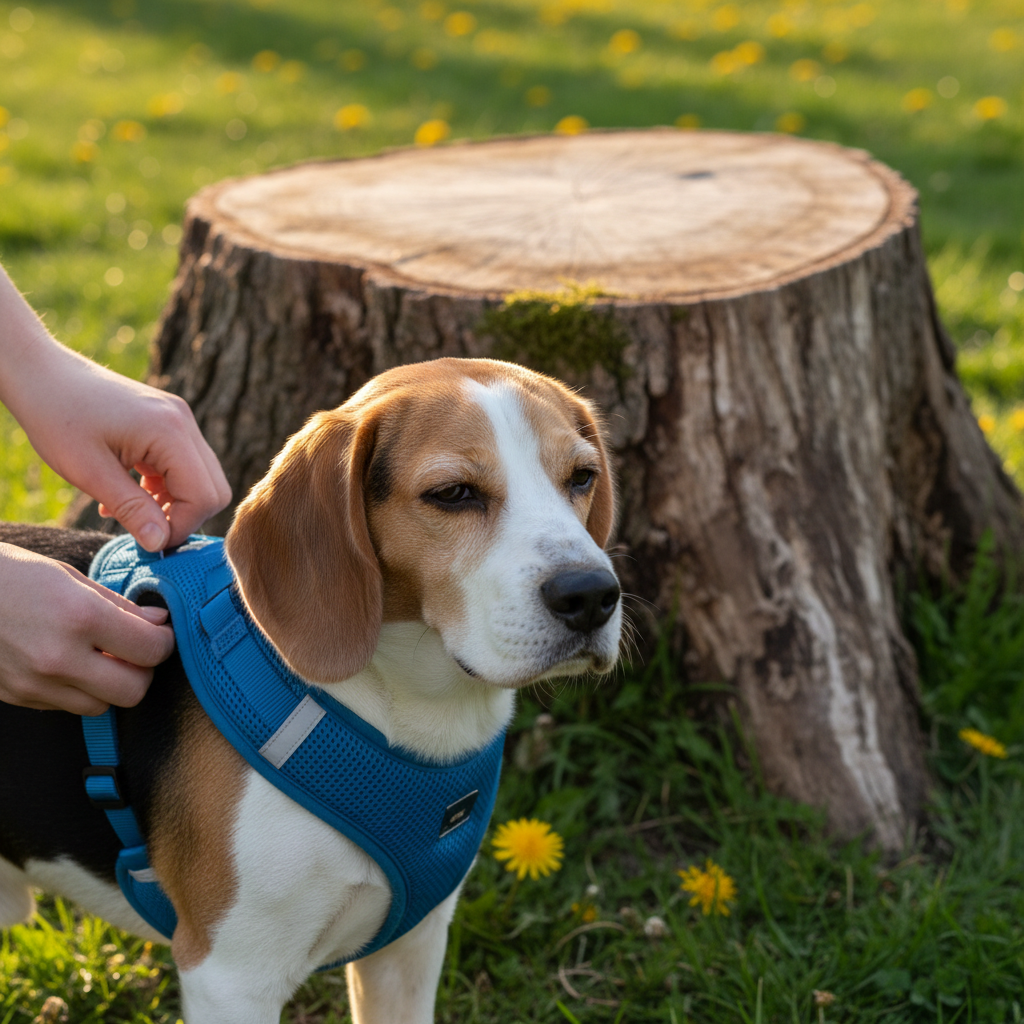
- Use a Harness, Not a Collar: A well-fitting harness (like a Y-front harness) is crucial. It distributes pressure across your dog’s chest and shoulders, preventing any strain on their neck. More importantly, it gives you a safe handle to grab onto to spot or support your dog if they lose their balance, especially in the beginning.
- Standard Leash: A 4-6 foot standard leash is perfect. Avoid retractable leashes, as they don’t offer the control you need for close-up training.
- High-Value Treats: This is the time to break out the good stuff! Small, smelly, delicious treats that your dog absolutely loves will make them extra motivated to try this new, weird thing you’re asking them to do. Think tiny pieces of cheese, chicken, or freeze-dried liver.
The Step-by-Step Guide: From Four Paws on the Ground to King of the Stump

Alright, you’ve found the perfect stump and you’re armed with tasty treats. It’s time to begin! Remember to keep sessions short (just a few minutes at a time) and always end on a positive note. Use an upbeat, encouraging tone of voice throughout.
-
Step 1: The ‘Paws Up’ Introduction
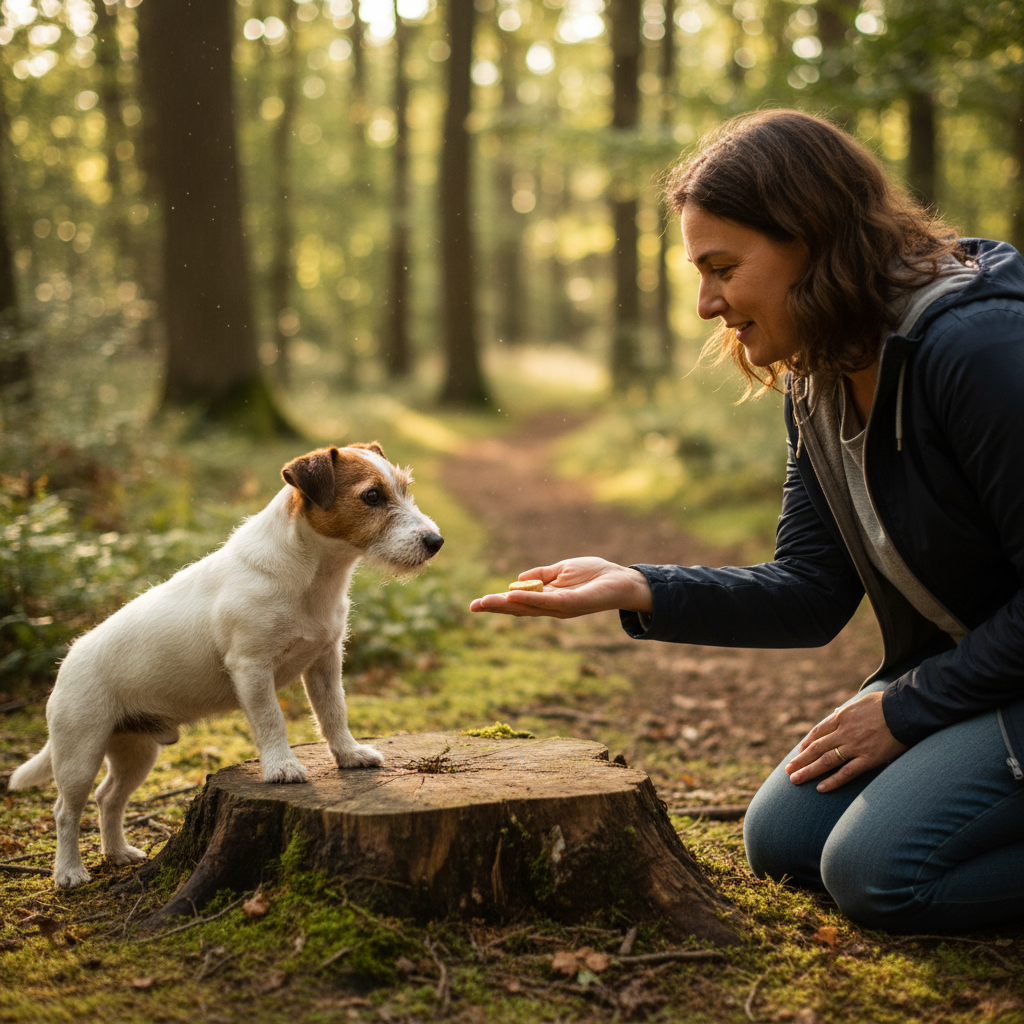
The first step is simply getting your dog comfortable interacting with the stump. Hold a treat in your hand and use it as a lure. Lower your hand to the surface of the stump. The moment your dog puts one or both front paws on the stump to get the treat, say “Yes!” (or use a clicker) and give them the reward. Let them get off, and repeat this a few times until they are confidently putting their front paws up without hesitation.
-
Step 2: The Full Mount
Now, we’ll encourage them to get all four paws on board. Lure them into a ‘paws up’ position. Instead of giving them the treat right away, move the lure further across the top of the stump, encouraging them to bring their back feet up as well. The instant all four paws land on the stump, have a jackpot party! Say “Yes!” and give them several treats in a row while they are on the stump. Then, use a release cue like “Okay!” and toss a treat on the ground nearby so they learn to get off.
-
Step 3: Building Duration (The ‘Wait’)
Once your dog is happily hopping onto the stump, we want to build a little duration. Lure them up, and once all four paws are on, say “Wait” in a calm voice. Wait for just one second, then say “Yes!” and reward them. Gradually increase the time they have to wait before the reward—go from one second to two, then to three. If they jump off before you say “Yes!”, that’s okay! Just try again with a shorter duration. The goal is for them to learn that good things happen when they stay on the stump.
-
Step 4: The Controlled Dismount
Instead of letting your dog leap off haphazardly, it’s great to teach a controlled exit. After they’ve waited for a few seconds, use your release cue (“Okay!” or “Break!”) in a cheerful tone and toss a treat onto the ground a short distance away. This teaches them to wait for permission to get off and helps protect their joints by encouraging a less impactful dismount.
-
Step 5: Fading the Lure
The final step is to transition from a food lure to a hand signal and verbal cue. Start pretending to have a treat in your hand and use the same luring motion. When your dog gets on the stump, reward them with a treat from your other hand. Over time, you can make your hand signal smaller (like just pointing to the stump) and add a verbal cue like “Up!” or “Stump!” right before you give the signal. Eventually, your dog will hop up on the verbal cue alone!
Level Up! Beyond the Basic Balance
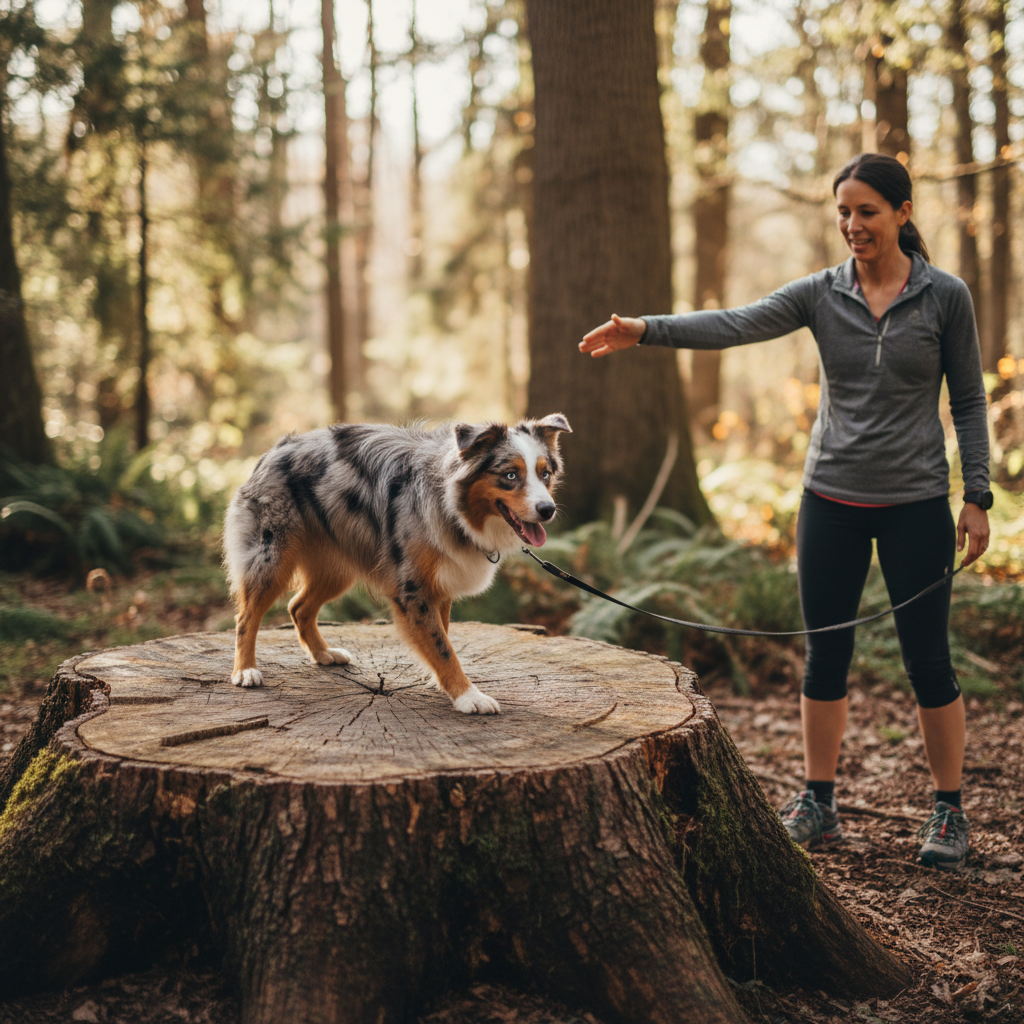
Has your dog mastered the art of stump standing? Don’t stop there! The forest is full of possibilities. Once your dog is confident with the basics, you can introduce all sorts of new challenges to keep things fresh and exciting. Always make sure the new challenges are safe and appropriate for your dog’s fitness level.
Advanced Nature Parkour Moves:
- Vary the Surface: Find stumps or logs that are narrower, have a slight incline, or a different texture. This challenges their balance and focus in new ways. A long, fallen log is a perfect natural balance beam!
- Add a Behavior on Top: Once your dog is stable on a wide stump, ask for a simple behavior. Can they ‘sit’? Can they ‘lie down’? How about a ‘spin’? This requires a huge amount of body control and concentration.
- Stump-to-Stump: If you find two low, stable stumps that are very close together, you can encourage your dog to step or hop from one to the other. Only try this with athletic dogs on very safe, low surfaces.
- The ‘Pivot’: On a large enough stump, see if you can teach your dog to keep their front paws in place while they pivot their back end around. This is an advanced move that is fantastic for building core strength.
- Incorporate Other Obstacles: Look for other safe parkour opportunities. Can your dog crawl under a low-hanging (and very sturdy) branch? Can they place their ‘paws up’ on a large boulder? Weave these behaviors into your walk to create a fun, improvised obstacle course.
Remember, the key is to progress slowly and celebrate every small success. If your dog seems unsure about a new challenge, break it down into smaller steps or go back to an easier skill they’ve already mastered to end the session on a high note.
Whoops-a-Daisy! Troubleshooting Common Challenges
Even with the best training plan, you might hit a few snags. That’s completely normal! Every dog learns at a different pace. Here’s how to handle some of the most common challenges you might encounter on your parkour journey.
My Dog is Hesitant or Scared
If your dog is nervous, do not force them. Forcing them will only create a negative association. Instead, take a few steps back. Reward them for simply sniffing the stump. Then for touching it with their nose. Then for putting one paw on it. Keep sessions super short and use your highest value treats. Celebrate tiny bits of progress. Your patience will show them that this is a safe and fun game.
My Dog Jumps Off Immediately
This is very common! It usually means you’re asking for too much duration too soon. Go back to Step 2 and focus on making the reward happen the instant all four paws hit the stump. You want to capture that moment of success before they have a chance to jump off. Once they are reliably getting on, start asking for just a split-second of a ‘wait’ before rewarding. Build up the duration incredibly slowly.
My Dog is Too Excited and Can’t Focus
For the overly enthusiastic dog, parkour can be SO exciting that their brain short-circuits! If your dog is too wiggly to focus, try doing a few simple, calming behaviors they know well first (like ‘sit’ or ‘touch’). You can also let them get a bit of that frantic energy out with a quick game of fetch or a short sprint before you start your parkour session. Use a calm voice and slow, deliberate movements to help them settle.
I’m Worried About My Senior Dog
Nature parkour can be fantastic for senior dogs by helping them maintain muscle mass and body awareness! You just need to adjust your expectations. Choose very low, very wide, non-slip surfaces. A sturdy log that is barely off the ground is perfect. The goal may not be a full stand, but simply a ‘paws up’ to engage their brain and body. Always consult your veterinarian before starting any new exercise program with a senior dog or a dog with known mobility issues.
Conclusion
And there you have it! You’re now equipped with the knowledge to safely and confidently turn any walk in the woods or park into a confidence-building, bond-strengthening parkour adventure. Remember, teaching your dog to balance on a tree stump is about so much more than the trick itself. It’s about communication, trust, and finding new ways to experience the world together.
Start small, celebrate every tiny victory, and most importantly, have fun. Watch your dog’s confidence soar as they transform from a simple walker into a proud parkour master. Now, grab that harness and those tasty treats, and go find your first stump. Happy training!