Have you ever thrown a ball for your dog, only for them to bring it back and start a game of tug-of-war, complete with chomping and slobber? Or maybe your pup is an expert at picking things up but drops them the second they get to you. It’s a common scenario, but what if you could teach your dog to hold an object gently, patiently, and without chewing, until you ask for it back? That’s where the static hold comes in!
The static hold is more than just a cool party trick; it’s a foundational skill in the world of dog training. It’s the art of teaching your dog to hold an object in its mouth—be it a toy, a training dumbbell, or even the remote control—calmly and without turning it into a chew toy. This skill is invaluable for everything from a polite game of fetch to advanced obedience, dog sports, and even essential tasks for service animals.
In this guide, we’re going to walk you through everything you need to know to teach this impressive and useful behavior. Using positive, fun, and easy-to-follow steps, you’ll build a stronger bond with your dog and unlock a new level of communication and teamwork. So grab some treats, find a comfy spot, and let’s get ready to train!
Setting Up for Success: What You’ll Need
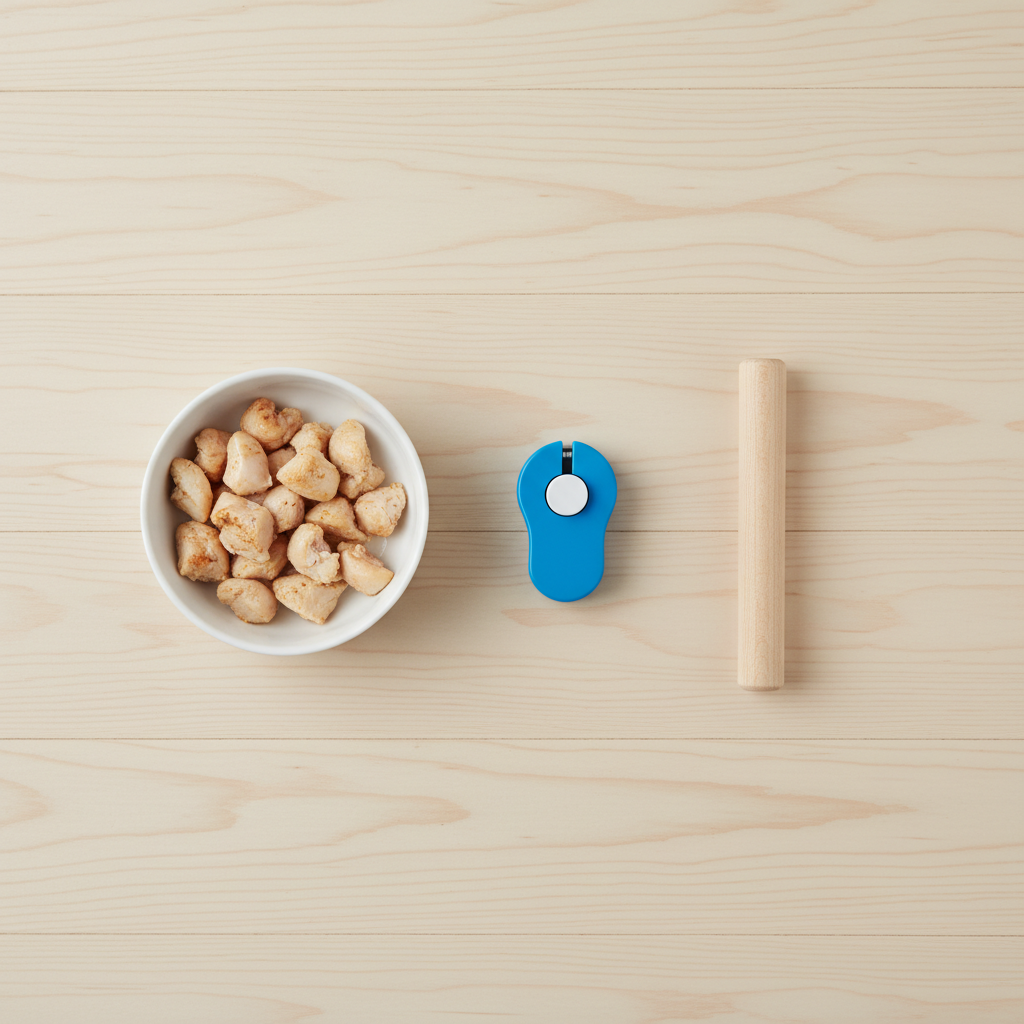
Before we jump into the ‘how-to,’ let’s gather our tools and get into the right headspace. Proper preparation is the secret ingredient to a smooth and successful training session for both you and your furry student. Think of it as setting the stage for a great performance!
The Training Toolkit
You don’t need a lot of fancy equipment, but having these items on hand will make the process much easier:
- High-Value Treats: We’re talking about the good stuff! Small, soft, and extra-tasty treats that your dog absolutely loves will keep them motivated. Think tiny pieces of cooked chicken, cheese, or commercial training treats.
- A Clicker (Optional but Recommended): A clicker is a fantastic tool for marking the exact moment your dog does something right. This precise communication speeds up learning immensely. If you’re not using a clicker, you can use a consistent marker word like “Yes!”.
- Training Objects: You’ll want a few different items. Start with something neutral and not overly exciting. A simple wooden dowel, a short piece of PVC pipe, or a non-toxic rubber training dummy are perfect. Avoid their favorite squeaky toy for now—that’s like asking a toddler to hold a cookie without eating it!
- A Quiet Training Space: Choose a location with minimal distractions. Your living room, a quiet backyard, or any space where your dog feels comfortable and can focus on you is ideal.
The Right Mindset: Patience and Positivity
Your attitude is just as important as your treats. Remember these key principles:
- Keep it Short and Sweet: Dogs, especially when learning something new, have short attention spans. Aim for multiple short sessions of 2-5 minutes throughout the day rather than one long, frustrating session.
- Stay Positive: This entire process should be a fun game. We are building a behavior, not correcting a mistake. Never use punishment or force the object into your dog’s mouth. This can create a negative association and make them fearful or resistant.
- Patience is Everything: Your dog won’t learn this overnight. Every dog learns at a different pace. Celebrate the small victories—a nose touch, a split-second of mouth contact—and trust the process. If you feel frustrated, it’s time to end the session on a positive note and try again later.
Expert Tip: Before you begin, make sure your dog is well-exercised but not exhausted. A dog with too much pent-up energy will struggle to focus, while a tired dog won’t have the mental energy to learn.
Building the Hold: A Step-by-Step Guide
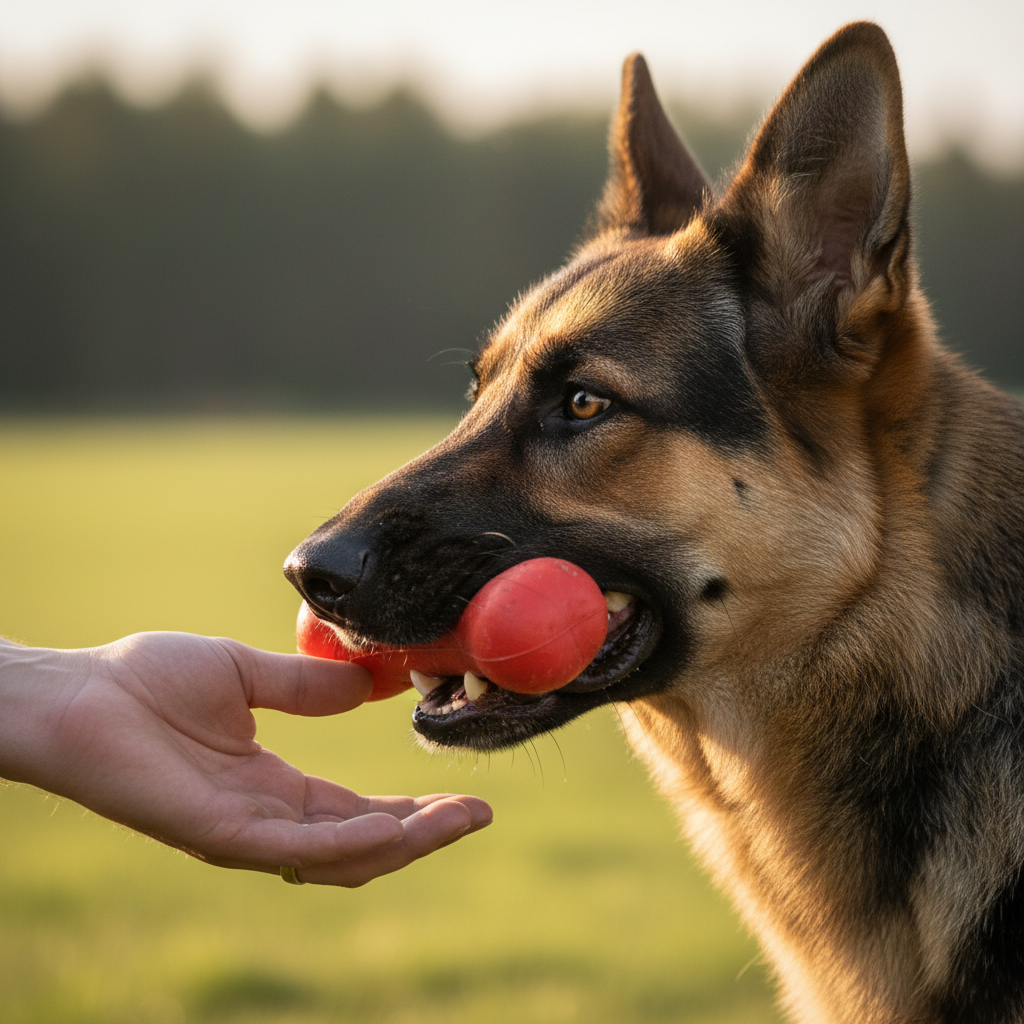
Alright, with our tools and positive mindset ready, it’s time for the fun part! We’re going to build this behavior from the ground up, one tiny, successful step at a time. This method is all about shaping, which means we reward small approximations of the final behavior until we get what we want. Let’s begin!
-
Step 1: Introduce the Object
The first goal is simple: get your dog interested in the training object. Hold the dowel or object in your hand. The moment your dog shows any interest—sniffing it, looking at it, or touching it with their nose—click (or say “Yes!”) and give them a treat. Repeat this several times until your dog is eagerly bopping the object with their nose, understanding that interacting with it earns them a reward.
-
Step 2: Encourage Mouth Contact
Now, we up the criteria. We’re no longer rewarding for just a nose touch; we’re waiting for any mouth contact. Hold the object out and wait. Be patient. Your dog will likely try sniffing it again. When they don’t get a reward, they’ll start to problem-solve. They might lick it, nibble it, or gently open their mouth on it. The instant their open mouth touches the object, even for a split second, click and treat! This is a jackpot moment, so make the reward extra special. The timing here is critical.
-
Step 3: Build Duration (The ‘Hold’)
This is the core of the exercise. Once your dog is reliably offering mouth contact, we’ll ask them to hold on for just a little longer. Present the object. When they put their mouth on it, wait a fraction of a second before you click and treat. Then, wait a full second. Then two. You are building the duration of the hold in tiny increments. If your dog drops the object before you click, that’s okay! It just means you asked for too much, too soon. Simply go back to a shorter duration where they were successful and build up more slowly. The goal is a calm, still mouth—if they start chewing, withhold the click and wait for a moment of stillness.
-
Step 4: Add the Verbal Cue
Your dog is now consistently taking the object and holding it for a few seconds. They understand the game! Now is the time to name the behavior. Just before you present the object, say your cue clearly, such as “Hold” or “Take It.” Then, proceed as usual. After several repetitions, your dog will begin to associate the word “Hold” with the action of taking and holding the object.
-
Step 5: Introduce the Release Cue
A hold isn’t complete without a clean release. You need to teach your dog to give the object back on cue. While they are holding the object, say your release word, like “Drop It” or “Give,” and present a high-value treat near their nose. Most dogs will drop the object to take the treat. The moment they do, click and give them the treat. Practice this until they release the object as soon as they hear the cue. It’s important that giving the object back is just as rewarding as holding it.
-
Step 6: Generalize the Behavior
Once your dog has mastered holding one object in one location, it’s time to generalize. Practice the hold with different objects (a rolled-up sock, a favorite toy, a training dumbbell), in different rooms of the house, and in the backyard. Gradually increase the duration of the hold and even add small challenges, like asking them to hold the object while you take a step back. This solidifies the skill and teaches them that “Hold” means the same thing no matter the context.
Oops! Troubleshooting Common Hold Hiccups
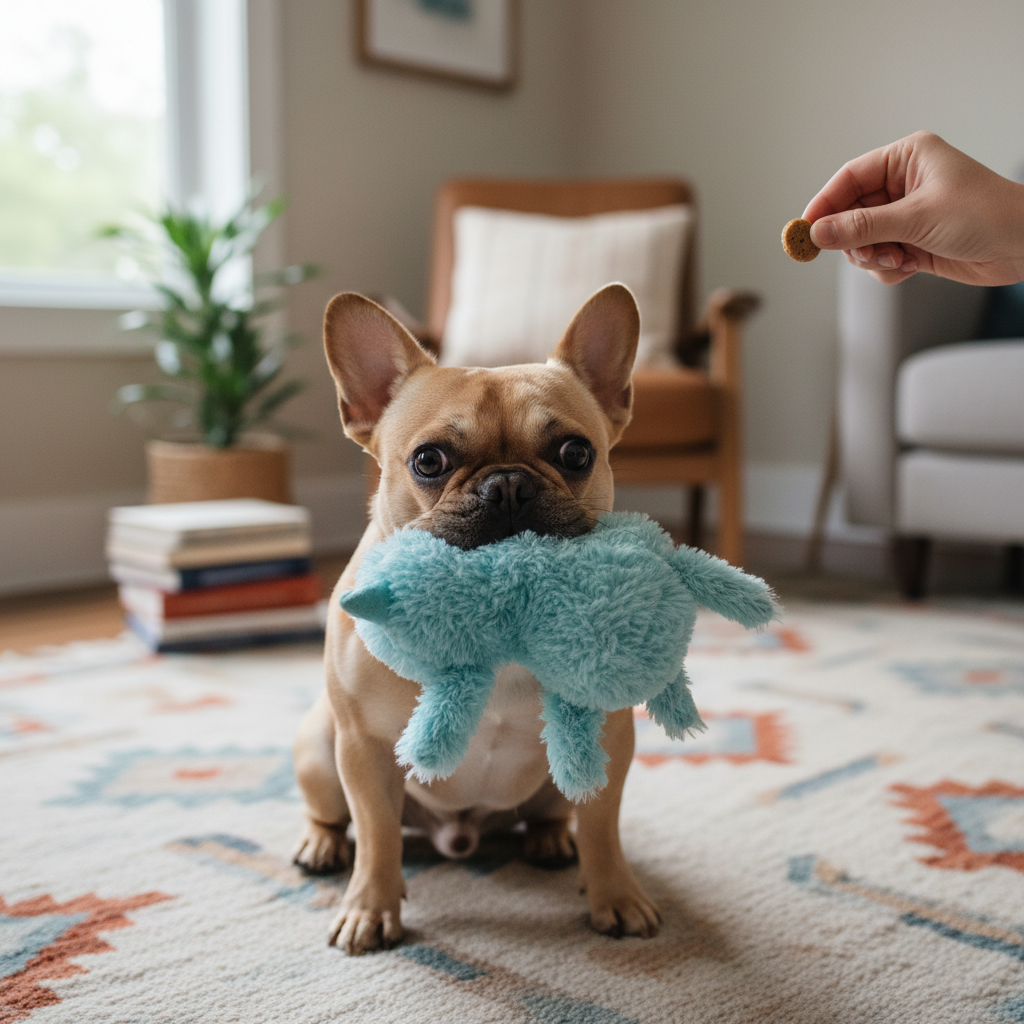
Even with the best plan, training doesn’t always go in a straight line. It’s perfectly normal to hit a few bumps in the road. Don’t worry! Most common problems have simple solutions. Here’s how to troubleshoot some of the frequent challenges you might face when teaching the static hold.
Problem: ‘My Dog Keeps Chewing the Object!’
This is probably the most common issue. Chewing is a natural behavior, but it’s not what we want for a static hold.
- The Fix: Go back to basics. Shorten the duration of the hold to a point where they are not chewing—even if it’s just a split second. Use a less ‘chewable’ object, like a hard plastic or wooden dowel, instead of a soft toy. Make sure you are only clicking and rewarding for a still mouth. If they start nibbling, wait for a moment of stillness before you click. If there is no stillness, reset and try again for a shorter duration.
Problem: ‘My Dog Drops the Object Immediately.’
If your dog takes the object but spits it out right away, it’s a clear sign you’re moving too fast.
- The Fix: You’ve asked for too much duration. Go back to Step 3 and celebrate the tiniest of victories. Reward your dog for a split-second of mouth contact. Then a half-second. Then a full second. The key is to build their confidence with many successful repetitions at a duration they can handle before you ask for more.
Problem: ‘My Dog Won’t Even Touch the Object with Their Mouth.’
Some dogs, particularly those who aren’t naturally ‘mouthy,’ might be hesitant to put a strange new object in their mouth.
- The Fix: Make the object more enticing! You can smear a tiny bit of peanut butter or cream cheese on it to encourage licking, which can lead to mouth contact. Another strategy is ‘back-chaining.’ Reward your dog for simply touching the object with their nose, then for nudging it, then for any slight opening of the mouth near it. Shape the behavior slowly and celebrate every small step in the right direction.
Problem: ‘My Dog Grabs the Object and Runs Away!’
This turns your training session into an unwanted game of chase.
- The Fix: This often happens when the dog thinks the session is over or finds possessing the object more rewarding than your treats. First, ensure your treats are high-value enough to be worth trading for. Second, put more focus on Step 5: teaching a brilliant release cue. Make giving the object back to you the best part of the game. You can also practice on a leash initially to prevent them from being able to run off with the prize.
Remember the Golden Rule of Troubleshooting: If your dog is failing, it’s not their fault. It simply means the step is too difficult. Take a step back to the last point of success and work forward from there in smaller increments.
Level Up! Practical Applications for the Static Hold
Congratulations! Your dog is now holding objects like a pro. So, what’s next? The static hold isn’t just a neat trick; it’s a gateway to a whole world of advanced skills, practical help, and fun activities. Let’s explore how you can put this fantastic new skill to use.
Perfecting Fetch and Retrieval Games
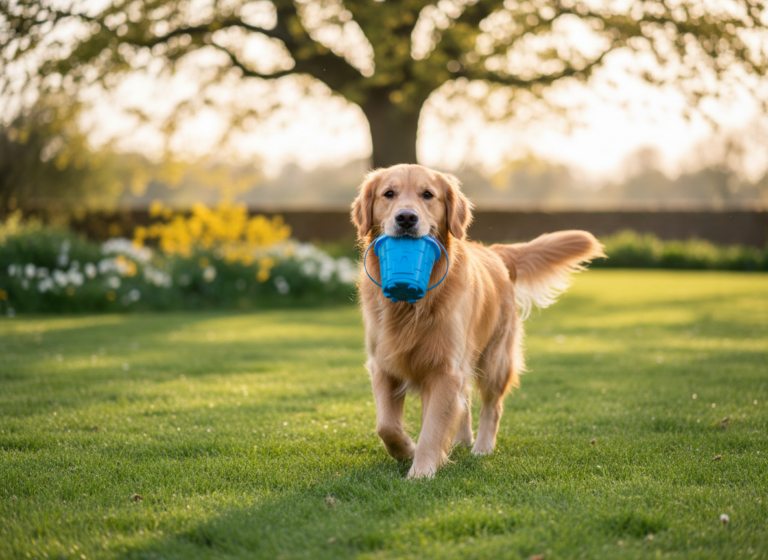
Say goodbye to destructive chewing during fetch! A solid hold means your dog can retrieve a ball or frisbee and bring it all the way back to you without chomping on it. You can build on this by teaching them to place it gently in your hand, making for a much more civilized and enjoyable game for everyone involved.
Helpful Household Tasks
You can shape the hold into practical assistance behaviors. Imagine asking your dog to:
- Bring you the remote control or your slippers.
- Help carry in light groceries (using a special soft-handled bag).
- Pick up toys and place them in a basket at the end of the day.
- Carry the mail from the door.
These tasks not only help you out but also provide your dog with incredible mental stimulation and a sense of purpose.
Foundation for Dog Sports
If you’ve ever been interested in dog sports, the static hold is a non-negotiable prerequisite. In sports like Obedience and Rally, dogs must retrieve and hold a dumbbell. In Flyball, the dog must hold a tennis ball securely while running a relay. A reliable hold will give you a huge head start if you ever decide to explore these exciting activities.
Adorable Photo Opportunities
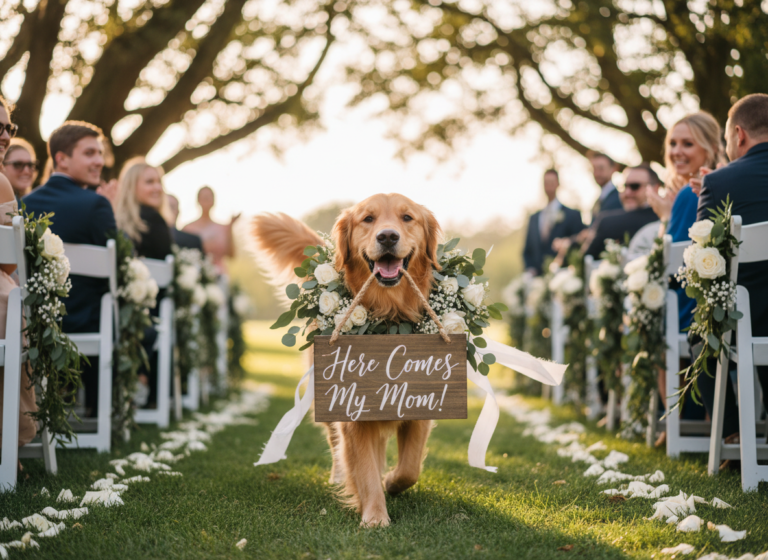
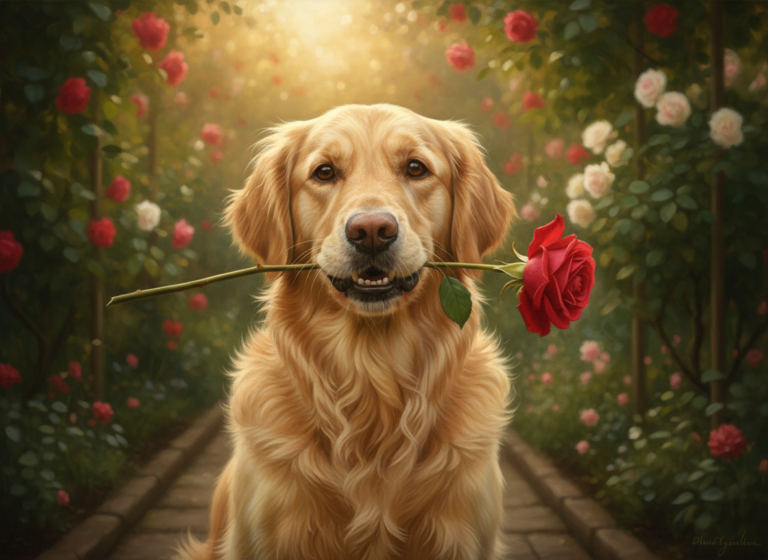
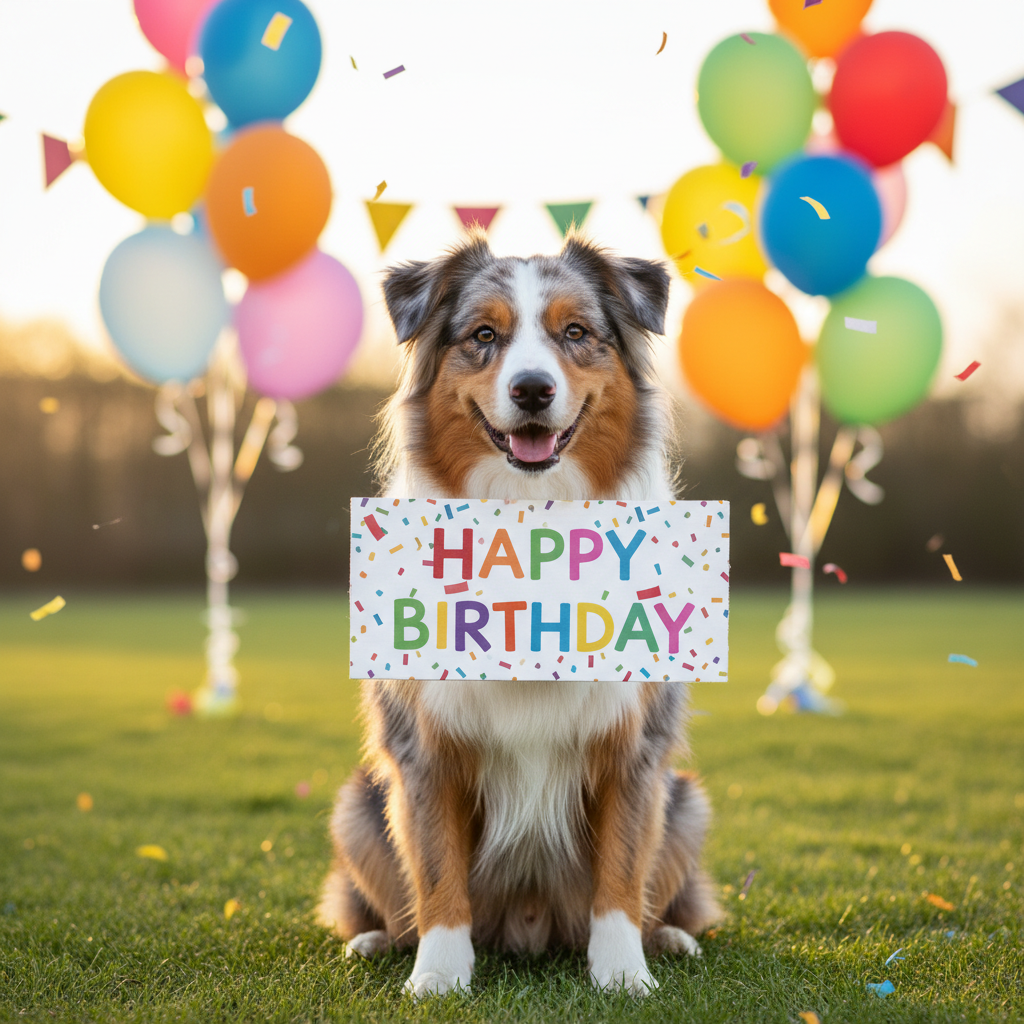
Let’s be honest—this is a big one! With a great hold, you can teach your dog to hold signs for birthday or holiday photos, carry a flower for a cute picture, or hold a small basket. Your social media game is about to get a serious upgrade!
Expert Tip: When moving to new applications, always start fresh with the shaping process for that specific object or task. Your dog might hold a dumbbell perfectly but need to re-learn the concept of a ‘gentle mouth’ when presented with a soft basket. Be patient and make it a positive experience every time.
By teaching the static hold, you’ve done more than just teach a trick. You’ve enhanced your communication, built your dog’s confidence, and strengthened the bond you share. Now go out there and have fun with your dog’s amazing new skill!
Conclusion
Teaching your dog the static hold is a journey that beautifully illustrates the power of positive reinforcement and clear communication. What starts with a simple nose-touch on a dowel can blossom into a reliable, gentle hold that has countless practical and fun applications. You’ve learned how to break down a complex behavior into bite-sized pieces, how to troubleshoot common issues with patience, and how to build on that foundation for more advanced skills.
More than anything, this process is a fantastic way to strengthen your bond. It’s a dance of teamwork and trust, where you and your dog learn to work together towards a common goal. Remember to keep your sessions short, your attitude positive, and your rewards plentiful. Every dog learns at their own pace, so celebrate the small wins and enjoy the process.
Now that you have the tools and the knowledge, you’re ready to unlock a new level of partnership with your canine companion. Happy training!