Is there anything more heart-melting than a dog’s head tilt? That sudden, quizzical turn of the head when you say a certain word or make a funny noise is pure, unadulterated cuteness. It’s the kind of moment every pet owner scrambles to capture on their phone, hoping to bottle up that little piece of magic. But what if you didn’t have to wait for it to happen by chance? What if you could ask for that adorable pose on command, ready for its close-up?
Well, you absolutely can! The head tilt is a natural behavior for many dogs, and in the world of positive reinforcement training, we have a wonderful technique for just this occasion called ‘capturing.’ It’s all about spotting a behavior your dog does naturally, marking it, and rewarding it until they learn to offer it on cue. It’s less about ‘teaching’ and more about communicating, ‘Hey, that thing you just did? I love it! Do it again!’
This guide will walk you through everything you need to know, from understanding the science behind the tilt to a step-by-step plan for capturing it. Get ready to fill your camera roll with the cutest photos you’ve ever taken. Let’s get started!
The Science Behind the Cuteness: Why Do Dogs Tilt Their Heads?
Before we turn into dog trainers, let’s put on our little scientist hats for a moment. Understanding why your dog tilts their head can make the training process even more fascinating. It’s not just a random quirk; it’s a hardwired response with some pretty cool explanations.
Helping Their Ears Do Their Job
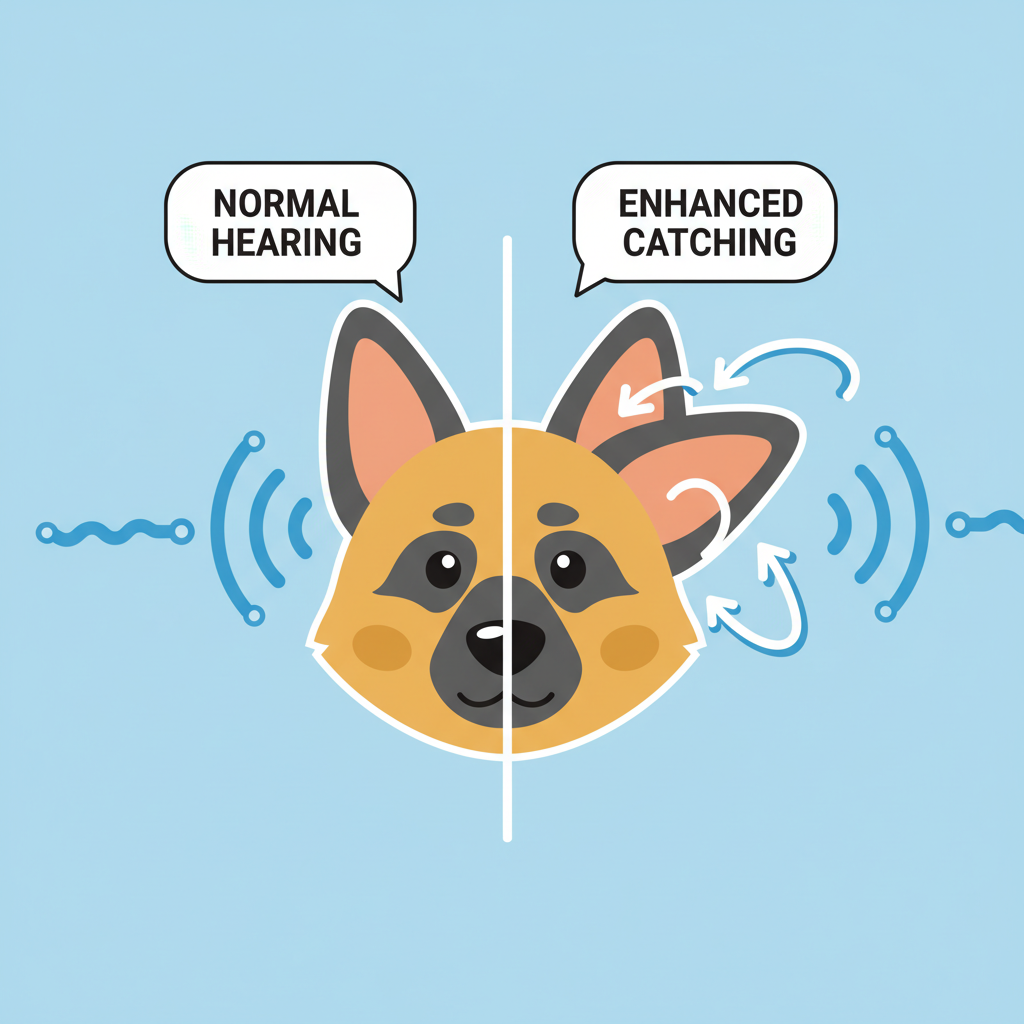
The most widely accepted theory is that a head tilt helps a dog pinpoint the location and distance of a sound. While we humans have a knack for figuring out where a sound is coming from, dogs’ hearing is on another level. They can hear frequencies we can’t even imagine. Their ear flaps, or pinnae, act like personal sound-collecting satellites. By tilting their head, they can adjust the position of their pinnae just enough to triangulate a sound’s origin with incredible precision. So when you make that weird, high-pitched squeak, your dog is essentially saying, ‘Hold on, let me just adjust my equipment to figure out what on earth that was and where it’s coming from.’
Getting a Better View
Another compelling theory, especially for dogs with longer muzzles, is that it helps them see better. Imagine having your nose constantly in your field of vision. According to a study by psychologist Stanley Coren, a dog’s muzzle can obstruct their view of the lower part of a person’s face. By tilting their head, they can get a clearer line of sight to our mouths and read our facial expressions more accurately. They’re trying to gather all the data they can—both auditory and visual—to understand what we’re communicating. It’s their way of saying, ‘I’m really trying to understand you!’
It’s a Social Signal
Finally, it’s a powerful social cue. Dogs are masters of body language, and they are incredibly attuned to our reactions. When your puppy tilts their head for the first time and you respond with ‘Awww, who’s a good boy?!’ and shower them with affection, they learn very quickly. They file that information away: ‘Head tilt = happy human and good things.’ They might start offering the behavior more often because it gets a positive response from their favorite person. In a way, they’ve already started training us!
Gearing Up: Your Head Tilt Training Toolkit
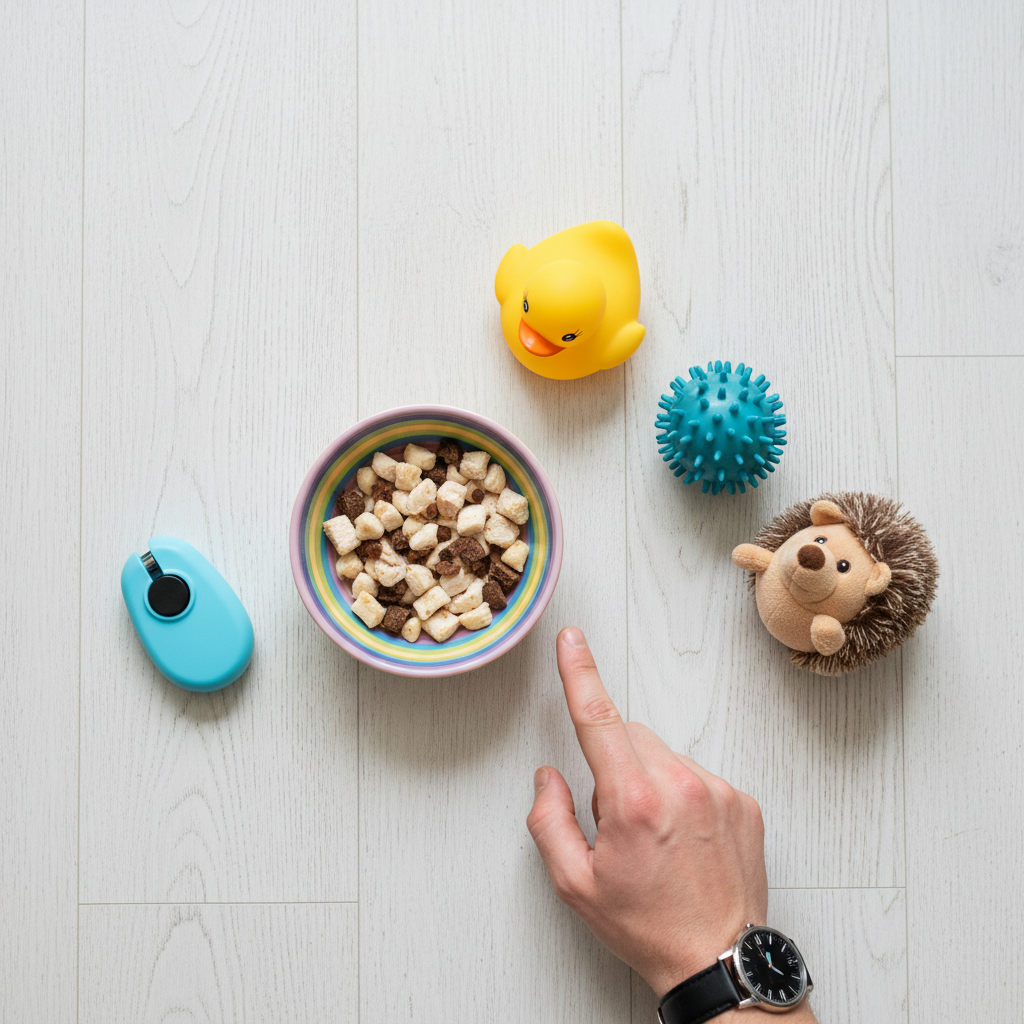
Great news! You don’t need a lot of fancy equipment to teach this trick. The most important tools are your enthusiasm and your dog’s favorite things. Here’s a checklist of what you’ll want to have on hand to make your training sessions a smashing success.
- High-Value Treats: We’re not talking about their everyday kibble. For capturing a new behavior, you need to bring out the good stuff. Think tiny pieces of cooked chicken, cheese, freeze-dried liver, or their absolute favorite store-bought training treats. The smellier, the better! The goal is to make the reward so amazing that your dog is highly motivated to figure out what earns it.
- A Clicker (Optional, but Recommended): A clicker is a small plastic device that makes a distinct ‘click’ sound. It’s used in training as an ‘event marker.’ The click tells your dog, ‘YES! That exact movement you just did is what earned you the treat.’ It’s much faster and more precise than saying ‘Good dog!’ and helps your dog learn very quickly. If you don’t have a clicker, a consistent, short marker word like ‘Yes!’ works great, too.
- Your ‘Trigger Sound’ Arsenal: This is the fun part! You need to find the sounds that naturally make your dog tilt their head. Every dog is different, so you’ll want to build a small collection of potential triggers. This could include a variety of squeaky toys, crinkling a water bottle, whistling in a new way, or even just making silly, high-pitched noises with your own voice. Have a few options ready to test out.
- A Quiet, Distraction-Free Space: When you first start, train in a calm environment where your dog can focus on you. A quiet living room is perfect. Trying to do this at the dog park with squirrels and other dogs running around will just lead to frustration for both of you.
- Patience and a Positive Attitude: This is the most critical ingredient. Training should be a fun game, not a chore. Keep your energy light and happy. Your dog will feed off your positive vibes!
Step-by-Step: From Natural Reaction to Cued Trick
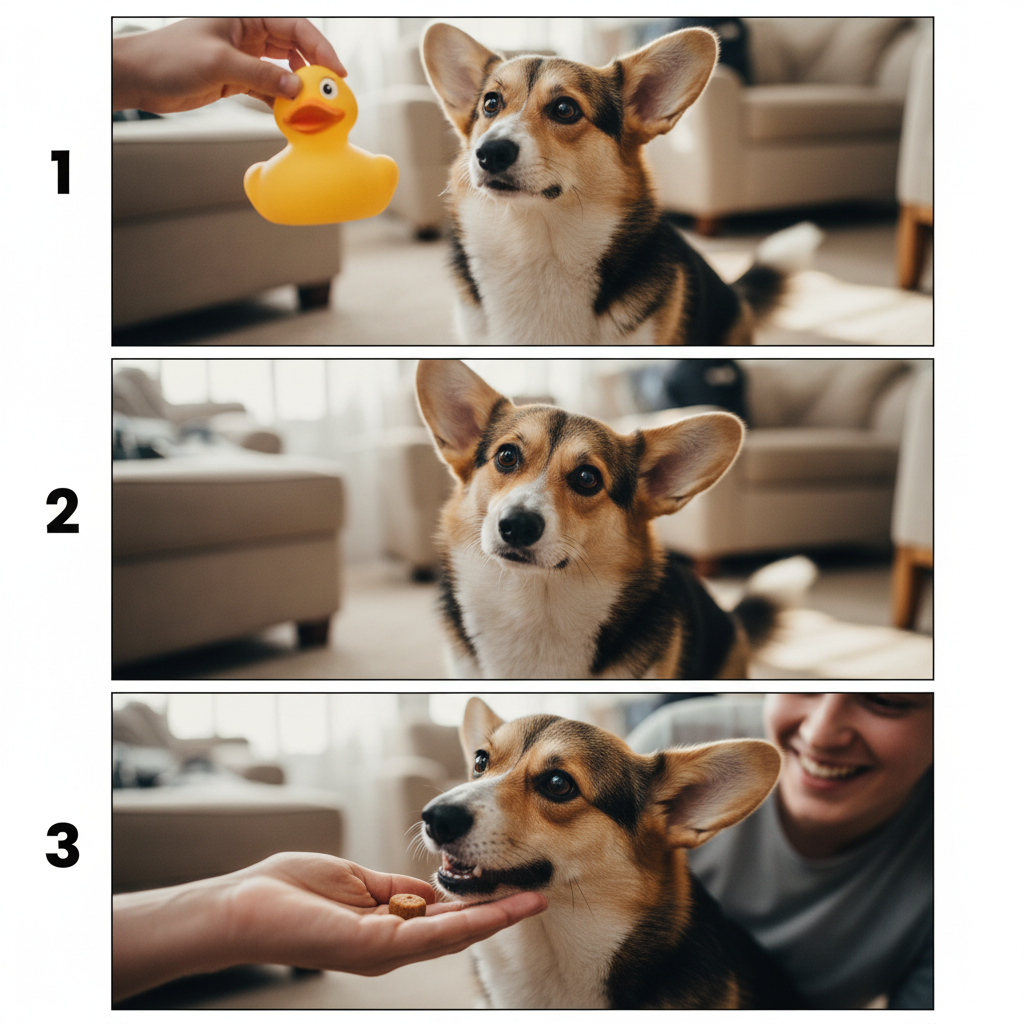
Alright, you’ve got your treats and your squeaky toys, and you’re ready to go! This process is all about timing and repetition. We’ll break it down into simple, manageable steps. Remember to keep sessions short—just 3 to 5 minutes at a time is perfect.
-
Step 1: Find Your Dog’s Trigger
Your first mission is to become a sound detective. Sit down with your dog in your quiet space. Have your treats and clicker (or marker word) ready. Now, experiment! Make one of your potential trigger sounds. Squeak a toy. Crinkle a wrapper. Make a funny ‘boop’ noise. Watch your dog’s reaction closely. Does one sound make their ears perk up? Does another cause a slight tilt? When you find a sound that consistently gets a head tilt, you’ve found your golden ticket! Don’t overuse it yet; just identify it.
-
Step 2: Capture and Mark the Moment
Now for the ‘capturing.’ Make the trigger sound. The instant your dog’s head tilts—even if it’s just a tiny bit—you must ‘mark’ that exact moment. Click your clicker or say ‘Yes!’ with enthusiasm. The timing here is absolutely crucial. The mark needs to happen during the tilt, not after. Immediately after the mark, give your dog a delicious treat.
Expert Tip: Think of the click/mark as taking a picture of the exact behavior you want. You want to press the shutter button right at the peak of the action!
-
Step 3: Repetition, Repetition, Repetition
Repeat the process. Make the sound, wait for the tilt, mark it instantly, and reward. Do this 5-10 times in a session. You’ll start to see a lightbulb go on in your dog’s head. They’ll begin to understand, ‘When I hear that sound and I do this tippy thing with my head, I get a click and a yummy snack!’ They might even start offering the tilt more quickly and deliberately.
-
Step 4: Introduce Your Verbal Cue
Once your dog is reliably tilting their head at the trigger sound, it’s time to put a name to the action. Choose a short, clear cue. ‘Tilt?’, ‘Cute?’, or ‘Head tilt?’ all work well. Now, you’ll change the sequence slightly. Say your new cue word just before you make the trigger sound. For example: Say ‘Tilt?’, then immediately squeak the toy. When they tilt, mark and reward. Repeat this over several sessions. The goal is for your dog’s brain to build a bridge, associating your verbal cue with the trigger sound and the resulting action.
-
Step 5: Fade the Trigger Sound
This is where the magic really happens. As your dog gets better at responding to the ‘Cue -> Sound -> Tilt’ sequence, you can start to fade the original trigger. Try saying your cue, and then make the trigger sound much more quietly. Mark and reward the tilt. Then, try just saying the cue and waiting a beat. Your dog, anticipating the sound, might offer the tilt on their own! If they do, throw a jackpot party—give them several treats and lots of praise! This is a huge breakthrough. Gradually, you’ll rely less and less on the sound until your dog performs the head tilt on your verbal cue alone.
-
Step 6: Generalize the Behavior
Your dog might be a head-tilting champion in the living room, but can they do it in the backyard? Or when Grandma is visiting? The final step is to ‘generalize’ the trick. Practice in different rooms of the house. Try it in your (leashed) backyard. Ask for it with very mild distractions present. This helps your dog understand that ‘Tilt?’ means the same thing everywhere, not just in your training spot. This is what makes the trick reliable and ready for its photo debut!
Oops! Troubleshooting Common Head Tilt Hurdles
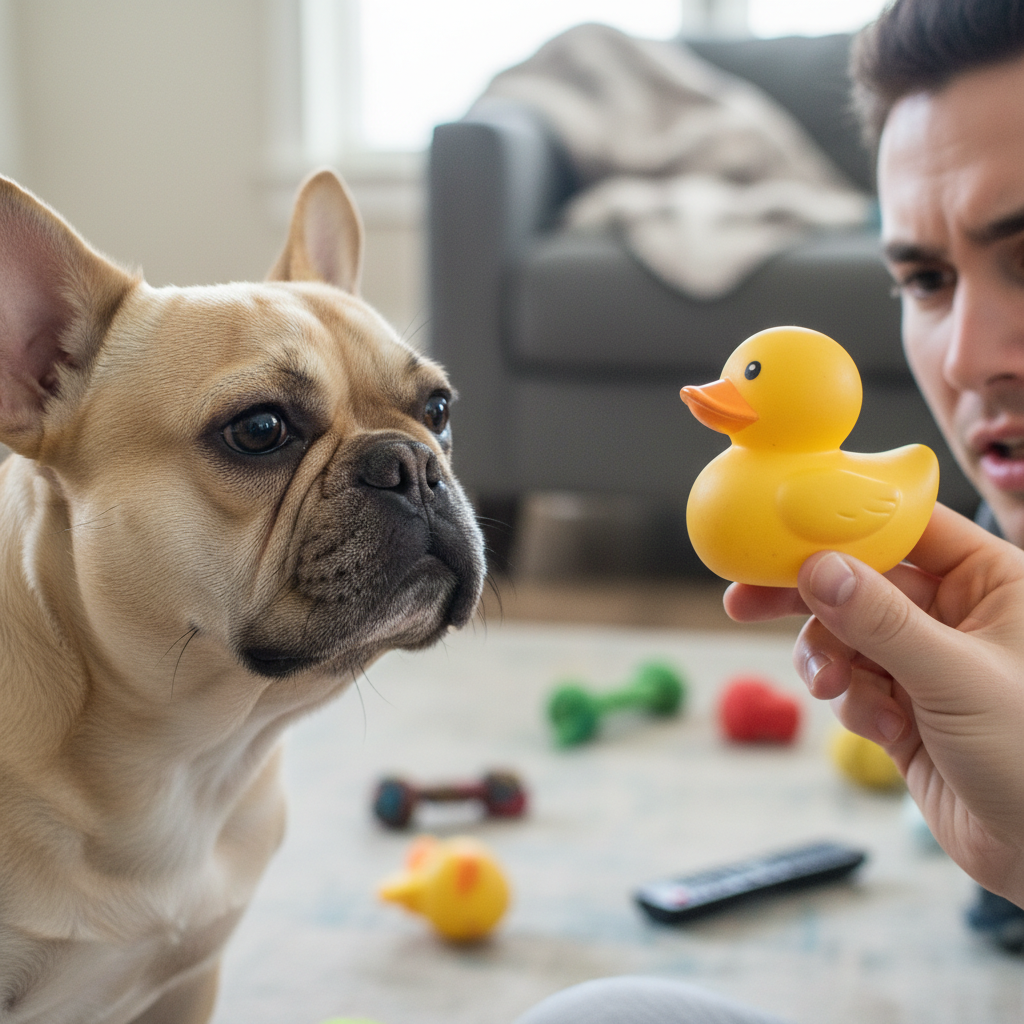
Sometimes training doesn’t go exactly as planned, and that’s completely normal! Every dog learns at a different pace. If you hit a snag, don’t worry. Here are some common challenges and how to work through them.
‘My dog just stares at me. No sounds are working!’
This is common. Your dog might not be particularly sound-sensitive, or you just haven’t found the right one yet. Think outside the box. Try talking to them in a new, high-pitched ‘alien’ voice. Try playing a video of a dog barking on your phone. Sometimes, a visual trigger works better. Show them a brand new toy they’ve never seen before and hold it up by your head. The novelty alone can be enough to elicit a curious tilt.
‘My dog gets distracted and loses interest quickly.’
This is usually a sign that your training sessions are too long or your treats aren’t exciting enough. Cut your session time in half—even 1-2 minutes can be productive. And double-check your rewards. Are they truly ‘high-value’? The promise of a piece of plain kibble might not be enough to compete with the allure of a sunbeam on the floor. Up the ante with something more delicious!
‘The trigger sound used to work, but now my dog ignores it.’
This is called habituation. Your dog has gotten used to the sound, and it’s no longer new or interesting enough to provoke a reaction. This is why having an ‘arsenal’ of sounds is a great idea. Switch it up! If the squeaky duck has lost its magic, try the crinkly paper. Keep it novel and unpredictable to keep your dog engaged.
‘My dog does the tilt, but my timing with the mark is off.’
This takes practice! If you’re struggling, try a ‘dry run’ without your dog. Hold the squeaky toy in one hand and the clicker in the other. Squeak the toy and practice clicking at the exact same time. Build that muscle memory. It can also help to have a friend watch you and give you feedback on your timing. Remember, a late mark rewards the dog for straightening their head back up, which can be confusing for them.
Ready for Your Close-Up: Nailing the Head Tilt for Photos
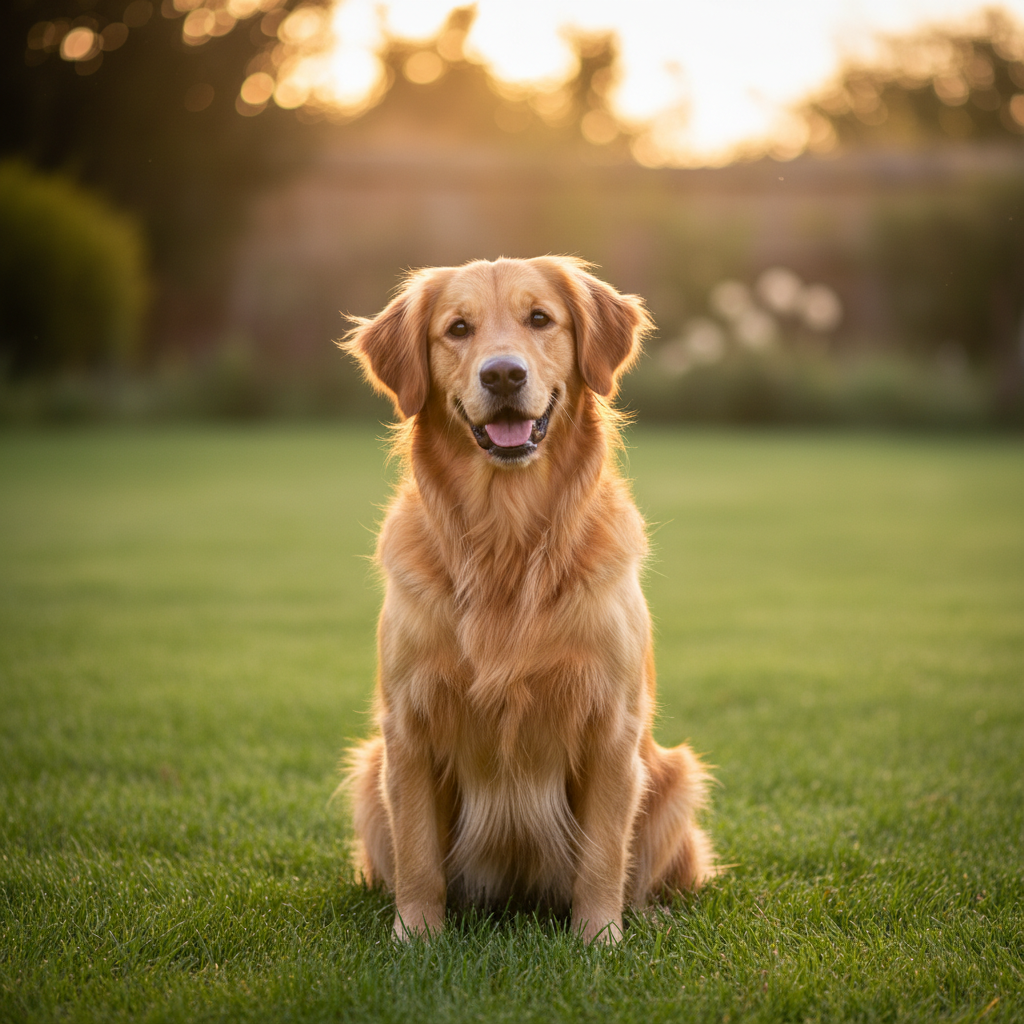
You’ve done it! Your dog can now tilt their head on cue. High-five! Now, let’s put that new skill to use and capture some frame-worthy photos. Transitioning a trick from a training session to a photoshoot requires a little extra polish.
Building a Little Duration
For a photo, a split-second tilt won’t do. You need them to hold the pose for a second or two. You can teach this by gradually delaying your mark. Ask for the ‘Tilt,’ and when they do it, wait just a half-second before you click and treat. Slowly increase this delay over several sessions. If they pop their head back up before you mark, that’s okay! Just go back to a shorter duration where they can be successful. You’re teaching them that the reward comes for holding the cute pose.
Set the Scene for Success
Before you even ask for the trick, set up your shot. Good photography is all about light and background.
- Find the Light: Natural light is your best friend. Position your dog so they are facing a window or in a bright, shady spot outdoors. Avoid harsh, direct sunlight that creates unflattering shadows.
- Declutter the Background: A beautiful photo of your dog can be ruined by a messy pile of laundry in the background. Find a simple, uncluttered backdrop, like a plain wall, a nice patch of grass, or a cozy blanket.
- Get Your Camera Ready: Have your phone or camera settings ready to go. Turn on burst mode if you have it! This lets you take a rapid series of photos, increasing your chances of catching that perfect moment.
Working with a Helper
Juggling a camera, giving a cue, and delivering a treat can feel like you need three extra arms. If possible, enlist a helper! You can be the photographer, focused on getting the shot, while your helper stands right next to you and gives the ‘Tilt?’ cue. This allows you to concentrate on framing, focus, and capturing that perfect expression.
Combine with ‘Stay’
For the ultimate photo, combine the head tilt with a solid ‘Stay’ command. Have your dog sit and stay, get your camera ready, and then ask for the tilt. This prevents them from breaking position and running to you for the treat right after they do the trick. It gives you that crucial extra second to snap the picture.
Conclusion
And there you have it! The head tilt is more than just a cute reflex; it’s a window into how your dog perceives the world and a fantastic opportunity for you to connect with them through the fun and rewarding game of training. By following these steps—finding a trigger, capturing the behavior with perfect timing, adding a cue, and practicing—you’re not just teaching a trick. You’re building your dog’s confidence and strengthening your bond.
Remember to be patient, keep it positive, and celebrate the small victories along the way. The goal isn’t just to get an amazing photo (though that’s a wonderful bonus!), it’s about the joyful moments you share while learning together. So grab your treats, find your silliest sound, and get ready to capture some truly heart-melting memories.