There’s something undeniably heartwarming about capturing the unique personality of our dogs in a photograph. We fill our camera rolls with their goofy sploots, majestic poses, and sleepy snuggles. But what if you could create a truly whimsical, storybook-perfect moment? Imagine your best friend, looking like a little scholar, seemingly lost in the pages of a good book. It’s not just a fantasy—it’s a fun training project you can achieve together!
Posing your dog holding a book open is more than just a cute photo opportunity; it’s a fantastic bonding experience that combines trick training with a creative outlet. This guide will walk you through everything you need to know, from the foundational commands to the final camera click. We’ll focus on positive, fun, and patient methods to ensure your pup enjoys the process as much as you’ll love the final picture. So, grab your camera and some tasty treats, and let’s get ready to make some magic!
Gathering Your Props and Treats: Setting the Scene for Success
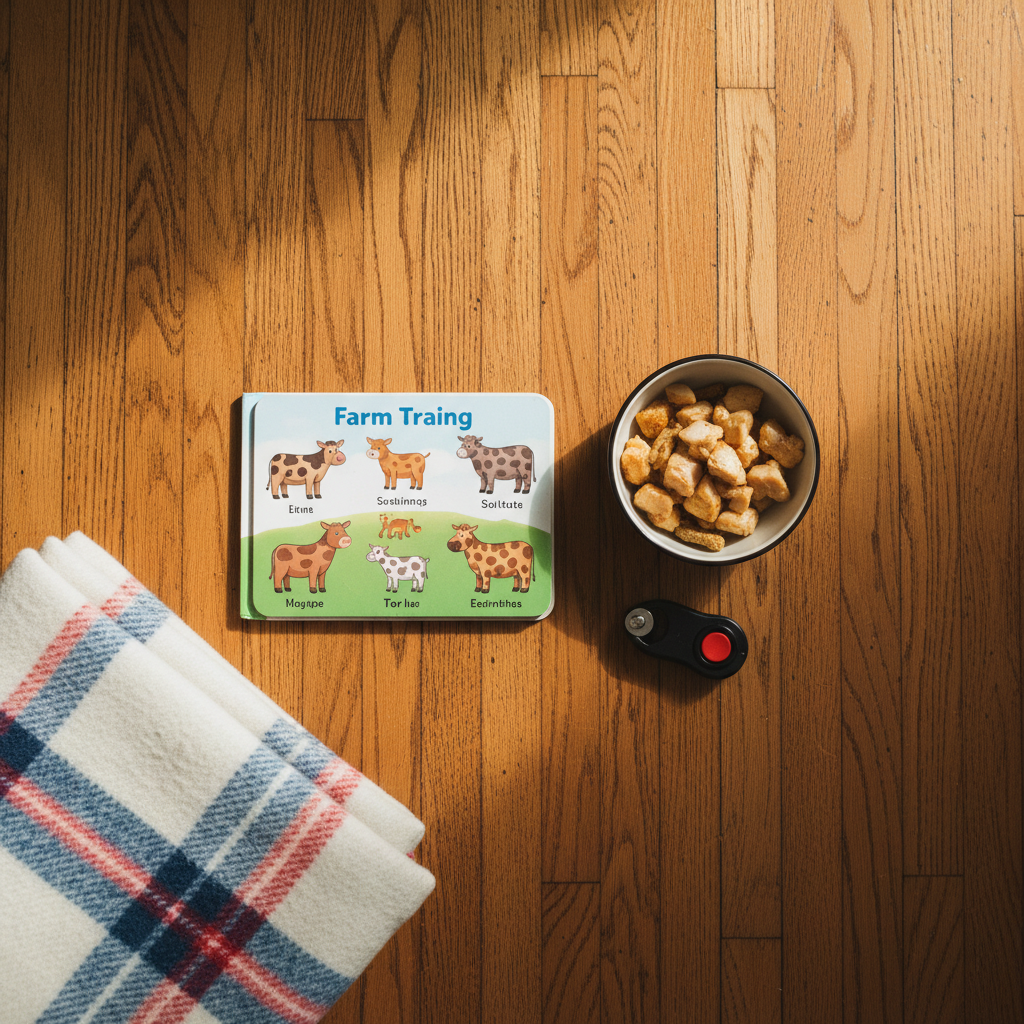
Before you and your furry student can hit the books, you need to set the stage. Having the right tools on hand will make the training process smoother, safer, and much more fun for everyone involved. Think of this as preparing the perfect, cozy library for your pup’s big debut.
Essential Supplies
- The Right Book: This is crucial! Choose a hardcover book that is lightweight and can stay open on its own. A children’s board book is often a perfect choice. Avoid heavy tomes or precious library books, as they might get accidentally slobbered on or damaged.
- High-Value Treats: Standard kibble might not cut it for this level of focus. You need treats that your dog absolutely loves and will work hard for. Think small, soft, and smelly morsels like tiny pieces of chicken, cheese, or commercial training treats.
- A Comfortable Spot: Find a cozy and stable place for your dog to pose. A dog bed, a low ottoman, or a plush rug works well. The goal is for your dog to be relaxed, not precariously balanced on a slippery surface.
- Clicker (Optional): If your dog is already clicker-trained, a clicker can be a powerful tool for marking the exact moment they perform the correct action. If not, a consistent verbal marker like a happy “Yes!” works just as well.
- Patience and a Positive Attitude: This is the most important tool in your kit! This trick takes time to learn. Keep your sessions short (5-10 minutes max), upbeat, and always end on a positive note.
Expert Tip: When choosing a spot, pay attention to the lighting. A place near a large window with plenty of natural light will result in much better photos than a dimly lit corner. Good lighting means you won’t need a startling flash, which can make your dog anxious.
The Foundation: Mastering ‘Paws Up’ and a Gentle ‘Hold’
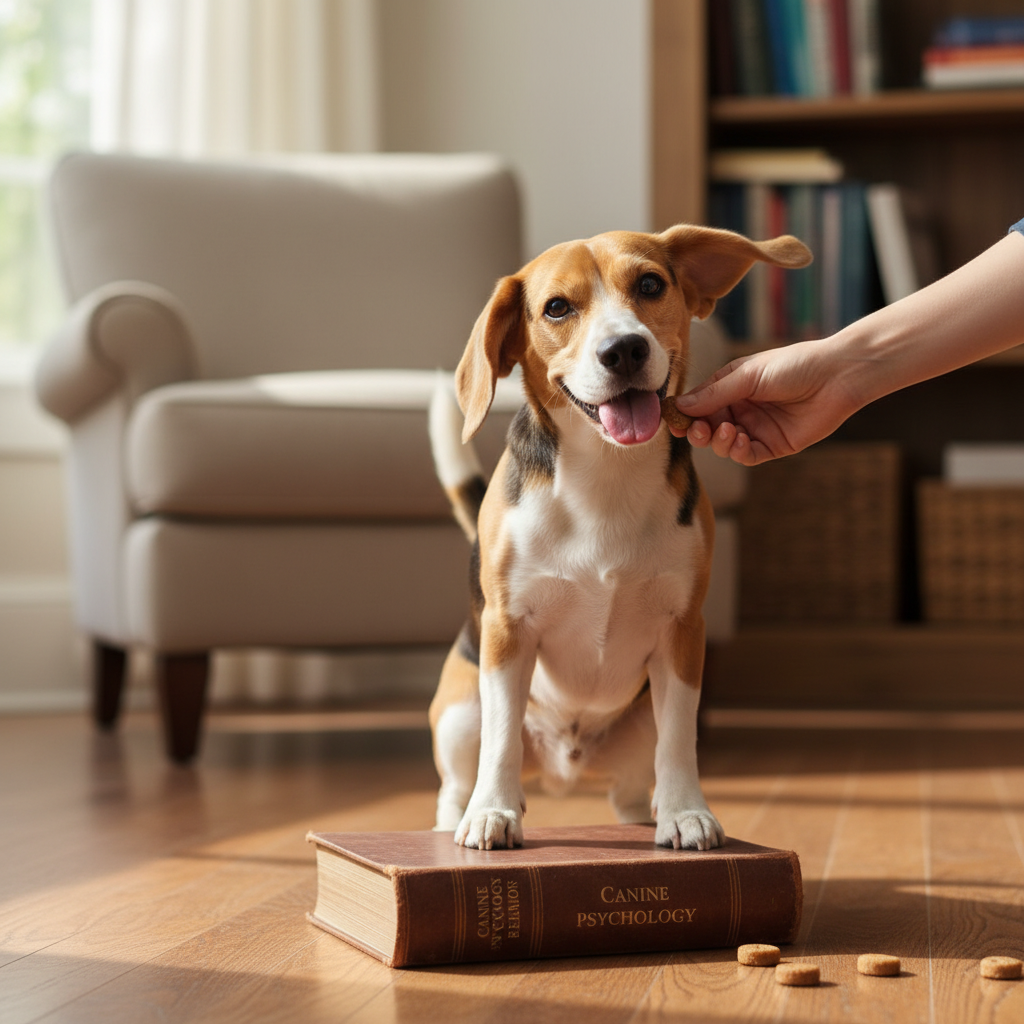
Jumping straight to the final pose is like trying to read the last chapter of a book first—you’ll miss all the important parts! To succeed, we need to build a strong foundation with two key skills: teaching your dog to place their paws on an object and to hold an item gently. Master these, and the final pose will be a piece of cake.
Teaching ‘Paws Up’
This command teaches your dog to place their front paws onto a designated object. It’s the key to making it look like they are holding the book.
- Start with a low, stable object like a cushion or a thick book. Place it on the floor in front of your dog.
- Hold a treat in your hand and use it to lure your dog’s nose up and over the object. As they shift their weight forward to get the treat, they will naturally step onto the object with one or both paws.
- The moment a paw touches the object, say “Yes!” (or click) and give them the treat.
- Repeat this process. Once they are reliably putting their paws on the object, you can add the verbal cue “Paws Up” just before you lure them.
- Practice for a few minutes each day until they can place both paws on the object on command.
Teaching a Gentle ‘Hold’ (Optional but Helpful)
While our primary method will involve resting paws *on* the book, teaching a gentle ‘hold’ is a great skill that can help. This is for the truly ambitious pet parent who wants their dog to lightly grip a prop.
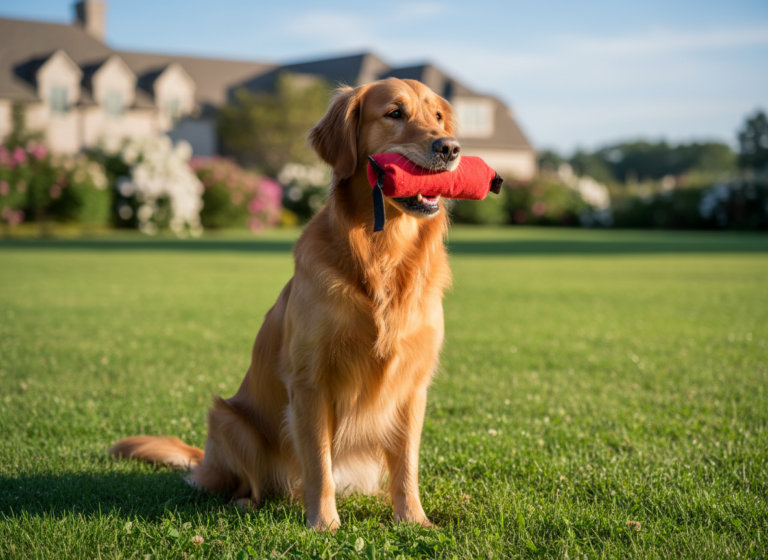
- Start with a favorite toy or a training dumbbell. Hold it out to your dog. Most dogs will naturally sniff or mouth it. The instant their mouth touches it, say “Yes!” and treat.
- Gradually wait for them to put more of their mouth on the object before you reward them.
- Once they are confidently mouthing the object, start building duration. Hold the object and when they put their mouth on it, say “Hold…” and wait just one second before rewarding.
- Slowly increase the duration of the hold. If they drop it, no problem! Just reset and try for a shorter duration. The key is to always reward them *before* they drop it, so they succeed.
Remember: The goal is a gentle hold. If your dog is a power-chewer, it might be best to stick with the ‘Paws Up’ method to keep your book safe and sound!
Putting It All Together: The Step-by-Step Guide to the Book Pose
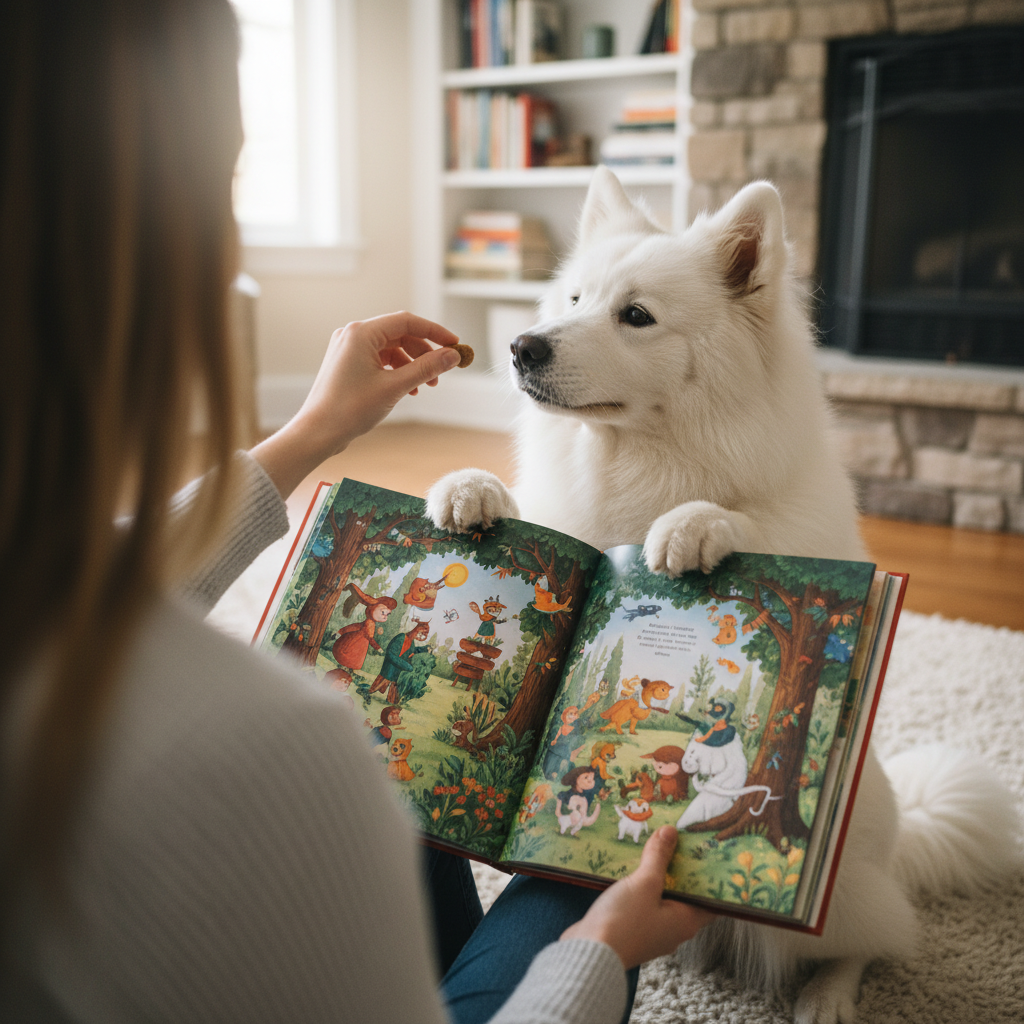
Okay, the props are ready, and your dog has been practicing the basics. Now it’s time for the main event! This is where we combine the skills to create that picture-perfect moment. Remember to keep it light and fun. If your dog gets frustrated, take a break and play a game of fetch. Let’s begin!
- Get Comfortable: Start by getting your dog settled in your chosen cozy spot. Make sure they are calm and relaxed before you begin.
- Introduce the Book: Place the open book on the floor or on a low cushion in front of your dog. Let them sniff it and get used to it. Reward them for calm curiosity.
- Cue ‘Paws Up’: Ask your dog to perform the ‘Paws Up’ command, so their paws are resting on the open pages of the book. The moment they do, give them lots of praise and a high-value treat. Repeat this several times until they seem confident resting their paws there. This is the core of the illusion!
- Refine the Pose: Now you can start shaping the final look. Use a treat to guide their head position. By holding a treat slightly above their eye level, you can encourage them to look up towards the ‘camera’ rather than down at the book.
- Manage the Paws: For the photo, you want their paws to look like they are holding the pages down. You can gently adjust their paws to be a little wider apart if needed, rewarding them for keeping them still. The weight of their paws is what will hold the book open.
- Capture the Moment: Once they are holding the pose for even a second or two, start snapping pictures! Use your phone or camera’s burst mode to take a quick series of photos. This increases your chances of catching that one perfect shot where their expression, paws, and posture are all just right.
Most dogs will not actually be ‘holding’ the book in the human sense. They are resting their paws on it. This is safer, more comfortable for them, and much easier to train. The magic is all in the angle and the timing!
Picture Perfect: Photography Tips for Your Canine Scholar
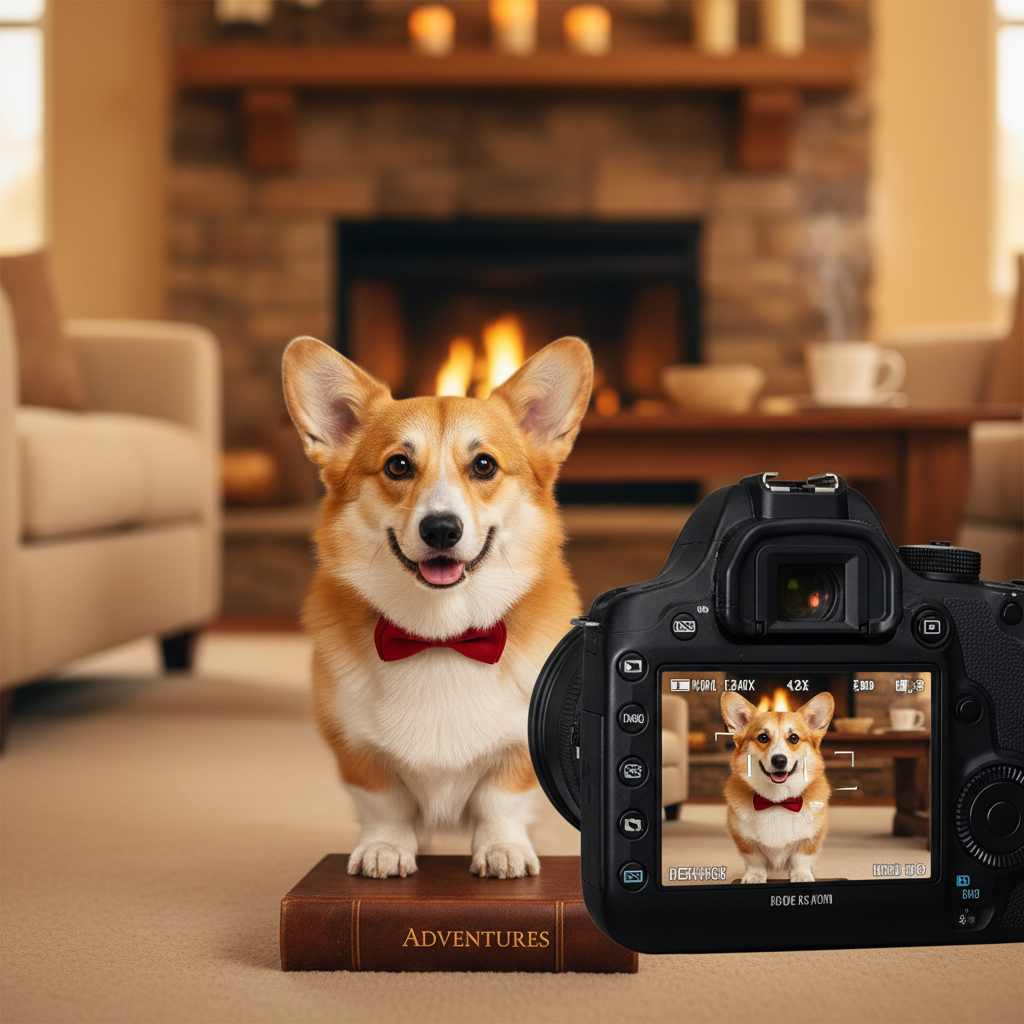
You’ve done the hard work of training the pose; now it’s time to become a pet photographer! Getting a great shot involves more than just pointing and shooting. A few simple tricks can elevate your photo from a cute snapshot to a frame-worthy portrait.
Lighting is Everything
Natural light is your best friend. Position your dog near a window where they are bathed in soft, indirect light. Avoid harsh, direct sunlight, which can create unflattering shadows. Turn off overhead indoor lights, as they can cast a yellow or orange hue. If it’s a gloomy day, you can bounce light from a lamp off a white wall or piece of poster board to brighten up the scene.
Get on Their Level
One of the biggest mistakes in pet photography is shooting from a standing position, looking down at your pet. This can make them look small and distorted. For this shot, get right down on the floor. An eye-level angle is far more engaging and makes the viewer feel connected to the subject—your adorable, book-loving pup.
Choose the Right Background
A cluttered, distracting background can ruin a great photo. Before you start, scan the area behind your dog. Are there stray shoes, electrical cords, or a messy coffee table in the shot? Move them! A simple, clean background will make your dog the star of the show. A bookshelf, a cozy fireplace, or a plain wall all work beautifully.
| Photography Tip | Why It Works | Pro-Tip |
|---|---|---|
| Use Burst Mode | Dogs move fast! Burst mode takes multiple shots per second, ensuring you capture the perfect expression. | Go through the burst shots later and pick the one with the sharpest focus and best pose. |
| Focus on the Eyes | The eyes are the most expressive part of the face. Tap your screen to focus on your dog’s eyes before you take the picture. | Make a funny noise right before you shoot to get them to look at you with an alert, curious expression. |
| Add Fun Props | A small bowtie, a pair of (prop) reading glasses on their head, or a little ‘scholar’ cap can add a huge dose of personality. | Introduce props slowly and make sure your dog is comfortable wearing them. Never force it. |
Troubleshooting Common Hiccups: What to Do When Fido Won’t Cooperate
Even with the best treats and the most patience, training sessions don’t always go according to plan. Dogs have their own minds, and that’s part of why we love them! If you run into a roadblock, don’t worry. Here are some solutions to common challenges.
Problem: My dog keeps trying to eat the book!
Solution: This is a very common issue! It usually means your dog thinks the book is a new type of chew toy. Go back to basics. Practice the ‘Paws Up’ command on a less-exciting object, like a block of wood or a boring, thick textbook. Reward heavily for interacting with their paws instead of their mouth. You can also try smearing a tiny bit of dog-safe peanut butter on a toy and then placing the book nearby, rewarding them for choosing the toy to chew and the book to put their paws on.
Problem: My dog won’t keep their paws still for more than a second.
Solution: This often comes down to one of three things: boredom, discomfort, or excitement. First, make sure your training sessions are short and sweet. A dog’s attention span can be brief. Second, check the surface. Is the book wobbly? Is the floor cold? Ensure everything is stable and comfortable. Finally, if they’re just too wiggly, they might have excess energy. Try a quick game of fetch or a short walk before your training session to help them settle.
Problem: My dog seems stressed or anxious.
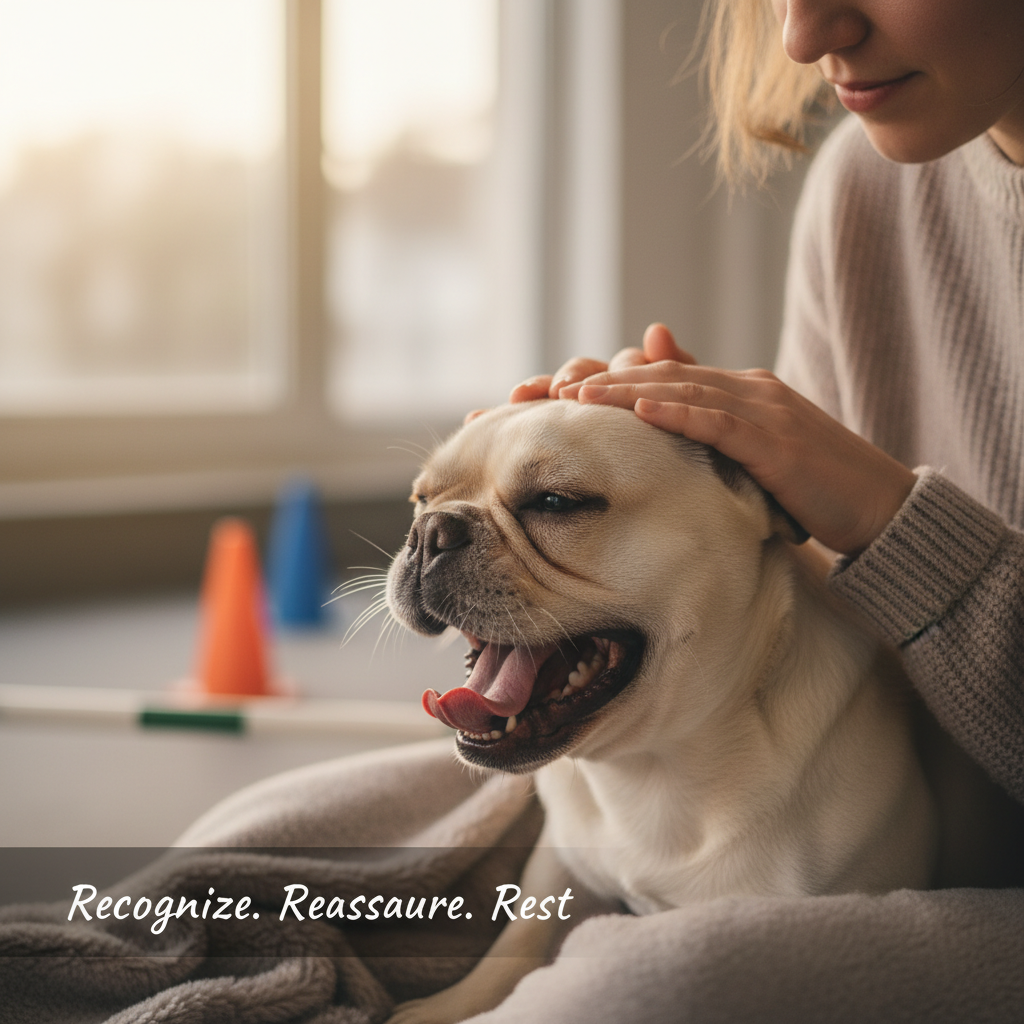
Solution: This is the most important issue to address. Training should always be fun. Watch for signs of stress, such as excessive yawning, lip licking, or showing the whites of their eyes (whale eye). If you see these, stop the session immediately. End on a positive note by asking for a simple command they know, like ‘sit’, and rewarding them for it. The next time you try, make the session even shorter and the task even easier. The goal is to build positive association. Never, ever force your dog into a pose. Their comfort and happiness are the top priority.
Conclusion
And there you have it! With a little patience, a handful of tasty treats, and a whole lot of love, you can capture a photo that you’ll cherish forever. Remember, the real goal of this exercise isn’t just the final picture; it’s the time you spend working and connecting with your dog. Every small success, from a single paw touch to a full-fledged pose, is a reason to celebrate your incredible bond.
So, be patient, have fun, and embrace the charming imperfections of the process. Whether your dog looks like a serious scholar or a goofy bookworm, the result will be a testament to your amazing partnership. Now, go create your own story time masterpiece, and don’t forget to share your adorable photos—we’d love to see your literary pups!