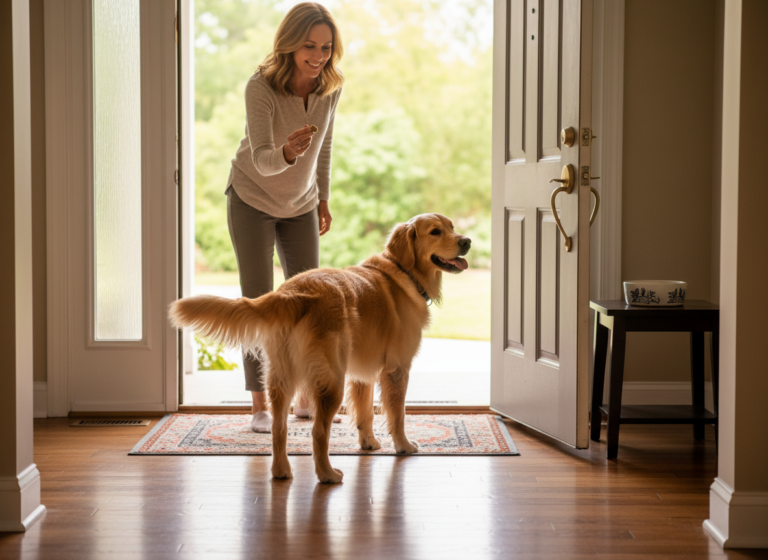
Have you ever watched those incredible dog dancing videos and thought, ‘I wish my dog could do that!’? Well, get ready to turn that wish into a reality! We’re about to break down one of the coolest-looking, yet surprisingly achievable, tricks out there: the Reverse Weave. It’s like the moonwalk of the dog world!
Unlike the standard figure-eight weave where your dog moves forward, the reverse weave has them gracefully moving backwards through your legs. It’s a fantastic trick for building your dog’s body awareness, coordination, and confidence. More importantly, it’s an incredibly fun way to engage their brain and strengthen the amazing bond you share. This guide will walk you through everything you need, from the first backward step to a flawless performance, all using positive, fun techniques. Let’s get ready to dance!
Setting the Stage for Success: What You’ll Need
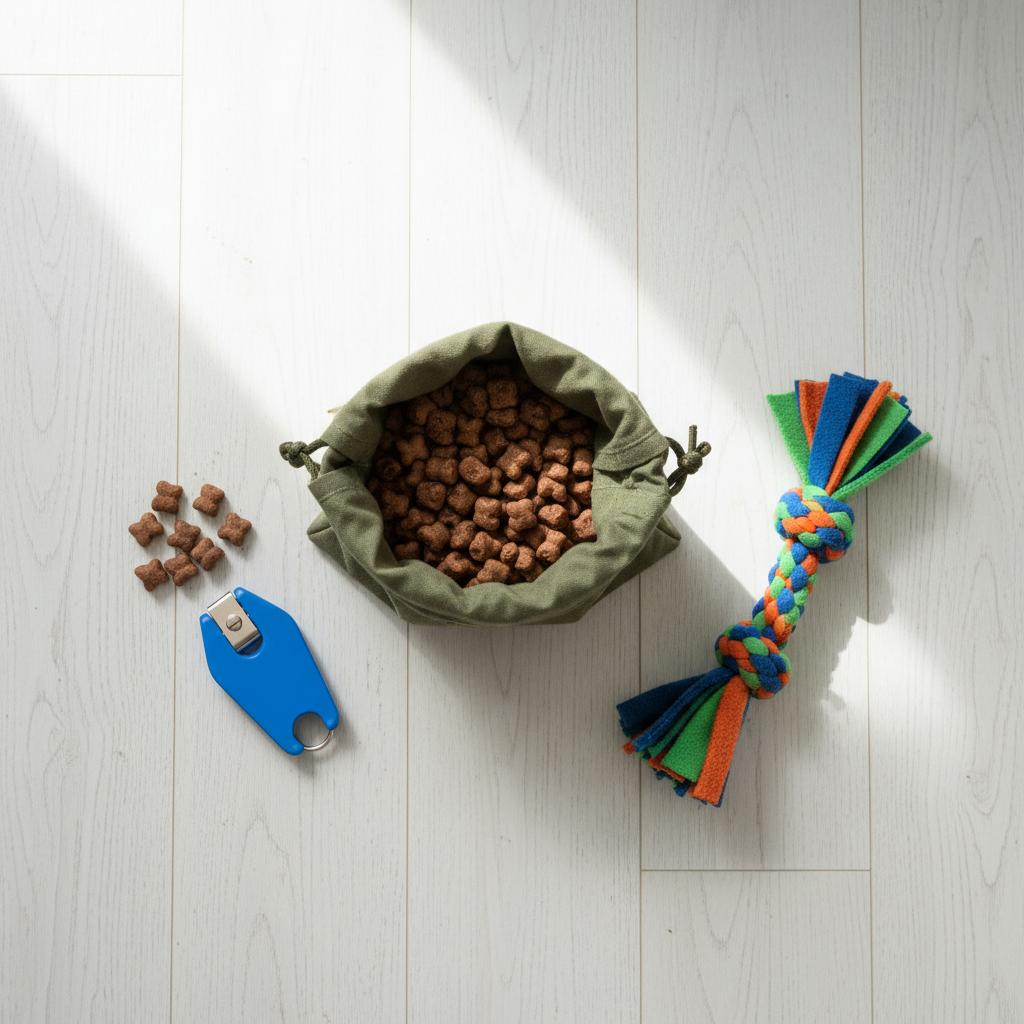
Before you and your furry dance partner hit the training floor, let’s gather a few things to make the learning process as smooth and fun as possible. Having the right tools on hand sets you both up for a win!
Essential Gear & Prep:
- High-Value Treats: We’re talking the good stuff! Small, soft, and extra tasty treats that your dog absolutely loves will keep them motivated. Think tiny pieces of chicken, cheese, or their favorite commercial training treats.
- A Clicker (Optional but Recommended): A clicker is a fantastic tool for marking the exact moment your dog does something right. If you’re not using a clicker, you can use a consistent verbal marker like a sharp “Yes!”.
- A Quiet Training Space: Start in a low-distraction environment, like your living room or a quiet backyard. This helps your dog focus on you and the new skill you’re teaching.
- A Positive Attitude: This is the most important tool! Training should be fun. Bring your patience, your sense of humor, and plenty of praise. Your dog feeds off your energy, so keep it light and encouraging.
Helpful Prerequisite Skills:
While not strictly necessary, having a couple of foundational skills can give you a head start:
- A ‘Touch’ or ‘Target’ Cue: If your dog already knows how to touch your hand or a target stick with their nose, you can use this to guide their movement instead of a food lure.
- Basic Lure Following: Most dogs are pros at this! It just means they will willingly follow a treat in your hand. We’ll be using this to guide them into the backward motion.
Let’s Dance! Your Step-by-Step Guide to the Reverse Weave
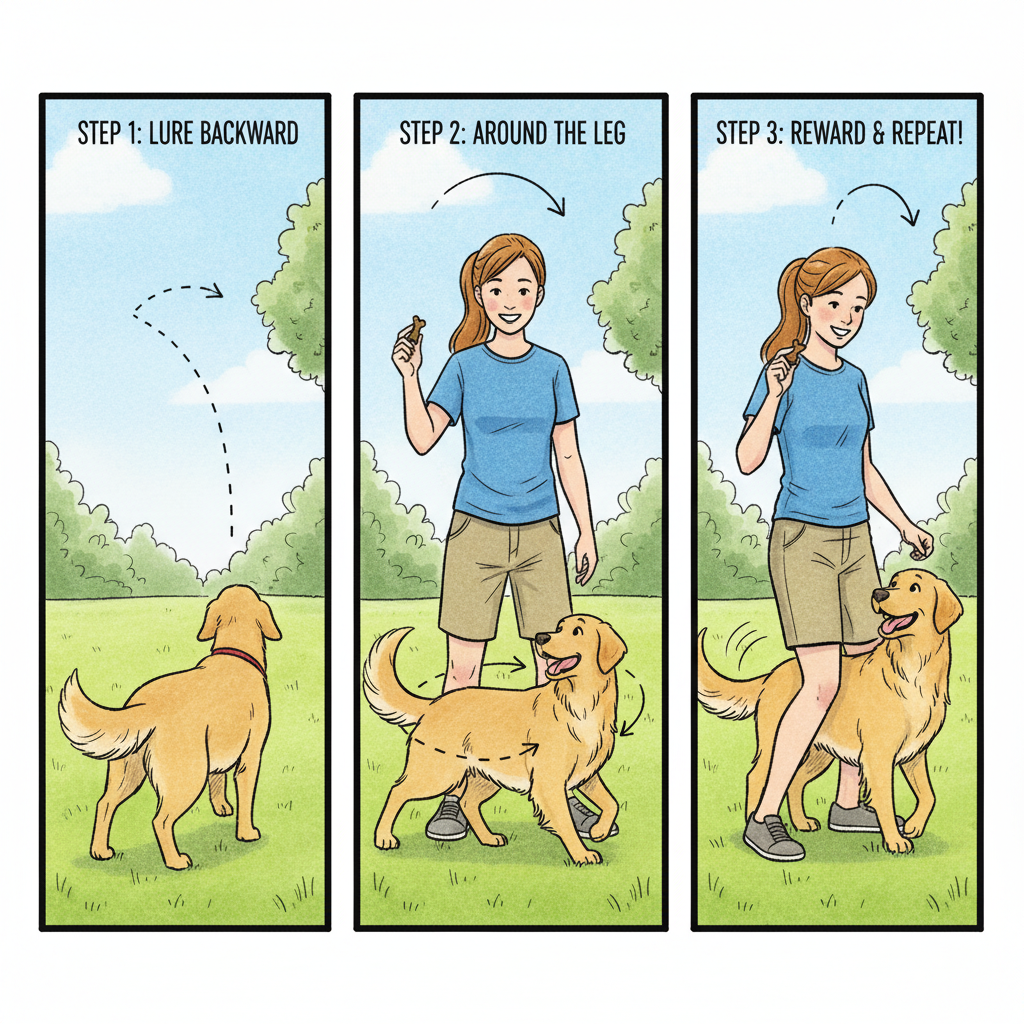
Alright, it’s time for the main event! Remember to keep your training sessions short and sweet—just 5-10 minutes at a time is perfect. We’re going to break this down into tiny, easy-to-digest steps. Celebrate every small success along the way!
-
Step 1: Master the Backwards Lure
The first challenge is getting your dog comfortable with moving backward. Stand facing your dog. Hold a smelly treat in your hand, let them sniff it, and then slowly move the treat from their nose towards their chest, encouraging them to take a step back to follow it. The moment they take even a tiny step back, click (or say “Yes!”) and give them the treat. Repeat this several times until they are confidently stepping back for the lure.
-
Step 2: Introduce One Leg
Now, stand with your feet about shoulder-width apart and take a small step forward with one leg. Your goal is to lure your dog backward around that front leg. Start with the dog in front of you and use the treat to lure them backward on the outside of your front leg. As they clear your leg, bring the lure around behind it. Click and treat as soon as they are behind your leg. Practice this on both sides.
-
Step 3: Create the Weave Motion
This is where it all comes together! Start with your dog in front. Lure them back around your right leg as you did in Step 2. As they come around behind it, smoothly switch the treat to your other hand and lure them across and behind your left leg. You’re creating a backward figure-eight pattern. In the beginning, you might need to take exaggerated steps to create enough space. Click and treat after they successfully go behind the second leg. Keep it slow and flowing!
-
Step 4: Fade the Food Lure
Once your dog understands the weaving motion, it’s time to stop having the treat glued to their nose. Pretend you have a treat in your hand and use the same luring motion. When they complete the weave, praise them enthusiastically and then give them a treat from your other hand. This teaches them to follow your hand signal, not just the food itself. Gradually make your hand signal smaller and more subtle.
-
Step 5: Add the Verbal Cue
When your dog is reliably performing the reverse weave with just your hand signal, you can add a verbal cue. Right before you give the hand signal, say your chosen cue clearly. Good options are “Weave Back,” “Reverse,” or “Back-weave.” After a few repetitions, your dog will start to associate the word with the action. Eventually, you can try giving just the verbal cue to see if they respond!
Oops! Troubleshooting Common Reverse Weave Wobbles
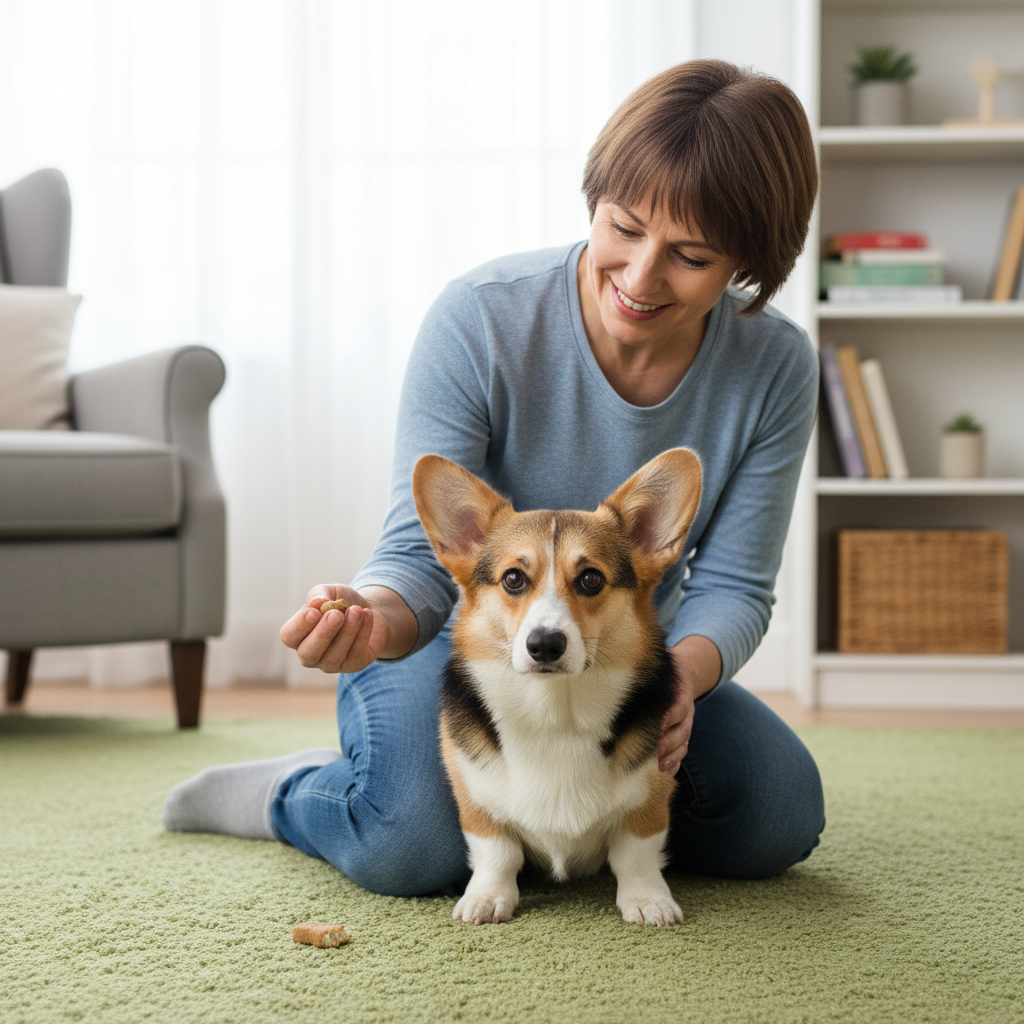
Every dance duo hits a snag now and then. If you and your pup are struggling, don’t worry! It’s a normal part of the learning process. Here are some common issues and how to fix them.
My dog keeps trying to go forward instead of backward.
This is super common! It usually means the lure isn’t clear enough. Make sure you are luring from their nose straight back towards their chest. Also, ensure you are delivering the reward behind them or between your legs, not in front of them. This reinforces the backward momentum.
My dog is bumping into my legs.
No problem! In the beginning, widen your stance significantly to create a bigger, easier path for them to follow. As they get more confident and skilled, you can gradually bring your stance back to a more natural position. It’s all about making it easy for them to succeed at first.
My dog stops halfway through the weave.
This could be a sign of confusion or that the training session has gone on too long. Go back a step! If they can weave around one leg but not two, just practice the single-leg weave for a while. Reward generously for that one successful step. And always try to end your training session on a high note, even if it means ending with an easier trick they already know and love.
Expert Tip: If your dog seems hesitant to move backward, try practicing in a narrow hallway. The walls can help guide them in a straight line backward, which can build their confidence with the movement itself before you add the complexity of weaving.
From Dance Move to Dazzling Performance: Advanced Variations
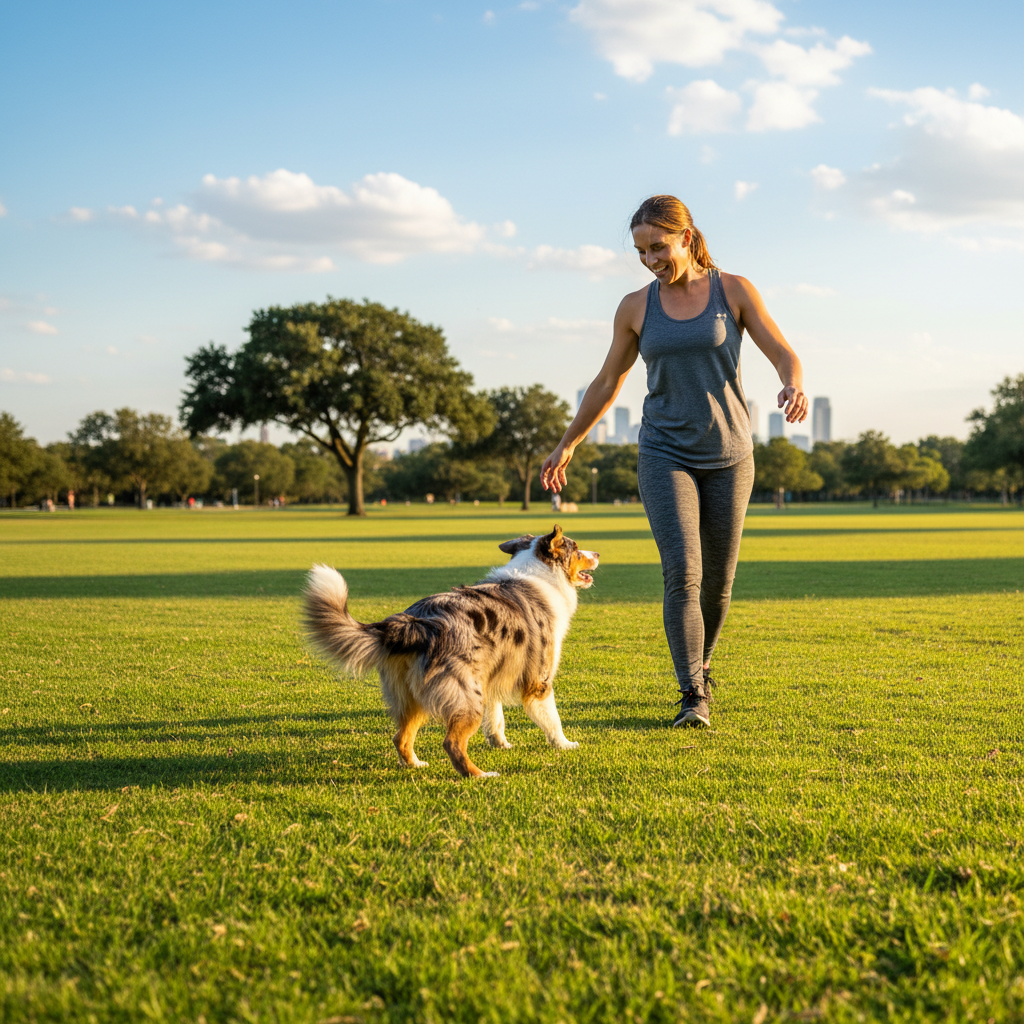
Once your dog has mastered the basic reverse weave, you can start adding some flair to turn this cool trick into a real showstopper. These variations will challenge your dog’s mind and body in new ways.
Increase the Distance
Start asking your dog to perform the weave when you’re a step or two away from them. Use a clear hand signal and your verbal cue to send them into the weave. This builds independence and shows a true understanding of the cue.
Weave While You Walk
This is where it really starts to look like dancing! As your dog is weaving through your legs, start walking slowly backward. This requires a lot of coordination from both of you and creates a beautiful, flowing movement. Start slow and build up speed as you both get more comfortable.
Weave Through Different Obstacles
Who says you can only weave through your own legs? Try setting up a couple of training cones or even have a brave friend stand still and let your dog practice weaving through their legs. This helps your dog generalize the skill to different situations.
Chain It with Other Tricks
Combine the reverse weave with other tricks in your dog’s repertoire. You could have them do a ‘spin’ right before they start, or a ‘bow’ as soon as they finish. Chaining behaviors together is a fantastic way to build complex routines and give your dog a great mental workout.
Conclusion
Congratulations, you now have all the steps to teach your dog the incredible Reverse Weave! Remember that the journey is just as important as the destination. Every training session is an opportunity to communicate, connect, and have a blast with your best friend. Be patient, stay positive, and celebrate all the little moments of progress.
Trick training is so much more than just showing off; it’s about building a language of trust and cooperation, boosting your dog’s confidence, and keeping their mind sharp. So grab those treats, find your rhythm, and get ready to dance. We promise the smiles and tail wags will be worth every single step.