Have you ever watched your dog navigate a tight space and thought, ‘It’s like they have no idea where their back legs are’? You’re not alone! While our pups are masters of the forward zoom, many are a bit clueless about their own hindquarters. This is where a fantastic concept called rear end awareness comes into play.
So, what is it? In simple terms, it’s your dog’s ability to know where their back feet are and how they’re moving without having to look at them. Vets and trainers call this proprioception. Think of it as your dog developing a better mind-body connection for their entire body, not just the front half that gets all the attention!
Teaching this skill isn’t just for fancy show dogs. It has incredible real-world benefits for dogs of all shapes, sizes, and ages. It can improve their coordination, boost their confidence, and even help prevent injuries. Plus, it’s a fantastic way to engage their brain and strengthen the bond you share. In this guide, we’re going to break down how to teach one of the best foundation exercises for rear end awareness: the side step. Get ready to turn your clumsy canine into a coordinated pro!
Why Bother with Back-End Business? The Awesome Benefits
Before we dive into the ‘how,’ let’s talk about the ‘why.’ You might be thinking, ‘Is this really worth the effort?’ Absolutely! Investing a little time in teaching rear end awareness pays huge dividends for your dog’s physical and mental well-being.
Improved Body Control & Coordination
This is the most obvious benefit. A dog who knows where their back feet are is less likely to be clumsy. They’ll be better at navigating furniture, making tight turns during play, and handling uneven terrain on hikes. This is especially crucial for puppies who are still growing into their bodies and for senior dogs who need to maintain their mobility and balance to stay safe and active.
A Huge Confidence Booster
Mastering a new physical skill is empowering for a dog. When they successfully learn to control their body in a new way, it builds self-assurance. A dog who is confident in their physical abilities is often more confident in navigating new environments and situations. They learn that they can tackle physical challenges, which translates to a more resilient and well-adjusted companion.
The Foundation for Dog Sports
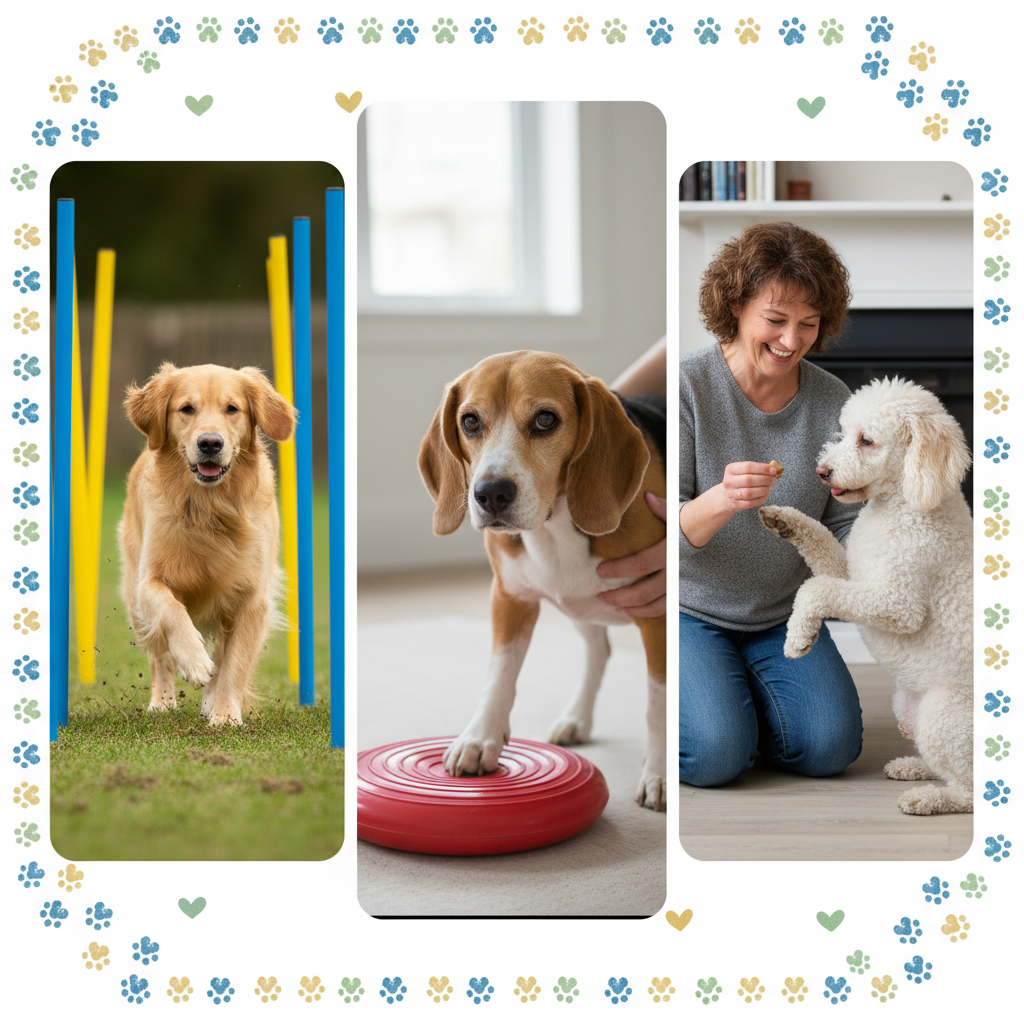
If you’ve ever considered trying a dog sport, rear end awareness is non-negotiable. It’s a cornerstone skill for so many activities:
- Agility: Essential for navigating weave poles, making tight turns around jumps, and maintaining balance on the dog walk.
- Obedience & Rally: Crucial for precise heeling, pivots, and position changes.
- Canine Freestyle (Doggy Dancing): The side step itself is a common move, and the underlying body awareness is key to almost every other trick.
Powerful Mental Stimulation
Physical exercise is great, but mental exercise is just as important for a happy dog. Learning a new skill like the side step requires focus and problem-solving. It’s a fantastic way to burn off mental energy, prevent boredom, and curb destructive behaviors that often stem from a lack of stimulation.
Expert Tip: Just 10-15 minutes of focused training can be more tiring for a dog than a 30-minute walk. It’s the perfect activity for a rainy day!
Strengthens Your Human-Canine Bond
Any time you and your dog work together towards a common goal, you’re strengthening your relationship. Positive reinforcement training builds trust and improves communication. Your dog learns to look to you for guidance, and you learn to better understand their body language and learning process. It’s quality time that results in a cool new skill!
Gearing Up for Success: Tools for Teaching the Side Step
The great news is that you don’t need a lot of fancy or expensive equipment to teach the side step. The most important tools are your patience and a positive attitude! However, having a few key items on hand will make the process smoother and more effective for both you and your furry student.
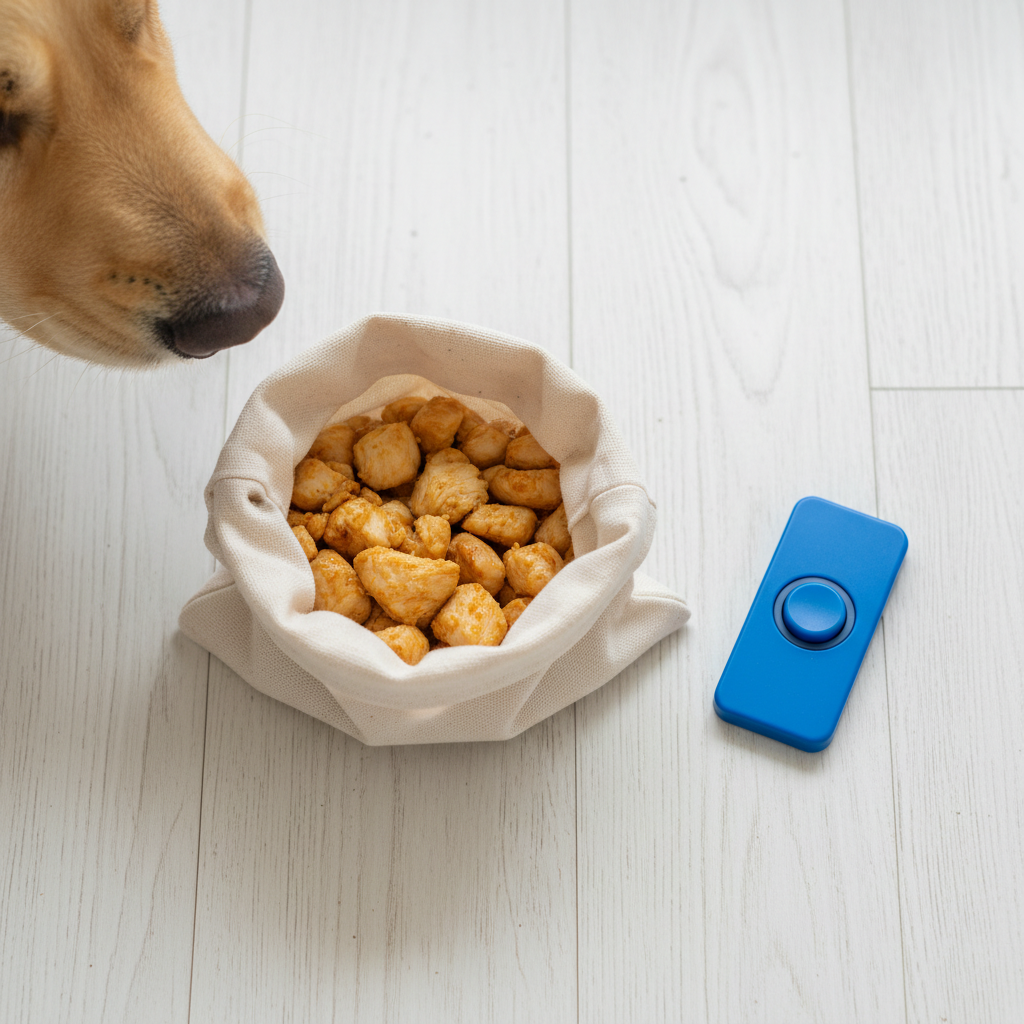
- High-Value Treats: This is your dog’s paycheck, so make it a good one! We’re not talking about their regular kibble. You need something extra special that will really motivate them to think and try. Think small, soft, and smelly. Tiny pieces of cooked chicken, cheese, hot dogs, or commercial soft training treats work wonders. The key is small, so you can reward frequently without filling them up too quickly.
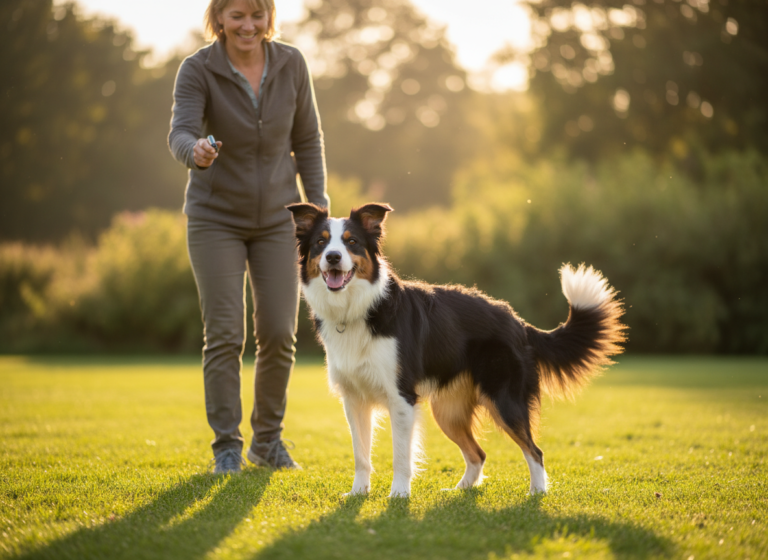
- A Clicker (Optional but Recommended): A clicker is a fantastic tool for communication. It acts as a marker signal, allowing you to tell your dog the exact moment they performed the correct action. The ‘click’ is followed by a treat. This precision helps dogs learn much faster than just using a verbal marker like ‘Yes!’. If you’re new to clicker training, this is a great exercise to start with.
- A Conducive Training Space: Location, location, location! Start in a quiet area of your home with minimal distractions. A hallway is perfect because its narrowness naturally prevents your dog from walking forward or backward, encouraging sideways movement. If you don’t have a hallway, you can create your own ‘training channel’ by placing two sturdy objects (like a couch and a coffee table, or a line of storage bins) parallel to each other.
- Your Dog’s Enthusiasm: Always start a training session when your dog is ready and willing to learn. Don’t try to train a tired dog right after a long hike or a dog that’s bursting with energy. A short play session beforehand can help get the zoomies out and get them in a focused state of mind.
Remember, the goal is to keep sessions short and fun. A few 2-5 minute sessions throughout the day are far more effective than one long, frustrating 30-minute session.
The Side-Step Shuffle: Your Step-by-Step Training Plan
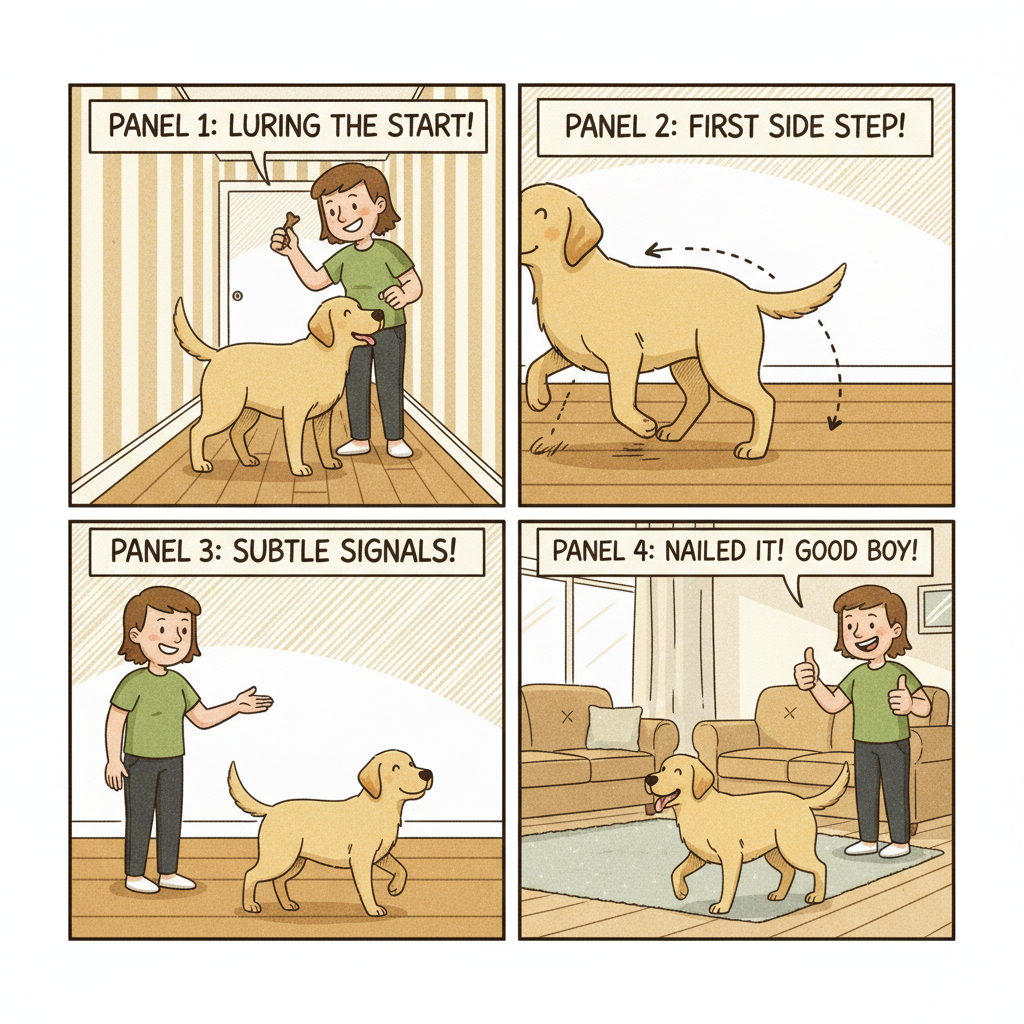
Alright, it’s time for the main event! Grab your treats and your clicker, find your training space, and let’s get shuffling. Remember to be patient and celebrate the small successes along the way. Your dog is learning a brand new language of movement!
-
Step 1: Set the Stage
Position your dog in your training channel (the hallway or space you created). They should be standing, facing you. This setup is your secret weapon, as it naturally guides them toward the sideways motion we’re looking for. Stand or kneel directly in front of them.
-
Step 2: Luring the Movement
This is where you’ll physically guide your dog into the position. The goal is to make them think it was their idea.
- Take a high-value treat and hold it right in front of your dog’s nose.
- Slowly move the treat from their nose towards their shoulder on one side. You want their head to turn and follow the treat.
- As their head turns, their body will naturally curve slightly. Continue the lure towards their hip. To keep their balance as their body bends, they will have to shift their weight and take a step sideways with a back paw.
- The instant you see that back paw lift and step sideways—even a tiny shuffle—CLICK! and give them the treat. Timing is everything!
- Reset and repeat this 3-4 times on the same side. Then, take a short break or switch to the other side.
Important: At this stage, we are only looking for a single step from a single back paw. Don’t expect a full-on shuffle yet! We are rewarding the smallest effort in the right direction.
-
Step 3: Fading the Lure
Once your dog is reliably offering a side step when you lure them (maybe after a few short sessions), it’s time to make your help less obvious. We want to transition from a food lure to a hand signal.
- Start the motion as before, but this time, have the treat hidden in your hand. Make the same motion, luring them with your empty fingers pointing the way.
- When they step sideways, CLICK! and then bring your other hand (the one with the treats) in to deliver the reward.
- Gradually, make your hand motion smaller and more subtle. Instead of a big sweep from nose to hip, it might become a simple point or a horizontal wave of your hand to the side.
-
Step 4: Adding the Verbal Cue
Now that your dog understands the physical gesture, we can attach a word to it. Choose a short, clear cue like ‘Side,’ ‘Step,’ ‘Shuffle,’ or ‘Move.’
- Just before you give your now-subtle hand signal, say your chosen verbal cue clearly. For example: Say “Side,” then give the hand signal.
- When they perform the step, click and treat.
- Repeat this ‘Cue -> Signal -> Behavior -> Click/Treat’ sequence many times. Your dog’s brain will start to connect the word with the action.
- After several successful repetitions, try giving just the verbal cue without the hand signal. If they do it, throw a party! Give them multiple treats (a ‘jackpot’) and lots of praise. If they look confused, that’s okay! Just give the hand signal to help them out and try again later.
-
Step 5: Generalizing the Behavior
Your dog might be a side-stepping superstar in the hallway, but will they know what ‘Side’ means in the kitchen? Or the backyard? Now we need to ‘generalize’ the skill.
- Start practicing in different rooms of the house.
- Gradually make your training channel wider, and eventually, remove it altogether so they can do it in an open space.
- Once they are reliable indoors, try it in your quiet backyard. Then, you can slowly introduce it in more distracting environments like on a quiet walk.
Troubleshooting: When the Side Step Becomes a Stumble
Training is rarely a straight line to success. It’s totally normal to hit a few bumps in the road. If you find your training sessions aren’t going as planned, don’t get discouraged! Here are some common problems and how to solve them.
| The Problem | The Solution |
|---|---|
| My dog just walks forward or backward. | This is almost always a sign that your training space isn’t narrow enough. The ‘channel’ is key in the beginning! Make the space tighter so that moving sideways is the easiest and most obvious option for your dog. You can also stand closer to them to block forward movement. |
| My dog is only moving their front feet. | This is a classic lure-placement issue. You are likely holding the treat too high and too far in front of your dog. This encourages them to pivot on their back feet. Try lowering the lure and bringing it further back, almost past their shoulder and towards their hip. This creates a ‘C’ shape in their body, which necessitates moving the back feet to rebalance. |
| My dog sits or lies down. | This can be a sign of confusion or that the session has gone on too long. A dog that doesn’t know what to do will often offer a default behavior they know gets rewarded, like ‘sit.’ Keep your sessions very short (1-2 minutes max), end on a positive note, and make sure you are rewarding even the tiniest sideways weight shift to show them they’re on the right track. |
| They seem frustrated, bored, or start sniffing the ground. | These are all signs that your dog’s brain is full! It’s time to stop. End the session with an easy win (like a simple sit or touch) that you can reward, and then release them to do something fun. Pushing a frustrated dog will only create a negative association with training. Always aim to end before they get to this point. |
| They did it perfectly yesterday, but today they’ve forgotten everything! | Welcome to dog training! This is completely normal. Dogs don’t learn linearly. Just take a step back to where they were last successful. If they need the full lure in the hallway again, that’s fine! Re-teach the step, and you’ll often find they progress back to where they were much faster the second time. |
Conclusion
Congratulations, you now have all the tools and knowledge to teach your dog to side step like a pro! You’re not just teaching a neat party trick; you’re giving your dog the gift of better body awareness, boosting their confidence, and providing valuable mental enrichment. The journey of teaching rear end awareness is a fantastic way to deepen your connection and communication with your best friend.
Remember the golden rules: keep it positive, keep it short, and be patient. Every dog learns at a different pace, so celebrate the small victories and enjoy the process. Before you know it, you’ll have a canine companion who is not only smarter but also safer and more coordinated in their daily adventures.
Now that you’ve started on this path, what will you and your newly coordinated pup learn next? Happy training!