That familiar sound of rain tapping against the window can be soothing for us, but for many pet owners, it signals the start of a familiar battle: The Potty Standoff. You open the door, and your dog, who was just whining to go out, puts on the brakes, plants their paws, and gives you a look that says, ‘You want me to go out there? In the wet stuff? Absolutely not.’ If this sounds like your life, take a deep breath and know you’re not alone. This isn’t a case of a stubborn dog trying to spite you; it’s a deep-seated instinct and sensory issue.
Many dogs have a strong aversion to walking on wet grass, and their reasons are more complex than just not wanting to get their paws dirty. It’s a mix of sensory overload, a dislike for feeling cold and damp, and even an instinct to avoid potential discomfort. But here’s the good news: you can overcome this hurdle. With patience, consistency, and a few clever tricks up your sleeve, you can teach your fussy friend that a little rain is no big deal. This guide will walk you through understanding your dog’s perspective and provide a complete, step-by-step plan to turn those dreaded rainy days into potty training victories.
Decoding the Dislike: Why Wet Grass is a Dog’s Worst Enemy
Before we can solve the problem, we need to get inside our dogs’ heads (and paws!). Their refusal isn’t random; it’s rooted in some very valid canine concerns. Understanding the ‘why’ is the first step toward building a successful training plan.
A Full-Blown Sensory Assault
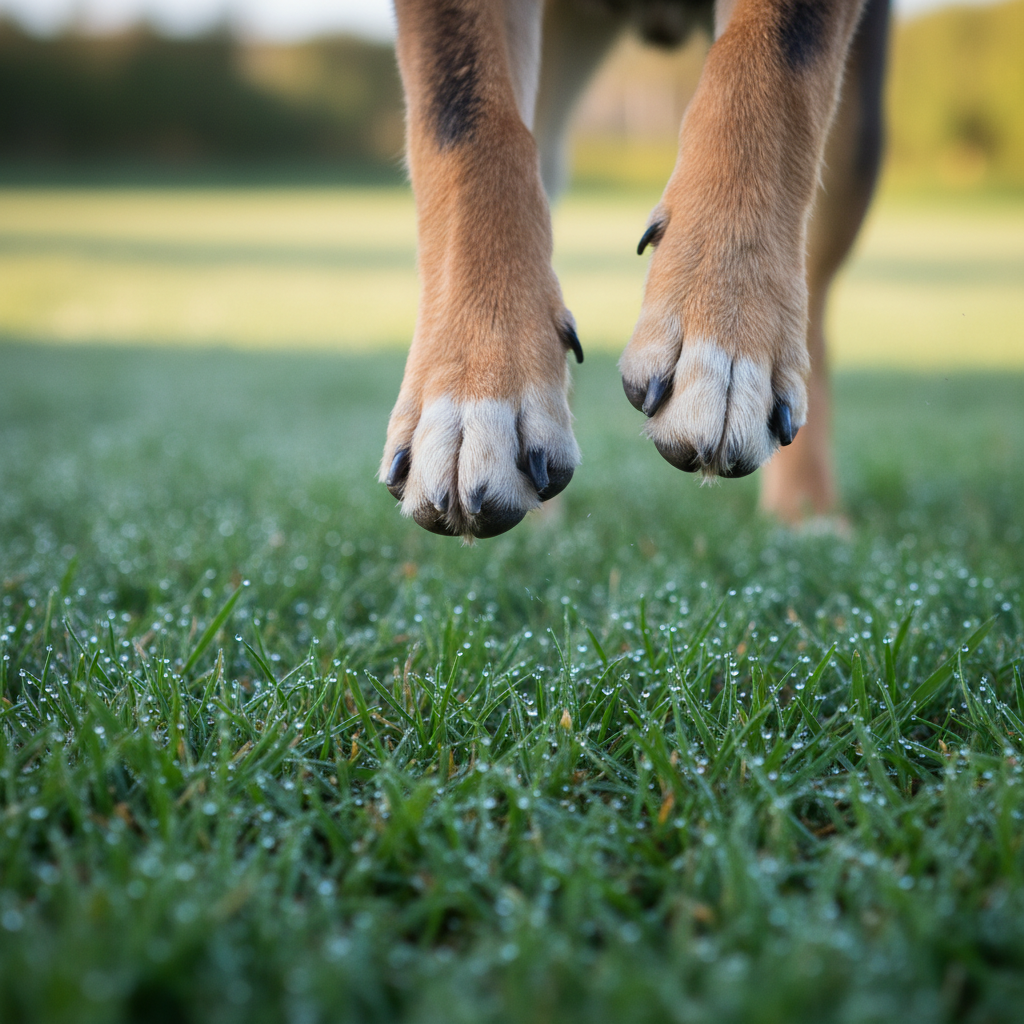
Imagine walking barefoot onto a cold, wet, squishy surface. It’s not exactly pleasant, right? For dogs, it’s even more intense. Their paws are packed with nerve endings, making them incredibly sensitive to temperature and texture. The feeling of cold, wet grass can be a genuine shock to their system. The sound of the rain, the amplified smells of the damp earth, and the water dripping on their fur can all contribute to a state of sensory overload, making them feel anxious and overwhelmed.
The ‘Princess and the Pea’ Syndrome
Some dogs are just naturally more fastidious than others. They don’t like feeling dirty, wet, or unkempt. This can be especially true for long-haired breeds whose fur can get heavy and cold when wet, or small breeds who get chilled more easily. They aren’t being divas; they are simply trying to maintain their comfort and cleanliness, an instinct that has served them well for thousands of years.
Echoes of Their Ancestors
Wild canids are hardwired to keep their dens clean and dry. A damp living space can lead to illness and attract parasites. While your home is a far cry from a wild den, that instinct can still linger. Stepping out into a cold, wet environment might trigger a primal response to avoid bringing that dampness back into their safe, warm space. They see the rain as something to be avoided, not a minor inconvenience.
Expert Tip: Remember, it’s not defiance, it’s discomfort. Shifting your mindset from ‘my dog is being stubborn’ to ‘my dog is uncomfortable’ is the key to having the patience needed for successful training.
Setting the Stage: Your Wet Weather Potty Training Toolkit
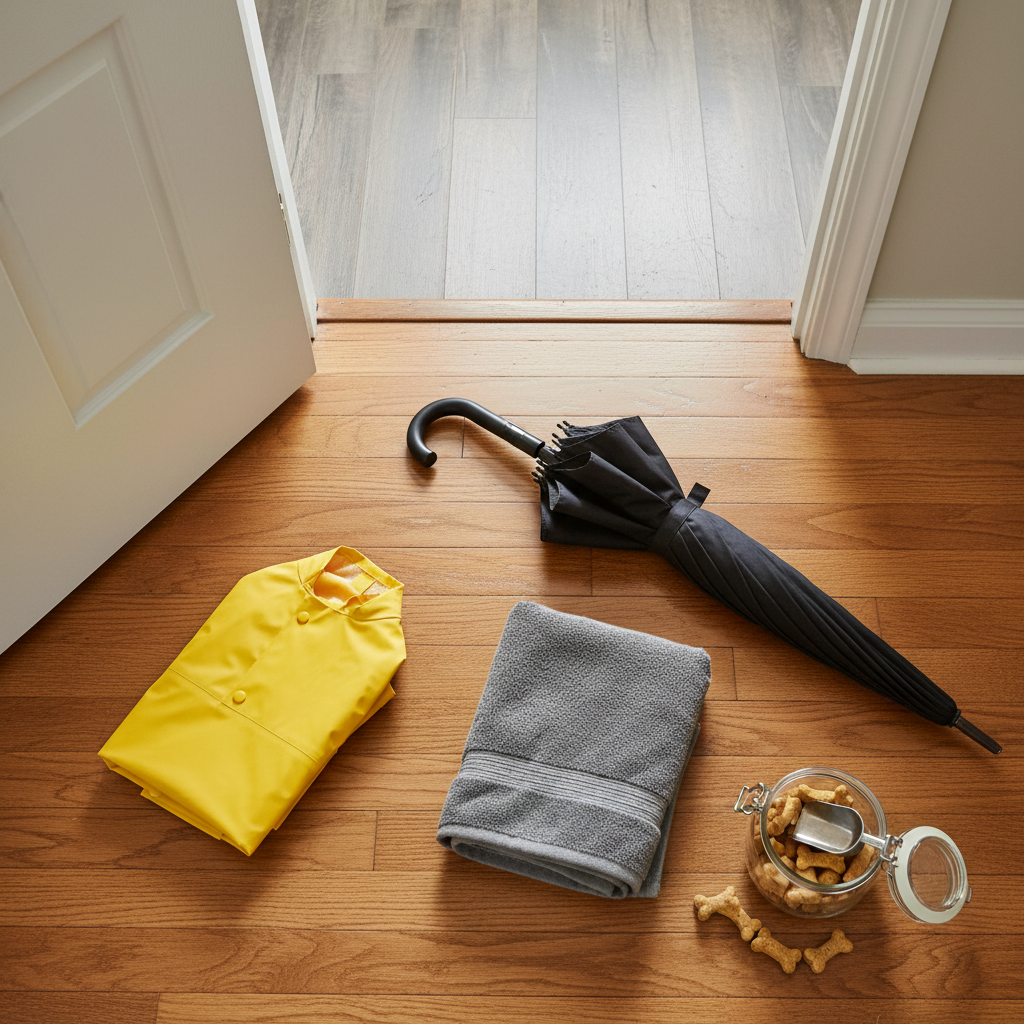
Success in potty training, especially in challenging conditions, is all about preparation. You wouldn’t try to bake a cake without the right ingredients, and you shouldn’t tackle a rainy-day potty strike without the right tools. Gathering these items beforehand will make the process smoother and signal to your dog that this is a serious (but positive!) routine.
- High-Value Treats: We’re not talking about their everyday kibble. You need something truly special that your dog only gets for successfully going potty in the rain. Think small pieces of freeze-dried liver, chicken, or cheese. The treat should be so good that it’s worth braving the elements for.
- A Human-Sized Umbrella: This is your shared ‘safe zone.’ A large umbrella can shield both of you from the worst of the downpour, creating a slightly less intimidating environment for your dog to do their business.
- Canine Rain Gear: A well-fitting doggy raincoat or jacket can be a game-changer. It keeps their core warm and dry, minimizing the physical discomfort that often fuels their reluctance. For many dogs, this simple addition makes them much more willing to step outside.
- Super-Absorbent Paw Towels: Have a designated ‘potty towel’ right by the door. The promise of an immediate, vigorous towel-dry can be a powerful motivator. It ends the outdoor experience on a positive, comforting note.
- A Clear Potty Cue: Choose a simple verbal cue like “Go Potty,” “Hurry Up,” or “Do Your Business.” Use it consistently only when you want them to eliminate. This helps them understand the specific goal of these rainy outdoor trips.
Having these items ready and waiting by the door transforms a chaotic, frustrating dash into a structured, predictable training session. Your dog will learn to associate this specific gear with the rainy-day potty routine, which helps manage their expectations and reduce anxiety.
The Puddle-Proof Plan: A Step-by-Step Guide
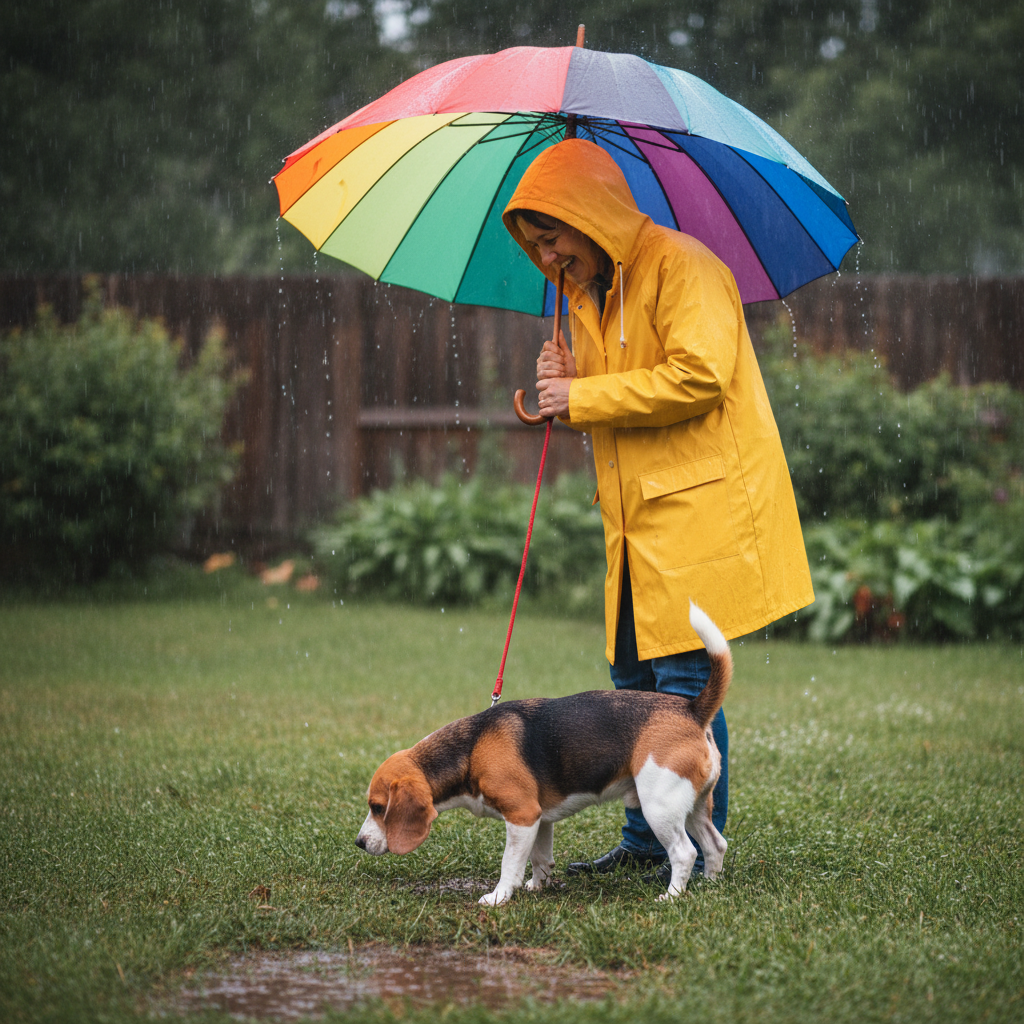
Alright, you’ve got your gear and you understand your dog’s mindset. Now it’s time for action. This method is all about consistency, patience, and making the reward far greater than the discomfort of the rain. Follow these steps precisely every single time it’s wet outside.
- Leash Up, Every Time: Before you even open the door, put your dog on a leash. This is non-negotiable. It prevents them from bolting back inside and gives you gentle control of the situation. Opening the door and hoping for the best is a recipe for failure.
- Be Their Rain Shield: Open your large umbrella before you step outside. Walk out with your dog, holding the umbrella over both of you as much as possible. Your calm, confident energy is contagious. If you act like it’s a huge ordeal, they’ll pick up on your stress.
- A Purposeful Walk to the Spot: Walk directly and with purpose to their designated potty area. Don’t linger on the porch or patio. The mission is clear: we are going to the grass to potty. Keep the leash short but not tight, guiding them confidently.
- Give the Cue: Once you’re in the right spot, stand still. Calmly and in a cheerful tone, say your potty cue: “Go Potty, Fido!” Say it once or twice. Don’t nag or repeat it endlessly, as it will lose its meaning.
- Play the Waiting Game (Be Boring!): This is the hardest part for owners. You must now become the most boring person on the planet. Stand still, hold the umbrella, and ignore your dog (while still safely holding the leash). Don’t talk to them, don’t play, don’t scroll on your phone. The message should be: nothing fun happens out here until you go potty.
- Throw a Potty Party!: The very second they finish peeing or pooping, explode with positive reinforcement! Use a happy, high-pitched voice: “YES! Good potty! What a good dog!” Simultaneously, give them that super high-value treat you’ve been hiding in your pocket. The timing is critical—the reward must immediately follow the action.
- The Great Escape: After the treat is devoured, immediately turn and head straight back inside to warmth and comfort. The ultimate reward is escaping the rain. This teaches a powerful lesson: the quickest way to get back inside is to do your business promptly.
Genius Hacks for the Extra Stubborn Pup
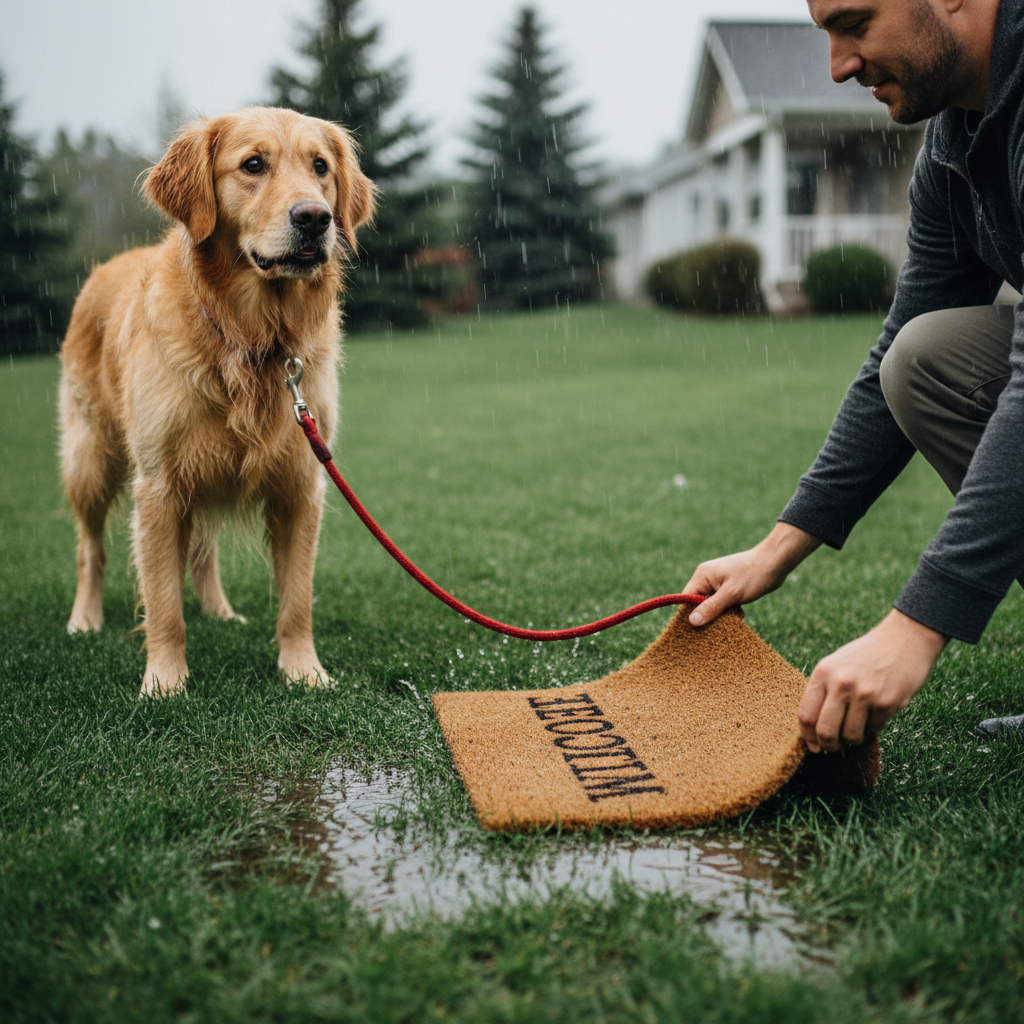
Sometimes, the standard step-by-step plan needs a little boost, especially for dogs with a deep-seated aversion. If your pup is still putting up a fight, it’s time to get creative. These hacks can help bridge the gap between ‘no way’ and ‘okay, fine!’
The ‘Dry Island’ Strategy
For some dogs, the initial shock of stepping onto the wet grass is the biggest barrier. Create a ‘dry island’ for them. You can use a spare doormat, a piece of cardboard, or even a flattened garbage bag placed on their potty spot. Lead them to this island. Often, they are more willing to go on this surface, or right on the edge of it where their paws can stay dry. Over time, you can start using a smaller and smaller ‘island’ until they no longer need it.
Create a Covered Potty Paradise
If you have a yard and this is a persistent issue, consider a more permanent solution. You can create a small, designated potty area that has some cover. This could be as simple as strategically placing a small tarp over a corner of the yard or as elaborate as building a small ‘potty gazebo.’ You can fill this area with pea gravel, artificial turf, or even wood chips, which many dogs prefer to wet grass. This gives them a comfortable, sheltered spot to use year-round.
The Power of Scent
Dogs are driven by their noses. You can use this to your advantage. The next time your dog has an accident inside (or when you’re cleaning up their regular business), save a urine-soaked paper towel in a plastic bag. When it’s raining, take this out and place it on their designated potty spot in the grass. The familiar scent of their own urine can trigger the instinct to go in that same spot, overriding their hesitation about the wet ground.
Remember this mantra: Make the desired behavior (pottying outside) easy and incredibly rewarding, and the undesired behavior (holding it or going inside) inconvenient.
Help! My Dog Still Won’t Go! Troubleshooting Common Problems
Even with the best plan, you might hit a snag. Don’t get discouraged! Potty training is rarely a straight line to success. Here’s how to handle some of the most common rainy-day roadblocks.
Problem: ‘My dog just holds it for hours and hours.’
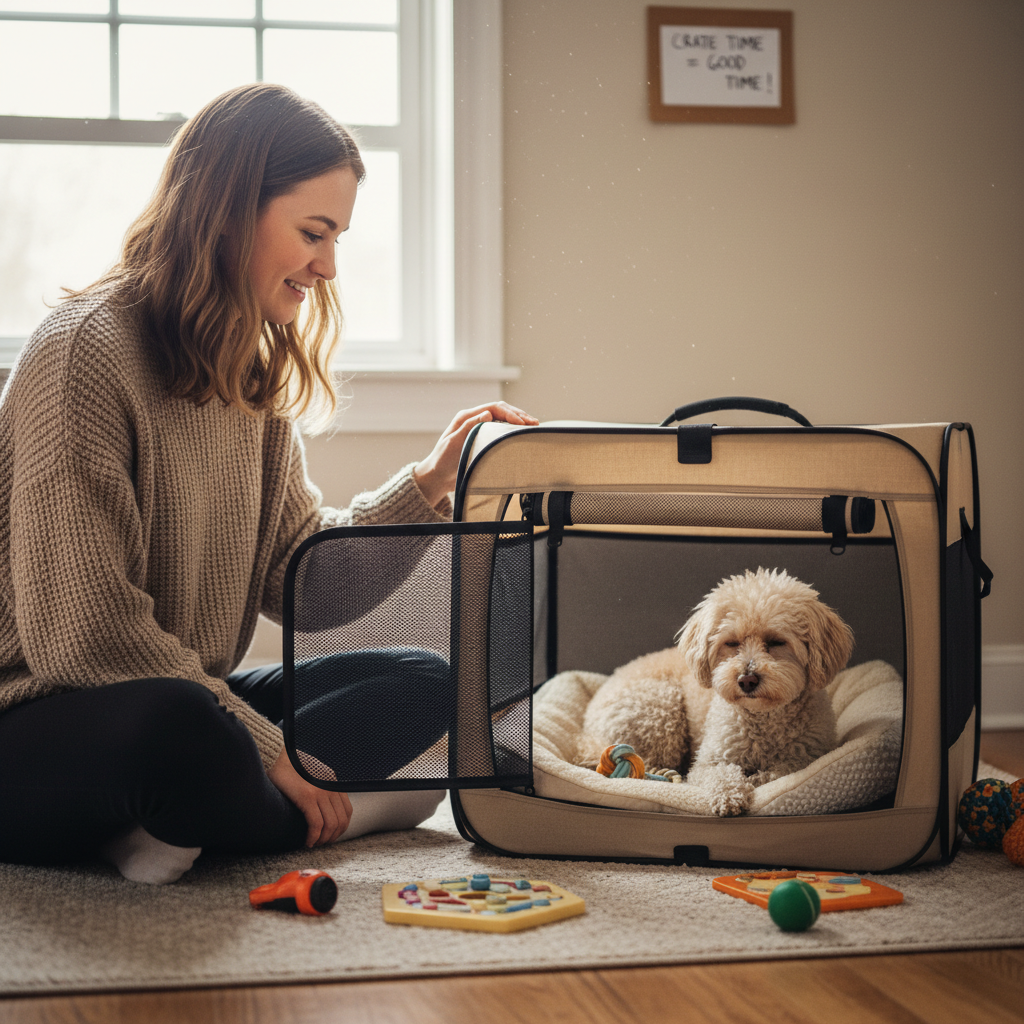
Solution: This is a battle of wills, and you must win with patience, not force. The key is the ‘try-and-repeat’ method. Take your dog out for a 5-minute potty attempt. If they don’t go, bring them back inside, but they don’t get free roam of the house. They must be kept on a leash and tied to you, or placed in their crate. This prevents them from sneaking off to have an accident. Wait 15-20 minutes, then repeat the 5-minute potty attempt outside. Continue this cycle until they are successful. It might feel tedious, but they will quickly learn that they won’t get their freedom back until they’ve done their business outside.
Problem: ‘They have an accident the moment we get back inside!’
Solution: This is incredibly frustrating, but it’s a clear sign that the dog has learned to hold it while outside in the uncomfortable rain. This is where the ‘try-and-repeat’ method above is crucial. If you know they haven’t gone potty outside, they cannot be given the freedom to roam when they come back in. The accident is a management failure. By keeping them crated or leashed to you, you remove the opportunity for an indoor accident and set them up for success on the next trip out.
Problem: ‘My dog seems genuinely terrified of the rain or thunder.’
Solution: It’s important to distinguish between a simple dislike and a genuine phobia. If your dog is trembling, panting heavily, or trying to hide during storms, you may be dealing with storm anxiety. While the potty training tips can still help, you may also need to work on desensitization and counter-conditioning for the fear itself. This can involve playing recordings of rain sounds at a very low volume while giving treats, and gradually increasing the volume over many sessions. For severe phobias, consulting with a veterinarian or a certified dog trainer is highly recommended.
Conclusion
Navigating the world of a fussy, rain-hating dog can test the patience of even the most dedicated pet owner. But remember, your dog isn’t trying to be difficult—they’re just communicating their discomfort in the only way they know how. By shifting your perspective, gearing up with the right tools, and committing to a consistent, positive training plan, you can absolutely conquer this challenge.
The keys to success are patience, consistency, and a whole lot of high-value treats. Celebrate every small step forward, whether it’s one paw on the wet grass or a quick pee in a drizzle. Every successful trip builds confidence and reinforces the right behavior. Stick with it, stay positive, and soon enough, those rainy-day potty standoffs will be a thing of the past, replaced by a quick, easy routine that leaves you both happy, dry, and ready to cuddle on the couch.