Let’s talk about a game that gets a bit of a bad rap in the dog world: tug-of-war. For years, you might have heard whispers that it encourages aggression or dominance. Well, I’m here today as your friendly canine specialist to bust that myth wide open! When played with a few simple rules, tug-of-war is one of the most incredible games you can play with your furry friend. It’s not just a physical workout; it’s a mental one, too.
Controlled tug is a phenomenal way to build a stronger bond, provide a healthy outlet for your dog’s natural instincts, and, most importantly, teach incredible impulse control. Think of it as a fun-filled lesson in listening and self-regulation. The secret lies in two magic words: “Pull” and “Release.” By mastering these cues, you transform a potentially rowdy game into a structured, rewarding, and safe activity. Ready to learn how to turn a simple rope toy into your new favorite training tool? Let’s dive in!
Why Tug-of-War Isn’t the Enemy: The Amazing Benefits of Controlled Play
Before we get into the ‘how,’ let’s really unpack the ‘why.’ Understanding the benefits of controlled tug will motivate you to make it a regular part of your routine. This game is so much more than just pulling on a rope.
A Super-Charged Bonding Activity
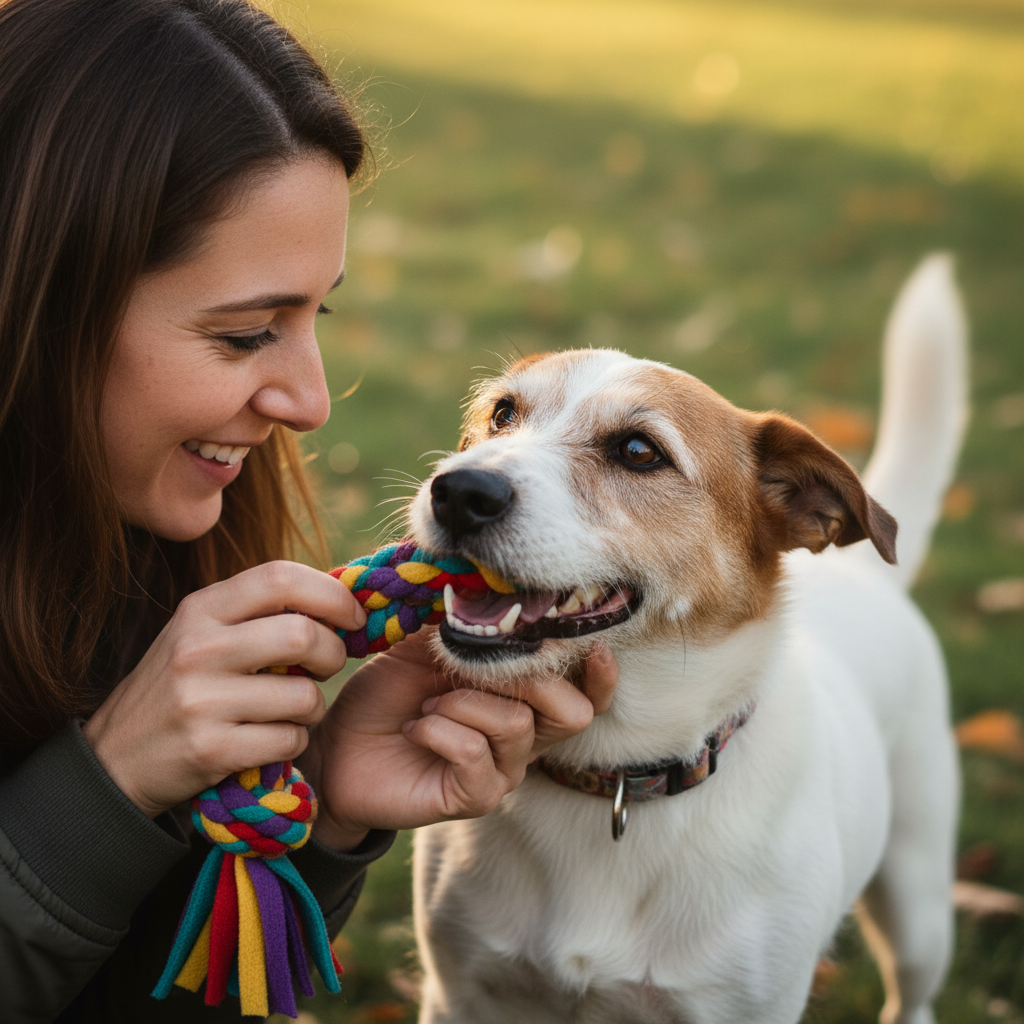
At its heart, tug is a cooperative game between you and your dog. You’re both focused on the same object, working together. This shared focus and interactive play strengthens your relationship in a way that a game of fetch can’t quite replicate. It sends a clear message to your dog: “You and I are a team, and we have fun together.” This builds trust and deepens your connection.
A Masterclass in Impulse Control
This is the big one! Life with a dog is full of moments requiring impulse control—not jumping on guests, waiting for the food bowl, not darting out an open door. Controlled tug is a fun, dynamic way to practice this skill. By teaching your dog they must release the toy on cue, you’re teaching them to manage their arousal levels and listen to you even when they’re excited. This skill is transferable to countless real-world situations.
Builds Confidence in Shy Dogs
For a timid or anxious dog, ‘winning’ a game of tug can be a huge confidence booster. When you let them pull the toy away from you, it’s a small victory that can make them feel more self-assured. It’s a safe way for them to express their strength and feel empowered, which can be incredibly therapeutic for a dog that’s a bit of a wallflower.
An Instinctual Outlet and Great Exercise
Dogs have a natural instinct to grab, shake, and pull. Tug provides a perfect, appropriate outlet for these behaviors. Instead of chewing on your shoes or the furniture, they can channel those instincts into a positive game with you. Plus, it’s a fantastic workout! A few minutes of vigorous tug can be just as tiring as a short walk, making it a great option for rainy days or for high-energy dogs who need to burn off some steam.
Expert Tip: The goal of controlled tug isn’t about ‘winning’ or ‘losing.’ It’s about engagement and communication. Let your dog win often! This keeps the game fun and rewarding for them, ensuring they’ll want to play again and again.
Gearing Up for a Great Game: Choosing the Perfect Tug Toy
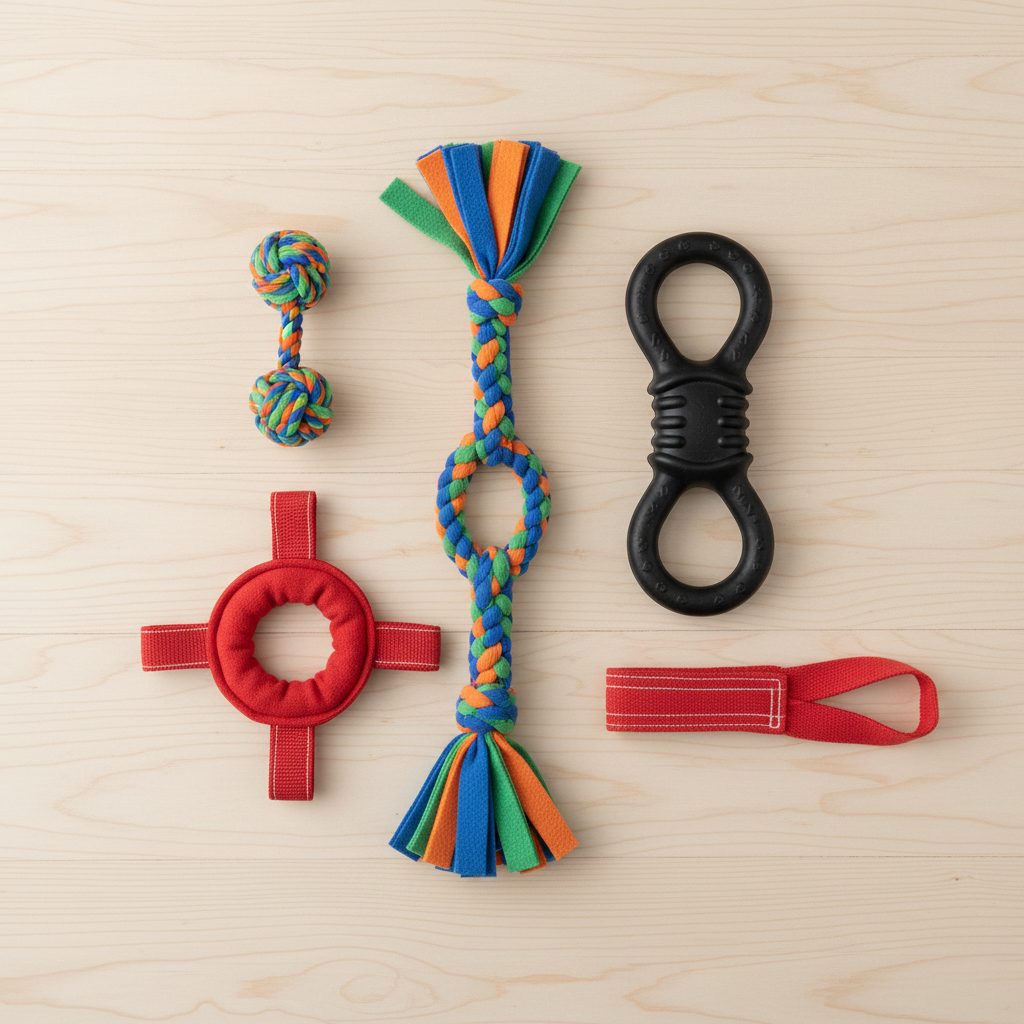
Not all toys are created equal, especially when it comes to a good game of tug. The right toy makes the game safer, more comfortable, and more fun for both of you. The wrong toy can lead to dental issues or teach your dog bad habits. Here’s your guide to picking the perfect partner for your tug-of-war sessions.
What to Look For in a Tug Toy:
- Length is Key: The most important safety feature is length. Choose a toy that is long enough to keep your hands a safe distance from your dog’s mouth. This prevents accidental nips when your dog gets excited and readjusts their grip.
- Soft and Forgiving Material: The toy should be made of a material that has some give. Think fleece, firehose material, rubber, or durable, multi-layered fabric. These are easier on your dog’s teeth and gums. Avoid hard plastic, metal, or stiff, unforgiving ropes that can cause dental damage.
- Good Grip for You: Many of the best tug toys have handles on one or both ends. This makes it more comfortable for you to hold on and play for longer periods.
- It’s a Special Toy: To make the game more exciting, designate a specific toy just for your tug sessions. When the game is over, put the toy away. This builds its value and signals to your dog that tug is a special activity with specific rules that you do together.
Toys to Avoid for Tug-of-War:
- Sticks: They can splinter and cause serious injury to your dog’s mouth.
- Old Clothes or Socks: Using personal items can be confusing. It teaches your dog that it’s okay to bite and pull on clothing, which is a habit you definitely don’t want to encourage.
- Hard Nylon or Bone Toys: These have no ‘give’ and can fracture teeth when pulled with force.
- Tennis Balls on a Rope: While tempting, the felt on tennis balls can be abrasive and wear down tooth enamel over time.
Investing in a couple of high-quality, designated tug toys is one of the best things you can do to set your games up for success. It keeps things safe, clear, and exciting for your canine companion.
The Rules of Engagement: A Step-by-Step Guide to Teaching ‘Pull’ and ‘Release’
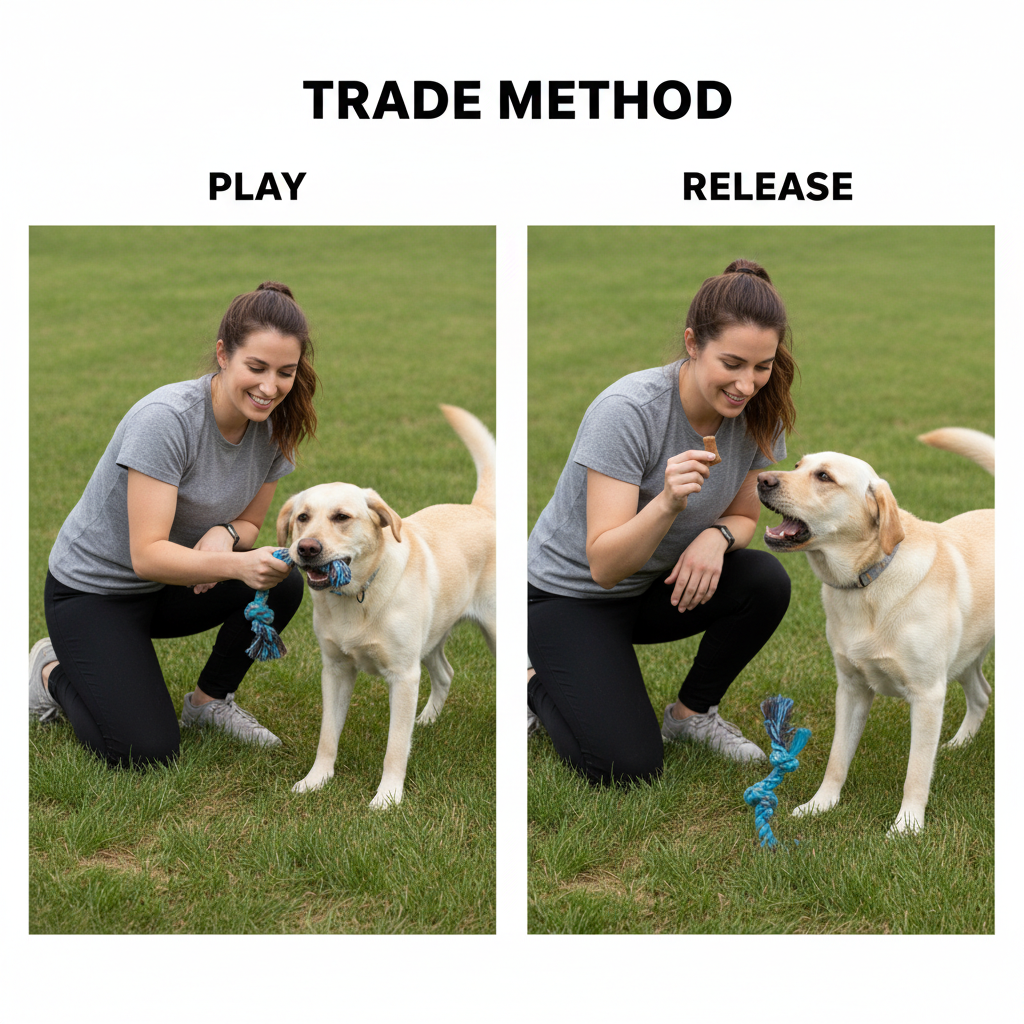
Alright, you’ve got your ‘why’ and you’ve got your toy. Now it’s time for the main event! Teaching the rules of the game is what separates chaotic pulling from controlled, constructive play. We’ll break this down into simple, easy-to-follow steps. Remember to keep your training sessions short, upbeat, and positive!
Step 1: Introduce the ‘Take It’ or ‘Pull’ Cue
First, we need to get your dog excited about grabbing the toy on cue. Hold the tug toy and make it interesting by wiggling it around on the floor like prey. When your dog shows interest, present the toy to them and say an enthusiastic “Take it!” or “Pull!”. When they grab it, praise them warmly (“Good pull!”) and engage in a gentle game of tug for just a few seconds.
Step 2: Master the ‘Release’ or ‘Drop It’ Cue
This is the most important rule of the game. The goal is for your dog to release the toy willingly. Here’s the easiest way to teach it:
- While you’re playing tug, suddenly stop pulling. Go completely still and silent. Make the toy ‘dead’ and boring. Your dog will likely be confused and may loosen their grip.
- The moment you feel their grip loosen, say your cue (“Release” or “Drop it”) in a calm, neutral voice and immediately present a high-value treat right at their nose. Most dogs will gladly spit out the boring, dead toy to get the delicious snack.
- The second they drop the toy, praise them enthusiastically (“Yes! Good drop!”) and give them the treat.
- Immediately pick up the toy and re-engage the game with your “Take it!” cue. This teaches your dog that releasing the toy doesn’t mean the fun ends—in fact, it’s the key to making the fun continue!
Troubleshooting Tip: If your dog won’t release for a treat, try a ‘trade.’ Offer them a second, equally exciting tug toy. When they drop the first one to grab the second, praise them and continue the game. The goal is to avoid a power struggle over the toy.
Step 3: Putting It All Together in a Structured Game
Now, combine the cues into a fluid game. A typical sequence looks like this:
- Start with your dog in a sit. This teaches them that polite behavior starts the game.
- Present the toy and say “Take it!”.
- Play tug for 10-20 seconds. Let them pull and shake! Have fun with it.
- Signal the end of the round by going still and making the toy boring.
- Say “Release!” and trade for a treat or simply wait for them to drop it.
- Praise the release, then immediately start the next round with “Take it!”.
Always be the one to start and end the game. This reinforces the structure and keeps you in control of the session.
A Note on Growling
A little bit of low, rumbling growling during tug is usually completely normal play behavior. It’s often a sign of excitement and concentration. However, if the growling becomes sharp, intense, or is paired with stiff body language, it’s time to stop the game. A play growl is deep and throaty, while an aggressive growl is often higher-pitched and comes from the front of the mouth. You know your dog best—if the vibe feels off, calmly end the session.
Troubleshooting Tug: Navigating Common Sticking Points
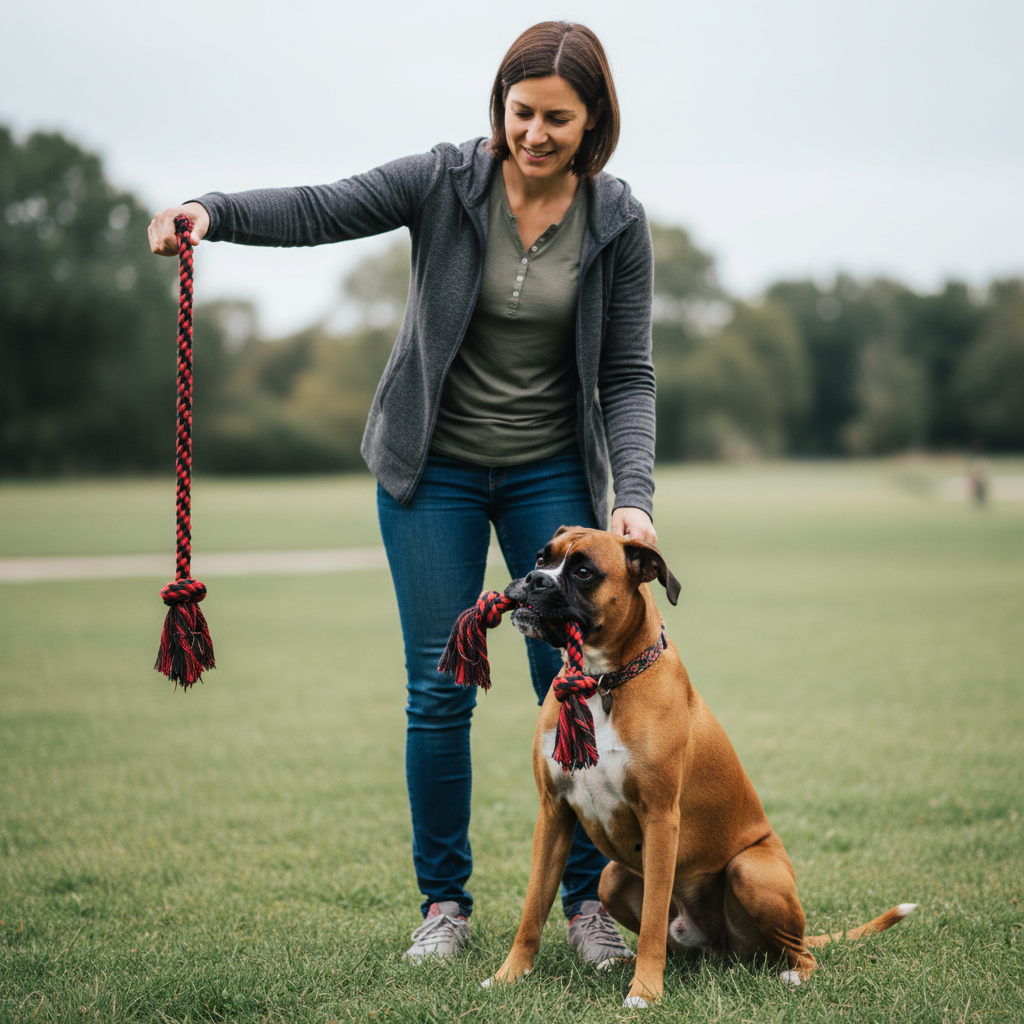
Even with the best plan, you might run into a few bumps along the road. That’s perfectly normal! Dog training is all about patience and problem-solving. Here are some of the most common issues that pop up during tug training and how to handle them like a pro.
Problem: My Dog Gets Mouthy and Nips My Hands
This is a classic case of over-arousal. It’s usually not malicious, but it’s a rule that needs to be enforced immediately: teeth on skin means the game stops.
- The Solution: The moment you feel their teeth on your hand, yelp with a sharp but not terrifying “Ouch!” and immediately drop the toy. Stand up, fold your arms, and turn away from your dog for 15-30 seconds. This ‘negative punishment’ (removing something the dog wants) clearly communicates that mouthy behavior makes the fun disappear. After the short timeout, you can invite them to play again. They will quickly learn to be more careful with their aim. Using a longer toy can also help prevent this.
Problem: My Dog Absolutely Will Not Release the Toy
Some dogs have a very strong possessive instinct or just love the toy so much that letting go feels impossible for them. The key here is to not turn it into a battle of wills.
- The Solution: First, increase the value of your trade. If a dry biscuit isn’t working, try a tiny piece of cheese or chicken. Make the alternative irresistible. Second, practice the ‘dead toy’ method with extreme patience. Hold the toy perfectly still without any tension. It might take a full minute, but eventually, your dog will get bored and loosen their grip. The instant they do, mark it with a “Yes!” and reward them heavily. Never try to pry the toy out of their mouth, as this can encourage resource guarding.
Problem: The Game Gets Too Wild and Out of Control
Is your dog starting to do zoomies with the toy, slamming into you, or getting frantic? This means their arousal level has shot past the ‘fun excitement’ zone and into the ‘overstimulated’ zone. We need to dial it back.
- The Solution: Keep your tug sessions short and sweet, especially at first. It’s better to have five successful 1-minute sessions than one chaotic 5-minute session. Pre-empt the craziness. If you know your dog gets wild after about 30 seconds, ask for a ‘release’ at the 25-second mark. End on a high note, while they are still successful and engaged, not after they’ve already gone over the top. You can also incorporate ‘calm breaks’ by asking for a ‘sit’ or ‘down’ in the middle of the game before restarting play.
Level Up Your Tug Game: Advanced Impulse Control Exercises
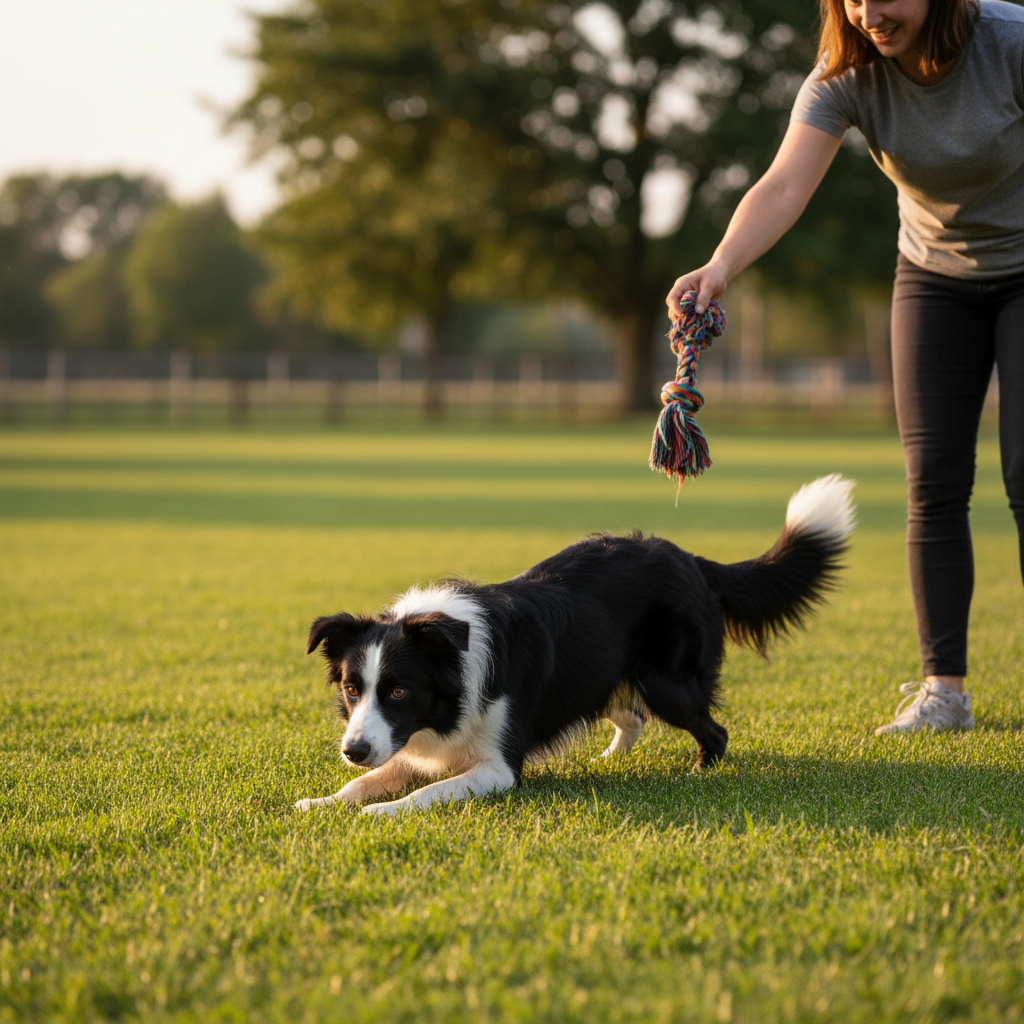
Once your dog has mastered the basic rules of ‘pull’ and ‘release,’ you can start using the game to build even more impressive impulse control and focus. These advanced exercises turn tug from a simple game into a high-level training reward. They challenge your dog’s brain and strengthen their ability to listen in distracting or exciting situations.
1. The ‘Wait for It’ Starter
Instead of just asking for a ‘sit’ before you begin, up the ante. Ask for a sit, then hold the tug toy out. Your dog’s first instinct will be to lunge for it. Teach them a ‘wait’ or ‘stay’ cue. Only when they are holding their position calmly, give them your release word (‘Okay!’ or ‘Take It!’) to start the game. Start with a one-second wait and gradually increase the duration. This teaches them that stillness and patience, not lunging, is what makes the fun happen.
2. Mid-Game Cues
Can your dog listen even in the heat of the moment? This is the ultimate test. While you’re in the middle of an exciting game of tug, suddenly ask for a ‘release.’ Once they drop the toy, immediately ask for another behavior, like a ‘sit’ or a ‘down.’ When they comply, reward them with another enthusiastic round of tug! This teaches your dog to switch gears quickly from high-arousal play to calm obedience and back again, which is an incredibly valuable life skill.
3. Tug as the Ultimate Reward
You can use a quick game of tug as a high-value reward for other training exercises. Is your dog struggling with their ‘stay’ or has a lightning-fast recall? Use tug as the jackpot prize. For example, after they successfully hold a long ‘stay,’ release them and immediately start a fun, rewarding game of tug. This is a powerful tool for sport dogs or any dog that is more motivated by play than by food. It keeps training dynamic, fun, and highly motivating.
By incorporating these advanced exercises, you’re not just playing a game anymore. You’re proofing your dog’s obedience, building their frustration tolerance, and solidifying your role as the source of all fun and games. It’s a win-win that will pay dividends in all other aspects of your life together.
Conclusion
So there you have it! Tug-of-war, once feared as a catalyst for aggression, is actually one of the best-kept secrets of savvy dog trainers. By establishing a few clear rules—chief among them a rock-solid “release” cue—you unlock a world of benefits. You’re not just tiring your dog out; you’re building confidence, strengthening your bond, and teaching one of the most important life skills a dog can have: impulse control.
Remember to keep it positive, always end on a good note, and be the one to start and stop the game. The toy is yours, and the game is a privilege you share together. By following these steps, you’ll transform playtime into a powerful, positive, and productive training session that both you and your best friend will look forward to every day. Now go grab that toy and have some fun!