When the world turns into a winter wonderland, the first thing many of us want to do is share the magic with our furry best friends. And what’s more classic than tossing a snowball for your pup to catch? It seems like the perfect, spontaneous game. But before you start packing and throwing, let’s chat about how to make this fun game a safe one. While the image of a dog joyfully snapping a snowball out of the air is priceless, there are a few potential hazards to consider, from brain freeze to dental damage. Don’t worry, we’re not here to be the fun police! We’re here to make sure you and your dog can have the best, safest snow day ever. This guide will walk you through everything you need to know, from the potential risks to a step-by-step training plan that will have your pup catching snow like a pro, all while keeping them happy and healthy.
The Cold, Hard Facts: Is Catching Snowballs Actually Safe?
Before we jump into the fun stuff, let’s tackle the most important question: is this game safe for your dog? The short answer is: it can be, if you do it right. But it’s not without its risks. Being aware of them is the first step to a safe play session.
Potential Dental Dangers
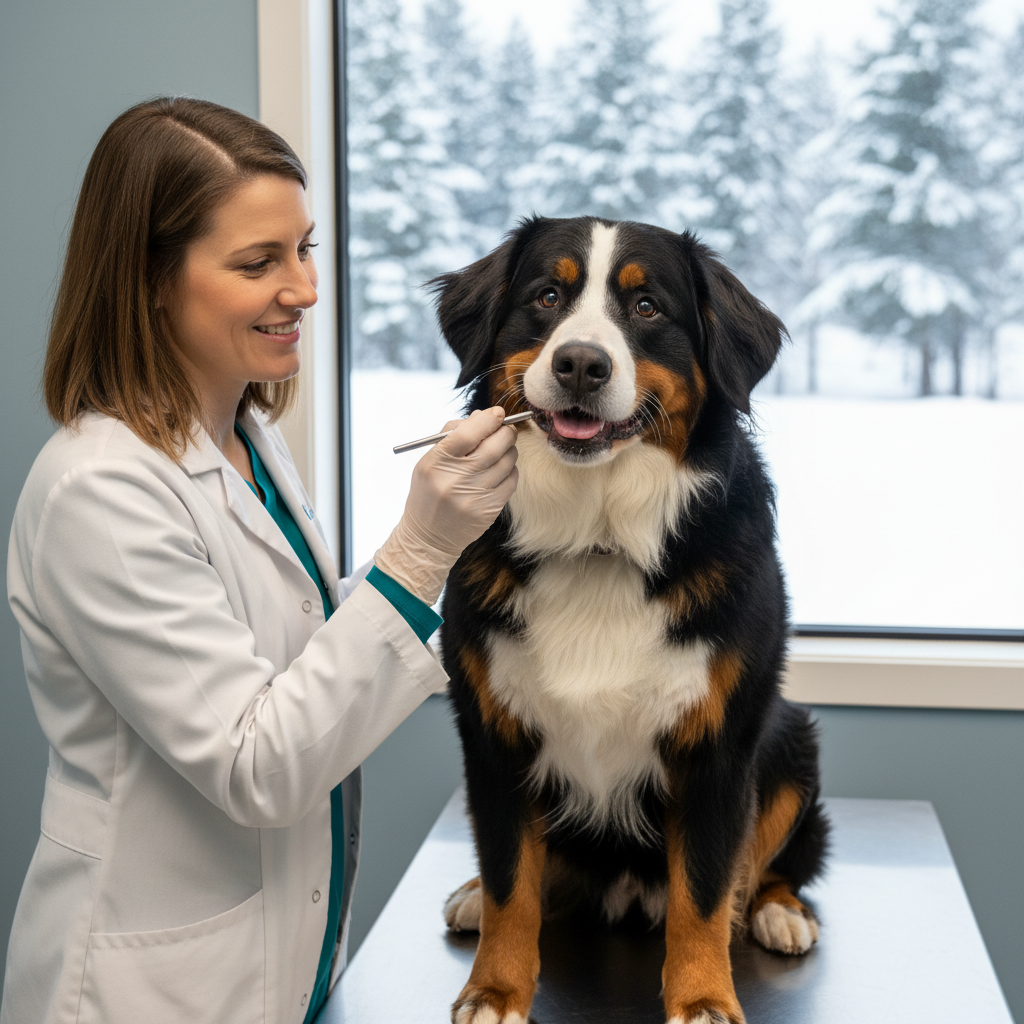
The biggest concern is your dog’s teeth. If a snowball is packed too tightly or contains hidden chunks of ice, rock, or debris, it can become a hard projectile. When your dog chomps down on it, they risk fracturing a tooth, which is painful and can lead to expensive dental work. Imagine catching a baseball with your teeth—ouch! The same principle applies here.
The Risk of ‘Snowmageddon Tummy’
Ever heard of a dog getting an upset stomach from eating too much snow? It’s a real thing! Ingesting large amounts of snow can lead to gastrointestinal upset, including vomiting and diarrhea. The extreme cold can irritate the stomach lining. Furthermore, snow isn’t always clean. It can contain hidden contaminants like road salt, antifreeze chemicals, or animal waste, all of which are toxic to dogs.
Choking Hazards and Hypothermia
A dog that obsessively gulps down snow could potentially choke on a larger, icier piece. While less common, it’s a risk to be mindful of. Additionally, prolonged exposure to cold without proper gear can lead to hypothermia, especially for smaller breeds, senior dogs, or dogs with short coats. Their body temperature can drop to dangerous levels, so it’s crucial to know the signs and keep play sessions short and sweet.
Expert Tip: Always supervise your dog closely during snow play. Think of yourself as the ‘fun supervisor’ whose job is to keep the games safe and stop before anyone gets too cold or carried away.
Gearing Up: Your Snow Day Success Kit
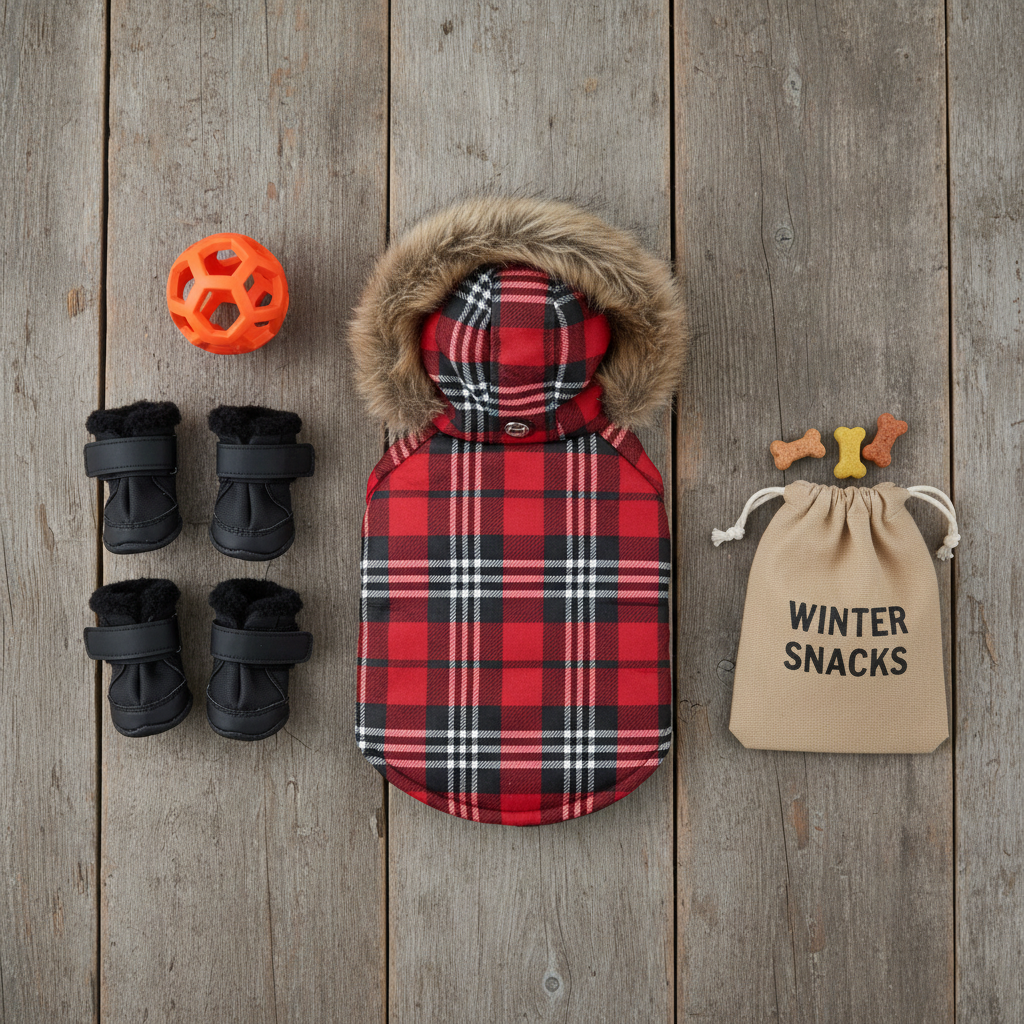
Proper preparation prevents poor performance… and potential vet bills! Before you head out, gathering a few key items can make all the difference between a fun game and a chilly mishap. Think of it as packing your dog’s personal snow day adventure bag.
Essential Gear for Your Pup
- Paw Protection: The cold ground and potential ice-melt chemicals can be harsh on your dog’s sensitive paw pads. Consider using dog booties or applying a protective layer of paw balm before you go outside.
- A Cozy Coat: Unless you have a Siberian Husky or a Samoyed, your dog might get cold. A well-fitting waterproof or water-resistant coat provides an extra layer of insulation, keeping them warm and dry.
- High-Value Treats: Training is always more effective with a great reward. Bring along some small, tasty treats that your dog absolutely loves. They’ll be the perfect motivator for learning a new skill in a distracting outdoor environment.
- A Brightly Colored Toy: We’ll get to why this is important in a bit, but having a favorite, highly visible toy on hand is great for warming up and for offering an alternative game.
How to Make the ‘Perfect’ Snowball
Not all snowballs are created equal! The ideal snowball for this game is one that’s safe for your dog to catch. Forget about packing a hard, icy projectile. Here’s what to do:
- Find the Right Snow: Look for fresh, light, powdery snow. Avoid old, crusty snow that’s likely to have ice chunks in it.
- Keep it Soft: Gather a handful of snow and gently press it together. You want it to be just solid enough to hold its shape for a short toss, but soft enough that it will disintegrate on impact with your dog’s mouth or the ground.
- Size Matters: Make the snowballs an appropriate size for your dog. For a small dog, think golf ball size. For a larger breed, a tennis ball size is about right. Avoid making them so large they could be a choking hazard.
Step-by-Step: Teaching the Art of the Snowball Catch
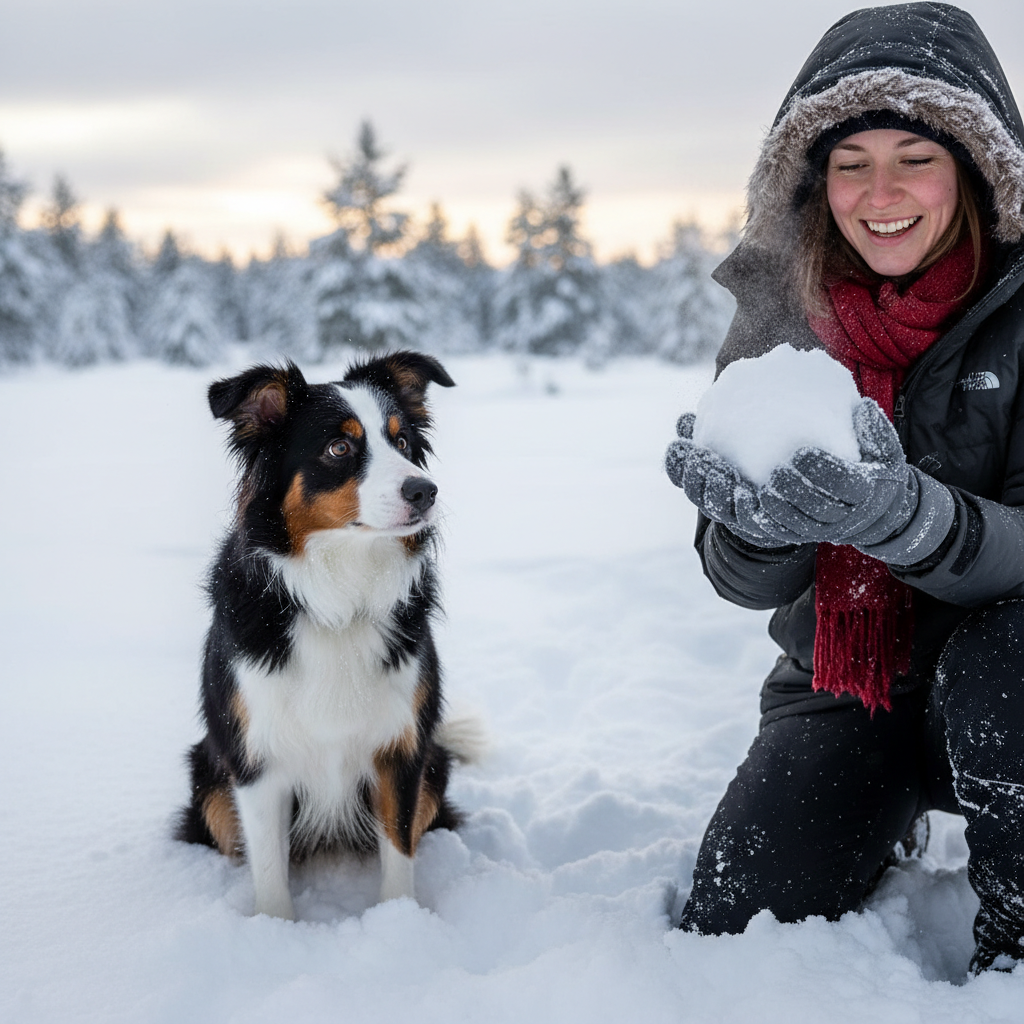
Alright, you’ve assessed the risks and gathered your gear. It’s time for the main event! Teaching your dog to catch snowballs is all about building on skills they may already have and making it a positive, rewarding experience. Patience is key!
Step 1: Start Indoors with a Soft Toy
Before you even step into the snow, start inside. Choose a very soft, lightweight toy that your dog loves. Sit on the floor a few feet away from your dog and gently toss the toy towards their mouth. The goal isn’t a long-distance throw, but a gentle lob that’s easy to catch. When they catch it (or even just mouth it), praise them enthusiastically and give them a treat. Keep these sessions short and super fun.
Step 2: Introduce the ‘Catch’ Cue
Once your dog is getting the hang of catching the soft toy, you can add a verbal cue. Right before you toss the toy, say an upbeat, clear “Catch!” or “Get it!”. The moment they make contact with the toy, praise them. Repetition will help your dog associate the word “Catch!” with the action of grabbing something from the air.
Step 3: Take It Outside (The ‘Dry’ Run)
Now, head outside to the snowy area, but leave the snowballs out of it for a moment. Practice the same game with the soft toy. This helps your dog generalize the command to a new, more distracting environment. They’ll learn that “Catch!” means the same thing out here as it does in the living room. This is also a great time to warm up before the main event.
Step 4: Introduce the Snowball
This is the moment of truth! Make a soft, powdery snowball as we discussed earlier. Get your dog’s attention and show them the snowball. Let them sniff it. With your dog a few feet away, say your “Catch!” cue and gently lob the snowball underhand towards them. Aim for their mouth/chest area. The first few times, they might just watch it fall or try to pounce on it. That’s okay! Praise any interaction. If they do catch it, celebrate like they just won the Olympics! Lots of praise and a high-value treat.
Important: Start with very short, low tosses. You want to build their confidence and ensure they are catching soft, disintegrating snow, not hard chunks.
Step 5: Keep It Short, Sweet, and Positive
Keep your training sessions to just 5-10 minutes at a time. It’s better to have a few successful, happy sessions than one long, frustrating one. Always end on a high note, perhaps with a successful catch or even just a good try. This ensures your dog always associates snowball games with fun and positivity.
Troubleshooting: When Snow Day Fun Goes Sideways
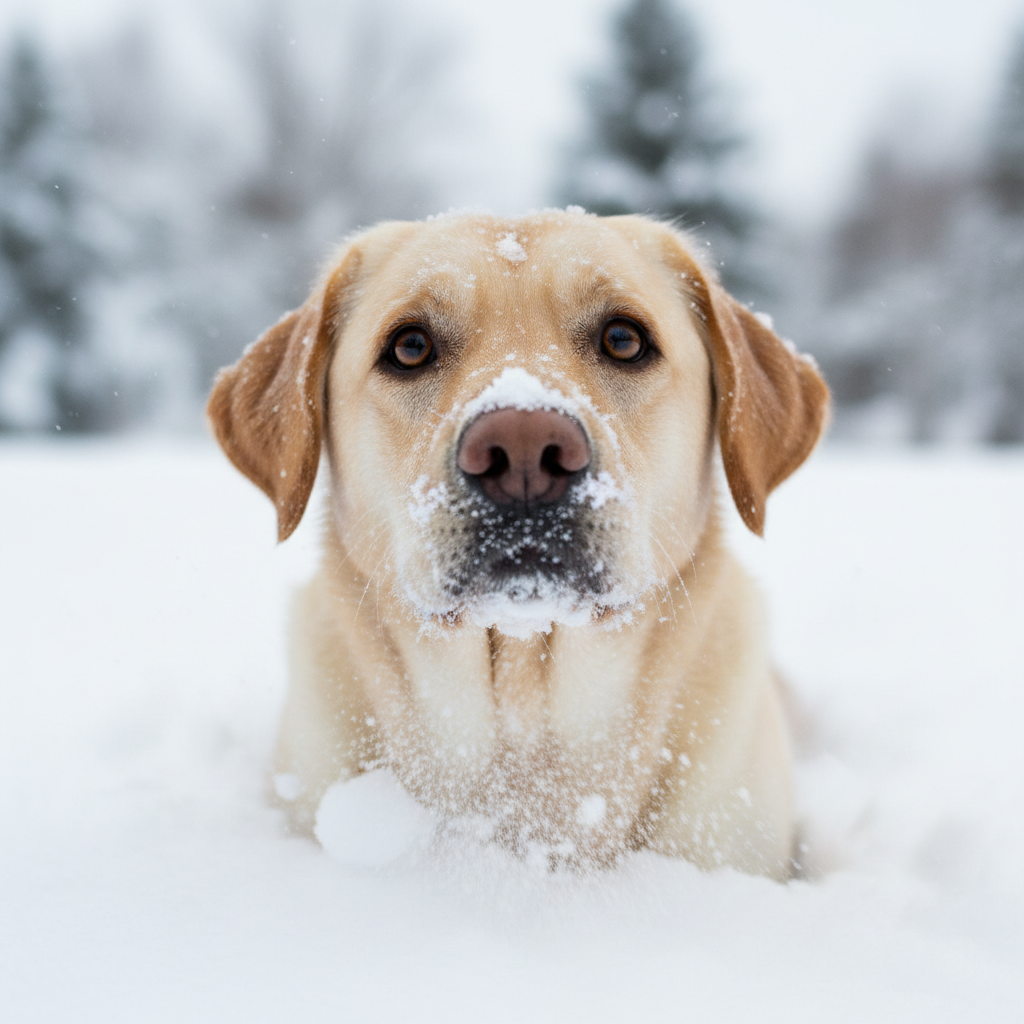
Even with the best-laid plans, things don’t always go perfectly. Don’t get discouraged! Here’s how to handle some common snowball snafus.
My Dog Just Wants to Eat All the Snow!
Some dogs are snow-eating machines. If your dog is more interested in gobbling up snow off the ground than catching it, you need to manage the behavior. Keep the game focused. Only praise and reward the act of catching the snowball you throw. If they start frantically eating snow, interrupt the behavior with a cheerful “Leave it!” and redirect their attention to a different activity, like chasing that bright-colored toy you brought. Limiting the duration of your snow play is also crucial for these snow-eaters to prevent an upset stomach.
My Dog Isn’t Interested in Catching.
That’s perfectly fine! Not every dog is a natural-born catcher. If your dog seems confused or uninterested, don’t force it. The goal is to have fun together. Maybe they’d prefer to pounce on the snowballs after they land. You can turn it into a game of ‘find the snowball’ in the powder. Or, switch to one of the fun alternatives we’ll discuss in the next section. The most important thing is that you’re both enjoying the winter weather.
My Dog is Too Rough and Frenzied.
Sometimes the excitement of snow can send a dog into overdrive. If your pup is getting too wild, jumping, or barking excessively, it’s time for a cool-down. Calmly end the game and switch to a more structured activity, like practicing some basic obedience cues (sit, stay) for treats. This helps bring their arousal level back down. Keeping play sessions short can help prevent them from getting overstimulated in the first place.
Beyond the Ball: Awesome Alternatives to Snowball Catch
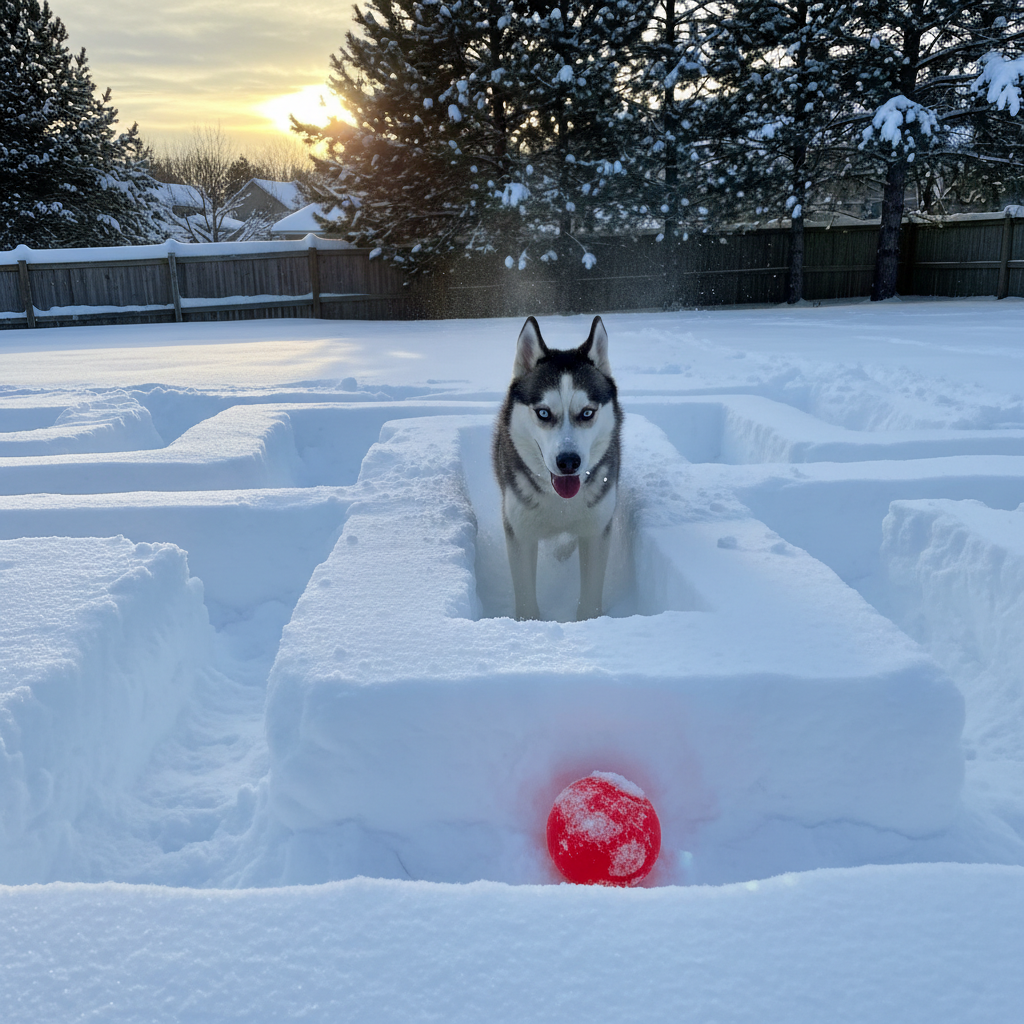
If snowball catching isn’t your dog’s jam, or if you just want to mix things up, there are plenty of other fantastic ways to enjoy a snow day together. Here are a few ideas to get you started.
Snow Fetch with a Winter-Proof Toy
A classic game of fetch gets a fun twist in the snow! Use a brightly colored toy (like hunter orange or bright blue) that won’t get lost in a sea of white. Rubber toys are better than fabric ones that can get waterlogged and freeze. Your dog will love bounding through the powder to retrieve their favorite toy.
Create a Snow Maze or Track
If you have a good amount of fresh snow, get creative! Stomp out a winding path or a simple maze in your yard. Then, encourage your dog to run through it. You can leave treats along the path or wait at the ‘finish line’ with their favorite toy. This is great physical exercise and mental stimulation as they navigate the course you’ve created.
Nose Work: Find the Treats
Engage your dog’s most powerful sense: their nose! While your dog is inside or waiting, hide a few smelly, high-value treats in the snow around your yard. Then, release them with a cue like “Find it!”. They will have a blast using their nose to sniff out the hidden treasures. Just be sure to remember where you hid them so none get left behind!
| Activity | Best For | Key Benefit |
|---|---|---|
| Snow Fetch | Dogs that love to retrieve | Great cardiovascular exercise and uses familiar toys. |
| Snow Maze | High-energy, curious dogs | Provides both mental and physical stimulation. |
| Nose Work | All dogs, especially scent hounds | Engages their natural instincts and is a great low-impact activity. |
Conclusion
A snow day offers a magical opportunity to bond with your dog and create wonderful memories. While teaching them to catch snowballs can be a delightful part of that fun, safety should always be your top priority. By understanding the risks, preparing properly, and teaching the skill with patience and positivity, you can ensure the game is enjoyable for everyone. And remember, if catching isn’t their thing, there are countless other ways to embrace the winter wonderland together. So bundle up, get out there, and have a fantastic, safe, and snowy adventure with your best friend!