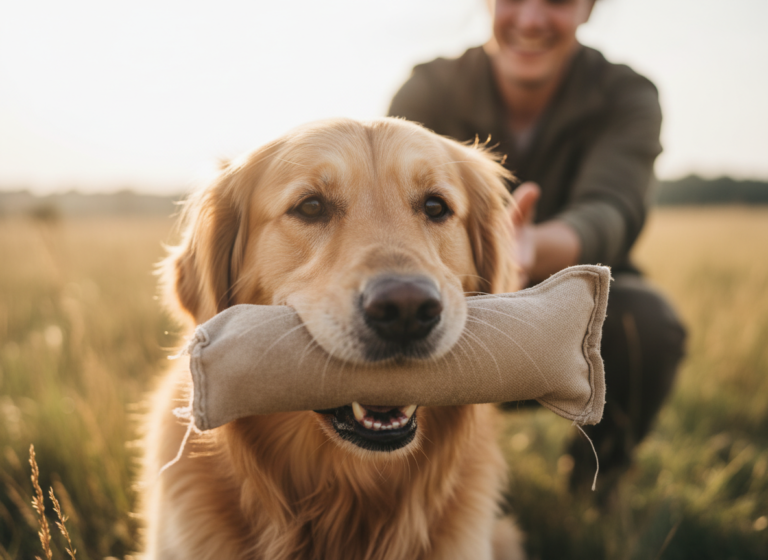
We’ve all been there. The rain is pouring down, the walls feel like they’re closing in, and your furry best friend is giving you that look. The one that says, ‘I’m bored out of my mind, and it’s all your fault!’ Walks are short, the dog park is a mud pit, and a game of fetch in the living room is a recipe for a broken lamp.
But what if you could turn those dreary, drizzly days into an opportunity for bonding, mental stimulation, and learning a trick so unique it’s guaranteed to make everyone smile? Get ready to level up your dog’s repertoire from ‘sit’ and ‘stay’ to something truly spectacular. In this guide, we’re going to walk you through, step-by-step, how to teach your dog the adorable and surprisingly practical trick of holding their own umbrella. It’s the perfect rainy-day project that combines training, trust, and a whole lot of fun!
Gearing Up for Success: What You’ll Need for This Adorable Trick
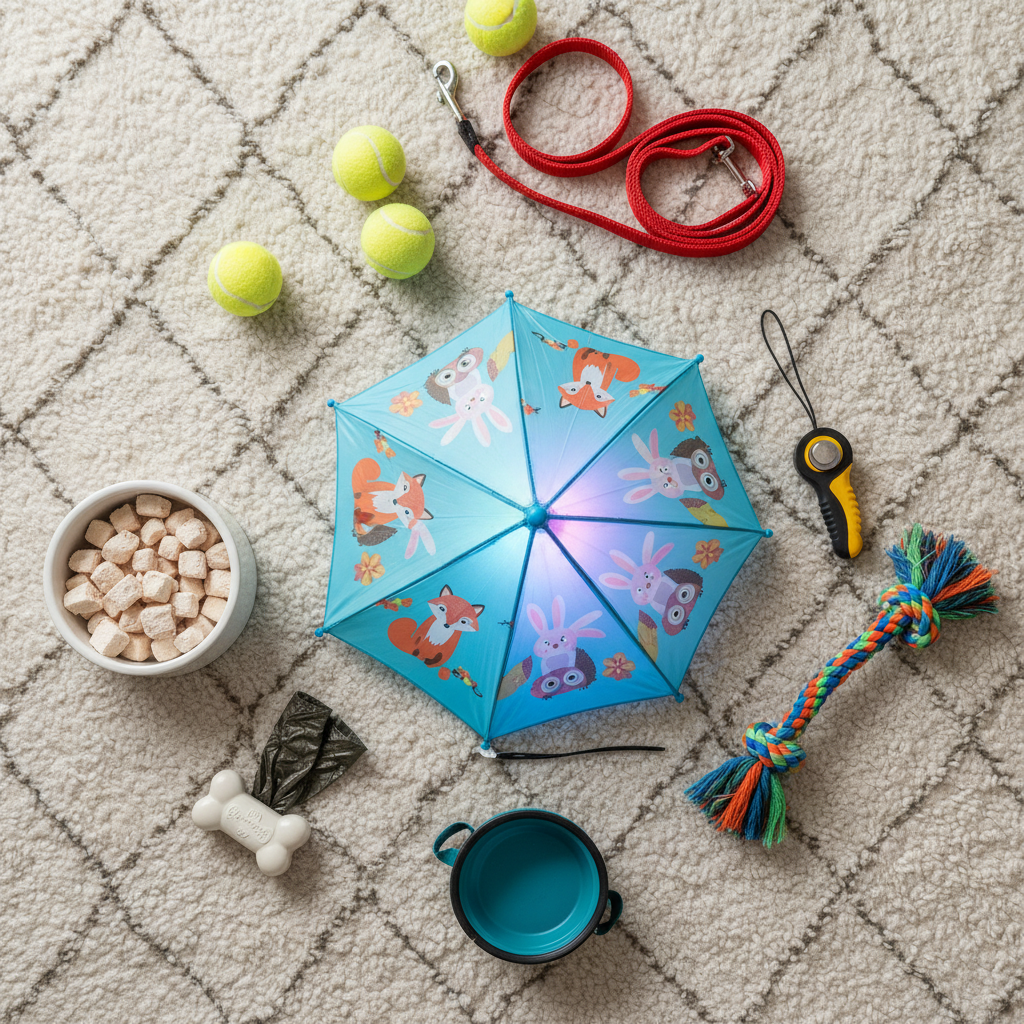
Before you and your pup embark on this training adventure, it’s best to gather all your supplies. Having everything ready ensures your sessions are smooth, positive, and efficient. Think of it as your ‘trick training toolkit!’ You don’t need much, but the right tools will make all the difference.
Essential Equipment List:
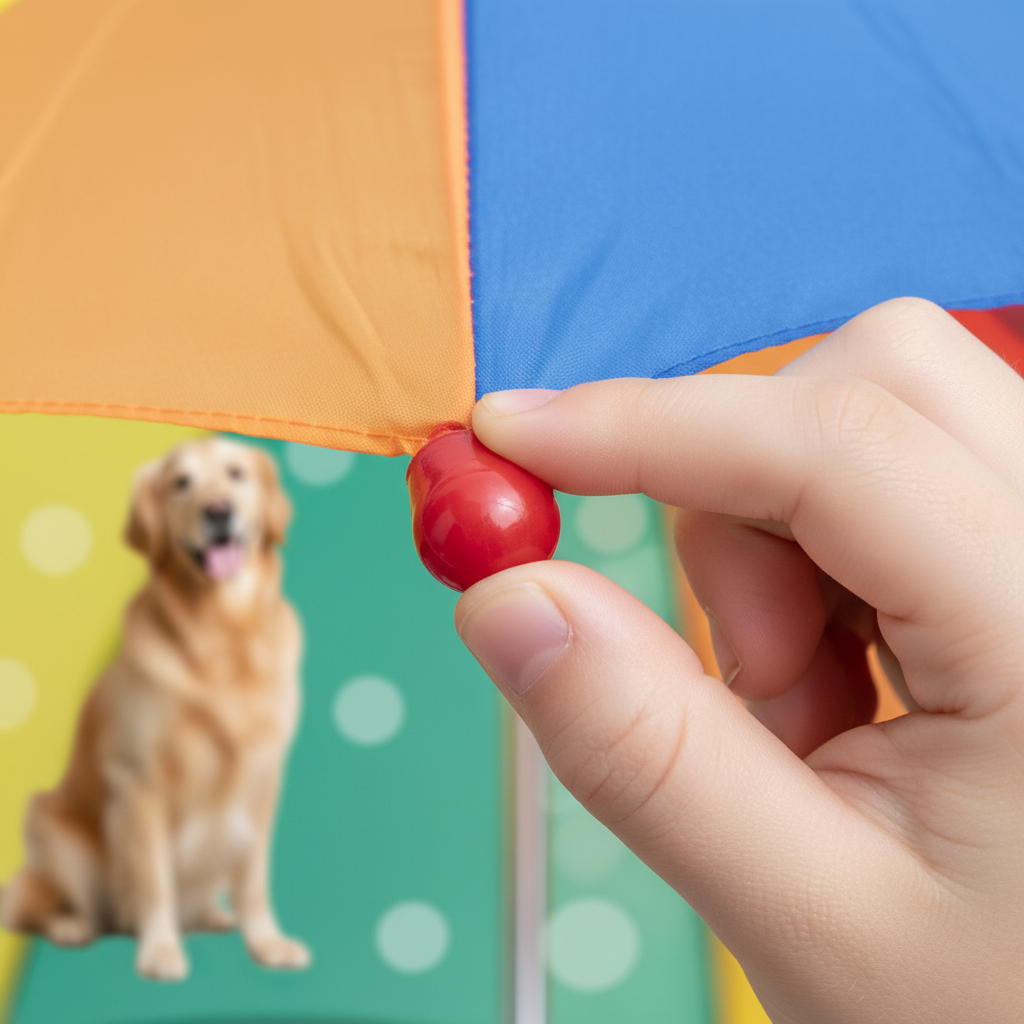
- A Dog-Appropriate Umbrella: This is the most crucial item! Do not use a large, heavy adult umbrella. Look for a small, lightweight child’s umbrella. The most important feature is safety—ensure it has rounded tips on the spokes and no sharp, pokey parts. The lighter it is, the easier it will be for your dog to hold.
- High-Value Treats: We’re talking top-tier goodies here! Standard kibble might not cut it for a complex trick like this. Think small, soft, smelly treats like tiny pieces of chicken, cheese, or commercial training treats your dog goes wild for. The goal is to make the reward so good your dog is extra motivated to work for it.
- A Clicker (Optional): If your dog is already clicker-trained, this is a fantastic tool for this trick. A clicker allows you to mark the exact moment your dog does the right thing with perfect timing, which can speed up the learning process significantly. If you don’t use a clicker, a consistent verbal marker like a sharp ‘Yes!’ works just as well.
- A Comfortable Training Space: Choose a quiet area in your home with good footing. A rug or carpeted area is better than a slippery hardwood or tile floor, as it will give your dog more stability while they’re learning to balance with a new object.
- Patience and a Positive Attitude: This is a non-negotiable! This is an advanced trick that takes time. Your dog will have good days and not-so-good days. Your job as the trainer is to stay patient, positive, and make it fun. If you get frustrated, your dog will sense it. Keep sessions short (5-10 minutes max) and always end on a positive note!
Expert Tip: Before you even start training, just leave the closed umbrella on the floor for a day or two. Let your dog sniff it and get used to its presence. Reward any calm, curious interaction with a treat. This helps prevent any fear or apprehension about this strange new object from the very beginning.
Step 1: Mastering the ‘Hold’ – The Foundation of Our Trick
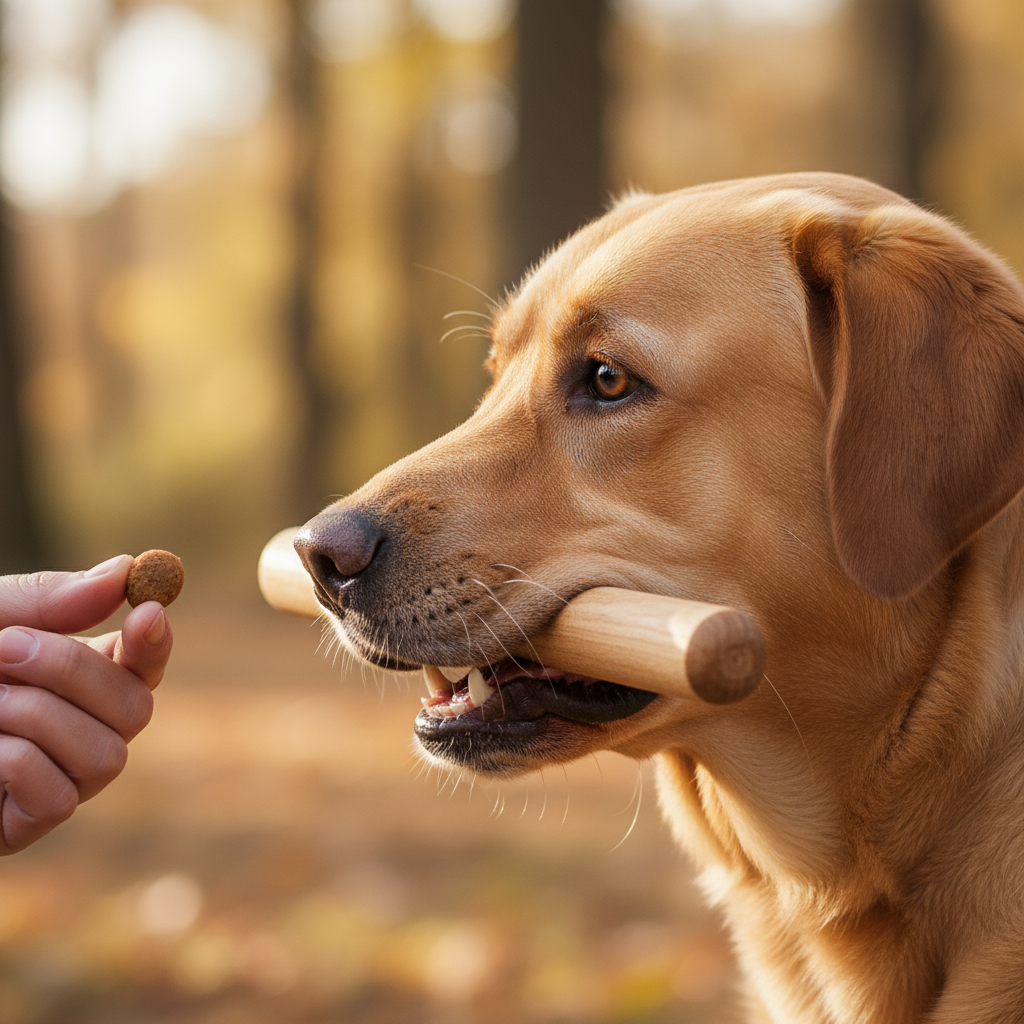
You can’t build a house without a solid foundation, and you can’t teach a dog to hold an umbrella without first mastering a rock-solid ‘hold’ command. This is the cornerstone of the entire trick. The goal is for your dog to gently take an object in their mouth and hold it calmly until you ask for it back. If your dog already knows ‘hold,’ you’re ahead of the game! If not, don’t worry—we’ll build it from scratch.
Shaping the ‘Hold’ Behavior:
We’ll use a training technique called ‘shaping,’ which involves rewarding small approximations of the final behavior. We’ll start with something much easier than an umbrella, like a wooden dowel, a favorite toy, or a dog training dumbbell.
- Interest: Hold the object (let’s say, a wooden dowel) out to your dog. The very moment their nose touches it, click (or say ‘Yes!’) and give them a treat. Repeat this several times until your dog is eagerly bopping the dowel with their nose.
- Mouth Touch: Now, wait a little longer. Your dog will likely try bopping it again, but when that doesn’t get a reward, they might get creative and try to nibble or lick it. The instant their mouth touches the dowel, click/’Yes!’ and treat. This is a big step!
- Taking the Object: As they get confident mouthing the object, start presenting it right in front of their mouth. They will likely open their mouth to interact with it. As they do, gently place it inside. Click/’Yes!’ the second they have it, even if they drop it immediately. The reward is for accepting it.
- Building Duration: Once your dog is comfortably taking the dowel, we’ll work on duration. Place it in their mouth and wait just one second before you click/treat. Then two seconds. Then three. Keep it super short and successful. If they drop it before you click, you’ve gone too fast. Just go back to a shorter duration.
- Adding the Cue: Once your dog is reliably holding the object for a few seconds, you can add your verbal cue. As you present the object, say your cue—like ‘Hold’ or ‘Take it’—right before they take it.
Important: Throughout this process, make sure your dog is holding the object gently. We don’t want them chomping or chewing it. Reward a soft, calm mouth. Also, teach a ‘Drop it’ or ‘Give’ cue so they learn to release the object politely into your hand.
Step 2: From Dowel to Drizzle-Stopper – Introducing the Umbrella
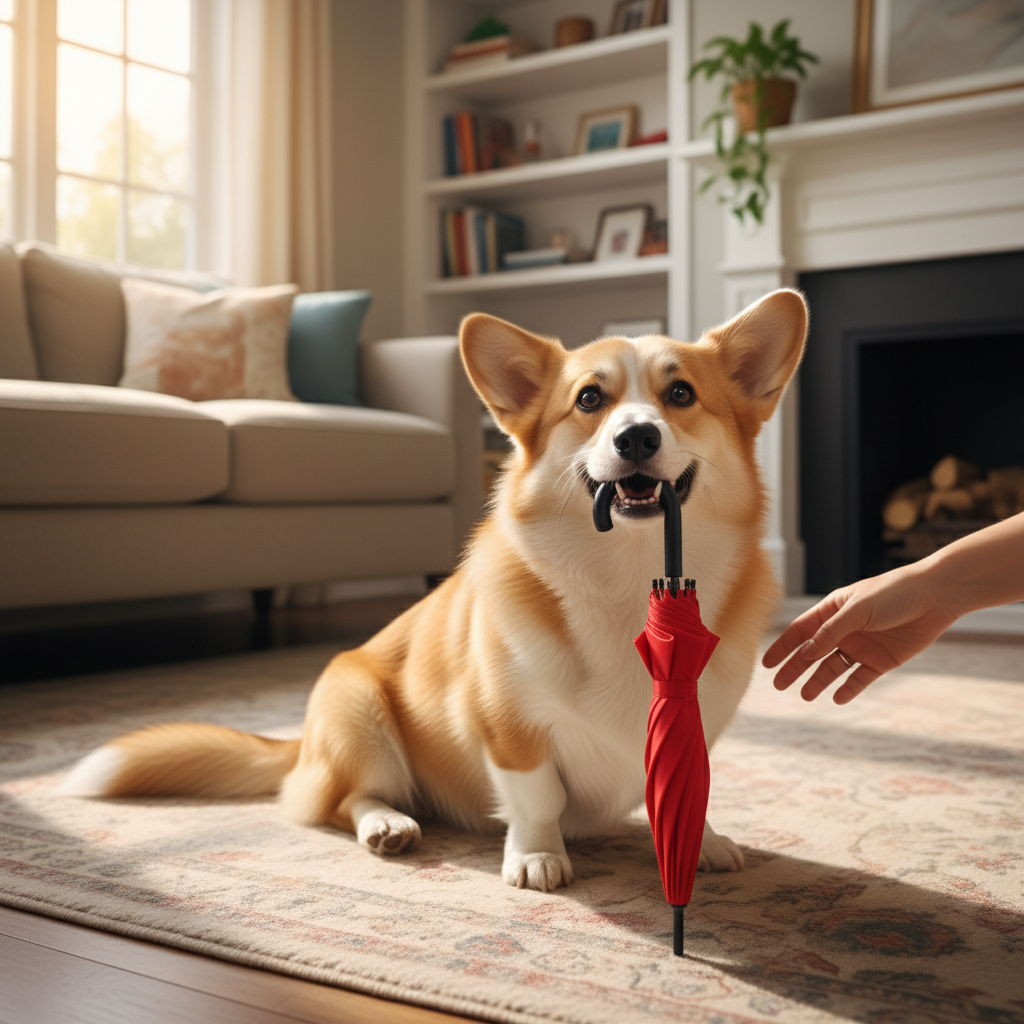
Okay, your dog is a ‘hold’ champion! Now it’s time to introduce the star of the show: the umbrella. This part requires extra patience because the umbrella is a weird shape, it makes strange noises, and it feels different from a simple dowel. We need to convince your dog that it’s just another fun thing to hold.
Acclimatizing Your Dog to the Umbrella
First things first, let’s make sure the umbrella isn’t scary. With the umbrella completely closed, let your dog sniff it. Reward them for calm curiosity. Then, from a safe distance, slowly open and close it a few times, tossing a treat to your dog each time it moves. We want to build a positive association: umbrella moving = yummy treats! Never force it on them. Let them approach and investigate at their own pace.
Transferring the ‘Hold’ Command
- Hold the Handle (Closed): Start with the umbrella closed. Hold it out so the handle is presented to your dog, just like you did with the dowel. Say your ‘Hold’ cue. Since the handle is a similar shape to what they’ve been practicing with, they should get the idea. Lavish them with praise and high-value treats the moment they take it! Keep these initial holds very short and successful.
- Hold the Handle (Partially Open): This is a big step. Once they are confident holding the closed umbrella, try opening it just a tiny bit—maybe an inch or two. Then ask them to ‘Hold’ the handle. This changes the weight and balance, so be prepared to support it at first. Reward heavily for any attempt.
- The Big Moment (Fully Open): When your dog is comfortable, it’s time for the main event. Slowly and calmly open the umbrella fully. Let them look at it and process. Then, offer the handle and ask for a ‘Hold.’ Be ready to throw a jackpot of treats! This is a huge milestone. Your dog is now holding an open umbrella!
- Adding Duration and Movement: Just like before, slowly build up the duration of the hold with the open umbrella. Once they can hold it for 5-10 seconds while sitting still, try asking them to take one step forward with you. Then two. This is very advanced, so go slow and keep it incredibly positive.
Navigating the Puddles: Troubleshooting Common Issues
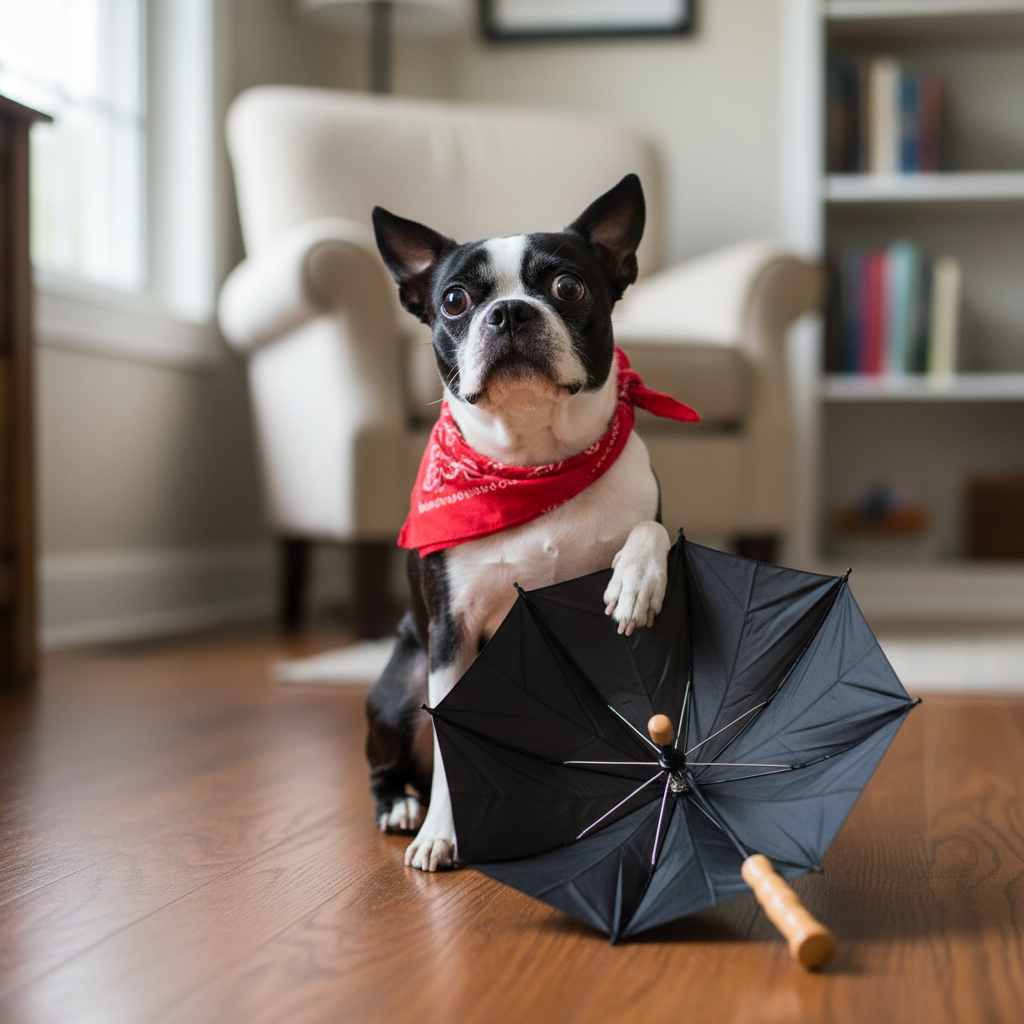
Training is never a perfectly straight line. You’re bound to hit a few bumps—or in this case, puddles—along the way. Don’t get discouraged! Almost every training challenge has a solution. Here are some of the most common issues you might encounter and how to navigate them.
- Problem: My dog is scared of the umbrella when it opens.
Solution: You’ve moved a little too fast. Go back to desensitization. Stand across the room and open the umbrella just an inch. Click/treat. Close it. Open it two inches. Click/treat. The goal is to make the sound and movement of the opening umbrella predict amazing things (treats!). This might take several sessions, but it’s worth it to build confidence. - Problem: My dog keeps dropping the umbrella immediately.
Solution: This usually means one of two things: the umbrella is too heavy, or you’re asking for too much duration too soon. First, double-check that your umbrella is truly lightweight. If it is, then go back to the basics of your ‘hold’ command. Reward for a one-second hold. Make it so easy for your dog to succeed that they can’t help but build confidence. - Problem: My dog wants to chew on the handle or fabric.
Solution: This trick is ‘hold,’ not ‘chew.’ If your dog starts gnawing, it’s time to practice your ‘Drop it’ or ‘Leave it’ command. Promptly ask them to release the umbrella, and when they do, reward them with a treat from your hand (not for the chewing, but for the release). Then, try again, rewarding only for a gentle, still mouth. Keep sessions short to prevent frustration-based chewing. - Problem: My dog just won’t pick it up off the floor.
Solution: That’s okay! For this trick, you don’t need them to. The goal is for them to hold it when you present it. Picking up an object as awkward as an umbrella is a completely different, and much more advanced, trick. Focus on the ‘take it from my hand’ part of the training.
Remember the Golden Rule: Always end your training session on a high note. If your dog is struggling, ask for a simple command they know well, like ‘sit,’ reward them enthusiastically for it, and then end the session. This ensures they always finish feeling successful and eager to train next time.
Safety First! Keeping Your Paws-itively Amazing Trick Fun and Safe
Teaching your dog a fun new trick is a wonderful bonding experience, but their safety and well-being should always be the number one priority. This trick, while adorable, comes with a few important safety considerations to keep in mind to ensure it remains a positive experience for everyone.
Key Safety Guidelines:
- This is a Supervised Trick ONLY: Never leave your dog unattended with the umbrella. It’s a prop for a fun, short activity, not a toy. They could easily get tangled in it or chew off a piece, which could be a choking hazard.
- Choose the Right Equipment: We can’t stress this enough. Use a lightweight child’s umbrella with no sharp metal points. The plastic, rounded safety tips are essential. An umbrella that’s too heavy can strain your dog’s neck and jaw.
- Beware of Wind: This trick is for calm, rainy days or for cute indoor photos. Never attempt this trick outside in the wind. A gust of wind could catch the umbrella and wrench your dog’s neck, scare them badly, or even lift a very small dog off its feet. Safety must come before the photo-op.
- Respect Your Dog’s Comfort Level: This is supposed to be fun! If at any point your dog shows signs of stress—like whale eye (showing the whites of their eyes), tucked tail, lip licking, or trying to run away—stop the session immediately. Never force your dog to perform a trick. It’s possible this just isn’t the right trick for your particular dog, and that’s perfectly okay.
- Keep Sessions Short & Sweet: Holding an object, especially a slightly awkward one like an umbrella, can be tiring for a dog’s jaw muscles. Keep your training and practice sessions to just a few minutes at a time to prevent fatigue and keep their enthusiasm high.
By keeping these simple safety rules in mind, you can ensure that teaching your dog to hold an umbrella is a safe, positive, and delightful experience that strengthens your bond and gives you a fantastic party trick to show off.
Conclusion
Congratulations! You’ve just unlocked a new level of fun with your furry companion. Whether your dog is now a full-fledged umbrella-holding pro or you’re still working on mastering that initial ‘hold,’ you’ve both accomplished something wonderful. You’ve spent quality time together, stimulated your dog’s brilliant mind, and strengthened that incredible bond you share. That’s what trick training is all about!
Remember that every dog learns at their own pace. Celebrate the small victories, laugh at the goofy mistakes, and cherish the process of learning together. Now, the next time the clouds roll in and the rain begins to fall, you won’t see a gloomy day—you’ll see the perfect opportunity for a little indoor fun. Get those treats ready, grab your camera, and show the world your dog’s amazing new skill!