Scroll through any social media feed, and you’re bound to see it: that heart-melting, ultra-close-up shot of a dog’s nose pressed against the camera. It’s the ‘snoot boop,’ and it’s become the gold standard of cute pet photography. You might think it’s a lucky, once-in-a-lifetime shot, but what if I told you that you could teach your dog to do it on command?
You absolutely can! Teaching your dog to boop the camera is more than just a quest for the perfect profile picture. It’s a fantastic brain game, a wonderful bonding activity, and a great way to build your dog’s confidence around new objects. Using simple, fun, and positive training techniques, you can turn your pup into a photogenic superstar. In this guide, we’ll walk you through everything you need, from the initial setup to the final, frame-worthy click. So grab your tastiest treats and your camera, and let’s get ready to boop!
Setting the Stage: What You’ll Need for the Perfect Snoot Boop
Setting the Stage: What You’ll Need for the Perfect Snoot Boop
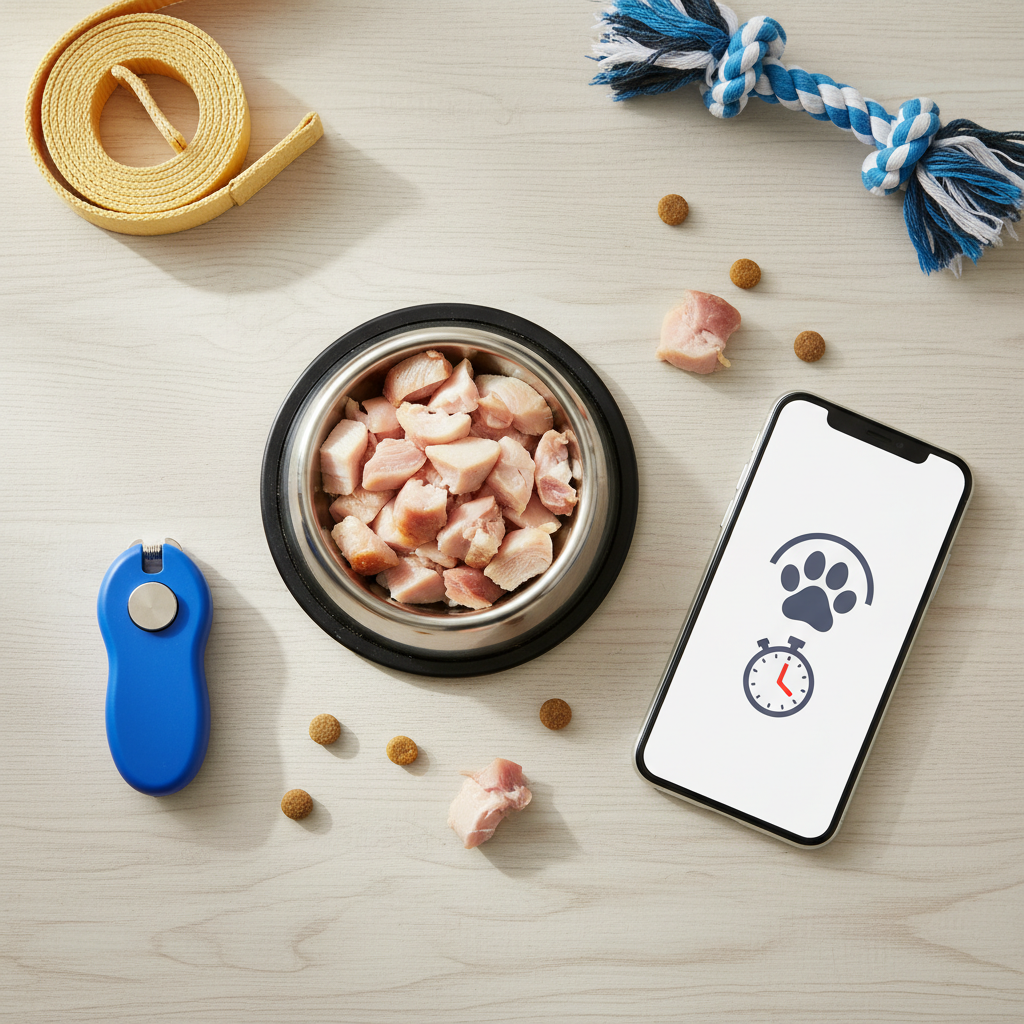
Before you and your furry model can start your training session, it’s essential to gather a few key items. Proper preparation makes the process smoother, more fun, and much more effective. Think of it as setting up your artist’s studio—you want all your tools within reach so you can focus on the masterpiece! Here’s what you’ll need:
The Essentials for Success
- High-Value Treats: We’re not talking about their everyday kibble here. You need the good stuff! Think tiny pieces of cooked chicken, cheese, hot dogs, or their favorite smelly, soft training treats. The ‘higher the value’ of the treat, the more motivated your dog will be to learn this new, exciting game. Remember to keep the pieces small—pea-sized is perfect—so you can do lots of repetitions without filling them up too quickly.
- A Clicker (Optional, but Recommended): A clicker is a fantastic tool for marking the exact moment your dog does something correctly. The ‘click’ acts as a precise signal that means, ‘Yes, that’s it! A treat is coming!’ If you’ve never used a clicker, don’t worry. You can also use a verbal marker word like ‘Yes!’ or ‘Good!’ The key is to be consistent and say it with enthusiasm the instant your dog performs the desired action.
- Your Camera or Smartphone: You don’t need a professional-grade DSLR for this. Your smartphone camera will work perfectly! In fact, its smaller size can be less intimidating for some dogs. Whichever device you use, make sure you’re comfortable handling it. It’s also a wise idea to grab a screen protector or a cheap, clear lens filter. While a gentle boop is harmless, an overly enthusiastic dog might get a little slobber on your lens, and a protector makes cleanup a breeze.
- A Quiet, Comfortable Space: Choose a training location with minimal distractions. Your living room, a quiet bedroom, or a fenced backyard on a calm day are all great options. You want your dog to be able to focus on you and the fun game you’re about to play, not the mail carrier walking by or another pet demanding attention.
- Patience and a Positive Attitude: This is, without a doubt, the most important item on the list. Dog training should always be fun for both of you. Keep your sessions short (5-10 minutes is plenty), end on a positive note, and celebrate the small victories. If your dog gets frustrated or confused, take a break and try again later. Your cheerful encouragement is the secret ingredient to success.
Expert Tip: Before you even start training the ‘boop,’ spend a few minutes just getting your dog comfortable with the camera. Place it on the floor and let them sniff it. Every time they calmly investigate it, reward them with a treat. This creates a positive association with the camera from the very beginning.
From Nose to Lens: The Step-by-Step Guide to Teaching the Snoot Boop
From Nose to Lens: The Step-by-Step Guide to Teaching the Snoot Boop
Alright, you’ve got your treats and your camera is ready. Now for the fun part! We’re going to teach this trick in small, easy-to-understand stages. This method is called ‘shaping,’ where we reward small approximations of the final behavior until we get the perfect snoot boop. Let’s get started!
-
Step 1: Teach a Basic Hand Target
The foundation of the snoot boop is a simple hand target. You’re teaching your dog to touch their nose to your hand on command. Hold your hand out flat, palm open, a few inches from your dog’s nose. The moment their nose touches your palm—even by accident at first—click your clicker (or say ‘Yes!’) and immediately give them a treat. Pull your hand away, and then present it again. Repeat this process. Your dog will quickly learn that ‘Nose + Hand = Click + Treat’. Keep sessions short and exciting!
-
Step 2: Introduce a Target Object
Once your dog is reliably booping your hand, it’s time to transfer that skill to an object. A plastic lid, a Post-it note, or the flat end of a remote control works well. Hold the object in your palm. When your dog goes to boop your hand, they will boop the object instead. Click and treat! After a few repetitions, start holding the object by itself, without it resting on your palm. Reward your dog for booping just the object. You’re teaching them the concept of targeting something other than you.
-
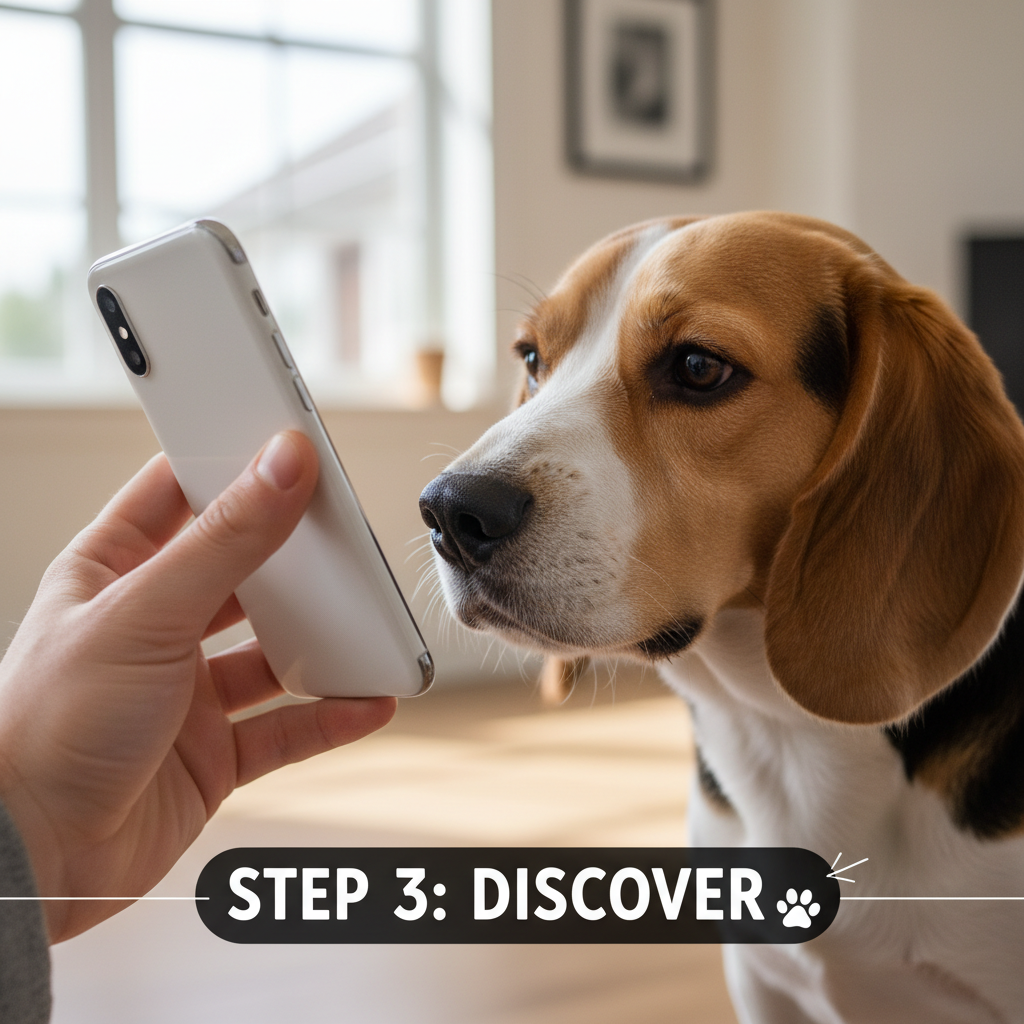
Step 3: Introduce the Camera (Safely!)
Now, let’s bring in the star of the show: the camera. For this step, use the back of your phone or camera first. We don’t want to teach them to target the fragile lens just yet. Hold your phone (back facing them) just like you held the target object. When they show interest and move their nose toward it, click and treat. Reward them for getting closer and closer, until they are confidently booping the back of the device. This ensures they aren’t afraid of the object and see it as a fun new treat dispenser.
-
Step 4: Transition to the Lens
Your dog is now a pro at booping the back of the camera. It’s time to flip it around. Hold the camera with the lens facing your dog. Because they’ve already learned that this object is fun, they will likely offer a boop. The moment their nose makes gentle contact with the lens, click and give them a jackpot of treats! A jackpot is a bigger or more exciting reward—several treats at once—to signify they did something extra special. Practice this a few times, and they’ll be booping the lens with confidence.
-
Step 5: Add a Verbal Cue
Once your dog is reliably offering the behavior, you can add a verbal cue. Just before you present the camera for them to boop, say your chosen word, like ‘Boop!’, ‘Kiss!’, or ‘Selfie!’. Present the camera, and when they boop it, click and treat. With repetition, they will associate the word with the action. Soon, you’ll be able to say ‘Boop!’ and they’ll look for the camera to perform their new trick.
Ready for Your Close-Up: Pro Tips for Capturing the Boop
Ready for Your Close-Up: Pro Tips for Capturing the Boop
You’ve done the training, and your dog is a snoot-booping champion. Now, how do you get that stunning, Instagram-worthy shot? It’s one thing to perform the trick, and another to capture it beautifully. Here are some photography tips to help you nail the perfect picture.
Lighting is Everything
Good lighting can make or break a photo. The best light is almost always natural light. Try to position yourself and your dog near a large window or outdoors in a shady spot (direct sunlight can be too harsh and create unflattering shadows). Avoid using your camera’s built-in flash, as it can create ‘red-eye’ (or green-eye in dogs) and can be startling for your pet.
Get on Their Level
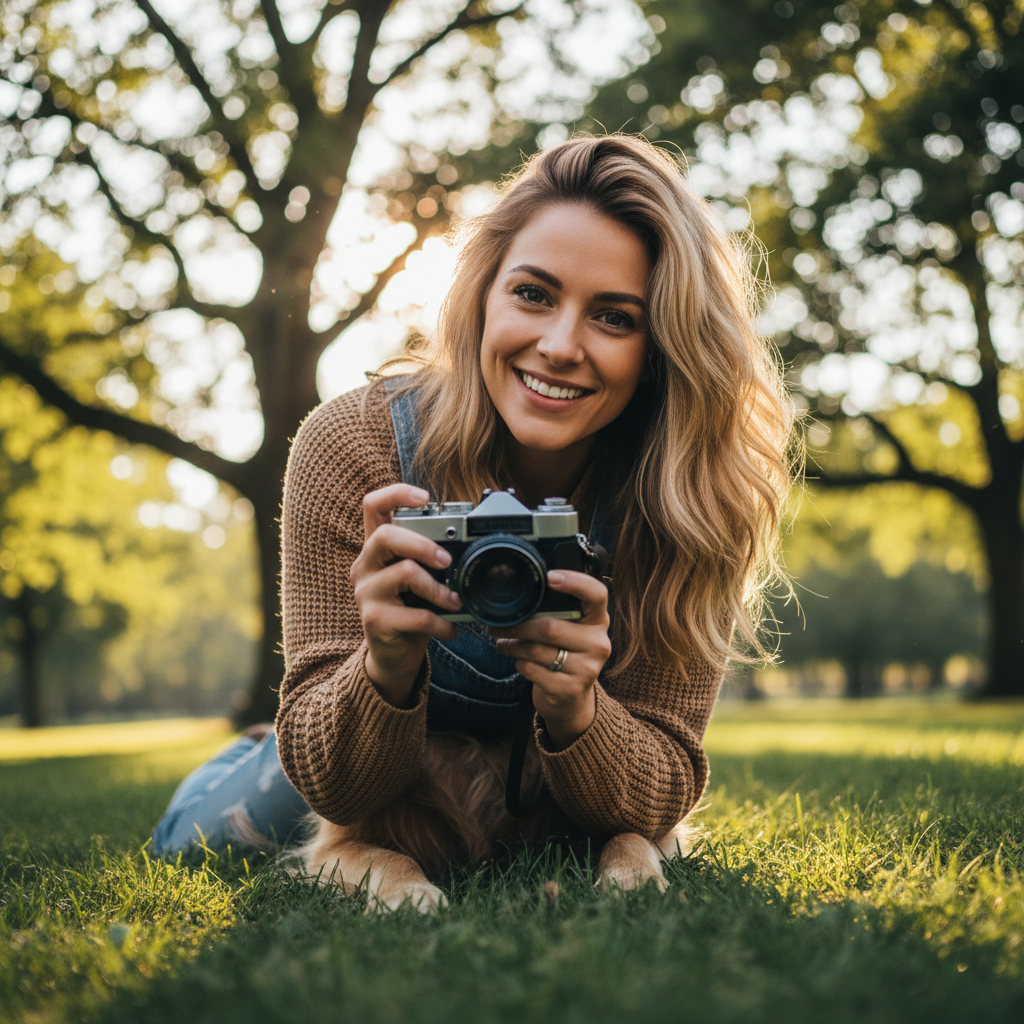
The most engaging pet photos are taken from the animal’s perspective. Instead of standing over your dog and pointing the camera down, get down on the floor with them. This creates a more intimate and personal photo, making the viewer feel like they’re right there with your pup. It also makes the ‘boop’ angle much more direct and impactful.
Master Your Camera Settings
- Use Burst Mode: Dogs move fast! The perfect boop might only last a fraction of a second. Use your camera’s burst mode (holding down the shutter button on most phones) to take a rapid series of photos. This dramatically increases your chances of capturing that one perfect moment with a sharp focus and a great expression.
- Tap to Focus: Before you cue the boop, tap on your phone screen right where you expect your dog’s nose to be. This tells the camera where to focus, ensuring the most important part of the photo—the snoot!—is crisp and clear.
- Portrait Mode: If your phone has a portrait mode, experiment with it! It can create a beautiful, softly blurred background (known as ‘bokeh’) that makes your dog’s face and the boop itself really pop.
Protect Your Gear
A gentle nose boop is harmless, but an overly excited dog might give you a full-on slobbery lick or a more forceful tap. A simple, inexpensive screen protector or a clear UV filter for a DSLR lens is a great investment. It protects your equipment from scratches and makes cleaning up doggie drool much easier.
Remember the Goal: The goal is a photo that captures your dog’s personality. Don’t get so caught up in technical perfection that you forget to have fun. The best pictures are often the ones where your dog’s happy, goofy, and loving nature shines through, even if it’s not technically flawless.
Oops! Troubleshooting Common Snoot Boop Hurdles
Oops! Troubleshooting Common Snoot Boop Hurdles
Even with the best plan, training doesn’t always go perfectly, and that’s completely normal! Every dog learns at a different pace and has their own unique personality. If you hit a snag, don’t get discouraged. Here are some common challenges and how to work through them with a positive attitude.
Problem: My dog is scared of the camera.
Solution: This is very common! Cameras can be strange, intimidating objects. Go back to the very beginning. Put the camera on the floor and don’t even pick it up. Click and treat your dog for simply looking at it. Then for sniffing it. Then for being near it while you hold it. This process, called desensitization and counter-conditioning, changes their emotional response from ‘that’s a scary monster’ to ‘that thing makes treats appear!’ Go slowly and never force the interaction.
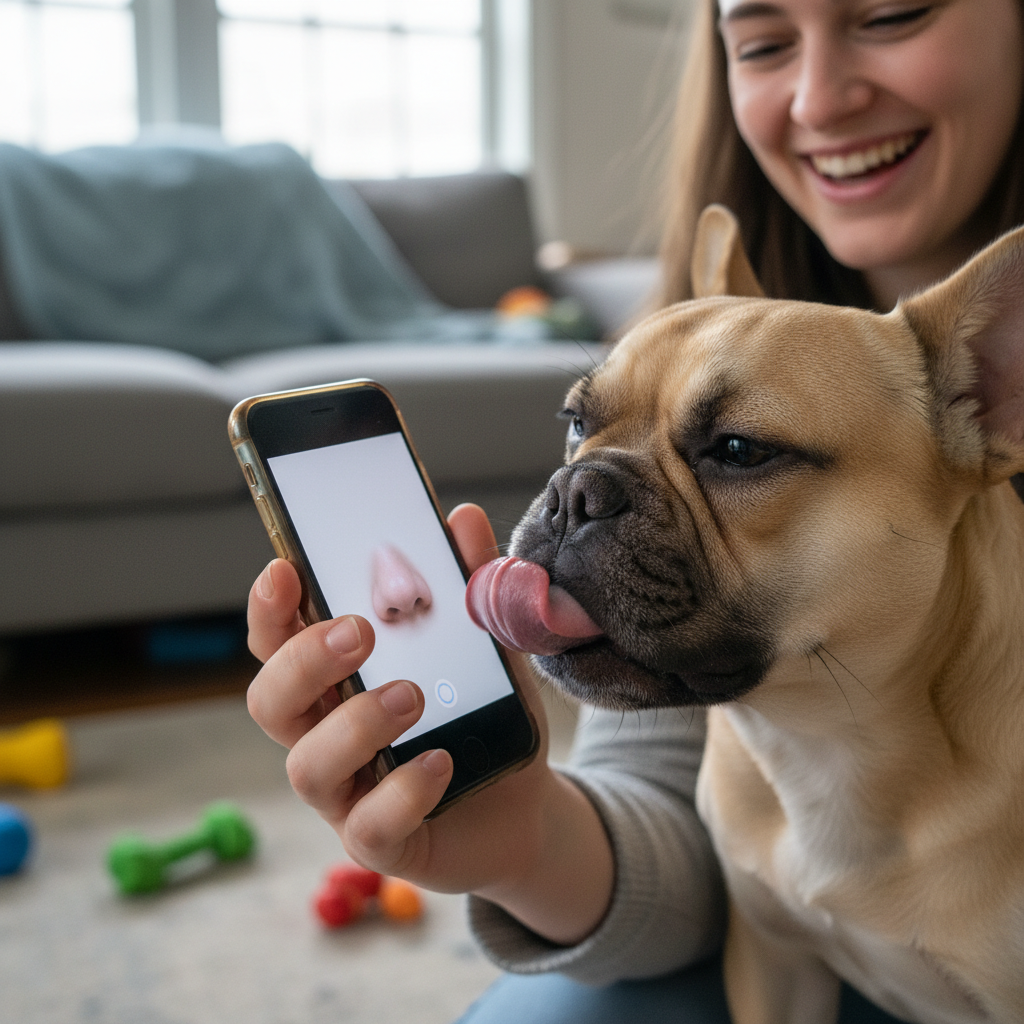
Problem: My dog licks the camera instead of booping it.
Solution: A lick is just an over-enthusiastic boop! It means your dog is excited, which is great. To encourage a nose touch instead of a tongue-lashing, you need to be faster with your click/marker word. The goal is to ‘click’ the very instant their nose makes contact, before the tongue has a chance to come out. If they lick, simply pull the camera away calmly, say nothing, and try again. They will learn that only the nose touch earns the reward.
Problem: My dog keeps biting or mouthing at the camera.
Solution: This often happens with puppies or dogs who are naturally mouthy. They’re trying to interact with the object the only way they know how. If this happens, immediately withdraw the camera and say a calm ‘Oops.’ Wait a few seconds, then try again. Reward only a gentle nose touch. This teaches them that mouthing makes the fun game stop, while a soft boop makes the fun continue. Never punish them for mouthing; simply redirect to the correct behavior.
Problem: My dog loses interest quickly.
Solution: This is a clear sign that your training sessions are too long or your treats aren’t exciting enough. Cut your session time in half—even 2-3 minutes of focused training is incredibly valuable. And be sure to up the ante on your rewards. If you’re using dry biscuits, try switching to tiny pieces of cheese. Always end the session on a high note, after a successful repetition, to leave them wanting more for next time.
Golden Rule of Troubleshooting: When in doubt, go back a step. If your dog is struggling with booping the lens, go back to booping the back of the camera. If that’s tricky, go back to booping a target object. Building a strong foundation is the key to solving almost any training issue. Patience is your superpower!
Conclusion
And there you have it! You’re now fully equipped to teach one of the most charming tricks in the book. The ‘snoot boop’ is so much more than just a photo opportunity; it’s a testament to the incredible bond you share with your dog. It’s a product of your patience, their trust, and the joyful language of positive reinforcement you’ve built together.
Remember to celebrate every little success along the way, from the first tentative nose touch to the final, perfect boop. The goal is to have fun and strengthen your relationship. The amazing photos you’ll get are just a wonderful bonus.
So go ahead, start your training, and get ready to fill your camera roll with the most adorable close-ups imaginable. We can’t wait to see your picture-perfect snoot boops! Happy training!