There’s something magical about the idea of paddling across a calm lake, with only the sound of your paddle dipping into the water and your loyal dog enjoying the view from the bow. For many pet owners, this is the ultimate adventure dream! But getting your dog from chasing squirrels in the yard to sitting calmly in a wobbly boat can feel like a huge leap. Where do you even begin?
Don’t worry, you’ve come to the right place! Turning this dream into a reality is absolutely achievable. It’s not about luck; it’s about patience, trust, and a solid training plan built on positive reinforcement. This guide will break down the entire process into small, manageable, and fun steps. We’ll cover everything from the essential gear you’ll need to make your pup safe and comfortable, to the groundwork on dry land, and finally, the exciting moment of your first successful voyage together. Get ready to create some unforgettable memories with your adventure pup!
Gearing Up for Success: Essential Equipment for Your Kayak K-9
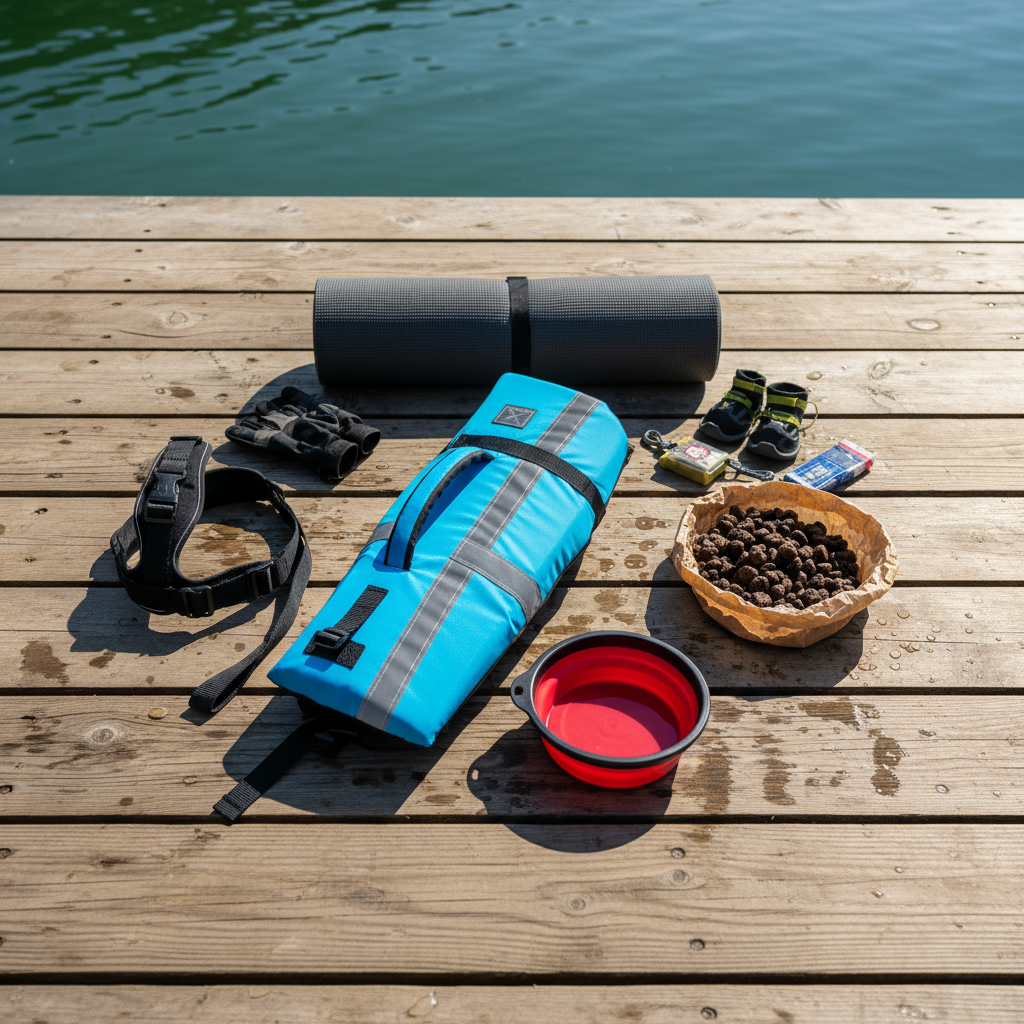
Before you even think about getting near the water, setting you and your dog up with the right gear is the most important first step. Safety and comfort are paramount, and having the right tools will make the training process infinitely smoother and more positive for everyone involved.
Must-Have Gear Checklist:
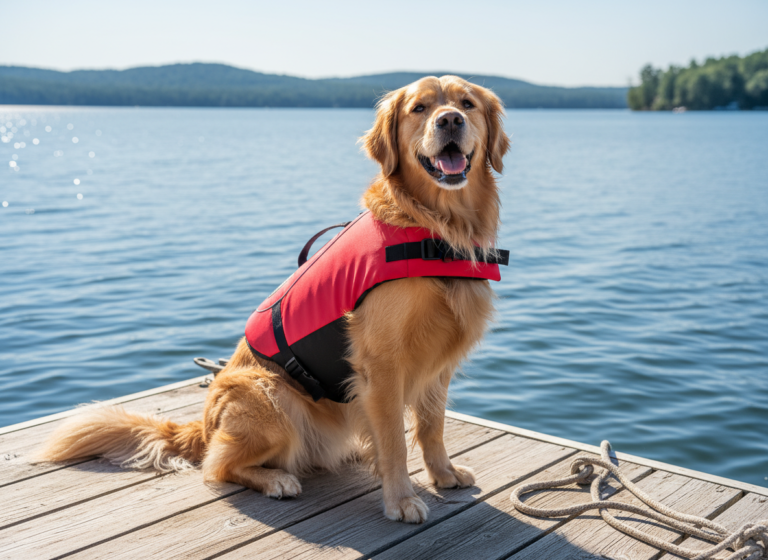
- A Canine Personal Flotation Device (PFD): This is non-negotiable. Even strong swimmers can get into trouble if they fall out unexpectedly, become disoriented, or get tired. Look for a PFD with a snug fit, a bright color for visibility, and a sturdy handle on the back. This handle is a lifesaver for helping your dog back into the kayak if they go for an unplanned swim.
- A Stable Kayak: While you can train a dog on any kayak, sit-on-top models with a wide hull tend to be more stable and offer more space than sit-inside versions. If you have a sit-inside, make sure the cockpit is large enough for your dog to comfortably turn around and lie down.
- High-Value Treats: We’re not talking about their everyday kibble. You need the good stuff! Think small pieces of cooked chicken, cheese, or special training treats that your dog absolutely loves. These will be your primary tool for creating a positive association with the kayak.
- Non-Slip Surface: The plastic surface of a kayak is slippery for paws. A simple bath mat with suction cups, a piece of yoga mat, or specialized non-slip traction pads can provide the grip your dog needs to feel secure and confident while moving around.
- A Familiar Comfort Item: Bringing a small, familiar blanket or towel can help your dog feel more at ease. The familiar scent can create a sense of security in a new and strange environment.
- Leash and Harness: Never attach a leash to your dog’s collar in a kayak, as it can be a serious snagging hazard. Use a well-fitting harness instead. While paddling, it’s often best to keep the leash off entirely to prevent entanglement, but it’s essential for getting to and from the water.
- Fresh Water and a Bowl: Paddling is thirsty work! Always bring plenty of fresh water and a collapsible bowl to keep your pup hydrated, especially on warm days.
Land Ahoy! Mastering the Basics on Dry Ground
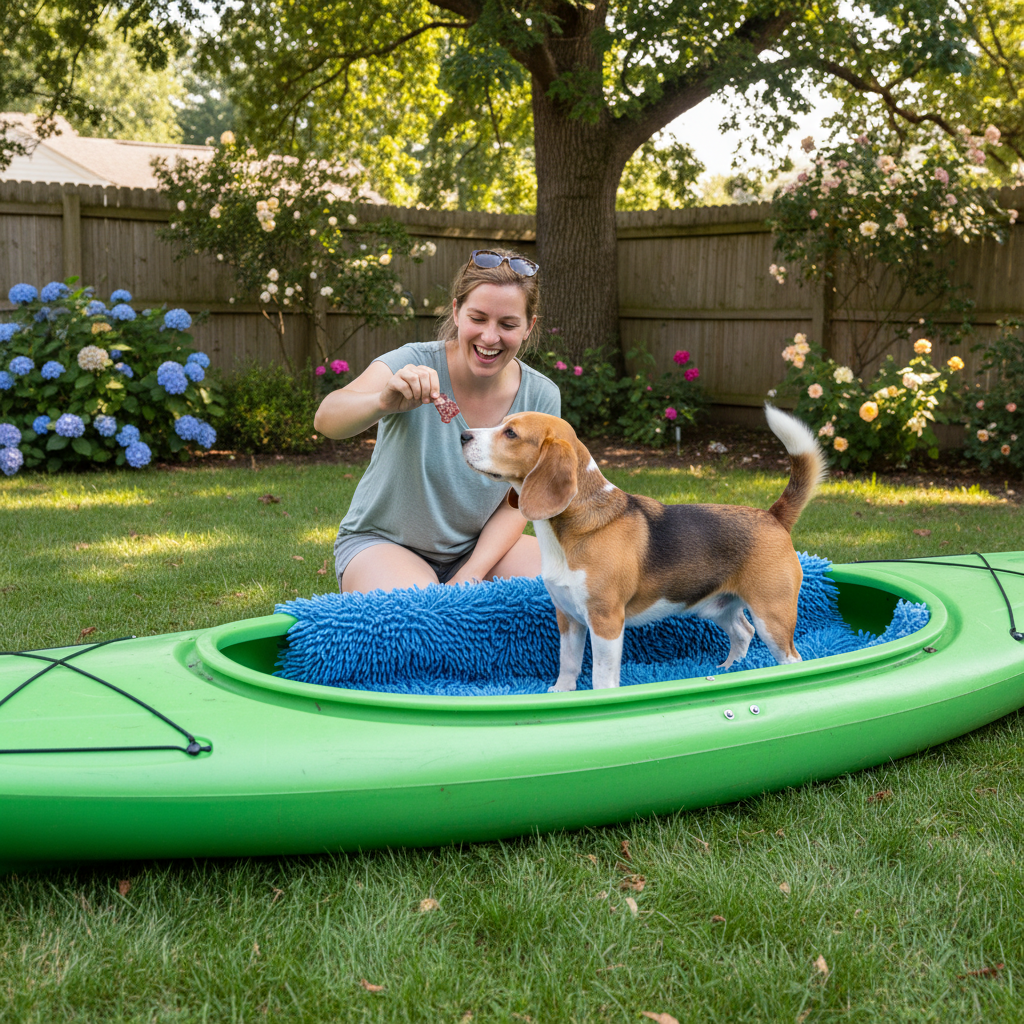
The single biggest mistake people make is rushing the process and starting at the water. Your dog’s first introduction to the kayak should be in a safe, familiar, and completely non-threatening environment, like your living room or backyard. The goal here is simple: teach your dog that the big plastic boat is the best place on Earth.
Step 1: The Neutral Introduction
Place the kayak on the grass or your floor and just let it be. Don’t pressure your dog to interact with it. Let them approach and sniff it on their own terms. When they do, praise them calmly and toss a treat near the kayak. Then, toss a treat on the kayak. You’re building curiosity and rewarding them for simply being brave enough to investigate. Do this in short, 5-minute sessions over a day or two.
Step 2: Building the ‘Place’ Command
The ‘place’ command (or ‘go to your mat’) is your secret weapon. Start by teaching this command with your non-slip mat on the floor, completely away from the kayak. Lure your dog onto the mat, say ‘place,’ and reward them. Once they have it down, move the mat right next to the kayak. Practice again. The final land-based step is to put the mat inside the kayak’s seating area. Now, ask for the ‘place’ command. When they put their paws in to get on the mat, throw a party! Give them lots of praise and high-value treats. You are teaching them the specific spot where they should be.
Expert Tip: Make the kayak a fun zone! During this phase, feed your dog their dinner in the kayak. Give them a special chew toy that they only get when they’re in the kayak. The more positive experiences they have with the boat on land, the smoother the transition to water will be.
Step-by-Step: The Calm and Confident Entry
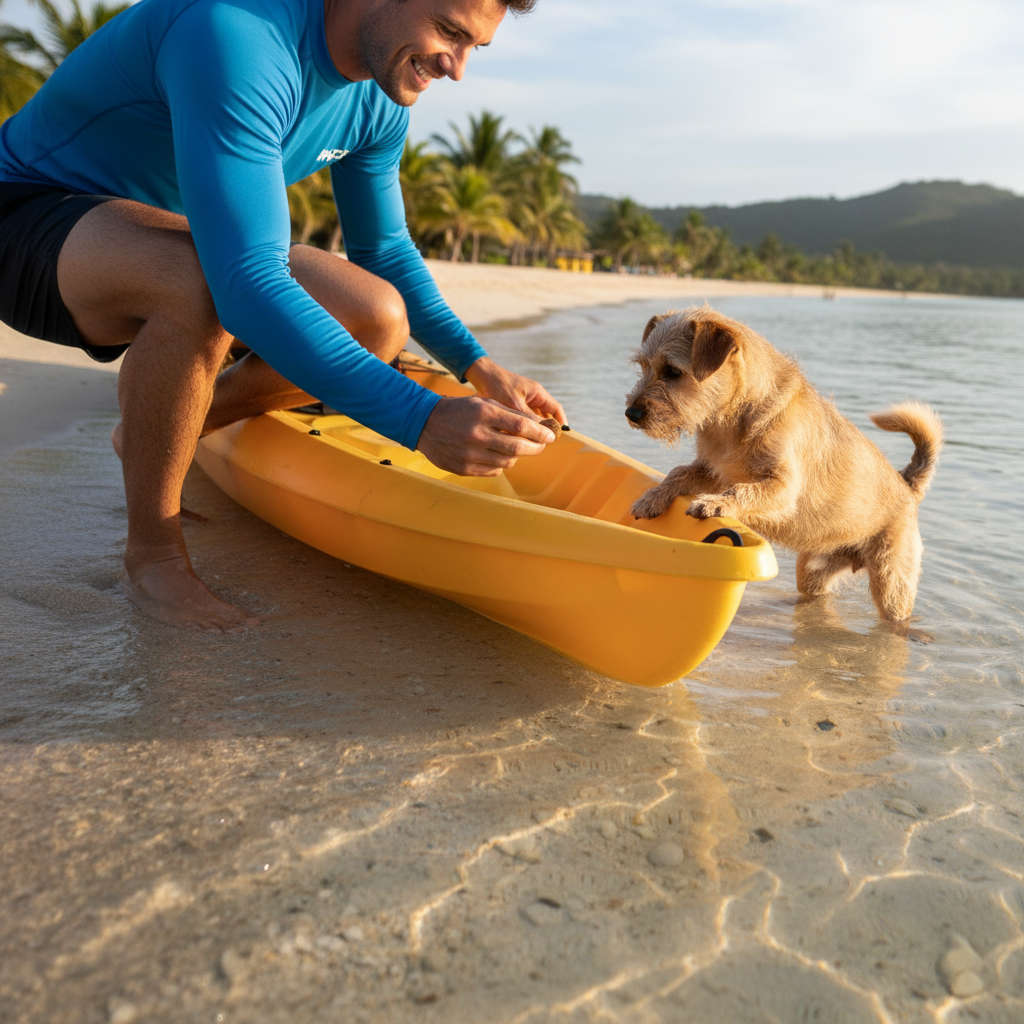
Once your dog is happily hopping in and out of the kayak on land, it’s time to move to the water’s edge. This is where your calm leadership is crucial. Your dog will take cues from you, so if you’re relaxed and confident, they’re more likely to be as well.
- Stabilize the Vessel: Bring the kayak to the shore in very shallow water, just deep enough for it to float. It should be parallel to the shoreline. You can brace it between your legs or have a friend hold it steady to prevent it from wobbling, which can spook a dog.
- Lure and Reward: With the kayak stable, use your ‘place’ command and/or a treat to lure your dog towards the boat. Reward any forward movement or interest. Don’t push or pull them. Let it be their choice.
- One Paw, Two Paws: Encourage them to put just their front paws in. The moment they do, reward them. Let them get back out. Repeat this a few times. This breaks the action down into smaller, less intimidating steps.
- All Aboard!: Now, ask for the full ‘place’ command to get them all the way in. You may need to support their back end slightly to help them feel secure as they transition their weight into the boat. Once they are in, give them a jackpot of treats and praise!
- Practice the ‘Sit’ and ‘Stay’: Immediately ask for a ‘sit’ or ‘down’ on their mat. Reward them for holding the position, even for just a second at first. This establishes the rules: in the boat, we are calm and we stay in our spot.
- Teach a Calm Exit: Don’t let your dog just bail out whenever they want. Teach a release cue like ‘Okay!’ or ‘Free!’ and encourage them to wait for it before exiting. This prevents them from unexpectedly rocking the boat or jumping out in a dangerous situation.
Hitting the Water: Tips for a Successful Maiden Voyage
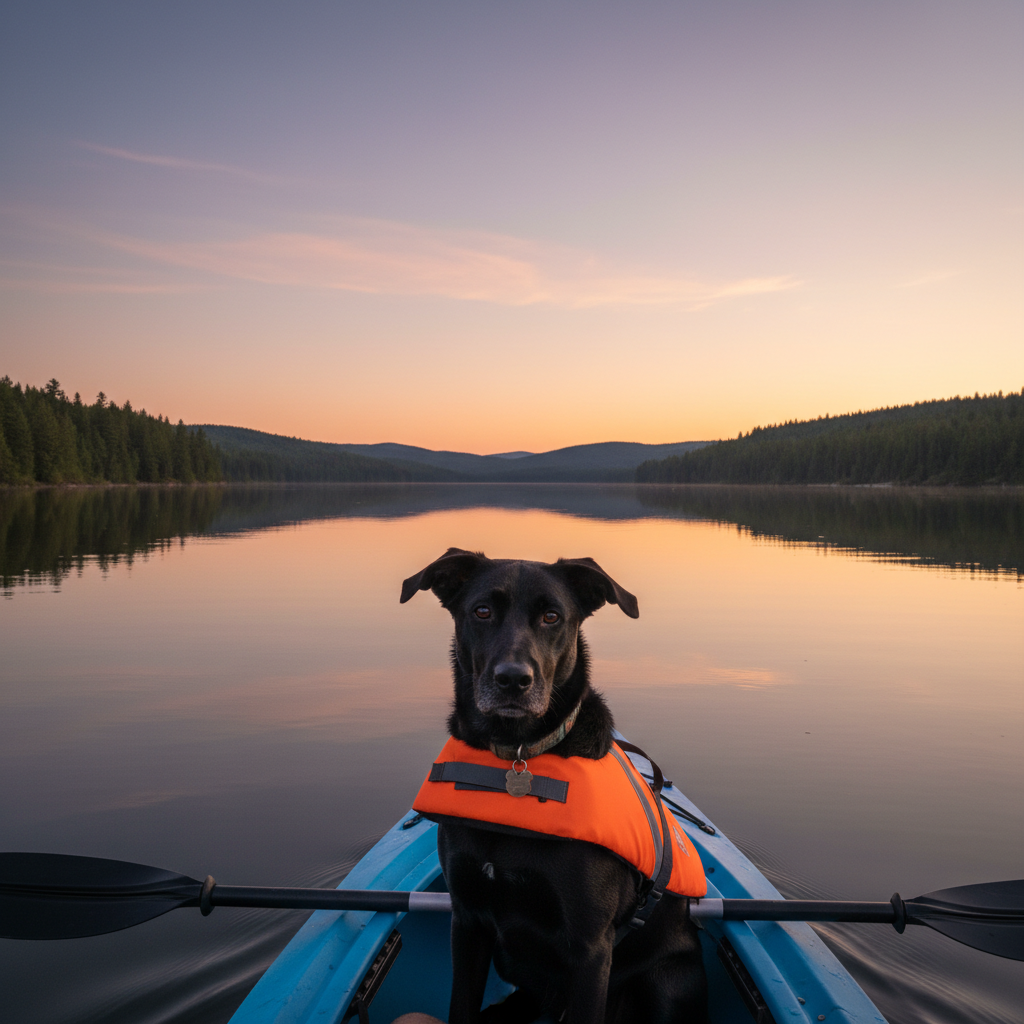
Congratulations, your pup is in the boat! The hard part is over, right? Well, almost. The first few trips on the water are all about building duration and ensuring the experience remains 100% positive. Motion adds a whole new element for your dog to process.
Your First Trip Checklist:
- Keep it Short and Sweet: Your first trip shouldn’t be an epic journey across the lake. Aim for 5-10 minutes. Seriously. The goal is to end the session while your dog is still calm and happy, not when they’re starting to get restless or anxious.
- Choose Your Location Wisely: Pick a very calm, quiet body of water. A small pond or a sheltered cove with no motorboat traffic is ideal. Avoid busy areas, strong currents, or windy conditions.
- Stay Close to Shore: For the first few outings, just paddle a short distance from the shore and back. This builds your dog’s confidence and ensures that if something does go wrong, you’re only a few feet from land.
- Be a Calming Presence: Talk to your dog in a happy, soothing voice. Tell them how brave and good they are. Your calm energy is incredibly reassuring to them.
- Reward the Calm: Periodically drop a treat between their paws for simply sitting or lying down calmly. You are reinforcing the exact behavior you want to see.
- End on a High Note: Always end the adventure before your dog shows signs of stress. Bring them back to shore, give them one last jackpot treat in the boat, and then use your release cue to let them out for a fun game of fetch or a good run on the beach.
Troubleshooting: Navigating Common Kayak Conundrums
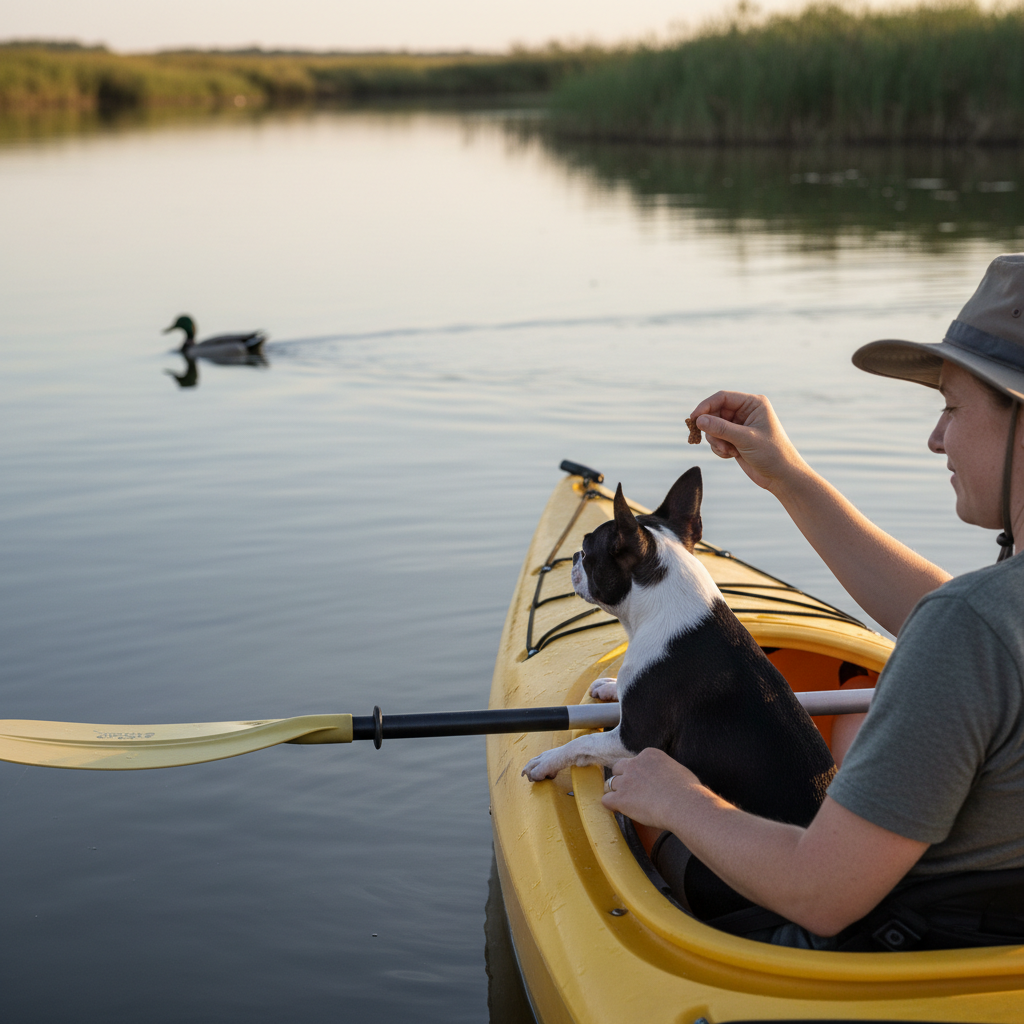
Even with the best training plan, you might hit a few bumps along the way. That’s completely normal! The key is to address these issues with patience rather than frustration. Here’s how to handle some common challenges.
My Dog is Terrified of the Kayak.
This usually means the introduction was too fast. Go all the way back to the beginning. Put the kayak in the yard and ignore it for a few days, just letting it become part of the scenery. Then, start making amazing things happen near it. Feed your dog next to it. Play fetch around it. Slowly rebuild a positive association without any pressure to get in.
My Dog Won’t Stay Seated.
A wandering dog is a wobbly boat! This is a training challenge, not a ‘bad dog’ problem. Your ‘sit-stay’ or ‘down-stay’ needs to be rock solid on land before you can expect it on water. Go back and practice this on their mat in the living room, then in the stationary kayak on land, and then in the stationary kayak at the water’s edge. Use higher-value rewards for longer stays. Keep initial water sessions super short to set them up for success.
My Dog Keeps Trying to Jump Out!
This is a major safety issue that needs to be addressed immediately. It can be caused by overexcitement (seeing a duck) or anxiety. First, ensure their PFD is fitted correctly. Second, work on a solid ‘leave it’ command for distractions. Third, never paddle in a situation where you aren’t prepared to get wet. If your dog jumps, use the handle on their PFD to guide them back to shore and help them back in. This behavior often means you’ve progressed too quickly. Go back to shorter, calmer paddles very close to shore until they learn that staying in the boat is the most rewarding option.
| Problem | Primary Cause | Solution |
|---|---|---|
| Fear/Hesitation to Enter | Negative association or moving too fast. | Go back to basics on land. Make the kayak a ‘fun zone’ with food and toys. Do not force entry. |
| Constant Movement/Restlessness | Boredom or lack of clear expectation. | Reinforce ‘sit-stay’ on land. Keep trips short. Reward calm behavior frequently. Provide a chew toy. |
| Jumping Out (Excitement) | High prey drive or over-arousal. | Practice a rock-solid ‘leave it’ command. Choose low-distraction environments. Keep them engaged with you. |
| Jumping Out (Anxiety) | Feeling insecure or overwhelmed. | Return to shore immediately. End on a positive note if possible. Go back to shorter, confidence-building sessions. |
Conclusion
Training your dog to be your first mate on kayaking adventures is one of the most rewarding experiences you can share. It’s a journey built on trust, communication, and a whole lot of tasty treats! Remember the golden rules: safety first, always be patient, and keep it positive. Every dog learns at a different pace, so celebrate the small victories and don’t get discouraged by setbacks. By following these steps and listening to your dog, you’re not just teaching them a new skill; you’re strengthening your bond and opening up a whole new world of exploration. So grab your paddle, your PFD, and your pup—the water is waiting!