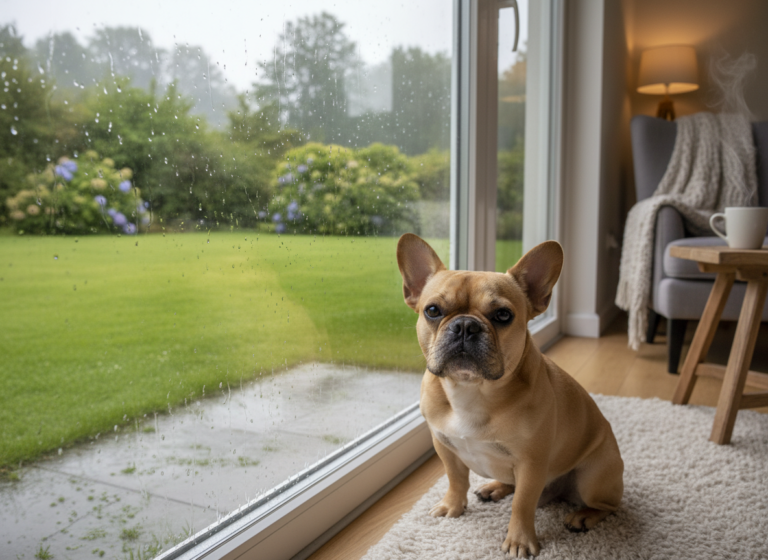
Living in the city doesn’t mean your dog has to miss out on the fun and benefits of agility training. Forget expensive equipment and dedicated fields! Your local park is filled with potential, and one of the most versatile tools is hiding in plain sight: the humble park bench. Welcome to the world of urban agility, a creative and exciting way to engage your dog’s mind and body using everyday objects.
In this guide, we’re going to break down exactly how you can turn a simple park bench into a multi-purpose training station. Whether you have a high-energy pup who needs a job to do or a shy dog who could use a confidence boost, bench-based agility is a fantastic way to strengthen your bond, improve their physical fitness, and sharpen their obedience skills. It’s about working together, building trust, and finding adventure in the most unexpected places. So grab your leash and some tasty treats, because your daily walks are about to get a major upgrade!
Gearing Up for Success: Your Urban Agility Toolkit
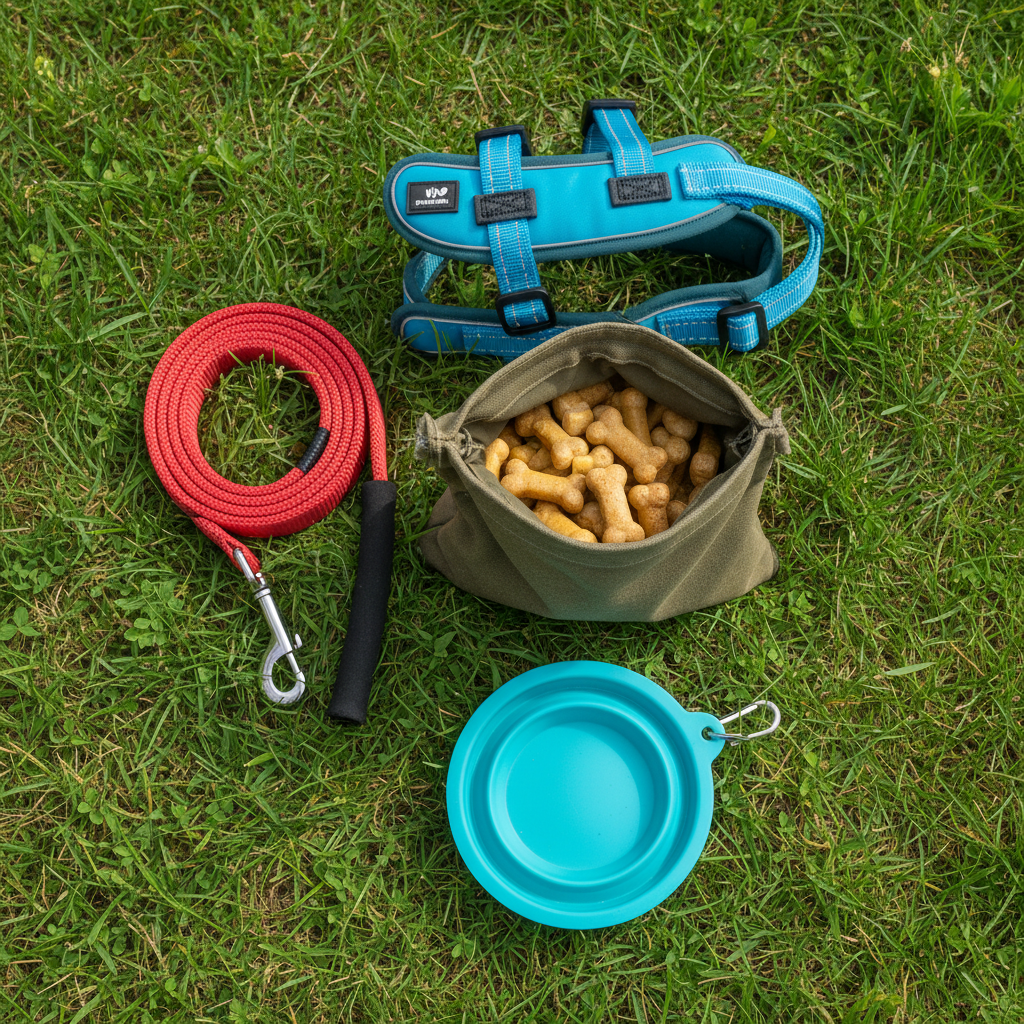
Before you head out to conquer the park, let’s make sure you have everything you need for a fun and productive training session. The great thing about urban agility is that it requires minimal gear, but having the right tools makes all the difference.
What to Bring:
- High-Value Treats: We’re talking the good stuff! Small, soft, and extra tasty treats that your dog absolutely loves. Think tiny pieces of chicken, cheese, or their favorite commercial training treats. The goal is to make the reward so enticing that they’re eager to work for it.
- A Standard Leash: A 4-6 foot non-retractable leash is perfect. It gives you control and keeps your dog safe without excess length to get tangled around the bench. Avoid retractable leashes, as they can be dangerous in this context.
- A Well-Fitted Harness or Collar: Whatever your dog normally wears and is comfortable in is fine, but a back-clip harness can sometimes be better as it prevents any pulling or pressure on their neck as they jump or move around.
- Water and a Collapsible Bowl: Agility is physical work! Always have fresh water on hand to keep your pup hydrated, especially on warmer days.
- A Positive Attitude: This is the most important tool in your kit! Training should be fun for both of you. Bring patience, enthusiasm, and be ready to celebrate the small victories. Your dog feeds off your energy, so keep it light and encouraging.
Expert Tip: Keep your training sessions short and sweet, especially when you’re just starting. Aim for 5-10 minute sessions to keep your dog engaged and prevent them from getting tired or frustrated. You can always do a few short sessions during a single walk!
Safety First! Pre-Flight Checks for Your Park Bench
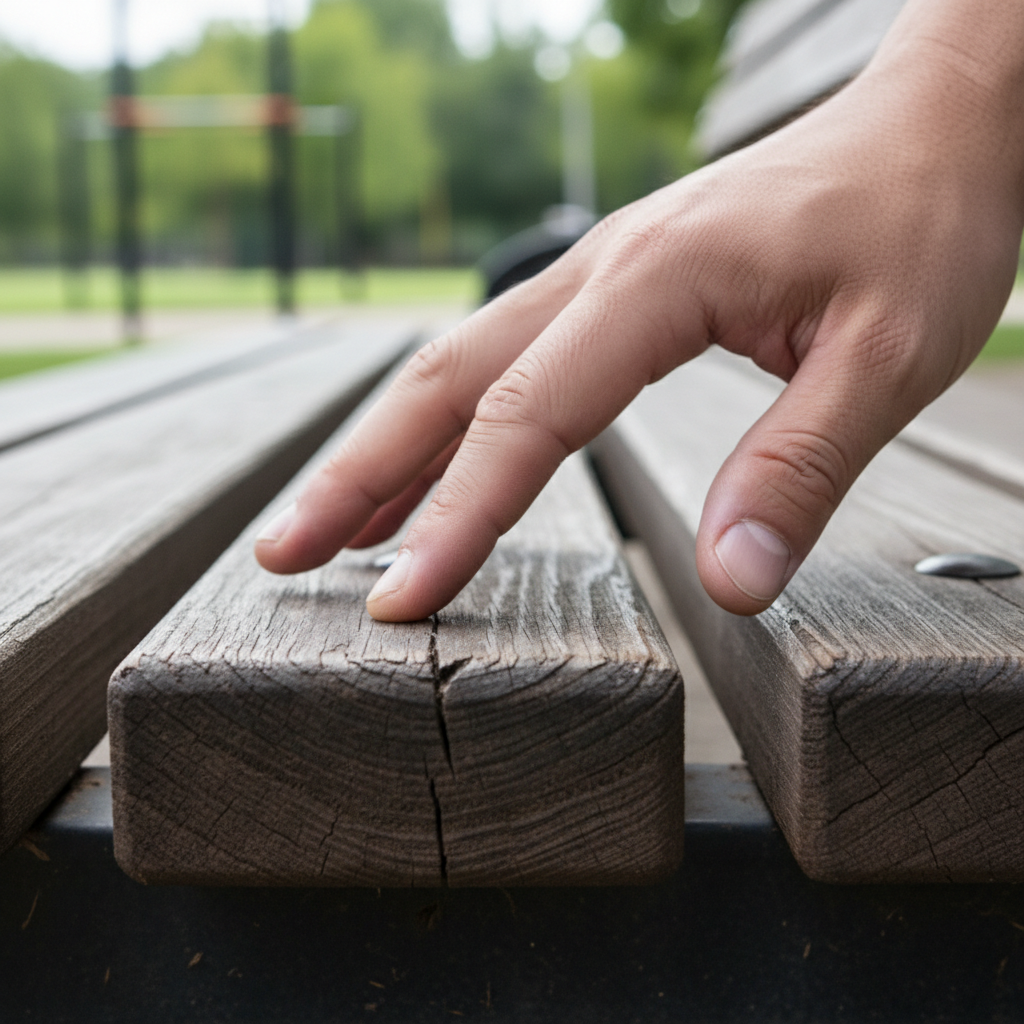
Your dog’s safety is the number one priority. Not all park benches are created equal, so before you even ask your dog to put a paw on one, you need to perform a quick but thorough safety inspection. This simple step prevents injuries and ensures your training environment is secure.
The Bench Inspection Checklist:
- Check for Stability: Give the bench a good shake. Push on the seat and the backrest. Does it wobble? Is it firmly anchored to the ground? If there’s any significant movement, find a different bench. A wobbly surface can scare a dog and is a major safety hazard.
- Scan the Surface: Run your hand carefully over the seat, back, and edges. You’re looking for splinters, sharp nails or screws sticking out, and rough patches that could scrape or cut your dog’s paws. Pay special attention to wooden benches.
- Assess the Material & Temperature: On a hot, sunny day, a metal bench can become dangerously hot and burn your dog’s paw pads. Test it with the back of your hand. If it’s too hot for you to hold your hand on for 5-10 seconds, it’s definitely too hot for your dog. Similarly, in freezing weather, metal can be uncomfortably cold.
- Measure the Height: Choose a bench that is an appropriate height for your dog’s size and athletic ability. A small dog trying to jump onto a very high bench is a recipe for injury. Start low and work your way up to higher obstacles as their confidence and skill grow.
- Survey the Surrounding Area: Look at the ground around the bench. Is it clear of glass, sharp rocks, or holes? You want a clear, safe landing zone for your dog on all sides. Also, choose a location that’s relatively quiet and free from major distractions like a nearby playground or busy pathway, especially when you are first starting out.
The Step-by-Step Guide to Bench Agility Moves
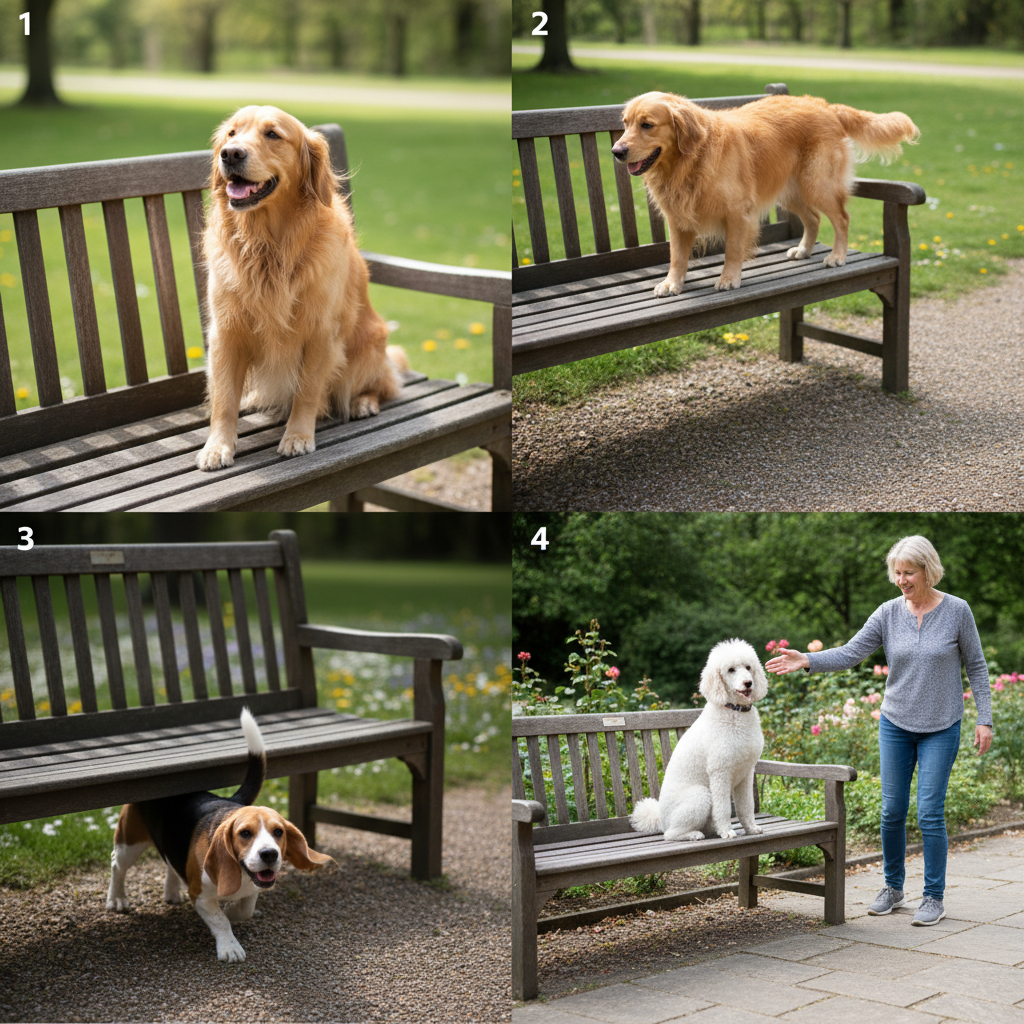
Alright, you’ve got your gear and you’ve found the perfect, safe bench. Now the fun begins! We’ll break down a few foundational behaviors. Remember to use a lure (a treat in your hand) to guide your dog and mark the correct behavior with a happy “Yes!” or a clicker before rewarding.
Move 1: ‘Paws Up’ – The Foundation
This is the perfect starting point. It builds confidence and gets your dog comfortable with interacting with the bench.
- Stand facing the bench with your dog next to you.
- Hold a treat in your hand and move it towards the bench seat, encouraging your dog to follow it.
- As your dog reaches for the treat, they will likely place one or both front paws on the bench to get closer. The moment their paws touch the bench, say “Yes!” and give them the treat.
- Repeat this a few times. Once they are reliably putting their paws up, you can add a verbal cue like “Paws Up” or “Place.”
- Practice from different angles, approaching the bench from the front and the sides.
Move 2: ‘Bench Jump’ – Taking Flight
This move involves jumping completely onto the bench. Only attempt this on a low, wide, and stable bench, and only with a healthy dog that has no joint issues.
- Start with the ‘Paws Up’ command. With their paws on the bench, use a treat to lure their head and body forward, encouraging them to bring their back legs up onto the bench as well.
- The moment all four paws are on the bench, mark with “Yes!” and deliver a jackpot of treats! Make it a party!
- After a few seconds, lure them to jump back off safely.
- Once they understand the movement, you can add a cue like “Hup Up” or “Bench.”
Move 3: ‘Under’ – Weaving Magic
This is a great mental exercise and helps with body awareness.
- Find a bench with enough clearance underneath for your dog to comfortably crawl or walk through.
- Kneel on one side of the bench and use a treat to lure your dog’s head under the bench towards you.
- Toss the treat to the other side so they have to go all the way through to get it. When they emerge, praise them enthusiastically.
- Repeat in both directions, adding the verbal cue “Under” or “Tunnel” as they begin to understand the game.
Move 4: ‘Bench Stay’ – Building Impulse Control
This move uses the bench to help ‘define’ the stay position, making it clearer for your dog.
- Ask your dog to ‘Bench Jump’ so they are sitting or standing on the bench.
- Give your ‘Stay’ command, holding your hand up in a stop signal.
- Take one small step back. If they hold the stay, step back to them and reward them on the bench.
- Gradually increase the distance and duration of the stay. The raised, defined surface of the bench often helps dogs hold their position more reliably.
Troubleshooting Common Hurdles
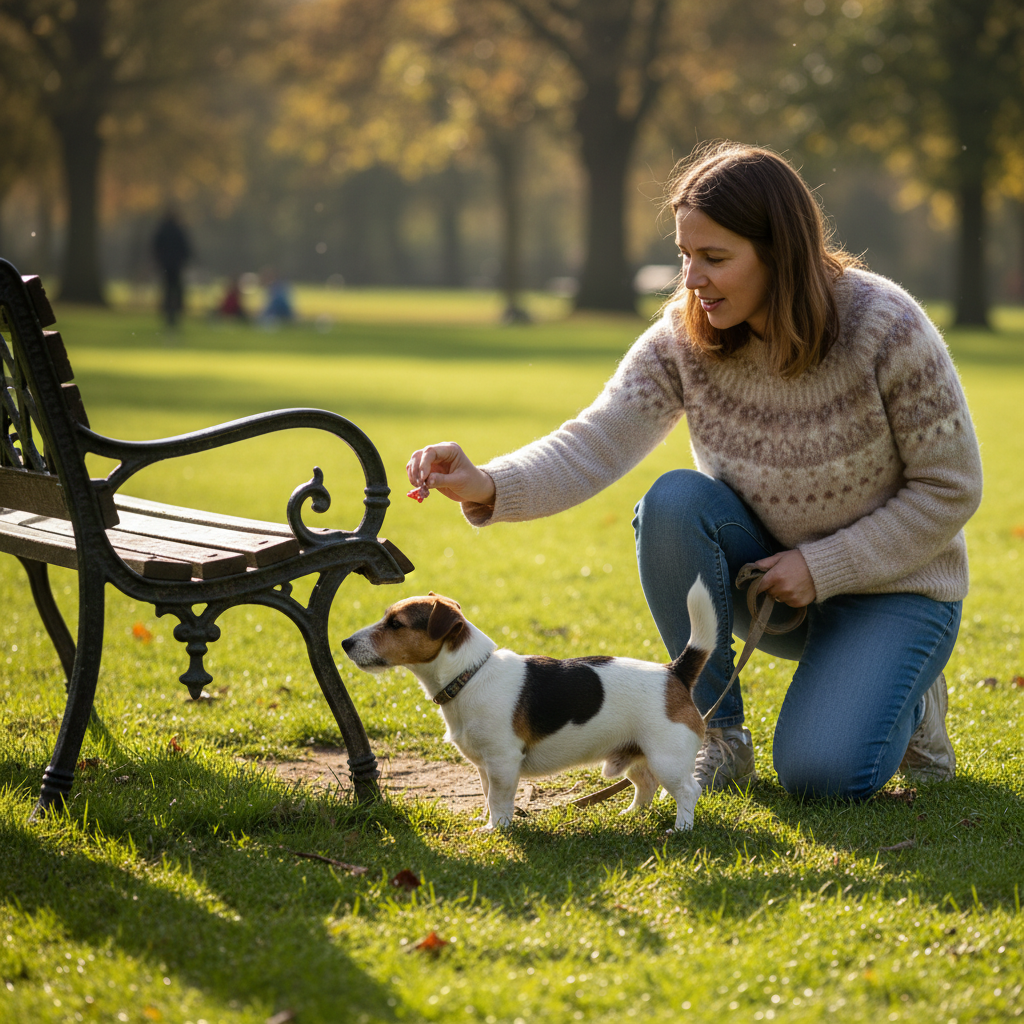
Even with the best treats and a super fun attitude, you might run into a few snags. That’s completely normal! Dog training is never a straight line. Here’s how to handle some common challenges you might face during your urban agility sessions.
| The Problem | The Solution |
|---|---|
| My dog is hesitant or scared of the bench. | Go back to basics. Don’t ask for any jumps or complex moves. Simply reward your dog for sniffing the bench. Then for touching it with their nose. Then for placing one paw on it. This process is called ‘shaping.’ Keep sessions very short and end on a positive note, even if it’s just for looking at the bench calmly. Never force your dog onto an object; this will only create fear. |
| My dog is too distracted by everything else in the park. | Increase the value of your treats! If kibble isn’t working, try hot dogs. Also, try to find a quieter corner of the park or go during off-peak hours when there are fewer people, dogs, and squirrels to compete with. Keep your dog on a shorter leash to start, so they have less room to get distracted. |
| My dog slips when they jump on the bench. | This goes back to your safety check. The bench surface might be too slippery (like slick metal or painted wood) or wet from rain. Find a different bench with more texture, like unfinished wood or textured concrete. You can also focus on ‘Paws Up’ and ‘Under’ exercises that don’t require jumping on top. |
| They get the trick once but then won’t do it again. | This could be a sign of fatigue or boredom. Are your sessions too long? Remember to keep it to 5-10 minutes. It could also be that the reward isn’t motivating enough. End the session with an easy win (like a simple ‘sit’) and lots of praise, then try again another day with better treats or when your dog has more energy. |
Remember: Every dog learns at a different pace. The goal isn’t to create a world-class agility champion overnight. The goal is to have fun, build your dog’s confidence, and strengthen your relationship. Celebrate the effort, not just the result!
Conclusion
Who knew a simple park bench could be so much more than just a place to sit? By incorporating these simple exercises into your daily walks, you’re doing more than just teaching your dog a few fun tricks. You’re providing crucial mental stimulation that curbs boredom and destructive behaviors. You’re improving their physical health, balance, and coordination. Most importantly, you’re building a powerful line of communication and a deep sense of teamwork between you and your canine companion.
Urban agility is all about seeing the world through your dog’s eyes—as a playground full of adventure. So next time you’re out and about, look at that bench, that curb, or that tree stump not as an obstacle, but as an opportunity. An opportunity to play, to learn, and to grow together. Happy training!