Do you love hitting the trails with your four-legged best friend? The rustling leaves, the earthy smells, the shared joy of exploring nature—it’s an experience that’s hard to beat. But what if you could make those hikes even more engaging and enriching for your pup? What if you could turn a simple walk in the woods into a confidence-boosting, muscle-building, brain-teasing adventure?
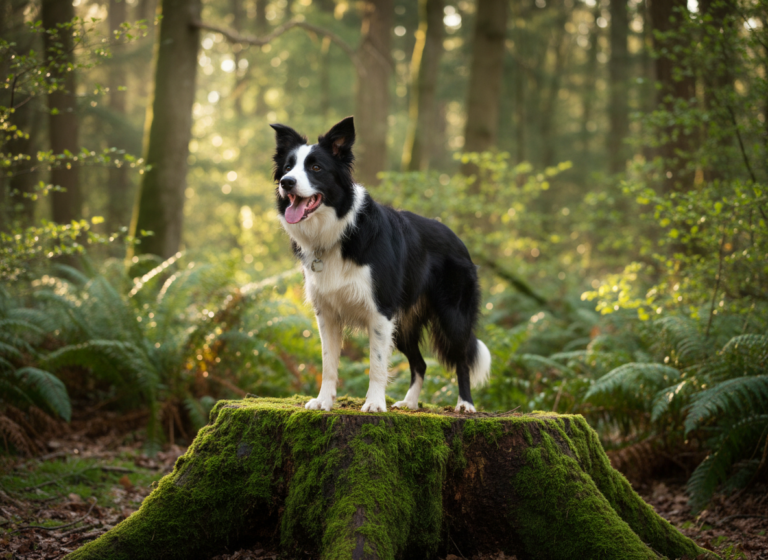
Welcome to the exciting world of dog parkour! Don’t let the fancy name intimidate you. At its core, dog parkour is about teaching your dog to safely and creatively interact with the environment around them. And one of the most accessible and rewarding starting points is teaching your dog to balance on a log.
This skill does more than just look cool (though it definitely does!). It builds incredible body awareness, strengthens core muscles, improves focus, and deepens the trust and communication between you and your dog. In this guide, we’ll walk you through everything you need to know, from the very first paw-step to a confident trot across a fallen tree. Get ready to unleash your dog’s inner ninja and discover a whole new level of fun on your hikes!
Unleashing Your Dog’s Inner Ninja: What is Dog Parkour?
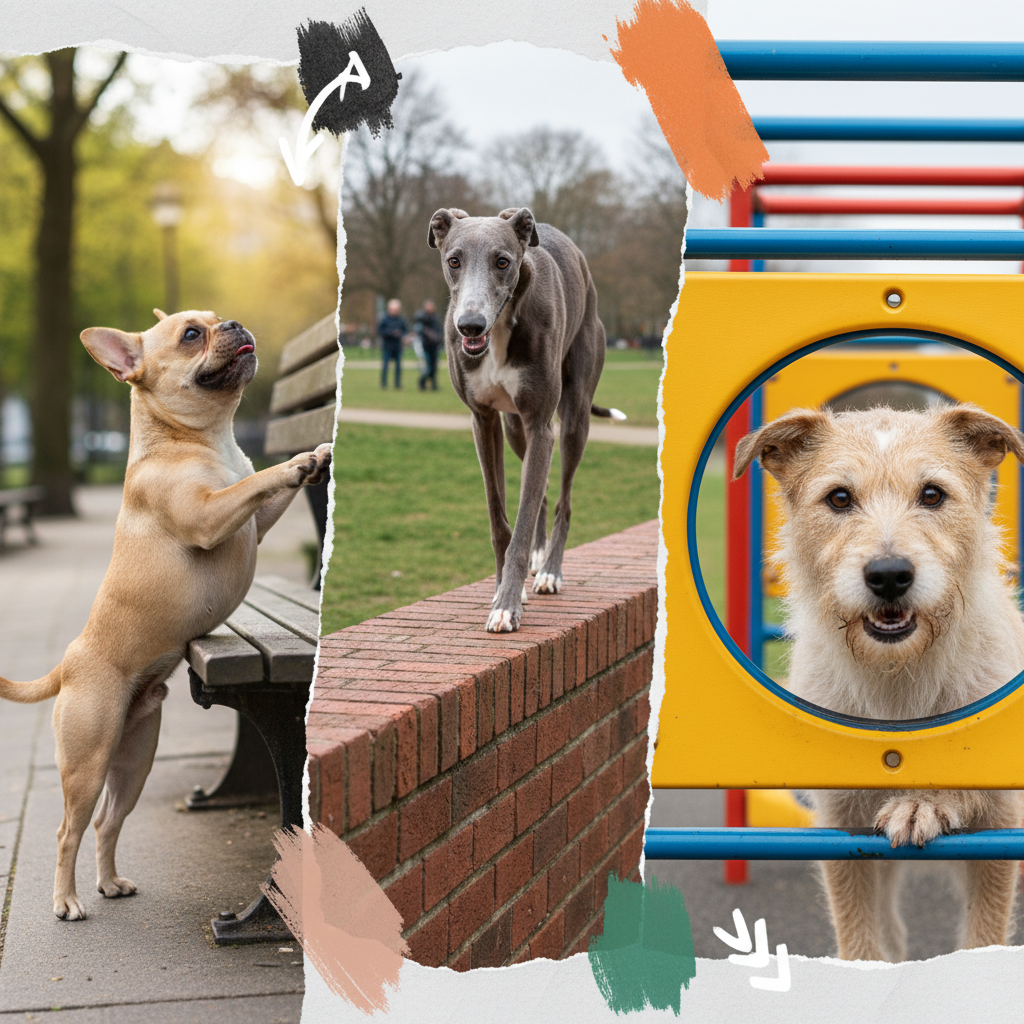
Before we dive into the ‘how-to,’ let’s get clear on the ‘what’ and ‘why.’ You might have seen videos of incredibly agile dogs leaping between obstacles, and while that’s part of it, dog parkour is wonderfully scalable for any dog, any age, and any fitness level.
Think of it as urban agility or environmental enrichment. Instead of using a prescribed set of agility equipment, you use the world as your dog’s personal playground. A park bench becomes a platform for a ‘paws up’ command, a low wall becomes a path to walk along, and a fallen log becomes a balance beam. The focus isn’t on speed, but on safety, control, and thoughtful movement.
The Pawsitive Benefits of Parkour
So, why should you and your pup give it a try? The benefits go far beyond a cool party trick:
- Builds Confidence: Successfully navigating a new challenge, like a wobbly log, is a huge confidence booster for a timid or anxious dog. They learn to trust their own body and your guidance.
- Improves Body Awareness (Proprioception): Parkour forces a dog to think about where they are placing each paw. This improved proprioception can help prevent injuries in everyday life.
- Provides Low-Impact Strength Training: Balancing and careful movements engage core muscles and stabilizers that aren’t typically worked during a regular walk or game of fetch. It’s a fantastic way to keep your dog fit without the high impact of constant running and jumping.
- Strengthens Your Bond: Training is a two-way conversation. Parkour requires clear communication and trust between you and your dog. Working together to solve a physical puzzle builds a rock-solid partnership.
- Offers Incredible Mental Stimulation: A tired dog is a happy dog, and that includes mental fatigue! Figuring out how to maneuver their body over an obstacle is a fun puzzle that can tire them out just as much as a long run.
Ultimately, dog parkour is about teaching your dog a new way to see the world—not as a flat path to be walked on, but as an interesting, three-dimensional space to be explored. It transforms a mundane walk into an engaging training session disguised as play.
Safety is Pawsitively Paramount: Prep Before You Parkour
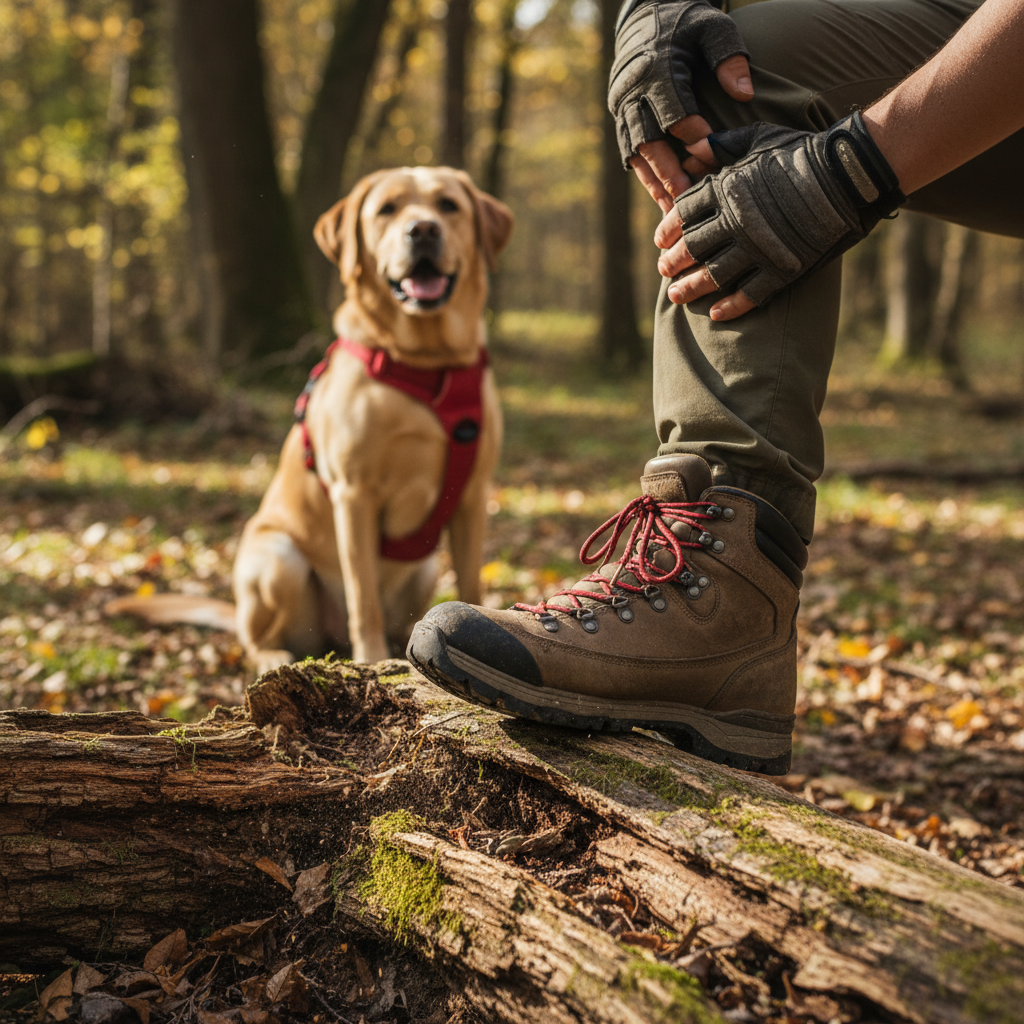
Alright, are you excited to get started? Fantastic! But before you and your pup rush out to the nearest log, we need to cover the most important rule of dog parkour: safety first, always. The goal is to build confidence, not create fear or risk injury. A little preparation goes a long way in ensuring every parkour session is a positive one.
Health Check-Up
First things first, have a chat with your veterinarian. Dog parkour is a physical activity, and it’s essential to make sure your dog is healthy enough to participate. This is especially critical for:
- Puppies: Young pups (generally under 12-18 months, depending on the breed) still have developing growth plates. Avoid any jumping or high-impact activities. Balancing on a very low, wide surface is okay, but keep it minimal.
- Senior Dogs: Older dogs may have arthritis or decreased mobility. Parkour can be a great low-impact exercise for them, but you must choose obstacles that are extremely low and stable to avoid stressing their joints.
- Dogs with Pre-existing Conditions: If your dog has a history of back, hip, or leg issues (like hip dysplasia or a luxating patella), your vet’s approval is non-negotiable.
Essential Gear for Your Adventure
You don’t need a lot of fancy equipment, but the right gear makes the experience safer and more effective.
- A Well-Fitting Harness: A back-clip harness is ideal. It gives you a safe place to hold onto for support without putting any pressure on your dog’s neck. Avoid harnesses that restrict shoulder movement.
- A Standard 6-Foot Leash: A regular leash gives you control. Do not use a retractable leash. They can easily get tangled and don’t provide the steady support needed if your dog stumbles.
- High-Value, Pea-Sized Treats: This is not the time for dry kibble. You need something extra special to motivate your dog and make the experience super positive. Think small pieces of chicken, cheese, or their favorite soft training treats.
- Water: Always carry water for your dog, especially if you’re out on a warm day.
Choosing the Perfect Starter Log
Not all logs are created equal! Your choice of obstacle can make or break your dog’s first experience. Look for a log with the ‘Big Three’ qualities:
- Low: Your first log should be very, very low to the ground—no higher than your dog’s wrist or hock. The goal is to learn the skill of balancing, not to conquer heights.
- Wide: Choose a log that is wide enough for your dog to comfortably stand on with all four paws. A narrow log is a more advanced challenge.
- Stable: This is the most important one. Push on the log. Try to roll it. Does it move? If so, find another one. A wobbly or shifting log is terrifying for a dog and can cause them to fall.
Expert Tip: Before you even hit the trails, you can practice on a sturdy plank of wood or even a curb in your neighborhood. This helps your dog understand the concept on a perfectly stable, non-intimidating surface first.
The Log Walk: Your Step-by-Step Training Plan
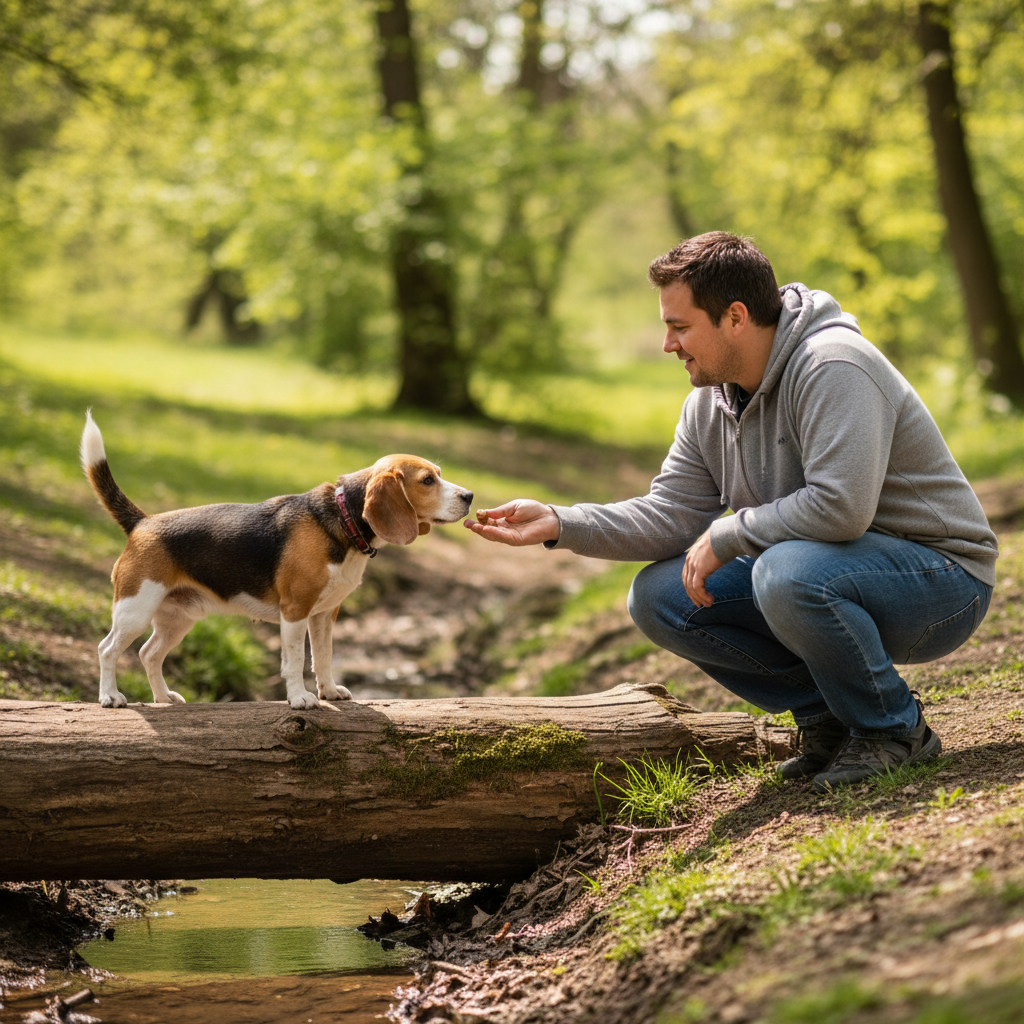
This is where the fun begins! Remember to keep your training sessions short (5-10 minutes is plenty), upbeat, and positive. If your dog seems stressed or frustrated, end on a successful note (even if it’s just a simple sit) and try again another day. Patience is your superpower!
We’ll use a technique called ‘luring,’ where you use a treat to guide your dog’s nose, and their body will follow.
-
Step 1: The Introduction & Two Paws Up
Start by leading your dog over to your chosen low, wide, stable log. Let them sniff it and get comfortable. Hold a high-value treat to their nose and slowly lure them forward so they have to place their front two paws onto the log to get it. The second their paws touch the log, say “Yes!” and give them the treat. Let them get off. Repeat this 3-4 times. You are building a positive association with the log.
-
Step 2: Getting All Four Paws On
Once your dog is confidently putting two paws on the log, it’s time to aim for all four. Lure them up like before, but this time, once their front paws are on, move the lure slightly forward and toward their chest, encouraging them to bring their back paws up onto the log as well. The moment all four paws are on the log, have a jackpot party! Give them several treats in a row, lots of praise, and then lure them off. The goal is for them to think, “Wow, standing on this thing is the best game ever!”
-
Step 3: The First Steps
Now that your dog is comfortable getting on the log, we’ll ask for movement. With your dog on the log, hold the treat to their nose and slowly move it forward just an inch or two, encouraging them to take a single step to follow it. “Yes!” and treat for that one step. Walk alongside them, keeping your body close for support (but don’t physically hold them unless they are about to fall). Repeat, luring them one step at a time.
-
Step 4: Building Duration and Distance
This step is all about gradual progress. Once your dog is taking one step comfortably, try for two steps before rewarding. Then three. The key is to slowly ‘fade’ the lure. Instead of having the treat right on their nose, hold it a few inches in front. Your goal is to get them to walk the full length of your short starter log for a single, wonderful treat at the very end.
-
Step 5: Introducing a Verbal Cue
When you’re confident your dog understands the game, you can add a verbal cue. Just before you start luring them along the log, say your chosen word in a happy, encouraging tone. Good cues include “Walk it,” “Beam,” “Log,” or “Hup.” Be consistent! Say your cue, lure them across, and reward at the end. Soon, the word itself will signal to your dog what you want them to do.
Throughout this entire process, your leash should be loose unless you need to use it for a quick, gentle safety check. Your energy is key—stay relaxed, happy, and celebrate every tiny bit of progress!
Oops, a Wobble! Troubleshooting Common Challenges
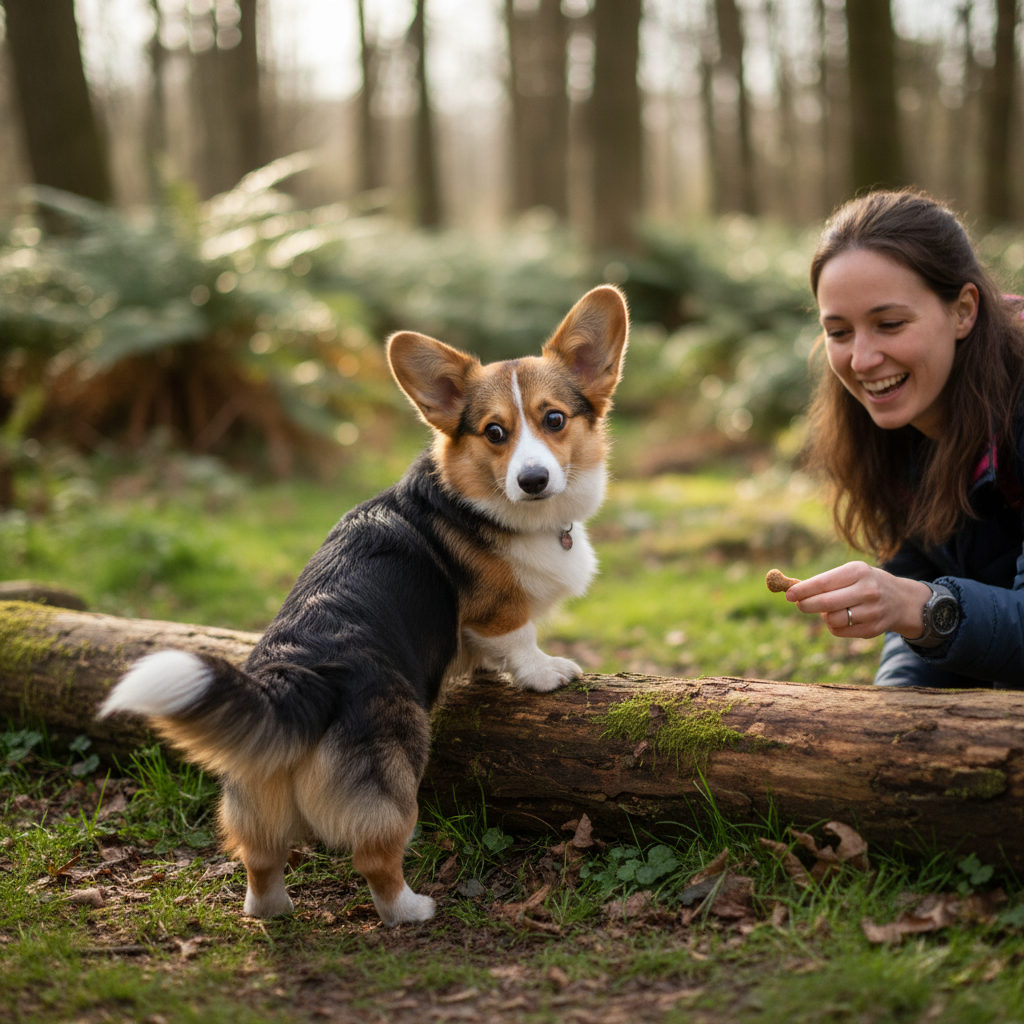
Training is never a straight line, and you’re bound to hit a few snags. That’s completely normal! The key is to identify the problem and adjust your approach without getting frustrated. Here are some of the most common wobbles you might encounter and how to fix them.
Challenge: “My dog is scared and won’t even go near the log!”
Solution: You’ve moved too fast. Go back to square one and change the ‘game.’ Don’t ask for any ‘paws up.’ Simply click and treat your dog for looking at the log. Then for sniffing it. Then for touching it with their nose. Then for putting one paw on it. Break the behavior down into the tiniest possible pieces and reward each one generously. You may also need to find an even less intimidating object, like a folded-up welcome mat or a curb, to build the initial concept.
Challenge: “My dog gets on but immediately jumps off.”
Solution: This usually means the reward isn’t happening fast enough, or you’re asking for too much, too soon. The goal for now isn’t to walk the log, it’s simply to be on the log. Lure all four paws on, and the instant they are on, deliver 3-4 treats rapidly, one after the other, right where they stand. Then, immediately release them with a cue like “Okay!” before they decide to jump off themselves. This teaches them that staying on the log is what brings the reward, and they get to leave on your cue. Slowly increase the time between treats from one second to two.
Challenge: “My dog keeps slipping or seems unsure of their footing.”
Solution: Re-evaluate your log. It might be too slippery, too narrow, or have too much bark peeling off. Safety is paramount. Find a better, more stable, and wider surface. You can also work on general body awareness exercises on flat ground, like having your dog walk backward, or setting up a ‘ladder’ of poles on the ground for them to walk through, which forces them to think about their paw placement.
Challenge: “My dog is too excited and rushes across without thinking!”
Solution: This is a great problem to have, but it can be unsafe. This is an issue of impulse control, not fear. Before working on the log, play some impulse control games like ‘It’s Yer Choice’ or practice ‘wait’ and ‘stay’ commands. When you’re on the log, reward for slowness. Instead of luring them all the way across, lure them one step, ask for a pause, and reward. Your goal is to teach them that thoughtful, slow movement is what gets them the cookie.
From Log Walker to Trail Blazer: Advancing Your Skills
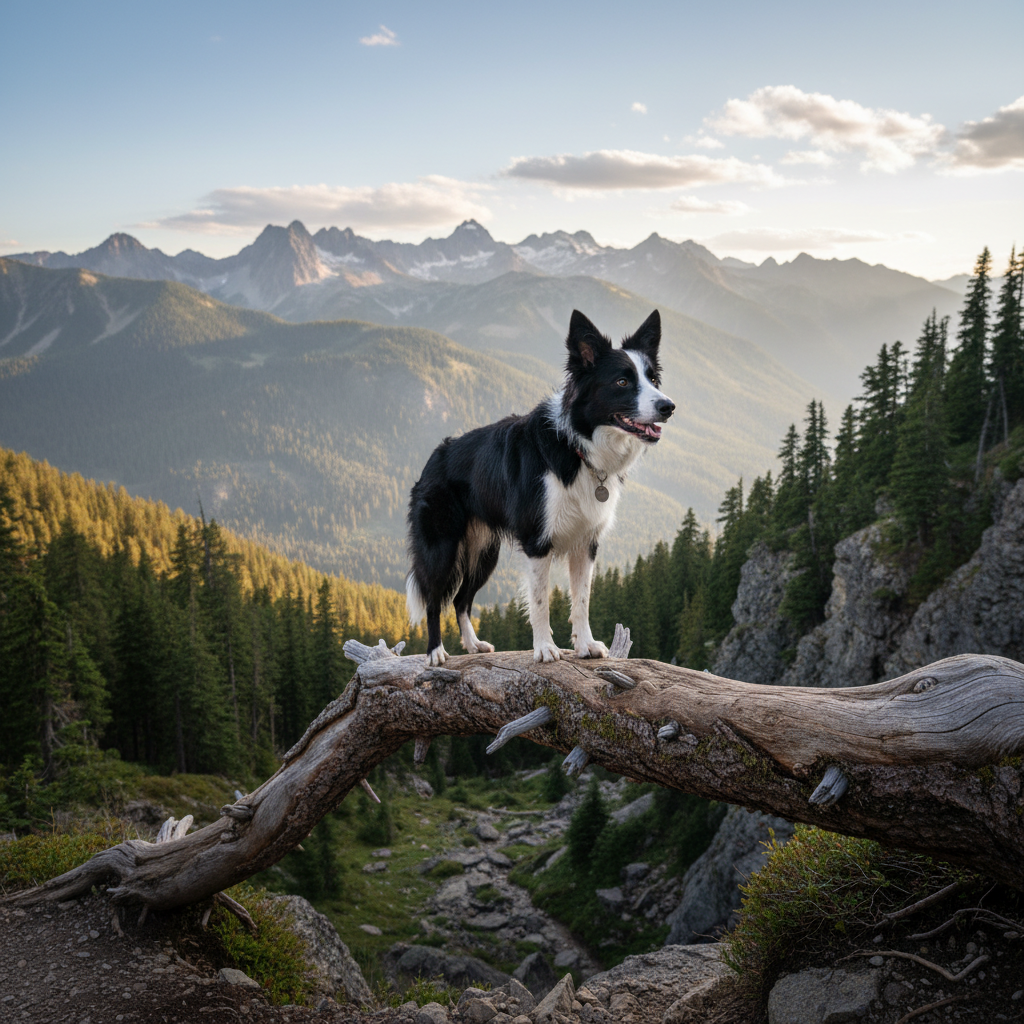
Once your dog has mastered walking confidently along a low, wide, stable log, you can start to ‘level up’ your parkour game. The key to advancing is to change only one criterion at a time. Don’t try to introduce a longer, narrower, and higher log all at once. That’s a recipe for overwhelming your dog. Instead, build skills incrementally.
Ways to Increase the Challenge Safely:
- Add Distance: Find a log that is similar in height and width, but longer. Can your dog maintain focus and balance for a longer distance?
- Decrease Width: Find a log that is the same height, but slightly narrower. This requires more precise paw placement. Be ready to offer more physical support with your hands near their harness.
- Add a Little Height: Find a log that is stable and wide, but slightly higher (e.g., at your dog’s elbow height). Their confidence with the behavior on lower objects is crucial before you add height.
- Navigate Different Surfaces: Try walking along a large, flat-topped rock or a wide, sturdy stone wall. New textures add a mental challenge.
- Introduce a Pause: Once your dog is walking confidently, ask for a ‘pause’ or ‘wait’ in the middle of the log. This builds incredible impulse control and core strength.
- Vary the Approach: Can your dog get on the log from the middle instead of just at the end? This requires a different set of muscles and coordination.
Beyond the Log: Expanding Your Parkour Universe
Log balancing is just the beginning! Once you and your dog have the hang of it, you’ll start seeing the world differently. You can start teaching other foundational parkour behaviors:
- Two Paws On: Asking your dog to place their front two paws on various objects like boulders, stumps, or park benches.
- Four Paws On: Teaching your dog to jump up and stand with all four paws on a stable object.
- Under: Encouraging your dog to crawl under things like a low-hanging branch or a park bench.
- Through: Guiding your dog to go through a gap, like a space between two large rocks.
If you find that you and your dog are truly passionate about this, consider looking into the International Dog Parkour Association (IDPA). They have formal titles you can earn through video submission, providing a great structure and set of goals for your training.
Conclusion
Teaching your dog to balance on a log is so much more than just a trick. It’s a gateway to a richer relationship and a more exciting way to explore the world together. You’ve learned how parkour builds confidence, strength, and focus, and you have a step-by-step plan to get started safely and effectively.
Remember to always listen to your dog. Celebrate the small victories—a single paw on the log is a win! Keep sessions short, your attitude positive, and the treats flowing. The goal isn’t to conquer every log on the trail, but to enjoy the process of learning and working together.
So, on your next hike, take a moment to look around. That fallen tree is no longer an obstacle; it’s an opportunity. That boulder isn’t just a rock; it’s a potential platform. The world has just become your dog’s personal adventure park. Now go out there and play!