Does your beautiful backyard sometimes resemble a minefield of craters, thanks to your four-legged friend? You’re not alone. For many dogs, digging isn’t a naughty habit—it’s a deeply ingrained instinct, a five-star form of entertainment, and a fantastic workout all rolled into one. Trying to extinguish this natural drive can feel like a never-ending battle, leading to frustration for both you and your pup.
But what if you could work with that instinct instead of against it? Welcome to the world of controlled chaos! By teaching your dog a ‘dig’ command, you can transform a destructive pastime into a productive, energy-burning game. It’s about giving your dog a ‘yes’—a specific time and place where their inner excavator can run wild. This guide will walk you through everything you need to know to harness that digging power for good, saving your garden and strengthening your bond along the way.
Harnessing Instinct: The Surprising Benefits of a ‘Dig’ Command
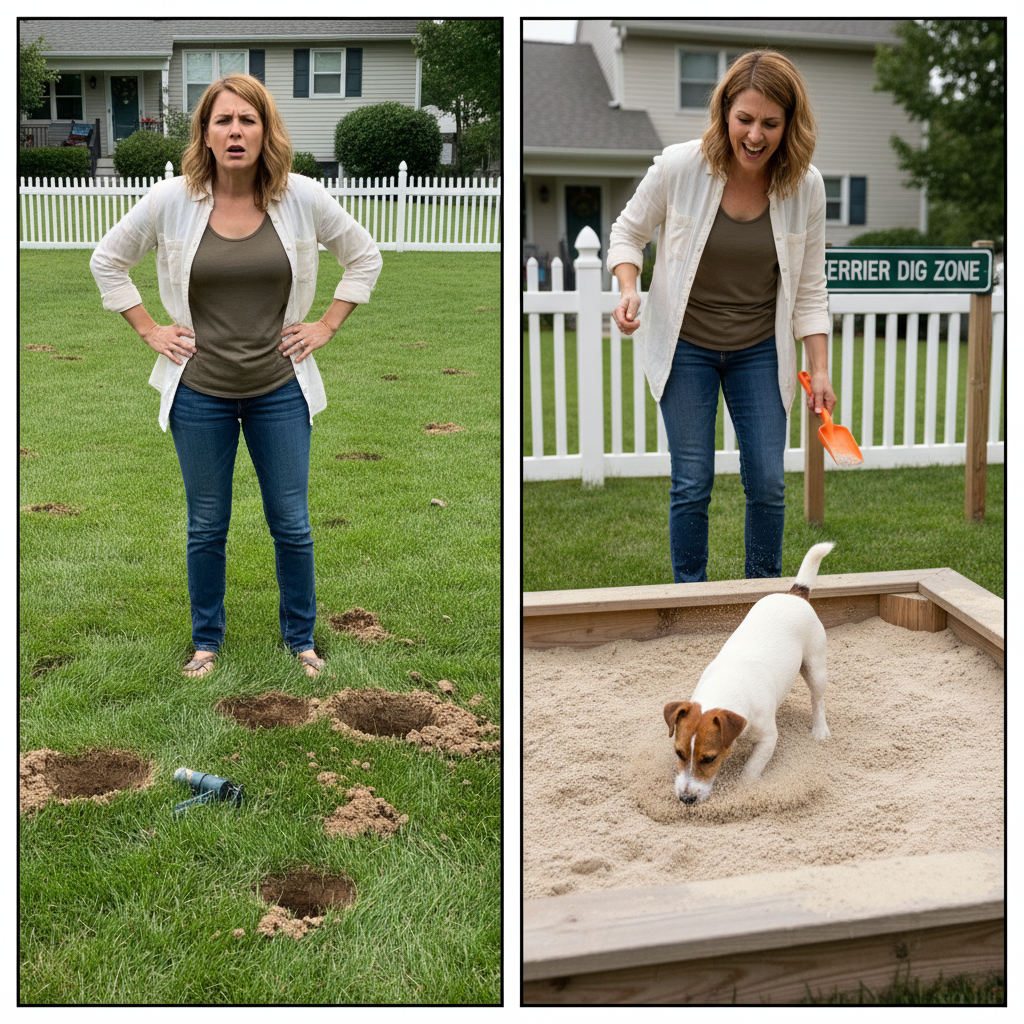
You might be thinking, ‘Why on earth would I want to encourage my dog to dig?’ It seems counterintuitive, right? But by teaching this behavior on cue, you’re not creating a monster; you’re providing a healthy outlet for a powerful, natural urge. For breeds like Terriers, Dachshunds, and Beagles, digging is practically written in their DNA. For others, it’s a way to bust boredom, hunt for critters, or even create a cool spot to lie down.
By giving your dog an approved ‘dig zone,’ you provide clarity and enrichment, reducing the likelihood of them re-landscaping your prize-winning roses.
The benefits go far beyond just saving your lawn:
- Mental Stimulation: Learning any new command is a fantastic brain game for your dog. Teaching ‘dig’ requires them to think and problem-solve, which can be just as tiring as physical exercise.
- Serious Physical Exercise: Digging is a full-body workout! It engages muscles in their shoulders, neck, and legs, making it a high-intensity activity that burns a ton of energy in a short amount of time.
- Anxiety and Stress Relief: For some dogs, the repetitive physical motion of digging can be a calming, self-soothing activity. Providing a safe space for it can help reduce overall anxiety.
- Problem Prevention: When your dog knows they have a designated spot to let loose, they’re far less likely to start excavating under the fence or uprooting your vegetable patch. You’re replacing an unwanted behavior with a desirable one.
- Strengthens Your Bond: Training is a team sport. Working together to learn this fun trick builds trust, communication, and a stronger relationship between you and your furry best friend.
Creating the Perfect Dig Pit: Your Setup for Success
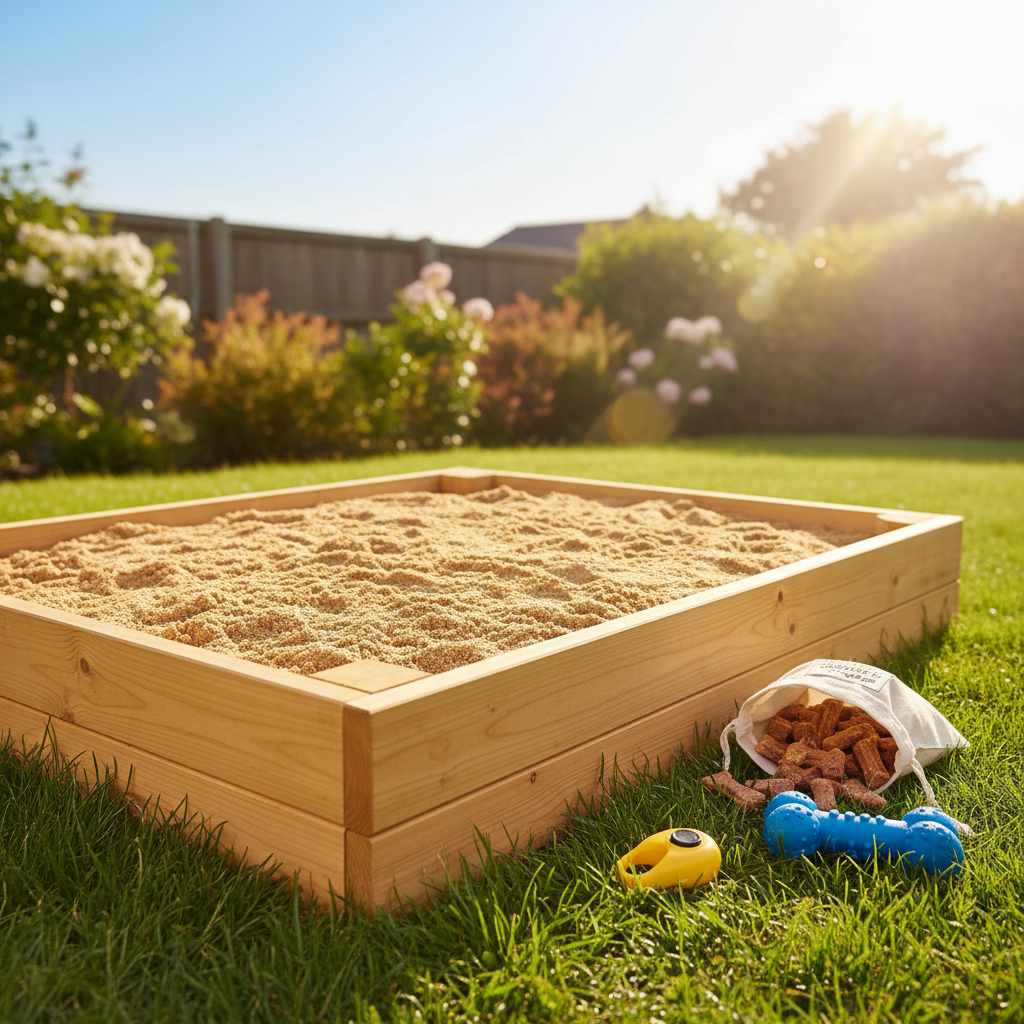
Before you can teach the command, you need to create the classroom. The cornerstone of this entire training plan is a designated digging spot—a place where your dog learns that digging is not only allowed but celebrated. A clear boundary is key to helping your dog understand the difference between ‘the yard’ and ‘the dig zone’.
Choosing the Right Location
Pick a spot in your yard that works for both of you. It should be an area where you don’t mind a bit of mess and is safely away from important things. Keep it clear of utility lines, sprinkler systems, toxic plants, and the fence line, as you don’t want to inadvertently encourage an escape artist.
Building Your Dig Pit
You don’t need to be a professional contractor to build a great dig pit. Simplicity is your friend!
- The Sandbox Method: The easiest option is a child’s plastic sandbox with a lid. They’re affordable, contained, and you can cover them when not in use to keep out rain and neighborhood cats.
- The Raised Bed Method: A wooden or composite raised garden bed frame works perfectly. It creates a clear, visible boundary for your dog.
- The Natural Method: If you prefer a more integrated look, you can simply designate a patch of your yard and surround it with a low border of stones or landscape timbers.
Once you have your container, fill it with a dog-safe material. Play sand is a popular choice as it’s soft on paws. A mixture of loose topsoil and sand also works well. Crucially, never use cocoa mulch, as it is toxic to dogs.
Gathering Your Training Tools
With your pit in place, gather a few training essentials:
- High-Value Treats: Small, smelly treats like bits of cheese, hot dog, or freeze-dried liver work wonders.
- A Favorite Toy: Choose a toy your dog absolutely loves, especially one that can handle being buried and unearthed.
- Clicker (Optional): If you use a clicker in your training, have it ready to precisely mark the desired behavior.
- Your Enthusiasm: This is the most important tool! Your happy, encouraging voice will make this a fun game for your dog.
Let’s Get Dirty: A Step-by-Step Guide to the ‘Dig’ Command
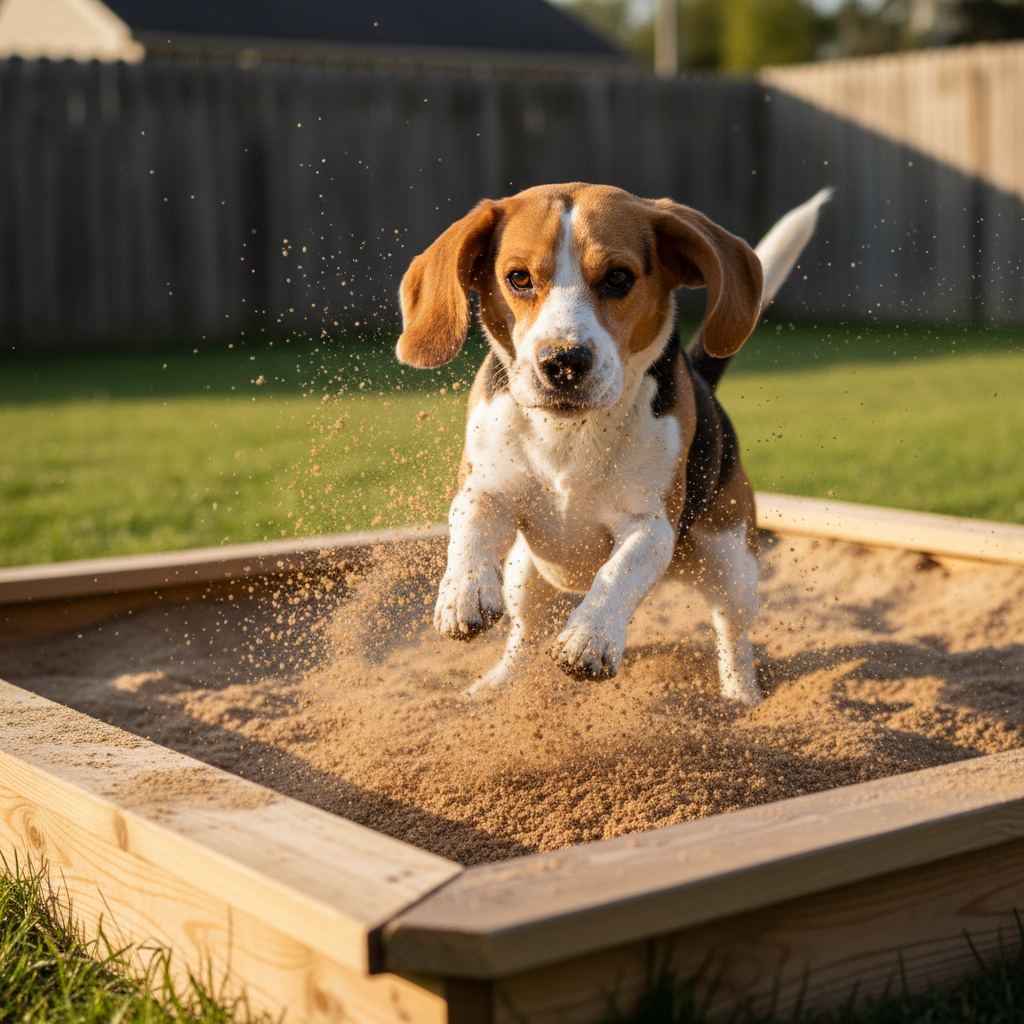
Alright, your dig pit is ready and your treats are in your pocket. It’s time for the fun part! Remember to keep your training sessions short, upbeat, and positive—5 to 10 minutes at a time is perfect. End each session on a high note to keep your dog excited for the next one.
- Step 1: Spark Their Curiosity. Lead your excited dog to the new dig pit. Make a big, dramatic show of burying one of their favorite toys or a smelly treat just under the surface of the sand or soil. Let them watch your every move. Use an excited voice, saying things like, ‘Ooh, what’s this? What am I doing?’
- Step 2: Encourage Investigation. Let your dog off-leash in the area and let them explore. Their nose will likely lead them right to the spot where you buried the treasure. Most dogs, driven by curiosity and their sense of smell, will naturally start pawing or scratching at the spot.
- Step 3: Mark and Reward the Action. This step is all about timing. The very second your dog’s paw makes a scratching motion on the dirt, mark the behavior with an enthusiastic ‘Yes!’ or a click from your clicker, and immediately give them a treat. At this stage, you’re not looking for a frantic excavation; you’re simply rewarding the smallest paw-to-ground interaction.
- Step 4: Introduce the Verbal Cue. Once your dog is reliably pawing at the spot when you bury something, it’s time to give the action a name. Just as they are about to start scratching, say your cue—’Dig!’—in a happy, clear voice. Then, mark and reward the action as you did before. Repeat this several times.
- Step 5: Build Duration and Enthusiasm. Now, start burying the item a little deeper. Encourage your dog to dig with more oomph to get it out. Wait for two or three good scratches before you mark and reward. Cheer them on! Your energy will fuel theirs.
- Step 6: Fade the Lure. The final goal is for your dog to dig on command without seeing you bury something first. Stand near the pit and give your ‘Dig!’ cue. If they scratch at the sand, throw a ‘surprise party’ for them by tossing a handful of high-value treats into the pit. This teaches them that digging in this special spot is always a fun and rewarding activity, even when a toy isn’t visibly buried.
Rules of the Dirt: Managing Digging Outside the Box
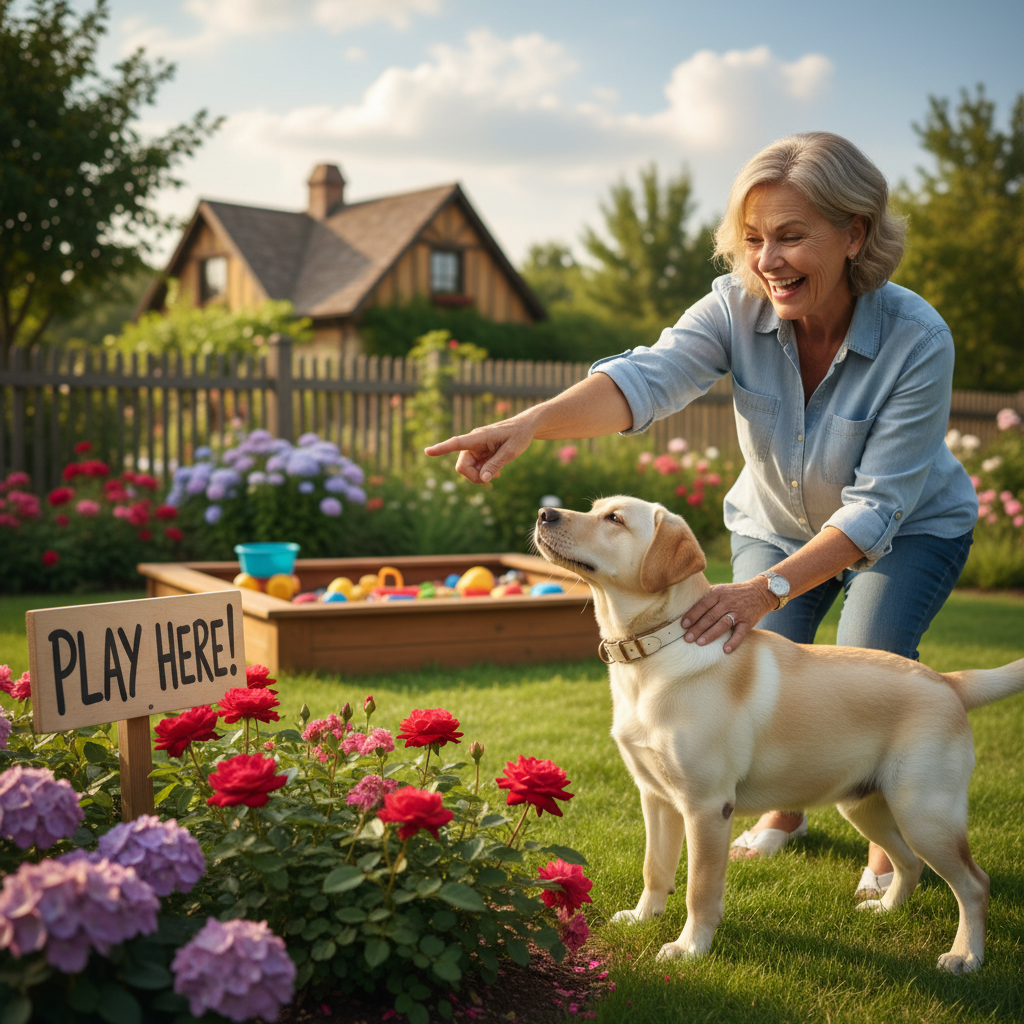
Teaching your dog where to dig is only half the equation. You also need a clear and consistent plan for what to do when they inevitably try to dig somewhere else. Consistency from everyone in the household is vital for success.
When They Dig in the Wrong Spot
It’s going to happen. Your dog might forget the new rules or get a tempting whiff of a mole in the middle of the lawn. How you react is critical.
- Stay Calm and Positive: Avoid yelling or punishing the dog. This can create fear and anxiety around you and the act of digging, making training much harder. They won’t understand that it’s the location that’s the problem, not the digging itself.
- Interrupt and Redirect: Use a calm, upbeat interrupter, like ‘Oops!’ or a happy clap of your hands. The goal is to get their attention, not to scare them. As soon as they look up, cheerfully say, ‘Let’s go to your pit!’ and guide them over to their designated digging zone.
- Reward the Right Choice: Once you get to the dig pit, give your ‘Dig!’ command. When they start digging in the correct spot, praise them lavishly and give them a jackpot of treats. This reinforces the rule: ‘Digging here is good, digging there is not.’
Make It the Best Game Ever
Turn the dig pit into a treasure chest of fun to make it more appealing than any other spot in the yard.
- Play Treasure Hunter: When your dog isn’t looking, bury a few durable toys or long-lasting chews in their pit for them to discover later.
- Burn Off Pre-Walk Jitters: If your dog gets overly excited before a walk, a quick two-minute digging session can help burn off that frantic energy so they can walk more calmly on the leash.
- Cool Down Central: On a hot day, lightly mist the sand in the pit with water. Many dogs love digging a cool, damp hole to lie in.
A Quick Safety Note: Always supervise your dog while they are digging. Ensure they aren’t eating large amounts of sand or dirt and that the pit remains a safe and positive space for them.
Conclusion
There you have it! By embracing your dog’s natural instincts, you can solve one of the most common backyard behavior problems in a way that is fun, productive, and enriching for your pet. Teaching the ‘dig’ command is about more than just saving your petunias; it’s about providing clear communication, burning excess physical and mental energy, and creating another joyful activity you can share together.
Remember to be patient, stay positive, and celebrate every small success. Before you know it, your dog will be a master of controlled chaos, and your garden will be all the safer for it. So grab your treats, head outside, and get ready to have some good, dirty fun!