Let’s be honest, is there anything cuter than a dog in a tiny party hat? You see the pictures all over social media—a proud pup celebrating their big day, looking absolutely adorable. You’ve got the cake, the presents, and the perfect hat picked out. But when the moment comes, your dog wants nothing to do with it. The hat goes on, and immediately it’s shaken off, pawed at, or met with a look of utter betrayal. The dream photo session turns into a frustrating chase around the living room.
Sound familiar? You’re not alone! Many pet parents make the mistake of simply plopping a hat on their dog’s head and hoping for the best. But for our dogs, this strange new object can be confusing or even a little scary. The good news is that you can absolutely teach your dog to not only tolerate a hat but to wear it happily and confidently. The secret isn’t force or trickery; it’s fun, patience, and a whole lot of positive reinforcement.
In this guide, we’ll walk you through the simple, game-like steps to turn hat time into a happy time. We’re going to transform that piece of headwear from a scary monster into a magical hat that makes delicious treats appear! Get ready to capture those frame-worthy birthday memories, all while building a stronger bond with your best friend.
Gathering Your Pawsitive Reinforcement Toolkit
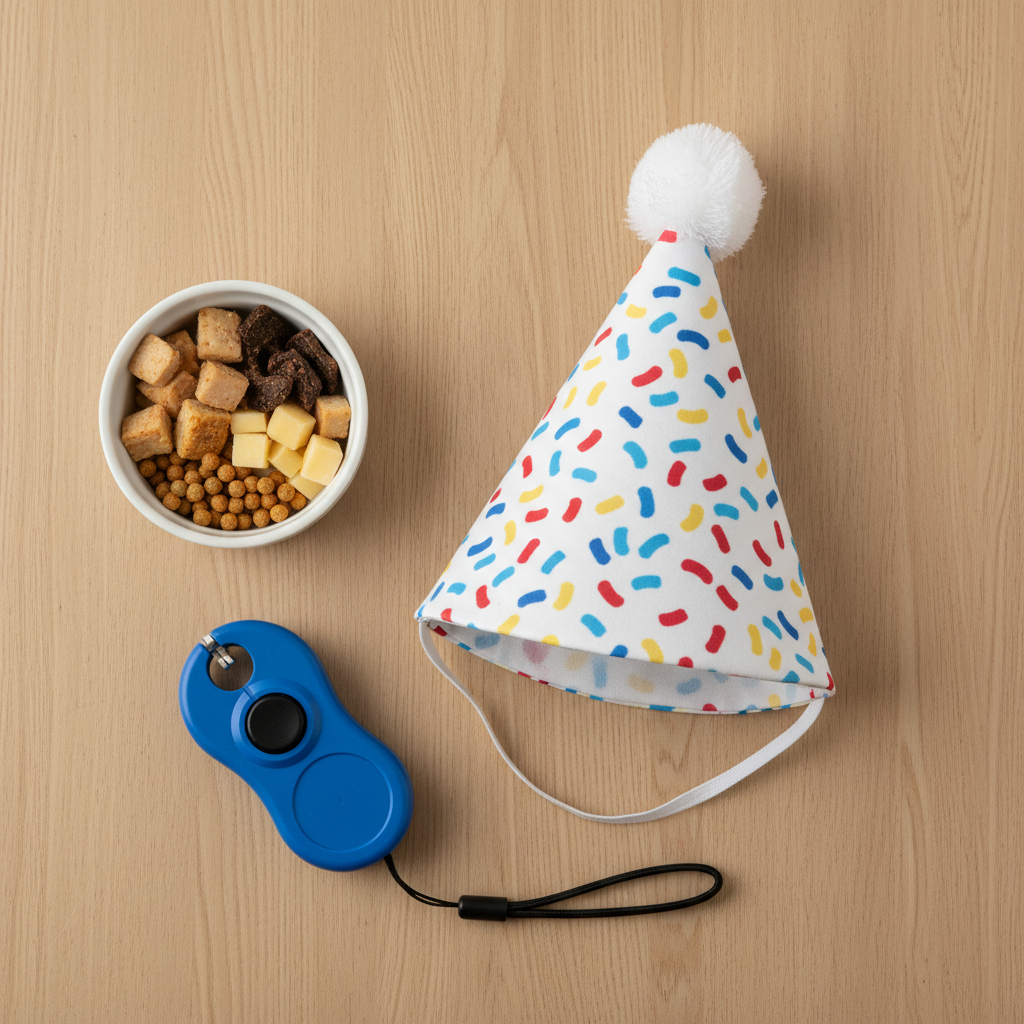
Before we start our training adventure, let’s get all our supplies in order. Think of yourself as a fun-loving teacher preparing for a great class. Having everything ready ensures our sessions are smooth, positive, and effective. You don’t need a lot of fancy equipment—in fact, the most important tool is your own positive attitude!
What You’ll Need:
- High-Value Treats: This is the cornerstone of our training. We’re not talking about their everyday kibble. High-value treats are the extra-special, super-delicious goodies your dog would do just about anything for. Think small pieces of boiled chicken, tiny cubes of cheese, freeze-dried liver, or their favorite soft training treats. The key is that they should be small and easy to swallow quickly, so you can keep the training moving.
- The Hat: For training purposes, start with something soft, lightweight, and simple. A soft, fabric party hat with a gentle elastic strap is much less intimidating than a hard, plastic one. If your dog is particularly hesitant, you could even start with a simple, soft headband. We’ll talk more about picking the perfect hat later on.
- A Clicker (Optional but Recommended): A clicker is a fantastic tool for marking the exact moment your dog does something right. The ‘click’ acts as a precise signal that says, “Yes! That behavior right there is what earned you a treat!” If you don’t have a clicker or prefer not to use one, a consistent verbal marker like a sharp “Yes!” or “Good!” works just as well.
- A Quiet, Distraction-Free Space: Choose a calm area of your home where your dog feels comfortable. The living room during a quiet afternoon is great; the kitchen while you’re cooking dinner is not. Minimizing distractions allows your dog to focus on the fun new game you’re about to play.
- Patience and a Positive Vibe: This is non-negotiable! Your dog is an expert at reading your energy. If you’re stressed or frustrated, they will be too. Keep training sessions short (just 2-5 minutes at a time is perfect), stay upbeat, and always end on a positive note. Remember, this is a fun bonding activity, not a chore.
Expert Tip: Prepare your treats ahead of time by cutting them into pea-sized pieces. This allows you to deliver rewards quickly and keep the training session’s momentum going without pausing to break up larger treats.
The Step-by-Step Guide to Hat Happiness
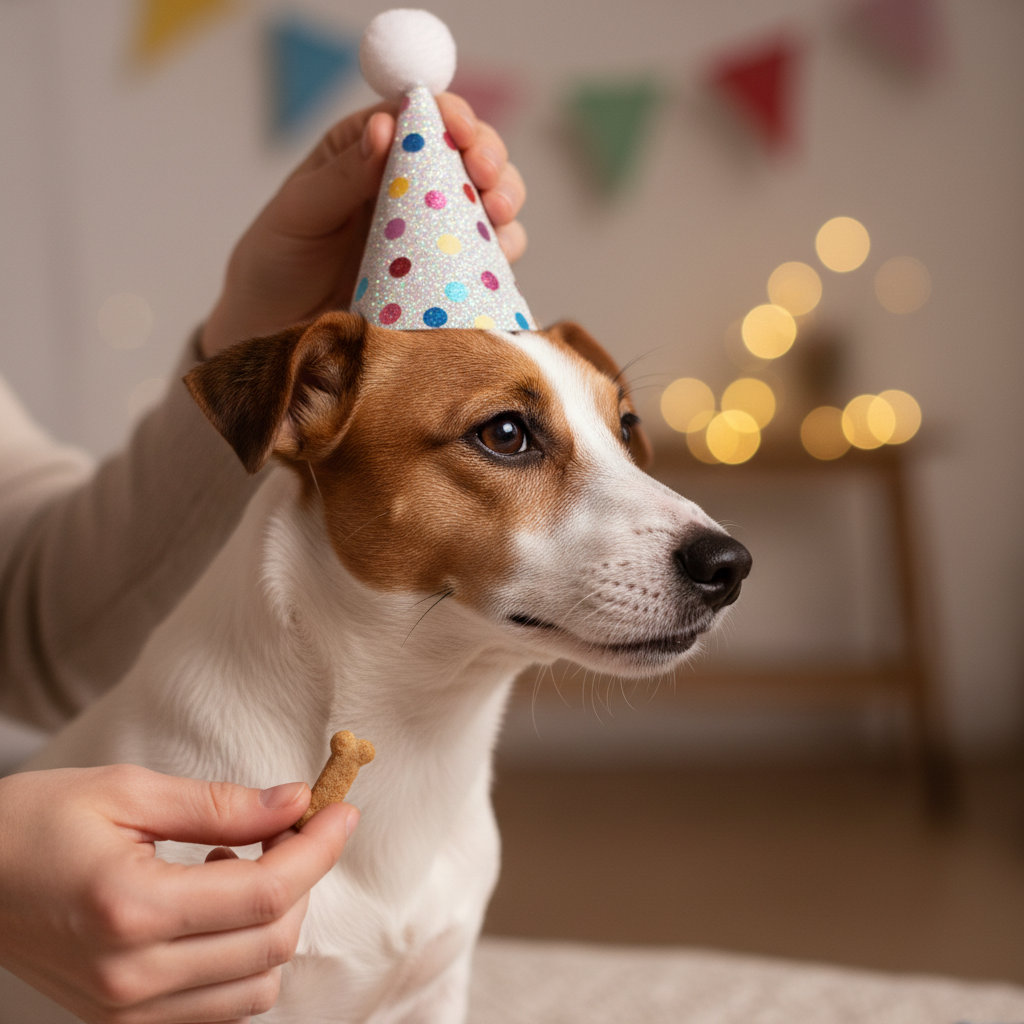
Alright, you’ve got your treats and your positive attitude ready to go! It’s time to begin the training. The golden rule here is to go at your dog’s pace. If your dog seems stressed at any step, simply go back to the previous one where they were successful and confident. This is a marathon, not a sprint!
Step 1: The Introduction (Hat = Good Things!)
The first goal is to create a wonderful association with the hat. Right now, it’s a neutral (or maybe even suspicious) object. We want your dog to see the hat and think, “Oh boy, my favorite game is about to start!”
- Hold the hat in one hand and your clicker/treats in the other.
- Simply show the hat to your dog. The very instant they look at it, click your clicker (or say “Yes!”) and give them a treat.
- Take the hat away. Repeat this 5-10 times.
- The goal is for your dog to see the hat and immediately look at you, anticipating a treat. When that happens, you know a positive association is forming.
Step 2: Encouraging Interaction
Now we’ll get your dog more comfortable with the hat being in their space. Place the hat on the floor a short distance from you. Wait for your dog to investigate it. Any voluntary interaction with the hat gets a reward. If they sniff it, click and treat. If they nudge it with their nose, click and treat. We are rewarding their curiosity and bravery.
Step 3: The Briefest Touch
This is where we start getting them used to the sensation of the hat. Hold the hat in your hand.
- Gently and briefly touch the hat to the top of your dog’s head for less than a second.
- Click and treat immediately as you remove it. It should be so fast they barely register it: touch-click-treat.
- Repeat this several times, always keeping it light and positive. If they are comfortable, you can slowly increase the touch to a full second.
Step 4: The ‘One-Second Wear’
This is a milestone moment! Once your dog is comfortable with the ‘touch’ step, you’re ready to briefly place the hat on their head. Do not use the strap yet.
- Gently place the hat on their head for just one second.
- Click, treat lavishly, and remove the hat *before* they have a chance to shake it off.
- The key is for them to learn that keeping the hat on, even for a second, is what earns the reward. Ending the exercise while they are still successful is crucial.
Step 5: Extending the Duration
Once your dog is acing the one-second wear, you can slowly start to increase the time. Go from one second to two. Then to three. Don’t rush this! It might take several short sessions to build up to 5-10 seconds. Always reward them while they are wearing the hat and remove it on your terms with a happy release cue like, “All done!”
Step 6: Fastening Fun
The chin strap is often the trickiest part for dogs. We need to desensitize them to the feeling under their chin.
- First, practice just touching the strap to their chin without putting the hat on. Touch-click-treat.
- Once they are comfortable with that, you can place the hat on their head and very loosely fasten the strap for a single second.
- Click, treat, and immediately unfasten.
- Gradually increase the duration of the strap being fastened, always ensuring it’s loose and comfortable.
Remember: Every dog is different. A confident Lab might breeze through these steps in a day. A more timid dog might need a week or more. Listen to your dog’s body language and never push them past their comfort zone.
Troubleshooting Common Hat Hurdles
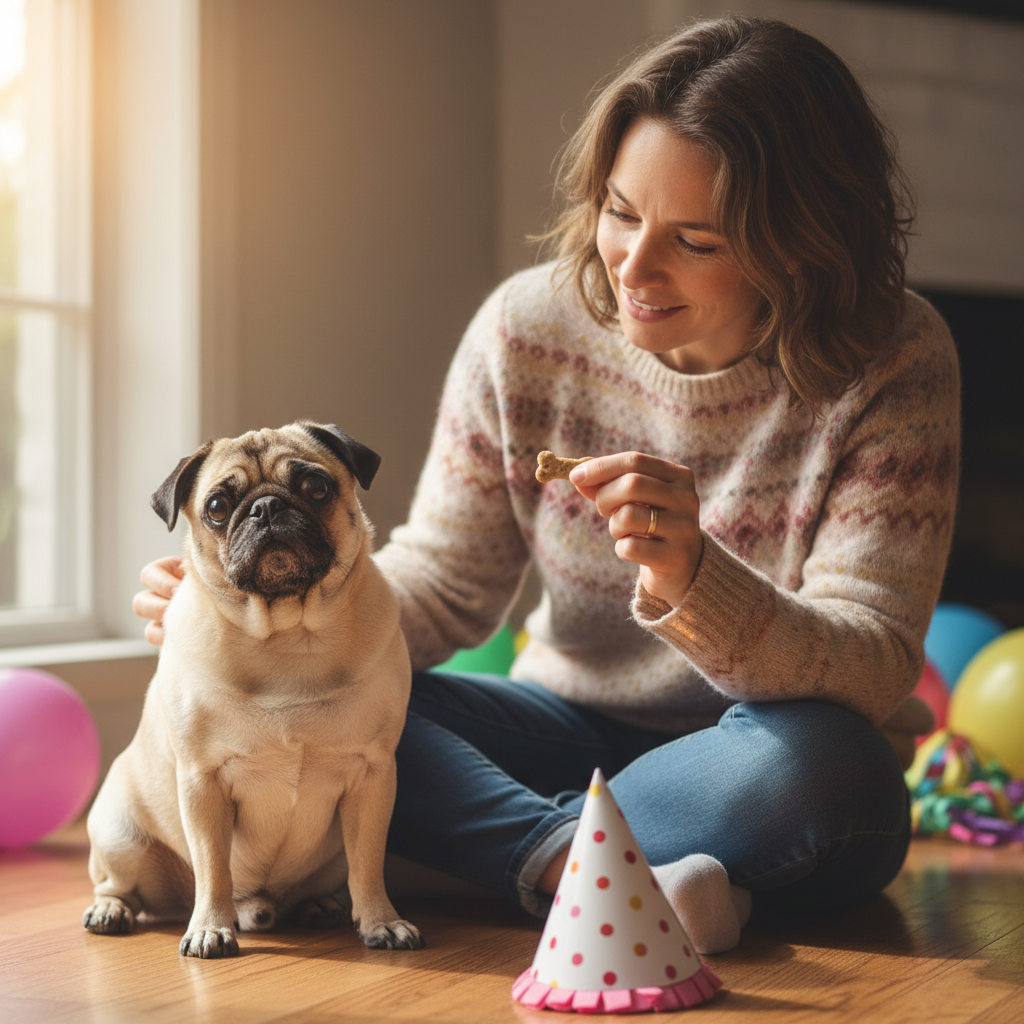
Even with the best training plan, you might hit a few bumps in the road. That’s completely normal! The key is to recognize the issue and know how to adjust your approach. Here are some common challenges and how to overcome them.
“Help! My dog keeps shaking the hat off immediately.”
This is the most common issue, and it’s a clear signal that you’ve moved a little too fast. Your dog hasn’t had enough time to learn that keeping the hat on is the behavior that gets rewarded. The fix: Go back a step or two. Go back to the ‘Brief Touch’ (Step 3) or the ‘One-Second Wear’ (Step 4). The goal is to remove the hat and deliver the reward *before* they even think about shaking. Make the duration so short that success is guaranteed, and then build up again, but this time much more slowly.
“My dog runs and hides as soon as they see the hat.”
This means the hat has developed a negative association. Perhaps a previous attempt was scary or uncomfortable for them. We need to do some damage control and rebuild trust. The fix: Put the hat away for a few days. Then, re-introduce it from square one (Step 1). Place the hat on the other side of the room and reward your dog just for looking at it. Don’t even approach them with it. Use extremely high-value treats (think tiny pieces of steak!). Slowly, over many sessions, decrease the distance until they are comfortable with the hat being near them again, rebuilding that positive association from the ground up.
“They don’t mind the hat itself, but they absolutely hate the chin strap.”
Many dogs are sensitive about having things under their chin. This requires specific, focused desensitization. The fix: Forget the hat for a while and focus only on the chin. Gently touch under their chin with your finger for a split second, then reward. Practice this until they are comfortable. Then, introduce the strap by itself, just touching it to their chin and rewarding. The goal is to break down the action into the smallest possible components and make each one a positive experience before putting it all together.
“I feel like my dog is just being stubborn.”
It’s easy to label a dog’s behavior as ‘stubborn’, but it’s rarely the case. What we see as stubbornness is almost always a sign of confusion, fear, or discomfort. Your dog isn’t trying to defy you; they simply don’t understand what you’re asking, or they feel anxious about it. The fix: Shift your perspective. Ask yourself, “How can I make this clearer and more fun for my dog?” Maybe your treats aren’t motivating enough. Maybe the sessions are too long. Maybe there’s a distraction you haven’t noticed. Approaching the problem with empathy will always be more effective than getting frustrated.
Choosing the Right Hat: Comfort is Key!
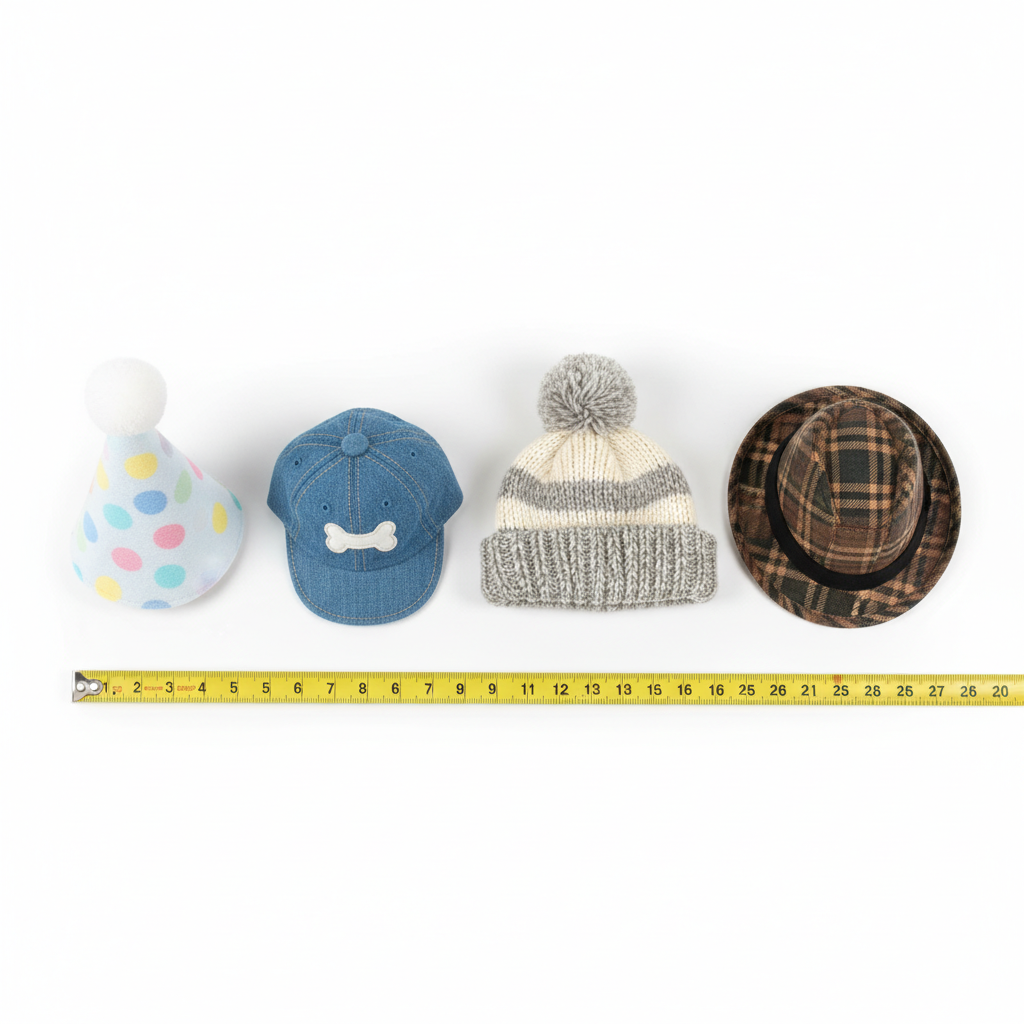
All the training in the world won’t matter if the hat itself is uncomfortable, ill-fitting, or scary for your dog. Setting your pup up for success starts with choosing the right piece of headwear. A comfortable dog is a happy dog, and a happy dog is much more likely to cooperate with your training efforts.
Material Matters
When you’re shopping, feel the materials. Opt for hats made from soft, lightweight fabrics like felt, cotton, or fleece. Avoid hard, heavy plastics that can be cumbersome and make strange noises. A lighter hat is less noticeable to your dog and therefore much easier for them to get used to.
The Perfect Fit
A hat that’s too big will slide into your dog’s eyes, and one that’s too small will be tight and uncomfortable. This is why fit is so important. Many pet accessory companies provide sizing charts. To get the best fit:
- Measure the circumference of their head: Use a soft measuring tape and measure the area where the hat will sit.
- Measure the distance between their ears: This is crucial for hats that have specific ear holes or a band that goes across the top.
- When in doubt, it’s often better to size up slightly. You can add a small piece of soft foam for a snugger fit, but you can’t make a small hat bigger.
Secure, But Safe, Fastenings
The way the hat stays on is just as important as the hat itself. Look for secure but comfortable options:
- Adjustable Toggles: These are often the best choice. A soft elastic cord with a spring-loaded toggle allows you to get a custom, snug fit without being too tight.
- Soft Elastic Straps: A simple, thin elastic strap can work well, but make sure it’s not too tight and doesn’t dig into your dog’s skin.
- Velcro Straps: These can be a good option but be mindful that the ripping sound of Velcro can be scary for some sound-sensitive dogs.
Expert Tip: Before you even start training, let your dog simply investigate the new hat. Leave it on the floor for them to sniff and get used to its presence for a day or two before you officially begin your training sessions. This helps demystify the object from the very beginning.
Conclusion
And there you have it! Turning your dog into a happy hat-wearer isn’t about luck; it’s about communication, patience, and partnership. By breaking down the process into small, fun, and rewarding steps, you’re not just working towards an adorable photo. You’re teaching your dog to trust you in new situations, building their confidence, and strengthening the incredible bond you share.
Remember to keep your sessions short, your attitude positive, and your treat pouch full. Celebrate the small victories—a sniff, a touch, a single second of wear—because each one is a step in the right direction. If you follow your dog’s lead and prioritize their comfort above all else, you’ll get that perfect birthday picture. And the best part? The dog in that photo won’t just be tolerating the moment; they’ll be genuinely happy and comfortable, which is the greatest gift of all.
So go ahead, get ready for the celebration. You and your pup have got this!