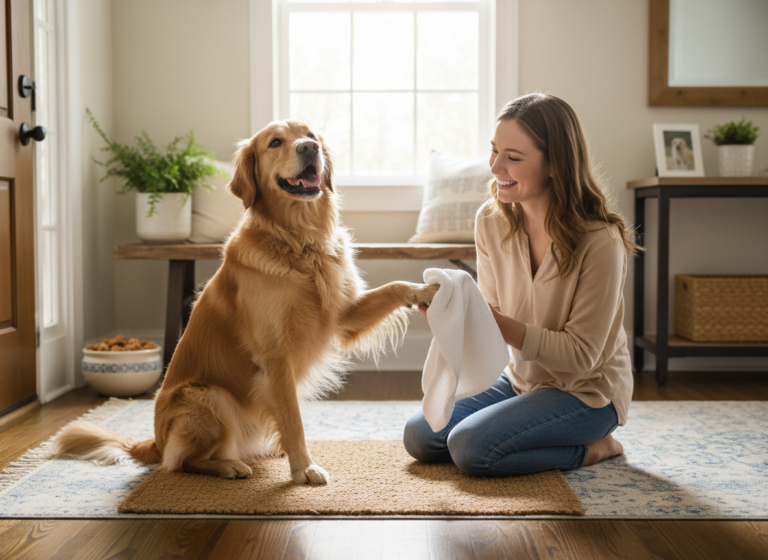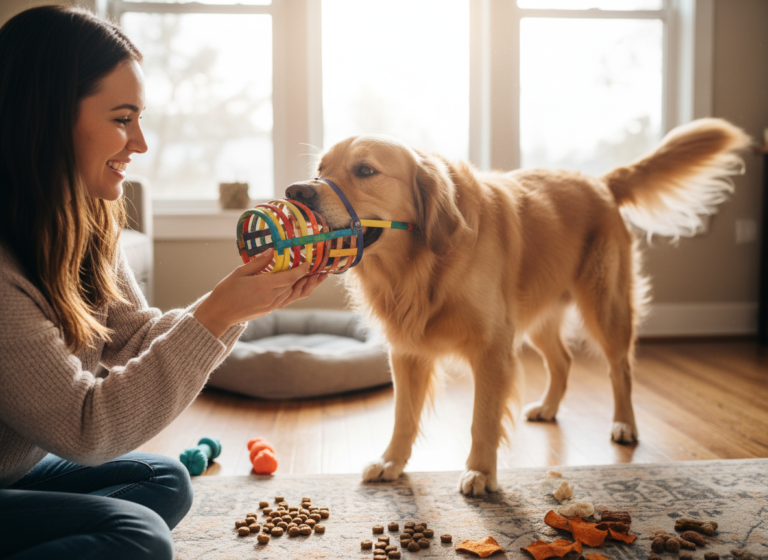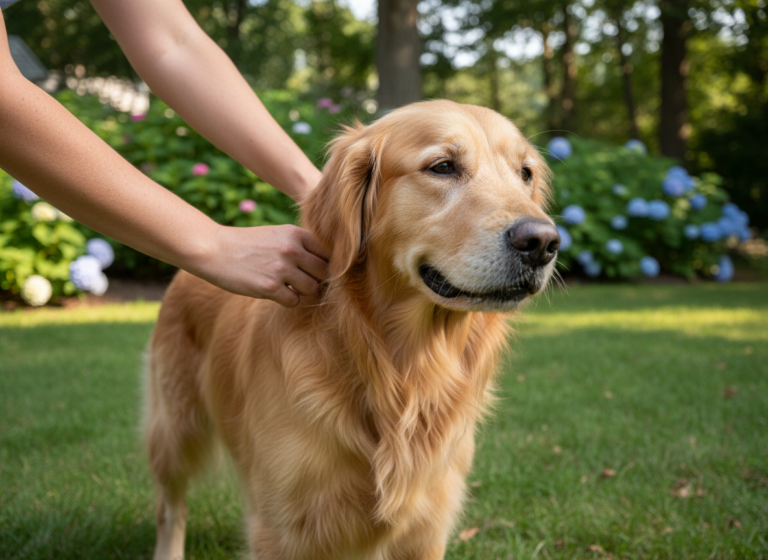
When the temperature drops and the sidewalks get icy and salted, our furry friends’ paws can take a real beating. From painful ice balls forming between their toes to chemical burns from de-icers, the winter wonderland isn’t always so wonderful for them. The solution? A trusty pair of dog boots! But as many pet parents know, getting your dog to wear them is a whole other story. You might be picturing a hilarious, yet frustrating, scene of your dog high-stepping like a Lipizzaner stallion or stubbornly refusing to move an inch.
What if I told you that you could turn this potential struggle into a fun, positive experience? And what if we could get the basics down in just about five minutes? It sounds too good to be true, but with the right approach, you can lay a fantastic foundation for boot-wearing success. This guide is all about making boots a fun game, not a dreaded chore. Forget forcing and frustration; we’re going to use treats, praise, and a little bit of canine psychology to make your dog want to wear their new kicks. Let’s get your pup winter-ready!
Step 1: Gather Your Gear (and Your Mindset!)
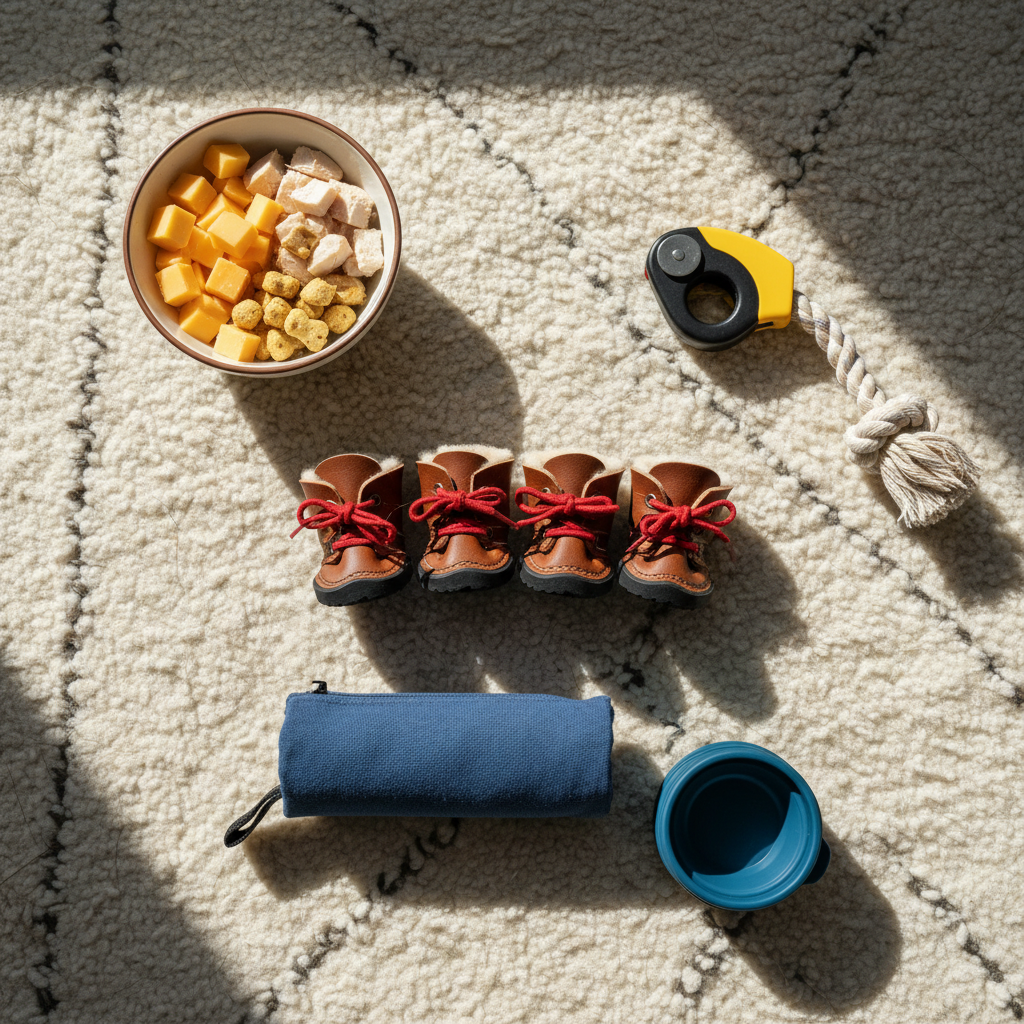
Before the five-minute timer starts, a little preparation goes a long way. Having the right tools and, more importantly, the right attitude will set you both up for success. Think of this as your pre-game huddle!
What You’ll Need:
- Properly-Fitted Dog Boots: This is non-negotiable. Boots that are too tight will be painful, and boots that are too loose will fly off and frustrate your dog. Measure your dog’s paws carefully (while they are standing, as the paw splays under their weight) and check the manufacturer’s sizing guide. Soft-soled boots are often easier for dogs to get used to initially.
- High-Value Treats: We’re not talking about their everyday kibble. You need the good stuff! Think tiny pieces of cooked chicken, cheese, hot dogs, or their absolute favorite store-bought training treats. The goal is to make the reward so amazing that the boots seem insignificant in comparison.
- A Positive, Patient Attitude: Your dog is an expert at reading your energy. If you’re stressed, anxious, or frustrated, they will be too. Keep the session light, fun, and upbeat. Use a happy, encouraging tone of voice throughout.
Choosing the Right Boots: A Quick Comparison
Not all boots are created equal. The best choice depends on your climate and your dog’s activities.
| Boot Type | Best For | Pros | Cons |
|---|---|---|---|
| Soft-Soled Boots | Everyday walks, sensitive paws | Flexible, easier for dogs to accept, good ground feel. | Less durable, may offer less protection from sharp objects. |
| Rugged Hard-Soled Boots | Hiking, extreme cold, rough terrain | Excellent durability, maximum protection, waterproof. | Stiffer, can be harder for dogs to get used to the feel. |
| Disposable Rubber Boots | Rain, slush, protecting from allergens | Waterproof, great ground feel, inexpensive. | Not durable, offer no insulation, can tear easily. |
Expert Tip: Before you even try to put a boot on, let your dog investigate them for a day or two. Leave the boots on the floor near their toy basket or bed. Let them sniff and get used to the sight and smell of these new objects without any pressure.
Step 2: The 5-Minute Boot Camp: A Step-by-Step Guide
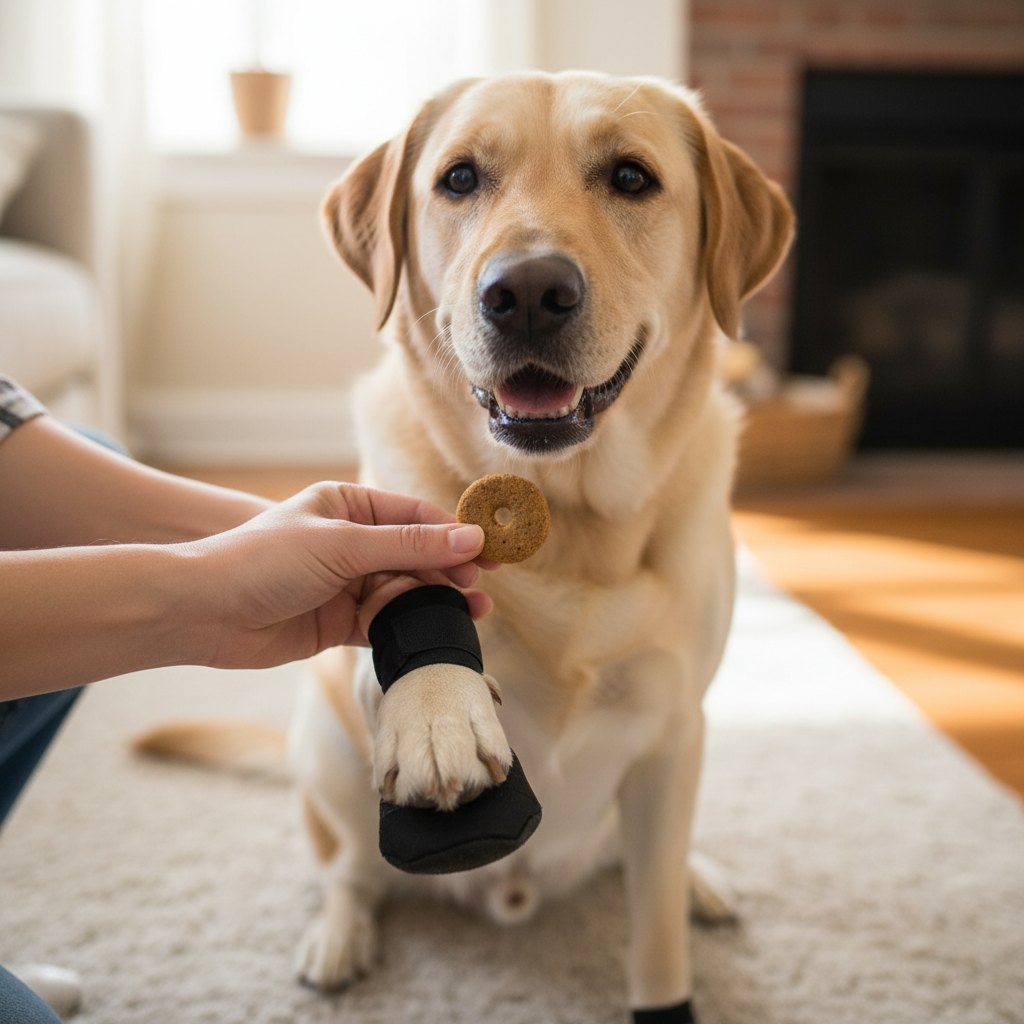
Alright, it’s go-time! Find a quiet, comfortable spot free from distractions. Have your treats ready in your hand or a pouch. Take a deep breath, put on a smile, and let’s begin. Remember, we’re making this a super fun game!
Phase 1: The Introduction (First 60 Seconds)
The goal here is simple: boots = amazing things happen. Hold one boot in your hand. As soon as your dog looks at it or sniffs it, say “Yes!” in an excited voice and give them a treat. Don’t try to put it on yet. Just reward any interaction. Do this a few times. You are building a positive association. Boot appears, I get a treat! This is a great game!
Phase 2: The Paw Touch (Next 90 Seconds)
Now, we’ll up the ante. Hold the boot in one hand and a treat in the other. Gently touch the boot to your dog’s paw for just a split second. The instant it touches, say “Yes!” and give them the treat. Lift the boot away. Repeat this with all four paws. We are teaching them that a boot touching their paw predicts a delicious reward. Keep it fast and fun. Touch-treat, touch-treat.
Phase 3: The Quick Slip-On (Next 90 Seconds)
This is the big moment! Pick one paw. With your treats ready and visible, quickly and smoothly slip one boot onto their paw. Don’t worry about fastening it perfectly yet. The second the boot is on, shower your dog with praise and a ‘jackpot’ of several treats, one after another. Wow! You’re a superstar! Look at you! After about 5-10 seconds, take the boot off and stop the treats. The fun ends when the boot comes off. Do this with a second paw if your dog is still engaged and happy.
Phase 4: The Treat Distraction (Final 60 Seconds)
If your dog handled one boot well, let’s try all four. Put them on as quickly and positively as you can, fastening them snugly but not too tight. The very second they are on, start a treat party! Toss a few treats on the floor for them to find. This gets them to move their head down and focus on something other than their feet. Ask for a simple command they know, like ‘sit,’ and reward them. The key is to distract them from the new sensation on their feet with an activity that is already rewarding. After about a minute of this fun, take the boots off and end the session on a high note.
Step 3: Troubleshooting Common Bootie Blunders
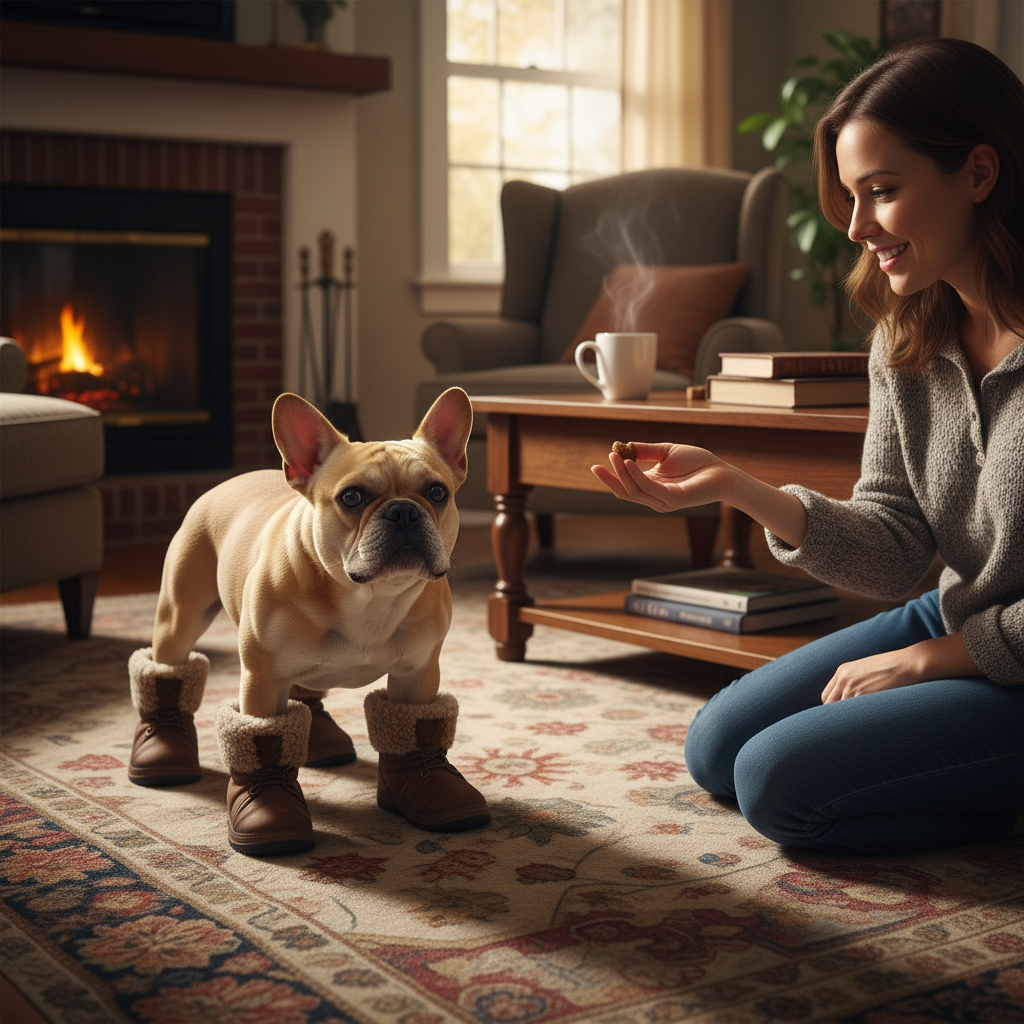
Even with the best five-minute introduction, you might hit a few snags. That’s completely normal! Every dog is an individual. Here’s how to handle the most common bootie-related behaviors.
The Problem: The ‘Frozen’ Dog
Your dog is wearing the boots but stands completely still, looking like a garden statue. This is a very common reaction! They feel a weird sensation and aren’t sure if it’s safe to move.
The Solution: Don’t panic or laugh (even though it can look funny!). Encourage them with an upbeat voice. Toss a high-value treat a short distance away to entice them to take that first step. Or, grab their leash and say your ‘walk’ cue in an excited voice. Often, the excitement of a walk will override the strange feeling on their feet. Keep the first few walks short and on interesting, sniff-filled routes.
The Problem: The Boot-Biting Maniac
As soon as the boots are on, your dog furiously starts biting, chewing, and trying to pull them off.
The Solution: This is a clear sign you need to build a stronger positive association. Go back a step. Practice just touching the boot to their paw for a treat. You can also use a distraction technique. Put a tiny dab of peanut butter (ensure it’s xylitol-free) or cream cheese on a lick mat or toy to occupy their mouth while you handle their feet. The goal is to make wearing boots less interesting than the delicious distraction.
The Problem: The Flinging Feet
Your dog is walking, but the boots keep flying off like tiny projectiles.
The Solution: This is almost always an issue of fit or fastening. First, double-check your measurements. If the size is correct, focus on how you’re putting them on. Make sure the paw is all the way to the front of the boot. When you tighten the strap, it should be snug enough that you can only fit one finger between the strap and your dog’s leg. For dogs with slender ankles, like Greyhounds, look for taller boots or consider using something like doggy suspenders to help keep them up.
Remember: Any training session, especially for something new like this, should be short and sweet. If your dog is showing signs of stress (lip licking, yawning, turning away), it’s better to end the session on a positive note and try again later than to push through and create a negative experience.
Step 4: Beyond the 5 Minutes: Building Long-Term Comfort
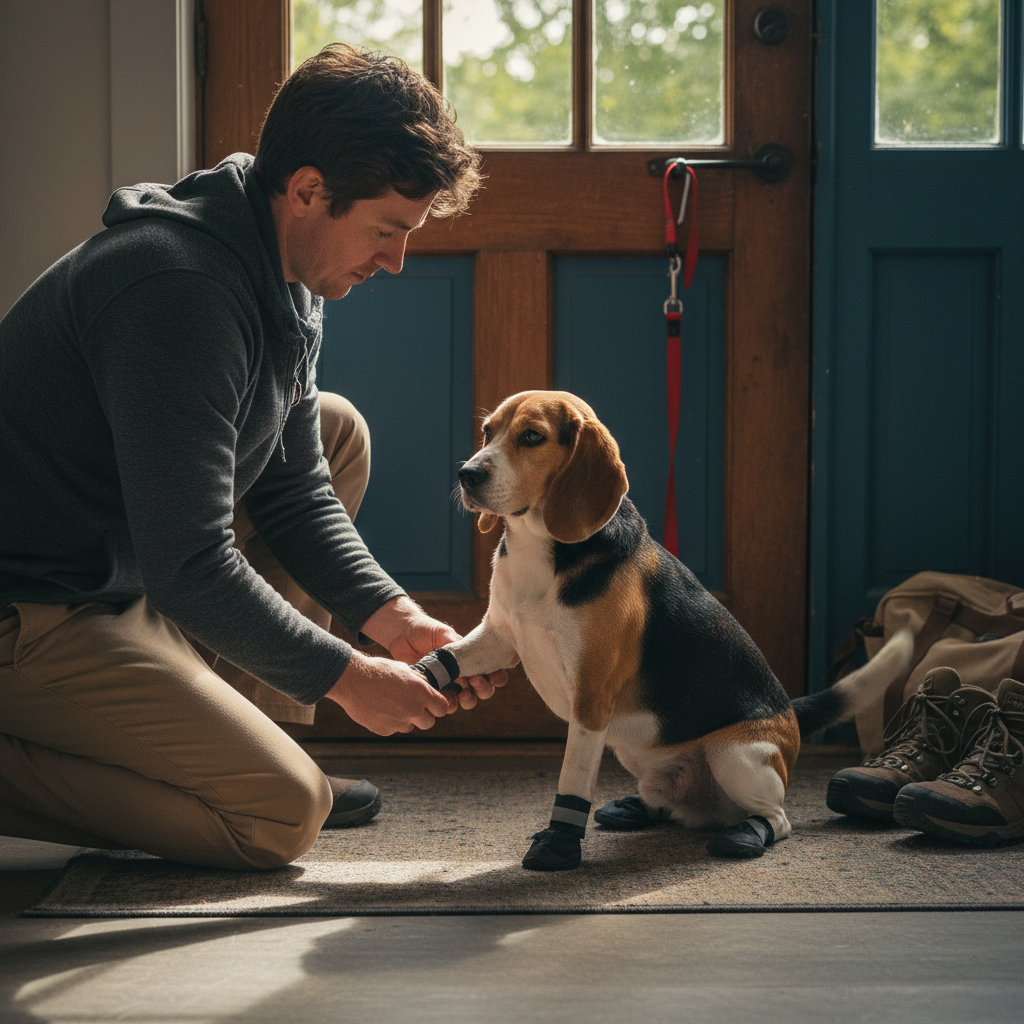
That initial five-minute session is a fantastic launchpad, not the entire mission. The goal was to create a positive first impression and show your dog that boots are nothing to fear. Now, it’s time to build on that foundation to create lasting comfort and acceptance.
Practice Makes Paw-fect
In the days following your initial introduction, have several short ‘boot sessions’ inside the house. You don’t need to go for a walk every time.
- Wear them during dinner: Put the boots on right before you put their food bowl down. They’ll be so focused on eating, they’ll likely forget about their feet. Take them off as soon as they’re done.
- Playtime with boots: Put the boots on and immediately start a fun game of indoor fetch or tug-of-war. Associating boots with their favorite games is a powerful tool.
- Short durations: Start with just a few minutes at a time and gradually increase the duration as your dog becomes more comfortable.
Taking It Outside
Once your dog is confidently moving around the house in their boots, it’s time to venture out. The first few outdoor adventures should be short, exciting, and full of praise.
- Go somewhere exciting: Make the first boot-walk to their favorite park or a fun new sniffing spot, not just a quick potty break.
- Check the fit: After a few minutes of walking, quickly check the straps to ensure they are still snug and that the boots haven’t twisted.
- Praise, praise, praise: Every few steps, tell your dog what a good job they’re doing! Your encouragement helps them understand they’re doing the right thing.
Making it Routine
Eventually, putting on boots should be as normal as clipping on the leash. Always put the boots on in the same spot, using the same positive cues. Before you know it, your dog will see the boots and know that a fun, comfortable walk is about to happen, no matter the weather.
Conclusion
See? Teaching your dog to wear boots doesn’t have to be a drawn-out battle of wills. By reframing it as a fast, fun, and rewarding game, you can overcome your dog’s hesitation and get them on the path to paw protection in just a few minutes. That initial five-minute session is all about creating a positive first impression that you can build on over time.
Remember the keys to success: patience, positivity, and properly-fitting boots. Every dog learns at a different pace, so if your pup needs a little more time, that’s perfectly okay. Keep sessions short, celebrate the small victories, and before you know it, your dog will be strutting their stuff in their winter gear, ready to take on whatever the season throws at them. Happy (and warm-pawed) walking!