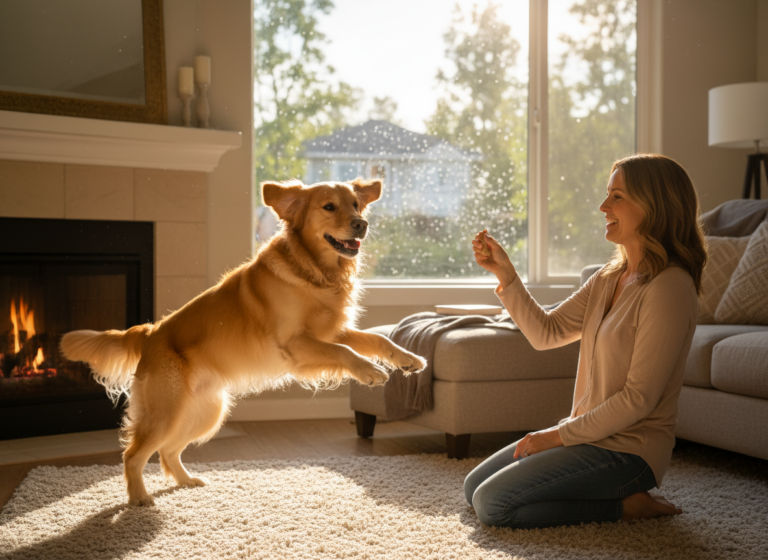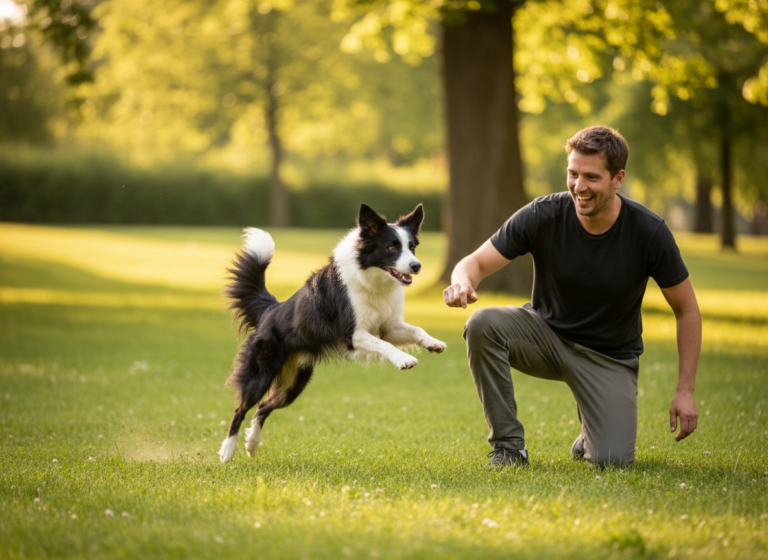
Have you ever seen those incredible videos of people doing trust falls? It’s a powerful symbol of faith and connection. But what if you could share that special moment with your furry best friend? Welcome to the canine trust fall! It’s more than just an adorable party trick; it’s a beautiful, tangible way to strengthen the bond you share with your small dog.
For our little companions, trust is everything. They look to us for food, comfort, and, most importantly, safety. Teaching them a controlled, safe trust fall reinforces the message that you will always be there to catch them. This guide is specifically designed for small dogs, whose delicate frames require extra care and a gentle approach. We’ll walk you through every step, from building the foundation of trust on the floor to celebrating that first successful, happy flop into your arms. Let’s get ready to build some serious trust and have a whole lot of fun doing it!
Why Bother with a Trust Fall? More Than Just a Cute Trick
You might be thinking, ‘Is this really necessary?’ And the answer is, while not ‘necessary’ like ‘sit’ or ‘stay,’ the trust fall offers unique benefits that go far beyond a simple command. It’s an exercise in mutual respect and communication that can have a lasting positive impact on your relationship.
Deepening Your Bond
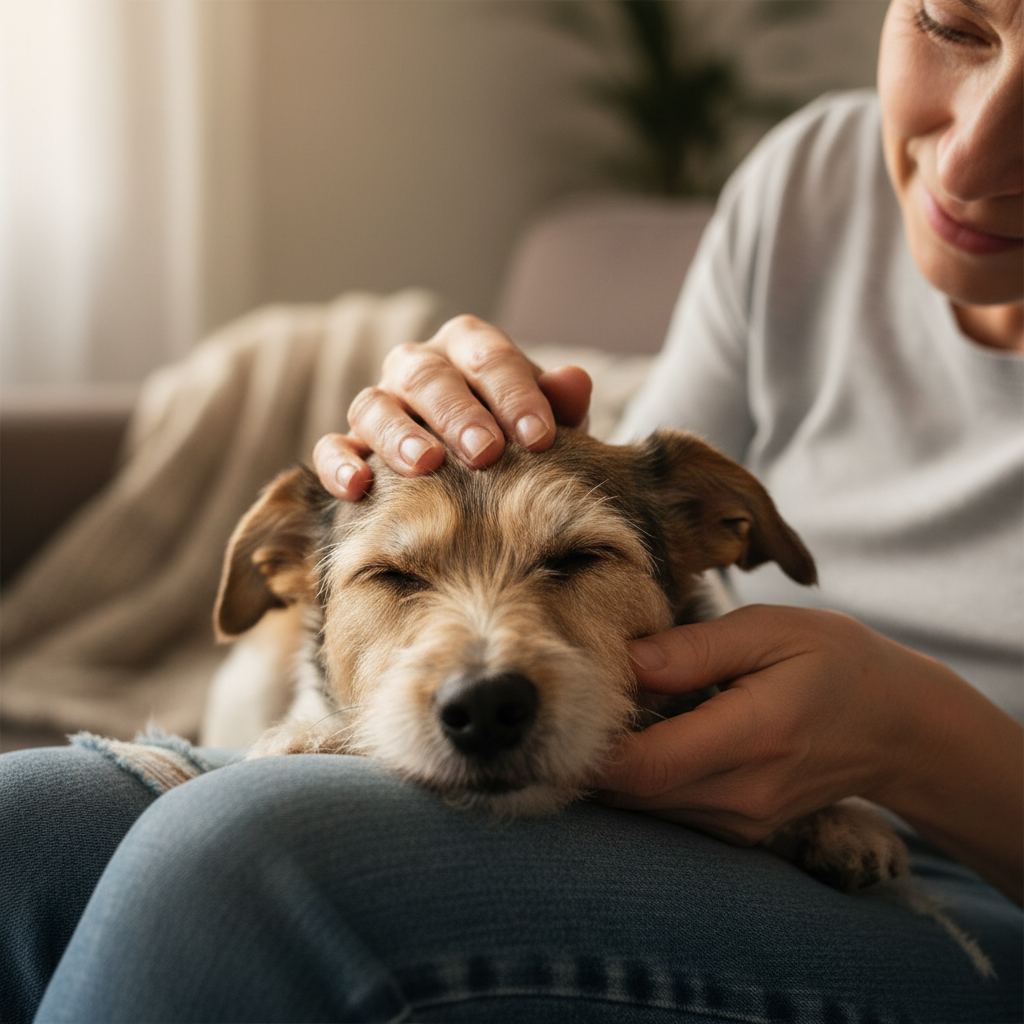
At its core, the trust fall is a two-way street. Your dog learns to trust you physically, understanding that you will support and protect them. In turn, you learn to read your dog’s body language more keenly. Are they hesitant? Excited? A little nervous? This heightened awareness helps you become a more attuned and responsive pet parent in all aspects of your life together.
Expert Tip: Think of each training session as a conversation. When your dog leans back, they’re saying, ‘I trust you.’ When you catch them, you’re saying, ‘I’ve got you.’ It’s a beautiful, non-verbal dialogue.
Building Confidence
For a small dog, the world can be a big, intimidating place. Activities that build confidence can be transformative. Successfully learning and performing a trick like the trust fall gives your dog a sense of accomplishment. It’s a controlled challenge where they are guaranteed a positive outcome (your catch and a tasty reward!), which can help them feel more secure and brave in other situations.
Providing Mental Stimulation
Dogs, regardless of size, need mental exercise just as much as physical. Learning a multi-step trick like the trust fall engages their brain, forcing them to think, problem-solve, and focus. This mental workout can help prevent boredom, which often leads to undesirable behaviors like excessive barking or chewing. A tired brain makes for a happy, relaxed pup!
Gearing Up for Success: What You’ll Need
Before you and your pup attempt your first fall, let’s get prepared. Having the right setup and tools will make the process smoother, safer, and more fun for everyone involved. The good news? You probably have most of these things already!
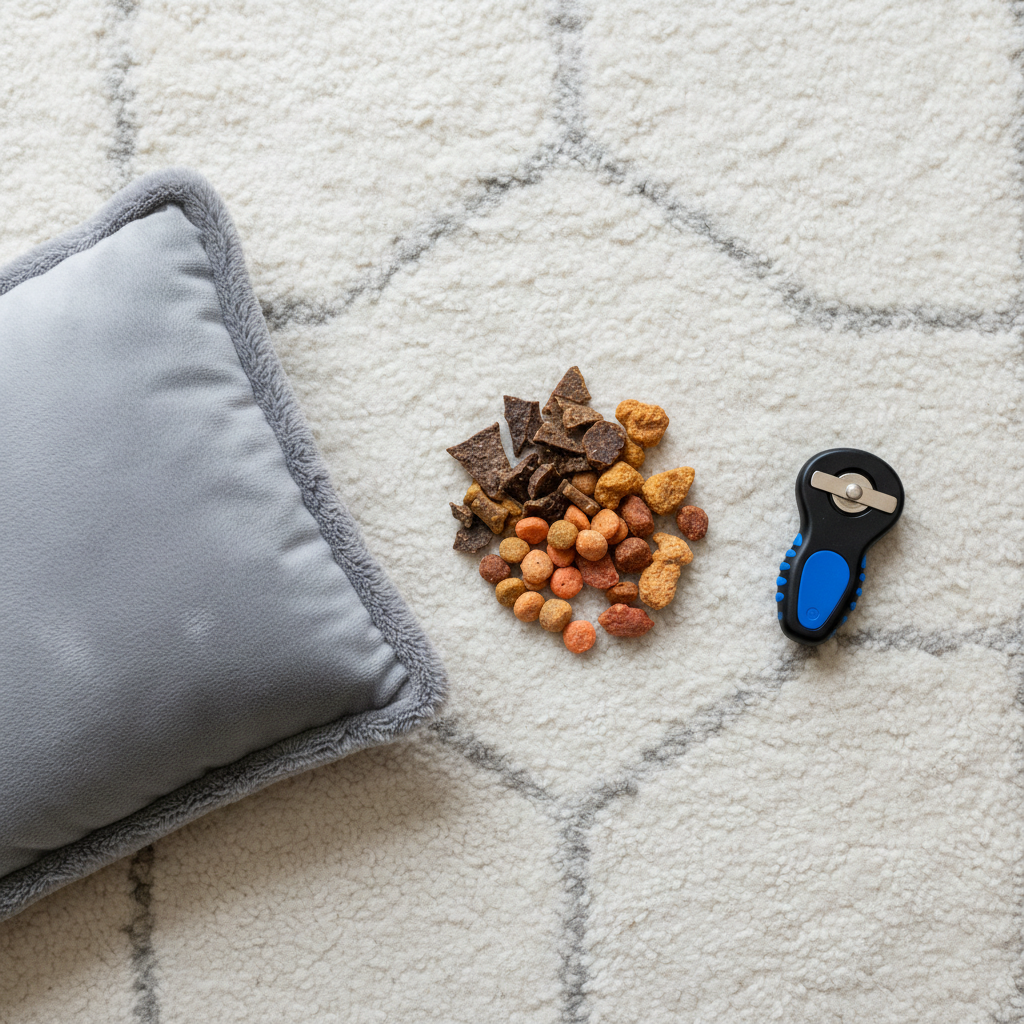
- A Soft Landing Zone: This is non-negotiable. Start on a soft surface like a plush carpet, a thick yoga mat, a dog bed, or even a pile of blankets. Never practice on hardwood, tile, or concrete floors. Safety first, always!
- High-Value Treats: We’re talking top-tier goodies here. Think tiny pieces of boiled chicken, small cubes of cheese, or their absolute favorite store-bought training treats. The reward needs to be exciting enough to make them want to participate.
- A Positive and Patient Attitude: This is the most important tool in your kit. Your dog will pick up on your energy. If you’re stressed or impatient, they’ll be hesitant. Stay calm, be encouraging, and remember to keep sessions short and sweet (5-10 minutes max).
- A Clicker (Optional): If your dog is already clicker-trained, this can be a fantastic tool for marking the exact moment they perform the desired action (like leaning back). If not, a consistent verbal marker like a happy “Yes!” works just as well.
- A Quiet Space: Choose a time and place with minimal distractions. Turn off the TV, put your phone on silent, and ensure other pets or family members aren’t creating a commotion. This will help your little one focus entirely on you.
Once you’ve gathered your supplies and set the mood, you’re ready to begin the foundational steps of this amazing trust-building exercise.
The Step-by-Step Guide to the Perfect (and Safe) Trust Fall
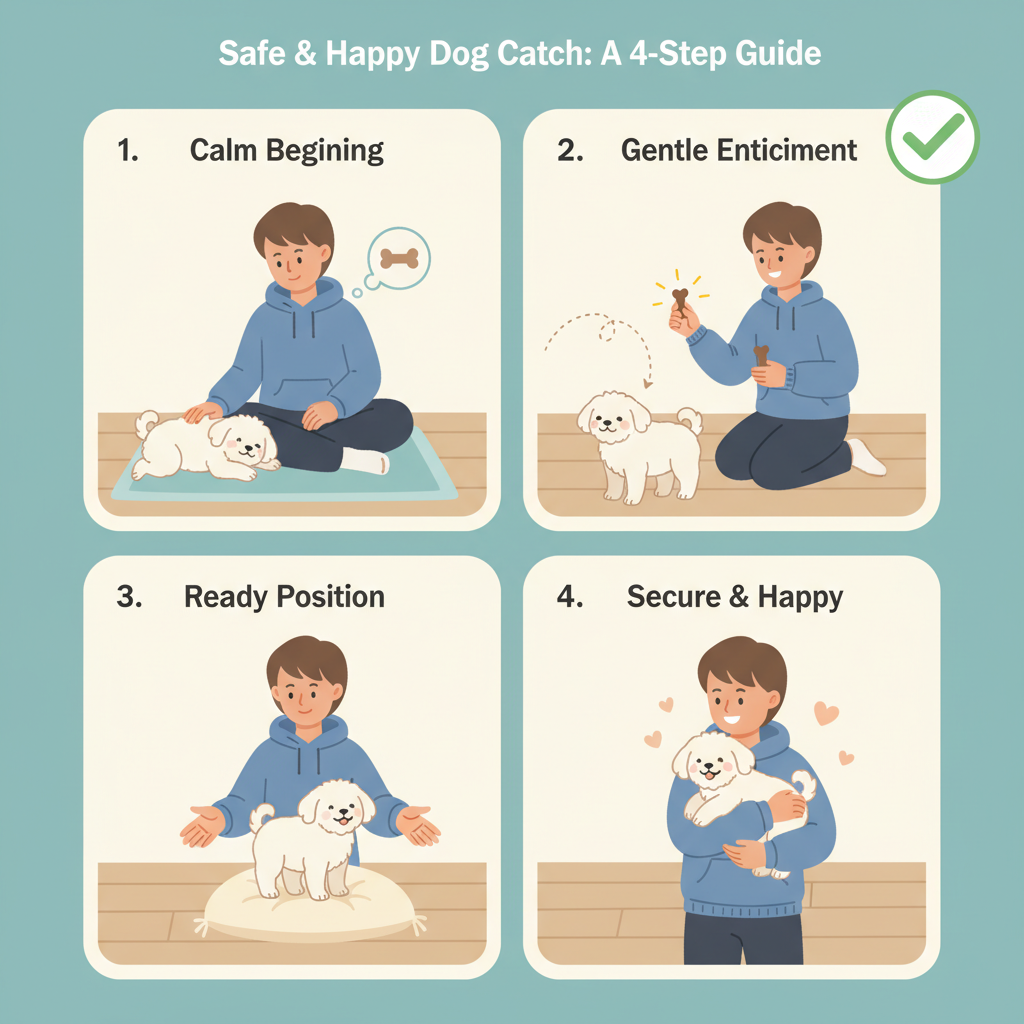
Alright, it’s time for the main event! Remember, the goal here isn’t speed; it’s about building trust brick by brick. Move at your dog’s pace and celebrate every tiny bit of progress. Let’s break it down into easy, manageable steps.
-
Step 1: The Foundation on the Floor
Start with you and your dog sitting on your designated soft surface. Have your dog sit in front of you, facing away. Gently place your hands on their sides or chest. The goal here is just to get them comfortable with your hands in the ‘catching’ position. Reward them with a treat and praise for simply allowing this. Do this a few times until they are completely relaxed.
-
Step 2: Introduce the ‘Catch’
From the same position, gently scoop your dog backward into your lap. Don’t lift them, just slide or rock them back. As soon as their back touches your lap, say “Yes!” or click, and give them a treat. The idea is to associate the backward motion with a positive outcome. Repeat this several times until they seem to anticipate the reward.
-
Step 3: The Tiny Tilt & Verbal Cue
Now, let’s add a cue word. A simple word like “Fall,” “Back,” or “Trust” works well. Sit behind your dog and place one hand on their chest. With your other hand, use a treat to lure their head up and slightly back. The moment they shift their weight backward, even a millimeter, say your cue word, mark it with “Yes!”, and give them the treat. We’re rewarding the tiniest backward lean.
-
Step 4: Elevate, Just a Little
Once your dog is confidently leaning back on the floor, you can introduce a tiny bit of elevation. Have them sit on a low, stable cushion or a folded blanket (no more than a few inches high). You should be kneeling right behind them, with your hands ready in a cradle position. Repeat Step 3, encouraging them to lean back off the cushion into your waiting hands. The ‘fall’ is still very small, but it’s a huge step for them!
-
Step 5: Putting It All Together
As your dog gets more confident, you can gradually increase the height. This might mean moving from a cushion to a low footstool or the bottom step of a carpeted staircase. Never go higher than a height from which you can comfortably and securely catch them. For a small dog, this is typically no higher than your knee level when you are kneeling. Say your cue, let them lean back, and catch them securely every single time, followed by a jackpot of praise and treats. You did it!
Safety First! The Dos and Don’ts of Catching Your Canine
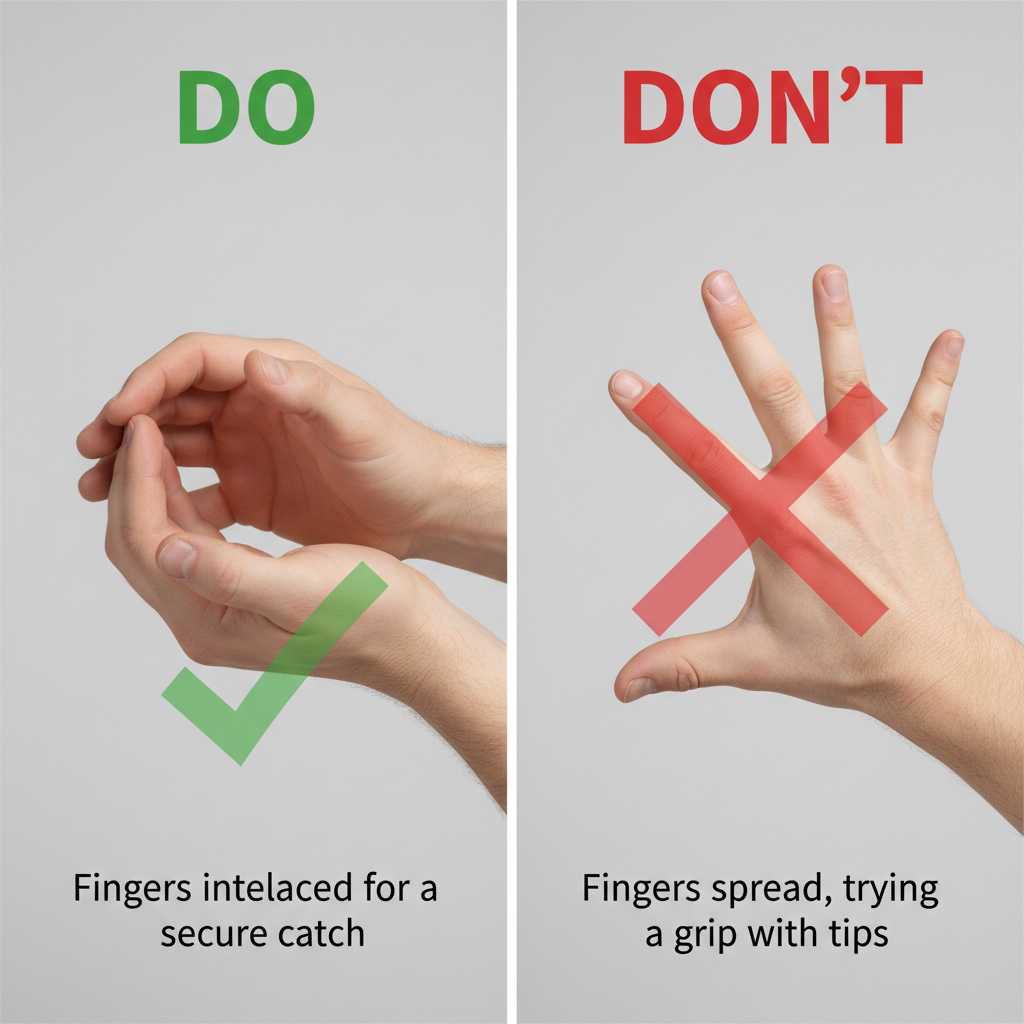
The safety and well-being of your dog are the absolute top priorities. A small dog’s body is delicate, so how you catch them is just as important as how you teach them to fall. It’s crucial to make them feel secure from the start to the finish of the trick. Here’s a clear breakdown of what you should and shouldn’t do.
The DOs (Best Practices) |
The DON’Ts (Common Mistakes to Avoid) |
|---|---|
| Do use a ‘cradle’ catch. Interlace your fingers or cup your hands to create a solid, wide surface area. Aim to catch them across their back and shoulders, not their neck or lower back. | Don’t try to catch them with just your fingertips. This can be unstable and might poke your dog, making the experience unpleasant or even painful. |
| Do keep your eyes on your dog at all times. Be ready and anticipate their movement. Your full attention should be on them for the duration of the trick. | Don’t get distracted or look away, even for a second. A mistimed catch could scare your dog and set your training way back. |
| Do absorb the impact. As you catch them, allow your arms to give a little, like a shock absorber. This makes for a much softer landing. | Don’t have stiff, rigid arms. A hard ‘thud’ against your hands can be jarring and frightening for a small animal. |
| Do keep the height extremely low. For small dogs, the ‘fall’ should be more of a ‘lean.’ Never progress to a height that makes you or your dog uncomfortable. | Don’t ever have your dog perform this from furniture like the back of a couch or a tabletop. This is incredibly dangerous and risks serious injury. |
| Do listen to your dog’s body language. If they seem hesitant, stressed (lip licking, yawning, whale eye), or scared, stop the session and try again another day. | Don’t ever force your dog to do the trick. This is an exercise in trust, and forcing them will shatter that trust completely. |
Troubleshooting Common Wobbles
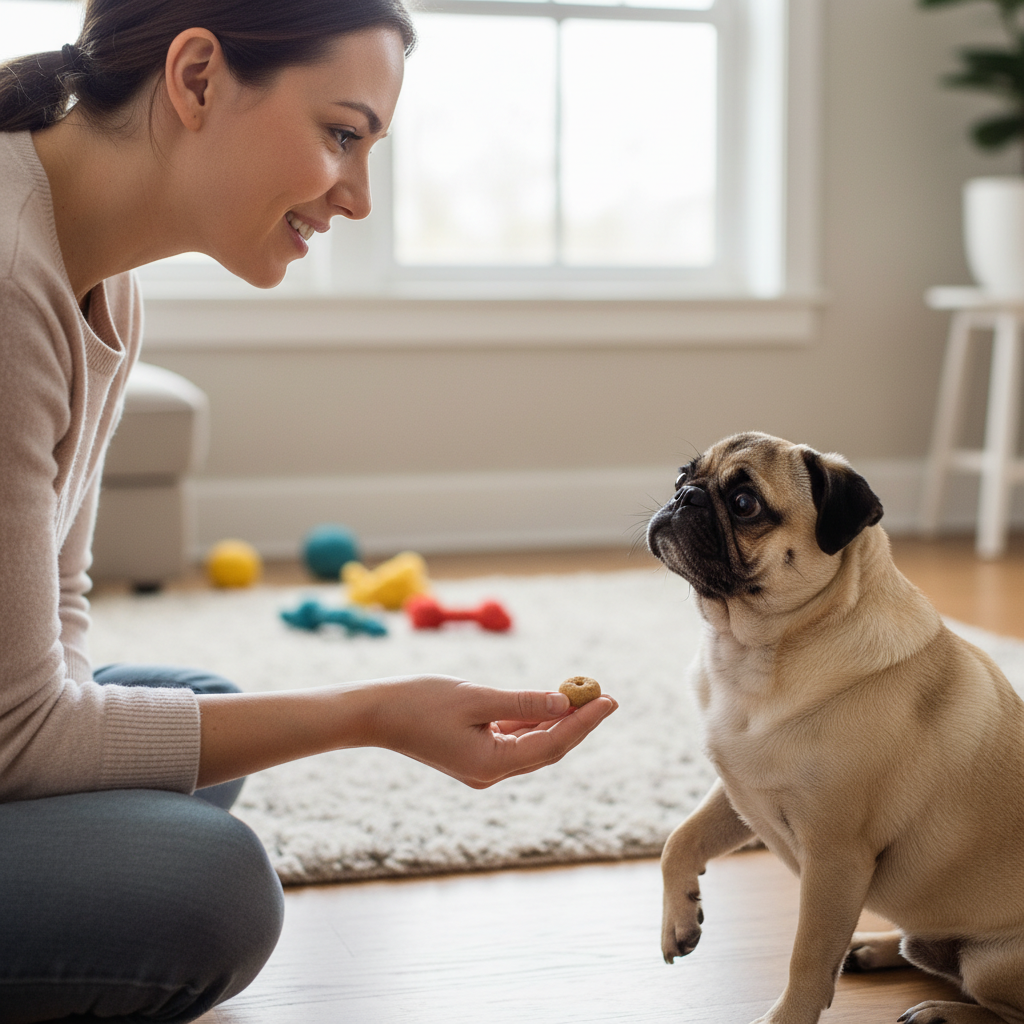
Even with the best preparation, you might hit a few bumps in the road. That’s completely normal in dog training! The key is to stay patient and positive. Here’s how to handle some common challenges you might encounter while teaching the trust fall.
My Dog Won’t Lean Back at All!
This is usually a sign that you’ve moved a little too fast. Go back a step! Spend more time just rewarding your dog for sitting calmly while you have your hands on them. Then, go back to luring with a treat. Make the backward lean so tiny it’s barely perceptible. Reward that! We’re looking for micro-progress. Ensure your reward is super high-value; maybe the treat isn’t motivating enough.
My Dog Twists to the Side to Look at Me.
Ah, the classic ‘What are you doing back there?’ move. This is very common. It means they’re not yet fully comfortable with the sensation of falling backward without seeing where they’re going. To counter this, use your hand on their chest to provide a gentle, stable anchor. Use the treat in your other hand to keep their focus forward and upward. Reward any duration of them looking forward before leaning. It’s a focus game as much as a trust game.
My Dog Did It Once but Now Refuses.
This could be due to a few things. Perhaps the last catch was a bit clumsy, or a sudden noise scared them during the trick. It could also just be that the training session went on for too long and they’re fatigued. Always end on a high note. If they successfully perform the trick, give them a big reward and end the session there. If they are refusing, ask for a simple command they know well, like ‘sit,’ reward that, and end the session. This ensures training always finishes with a positive experience.
Remember: Every dog learns at a different pace. There’s no deadline or competition. The journey of teaching this trick is where the real bonding happens, so enjoy the process and celebrate your dog’s unique personality and pace.
Conclusion
Congratulations! You now have all the tools and knowledge to teach your small dog one of the most heartwarming tricks around. The trust fall is so much more than a cute gimmick; it’s a physical manifestation of the incredible bond you share. It’s a testament to your dog’s faith in you and your commitment to always being their safe place to land.
Remember to always prioritize safety, listen to your dog’s cues, and keep your training sessions bursting with positivity and praise. The final ‘fall’ is a wonderful goal, but the true magic lies in the small moments of connection you build along the way. Now go on, have some fun, and strengthen that beautiful bond with your best little friend. You’ve got this, and they’ve got you!