Does the mere twitch of a squirrel’s tail send your dog into a frenzy, deaf to your desperate calls? If you’ve ever felt that heart-sinking moment when your furry friend locks onto a target and everything else fades away, you know the challenge of a high prey drive. It’s a powerful, instinctual urge that can make off-leash adventures feel more like a stressful gamble than a joy. But what if you could build a recall so strong, so rewarding, that it could interrupt that instinct? It’s not magic; it’s training. This guide is here to walk you through, step-by-step, how to transform your dog’s selective hearing into an instant, enthusiastic return, creating a ‘squirrel-proof’ recall that builds trust and keeps your dog safe.
First Things First: Understanding the Prey Drive Instinct
Why Your Dog Can’t Resist the Chase
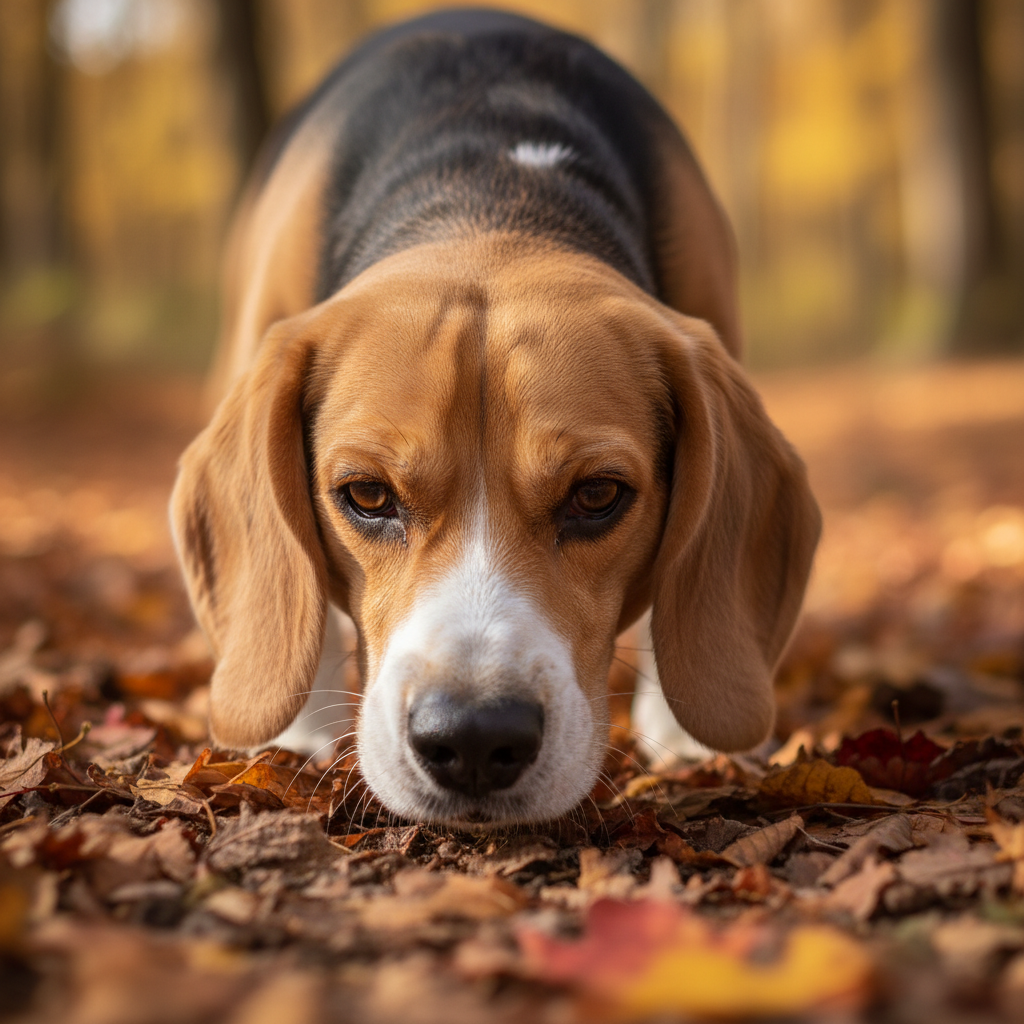
Before we dive into training, let’s have a friendly chat about what’s actually happening in your dog’s brain. Prey drive isn’t a sign of a ‘bad’ or disobedient dog; it’s a deeply ingrained, natural instinct. For thousands of years, dogs were bred for specific jobs, many of which involved hunting. This instinct is a sequence: search, stalk, chase, grab, bite, kill, dissect, consume. For our pet dogs, the sequence is often broken, and they get immense satisfaction simply from the ‘chase’ part.
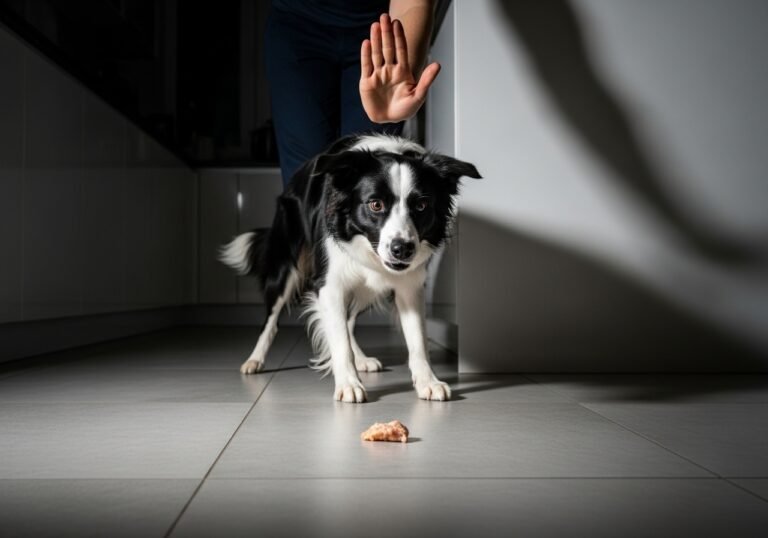
Certain breeds, like Terriers, Sighthounds (Greyhounds, Whippets), and Herding dogs (Border Collies, Australian Shepherds), have this drive in spades. Recognizing that this is an instinct, not a choice to ignore you, is the first step. We’re not trying to erase the drive—we can’t! Instead, our goal is to manage it and teach our dogs that checking in with us is the most rewarding choice they can make.
Expert Tip: Never punish your dog for their prey drive. This can create fear and anxiety, making them less likely to come back to you in the future. We want our recall to be the best party in the park, something they can’t wait to get back to!
Signs of a High Prey Drive Dog:
- Intense focus on small, fast-moving objects (squirrels, cats, birds, leaves).
- Tendency to stalk, chase, and pounce.
- Difficulty disengaging once ‘locked on’ to a target.
- May shake toys vigorously as if they were prey.
Gearing Up for Success: Your Recall Training Toolkit
Setting the Stage for a Winning Recall
Having the right equipment is like having the right ingredients for a recipe—it makes the whole process smoother and safer. Before you start, let’s gather your toolkit. This isn’t about fancy gadgets; it’s about setting you and your dog up for success from day one.
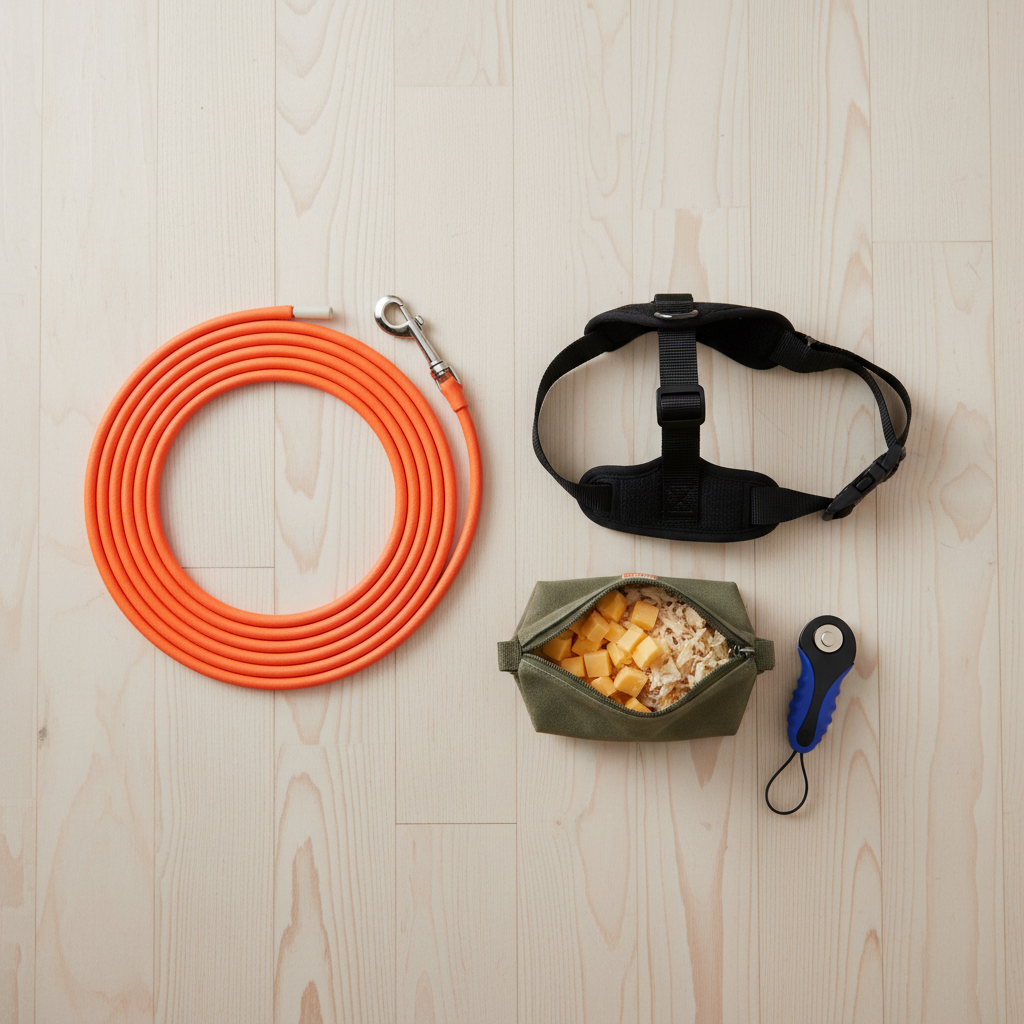
Your Essential Gear:
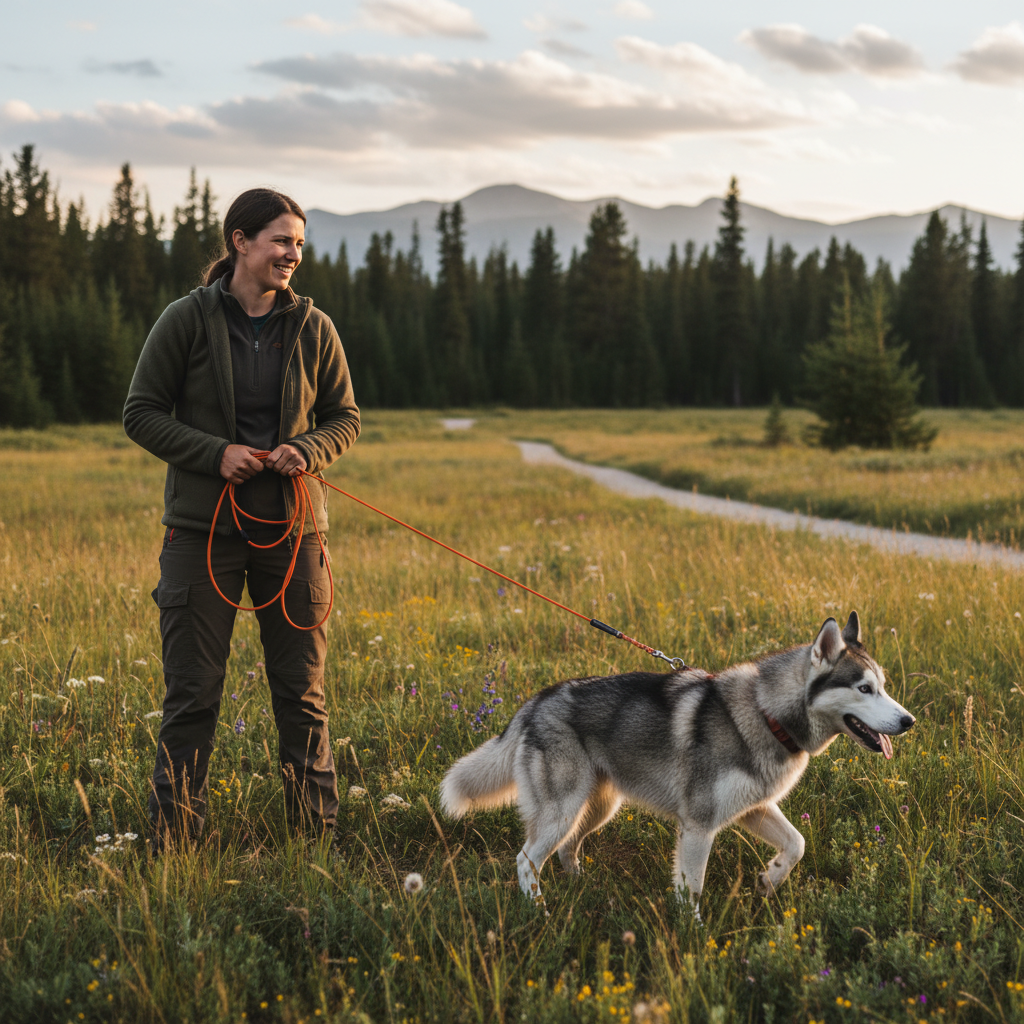
- A Long Line (15-30 feet): This is your most important safety tool. It’s not a leash for walking; it’s a lifeline that gives your dog a sense of freedom while ensuring you always have control. Avoid retractable leashes, as they can teach dogs to pull and don’t offer reliable control.
- A Comfortable Harness: Attach the long line to a well-fitting back-clip harness. This prevents any sudden jolts to your dog’s neck if they do bolt unexpectedly.
- High-Value Treats: We’re talking top-shelf stuff! Your dog’s everyday kibble won’t cut it when competing with a squirrel. Think small pieces of real chicken, cheese, hot dogs, or smelly training treats. The goal is to have something so irresistible your dog would do anything for it.
- A Special Recall Cue: Choose a word or sound you will only use for this training. Avoid using ‘Come!’ if it’s already been overused or associated with negative things (like leaving the dog park). Try ‘Here!’, ‘Touch!’, or a unique whistle sound.
- A Clicker (Optional but Recommended): A clicker is a fantastic tool for marking the exact moment your dog does the right thing—turning back towards you. It provides clear, precise communication.
Pro Tip: Create a ‘treat hierarchy’. Know what your dog’s absolute favorite, can’t-resist-it food is. Save that special treat *only* for recall practice to keep it novel and extra rewarding.
Step-by-Step Guide: Building a Rocket-Fast Recall
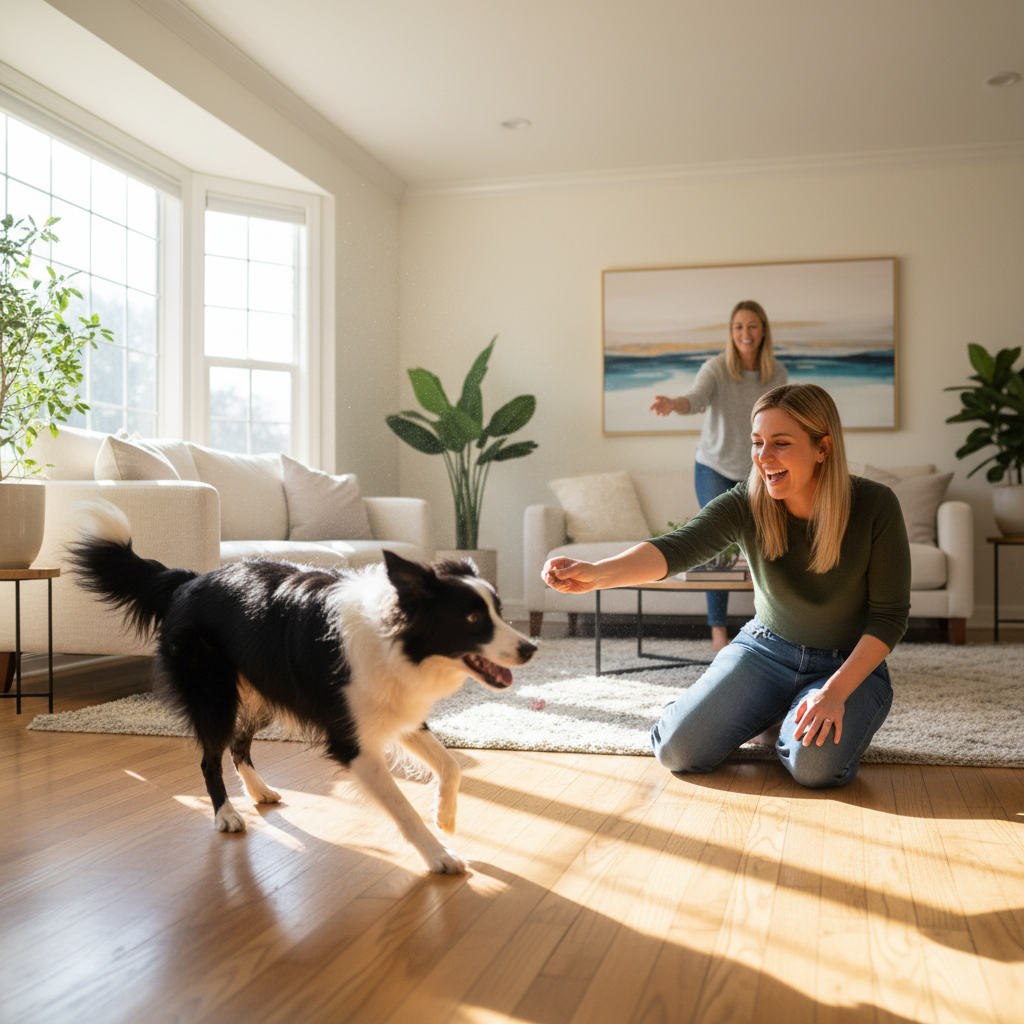
Phase 1: The Foundation (Indoors, No Distractions)
We start in the easiest place possible: your living room. The goal here is to teach your dog that your recall cue is the best word in the world. It predicts amazing things!
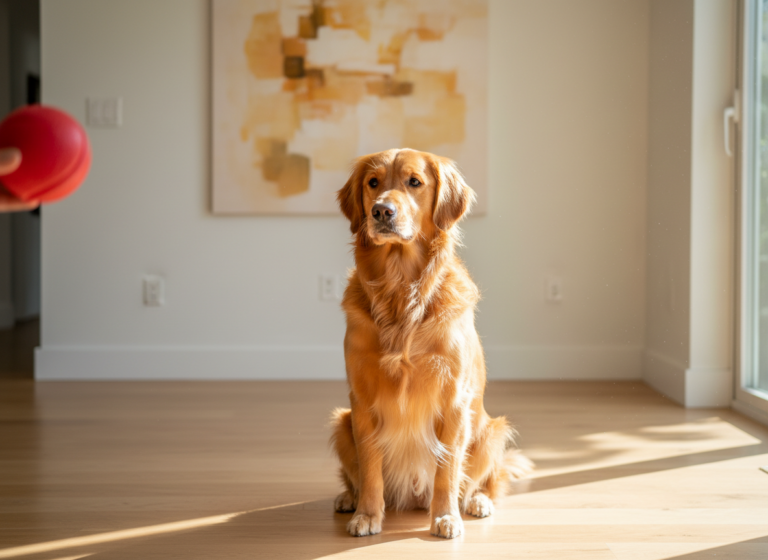
- Charge the Cue: With your dog near you, say your special recall word in a happy, excited tone (e.g., ‘Here!’). The moment they look at you, mark it with a ‘Yes!’ or a click, and give them a super high-value treat. Repeat this 5-10 times. We’re just building a positive association.
- The ‘Ping-Pong’ Game: You’ll need a partner for this. Stand a few feet apart. One person calls the dog with the happy cue. When the dog arrives, shower them with praise and treats. Then, the other person calls them. Gradually increase the distance between you as your dog gets the hang of it. Make it a fun, fast-paced game!
- Recall from a Different Room: Once the ‘ping-pong’ game is solid, try calling your dog when they’re in another room and can’t see you. When they come running to find you, throw a treat party! This teaches them to seek you out when they hear the cue.
Phase 2: Moving to the Backyard (Low Distractions)
Now, let’s take it outside to a secure, fenced-in area. The smells and sounds are a slight step up in distraction.
- Attach the Long Line: Even in a fenced yard, start with the long line. This keeps your training habits consistent and safe for when you move to open areas.
- Practice on the Long Line: Let your dog wander a bit. When they are slightly distracted (sniffing a patch of grass), call them with your excited cue. The moment they turn their head towards you, use encouraging words (‘Good boy! Keep coming!’). When they reach you, reward them lavishly.
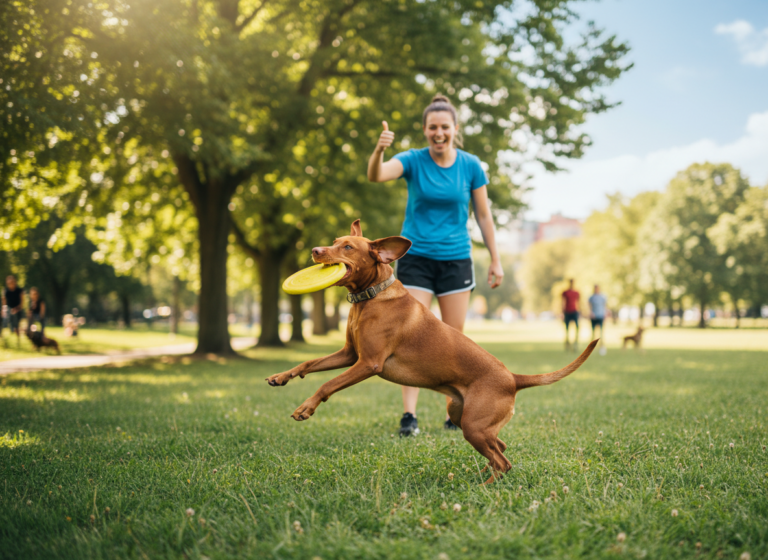
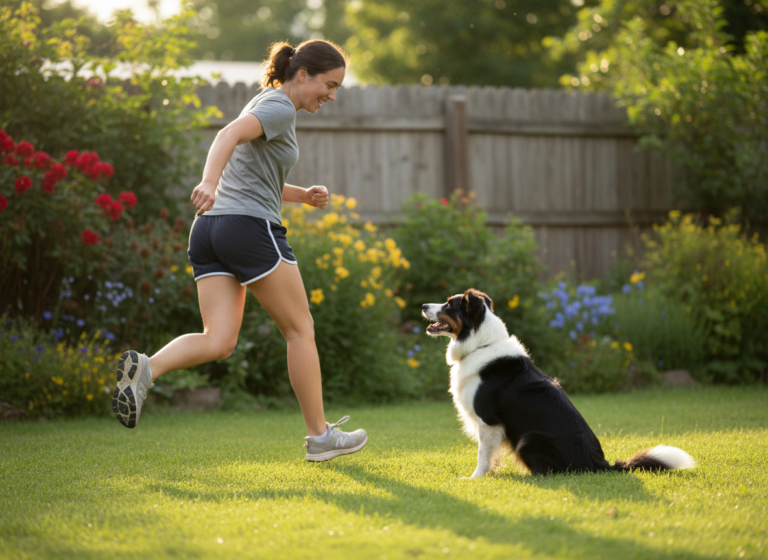
- Add Movement: Don’t just stand still! As you call your dog, take a few quick steps backward or even jog away. This triggers their natural instinct to chase you, making the game even more fun.
Crucial Rule: Never call your dog to you for something they perceive as negative, like a bath, nail trim, or leaving the park. This will poison your recall cue. If you need them for something unpleasant, just go and get them.
Proofing the Recall: Conquering Real-World Distractions
This is Where the Real Magic Happens
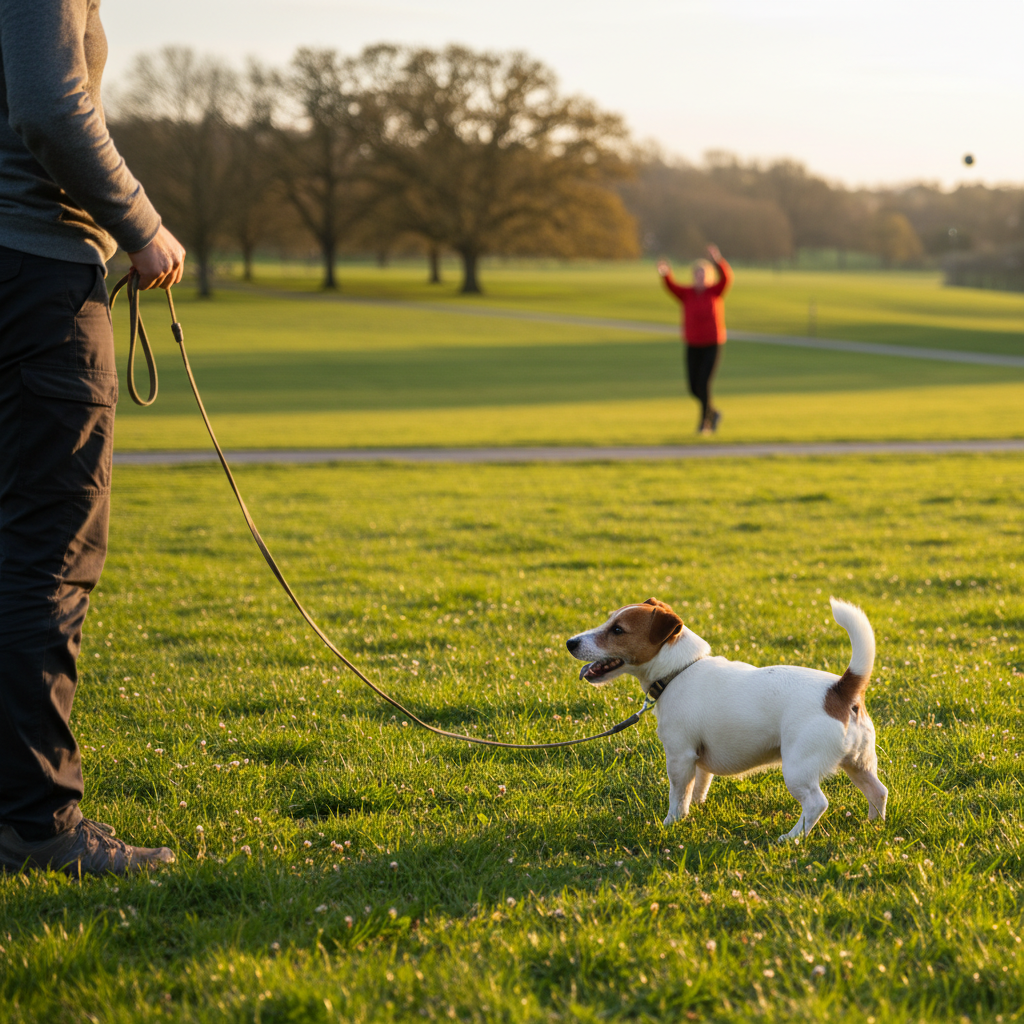
Your dog’s recall is solid in the backyard. Now it’s time to ‘proof’ the behavior, which means methodically teaching them that the cue works everywhere, no matter what’s going on. This is the most critical and longest phase. Patience is your best friend!
Step 1: Introducing Controlled Distractions
We need to increase the difficulty, but slowly and in a way we can control. Always keep your dog on the long line during this phase.
- The Boring Toy: Go to a quiet park. Have a friend stand at a distance with a boring toy. Call your dog. If they come to you, they get the jackpot reward. If they start to go for the toy, use the long line to gently prevent them from reaching it and cheerfully encourage them back to you.
- The Rolling Ball: Once they can ignore a stationary toy, have your friend gently roll a ball. The movement adds a new level of temptation. Start with slow rolls and gradually increase the speed. Your dog’s reward for coming to you must always be better than the distraction.
- The Human Distraction: Practice in a park where people are walking in the distance. The goal is for your dog to remain focused on you despite other humans being present.
Step 2: The Squirrel Setup
Yes, we can even set up controlled squirrel scenarios! Find a park where you know squirrels hang out. Go during a quiet time of day.
- Find the Threshold: Start at a very far distance from the squirrel—far enough that your dog notices it but isn’t completely ‘over the edge’ and frantic. This is their ‘threshold’.
- Practice Below Threshold: From this safe distance, practice your recall games. Let them look at the squirrel, then call them back to you for a super high-value reward. We are teaching them they can see the squirrel and still engage with you.
- Decrease the Distance (Slowly!): Over many sessions, gradually decrease the distance to the distraction. If at any point your dog can’t respond to their name, you’ve moved too close, too fast. Simply increase the distance again and work at that easier level until they are successful.
Remember: Every successful recall, especially in the face of distraction, is a huge deposit in your trust bank. Every time they ignore you and get to chase, it’s a massive withdrawal. Our goal is to make more deposits than withdrawals.
Troubleshooting: What to Do When Things Go Wrong
Common Hiccups and How to Fix Them
Training is never a perfect, straight line. There will be bumps in the road. The key is to know how to navigate them without getting discouraged. Here are some common issues and how to handle them.
| Problem | Reason & Solution |
|---|---|
| My dog looks at me, then ignores my call. | The distraction is too high, or the reward isn’t valuable enough. Solution: Increase the distance from the distraction to lower the difficulty. At the same time, increase the value of your reward. Are you using kibble when you should be using real chicken? Make the choice to come to you a no-brainer. |
| My dog runs away from me when I call them. | This often happens if the dog thinks the recall cue means ‘the fun is over’. It can also be a game of ‘keep away’. Solution: Never chase your dog. Instead, turn it into a game by running in the opposite direction, calling them excitedly. Their chase instinct will kick in, but this time, they’re chasing you! Also, make sure you aren’t only calling them to leave the park. Practice random recalls during a walk, reward them, and then release them to play again. |
| My dog takes forever to come back. | This is called a ‘slow recall’. They’re weighing their options. Solution: Don’t repeat the cue. Say it once, clearly and happily. If they don’t respond immediately, make yourself more exciting. Crouch down, make silly noises, run away. When they finally do get to you, reward them, but perhaps not with the super-jackpot. Reserve the biggest parties for the fastest responses. |
| What if my dog actually chases the squirrel? | It will happen. The long line is your safety net. Solution: Do not yell or scold them. The long line will prevent them from reaching their goal. When they feel the line tighten, they will likely pause. In that moment of pause, use your happy recall cue. When they turn back, praise them enthusiastically and reward them for making the right choice to re-engage with you. Turn a mistake into a learning opportunity. |
Conclusion
Patience, Consistency, and Celebration: Your Path to Off-Leash Freedom
Training a squirrel-proof recall is a marathon, not a sprint. It requires dedication, an understanding of your dog’s instincts, and a big bucket of patience. But the payoff is immeasurable. It’s the confidence to know your dog will choose you over the most tempting distraction. It’s the freedom of exploring trails together, knowing you have a reliable connection. And most importantly, it’s about building a bond of trust and communication that deepens your relationship in every way.
Remember to celebrate the small victories—the moment their ear twitches in your direction, the split-second decision to turn away from a fluttering leaf. These are the building blocks of a truly bombproof recall. Keep your training sessions short, fun, and overwhelmingly positive. Before you know it, you’ll have a dog that not only comes when called but does so with a happy heart and a wagging tail, proving that you are, and always will be, the most exciting thing in their world.