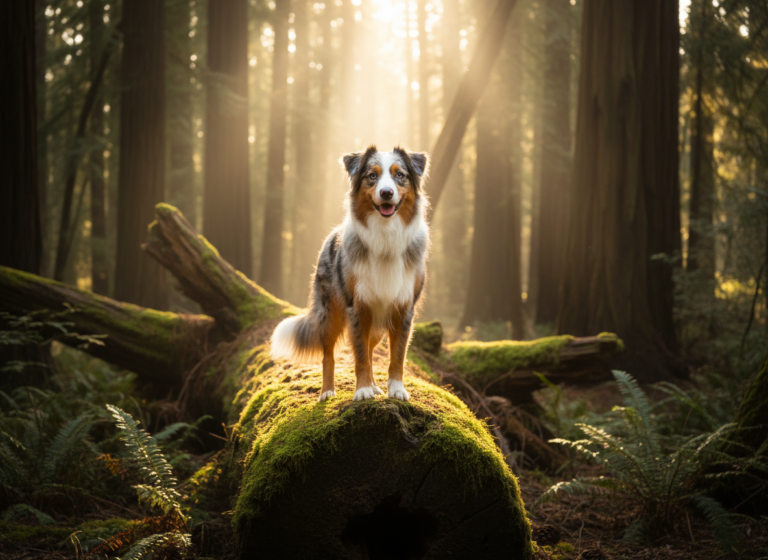
We’ve all seen them: those picture-perfect vacation photos that flood our social media feeds. But for pet owners, the ultimate travel snap includes our four-legged best friend. If you’re looking for a unique and utterly charming photo op that screams ‘ready for adventure,’ look no further! Teaching your dog to hop into a suitcase is not only an incredible trick for a photo but also a fantastic enrichment activity that strengthens your bond.
Forget awkward poses or trying to get your dog to sit still next to your luggage. This fun trick puts them right in the center of the action. It’s a safe, positive training game that uses your dog’s natural curiosity. In this guide, we’ll walk you through everything you need to know, from the first curious sniff to the final, triumphant ‘click’ of the camera. So, grab some treats, pick out your most photogenic suitcase, and let’s get ready to create a memory you’ll cherish forever!
Getting Started: Gear Up for a Successful Training Session
Getting Started: Gear Up for a Successful Training Session
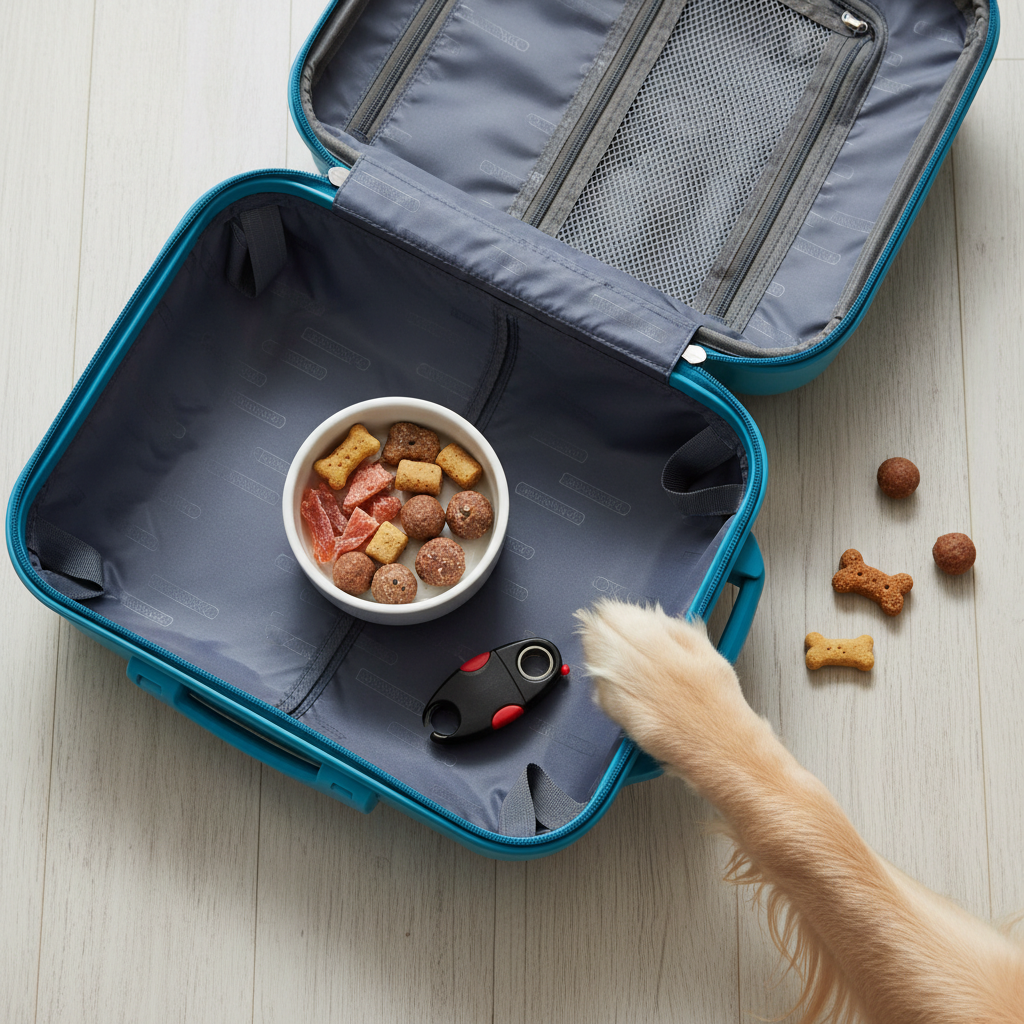
Before you and your furry student embark on this training adventure, it’s best to gather a few key supplies. Having everything ready beforehand ensures the session runs smoothly and keeps your dog engaged and happy. Think of it as packing for your training journey!
What You’ll Need:
- A Sturdy, Stable Suitcase: This is your main prop! Choose a suitcase that is stable and won’t tip over when your dog gets in. A hard-shell suitcase laid on its side or a wide-bottomed duffel bag with the top open works great. For smaller dogs, a carry-on size is perfect. The key is safety and stability. Make sure it doesn’t wobble!
- High-Value Treats: We’re talking about the good stuff! Standard kibble might not be motivating enough for a new trick. Think small, soft, and smelly treats like tiny pieces of cooked chicken, cheese, or commercial training treats that your dog absolutely loves. You’ll need plenty, so have them ready in a treat pouch or a small bowl.
- A Clicker (Optional but Recommended): A clicker is a fantastic tool for marking the exact moment your dog does the right thing. This precision helps your dog understand what behavior earned them the reward. If you’ve never used a clicker, don’t worry! You can use a consistent verbal marker like a happy “Yes!” instead.
- A Comfortable, Quiet Space: Choose a training area with minimal distractions. Your living room or any spacious area where your dog feels comfortable is ideal. A non-slip surface, like a rug or carpet, can help your dog feel more secure as they interact with the suitcase.
- Patience and a Positive Attitude: This is the most important tool in your kit! Every dog learns at a different pace. Keep the sessions short (5-10 minutes max), fun, and always end on a positive note. Your upbeat energy is contagious and will make your dog excited to learn.
Expert Tip: Before you even begin training, just leave the open suitcase on the floor for a day or two. Let your dog sniff it, walk around it, and get used to its presence without any pressure. You can even toss a few treats inside it when they aren’t looking to build a positive association from the get-go!
The Step-by-Step Training Plan: From Curious Sniff to Confident Sit
The Step-by-Step Training Plan: From Curious Sniff to Confident Sit
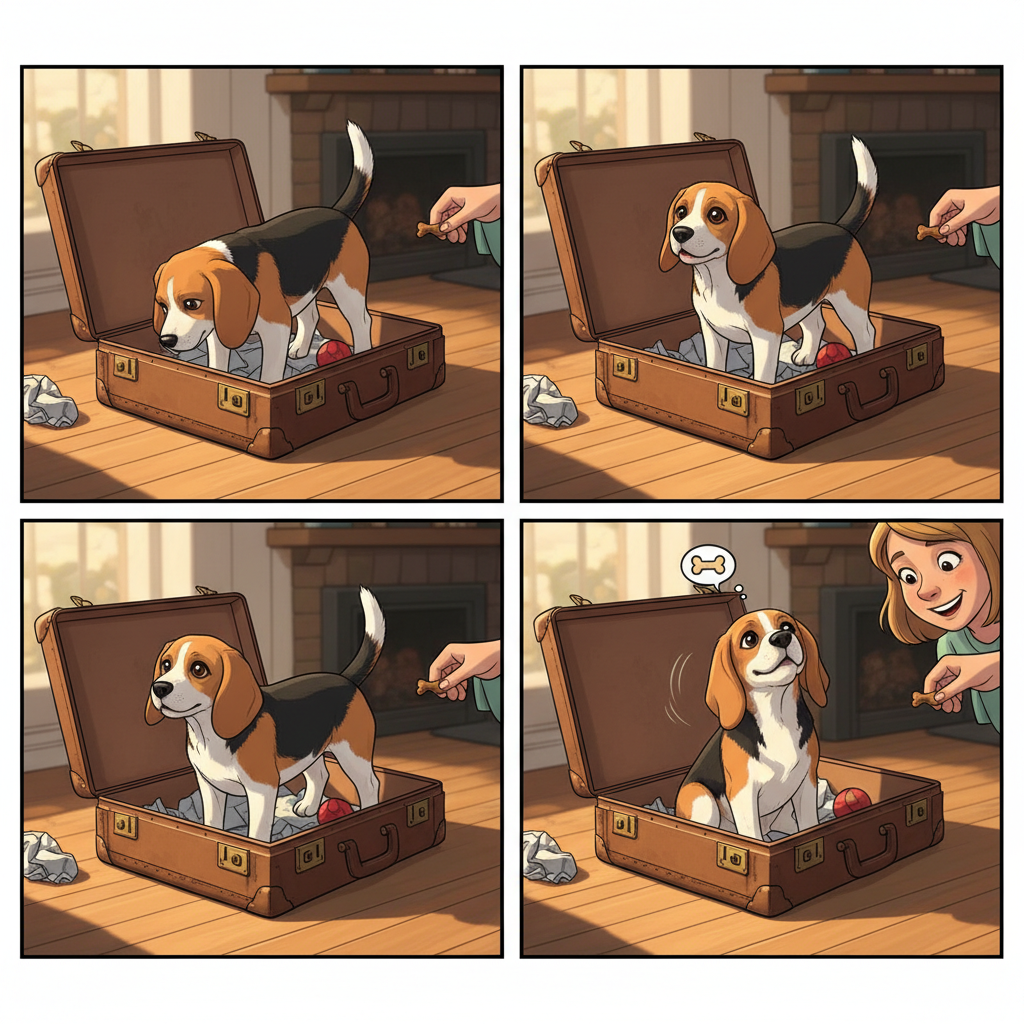
Alright, you’ve got your gear and your enthusiastic pup. Now, it’s time for the fun part! We’re going to break this trick down into tiny, achievable steps. This method, called ‘shaping,’ allows your dog to build confidence and understand the goal without feeling overwhelmed. Remember to click (or say “Yes!”) for each small success and follow it immediately with a treat.
-
Step 1: Make the Suitcase a Treat Dispenser
Place the open suitcase on the floor. Without saying anything, toss a high-value treat inside. Let your dog see you do it. Their natural curiosity will lead them to investigate. When they stick their head inside to get the treat, click/”Yes!” and praise them. Repeat this 5-10 times. The goal here is simple: Suitcase = Awesome Things Happen.
-
Step 2: Reward Any Interaction
Now, wait for your dog to offer a behavior. They might sniff the suitcase, touch it with their nose, or place a paw on the edge. The moment they interact with it in any way, click/”Yes!” and give them a treat. We are rewarding their curiosity and willingness to engage with this strange new object.
-
Step 3: Encourage One Paw In
Hold a treat in your hand and use it as a lure. Guide your dog’s nose towards the inside of the suitcase. To reach the treat, they will likely have to place a paw inside. The very second that paw touches the inside of the suitcase, click/”Yes!” and give them the treat. Don’t worry about getting their whole body in yet. We’re just celebrating that one small step!
-
Step 4: Luring Two Paws, then All Four
Once your dog is confidently putting one paw in, start luring them a little further. Hold the treat deeper inside the suitcase so they have to put both front paws in to reach it. Click/”Yes!” and reward. After they master this, continue the process by luring them all the way in. When all four paws are inside the suitcase, even for a split second, throw a ‘jackpot’ – a small handful of treats! This big reward tells them they’ve done something amazing.
-
Step 5: Building Duration
Now that your dog is getting all four paws in, we want to teach them to stay there for a moment. Lure them in, and instead of clicking the second they enter, wait one second. Then click/”Yes!” and treat. Gradually increase the time they need to stay inside before the click and treat – one second, then two, then five. Keep it short and successful.
-
Step 6: Adding the Verbal Cue
Your dog is now reliably getting into the suitcase and staying for a few seconds. It’s time to name this behavior! Just as your dog is about to hop in, say your chosen cue in a happy, clear voice. Good cues are short and distinct, like “Pack up!”, “Suitcase!”, or “Get in!”. Say the cue, lure them in, then click/”Yes!” and reward. After several repetitions, try saying the cue without luring. If they do it, celebrate with a huge jackpot!
-
Step 7: Fading the Lure
The final step is to remove the hand lure. Start by using an empty hand to gesture towards the suitcase as you give the cue. When they hop in, reward them generously. Gradually make your hand gesture smaller and smaller, until your dog responds to the verbal cue alone. Congratulations, you’ve done it!
Troubleshooting: When Your Pup Says ‘No Thanks!’
Troubleshooting: When Your Pup Says ‘No Thanks!’
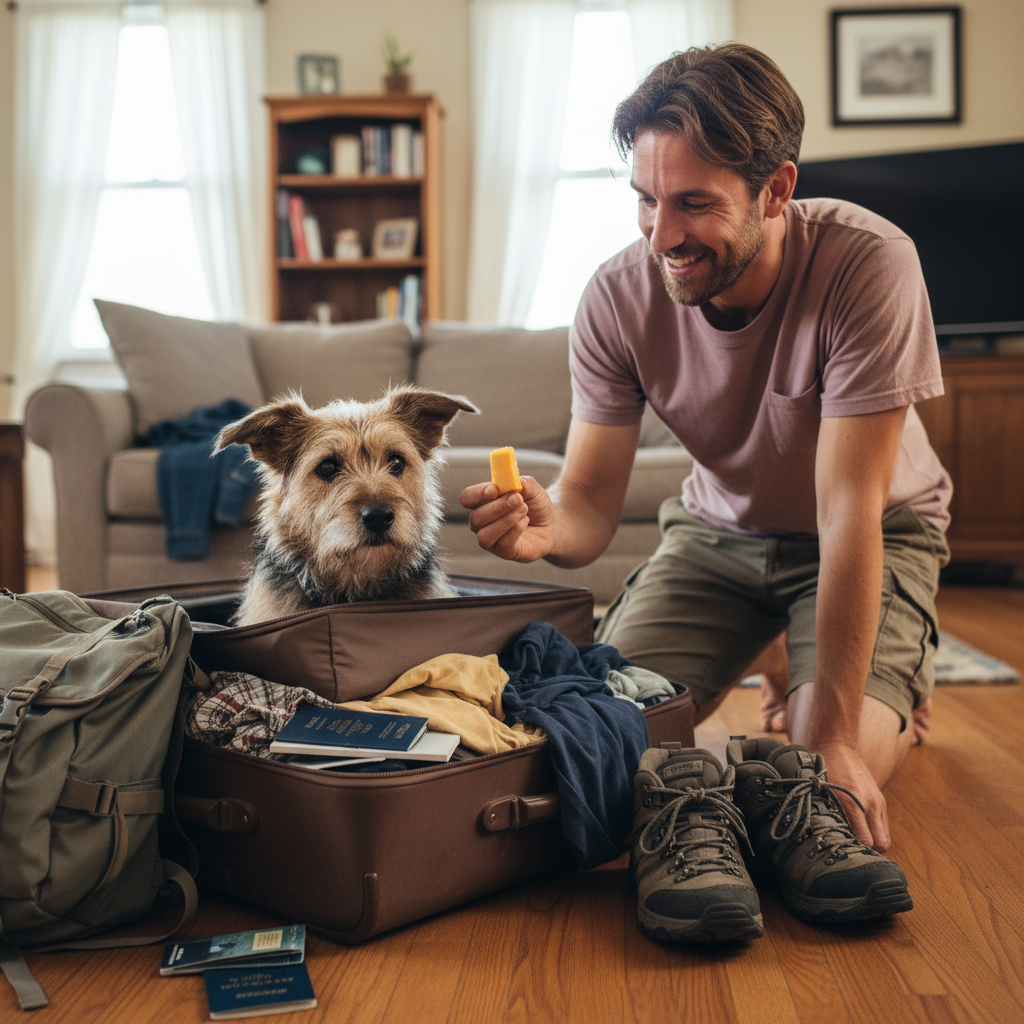
Sometimes, even with the best treats and happiest voice, our dogs get stuck or confused. That’s completely normal! Dog training is never a straight line. If you hit a roadblock, don’t get discouraged. Here are some common challenges and how to navigate them with patience and positivity.
My Dog is Scared of the Suitcase
If your dog seems wary, anxious, or avoids the suitcase altogether, it means you need to slow down and build a stronger positive association. The suitcase might be a new, strange-smelling object in their territory.
- Solution: Go back to step one and make the suitcase the best place on earth. Don’t ask for any interaction. Simply leave it open in the room and randomly drop super high-value treats (like tiny bits of steak or hot dog) inside when your dog is in another room. Let them ‘discover’ these amazing treasures on their own. This changes the suitcase from a scary object to a magical source of goodies. Do this for a few days before attempting any active training.
My Dog Puts Their Front Paws In, But Not Their Back Paws
This is a very common hurdle! It’s a lower commitment for a dog to just lean in. Getting those back feet over the edge requires more confidence and physical effort.
- Solution: Check the suitcase’s stability. If it wobbles when they put their weight on it, they won’t feel safe enough to go all the way in. Try placing heavy books in the bottom (under a blanket) to weigh it down. You can also try using a different, lower-sided suitcase or even an open cardboard box to start. Additionally, make the reward for getting all four paws in extra special. The moment those back feet land inside, give them a jackpot of treats to communicate that this is the behavior you were looking for.
My Dog Jumps Out Immediately
Excitement can sometimes lead to a dog hopping in and right back out. They’ve done the thing, now where’s the treat? Our goal is to teach them that staying inside is part of the trick.
- Solution: This is where you focus on ‘building duration.’ Arm yourself with a handful of tiny treats. Lure your dog in, and the moment they are in, start feeding them a slow, steady stream of tiny treats, one after another, while they remain in the suitcase. This is called ‘rapid-fire treating.’ Do this for 3-5 seconds, then use a release word like “Okay!” and toss a treat outside the suitcase to encourage them to get out. This teaches them that staying in the suitcase is highly rewarding, and they only get to leave when you say so.
Remember the Golden Rule: If your dog is failing more than they are succeeding, the step is too hard. Take a step back to the last point where they were successful and work from there. Training should always be a confidence-builder, not a test!
Safety First! Important Rules for This Photo Op
Safety First! Important Rules for This Photo Op
We’re teaching a super cute trick, but our dog’s safety and comfort are always the number one priority. This trick is strictly for a supervised photo opportunity and never for actual travel. Let’s go over the essential safety rules to ensure this remains a fun and positive experience for everyone.
This is a Trick, Not a Travel Method
It cannot be stressed enough: Never, ever close the lid of the suitcase with your dog inside. Not even for a second. This is incredibly dangerous and could be terrifying for your dog, potentially causing physical harm and creating a lasting negative association with the suitcase and other enclosed spaces. This trick is about posing in an open suitcase.
Choose a Stable and Safe Suitcase
As mentioned earlier, stability is key. Before you even start training, test the suitcase yourself. Push on it from all angles. Can it tip over easily? If so, it’s not the right one. A dog that has a suitcase tip over on them will likely be scared of it for a very long time. Ensure there are no sharp zippers or tags inside that could poke or scratch your pet.
Always Supervise
Never leave your dog unattended in or around the suitcase. They could try to get out awkwardly and injure themselves. Your full attention should be on your dog throughout the training and the photoshoot.
Keep Training Sessions Short and Sweet
Dogs, especially puppies, have short attention spans. Keep your training sessions brief, around 5-10 minutes once or twice a day. Always end on a high note, with a successful repetition or a fun game. If you or your dog starts to get frustrated, it’s time to take a break. This should feel like a game, not a chore.
Comfort is Queen (and King)!
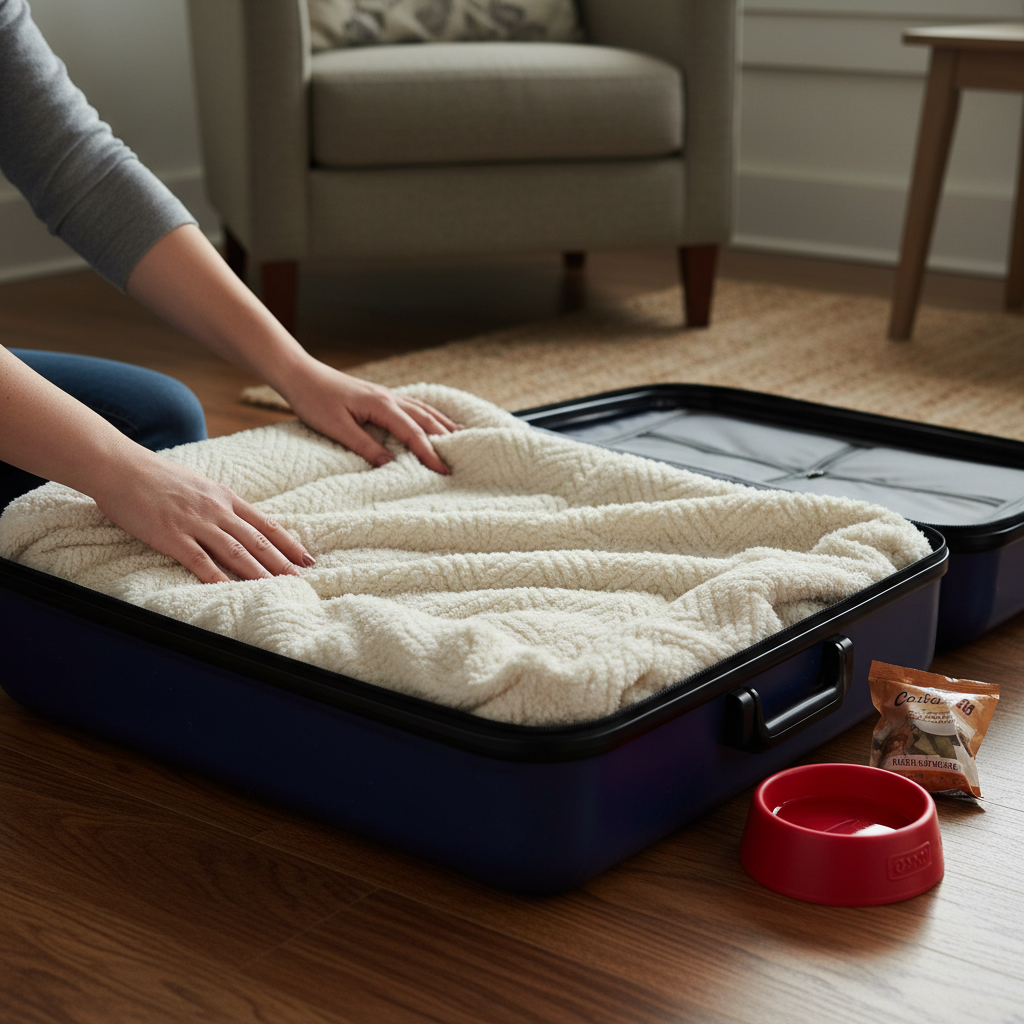
Make the suitcase an inviting place to be. Line the bottom with a soft, familiar blanket or bed. This not only makes it more comfortable but also provides better footing. On a hot day, be mindful of the material. A dark, hard-shell suitcase sitting in the sun can get very hot, very quickly.
| Safety Check | Why It’s Important | How to Do It |
|---|---|---|
| Never Close the Lid | Prevents suffocation, panic, and injury. This is non-negotiable. | Keep the lid fully open and out of the way during all interactions. |
| Ensure Stability | Prevents the suitcase from tipping over and frightening or injuring your dog. | Use a wide-bottomed suitcase or weigh it down. Test its stability before use. |
| Constant Supervision | Allows you to intervene if your dog is struggling or unsafe. | Never walk away or get distracted while your dog is in the suitcase. |
| Keep It Comfortable | Encourages a positive association and ensures physical comfort. | Line the suitcase with a soft blanket and check for sharp edges or hot surfaces. |
Picture Perfect: Tips for Nailing the Photoshoot
Picture Perfect: Tips for Nailing the Photoshoot
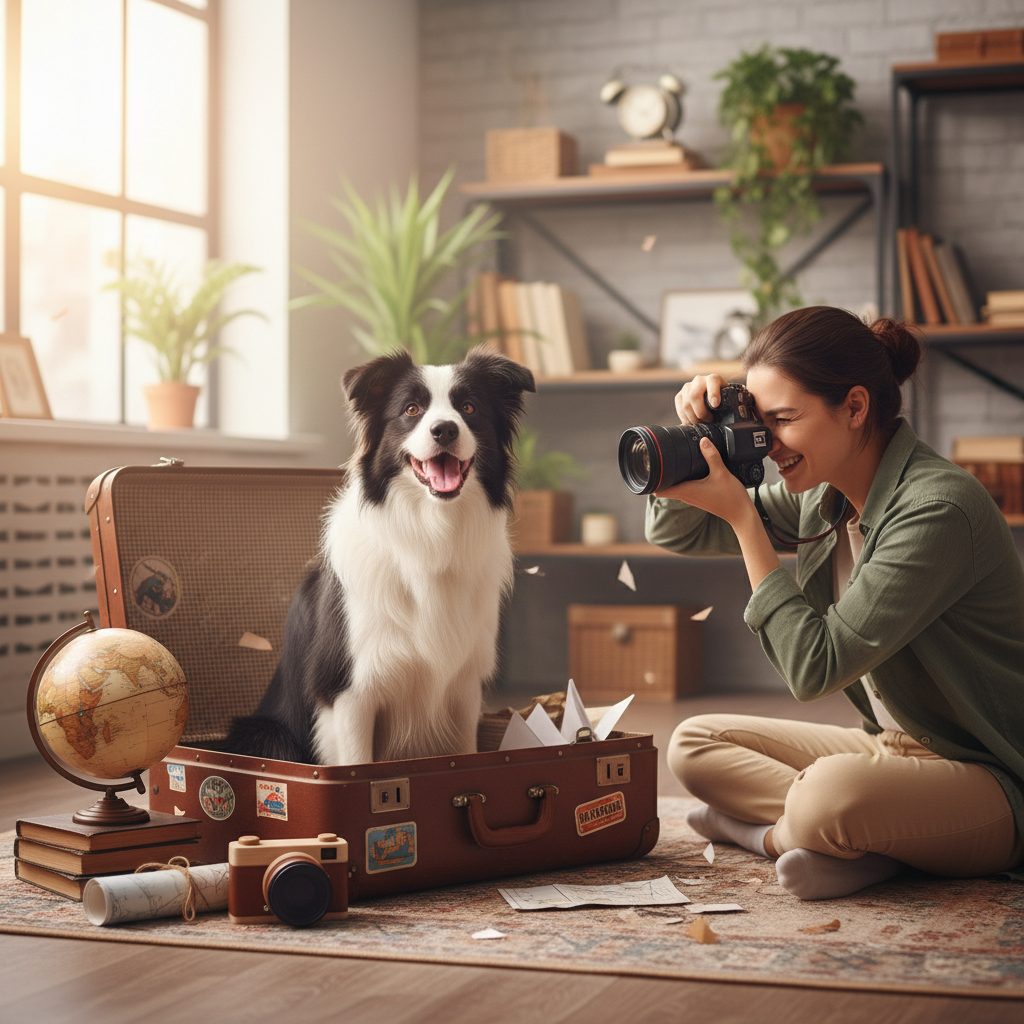
You’ve both done the hard work, and your pup is hopping into their suitcase like a seasoned pro. It’s time for the grand finale: the photoshoot! Capturing that perfect shot requires a little more than just pointing and shooting. Here’s how to set the stage for a frame-worthy photo.
Set the Scene
Think about the story you want your photo to tell. Are you going on a tropical vacation or a rustic mountain retreat? Stage the area around the suitcase with a few simple props.
- Travel Props: A dog-sized pair of sunglasses, a cute bandana, a passport toy, or a little travel tag attached to their collar can add a ton of personality.
- Background: A clean, uncluttered background keeps the focus on your adorable subject. You could also use a world map, a globe, or some houseplants to create a travel-themed backdrop.
Get the Lighting Right
Good lighting is the secret to a great photo. Natural light is your best friend. Set up your photoshoot near a large window or even outside in a shaded area (to avoid harsh shadows). Turn off overhead artificial lights, which can cast a yellow, unflattering glow. If you’re shooting in the evening, have someone hold a lamp or light source to illuminate your dog’s face.
Master the Art of the ‘Puppy Paparazzi’
Getting your dog to look at the camera with that sparkling, happy expression can be a challenge. Here are a few tricks:
- The Squeaky Toy: Have an assistant (or use your free hand) to hold a favorite squeaky toy right above the camera lens. A quick squeak will usually get you a perfect head tilt and attentive ears.
- The Treat Trick: Hold a high-value treat near the lens. Your dog’s focused, hopeful expression can be incredibly cute.
- Use Their Name: Call their name in a happy, excited tone of voice to get them to look up at you.
Get Down on Their Level
Don’t take the photo from a standing position looking down. This angle is rarely flattering. Get down on the floor so the camera is at your dog’s eye level. This creates a much more engaging and personal portrait, making the viewer feel like they are right there with your pup.
Pro Tip: Use your phone’s ‘burst mode’ by holding down the shutter button. This will take a rapid series of photos, increasing your chances of capturing that one perfect, non-blurry moment when their expression is just right!
Once you have your shot, share it with the world! You’ve earned those bragging rights. This photo isn’t just a cute picture; it’s a testament to the fun, trust, and teamwork you share with your amazing dog.
Conclusion
And there you have it! You’re now fully equipped to teach your dog one of the most charming tricks around. More than just a photo opportunity, this training journey is a wonderful way to spend quality time with your pet, boost their confidence, and stimulate their clever mind. Remember that the key ingredients are always patience, positivity, and a pocketful of delicious treats.
Every dog will learn at their own unique pace, so celebrate the small victories along the way—the first paw in, the first time they sit, the first response to the verbal cue. These are the moments that truly build your incredible bond. So, have fun with it, stay safe, and get ready to snap a photo that will make everyone smile. We can’t wait to see your adorable, adventure-ready pups!