There are few things in this world cuter than a sleeping dog. The little twitches of their paws as they dream of chasing squirrels, the soft snores, the way they curl up into a perfect circle… it’s pure bliss. But what if you could add another layer of adorable to the mix? What if your dog learned to rest their head on a pillow, just like you do?
It’s not just about the cuteness factor, though that’s certainly a huge plus! Teaching your dog to use a pillow is a fantastic bonding activity. It’s a fun trick that provides mental stimulation and can even offer a bit of extra comfort and support, especially for older dogs or certain breeds. It’s about communicating with your pet in a positive way and teaching them a new skill that they can associate with comfort and relaxation.
Ready to become your dog’s personal sleep coach? This guide will break down the process into simple, positive steps. We’ll cover everything from picking the right pillow to troubleshooting common hiccups. Let’s get started on this delightful training adventure!
Getting Ready: Your Pillow Training Toolkit
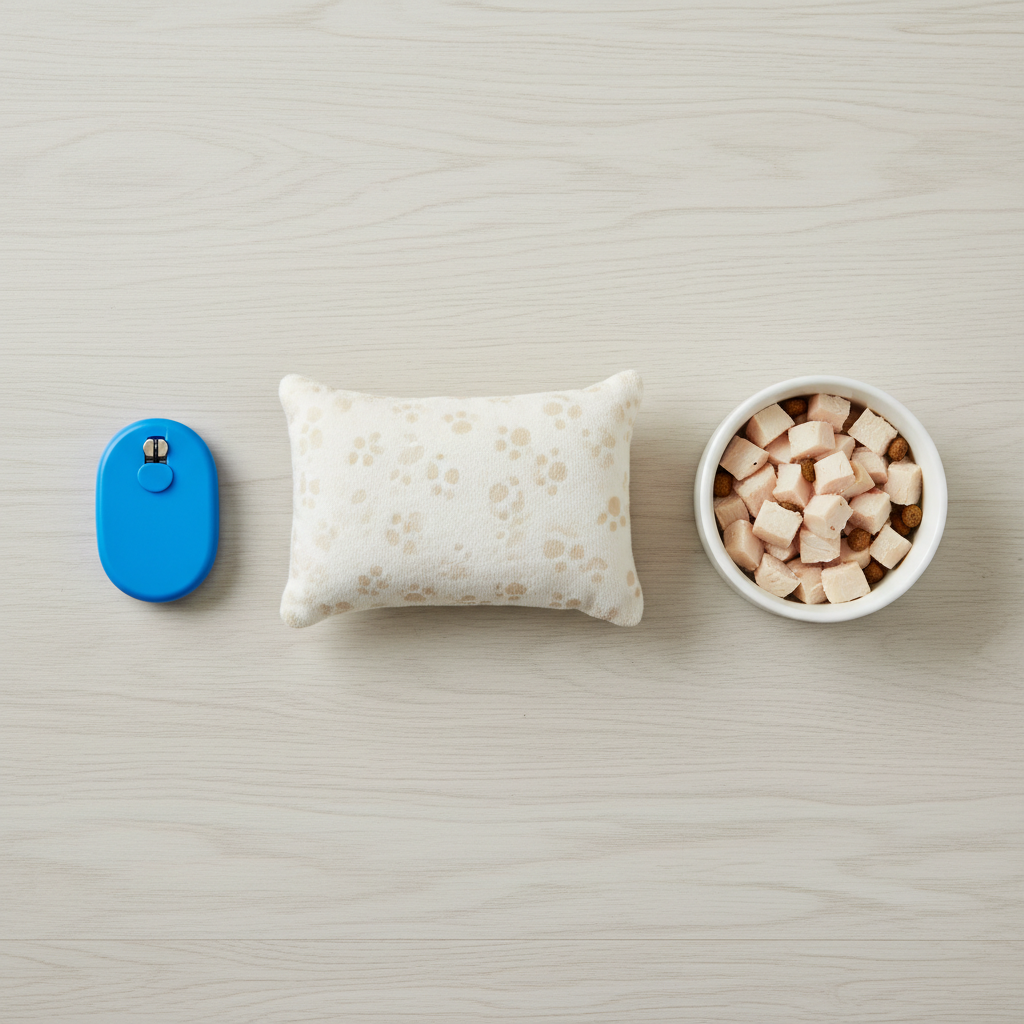
Before you dive into training, let’s gather a few simple supplies. Having everything ready will make the process smoother and more enjoyable for both you and your pup. Think of it as setting the stage for success!
What You’ll Need:
- A Suitable Pillow: Don’t just grab one off your own bed! Start with a pillow that is low-profile and relatively flat. A crib pillow, a small throw pillow, or even a folded towel can work perfectly. The goal is to introduce a small, unintimidating change to their sleeping space. A big, fluffy pillow might seem like a fun toy to a dog who loves to chew or wrestle.
- High-Value Treats: We need to make this experience really rewarding. Your dog’s standard kibble might not be exciting enough. Opt for small, soft, and extra-tasty treats that your dog absolutely loves. Think tiny pieces of cooked chicken, cheese, or their favorite store-bought training treats. The key is small, so you can give many rewards without filling them up too quickly.
- A Clicker (Optional but Recommended): A clicker is a fantastic tool for marking the exact moment your dog does the right thing. This precision helps your dog understand precisely what behavior earned them the reward. If you’ve never used one, don’t worry! You can achieve the same effect with a consistent marker word, like a short and sharp “Yes!”.
- A Quiet, Comfortable Space: Choose a time and place where there are minimal distractions. A quiet living room or bedroom where your dog already feels relaxed is ideal. Avoid training when the house is busy, or other pets might interfere.
Expert Tip: The key to this whole process is patience and positivity. Every dog learns at a different pace. Keep your training sessions short (5-10 minutes is plenty) and always end on a positive note, even if you only made a tiny bit of progress.
Phase 1: Making Friends with the Pillow
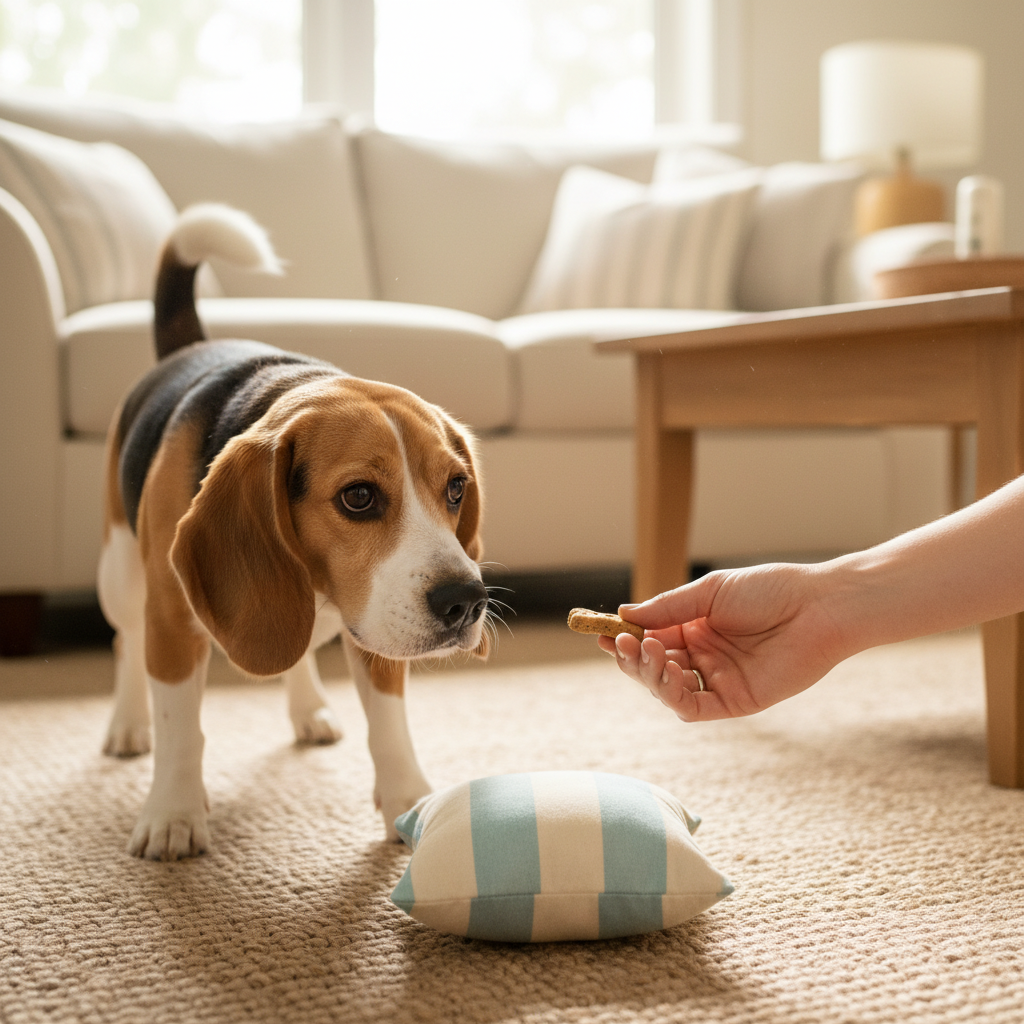
The very first step isn’t about getting your dog to lay their head down; it’s about making them think the pillow is the best, most wonderful object on the planet. We need to build a super positive association before we ask them to do anything specific with it.
Step 1: The Introduction
Simply place the pillow on the floor in your training area. Don’t push it towards your dog or make a big deal out of it. Let their natural curiosity take over. The moment your dog shows any interest in the pillow—sniffing it, touching it with their nose or paw, or even just looking at it—click (or say “Yes!”) and immediately give them a treat. Toss the treat a short distance away from the pillow so they have to reset and can choose to approach the pillow again.
Step 2: Rewarding Interaction
Repeat this process several times. We are rewarding any voluntary interaction with the pillow. If your dog puts a paw on it, click and treat. If they nudge it with their nose, click and treat. You are essentially playing a game of “hot or cold,” where the pillow is “hot.” This teaches your dog that good things happen whenever they engage with this new object.
Important Takeaway: During this phase, we are not asking for any specific behavior. We are simply capturing and rewarding their curiosity. This builds confidence and makes the pillow a source of fun and rewards, not pressure.
Do this for a few short sessions over a day or two. You’ll know you’re ready to move on when your dog starts to enthusiastically approach the pillow, anticipating a reward.
Phase 2: The Step-by-Step Guide to ‘Head Down’
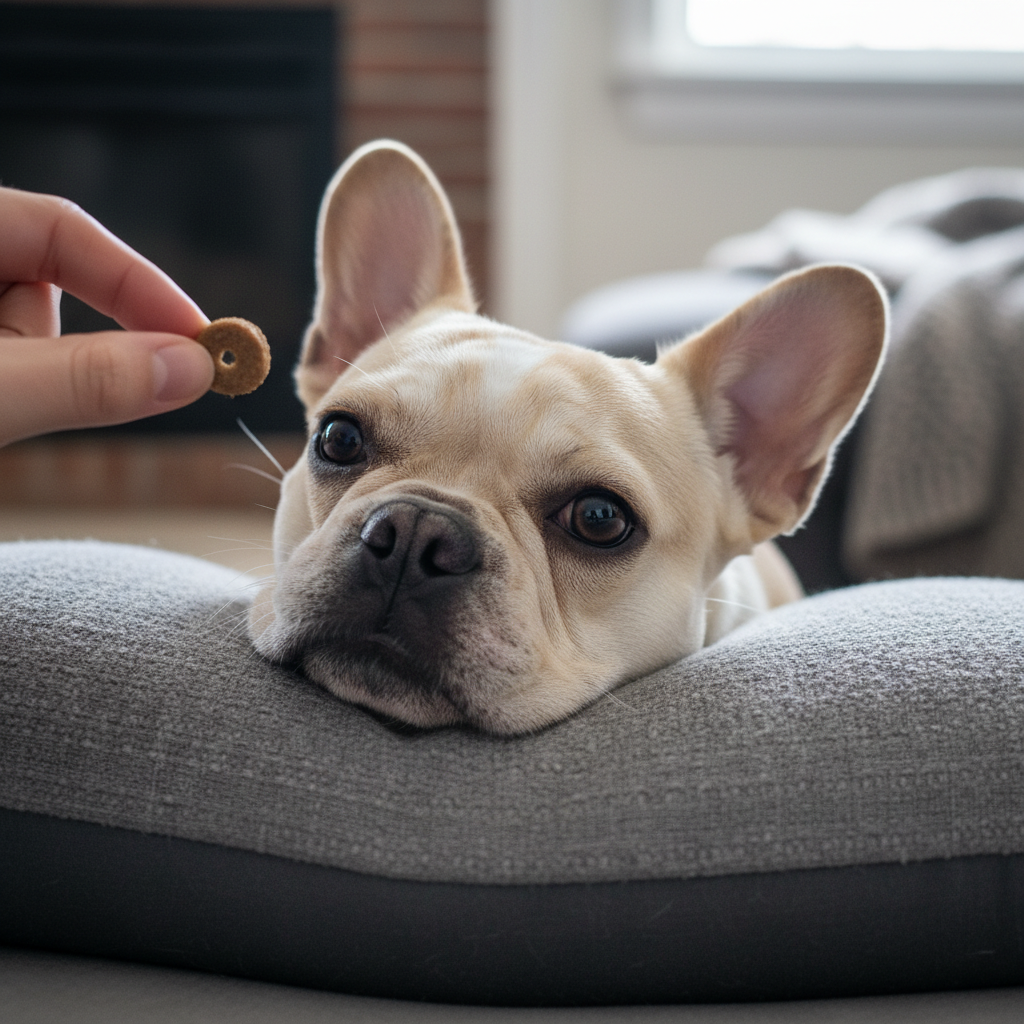
Now that your dog sees the pillow as a treat dispenser, we can start shaping their behavior into the desired ‘head down’ action. This process is called ‘luring and shaping.’ We’ll use a treat to guide them into position. Remember to keep it fun!
- Lure Their Nose Down: Sit on the floor with your dog and the pillow. Hold a treat in your fingers and let your dog sniff it. Slowly lower your hand with the treat towards the center of the pillow. Your dog’s nose will naturally follow. As soon as their chin or nose hovers over or touches the pillow, click and give them the treat. Practice this a few times.
- Encourage a Chin Rest: Once they reliably follow the lure, start to delay the click and treat by a split second. We want to see if they’ll offer a bit more. The goal is for them to rest their chin, even for a moment, on the pillow. The instant their chin makes contact, click and deliver a jackpot of treats—a few in a row! This big reward tells them, “THAT! That’s exactly what I wanted!”
- Introduce the Verbal Cue: When your dog is consistently resting their chin on the pillow using the lure, it’s time to add a name to the action. Just before you lure them down, say your chosen cue in a calm, happy voice. Good options are “Pillow,” “Rest your head,” or “Go to sleep.” Lure them, and as they rest their chin, click and treat. After several repetitions, they’ll begin to associate the words with the action.
- Fade the Lure: Now, we need to remove the hand motion. Say your cue, but this time, just motion with your empty hand towards the pillow instead of holding a treat. When they perform the action, click and give them a treat from your other hand. Gradually make your hand motion smaller and smaller until your dog responds to just the verbal cue.
- Build Duration: Your dog now knows how to put their head on the pillow on command. The final step is teaching them to keep it there. Ask for the “Pillow” cue. Once their head is down, wait just one second before you click and treat. In the next repetition, wait two seconds. Slowly and gradually increase the amount of time they keep their head on the pillow before the click/treat arrives. If they lift their head too soon, that’s okay! Just go back to a shorter duration where they were successful and build up more slowly.
Phase 3: Making It a Cozy Habit
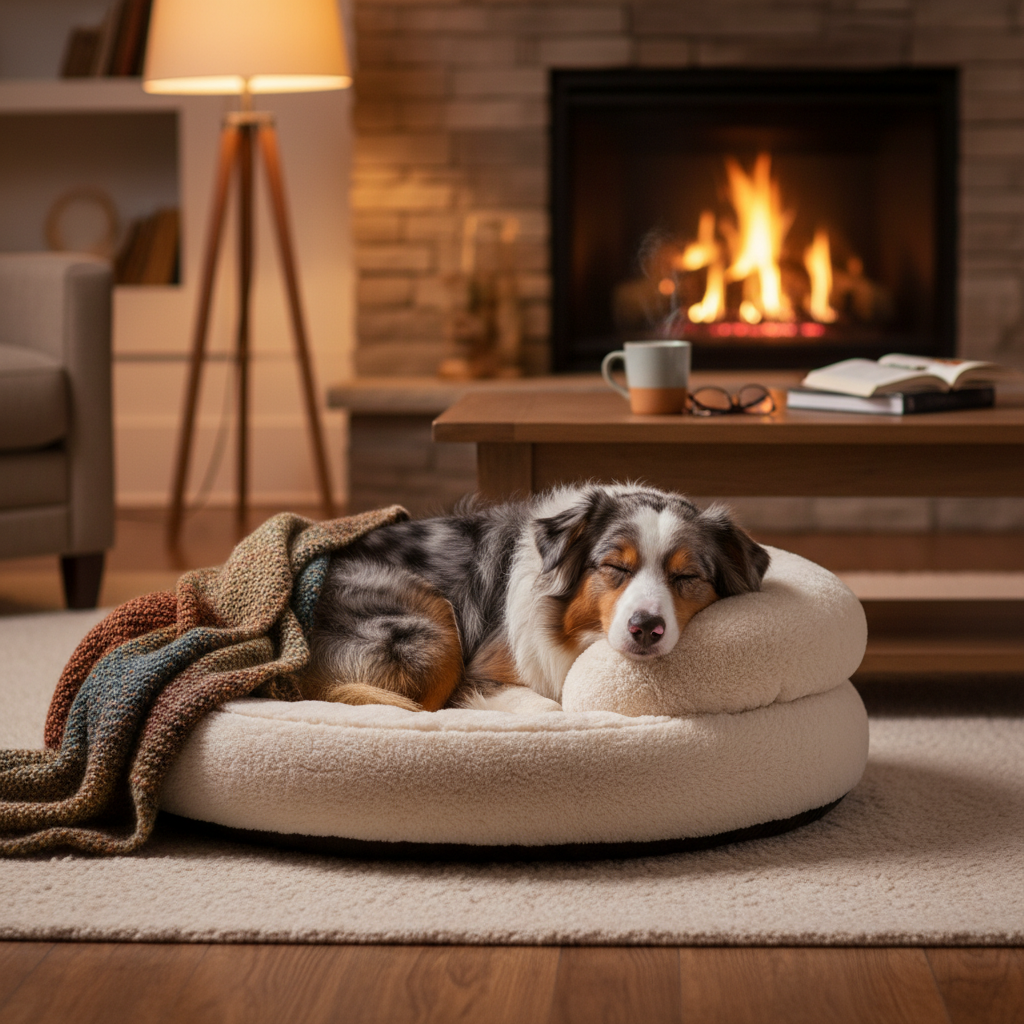
Turning this cute trick into a natural, comforting habit is the final, and most rewarding, part of the process. The goal is for your dog to seek out the pillow for comfort on their own, not just when you ask them to.
Generalizing the Behavior
So far, you’ve likely been training in one spot. Now, it’s time to practice in different contexts. Move the pillow into their dog bed or crate. Run through a few quick training sessions there. Try it on the couch if they’re allowed up. This helps your dog understand that “Pillow” means the same thing no matter where the pillow is.
Integrate it into Routines
Start incorporating the cue into your daily routines. When you’re settling down to watch TV in the evening, ask your dog to go to their bed and use their pillow. Give them a special chew or a gentle belly rub as a reward once they’ve settled down. You can also make it part of their bedtime routine. A final “Rest your head” cue before you turn out the lights can signal that it’s time for sleep.
Fading the Treats
You don’t want to be giving your dog treats all night long! Once the behavior is reliable, switch to an intermittent reward schedule. This means you don’t treat every single time. Sometimes they get a treat, sometimes they get verbal praise (“Good boy!”), and sometimes they get a nice pet. This actually makes the behavior stronger. Eventually, the comfort of the pillow itself becomes the primary reward, and you can reserve treats for occasional reinforcement.
A Heartwarming Goal: The ultimate success is when you walk into a room and find your dog sleeping peacefully with their head on their pillow, all on their own. That’s when you know you’ve not only taught a trick but have genuinely enhanced their comfort.
Troubleshooting Common Bumps in the Road
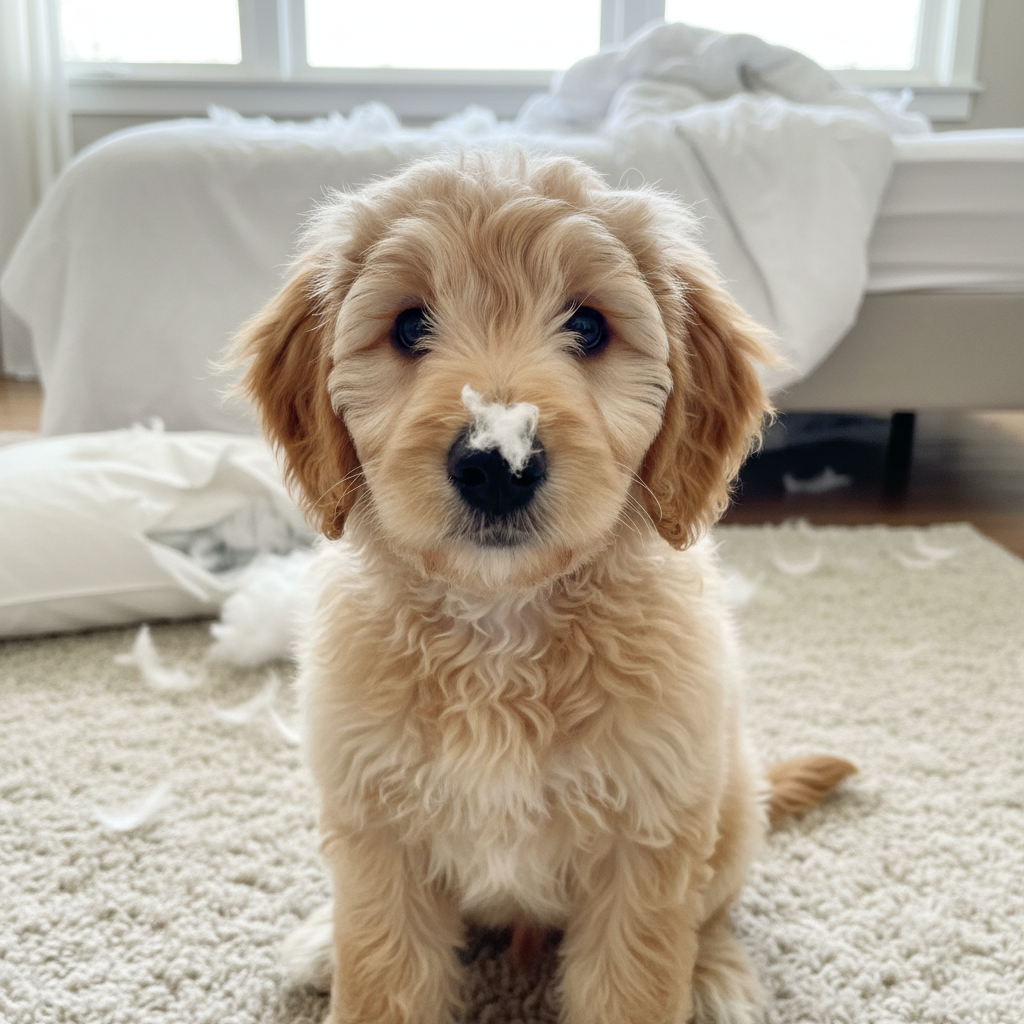
Training is rarely a straight line to success. It’s perfectly normal to encounter a few little challenges along the way. Here are some common questions and how to navigate them.
My dog just wants to chew or play with the pillow! What do I do?
This is very common, especially with puppies and high-energy dogs! If your dog sees the pillow as a toy, it means you need to manage the situation more carefully. Only bring the pillow out during your short training sessions. If they start to chew, use a cue they know, like “Leave it,” and redirect their attention to an appropriate chew toy. Reward them for chewing the toy, not the pillow. Keep the training sessions focused on rewarding calm interactions (sniffing, chin resting) to change their association with the pillow from ‘toy’ to ‘calm spot’.
My dog seems completely uninterested in the pillow. How can I get them engaged?
If your dog is ignoring the pillow, we need to up the ante! First, make sure you’re using treats that are truly irresistible. Second, make the initial interactions incredibly easy and rewarding. Try smearing a tiny bit of peanut butter (xylitol-free!) or cream cheese on the pillow to encourage that first sniff. Click and reward the instant they show interest. Keep sessions extra short and exciting to build their enthusiasm.
Is using a pillow actually good or safe for my dog?
For most dogs, using a low-profile pillow is perfectly safe and can even be beneficial. It can provide a bit of support for the neck and spine, similar to how it helps humans. This can be especially comforting for senior dogs with arthritis or brachycephalic (flat-faced) breeds who may appreciate the slight elevation. However, you are your dog’s best advocate. If you have any concerns about your dog’s neck, spine, or breathing, it’s always best to have a quick chat with your veterinarian.
How long is this going to take?
Every dog is an individual! Some dogs might pick this up in a few days, while others might take a few weeks of consistent, short sessions. Factors like your dog’s age, breed, and prior training experience all play a role. The most important thing is not to rush the process. Celebrate small victories and enjoy the quality time you’re spending together. The journey is just as important as the destination!
Conclusion
Congratulations! You now have all the tools and knowledge to teach your dog one of the most charming tricks around. But teaching your dog to use a pillow is so much more than just a cute photo opportunity. It’s a testament to the incredible bond you share. Through this process, you’ve practiced clear communication, celebrated small successes, and worked together as a team. You’ve provided your dog with mental enrichment and a new source of comfort.
Remember to always be patient, keep it positive, and cherish these fun training moments. Before you know it, you’ll be catching your best friend snoozing away with their head perfectly propped up, and your heart will melt every single time. Happy training, and sweet dreams to your clever pup!