Hey there, fellow pet parents! As spring rolls in and Easter approaches, our homes fill with pastel colors, festive decorations, and the promise of fun. But why should humans have all the fun? If you’re looking for a way to include your four-legged family member in the celebration that goes beyond a bunny-ear headband (though we admit, those are cute!), you’ve come to the right place. We’re about to unlock one of the most adorable and engaging activities you can do with your dog: their very own Easter egg hunt!
This isn’t just a cute trick for a great photo op; it’s a fantastic enrichment activity that taps into your dog’s most powerful natural tool—their nose. Teaching your dog to find hidden ‘eggs’ filled with treats provides incredible mental stimulation, helps build confidence, and strengthens the amazing bond you share. It’s a game, a training session, and a whole lot of fun all rolled into one. So, grab some treats and let’s get ready to teach your pup an Easter trick they’ll be excited to show off!
Setting Up for Success: What You’ll Need
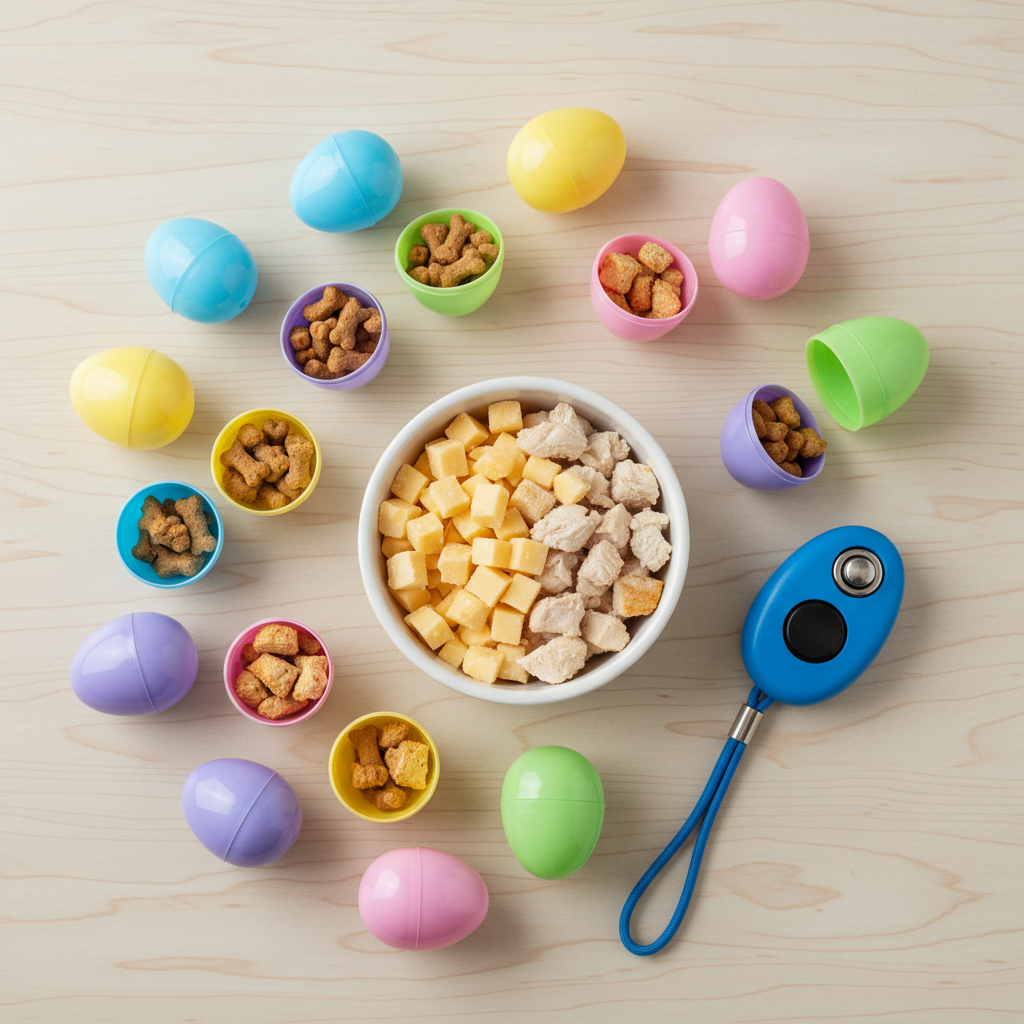
Before you and your furry detective get started, let’s gather a few simple supplies. The great news is you probably have most of these on hand already! Proper preparation makes the training process smoother and more enjoyable for everyone involved.
Essential Supplies:
- Dog-Safe Easter Eggs: This is crucial! You’ll want plastic, fillable Easter eggs that are large enough not to be a choking hazard. Ensure they snap together securely but are easy enough for you to open. Always supervise your dog to make sure they don’t chew or ingest the plastic.
- High-Value, Smelly Treats: To get your dog really excited, you need treats they absolutely love. Think small, soft, and extra smelly! Little pieces of plain cooked chicken, cheese, hot dogs, or their favorite store-bought training treats work wonders. The smellier the treat, the easier it will be for your dog to find the egg.
- A Clicker (Optional): If you’re familiar with clicker training, this is a fantastic tool for this trick. A clicker helps you mark the exact moment your dog does the right thing (like touching the egg with their nose), making communication crystal clear. If you’re not a clicker user, a consistent verbal marker like a happy “Yes!” works just as well.
- An Enthusiastic Pup: The most important ingredient! Make sure your dog is well-rested and ready for a fun game. A short play session beforehand can get them in the right mindset.
Expert Tip: When you first introduce the plastic eggs, let your dog sniff them while they’re empty. Reward them for any calm interaction. This helps prevent them from immediately thinking the plastic itself is something to be chewed on.
Step-by-Step: Teaching the ‘Find It’ Easter Egg Hunt
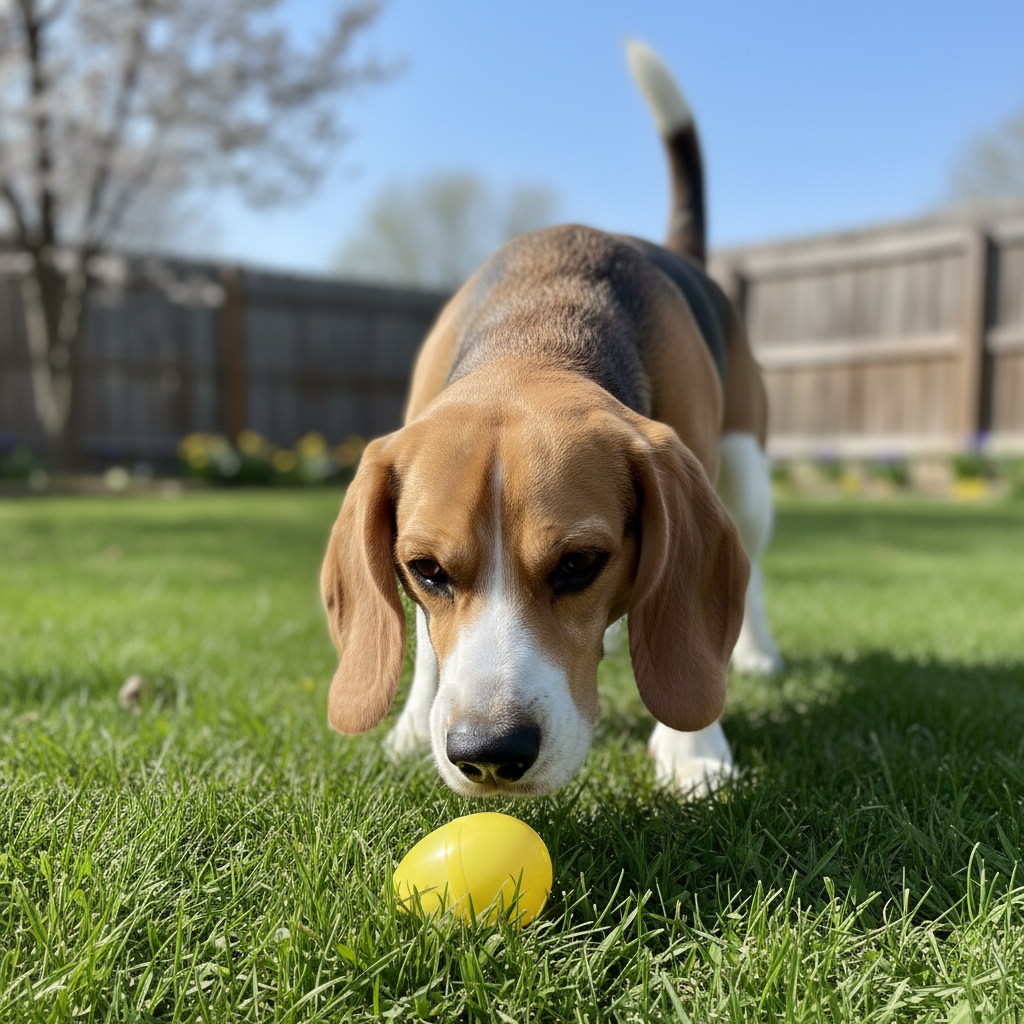
Alright, you’ve got your supplies, and your dog is giving you that eager ‘what are we doing?!’ look. It’s time to begin! Remember to keep your training sessions short, positive, and super fun. Five to ten minutes a couple of times a day is far more effective than one long, frustrating session.
- Step 1: Make the Egg Mean ‘Treat!’
The first step is to teach your dog that these colorful plastic things are amazing treasure chests. This is called ‘charging’ the object. Sit with your dog in a quiet room. Show them an open egg with a treat inside. Let them sniff it, and as they do, say your marker word (“Yes!”) and let them eat the treat. Repeat this 5-6 times until you see their eyes light up when you present the egg. - Step 2: Introduce the ‘Find It’ Cue
Now, close the egg with a treat inside. Place it on the floor right in front of your dog. The moment their nose touches the egg, say “Yes!” or click, and immediately open the egg to give them the reward. After a few repetitions, start saying your cue, such as “Find the egg!” or simply “Find it!” right before they touch it. - Step 3: Start with Easy Hides
It’s time for the game to begin! While your dog is watching, place the egg a foot or two away from them. Give your cue, “Find it!” and point to the egg if needed. When they go over and nudge it, praise them enthusiastically and give them the treat from inside. Keep the ‘hides’ incredibly simple at this stage—you want them to win every single time to build their confidence. - Step 4: Gradually Increase the Difficulty
Once your dog is confidently finding the egg in plain sight, it’s time to make it a little trickier. Have them sit and wait (or have someone gently hold them) while you ‘hide’ the egg just around the corner of a sofa or under the edge of a rug. Release them with your cue. The goal is to encourage them to start using their nose, not just their eyes. Slowly increase the distance and difficulty of the hides. - Step 5: The Grand Finale: The Easter Egg Hunt!
When your dog can successfully find a few hidden eggs in a room, you’re ready for a full-blown hunt! Start with 5-10 eggs hidden in one or two rooms. Some should be easy to find, and some a bit more challenging. Let your dog loose with an excited “Find the eggs!” and watch that tail go! Follow them around and celebrate every single discovery.
Troubleshooting & Pro Tips
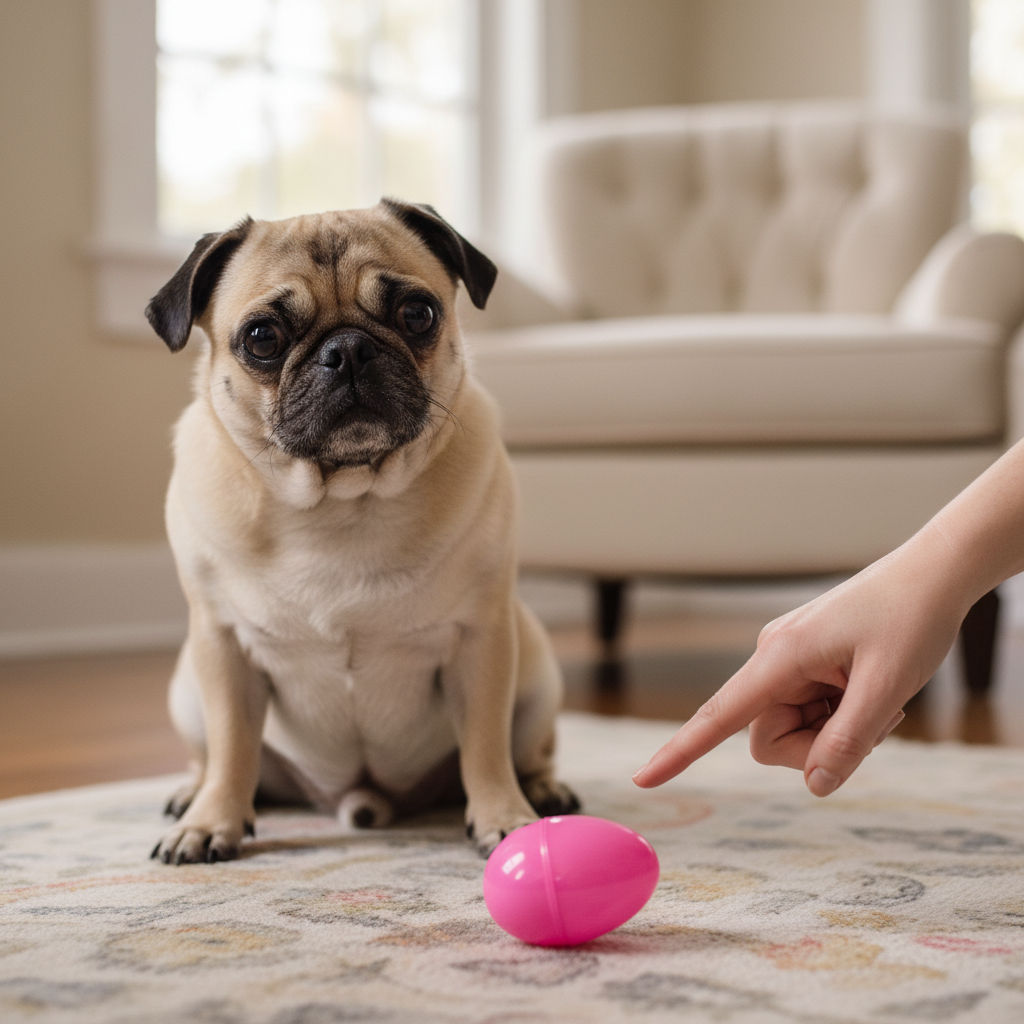
Sometimes, our canine students don’t follow the lesson plan exactly. That’s totally normal! Training is a two-way street, and a little troubleshooting can get you back on track. Here are some common hurdles and how to clear them.
What if my dog tries to chew the plastic egg?
This is a common one! If your dog picks up the egg and starts to chew it, don’t panic. Instead of trying to pry it from their mouth, offer a high-value trade. Say “Drop it” in a happy tone and present an even better treat right by their nose. When they drop the egg to take the treat, praise them. The goal is to teach them that nudging the egg gets them the reward, but chewing it doesn’t.
My dog seems to lose interest quickly.
If your pup’s attention is wandering, your training sessions might be too long. Cut them back to just 2-3 minutes at a time. Also, check your treats! Are they exciting enough? This is the time to break out the really good stuff. Always end the session on a high note with a successful find so they’re excited for the next game.
My dog isn’t using their nose, they’re just watching me.
Clever dogs will often try to ‘cheat’ by just watching where you put the egg. To encourage more sniffing, make sure they can’t see you for some of the hides. Have them wait in another room, and then let them enter the ‘hunting ground’. You can also make the treats extra fragrant by warming them up for a few seconds in the microwave to release more scent.
Safety First! Always count how many eggs you hide and make sure you find them all. You don’t want your pup discovering a forgotten egg later and potentially chewing on it unsupervised.
Beyond the Basics: Taking Your Egg Hunt to the Next Level
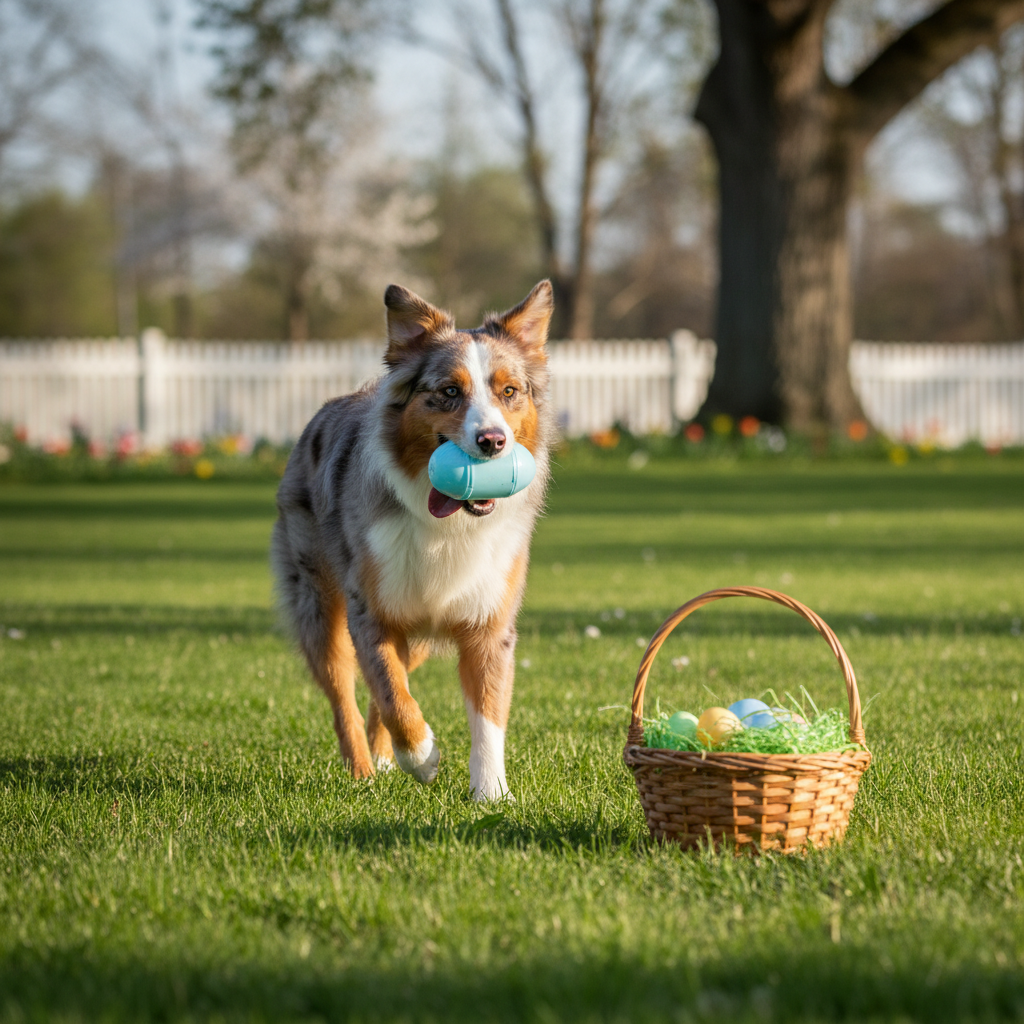
Once your dog has mastered the indoor Easter egg hunt, why stop there? This game has so much potential for fun and challenge. Here are a few ideas to level up your dog’s new favorite holiday tradition.
Take the Hunt Outdoors
A securely fenced backyard is the perfect arena for an advanced egg hunt. The variety of smells outdoors will challenge your dog to focus specifically on the scent of the treats. Hide eggs in taller grass, at the base of a tree, or under a patio chair. The possibilities are endless!
Teach a ‘Basket Retrieve’
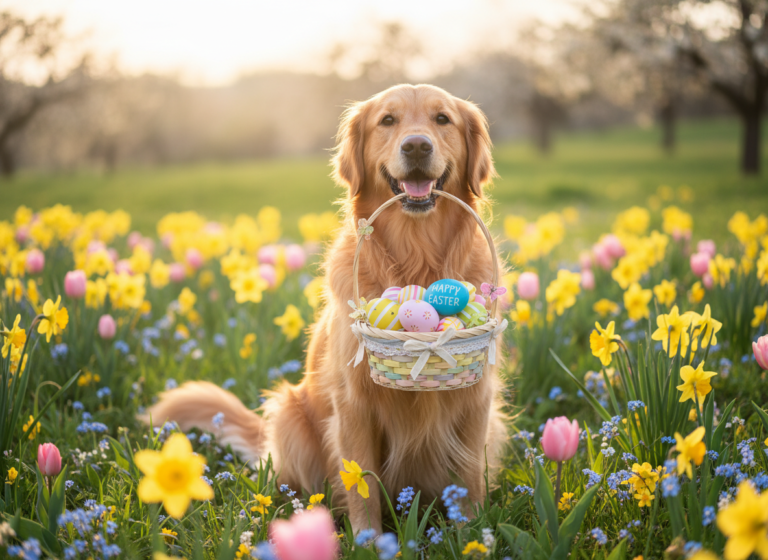
For an extra-adorable twist, teach your dog to bring the eggs back to you or drop them in an Easter basket. This adds a retrieving component to the game. When your dog finds an egg, instead of opening it right away, call them back to you excitedly. When they bring it to you, reward them from your hand and place the egg in the basket yourself. With practice, they’ll learn to associate the basket with the reward.
Introduce Scent Work Variations
Turn this fun game into a real ‘nose work’ session. Instead of putting a treat in every egg, place a small cotton ball scented with a drop of dog-safe essential oil (like lavender or chamomile) in the eggs. Then, when your dog finds the scented egg, you reward them with a jackpot of treats from your pocket. This teaches them to hunt for a specific scent, not just for any food source.
Conclusion
And there you have it! A simple, fun, and incredibly rewarding Easter trick that does so much more than just entertain. By teaching your dog their own Easter egg hunt, you’re providing top-tier mental enrichment, building their confidence, and creating a holiday memory you’ll both cherish. It’s a beautiful way to engage your dog’s natural instincts in a positive and playful manner.
Remember, the goal is always to have fun and strengthen your bond. So be patient, celebrate the small victories, and get ready for some of the cutest photos you’ll ever take. We’d love to see your pups in action! Share your Easter egg hunt photos and videos with us online. From our pack to yours, have a very happy and safe Easter!