Living with an anxious dog can feel like a constant rollercoaster of stress, for both you and your furry friend. The world can seem full of scary monsters—whether it’s the mail carrier, a passing skateboard, or another dog across the street. As a pet owner, it’s heartbreaking to see your companion in distress, and it can leave you feeling helpless. What if there was a simple, positive, and even fun way to help your dog navigate these tricky situations? Well, get ready to count, because there is!
Meet the 1-2-3 Game. It might sound like a playground chant, but it’s actually a powerful behavior modification tool recommended by trainers and behaviorists worldwide. This game isn’t about complex commands or obedience drills. Instead, it’s a ‘pattern game’ that leverages the power of predictability to calm a worried mind. It creates a simple, repeatable sequence that your dog can focus on, effectively hijacking their brain away from anxiety-inducing triggers and redirecting it toward you and the promise of a tasty reward. In this guide, we’ll walk you through everything you need to know to master this game and bring a sense of calm back into your walks and daily life.
Understanding the Magic: Why the 1-2-3 Game Works for Anxious Pups
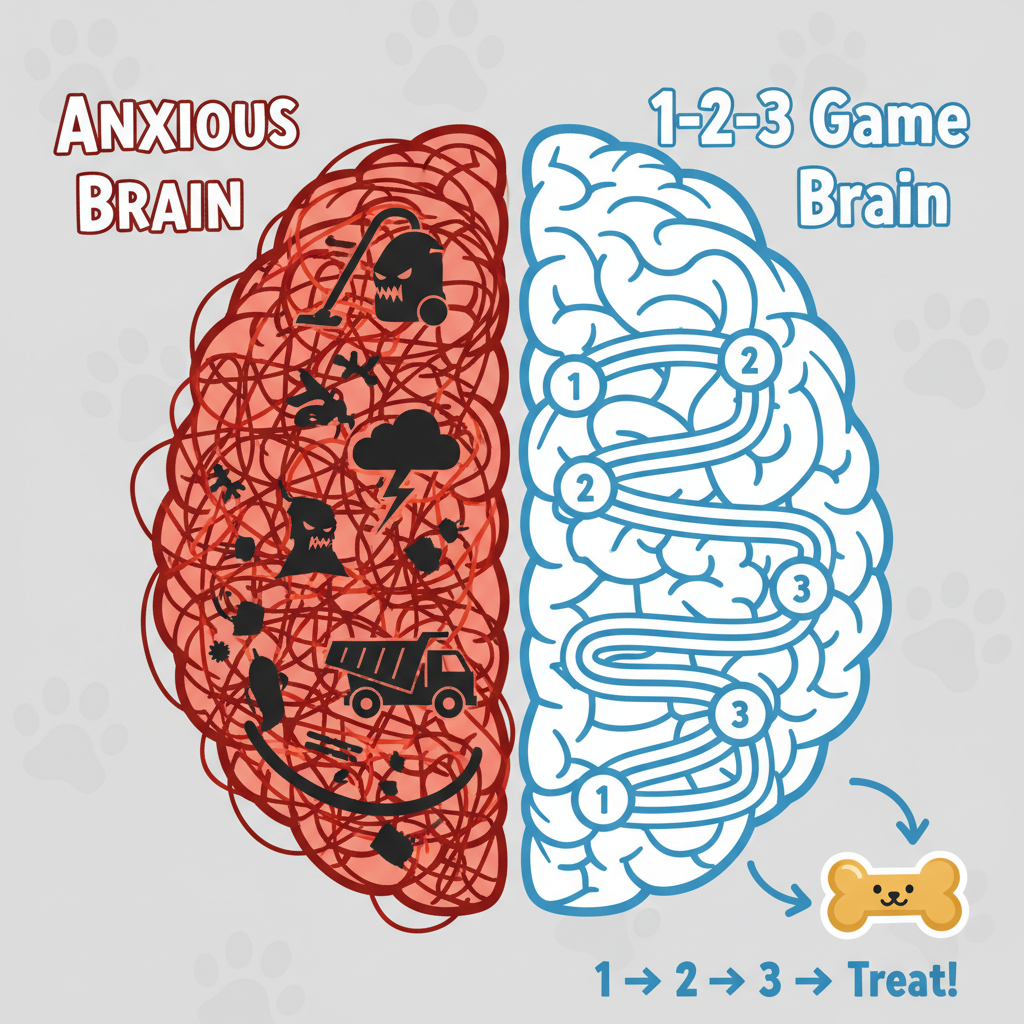
So, what’s the secret sauce behind this simple counting game? It’s not magic, but it’s pretty close—it’s all about canine psychology. An anxious brain is often a chaotic one, overwhelmed by unpredictable stimuli. The 1-2-3 Game provides a predictable structure that an anxious dog can latch onto, which is inherently calming.
Predictability Creates Safety
Dogs, especially anxious ones, thrive on routine and predictability. When they know what to expect, they feel more secure. The 1-2-3 pattern is incredibly predictable: you count, and on ‘three,’ something wonderful happens (a treat appears!). By repeating this pattern, you’re creating a tiny, safe bubble of certainty for your dog, even when the outside world feels uncertain. They learn to anticipate the ‘three’ and the reward, which gives them a job to do and something positive to focus on.
The Power of Classical Conditioning
Remember Pavlov’s dogs? The 1-2-3 Game uses the same principle. Initially, the numbers ‘one, two, three’ are neutral. But by consistently pairing them with a high-value treat, the numbers themselves start to take on a positive association. Your dog begins to feel that little spark of happiness just by hearing the count. Over time, you can use this positive feeling to counteract the negative feelings associated with their triggers. The game essentially helps you change their emotional response from ‘Oh no, a scary thing!’ to ‘Oh boy, I hear the counting, something good is coming!’
Redirecting Focus
An anxious dog often becomes ‘stuck’ or fixated on a trigger. It’s hard to get their attention once they’ve locked onto something that worries them. The 1-2-3 Game acts as a powerful interrupt and redirect. It gives their brain a different, more rewarding task to perform. Instead of worrying about the approaching dog, their brain is busy anticipating the count and the delicious reward. This shift in focus is crucial for managing and preventing reactive behavior.
Gather Your Tools: Gearing Up for the Game
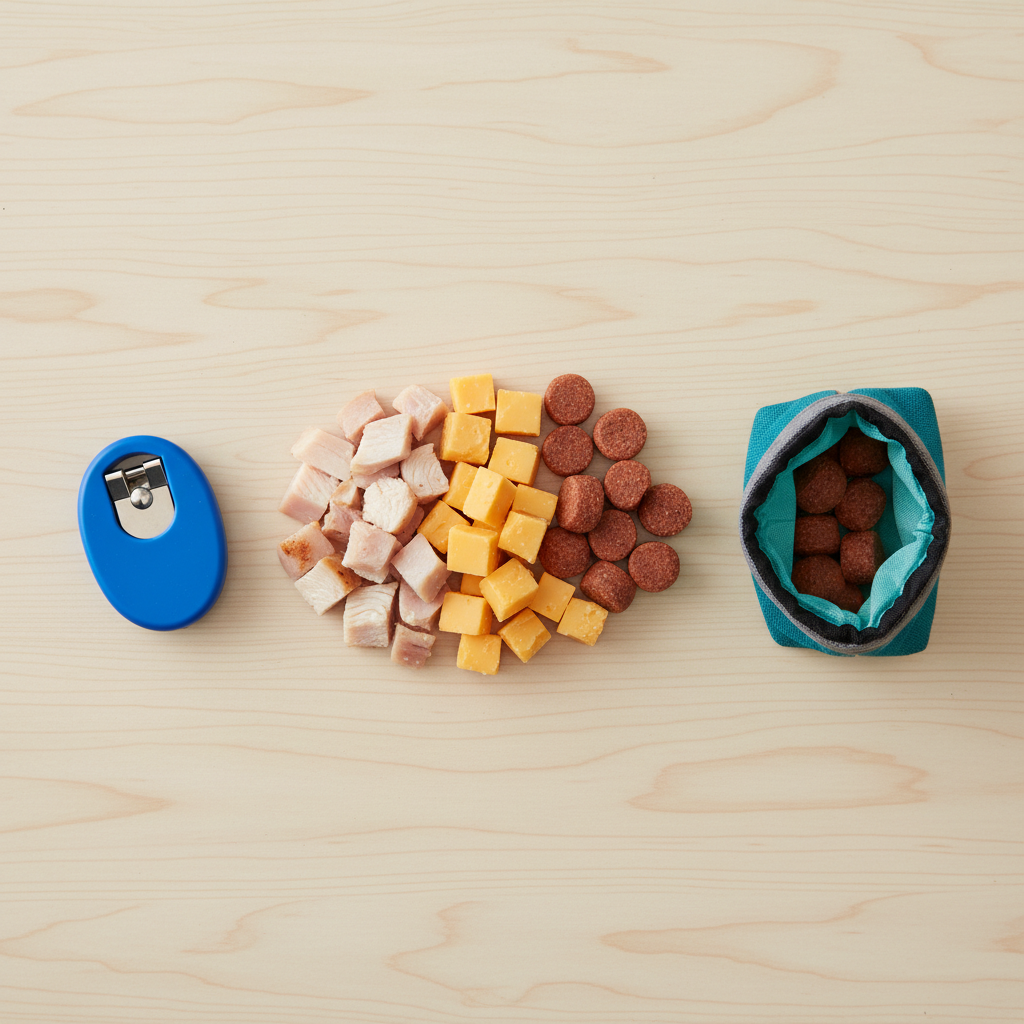
One of the best things about the 1-2-3 Game is its simplicity. You don’t need any fancy equipment or expensive gear to get started. In fact, you probably have everything you need right at home. Here’s your simple checklist:
- High-Value Treats: This is the most important tool in your kit! We’re not talking about your dog’s regular kibble here. You need something extra special to make the game exciting and hold your dog’s attention, especially when distractions are present. Think small, soft, and smelly. Great options include tiny pieces of boiled chicken, small cubes of cheese, hot dogs, or high-quality commercial training treats. The key is that they should be pea-sized so you can deliver them quickly and give many in one session without overfeeding.
- A Quiet Starting Place: Your first few training sessions should be in a low-distraction environment where your dog already feels safe. Your living room, a quiet hallway, or even your kitchen are perfect spots. The goal is to set your dog up for success by making it easy for them to focus on you and the game.
- A Clicker (Optional): If your dog is already clicker-trained, a clicker can be a fantastic addition. You would count ‘One, Two,’ then on ‘Three,’ you would click and then treat. The click acts as a precise marker, telling your dog the exact moment they did the right thing (which, in this case, is simply participating). If you don’t use a clicker, no worries! A simple ‘Yes!’ or other verbal marker can work just as well right before you deliver the treat.
- Patience and a Positive Attitude: This might be the most crucial ‘tool’ of all. Learning takes time, and every dog moves at their own pace. Keep your sessions short, upbeat, and fun. Your calm and positive energy will help your dog feel more relaxed and eager to play along.
Let’s Play! Your Step-by-Step Guide to the 1-2-3 Game
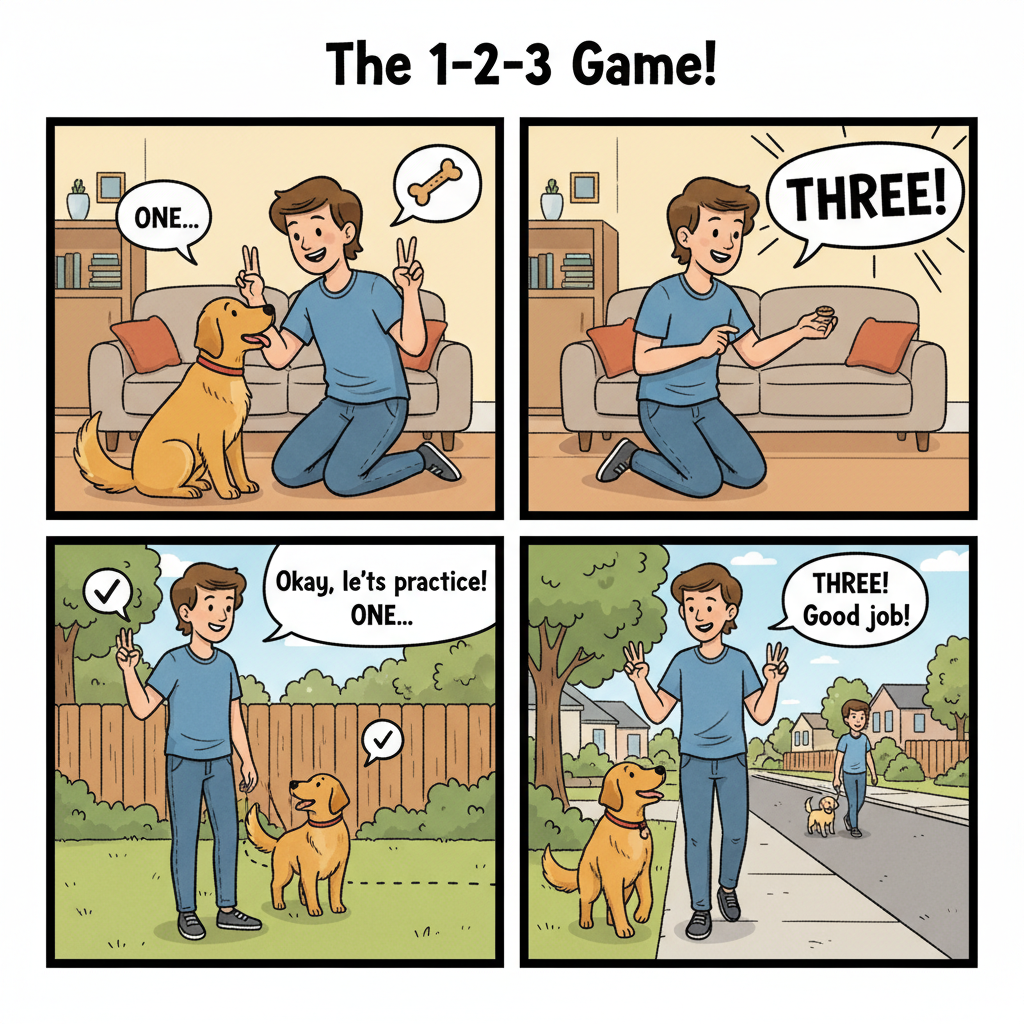
Alright, you’ve got your treats and you’re ready to go! It’s time to teach your dog the rules of this super simple game. Remember to keep sessions short (just a few minutes at a time) and always end on a positive note. Here’s how to do it, step by step:
-
Phase 1: Charging the Pattern (Indoors, No Distractions)
The first step is to teach your dog what the pattern means. Find your quiet space. With your dog near you, simply say ‘One’ in a calm, neutral tone. Pause for a second. Say ‘Two.’ Pause for another second. Then, say ‘Three’ and immediately give your dog a treat. That’s it! Don’t ask for a sit, a down, or even eye contact. The treat is simply for hearing the numbers. Repeat this 10-15 times. You’ll know your dog is starting to get it when you see them look at you expectantly or perk up their ears as you get to ‘Two’ or ‘Three’.
-
Phase 2: Adding Movement
Once your dog clearly anticipates the treat on ‘Three,’ it’s time to add a little movement. This helps your dog learn to play the game even when you aren’t stationary, which is critical for real-world scenarios like walks. Start walking slowly around the room. As you walk, say ‘One.’ Take another step, say ‘Two.’ Take a final step, say ‘Three,’ and deliver the treat. The goal is to have your dog happily trotting along with you, focused on the game. Practice this until it’s smooth and easy.
-
Phase 3: Introducing Mild Distractions
Now it’s time to up the difficulty just a tiny bit. Move your training session to a place with mild distractions, like your backyard or a quiet street in front of your house. The key is to find a level of distraction that is noticeable but not overwhelming for your dog. Repeat the game with movement. Maybe a leaf blows by or a bird chirps. Can your dog still focus on the count? If they get distracted, simply move a little further away from the distraction and try again. You want them to succeed!
-
Phase 4: Real-World Application
This is where the game becomes a true superpower. On a walk, keep an eye on the environment. When you see a potential trigger (e.g., another dog, a person, a bicycle) in the distance—and this is important, before your dog has a big reaction—start the game. Begin your ‘One, Two, Three, Treat’ pattern as you continue to move away from or past the trigger. The game gives your dog’s brain a familiar, rewarding job to do, making it much harder for them to fixate on the trigger and have an anxious or reactive outburst. You are proactively changing their emotional response to the situation.
Oops! Common Pitfalls and How to Fix Them
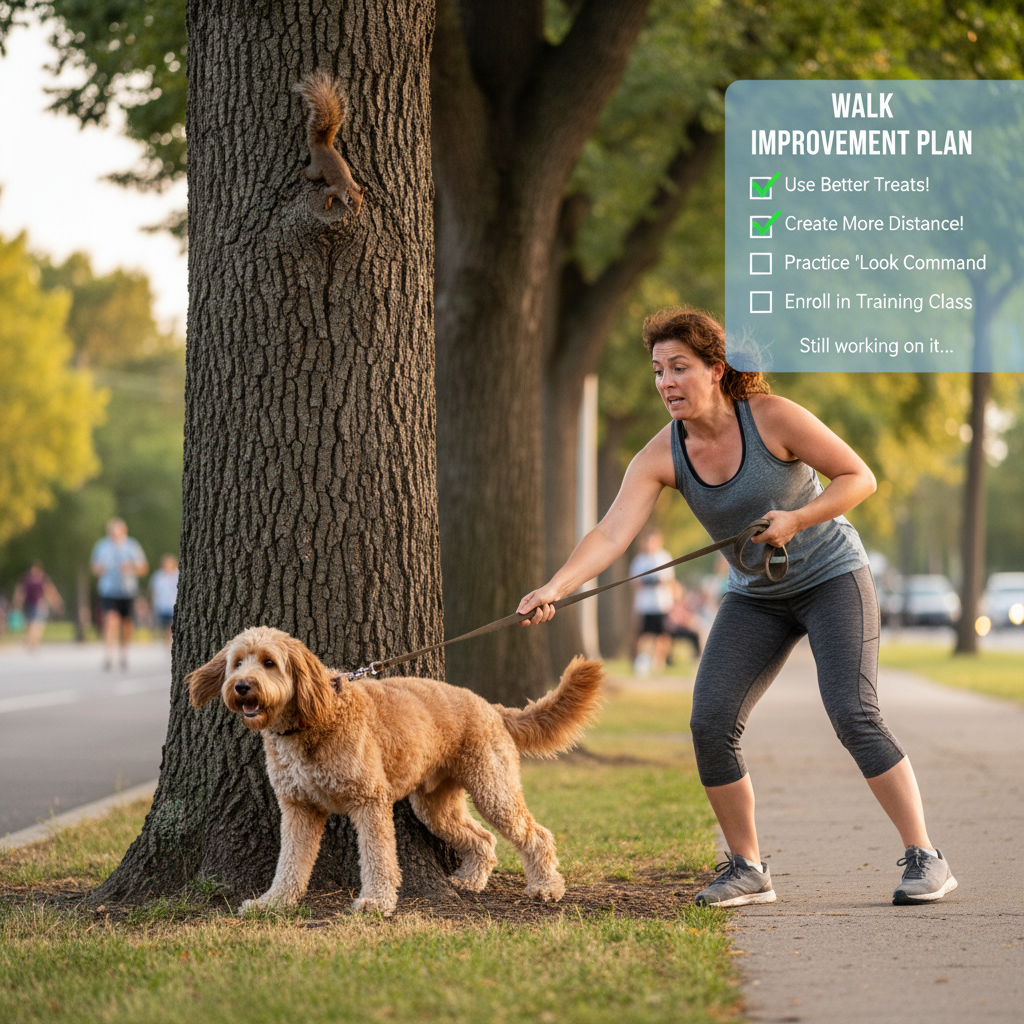
Even with a game as simple as 1-2-3, it’s possible to run into a few snags. Don’t worry! These are common and easily fixable. Being aware of them ahead of time can help you and your pup stay on the path to success.
Common Mistakes & Troubleshooting Solutions:
- Going Too Fast: One of the most common mistakes is trying to progress to the next phase before your dog has truly mastered the current one. If you take the game outside and your dog can’t focus, it’s a sign you need more practice indoors.
The Fix: There’s no race to the finish line! Spend as many sessions as you need on each step. Your dog’s consistent success is the only indicator that it’s time to move on. If they fail, just take a step back to the previous phase where they were successful and build their confidence back up. - Using Boring Treats: You’re competing for your dog’s attention against some very interesting (or scary) things in the environment. A piece of dry kibble probably isn’t going to cut it.
The Fix: Break out the good stuff! Conduct a ‘treat taste test’ at home to see what your dog truly goes wild for. Remember, what is high-value in the living room might not be high-value enough when faced with a squirrel. Reserve your absolute best treats for outdoor practice. - Starting Too Close to a Trigger: If you wait until the other dog is 10 feet away to start the game, you’re likely already too late. Your dog’s brain is already flooded with stress hormones, and they won’t be able to focus on the game.
The Fix: Become an expert at scanning your environment. The goal is to spot a trigger from far away and start the game immediately. This gives you time to build a rhythm and get your dog’s focus before the trigger becomes overwhelming. Distance is your best friend! Create as much of it as you need for your dog to be successful. - Inconsistent Counting or Rhythm: If you sometimes say the numbers fast, sometimes slow, or forget the pattern, it can confuse your dog and make the game less predictable and therefore less calming.
The Fix: Try to keep your counting rhythm and tone of voice consistent. A calm, steady ‘One… Two… Three…’ is much more effective than a rushed or frantic count. Practice your rhythm at home so it becomes second nature.
Expert Tip: Remember to breathe! If you see a trigger and you tense up, your dog will feel that tension through the leash. Take a deep breath, relax your shoulders, and start the game in a calm, confident manner. Your calm energy is a crucial part of the process.
Putting It Into Practice: Ideal Scenarios for the 1-2-3 Game
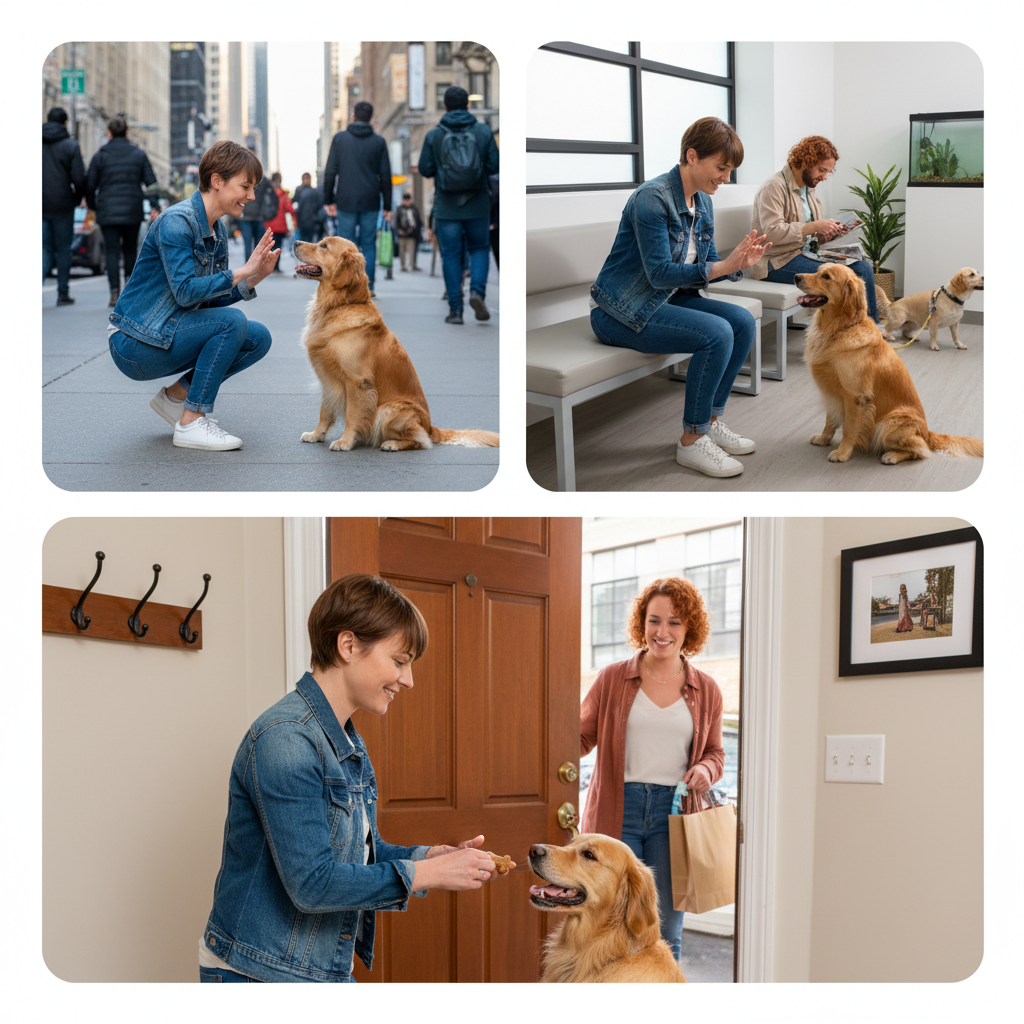
Once you and your dog have the hang of the game, you’ll start to see opportunities to use it everywhere. It’s a versatile tool that can be adapted to many different situations that might normally cause your dog stress. Think of it as your go-to pattern for proactively managing your dog’s anxiety.
Here are some perfect times to play the 1-2-3 Game:
- On Neighborhood Walks: This is the classic use case. Start the game the moment you spot another dog, a person on a bike, a running child, or any of your dog’s specific triggers. It helps you keep moving past the trigger without a reaction.
- When Visitors Arrive: The doorbell ringing can send many dogs into a frenzy. Before you open the door, start the 1-2-3 game. It can help keep your dog’s focus on you instead of jumping all over your guests. You can even have your guests give the treat on ‘Three’ to build a positive association.
- At the Vet’s Office: Waiting rooms can be a huge source of stress. The smells, the sounds, the presence of other anxious animals—it’s a lot to handle. Playing the 1-2-3 game in the waiting room can give your dog a predictable, comforting focal point.
- In New Environments: Visiting a new park, a pet-friendly store, or a friend’s house? These new places can be overwhelming. Playing a few rounds of the 1-2-3 game upon arrival can help your dog settle and acclimate more calmly.
- During Loud Noises: While it may not work for severe phobias, for mild anxiety related to distant fireworks, a passing siren, or a thunderstorm rolling in, the 1-2-3 game can be a helpful distraction to keep your dog’s mind off the scary sounds.
The beauty of the 1-2-3 Game is its portability. It requires nothing but you, your voice, and some treats. It’s a tool you can pull out of your pocket anytime, anywhere, to help your dog feel safer and more connected to you in a challenging world.
Conclusion
The journey with an anxious dog is one of patience, understanding, and celebrating the small victories. The 1-2-3 Game isn’t a magic wand that will ‘fix’ your dog’s anxiety overnight, but it is a powerful, positive, and empowering tool. It shifts the dynamic from one of stressful management to one of proactive, fun engagement. You’re not just distracting your dog; you’re actively teaching them a new, more positive way to respond to the world and showing them that they can look to you for guidance and safety.
By consistently playing this simple game, you are building more than just a new behavior—you’re strengthening your bond, building your dog’s confidence, and replacing moments of fear with moments of connection. So grab those tasty treats, start counting, and watch as you and your dog learn to navigate the world together, one, two, three at a time.