Let’s be honest, does this scene sound familiar? You grab the packet of eye wipes, your dog’s ears flatten, and the great chase around the living room begins. For many pet parents, cleaning tear stains feels more like a wrestling match than a simple grooming task. It’s frustrating for you and downright scary for your furry friend. But what if I told you it doesn’t have to be this way?
You can transform this daily dread into a moment of connection and trust. The secret isn’t about being faster or stronger; it’s about changing your dog’s entire emotional response to the process. It’s about teaching them, through patience and positive reinforcement, that eye-cleaning time is actually a wonderful thing that brings treats and praise.
In this guide, we’re going to walk you through the exact steps to turn your face-wiping foe into a cooperative partner. We’ll break down the process into tiny, achievable milestones that build your dog’s confidence and strengthen your bond. Get ready to say goodbye to the struggle and hello to clean, happy eyes!
More Than Just Looks: Why This Training Matters
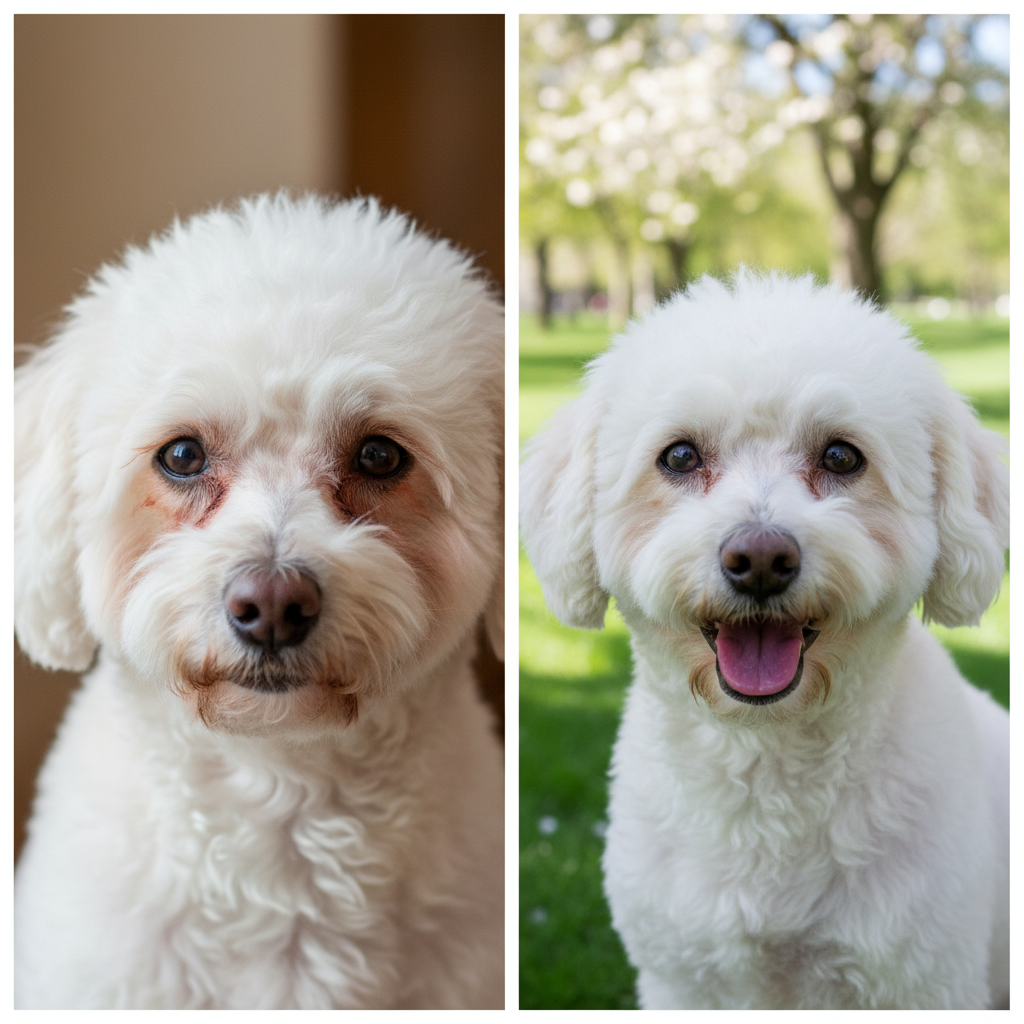
Before we dive into the ‘how,’ let’s talk about the ‘why.’ Sure, clean eyes make your pup look their best, but managing tear stains is crucial for their health, too. That reddish-brown staining, caused by a pigment called porphyrin found in tears, isn’t just a cosmetic issue. The constant moisture can create a breeding ground for bacteria and yeast, leading to uncomfortable skin irritation, infections, and funky odors.
But here’s the other, equally important ‘why’: your relationship with your dog. When you repeatedly force your dog into a situation they find scary, you chip away at their trust. They learn that your approach can mean something unpleasant is about to happen, which can make them anxious about other types of handling, like vet visits or nail trims.
The goal isn’t just to get the job done; it’s to get it done in a way that makes your dog feel safe, loved, and understood. This training is an investment in your long-term relationship.
By teaching your dog to cooperate, you’re not just cleaning their face—you’re communicating with them in a language they understand: positive experiences lead to good things! You’re building a foundation of trust that will make all aspects of their care easier and more pleasant for years to come.
Setting Up for Success: Your Toolkit for Tear-Free Tidy-Ups
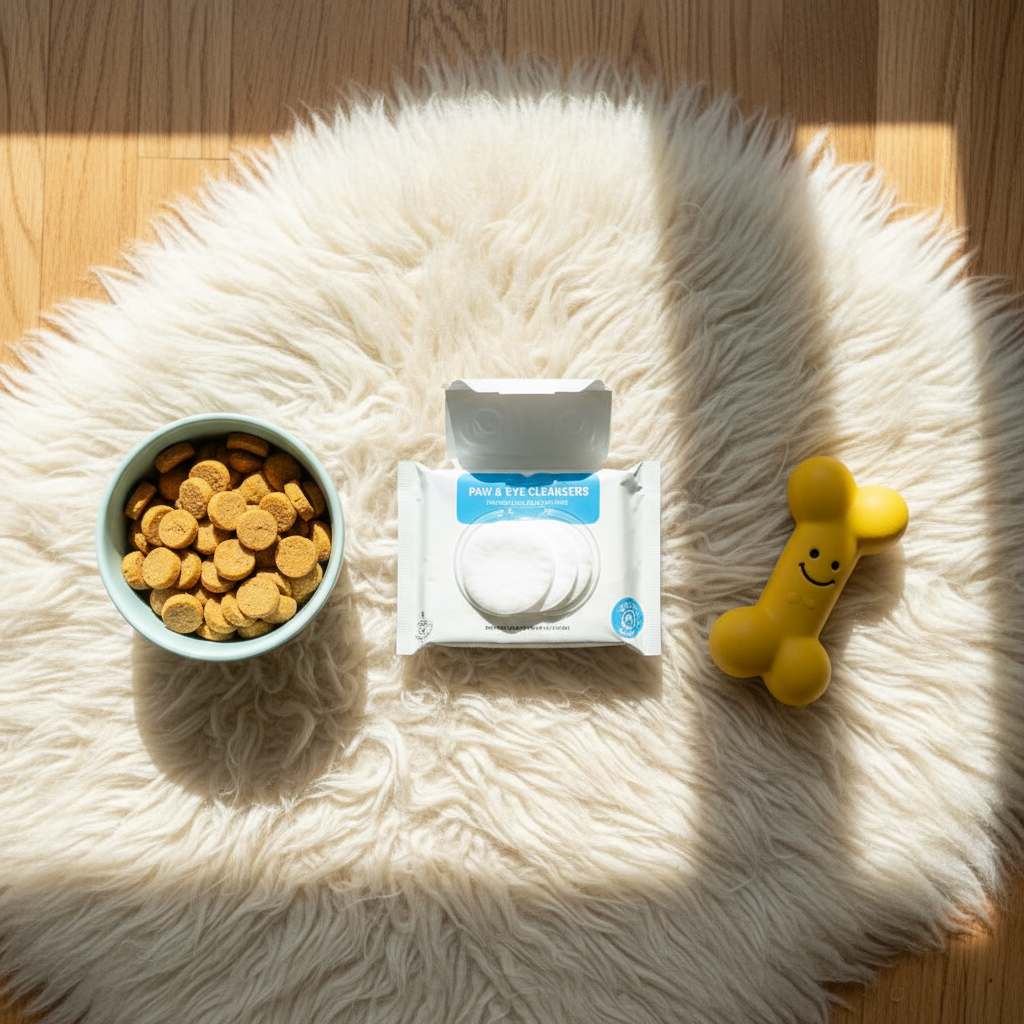
Great training starts with great preparation. Before you even think about approaching your dog, let’s get your toolkit ready. Having everything you need on hand will make the process smooth, efficient, and positive. Think of this as your ‘Happy Wiping Station’!
What You’ll Need:
- High-Value Treats: We’re not talking about their everyday kibble here. You need the good stuff! These should be tiny, soft, super delicious treats that your dog absolutely loves and doesn’t get all the time. Think tiny pieces of cooked chicken, small cubes of cheese, or a high-quality commercial training treat. The key is high-value to keep them motivated.
- Vet-Approved Dog Eye Wipes: This is non-negotiable. Never use human products like baby wipes or makeup remover on your dog’s eyes. Their skin pH is different, and these products can cause stinging and irritation. Look for wipes that are specifically formulated for dogs, are free of harsh chemicals and alcohol, and contain gentle, soothing ingredients. When in doubt, ask your vet for a recommendation.
- A Comfortable, Calm Space: Choose a location where your dog already feels relaxed and safe, like their favorite bed or a cozy rug. Avoid slippery floors or high surfaces. The environment should be quiet, free from distractions like other pets or noisy children.
- A Positive, Patient Mindset: This is the most important tool in your kit! Your dog is an expert at reading your energy. If you’re stressed, anxious, or frustrated, they will be too. Take a deep breath, put on a smile, and approach this as a fun game you’re about to play together.
The Gentle Path to Acceptance: A Step-by-Step Guide
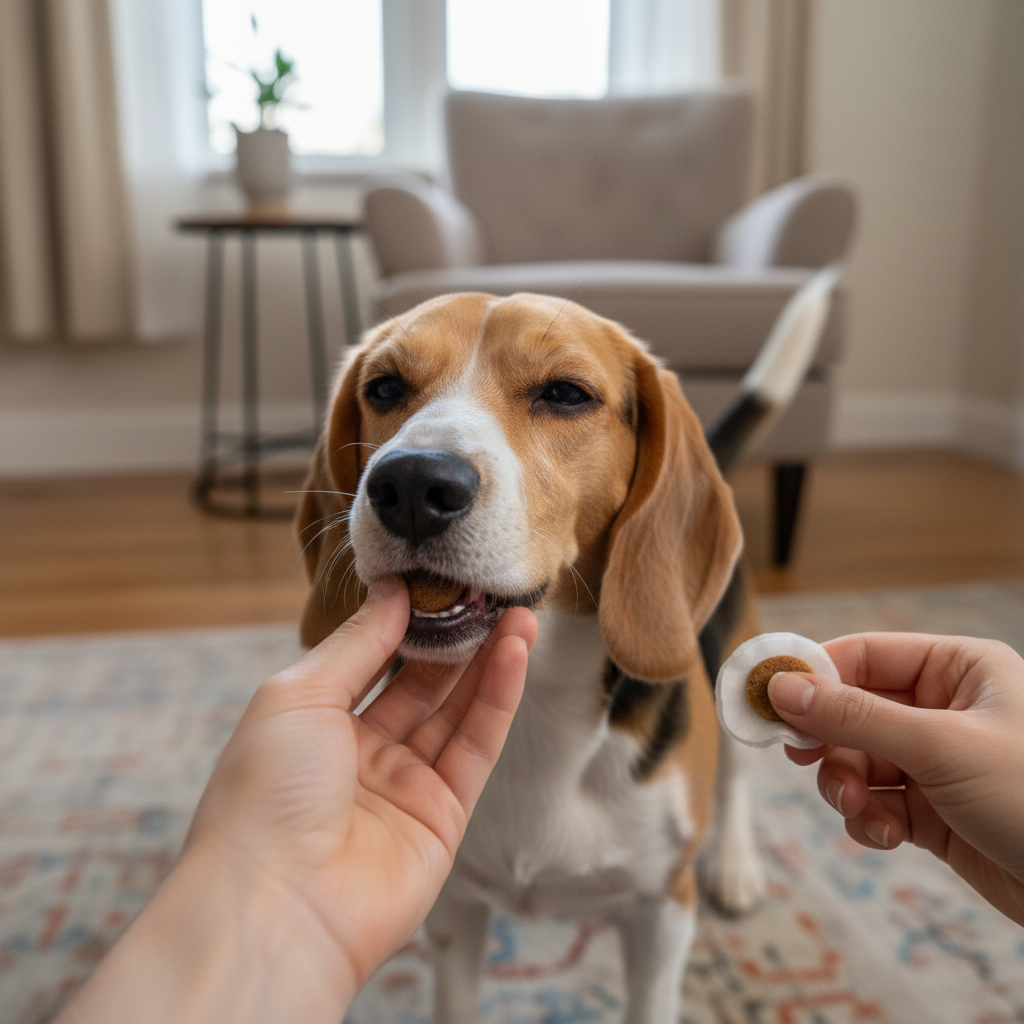
Alright, you’ve got your tools and your positive attitude. It’s time to begin! Remember, the golden rule here is to go at your dog’s pace. These steps might take a few days or a few weeks. Never rush. The goal is a happy dog, not a quick fix. Keep sessions short (1-3 minutes) and always end on a positive note.
-
Step 1: Make Face Touches Fun
Forget the wipes for now. We’re just getting your dog comfortable with hands near their face. Sit with your dog in your chosen calm space. Gently reach toward their face, touch their cheek or the side of their muzzle for just a second, then immediately say ‘Yes!’ in a happy voice and give them a high-value treat. Repeat this 5-10 times. Keep it light and fun. If your dog is hesitant, just touch their shoulder first, then their neck, and slowly work your way toward their face over several sessions.
-
Step 2: Introduce the Wipe Packet
Now, let’s introduce the villain in a non-threatening way. Hold the closed packet of wipes in your hand. Let your dog sniff it. The moment they do, say ‘Yes!’ and give them a treat. Do this a few times. Then, simply place the packet on the floor near you both. Occasionally point to it, and when your dog looks at it or sniffs it, reward them. We’re building a new association: Wipe Packet = Awesome Treats!
-
Step 3: The Wipe in Hand
Open the packet and take out a wipe. Let them sniff the wipe in your hand. ‘Yes!’ and treat. Now, with the wipe bunched up in your palm, repeat Step 1. Touch your dog’s cheek with the side of your hand (the one holding the wipe), ‘Yes!’ and treat. You’re not touching them with the wipe itself yet, just getting them used to its presence and smell while you continue the fun face-touching game.
-
Step 4: The Briefest Wipe-Touch
This is a big step! Hold the wipe so a small part is exposed. Gently and very quickly, touch the fur underneath their eye with the wipe for less than a second. Immediately pull back, say ‘YES!’ in your most excited voice, and give them a jackpot of 3-4 treats. This should feel like a huge win! If they are comfortable, repeat once or twice. If they flinch, go back to Step 3 for another session or two.
-
Step 5: The Single, Gentle Swipe
Once your dog is comfortable with the quick touch, you can move to a single, gentle swipe. Starting from the corner of the eye, make one fluid swipe outwards on the fur. Follow immediately with a happy ‘YES!’ and a jackpot of treats. The key is one quick, confident motion. Don’t linger or scrub. Make it feel like no big deal.
-
Step 6: Build Duration and Routine
After your dog is happily accepting one swipe, you can gradually build from there. Try two swipes on one eye. Then one swipe on each eye. Slowly work your way up to a full, gentle cleaning. Always follow up with praise and a tasty reward. Soon, your dog will see you grab the wipes and come running, because they know it’s a special time for treats and attention with their favorite person.
What If We’re Stuck? Troubleshooting Common Roadblocks
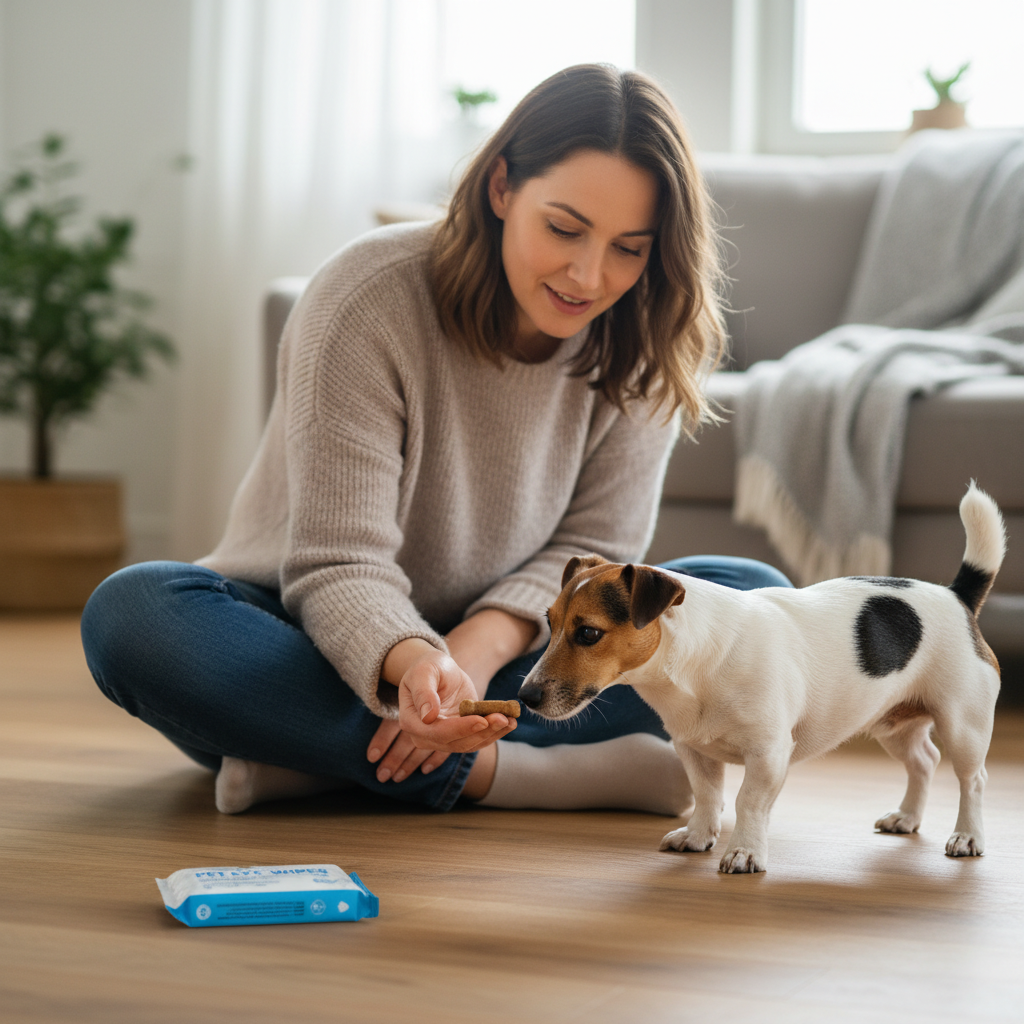
Sometimes, even with the best plan, you hit a snag. That’s completely normal! Every dog is an individual. If you find your progress has stalled, don’t get discouraged. Here are some common issues and how to navigate them with patience and grace.
- Your dog runs and hides at the sight of the wipe packet. This means the association is still negative. You need to go way back to basics. Put the wipes away for a few days. Then, reintroduce the packet from across the room. When your dog looks at it, toss a treat. Slowly, over many sessions, decrease the distance until the packet can be near them without causing anxiety. This requires a lot of patience!
- Your dog growls, snaps, or gets ‘mouthy.’ Stop immediately. A growl is not aggression; it’s communication. Your dog is saying, ‘I am extremely uncomfortable, please stop.’ Never punish a growl. It’s a crucial warning sign. Pushing past it can lead to a bite. Take a big step back in your training, perhaps all the way to simple face touches without any wipes involved, and proceed much, much more slowly. Your dog’s feeling of safety is the top priority.
- You’re just not making progress. Are your treats valuable enough? Is the environment truly calm? Are your sessions too long? Try shortening them to just 30-60 seconds. Upping the value of your reward can also make a huge difference. And remember to check your own energy—if you’re feeling tense, your dog will too.
To help you stay on track, here is a quick reference table of the core principles.
| The Do’s of Wipe Training | The Don’ts of Wipe Training |
|---|---|
| Go at your dog’s pace. | Never force or restrain your dog. |
| Use extremely high-value rewards. | Don’t punish growling or other signs of fear. |
| Keep sessions short and fun. | Don’t get frustrated or lose your patience. |
| End every session on a positive note. | Don’t move to the next step until the current one is easy. |
Beyond the Wipe: Proactive Tips for Preventing Tear Stains
While mastering the cleaning process is a huge win, you can also take steps to reduce the tear staining in the first place. A multi-pronged approach is often the most effective way to keep those bright eyes looking their best.
Potential Causes to Investigate
Excessive tearing, or ‘epiphora,’ can have underlying medical causes. If tear staining is a new or severe problem for your dog, it’s always best to start with a check-up.
Expert Tip: Always consult your veterinarian to rule out medical issues. Things like blocked tear ducts, allergies, corneal scratches, or even the shape of your dog’s eye socket can contribute to excessive tearing. Your vet is your best partner in your dog’s health.
Simple Lifestyle Adjustments
- Filtered Water: Some owners report success after switching their dogs to filtered or purified water. The mineral content in some tap water can sometimes contribute to staining. It’s an easy switch to make and see if it helps.
- Keep Facial Hair Trimmed: For long-haired breeds, stray hairs can poke and irritate the eye, causing it to water more. Keeping the hair around the eyes neatly trimmed by a professional groomer or by carefully using blunt-nosed scissors can make a big difference.
- Diet and Nutrition: A high-quality diet is the foundation of overall health, which includes skin and coat. Ensure your dog is on a well-balanced food. Some people believe certain additives or grains can contribute to inflammation and tearing, so you might discuss dietary options with your vet.
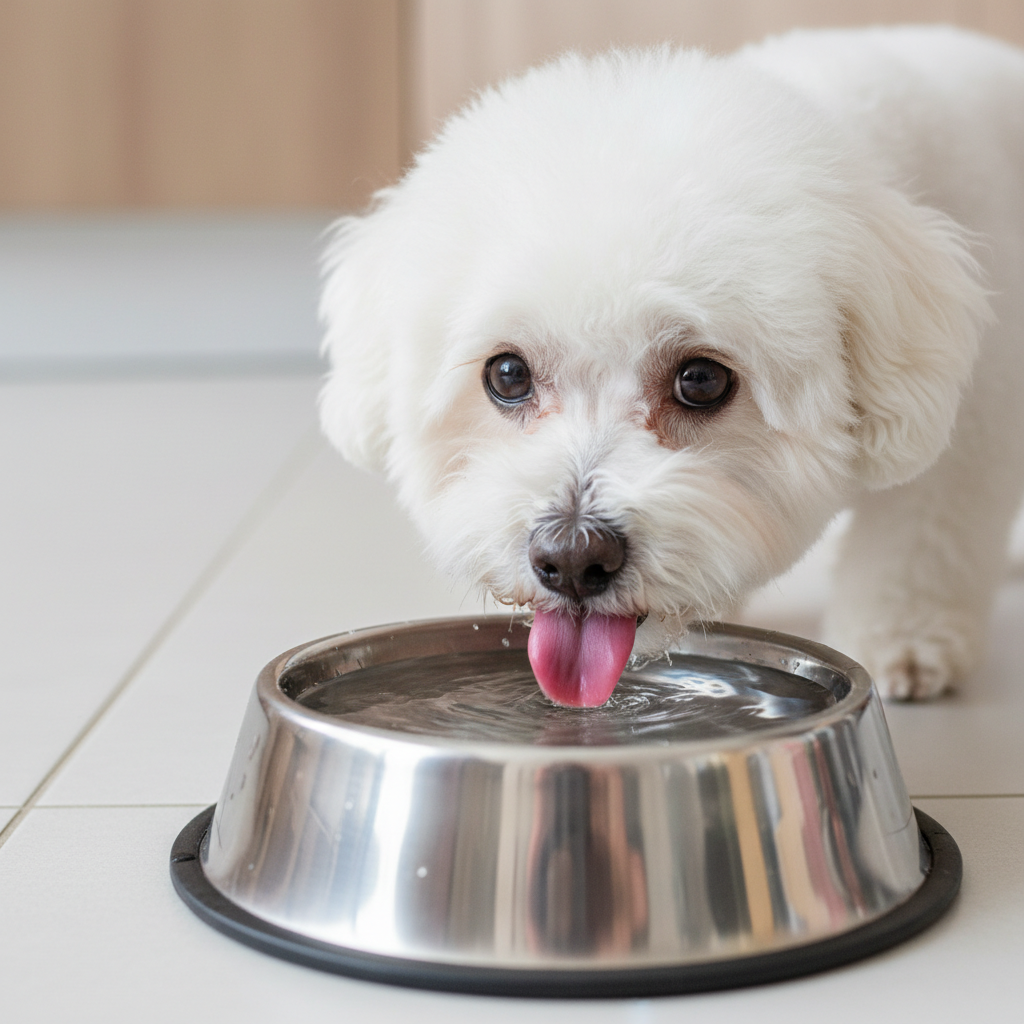
- Cleanliness is Key: Gently wiping your dog’s face with a dry, soft cloth after they drink water or eat can help prevent moisture from sitting on their fur. Also, be sure to wash their food and water bowls daily to prevent bacteria buildup.
By combining these preventative measures with your new, positive cleaning routine, you’ll be well on your way to conquering tear stains for good.
Conclusion
You did it! You now have a complete roadmap to transform eye cleaning from a dreaded task into a delightful routine. The journey is about so much more than wiping away stains; it’s about building a language of trust and cooperation with your best friend. Every short, happy training session reinforces your bond and teaches your dog that being handled by you is a safe and rewarding experience.
Remember to celebrate the small victories along the way. Be patient with your pup and with yourself. Before you know it, the sight of the wipe packet will bring wags and happy anticipation instead of worried looks. You’ve got this, and your dog will thank you for taking the time to understand and care for them in such a kind and compassionate way.