Have you ever watched your dog chase a ball with unbridled joy and thought, ‘What if we could take this to the next level?’ Well, you can! Welcome to the exciting world of canine soccer. Teaching your dog to play goalie isn’t just an impressive party trick; it’s a fantastic way to channel their energy, sharpen their mind, and build an even stronger bond between you. It combines the thrill of the chase with the focus of a trained task, making it one of the most rewarding activities you can do together.
In this guide, we’re going to walk you through everything you need to know, from picking the right gear to mastering the ultimate block. We’ll break down the training into simple, positive, and fun steps that any dog (and owner!) can enjoy. Forget boring games of fetch; it’s time to get your pup ready for the big leagues. So, grab some treats, find a soft ball, and let’s get ready to play!
Gathering Your Gear: What You’ll Need for Canine Soccer
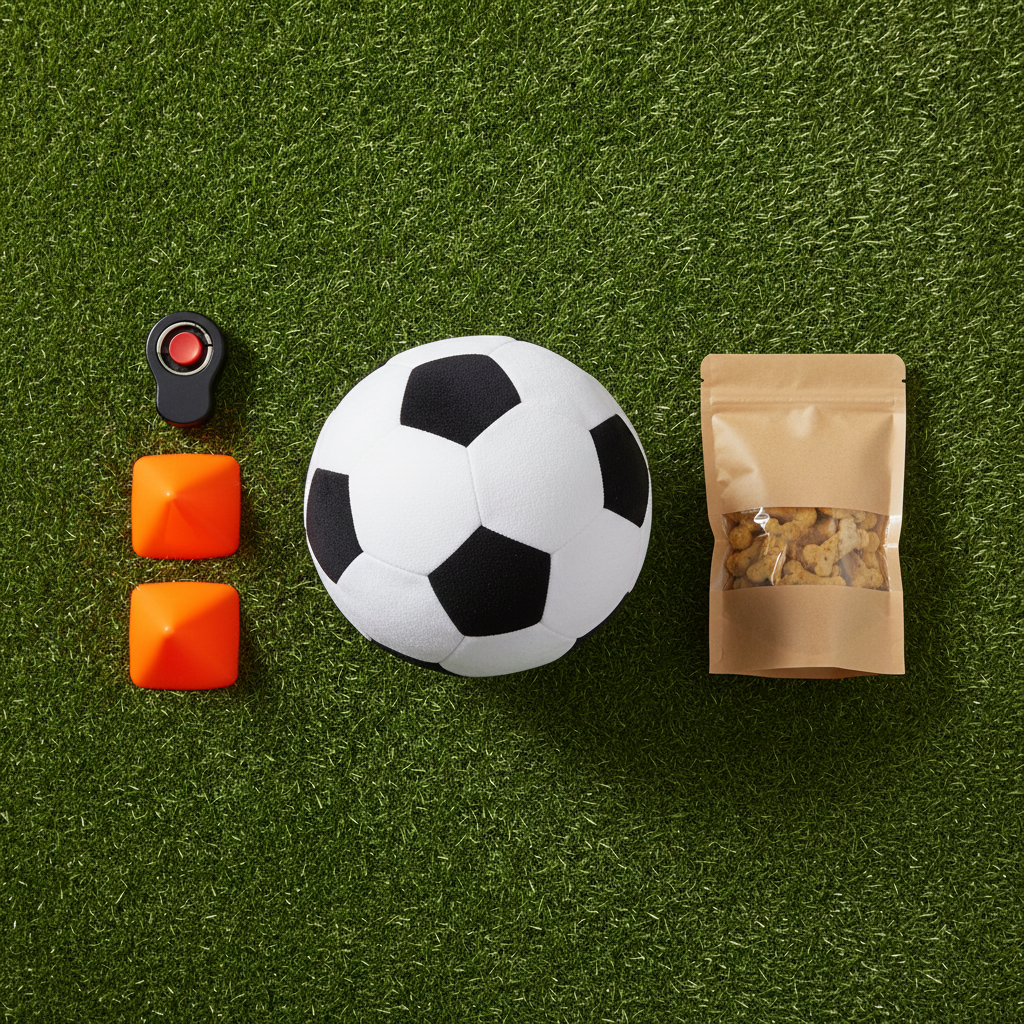
Before you and your future four-legged goalie hit the field, it’s important to gather the right equipment. Using the correct gear not only sets you up for success but, more importantly, keeps your dog safe and comfortable during training. Here’s your checklist for getting started:
- A Dog-Safe Soccer Ball: This is the most crucial piece of equipment. Do not use a standard, inflated soccer ball. These are too hard and can injure your dog’s teeth, jaw, or head. Look for a large, soft-sided ‘herding’ ball or a specific dog soccer ball made from durable, puncture-resistant material like Jolly Pets Jolly Soccer Ball. The ball should be large enough that your dog can’t fit it entirely in their mouth.
- High-Value Treats: You’ll be asking for a lot of focus, so you need a reward that’s worth the effort. Small, soft, and extra-tasty treats work best. Think tiny pieces of chicken, cheese, or specialized training treats that your dog absolutely loves.
- A Clicker (Optional but Recommended): A clicker is a fantastic tool for marking the exact moment your dog does something right. This precise communication can speed up the learning process significantly. If you’re not using a clicker, choose a consistent verbal marker, like a sharp “Yes!”.
- A ‘Goal’: You don’t need a professional-grade soccer net. At the beginning, two simple cones, shoes, or even water bottles placed a few feet apart will work perfectly to define the goal area. This gives your dog a clear visual target for where they need to be.
- A Safe, Enclosed Training Area: A fenced-in backyard or a quiet park with no distractions is ideal. You want a space where your dog can focus on you and the game without the risk of running off or getting into trouble. A soft, grassy surface is also much kinder on their joints than hard pavement.
Expert Tip: When introducing the new soccer ball, let your dog sniff and explore it on their own terms. Smear a tiny bit of peanut butter on it or reward them for any gentle interaction to build a positive association from the very beginning.
Phase 1: Building the Foundation with Ball Drive and Basic Cues
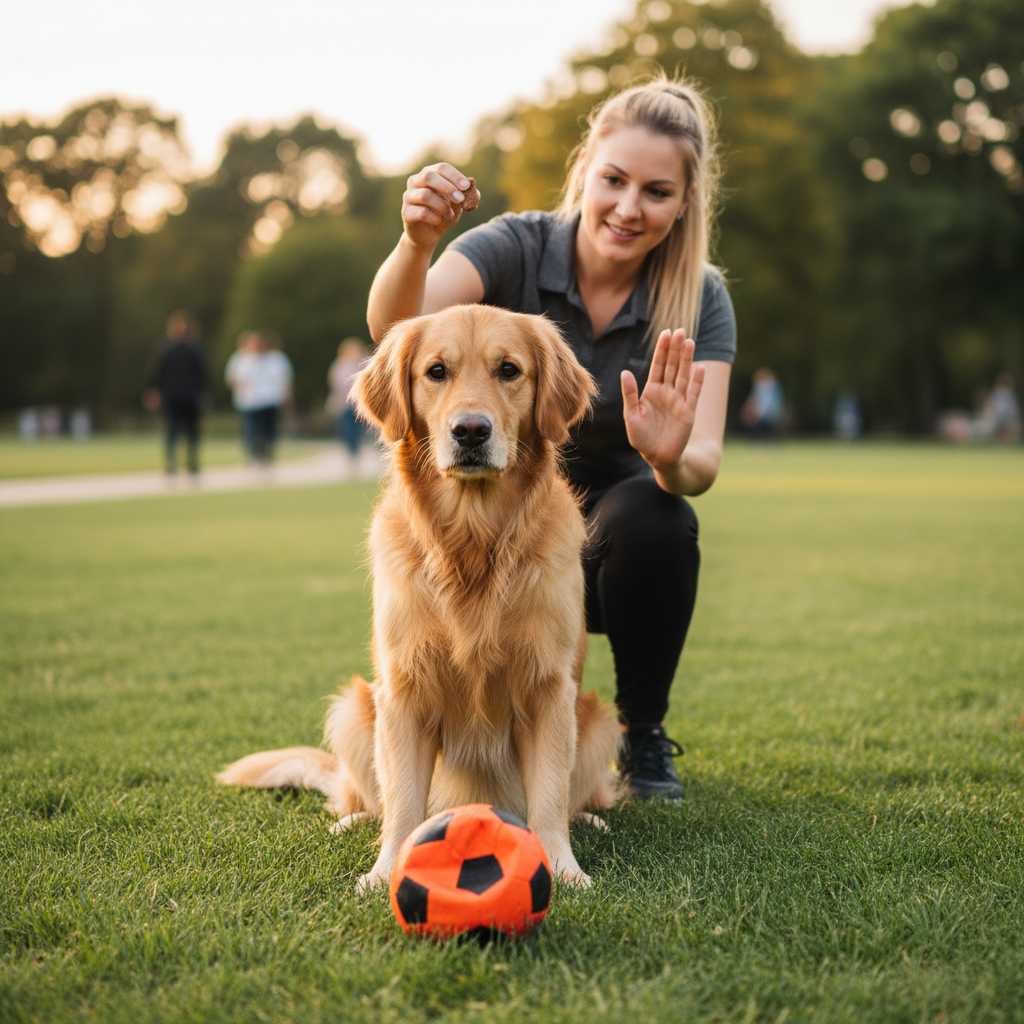
Before we can teach the ‘goalie’ part, we need to make sure our dog has the foundational skills to succeed. This phase is all about making the ball the most exciting thing in the world and ensuring your dog has some basic obedience down. Patience here will pay off tenfold later on.
Fanning the Flames of Ball Drive
Most dogs have a natural prey drive that makes them want to chase things, but we want to nurture this into a focused ‘ball drive.’ We want the dog to want to engage with the ball, not just chase it.
- Positive Introduction: Start by simply rolling the ball a short distance. When your dog moves toward it, praise them enthusiastically and give them a treat. The reward should come from you, not from ‘capturing’ the ball. This teaches them that interacting with the ball while paying attention to you is the goal.
- Keep it Low-Key: Don’t create a frantic energy. We want controlled excitement. Roll the ball, let them nudge or paw it, click/’Yes!’ for the interaction, and reward. Then, gently take the ball back and repeat.
- Teach ‘Drop It’: It’s vital that your dog will release the ball on command. This prevents possessiveness and keeps the game flowing. Practice trading the ball for a high-value treat.
Mastering Prerequisite Commands
A couple of basic commands will make your goalie training sessions much smoother and more structured.
- ‘Stay’: Your dog needs to be able to hold a position between the goalposts while you get ready to roll the ball. Practice ‘stay’ in short durations, gradually increasing the time and your distance from your dog. Make it a fun game, always rewarding them for a successful stay.
- ‘Come’ (Recall): A rock-solid recall is a must for any dog owner. In this context, it helps reset the game after a successful block or if the ball goes astray.
Spend a few sessions just on these foundational elements. When your dog is eagerly but gently interacting with the ball and can hold a ‘stay’ for at least 10-15 seconds, you’re ready to move on to the main event.
Phase 2: The Goalie Stance – Step-by-Step Training
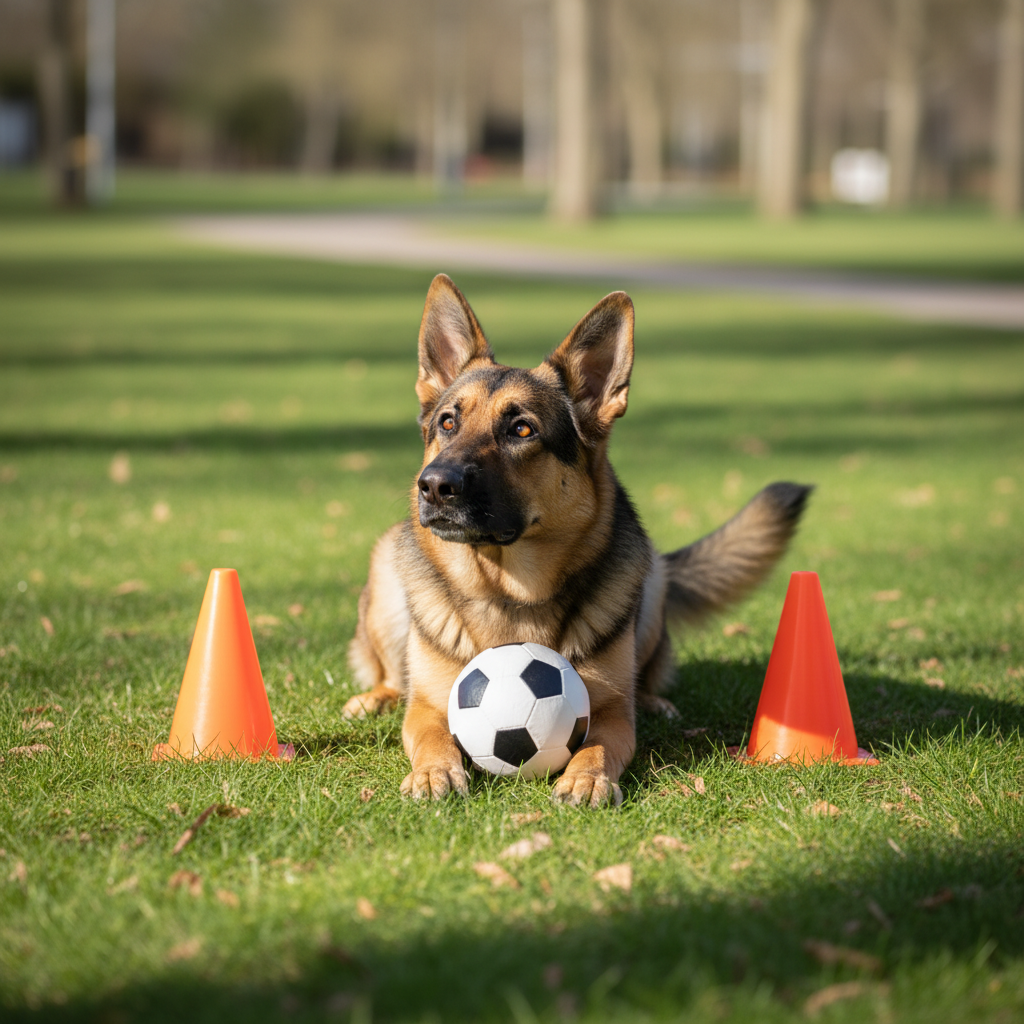
This is where the magic happens! We’re going to combine the foundational skills into the specific action of blocking a ball in a goal. Remember to keep sessions short (5-10 minutes) and always end on a positive, successful note. Let’s break it down.
- Introduce the Goal: Set up your two cones to create a goal that’s about twice as wide as your dog. Guide your dog to the space between the cones. The moment they are positioned between them, click/’Yes!’ and treat. Repeat this until your dog starts to understand that being between the cones is a great place to be.
- Combine with ‘Stay’: Once your dog is comfortable in the goal, ask for a ‘stay’. Start with just a second or two, then reward. Gradually build up the duration. The goal (pun intended!) is to have them wait patiently in position.
- The First ‘Shot’: While your dog is in a ‘stay’ in the goal, kneel down just a few feet in front of them. Very gently and slowly, roll the ball directly towards their chest or front paws. The moment the ball touches them, or they interact with it in any way (even a sniff!), have a huge praise party! Click/’Yes!’ and deliver a jackpot of treats. We are rewarding the interaction with the ball inside the goal area.
- Introduce a Verbal Cue: Once your dog starts to anticipate the roll and reliably interacts with the ball, you can add a cue. Just before you roll the ball, say your chosen word, like “Block!”, “Get it!”, or “Goalie!”. Keep it consistent.
- Shape the ‘Block’: Now we get more specific. Start rewarding only for more deliberate blocking actions. At first, reward for any paw touch. Then, hold out for a nose boop. Gradually, you want to shape the behavior towards them using their chest and body to stop the ball, as this is the safest and most effective method. This is called ‘shaping,’ and it requires patience. Only reward the behaviors that are getting closer to your final goal.
- Add Movement: Once your dog is confidently blocking straight-on rolls, start rolling the ball slightly to their left or right. This encourages them to move and adjust their body. Reward any effort to move towards the ball to block it. This is the beginning of a true goalie!
Remember: Every dog learns at a different pace. If your dog gets confused or frustrated, just go back to the last step where they were successful and practice that a bit more before moving forward again. This is all about fun!
Phase 3: Leveling Up – Advanced Goalie Skills and Game Time
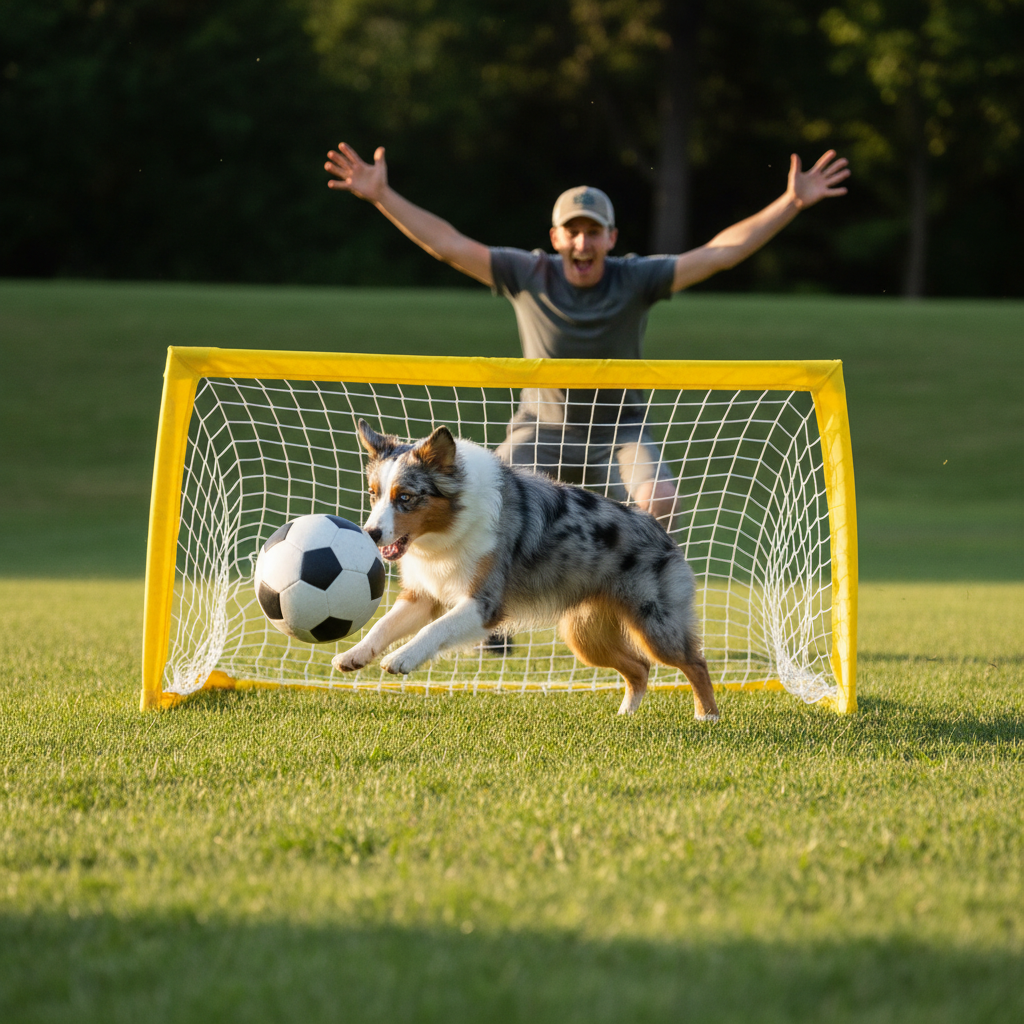
Your dog is now consistently blocking slow rolls and moving side-to-side. Congratulations, you have a goalie-in-training! Now it’s time to make the game more dynamic, challenging, and even more fun. This phase is about building on your success and turning your training drills into a real game.
Increasing the Challenge
Gradually increase the difficulty to keep your dog engaged and thinking. The key word here is gradually. Pushing too hard, too fast can lead to frustration.
- Increase Your Distance: Start backing up a few feet at a time before you roll the ball. This gives your dog more time to see the ball coming and react.
- Vary the Speed: Mix in slightly faster rolls with the slow ones. This teaches your dog to adapt to different types of ‘shots’. Never kick the ball hard directly at your dog; we’re still just rolling or gently tapping it.
- Introduce Gentle Lobs: For dogs that love to jump, you can start introducing very gentle, low, arcing tosses. This can encourage them to block with their chest or even (safely) head-butt the soft ball. Only do this if you are using an appropriately soft and lightweight ball.
Turning Drills into a Game
The best part of this training is playing together. Once your dog has the hang of it, you can make it feel less like a drill and more like a real game.
- Involve the Family: Have a family member take a ‘shot’ while you stay near the goal to help reward your dog. This helps them generalize the skill.
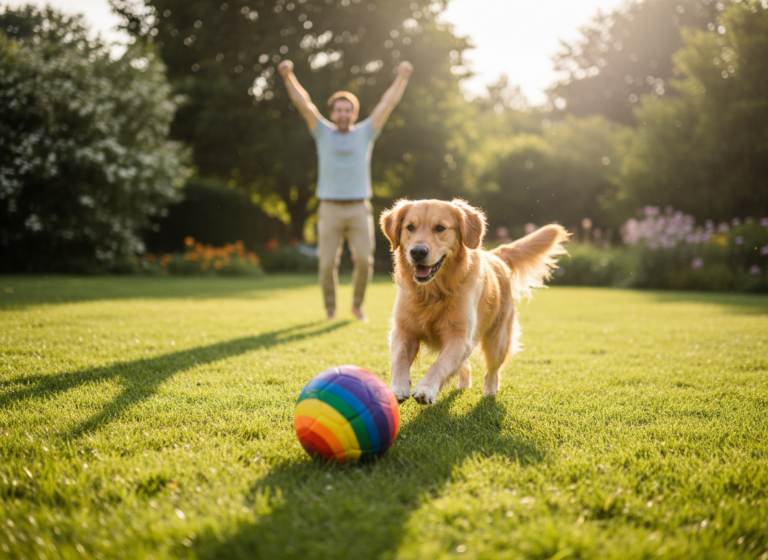
- Celebrate Goals: Make a huge deal out of every successful block! Run around, cheer, and give them lots of praise and affection. Your energy will feed their enthusiasm.
- Take Breaks for Other Fun: Intersperse goalie practice with short games of tug or a simple ‘come and cuddle’ session. This prevents your dog from getting too hyper-focused or stressed about ‘performing’ correctly.
The ultimate goal is for your dog to love the game. By keeping it positive, varied, and exciting, you’re not just training a skill; you’re creating a shared hobby that you can both enjoy for years to come.
Troubleshooting Common Issues & Keeping Your Star Player Safe
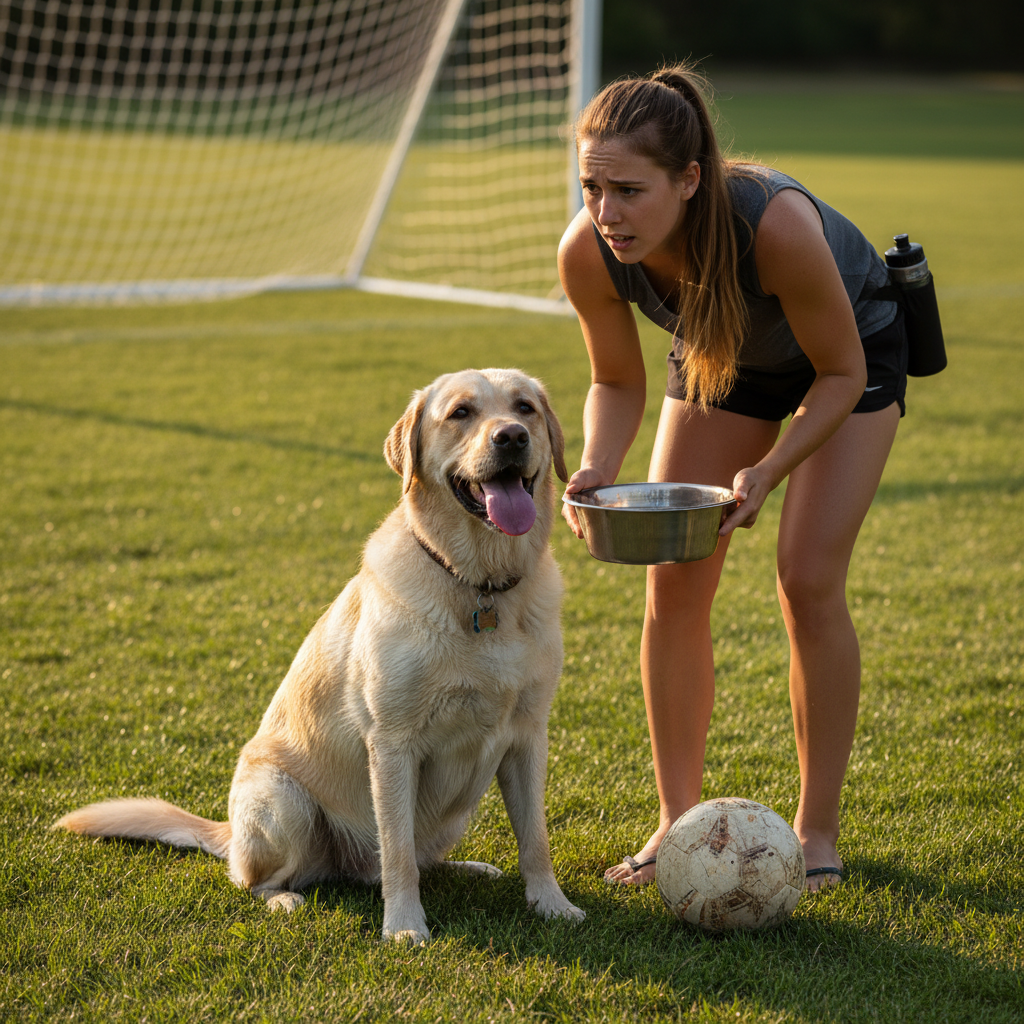
Even with the best training plan, you might hit a few bumps in the road. That’s completely normal! The key is to identify the problem and adjust your approach. At the same time, your dog’s safety should always be your number one priority. Let’s cover some common issues and essential safety tips.
Common Training Hurdles
Here’s a quick guide to some frequent challenges and how to overcome them:
| Problem | Solution |
|---|---|
| My dog is scared of the ball. | Go back to square one. Re-introduce the ball in a calm setting with no pressure. Reward your dog for just looking at it, then for sniffing it, then for touching it with their nose. Use a smaller or softer ball if needed. |
| My dog just wants to bite or puncture the ball. | This is common with dogs that have a high prey drive. Ensure you’re using a durable, dog-specific ball. Work heavily on the ‘Drop It’ command, rewarding them with a super high-value treat for releasing the ball. The game only continues when they are gentle. |
| My dog loses interest quickly. | Your training sessions are likely too long. Cut them down to just 2-3 minutes at a time, multiple times a day. Use better treats and end the session while your dog is still having fun and wants more. |
| My dog runs away with the ball after blocking it. | This is a victory lap! While cute, it disrupts the game. Reinforce the behavior of staying in the goal. After a block, immediately call them back to the goal area for their reward, rather than letting them grab the ball and run. |
Safety First: Your Goalie’s Health is Paramount
This should be a fun and safe activity. Always keep these safety rules in mind:
- Warm-Up and Cool-Down: Just like human athletes, dogs benefit from a 5-minute warm-up of light walking or jogging before playing, and a cool-down walk afterward.
- Watch for Overheating: Dogs can overheat easily, especially on warm days. Play during cooler parts of the day, ensure there’s plenty of fresh water available, and learn the signs of heatstroke (excessive panting, drooling, lethargy, bright red gums).
- Protect Their Paws: Avoid playing on hot pavement, gravel, or rough surfaces that can injure their paw pads. Grass is the best playing surface.
- Know When to Stop: If your dog seems tired, sore, or is no longer having fun, it’s time to end the session. Pushing them too hard can lead to injury or a negative association with the game.
Conclusion
You’ve done it! You now have all the tools and techniques to teach your dog one of the coolest tricks on the block. By transforming your everyday game of fetch into a structured, skill-based activity like playing goalie, you’re doing so much more than just killing time. You’re boosting your dog’s confidence, providing crucial physical and mental exercise, and strengthening the incredible communication and trust between you.
Remember that the most important ingredients are patience, positivity, and a whole lot of fun. Celebrate the small victories, laugh at the goofy mistakes, and cherish the time spent together. Before you know it, you’ll have a happy, tired, and very talented soccer star in your family. Now get out there and have a ball!