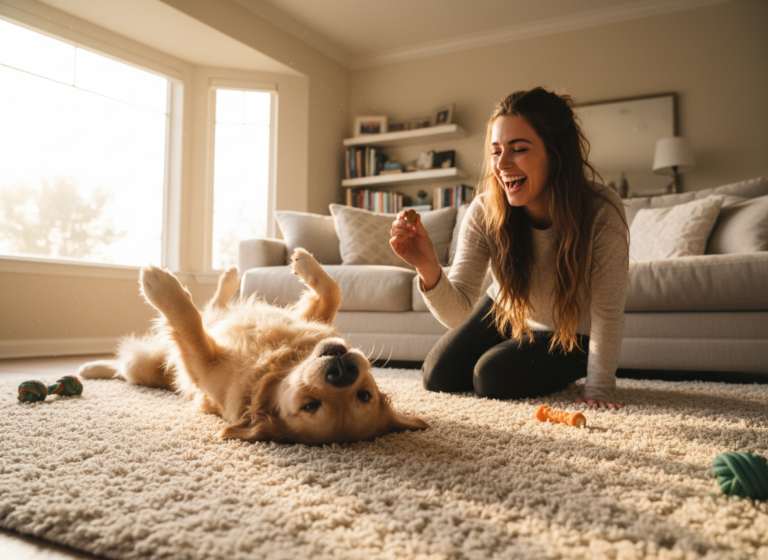
Have you ever seen a dog army crawl across the floor and thought, ‘I wish my dog could do that!’? Well, you’re in luck! The army crawl is not only an incredibly impressive and adorable trick, but it’s also a fantastic mental workout for your furry friend. Teaching new tricks is one of the best ways to strengthen your bond, build your dog’s confidence, and keep their clever minds engaged.
Forget boring obedience drills; this is all about having fun together. In this guide, we’re going to break down the army crawl into simple, easy-to-follow steps. We’ll be using positive reinforcement techniques, which means lots of treats, praise, and happy moments. Whether you have a tiny Chihuahua or a giant Great Dane, any dog can learn to wiggle their way across the room on their belly. So grab your tastiest treats, find a comfy spot on the floor, and let’s get ready to teach your dog their new favorite party trick!
Getting Started: Your Pre-Crawl Checklist
Getting Started: Your Pre-Crawl Checklist
Before you and your pup hit the deck, a little prep work will set you both up for success. Think of this as your training mission briefing! Getting your gear and environment right from the start makes the whole process smoother and more enjoyable for your canine companion.
Prerequisite Command: A Solid ‘Down’
The army crawl is essentially a ‘down’ in motion. Therefore, the most crucial prerequisite is a rock-solid ‘down’ or ‘lie down’ command. Your dog should be able to lie down on cue and stay there comfortably for at least a few seconds. If their ‘down’ is a bit wobbly, spend a few short sessions reinforcing it before you start on the crawl. You want them to see the ‘down’ position as a calm and rewarding place to be, as it’s our starting point for every repetition.
Gathering Your Supplies
You don’t need much, but having the right tools makes all the difference. Here’s what you’ll want to have on hand:
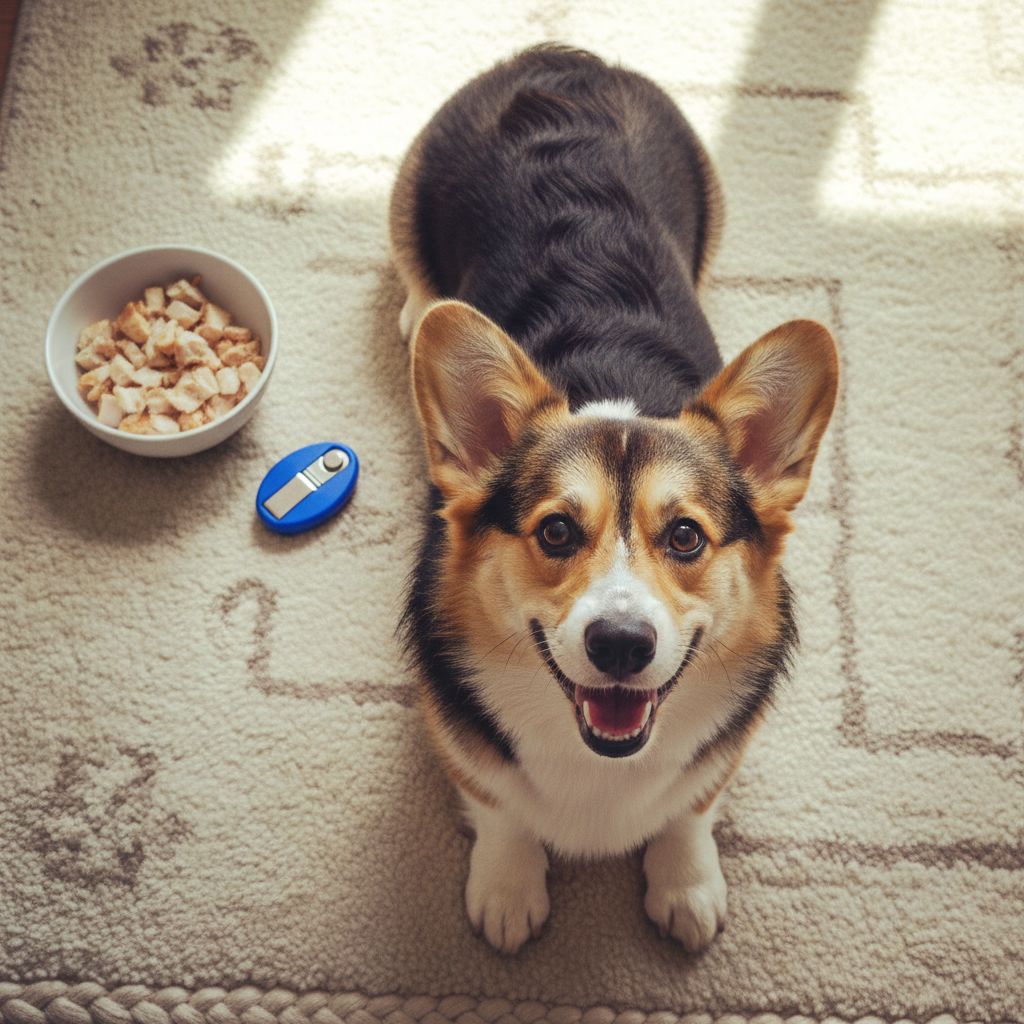
- High-Value Treats: We’re talking top-tier goodies here! Standard kibble might not be motivating enough for this new challenge. Think small, soft, and extra smelly treats like tiny pieces of chicken, cheese, or commercial training treats that your dog absolutely loves. You’ll need quite a few, so cut them into pea-sized bits to keep the session going without overfeeding.
- A Clicker (Optional but Recommended): A clicker is a fantastic tool for marking the exact moment your dog does something right. The ‘click’ acts as a precise signal that means, ‘Yes, that’s it! A treat is coming!’ If you’re not using a clicker, you can use a verbal marker word like ‘Yes!’ or ‘Good!’ said in an upbeat tone.
- A Comfortable Surface: Your dog will be sliding around on their belly, so choose a soft, comfortable surface. A carpeted floor, a large rug, or a grassy area in your yard are all great options. Avoid slippery surfaces like hardwood or tile, as they can make it difficult and uncomfortable for your dog to get traction.
Setting the Scene
Your training environment is key. Choose a time when your dog is relaxed but not tired, and pick a space that’s quiet and free from distractions. Turn off the TV, ask other family members to give you some space, and put away any tempting toys. A calm, focused environment helps your dog concentrate on the new skill you’re teaching them. Keep your initial training sessions short and sweet—5 to 10 minutes is plenty. It’s always better to end on a high note, leaving your dog wanting more, than to push them until they’re frustrated or bored.
The Crawl Academy: A Step-by-Step Guide
The Crawl Academy: A Step-by-Step Guide
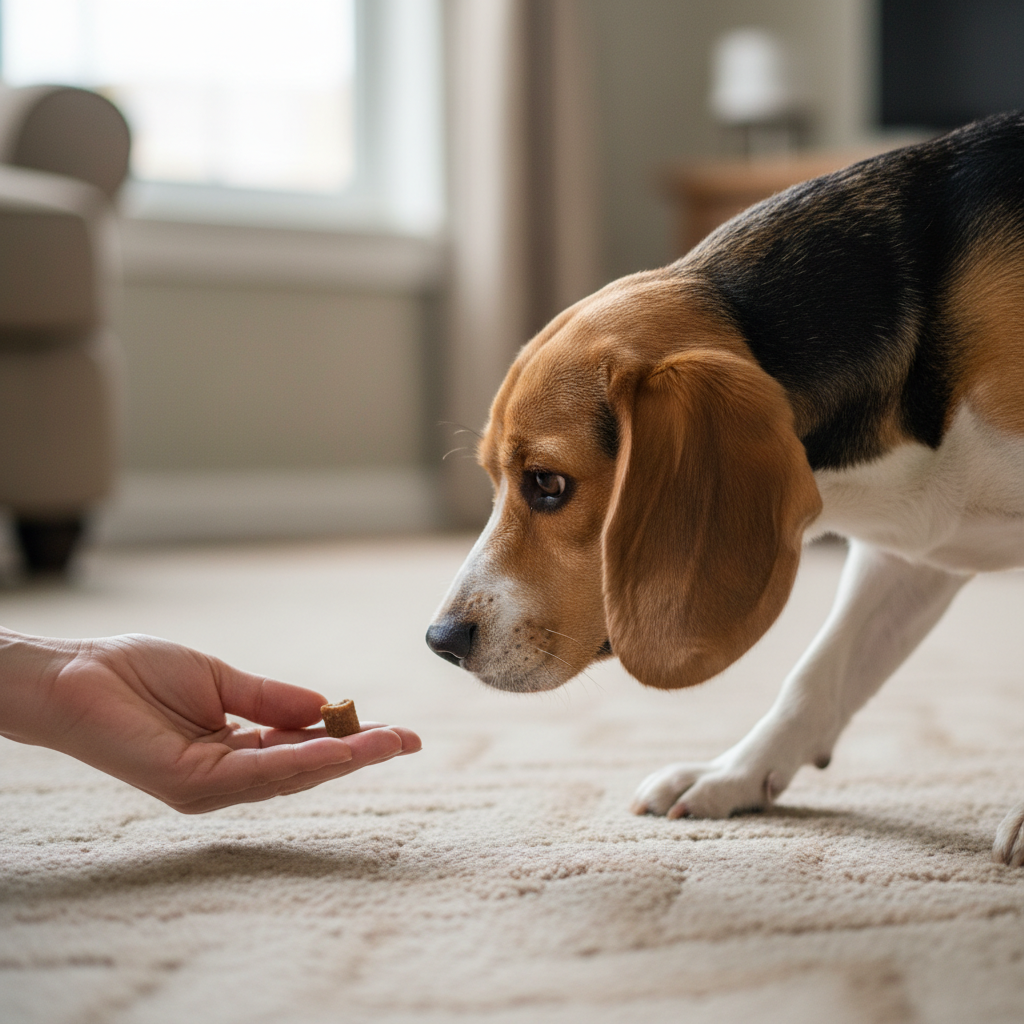
Alright, training time! This is where the magic happens. Remember, patience is your best friend. Every dog learns at a different pace, so celebrate the small wins and keep it fun. We’re going to use a technique called ‘luring,’ where we use a treat to guide the dog into the desired position.
-
Step 1: Start in the ‘Down’ Position
Ask your dog to lie down. Once they are in a nice, relaxed ‘down,’ give them a click (or say ‘Yes!’) and a treat. Do this a couple of times to reinforce that this is the correct starting position.
-
Step 2: Lure the Head Down and Forward
With your dog in the ‘down’ position, take a tasty treat in your hand. Hold it right in front of their nose, and then slowly lower it to the floor between their paws. As they follow the treat with their nose, their head will lower. The moment their chin or chest gets closer to the floor, click and treat. The goal is to encourage them to lower their body, not just stretch their neck. Repeat this a few times until they are comfortably lowering their head to follow the lure.
-
Step 3: Encourage a Tiny Forward Movement
Now for the first bit of movement! With your dog in the ‘down’ position, place the treat on the floor just an inch or two in front of their nose, slightly out of reach. To get the treat, they’ll have to shift their weight and shuffle or stretch forward. The very instant you see any forward movement—a paw sliding, a shoulder shifting—click and let them have the treat! We are rewarding the effort to move forward while staying low.
Expert Tip: If your dog keeps popping up, your lure is likely too high or too far away. Keep the treat very close to the floor and to their nose to encourage them to stay low.
-
Step 4: Luring the Crawl
Once your dog understands that moving forward gets them the reward, you can start luring them a little further. Place the treat on the floor and slowly drag it forward a few inches. As they start to wiggle and slide their body forward to follow it, click and treat. At first, you might only get one or two ‘steps’ before they stop. That’s perfect! Reward that, and gradually ask for a little more distance over several training sessions. Keep the lure low and slow.
-
Step 5: Adding the Verbal Cue
When your dog is reliably crawling a short distance by following the lure, it’s time to name the behavior. Just as they start to perform the crawling motion, say your chosen verbal cue in a clear, happy voice. Good cues are short and distinct, like ‘Crawl,’ ‘Creep,’ or ‘Tunnel.’ Say the cue, lure them forward, and then click and treat as they crawl. After many repetitions, your dog will start to associate the word ‘Crawl’ with the action.
-
Step 6: Fading the Hand Lure
Our ultimate goal is for the dog to crawl on the verbal cue alone. To get there, we need to gradually phase out the hand lure. Start by making your hand motion smaller and less obvious. Instead of dragging the treat on the floor, maybe just point to the ground in front of them. Eventually, you can transition to just the verbal cue. This takes time, so be patient. If they get stuck, simply go back a step to the more obvious lure and then try again.
Troubleshooting Common Crawling Conundrums
Troubleshooting Common Crawling Conundrums
Even with the best plan, you might hit a few bumps in the road. Don’t worry, it’s a normal part of the training process! Most issues are easy to solve with a small adjustment. Here are some of the most common challenges and how to work through them.
Help! My Dog Keeps Popping Up!
This is probably the number one issue trainers see. If your dog gets up from the ‘down’ position instead of crawling forward, it usually means one of two things:
- Your lure is too high. Remember to keep the treat practically scraping the floor. If you lift it even an inch or two, you’re signaling your dog to get up. Think ‘low and slow.’
- You’re asking for too much, too soon. Your dog might pop up out of frustration if they can’t figure out how to get the reward. Go back to rewarding just a tiny head dip or a single paw shuffle. Make it super easy for them to win.
My Dog Just Stretches Their Neck, They Don’t Move Their Body.
The classic ‘long neck’ pose! This happens when the dog learns they can reach the treat by just stretching, without moving their body. To fix this, make sure you’re placing the lure just far enough away that they must shift their body weight to reach it. You can also try using a ‘tunnel’ to help guide them. Have them lie down with their head under your bent leg or a low coffee table (make sure it’s stable!). Then, lure them forward through the ‘tunnel.’ This physical barrier prevents them from popping up and encourages forward motion.
My Dog Seems Bored or Frustrated.
If your dog starts whining, barking, or disengaging (sniffing the floor, walking away), it’s a clear sign they need a break. Training should be fun, not a chore.
- Keep sessions short. A few 5-minute sessions are far more effective than one frustrating 20-minute session.
- Check your treat value. Is the reward exciting enough? Maybe it’s time to bring out the big guns (like tiny bits of freeze-dried liver!).
- End on a positive note. Always try to end your training session with a success. Ask for a simple behavior you know they’ve mastered, like ‘sit’ or ‘touch,’ and give them a big reward and lots of praise. This keeps their confidence high and makes them excited for the next session.
| Problem | Quick Solution | Underlying Reason |
|---|---|---|
| Dog stands up | Lower the treat lure to touch the floor. | Lure is too high, signaling upward movement. |
| Dog only stretches neck | Place the lure just out of reach of their nose. | Dog is getting the reward without moving their body. |
| Dog gets frustrated | End the session with an easy win and take a break. | Session is too long or the step is too difficult. |
Pro-Level Crawling: Adding Distance and Distractions
Pro-Level Crawling: Adding Distance and Distractions
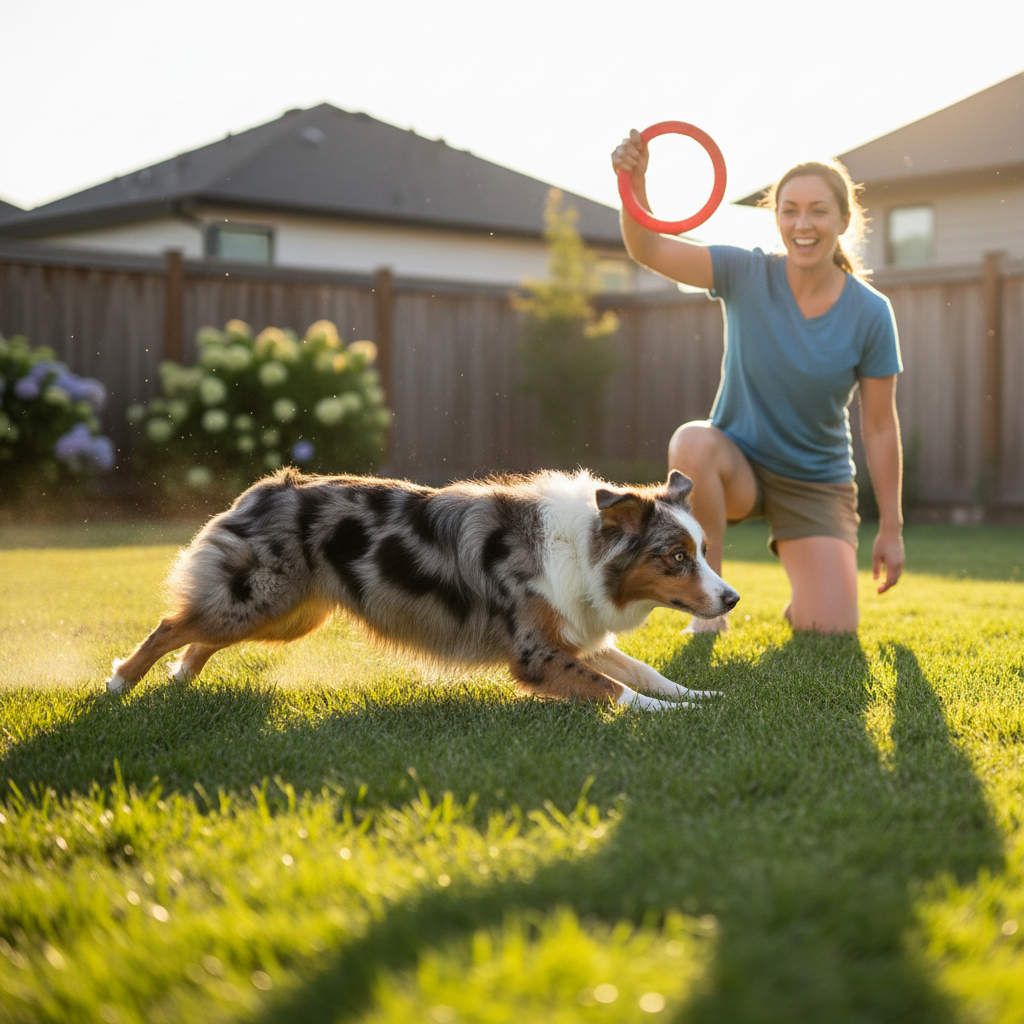
So, your dog has mastered the basic crawl! They see your hand signal or hear the cue and start wiggling forward. High five! Now it’s time to turn that little shuffle into a confident, long-distance crawl. This stage is all about ‘proofing’ the behavior, which means making it reliable in different situations.
Gradually Increasing the Distance
Your goal is to build on the success you’ve already had. Don’t suddenly ask for a 10-foot crawl when they’ve only ever done 1 foot. That’s a recipe for confusion! Instead, increase the distance incrementally.
- Add One Step at a Time: If your dog can crawl two ‘steps,’ ask for three before you click and treat. Once they can do three easily, ask for four. This slow, steady progression builds both muscle memory and confidence.
- Use a ‘Treat Trail’: For longer distances, you can place a few treats in a line on the floor. This encourages them to keep moving forward from one treat to the next.
- Celebrate the Finish Line: When they reach the end of a longer crawl, make it a party! Give them a ‘jackpot’ reward (several treats at once) and lots of verbal praise and petting. This makes the effort of crawling further totally worth it.
Proofing: Taking the Show on the Road
Proofing is the process of teaching your dog to perform a cue reliably in various environments and with distractions present. A dog who can only army crawl in the quiet living room hasn’t fully generalized the skill yet.
- Change the Location: Start by practicing in different rooms of the house. Once they’re a pro indoors, try the backyard. The different smells and sounds are a new challenge. Then, you can try a quiet park on a long leash. Each new location is a step up in difficulty.
- Introduce Mild Distractions: Start small. Have another person walk calmly through the room while you’re training. Turn on the radio at a low volume. If your dog can maintain their focus and perform the crawl, reward them generously. If they get distracted, simply make the situation easier again (e.g., have the person stand still) and build back up.
- Vary Your Position: So far, you’ve probably been sitting or kneeling on the floor. Now, try giving the ‘Crawl’ cue while you’re standing up. Or while you’re sitting on a chair. This teaches your dog to respond to the cue no matter what you’re doing.
Proofing takes time and patience, but it’s what solidifies a trick and makes it truly impressive. By gradually adding distance and distractions, you’re building a crawl that’s ready for any audience!
More Than a Trick: The Hidden Benefits of Trick Training
More Than a Trick: The Hidden Benefits of Trick Training
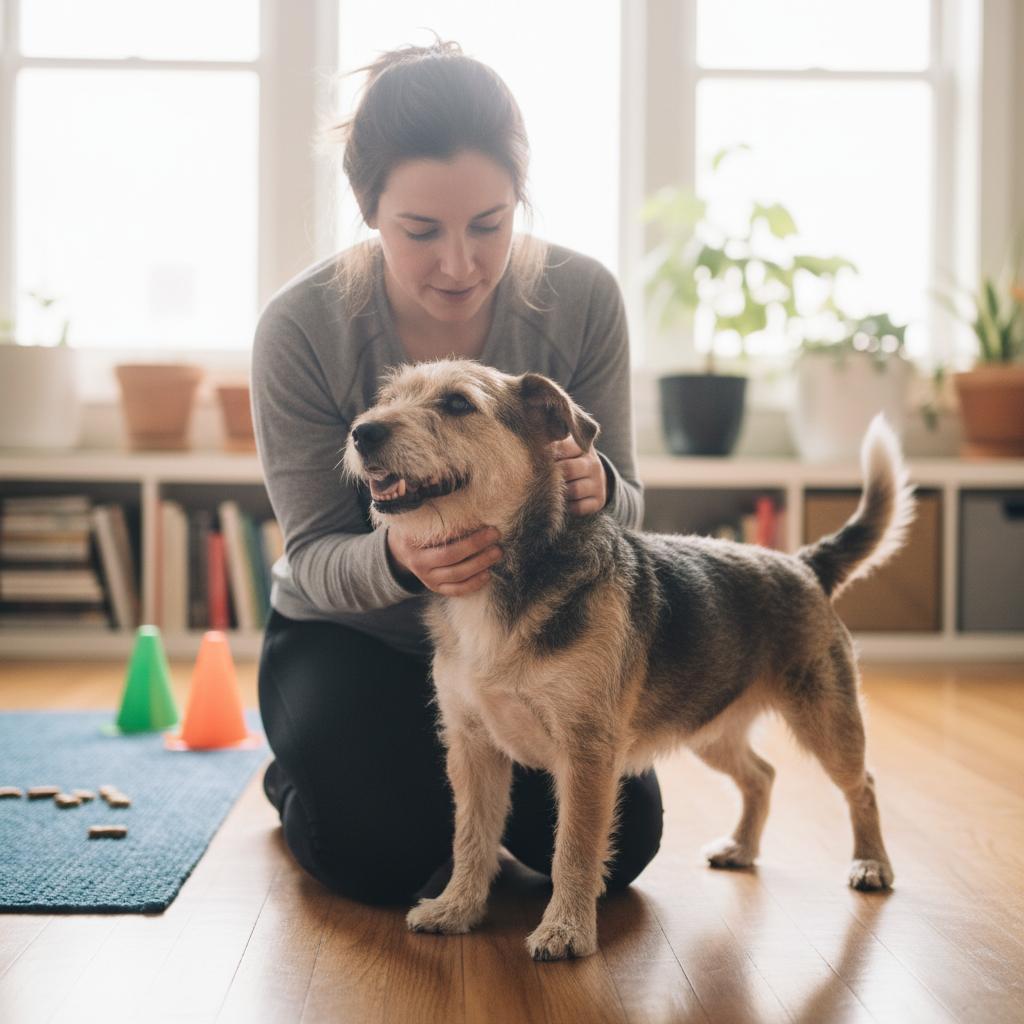
Teaching your dog to army crawl might seem like just a fun way to pass the time, but you’re actually doing so much more for your dog’s well-being. Trick training is a powerhouse of positive benefits that can transform your relationship and improve your dog’s overall quality of life.
Brain Games for Dogs
Just like crossword puzzles keep our minds sharp, learning new tricks provides crucial mental stimulation for dogs. It challenges them to think, problem-solve, and focus their attention. A mentally tired dog is a happy and well-behaved dog. This kind of enrichment can help reduce boredom-related behaviors like chewing, digging, and excessive barking.
A Major Confidence Boost
For dogs that are a bit shy, anxious, or unsure of themselves, learning new skills can be incredibly empowering. Each time they successfully figure out a step and earn a reward, their confidence grows. They learn that trying new things is safe and rewarding. This newfound confidence can often carry over into other areas of their life, making them more resilient in new situations.
Strengthening Your Unbreakable Bond
Training is a two-way street of communication. When you’re teaching a trick like the army crawl, you’re spending quality, focused time with your dog. You’re learning to read their body language, and they’re learning to understand your cues. This shared experience, built on trust and positive reinforcement, deepens the bond between you and your pet in a truly special way.
A Trainer’s Insight: The best relationships with our dogs are built on clear communication and mutual fun. Trick training is the perfect language for both. It’s not about dominance; it’s about partnership.
Improved Body Awareness and Fitness
The army crawl is also a physical exercise! It engages your dog’s core muscles and requires them to coordinate their body in a new way. This improves their proprioception, which is their awareness of where their body is in space. Good body awareness can help prevent injuries and is especially beneficial for dogs involved in canine sports.
So, the next time you’re practicing your dog’s crawl, remember that you’re not just teaching a trick. You’re building confidence, busting boredom, and creating a stronger, happier, and more communicative partnership with your best friend.
Conclusion
Congratulations, you and your clever canine have made it through crawl school! You now have all the steps, tips, and troubleshooting advice you need to teach your dog the amazing army crawl. Remember that the journey is just as important as the destination. Every short training session, every small success, and even every little mistake is a building block in your relationship with your dog.
Be patient, stay positive, and most importantly, have fun! Your dog’s enthusiasm will mirror your own. Celebrate their effort, laugh at the goofy moments, and cherish this time you’re spending together. Before you know it, you’ll have a pup who can crawl on command, ready to show off their skills to amazed friends and family. Happy training!