When the summer sun is blazing, we’re all looking for fun ways to cool down with our furry best friends. While a dip in the pool or a run through the sprinkler are classic choices, what if you could teach your dog a trick that’s not only refreshing but also hilariously adorable? Get ready to grab your camera, because we’re going to teach your dog how to blow bubbles in their water bowl!
This might sound like a silly party trick, but it’s actually a fantastic form of canine enrichment. It engages your dog’s brain, builds their confidence, and strengthens the bond you share. Using simple, positive reinforcement techniques, you can turn your dog’s water bowl into a source of entertainment. So, let’s dive in and learn how to make some splashy, bubbly magic happen!
Gathering Your Bubble-Making Toolkit
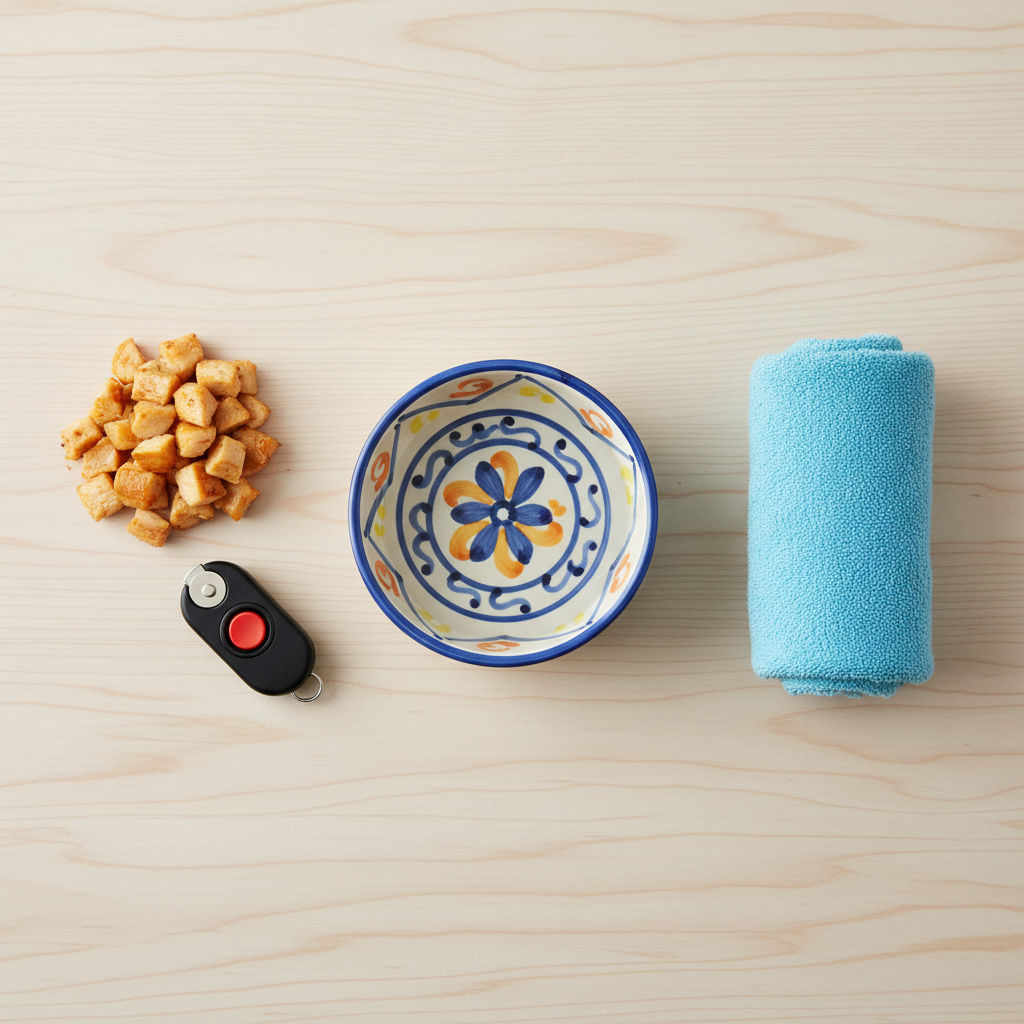
Before you and your pup embark on this bubbly adventure, it’s best to get all your supplies ready. Having everything on hand will make your training sessions smooth, fun, and effective. Think of this as your bubble-blowing mission prep! You don’t need much, but the right tools make all the difference.
What You’ll Need:
- A Shallow, Wide Water Bowl: A standard deep water bowl can be intimidating for this trick. A shallow bowl (like a pie plate or a large dog bowl with low sides) encourages your dog to put their nose in without needing to dunk their whole face. It feels safer and gives them more control.
- High-Value Treats: This is the time to break out the good stuff! We’re talking about tiny pieces of cooked chicken, cheese, hot dogs, or their absolute favorite training treats. The reward needs to be exciting enough to motivate them to try something new and a little weird.
- A Clicker (Optional): If your dog is already clicker-trained, a clicker is a fantastic tool for this trick. It allows you to mark the exact moment your dog performs the correct action (like exhaling near the water), which communicates precisely what you want them to do. If you don’t use a clicker, a consistent marker word like “Yes!” works just as well.
- A Quiet, Distraction-Free Space: Choose a location where your dog feels comfortable and can focus, like your kitchen or a quiet patio. Minimizing other sounds, people, or pets will help your dog concentrate on you and the task at hand.
- Patience and a Positive Attitude: This is the most important tool of all! Every dog learns at a different pace. Keep it light, fun, and positive. Your happy energy is contagious and will make your dog more eager to learn.
The Bubble-Blowing Blueprint: A Step-by-Step Guide
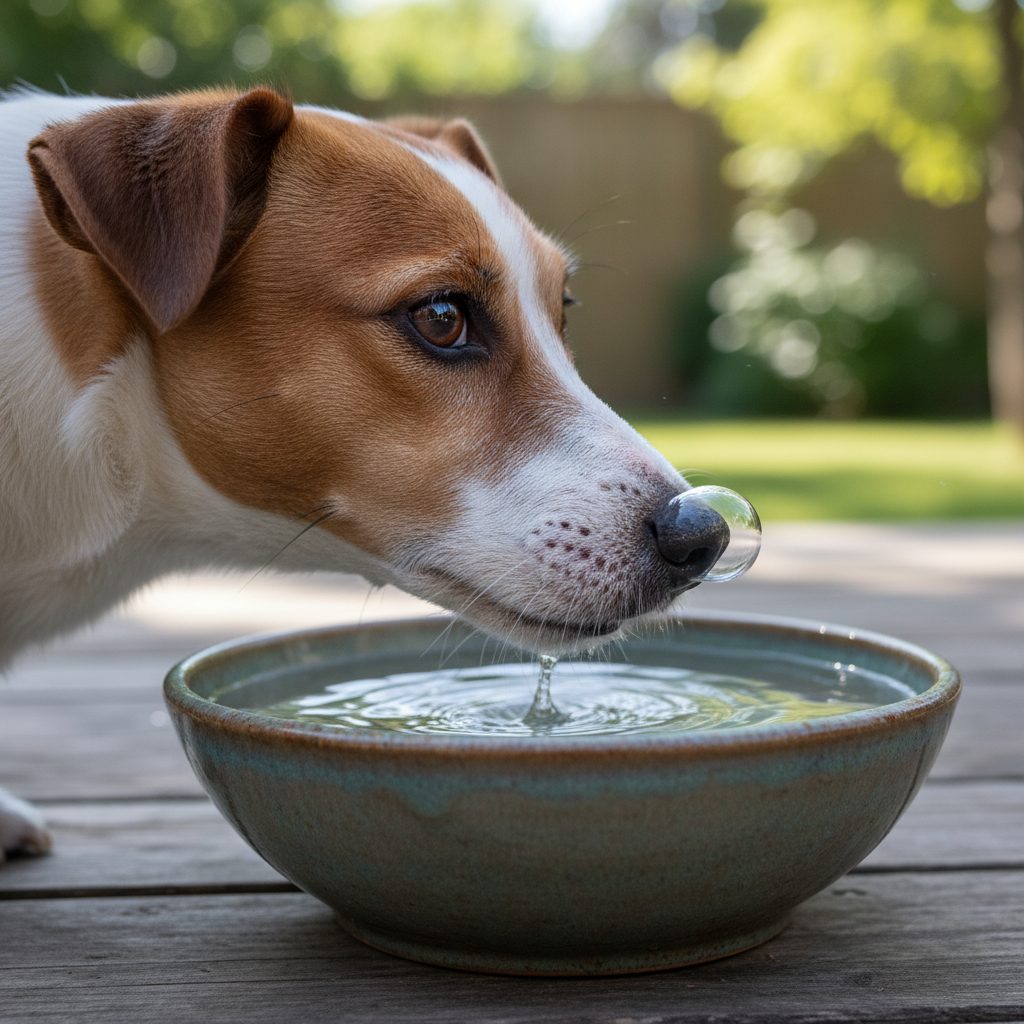
Alright, with your toolkit ready, it’s time for the main event! Remember, the key here is to break the trick down into tiny, achievable steps. We’ll shape the behavior gradually, rewarding each small success along the way. Keep your training sessions short—just 5-10 minutes at a time—to keep your dog engaged and prevent frustration.
-
Step 1: Get Comfortable with the Bowl
First, we just want to build a positive association with the special training bowl. Place the empty, shallow bowl on the floor. Any time your dog looks at it, sniffs it, or interacts with it in any way, click (or say “Yes!”) and give them a treat. Toss the treat away from the bowl so they have to come back to it. This builds enthusiasm. Do this for a minute or two until they are happily investigating the bowl.
-
Step 2: Introduce Putting Their Nose In
Now, place a high-value treat in the center of the empty bowl. Let your dog get the treat. After a few repetitions, hold the treat at the bottom of the bowl with your fingers, encouraging them to put their nose all the way in to get it. Reward them as soon as their snout touches the bottom. The goal is to make putting their face in the bowl a fun, rewarding action.
-
Step 3: Encourage Exhaling
This is the trickiest step. How do you get a dog to blow air out of their nose on command? We capture the behavior! With the bowl still empty, hold a treat in your closed fist and place it in the bowl. Your dog will likely sniff intensely at your hand to get the treat. That hard sniff will inevitably cause them to exhale through their nose. The very moment you hear or feel that puff of air, click/mark and reward! You are marking the exhale. Repeat this until your dog starts to offer an exhale intentionally to get the reward.
-
Step 4: Combine Nose and Exhale with Water
It’s time to add water! Pour just a tiny amount of water into the bowl—barely enough to cover the bottom. Now, repeat Step 3. Hold a treat just under the surface of the water. As your dog reaches for it and exhales to sniff, their breath will create a bubble or a ripple. The instant you see that bubble, click/mark and give a huge reward! This is the ‘Aha!’ moment. They will start to connect the action of exhaling in the water with the reward.
-
Step 5: Add the Cue Word
Once your dog is reliably blowing bubbles to get the treat, you can add a verbal cue. Just as they are about to put their nose in the water to blow, say your chosen cue, such as “Bubbles!” or “Blow!” After a few seconds, when they make the bubbles, click and treat. With repetition, they will learn to associate the word with the action. Eventually, you can start saying the cue first to prompt the behavior.
-
Step 6: Practice and Fade the Lure
Continue practicing in short, fun sessions. Gradually start to fade the food lure from under the water. Ask for the “Bubbles!” cue, and when they perform it, reward them from your other hand. The final goal is for them to respond to the verbal cue alone. Don’t rush this step; it’s all about practice and positive reinforcement!
Oops! Troubleshooting Common Bubble Blockers
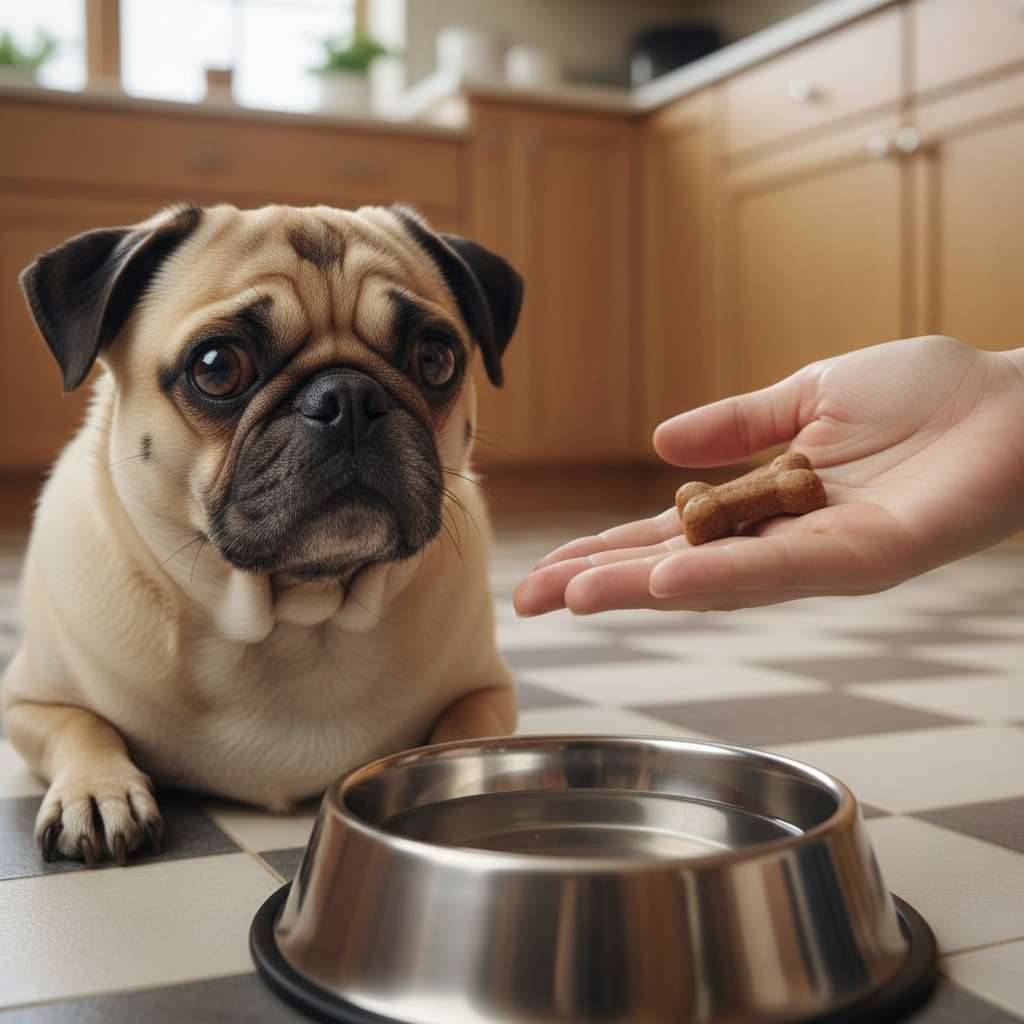
Even with the best plan, you might hit a snag. That’s completely normal in dog training! Don’t get discouraged. Here are some common challenges and how to work through them with a positive mindset.
My dog just drinks the water instead of blowing bubbles.
This is very common! It usually means they are thirsty or you’ve put too much water in the bowl too soon. Make sure they have access to their regular water bowl so they aren’t thirsty during training. Also, reduce the water level in the training bowl to just a puddle. This makes drinking less likely and blowing bubbles more likely.
My dog won’t put their nose in the water.
Some dogs are hesitant about getting their faces wet. Go back a few steps. Spend more time rewarding them for interacting with the empty bowl. Then, try smearing a bit of peanut butter or cream cheese on the bottom of the empty bowl. Once they are comfortable with that, add just a few drops of water and try again. Go at your dog’s pace and never force them.
My dog seems scared of the bubbles!
The sensation and sound of bubbles can be surprising. If your dog startles, end the session on a positive note with an easy win (like just touching the bowl). Next time, start by blowing a few gentle bubbles yourself with a straw so they can see it’s not scary. Reward them for simply looking at the bubbles. Keep the mood light and playful.
Expert Tip: If your dog is consistently snorting water up their nose and seems uncomfortable, this might not be the right trick for them, and that’s okay! Enrichment should be fun, not stressful. Move on to another fun water game instead.
I’m not sure if they’re actually exhaling.
It can be hard to tell at first. Try this: hold a small feather or a tiny piece of tissue paper in the empty bowl. When your dog sniffs it, it will move. This gives you a clear visual indicator of their exhale that you can mark and reward, making it easier for both of you to understand the goal.
Safety First: Keeping Bubble Time Safe and Splashy
While teaching your dog to blow bubbles is a low-risk activity, safety should always be our top priority as responsible pet owners. A few simple precautions will ensure that this fun trick stays fun and free of any potential problems.
- Always Supervise: Never leave your dog unattended during this or any other water-based activity. You should always be present to monitor them and ensure they are comfortable and safe.
- Use a Shallow Bowl: We’ve mentioned it before, but it’s worth repeating! A shallow bowl is critical. It prevents your dog from accidentally inhaling a large amount of water and reduces the risk of aspiration, which can be dangerous.
- Never, Ever Force It: Dog training should be a partnership built on trust. Never push your dog’s head into the water or force them to do anything they are uncomfortable with. This can create fear and anxiety around water and damage your relationship with your pet.
- Keep Sessions Short & Sweet: Short, frequent training sessions are more effective than long, draining ones. A few minutes a couple of times a day is perfect. End each session on a positive note, even if you didn’t make huge progress. This keeps them excited to try again next time.
- Know Your Dog’s Limits: This trick is generally safe for most dogs, but extra caution should be taken with brachycephalic (flat-faced) breeds like Pugs, French Bulldogs, and Boxers. Their shortened airways can make them more susceptible to respiratory issues, and inhaling water can be riskier. If you have a flat-faced breed, consult your vet before trying this trick.
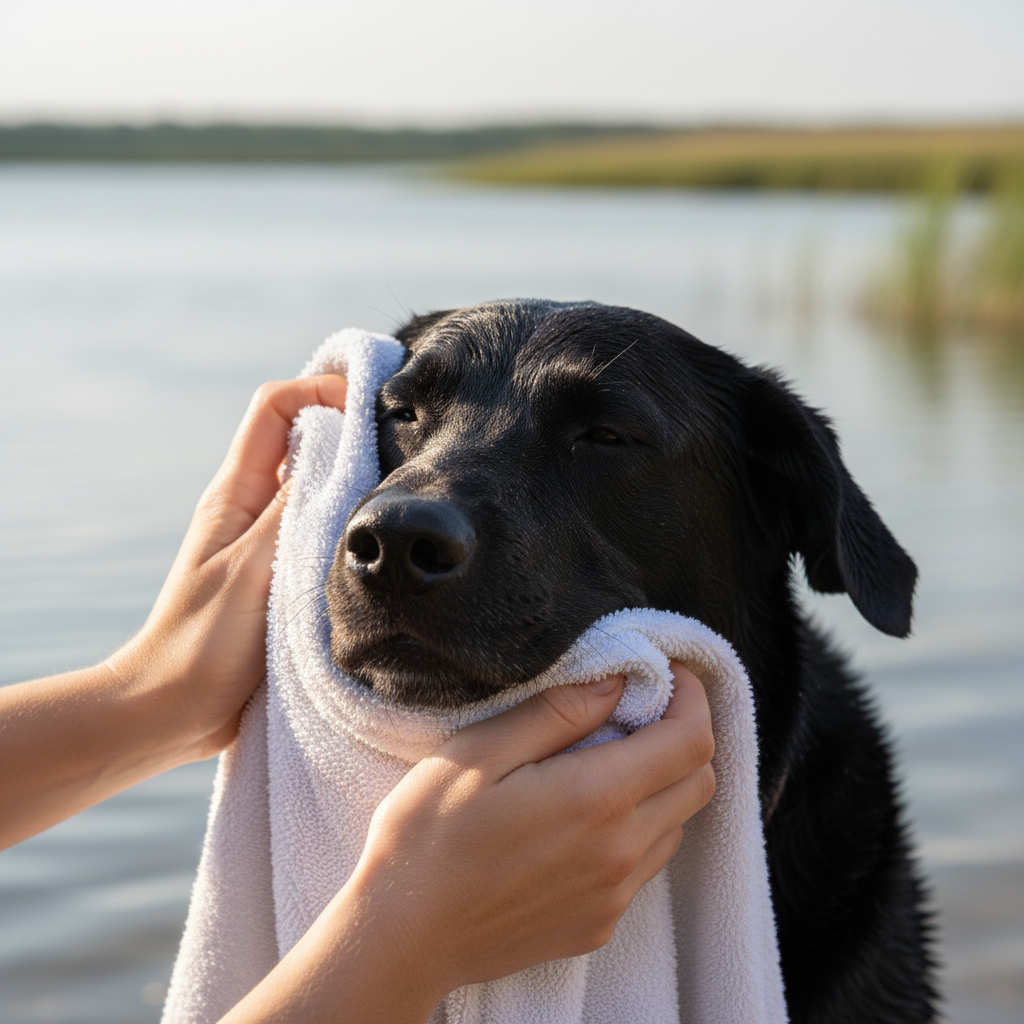
After each session, it’s a good idea to gently wipe your dog’s face with a towel. This helps prevent any skin irritation from being constantly damp and is a nice, calming way to end your training time together.
Level Up Your Water Fun: More Splashy Games for Your Pup
Once your dog has mastered the art of bubble blowing, you might be wondering what other water-based fun you can get into. Keeping your dog cool and entertained during the hot months is easy with a little creativity. Here are a few more ideas to add to your summer fun repertoire:
Bobbing for Toys or Treats
Fill a kiddie pool or a large basin with a few inches of water. Toss in some of your dog’s favorite floating toys or even some dog-safe treats that will float, like apple slices or carrot chunks. Encourage your dog to fish them out! It’s a great way to stimulate their mind and natural foraging instincts.
| Game | Best For | Safety Tip |
|---|---|---|
| Bobbing for Apples/Carrots | Food-motivated dogs | Cut pieces large enough to prevent choking. |
| Fishing for Floating Toys | Toy-obsessed dogs | Use durable, water-safe toys without small parts. |
| Chasing Ice Cubes | Dogs who love to chase | Use in a shallow pool on a non-slip surface. |
Kiddie Pool Paradise
A simple, hard-plastic kiddie pool can be a backyard oasis for your dog. You can leave it with a few inches of water for them to splash in at their leisure, or you can make it a game by tossing toys into it for them to retrieve. It’s an excellent way for them to cool their paws and belly on a hot day.
Sprinkler Shenanigans
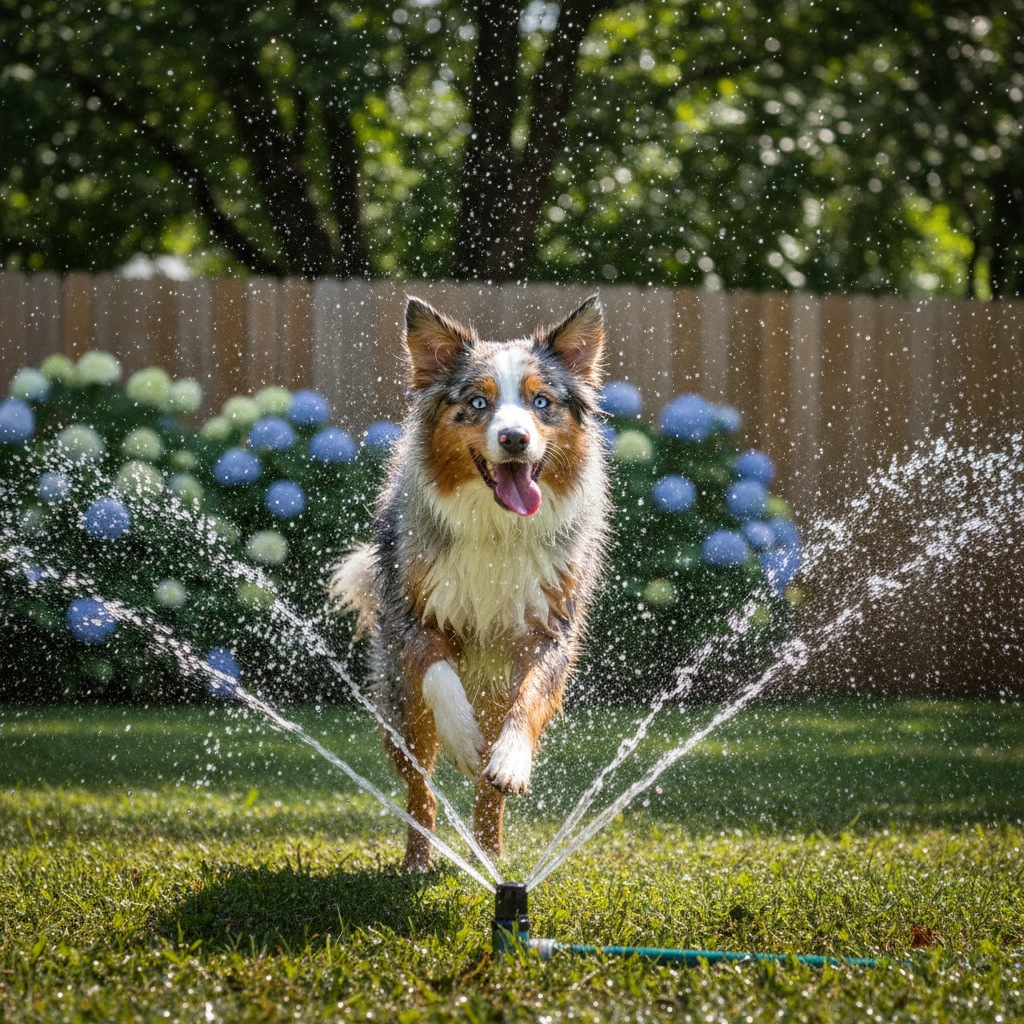
Many dogs are fascinated by sprinklers. A simple oscillating sprinkler can provide hours of entertainment as they try to bite the water jets and run through the spray. Just be mindful of your dog’s energy levels and make sure they don’t ingest too much water while playing.
Conclusion
Teaching your dog to blow bubbles is more than just a cute trick; it’s a wonderful way to spend quality time together, challenge their mind, and beat the summer heat in a new and exciting way. By following these steps, staying patient, and keeping things positive, you’ll be well on your way to capturing some unforgettable—and incredibly shareable—moments. Remember that the journey of training is just as important as the final result. Every little splash, sniff, and bubble is a testament to the amazing bond you share with your dog. So go ahead, grab that shallow bowl, and get ready to make some bubbly memories that will last a lifetime!