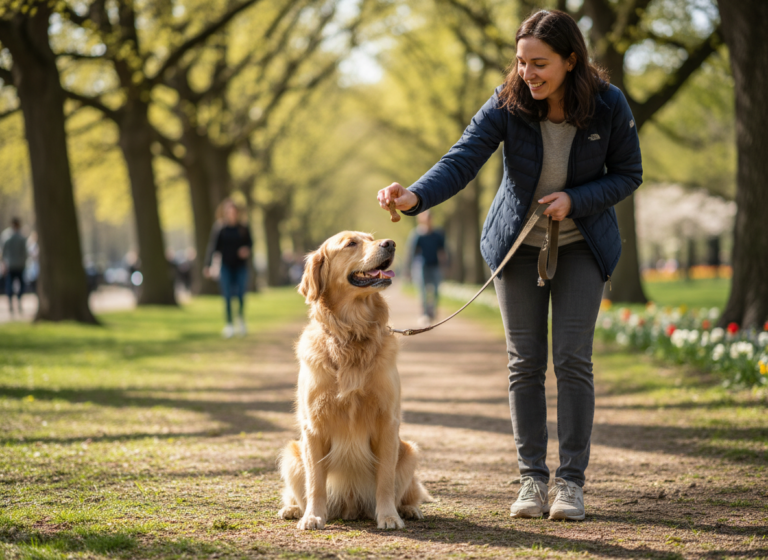
We’ve all been there. You’ve just finished the Herculean task of bathing your dog. You reach for the towel, but it’s too late. With a mighty shudder, your dog unleashes the ‘wet dog shake,’ redecorating your entire bathroom—and you—with a fine mist of water and soap. Or perhaps it’s the aftermath of a joyful, rainy walk, where the shake-down happens right on your favorite rug. It’s a classic dog owner moment!
But what if you could control that chaos? What if you could turn that instinctual, messy shake into an obedient, on-demand command? You can! Teaching your dog to ‘shake off’ on command is not just a fun party trick; it’s a practical skill that can save your sanity and keep your home cleaner. It’s a simple way to manage messes, help your dog dry faster, and even strengthen your bond through positive training. Ready to say goodbye to surprise soakings? Let’s dive in!
The ‘Why’ Behind the Shake: More Than Just a Neat Trick
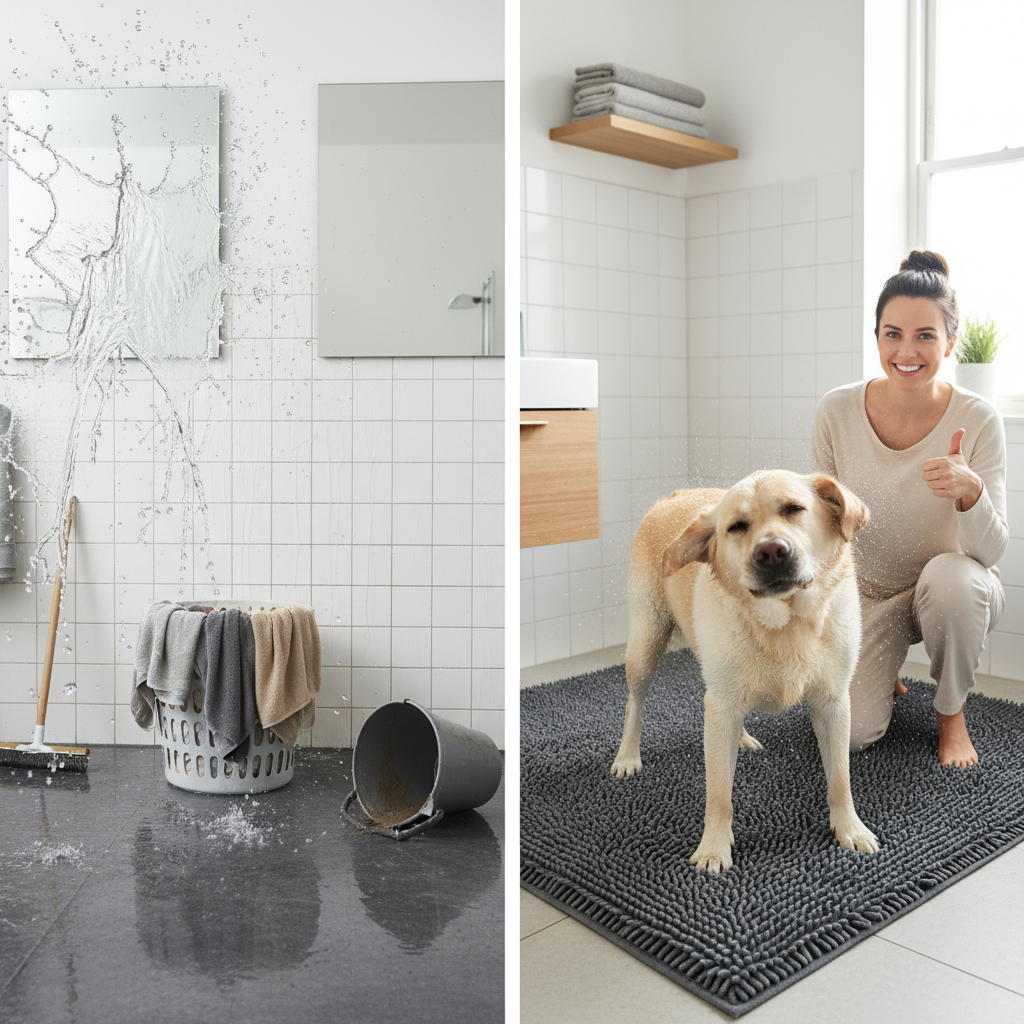
Before we get into the ‘how,’ let’s talk about the ‘why.’ Understanding the purpose behind this command can be a great motivator for you and your pup. A dog’s shake is a marvel of natural engineering. A 2010 study found that a wet dog can shake off 70% of the water on its fur in just four seconds! This instinct helps them avoid hypothermia in the wild by getting dry quickly.
By harnessing this natural behavior, you gain some incredible benefits:
- Mess Containment: This is the big one! You can direct your dog to a specific spot—like on a towel, in the tub, or on the porch—before they let loose. No more water on your walls, your couch, or your clean clothes.
- Faster Drying Time: Encouraging a good shake helps your dog get rid of excess water much more efficiently than towel drying alone. This means less time spent with a damp dog, which can help prevent that lingering ‘wet dog’ smell.
- Ear Health: Water trapped in the ear canal is a leading cause of ear infections in dogs. A thorough shake helps dislodge water from their ears after a swim or bath, significantly reducing the risk of painful and costly infections.
- Strengthens Your Bond: Any time you and your dog learn something new together using positive reinforcement, you’re building communication, trust, and a deeper connection. It’s a fun and productive way to spend time together.
Teaching the ‘shake off’ command is a perfect example of working with your dog’s natural instincts, not against them. It’s about redirecting a behavior, not suppressing it.
Setting the Stage: Your ‘Shake Off’ Training Toolkit
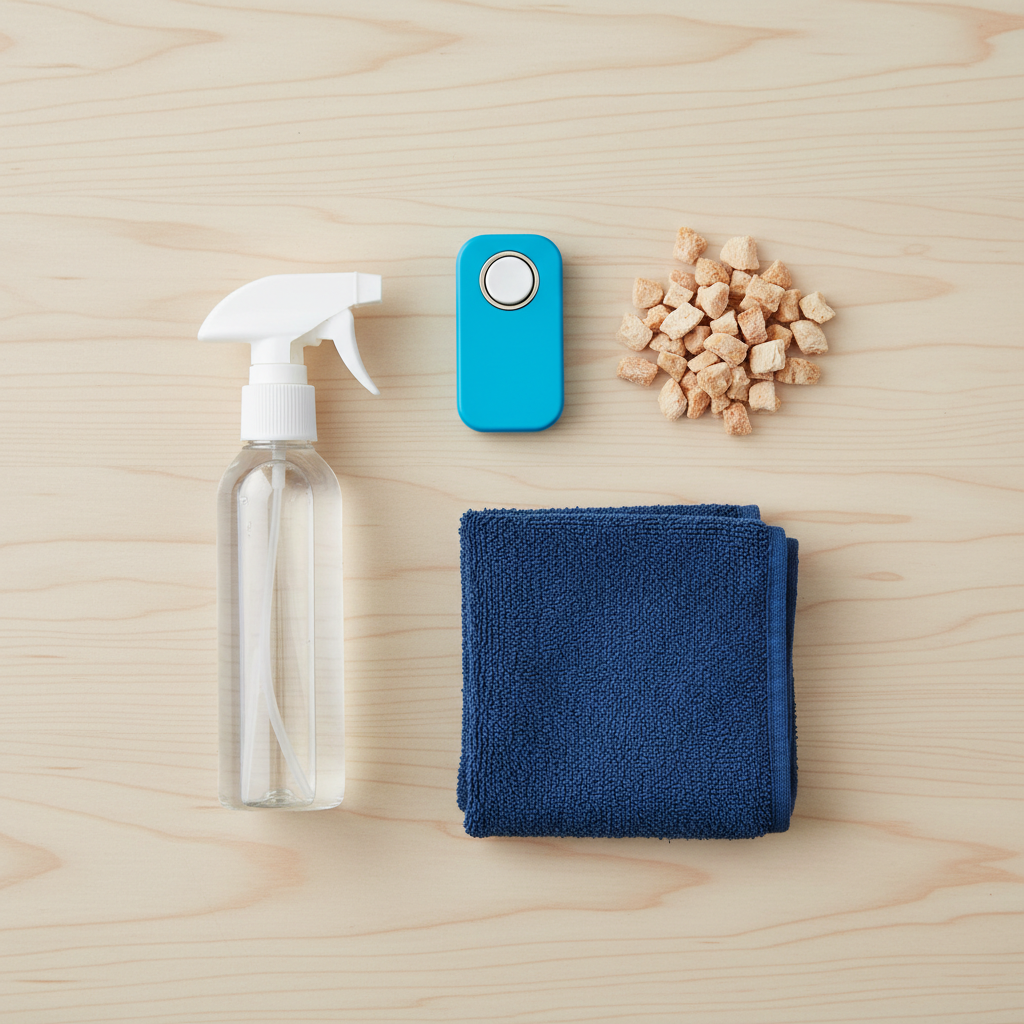
The great news is that you don’t need a lot of fancy equipment to teach this command. The most important tools are patience and a positive attitude! However, having a few things ready will make the process smoother and more effective.
Your Training Checklist:
- High-Value Treats: These should be small, soft, and extra delicious treats that your dog absolutely loves. Think tiny pieces of chicken, cheese, or special training treats. The goal is a quick, powerful reward.
- A Water Source: You’ll need a way to get your dog wet, of course! This could be a bathtub, a shower with a handheld sprayer, a hose in the backyard, or even a kiddie pool. A spray bottle can work for getting them just damp enough.
- A Designated ‘Shake Zone’: Choose a spot where you want your dog to shake. An old towel, a bath mat, or a specific spot on the grass are all great options. This will eventually become their go-to spot for shaking off.
- Clicker (Optional): If you’re familiar with clicker training, a clicker can be fantastic for this command. It allows you to ‘mark’ the exact moment the shake begins with perfect timing, which can speed up your dog’s understanding.
- An Enthusiastic Attitude: Your dog feeds off your energy! Keep training sessions short, fun, and upbeat. End on a positive note, even if you only make a little progress.
Let’s Make a Splash: Your Step-by-Step Training Plan
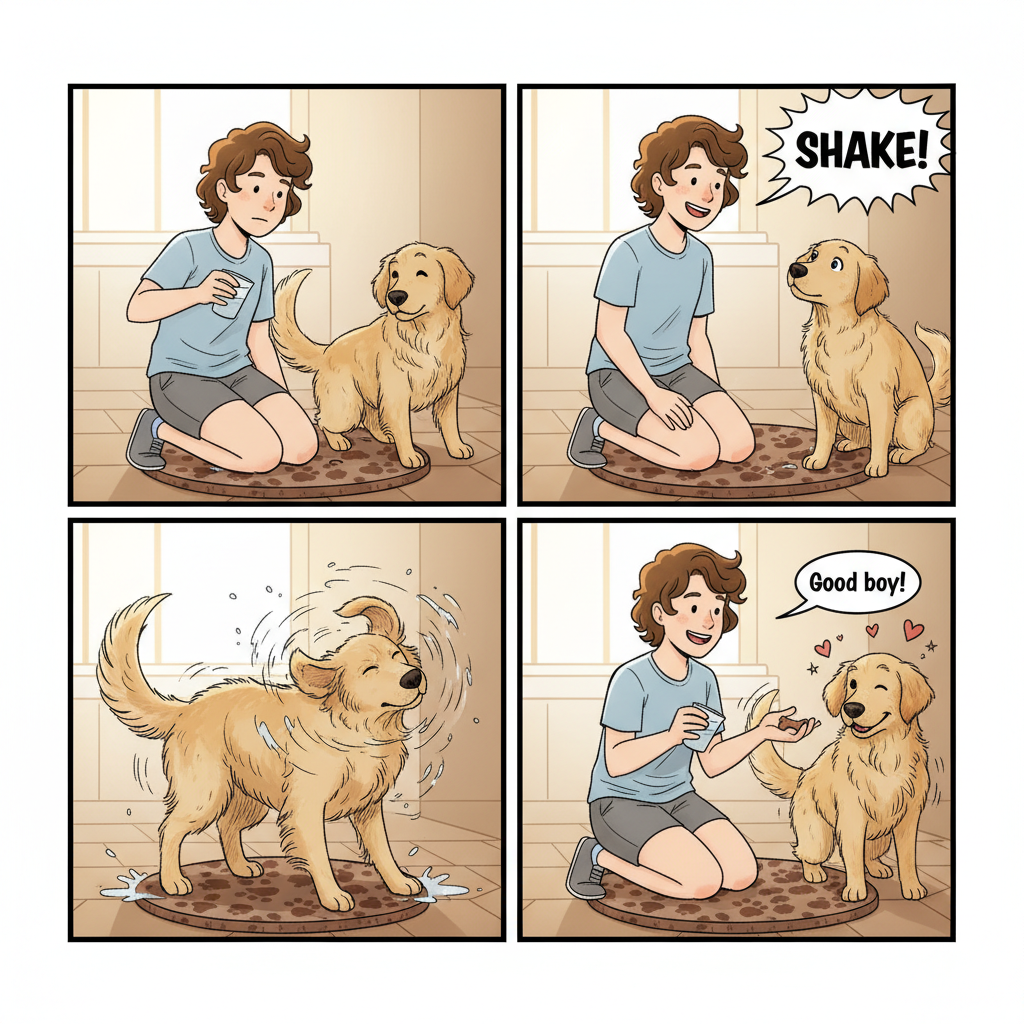
This is where the fun begins! The core of teaching this command is a technique called ‘capturing.’ We’re going to wait for our dog to offer the behavior naturally, and then we’ll ‘capture’ it with a cue and a reward. Remember to keep sessions short (5-10 minutes) to keep your dog engaged.
-
Step 1: Get Wet and Capture the Shake
Start by getting your dog wet. Not a full bath, just enough to make them want to shake. You can use a hose on a light setting, a cup of water poured over their back, or lead them through a sprinkler. Now, watch them closely. The very instant they start to shake, say your chosen verbal cue—like “Shake!” or “Shake it off!”—in a happy, excited voice. As soon as they finish the shake, praise them lavishly and give them a high-value treat. Repeat this process 5-6 times in your first session. The goal is to build an association: The shake action makes a treat appear.
-
Step 2: Perfect Your Timing
As you practice, focus on your timing. You want to say the cue right as the shake begins, not after it’s over. If you’re using a clicker, you would click the very second the shake starts and then treat. After a few successful sessions of capturing the shake as it happens, try to anticipate it. Get your dog wet, and just as you see them tense up their body to begin the shake, say your cue. This bridges the gap from you reacting to them, to them reacting to you.
-
Step 3: Introduce the ‘Shake Zone’
Once your dog is starting to understand the cue, you can add a location requirement. Lay down your designated towel or mat. After getting your dog wet, gently guide them onto the mat. Wait for the shake. If they shake on the mat, give them a ‘jackpot’ reward—several treats in a row, lots of praise, and petting. If they step off the mat to shake, don’t reward them. Simply guide them back onto the mat and try again. They will quickly learn that the mat is the magic spot where the best rewards happen.
-
Step 4: Fade the Water Lure
This is the step where it truly becomes a command. Once your dog reliably shakes on cue when wet, start trying the command when they are only slightly damp. Then, try it when they are completely dry. This is the hardest part and requires patience. You might need to be extra animated and exciting with your verbal cue. At first, they might look at you, confused. That’s okay! If they don’t shake, don’t worry. Try again later. When they finally do shake while dry, make a huge deal out of it! This is a major breakthrough.
-
Step 5: Generalize the Behavior
Your dog might think ‘shake’ is a command that only works in the bathroom or the backyard. Now you need to ‘generalize’ it. Practice at the front door after a rainy walk. Practice near the lake before they jump in the car. Practice in different rooms of the house (when they’re dry, of course!). The more places you successfully practice, the more reliable the command will become in any situation.
Hitting a Dry Spell? Troubleshooting Common Hurdles
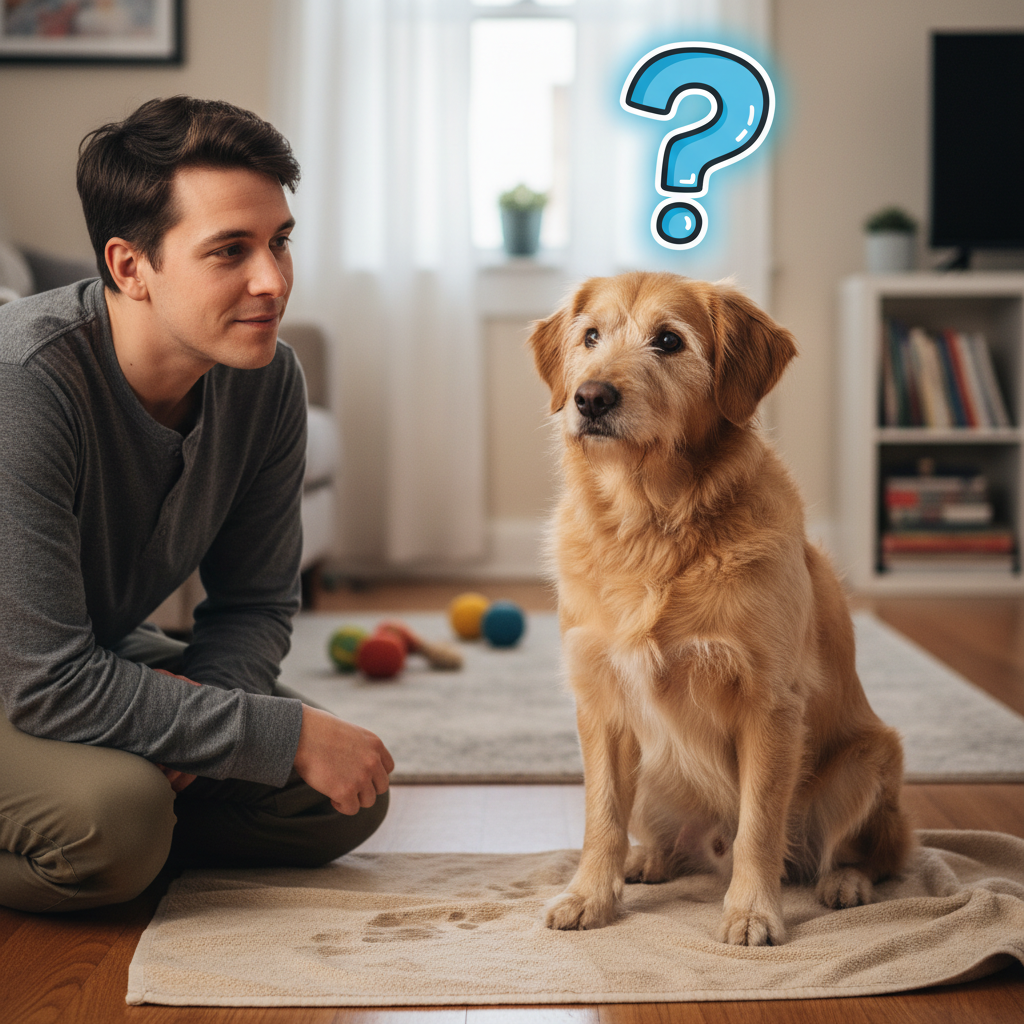
Training is never a straight line; there are always bumps along the way. If you find yourself stuck, don’t get discouraged! Here are some common problems and how to solve them.
“My dog just won’t shake!”
Sometimes, a light sprinkle isn’t enough to trigger the instinct. Try getting them a bit wetter. A quick dip in a kiddie pool or a more thorough soaking with the hose usually does the trick. Also, consider the temperature. A dog is more likely to shake off cool water on a warm day than warm water on a cool day. Make sure the environment is calm and free of distractions that might be inhibiting them.
“My timing is all wrong and I’m confusing my dog.”
This is a very common issue. It’s easy to be a split-second too late with the cue or reward. If you’re struggling, this is where a clicker truly shines. The ‘click’ is a precise, consistent sound that can mark the behavior more accurately than your voice. If you’re not using a clicker, try to have the treat in your hand and ready to go, so there’s no delay between the end of the shake and the reward.
“They’ll shake when soaking wet, but not when they’re dry.”
This is the biggest leap in the training process. If your dog isn’t getting it, you’ve likely tried to fade the water lure too quickly. Go back a step. Reward them for shaking when they’re sopping wet. Then, for a whole session, only get them moderately wet. The next session, just damp. Break the process down into smaller, more manageable steps. You can also try prompting a shake by gently tickling their ear (for some dogs, this can trigger a head shake, which you can then build on).
“They shake everywhere but the designated ‘shake zone’.”
This means the ‘shake zone’ isn’t valuable enough yet. You need to increase the reward differential. A shake off the mat gets nothing. A shake on the mat gets the best treats you have. Make the mat a fun place to be even when you’re not training. Toss treats on it randomly for your dog to find. You want them to think, “This mat is the best place on earth!”
Level Up: Advanced ‘Shake Off’ Techniques
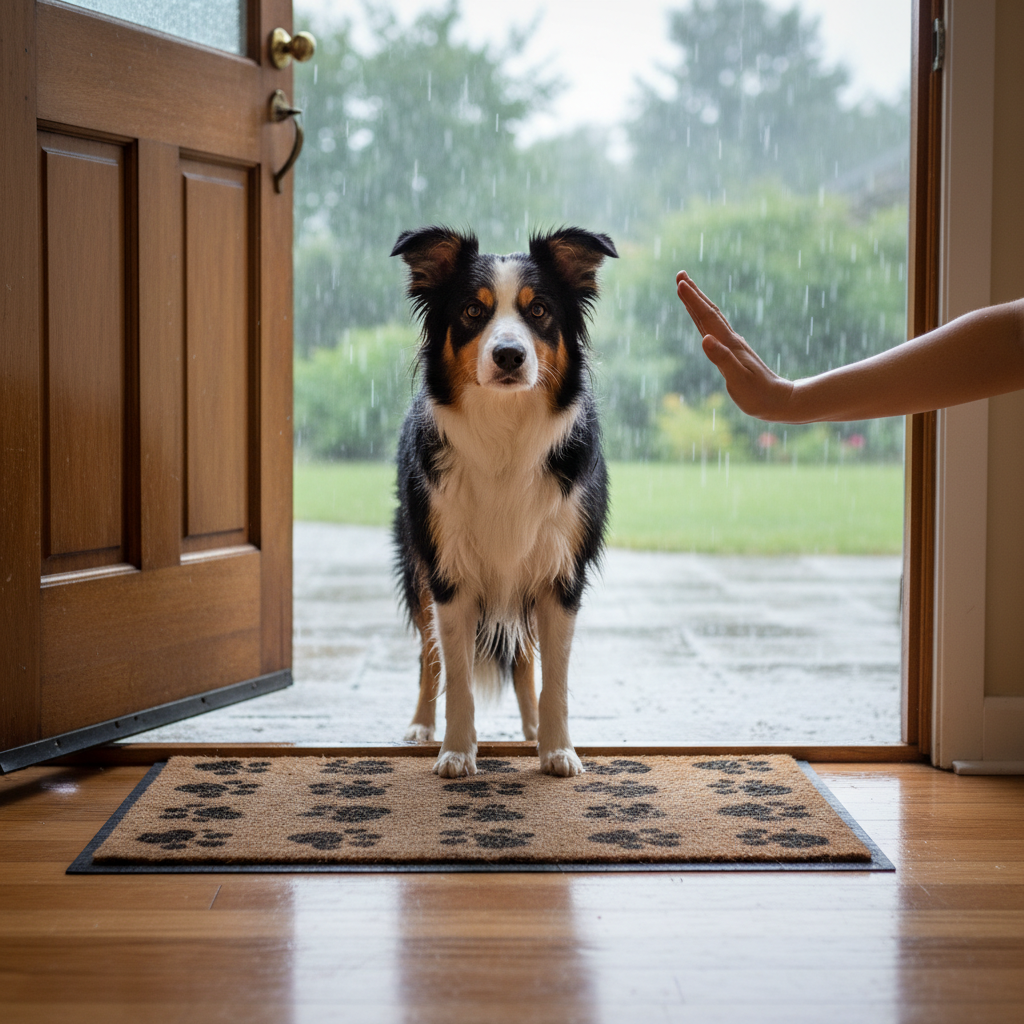
Once your dog has mastered the basic ‘shake off’ on command, you can add some flair and even more practicality to the skill. These advanced steps can make the command even more useful in your daily life.
The ‘Wait to Shake’ Combo
This is the ultimate test of impulse control and the holy grail for mess-free entrances. After coming inside from the rain, ask your dog to ‘sit’ and ‘wait’ at the door. Only after you’ve grabbed a towel and are ready, give them the ‘shake off’ command. This combines two commands and teaches your dog to wait for permission, preventing them from shaking the second they cross the threshold.
Directional Shaking
For the truly ambitious trainer, you can even add a directional component. This involves teaching your dog to turn and face a certain direction (like towards a wall or away from you) before they shake. This is an advanced shaping exercise that requires a lot of patience, but it’s incredibly impressive and useful!
Making it Part of a Routine
The best way to keep a command sharp is to use it regularly. Build the ‘shake off’ command into your daily routines. For example, create an ‘end of walk’ routine:
- Come inside.
- Wipe paws.
- Go to the ‘shake zone’ mat.
- ‘Shake off’ command.
- Receive a treat.
By making it a predictable part of their day, the behavior will become second nature, ensuring you have a reliable way to manage wet fur for years to come.
Conclusion
Congratulations! You now have all the tools and knowledge you need to teach your dog one of the most practical and impressive commands in the book. Transforming the chaotic wet dog shake into a controlled, on-demand skill is a win-win: your house stays cleaner, your dog dries faster, and you both get to enjoy a fun and rewarding training experience.
Remember that the key ingredients are always patience, positivity, and consistency. Celebrate the small victories, keep your training sessions fun, and don’t be afraid to take a step back if your pup gets confused. Before you know it, you’ll be able to confidently say ‘Shake it off!’ and watch your dog happily oblige, saving you from yet another post-bath cleanup. Happy training!