Does the sound of your dog eating sound less like a meal and more like a high-powered vacuum cleaner inhaling everything in its path? If you blink, is the entire bowl of food gone? You’re not alone! Many dog owners watch in a mix of awe and concern as their furry friends gulp down their food in seconds. While it might seem like a sign of a healthy appetite, this rapid-fire eating, often called ‘bolting,’ can lead to some serious health problems. From uncomfortable indigestion and vomiting to the life-threatening condition known as bloat, eating too quickly is a habit we want to help our pups break.
But don’t worry, there’s a simple and brilliant solution: the slow feeder bowl. These specially designed bowls feature puzzles, mazes, and obstacles that turn mealtime from a 30-second sprint into a fun and engaging marathon. In this guide, we’ll dive deep into why your dog eats so fast, how to choose the perfect slow feeder, and a step-by-step plan to introduce it successfully. Get ready to transform your dog’s dining experience into a safer, healthier, and more stimulating part of their day!
The Need for Speed: Unpacking Why Your Dog Eats So Fast
Before we can solve the problem, it helps to understand the root cause. Why does your dog act like they haven’t eaten in weeks, even when their meals are like clockwork? This behavior is often deeply ingrained and stems from a few key factors:
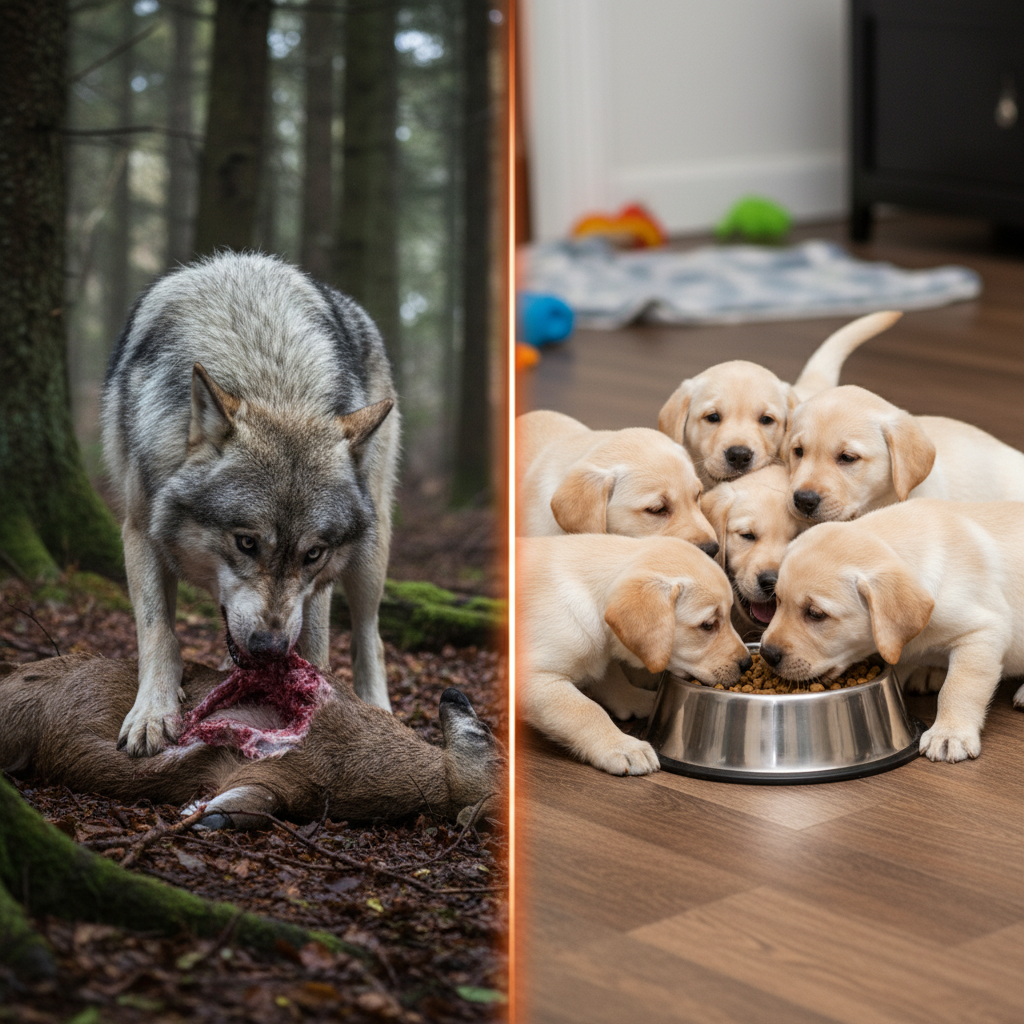
- Ancestral Instincts: Your dog’s wild ancestors, wolves, lived in a world of feast or famine. When they made a kill, they had to eat quickly before other predators or pack members could steal their share. This competitive eating instinct is still wired into the DNA of many domestic dogs.
- Littermate Competition: Think back to when your dog was a tiny puppy in a litter. They had to compete with their brothers and sisters for access to their mother’s milk and, later, solid food. The fastest eater got the most food. This early life experience can create a lifelong habit of rapid eating.
- Underlying Medical Issues: In some cases, a sudden increase in appetite or rapid eating could be a sign of a health problem. Conditions like Cushing’s disease, diabetes, or issues with nutrient absorption can make a dog feel constantly ravenous. If bolting is a new behavior for your adult dog, it’s always wise to consult your veterinarian to rule out any medical causes.
- Boredom or Lack of Enrichment: For some dogs, mealtime is the most exciting event of the day. If a dog isn’t getting enough mental or physical stimulation, they may channel all their pent-up energy into eating as quickly as possible.
Understanding the ‘why’ behind the gulping helps us approach the solution with more empathy and patience. It’s not bad behavior; it’s often just instinct taking over.
The Slow Feeder Solution: More Than Just a Funny-Looking Bowl
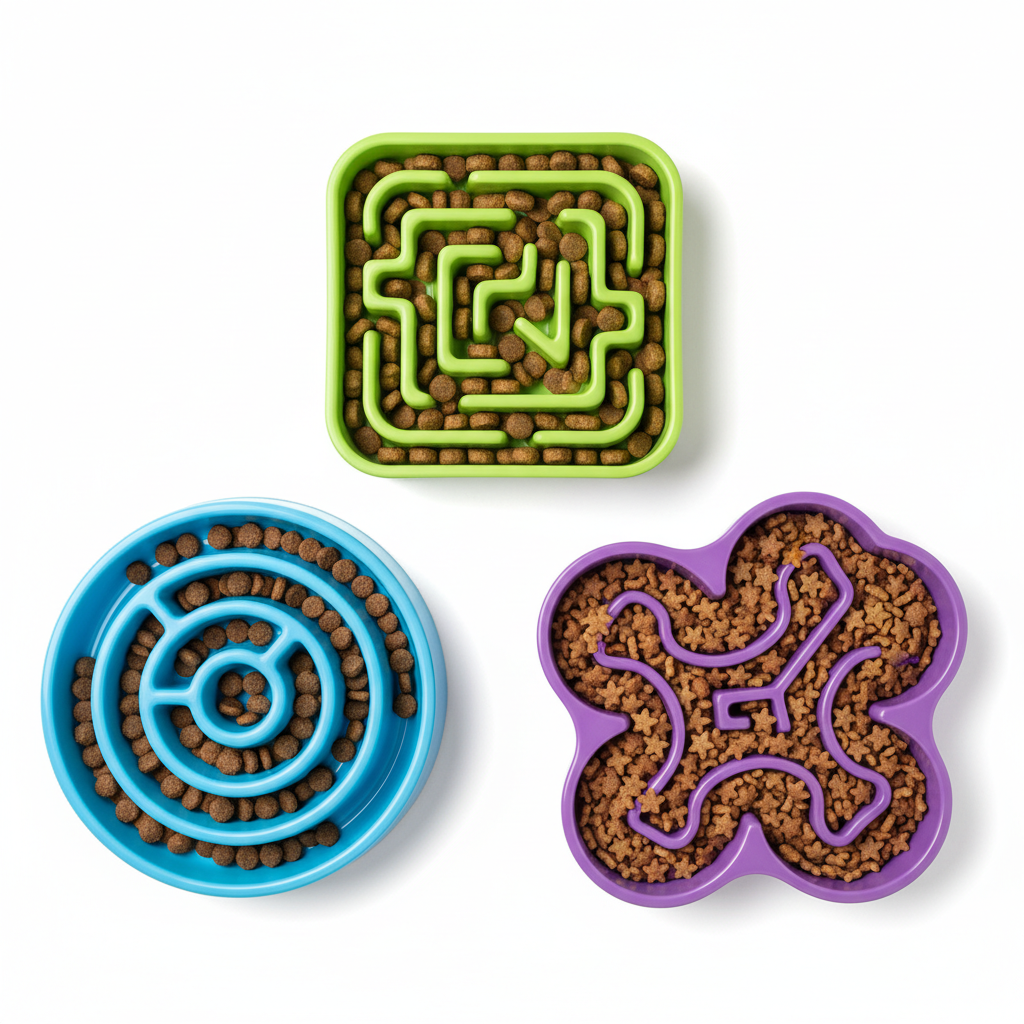
Enter the hero of our story: the slow feeder bowl. At first glance, it might look like a strange piece of modern art, but its clever design is a game-changer for fast eaters. By incorporating obstacles, ridges, and mazes, these bowls force your dog to slow down and work for their food. But the benefits go far beyond just slowing the pace.
Key Benefits of Using a Slow Feeder:
- Reduces Risk of Bloat (GDV): Gastric Dilatation-Volvulus (GDV), or bloat, is a life-threatening condition where a dog’s stomach fills with gas and twists. Eating too quickly and swallowing air are major risk factors. Slow feeders significantly reduce this risk by promoting slower, more deliberate eating.
- Prevents Choking and Vomiting: When dogs gulp their food, they often don’t chew it properly and swallow large amounts of air, which can lead to regurgitation, vomiting, or even choking. A slow feeder ensures smaller, more manageable bites.
- Improves Digestion: Slower eating leads to better chewing, which is the first step in the digestive process. This allows for better nutrient absorption and can reduce gas and indigestion.
- Provides Mental Stimulation: A slow feeder turns mealtime into a fun puzzle. It engages your dog’s brain, providing much-needed mental enrichment that can help reduce boredom and anxiety. It’s a meal and a game all in one!
Expert Tip: Think of a slow feeder as a tool for ‘purposeful feeding.’ You’re not just giving your dog food; you’re giving them an activity that satisfies their natural foraging instincts.
Choosing Your Champion: How to Pick the Perfect Slow Feeder
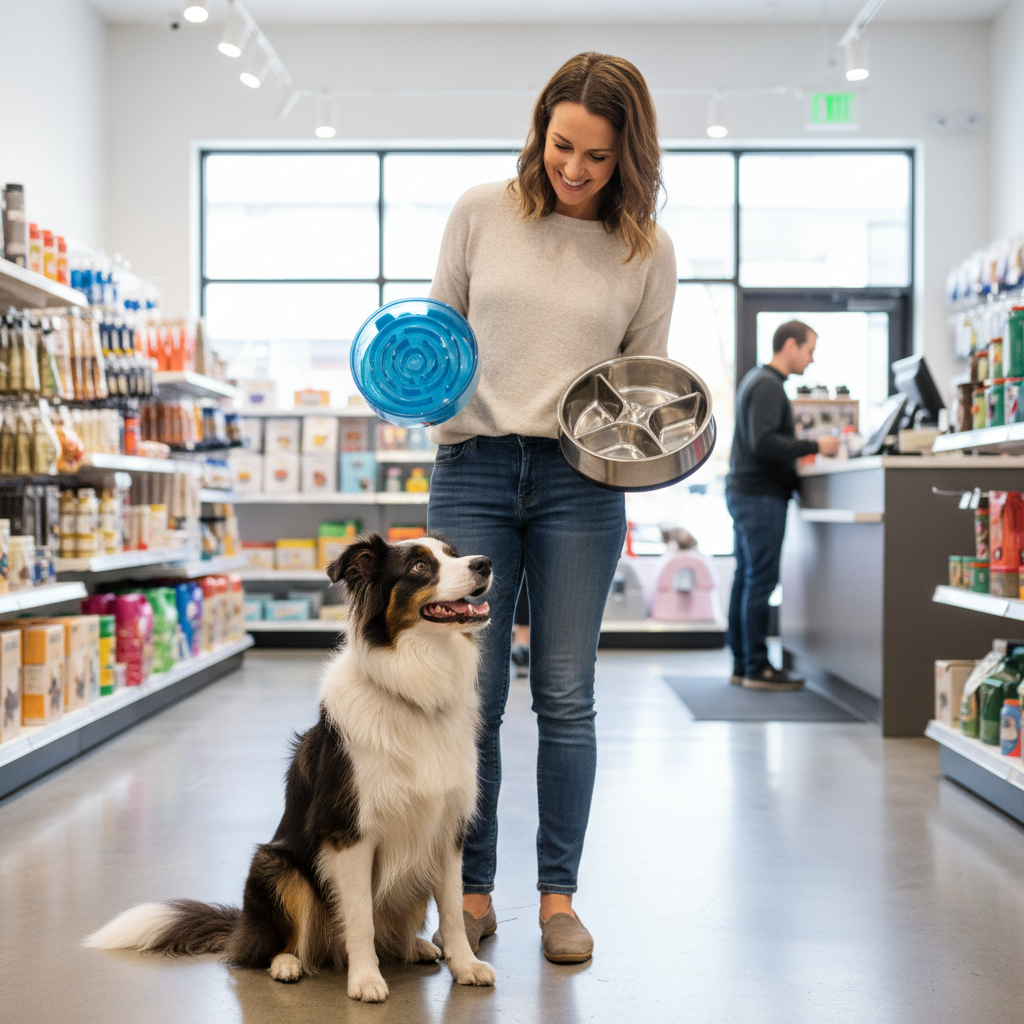
With so many options on the market, choosing the right slow feeder can feel overwhelming. The perfect bowl for your pup depends on their size, breed, and determination level. Here’s what to consider:
Material Matters
The material of the bowl affects its durability, weight, and how easy it is to clean.
| Material | Pros | Cons |
|---|---|---|
| Plastic | Lightweight, affordable, wide variety of colors and designs. | Can get scratched (scratches can harbor bacteria), may not be suitable for aggressive chewers. Look for BPA-free. |
| Stainless Steel | Durable, non-porous (hygienic), dishwasher safe, difficult to destroy. | Fewer intricate design options, can be noisy. |
| Ceramic | Heavy (hard to tip over), easy to clean, aesthetically pleasing. | Can chip or break if dropped, can be more expensive. |
| Silicone | Flexible, lightweight, often collapsible for travel. | Can be easier for determined dogs to chew or destroy. |
Difficulty and Design
Slow feeders come in various levels of difficulty. If your dog is new to food puzzles, start with a simpler design with lower, wider ridges. As they get the hang of it, you can graduate to a more complex maze. Also, consider your dog’s snout. Breeds with short snouts, like Pugs or French Bulldogs, will need a shallower bowl with wider spaces than a German Shepherd would.
Let the Games Begin: Your 5-Step Training Plan
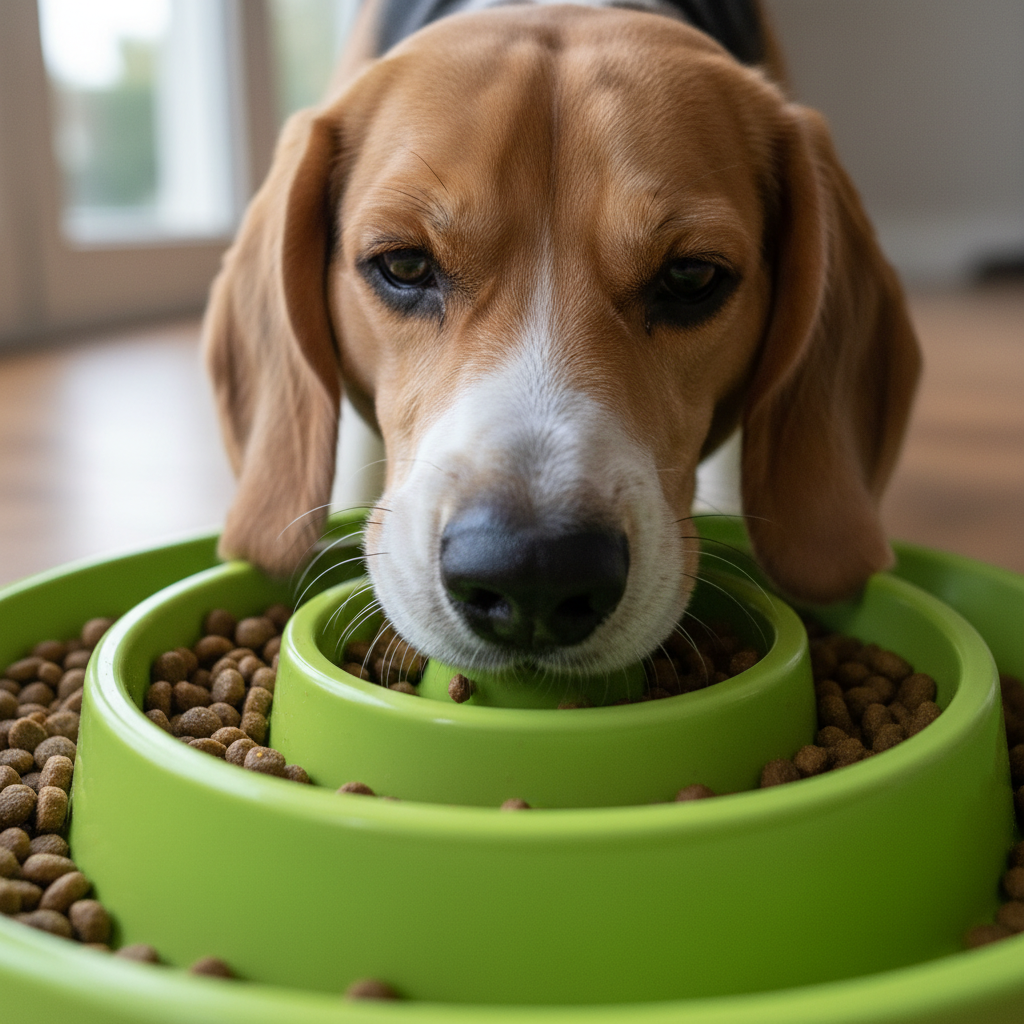
Introducing a new bowl might seem straightforward, but we want to make it a positive and stress-free experience. The goal is for your dog to see the slow feeder as a fun new game, not a frustrating barrier to their food. Follow these simple steps for a smooth transition.
- Step 1: The Introduction. Before you even put food in it, place the new slow feeder on the floor. Let your dog sniff it, lick it, and investigate it at their own pace. Drop a few high-value treats, like tiny pieces of chicken or cheese, into the easiest parts of the maze. Let them get the treats out easily. This builds an immediate positive association: “This new thing gives me yummy stuff!”
- Step 2: Make it Super Easy. For the first few ‘real’ meals, don’t make it too challenging. Smear a bit of wet food, plain yogurt, or dog-safe peanut butter on the top surfaces of the maze. This allows them to lick the reward off without having to do much work, teaching them to engage with the bowl.
- Step 3: The Half-and-Half Approach. Start by putting only half of their meal in the slow feeder and the other half in their old bowl. This prevents them from getting too hungry or frustrated if they find the new bowl difficult at first. They still get a full meal while learning to use the new feeder without pressure.
- Step 4: Go for the Full Bowl. Once your dog is confidently and happily clearing the half-bowl in the slow feeder, it’s time to transition their entire meal into it. Stay with them for the first few full meals to offer encouragement. A simple “Good job!” can go a long way.
- Step 5: Keep it Positive and Consistent. Patience is key. Every dog learns at a different pace. Never show frustration. Keep the experience light and positive. Soon, the slow feeder will just be their normal, everyday food bowl.
Hitting a Snag? Troubleshooting Common Slow Feeder Hiccups
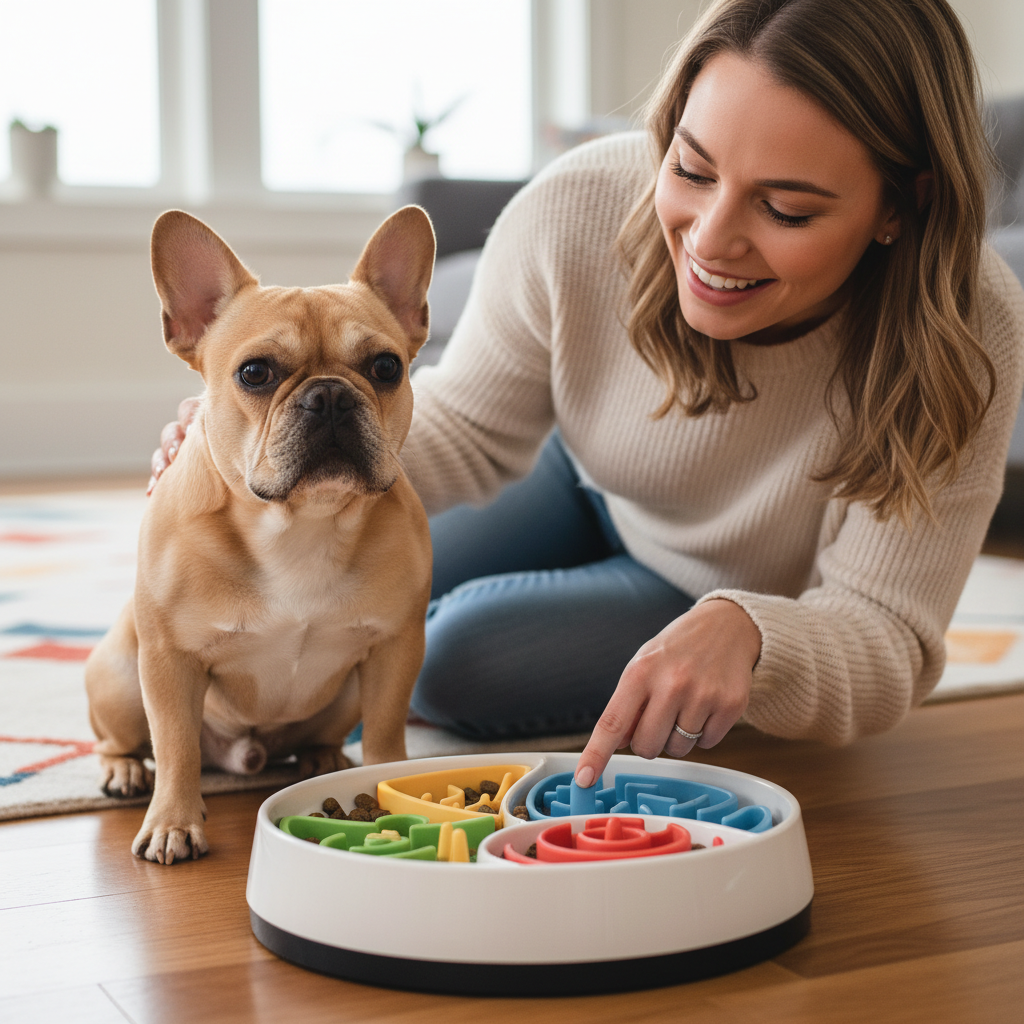
Sometimes, even with the best plan, you might run into a little trouble. Don’t worry, most issues are easy to solve with a bit of tweaking.
My dog seems scared or suspicious of the new bowl.
This is common with anxious dogs. Go back to Step 1 and spend more time on it. Leave the bowl out (empty) in their feeding area for a day or two before re-introducing it with high-value treats. You can even try feeding them next to the empty slow feeder for a few meals so they get used to its presence.
My dog gets frustrated and gives up.
This is a classic sign that the puzzle is too difficult for them right now. You need to build their confidence. Switch to an easier slow feeder design or go back to smearing wet food on the top so they can have an easy win. You can also sprinkle some of their most irresistible treats on top of the kibble to keep them motivated.
My dog just flips the bowl over!
Ah, the clever problem-solver! This is a common tactic. If you have a plastic bowl, you can place it inside a wider, heavier bowl to prevent tipping. Alternatively, switch to a heavier ceramic or stainless steel model. There are also slow feeder mats that stick to the floor with suction cups, which are impossible to flip.
My dog is chewing on the bowl itself.
If your dog is an aggressive chewer, a plastic bowl might not be the best choice. This behavior indicates they might be trying to ‘break’ the puzzle. Immediately swap it for a durable stainless steel or hard ceramic option. Also, ensure the chewing isn’t from frustration by making the puzzle a bit easier for a while.
Conclusion
Congratulations! You’re now equipped with all the knowledge you need to say goodbye to gulping and hello to happy, healthy mealtimes. By understanding your dog’s instincts and patiently introducing a slow feeder bowl, you’re doing more than just managing a messy habit. You’re actively protecting them from serious health risks like bloat, improving their digestion, and providing a daily dose of brain-boosting enrichment.
Remember to choose the right bowl for your unique dog, introduce it with positivity and patience, and don’t be afraid to troubleshoot if you hit a bump in the road. Transforming your dog’s mealtime is a simple but powerful way to enhance their well-being, proving that sometimes, the best way to show our love is to encourage them to slow down and savor the moment—one piece of kibble at a time.