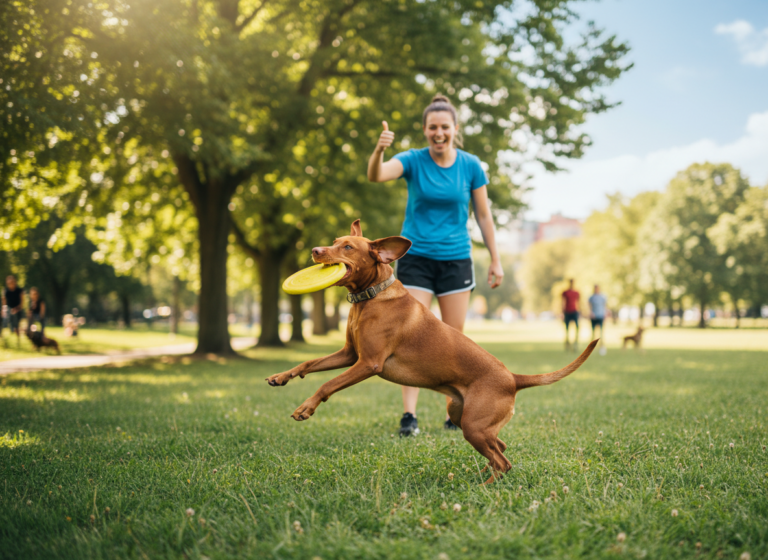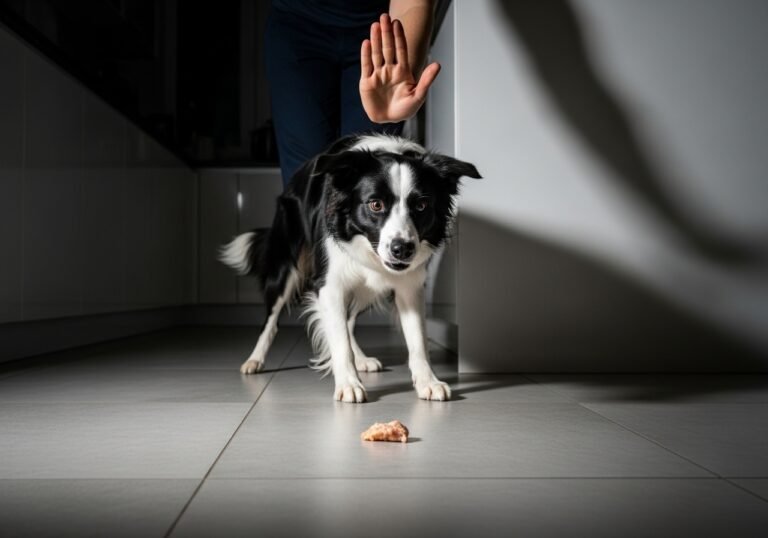
Ever feel like your dog operates on two speeds: full-throttle and asleep? Whether it’s bolting out the front door, lunging after every squirrel, or snatching food off the counter, a lack of impulse control can be frustrating and even dangerous. Traditional training often focuses on long, static ‘stay’ commands, which can be, let’s be honest, a little boring for both you and your pup. What if there was a way to build that crucial self-control that was engaging, fun, and strengthened your bond at the same time?
Enter ‘Red Light, Green Light’—yes, the very same game you played as a kid! This simple, motion-based game is a fantastic way to teach your dog that pausing and checking in with you is way more rewarding than giving in to every whim. It’s a dynamic, positive approach to building one of the most important skills your dog can learn. In this guide, we’ll walk you through everything you need to know to turn playtime into a powerful lesson in focus and self-restraint. Let’s get ready to stop and go!
Why Bother with Impulse Control? More Than Just Good Manners
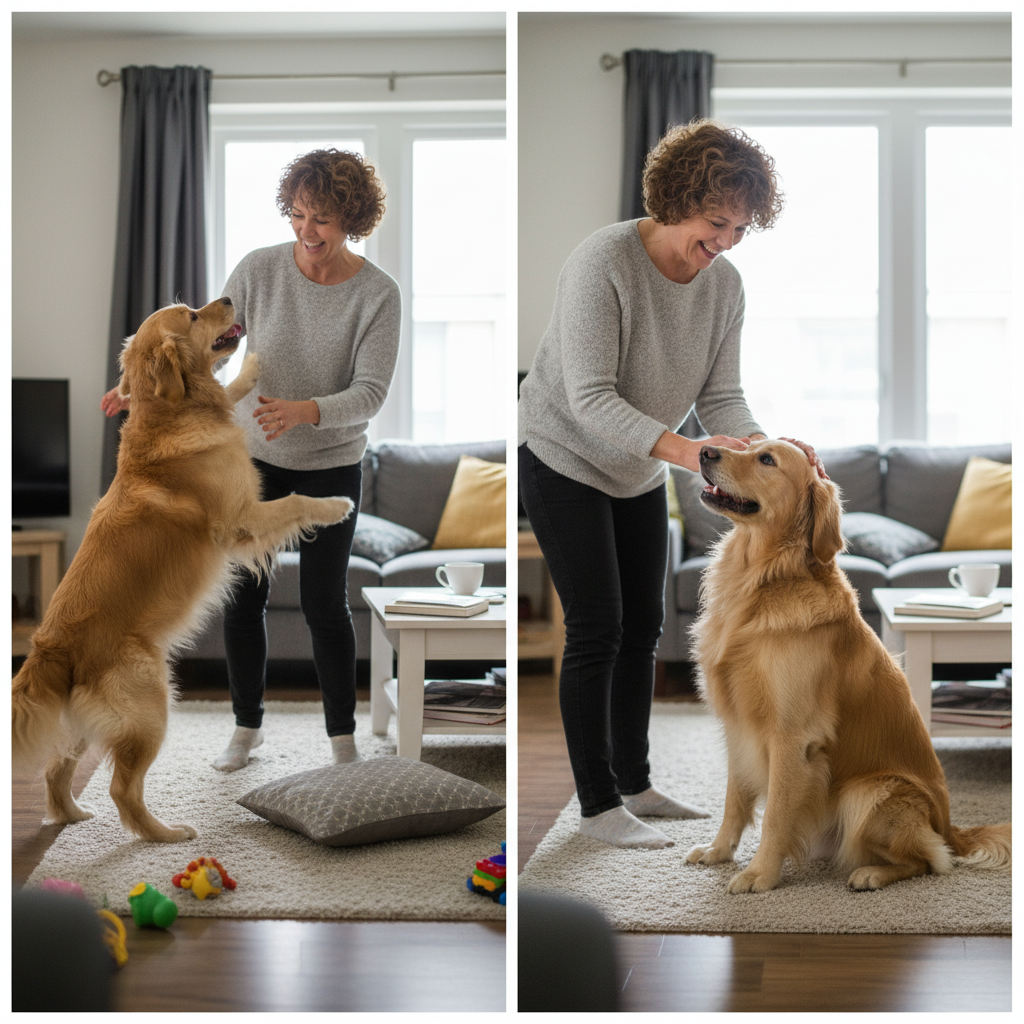
Before we dive into the ‘how-to,’ let’s talk about the ‘why.’ What exactly is impulse control for a dog, and why is it such a game-changer? Simply put, impulse control is the ability for your dog to stop, think, and manage its immediate urges instead of just reacting. It’s the mental muscle that keeps them from acting on every single instinct. When you build this skill, you’re not just teaching a trick; you’re fundamentally changing how your dog navigates the world.
The Real-World Payoffs
A dog with good impulse control is a safer, happier, and more pleasant companion. Here’s how it translates into everyday life:
- No More Door Dashing: Instead of bolting out an open door into potential traffic, a dog with impulse control will pause and wait for your permission to go outside.
- Polite Leash Walking: That frustrating pulling and lunging towards every dog, person, or interesting smell? Impulse control helps your dog understand that staying close to you is the best strategy, even when exciting things are happening.
- Counter-Surfing Ceases: A tasty-smelling sandwich left on the counter becomes less of a temptation when your dog has learned that waiting for their own treats is far more rewarding.
- Safer Greetings: Jumping on guests is a common complaint. Impulse control teaches a dog to greet people politely, perhaps with a nice ‘sit’ instead of muddy paws on clean clothes.
- Better Off-Leash Reliability: A dog who can control their urge to chase a squirrel and listen to your ‘come’ command is a dog who can enjoy more off-leash freedom safely.
Expert Tip: Think of impulse control training not as restriction, but as a way of opening up your dog’s world. The more reliable your dog’s self-control is, the more places you can go and the more activities you can do together safely.
Ultimately, teaching impulse control through fun games like ‘Red Light, Green Light’ builds a language of communication and trust between you and your dog. They learn that good things happen when they focus on you, creating a partnership that makes life together more enjoyable for everyone.
Setting the Stage for Success: What You’ll Need
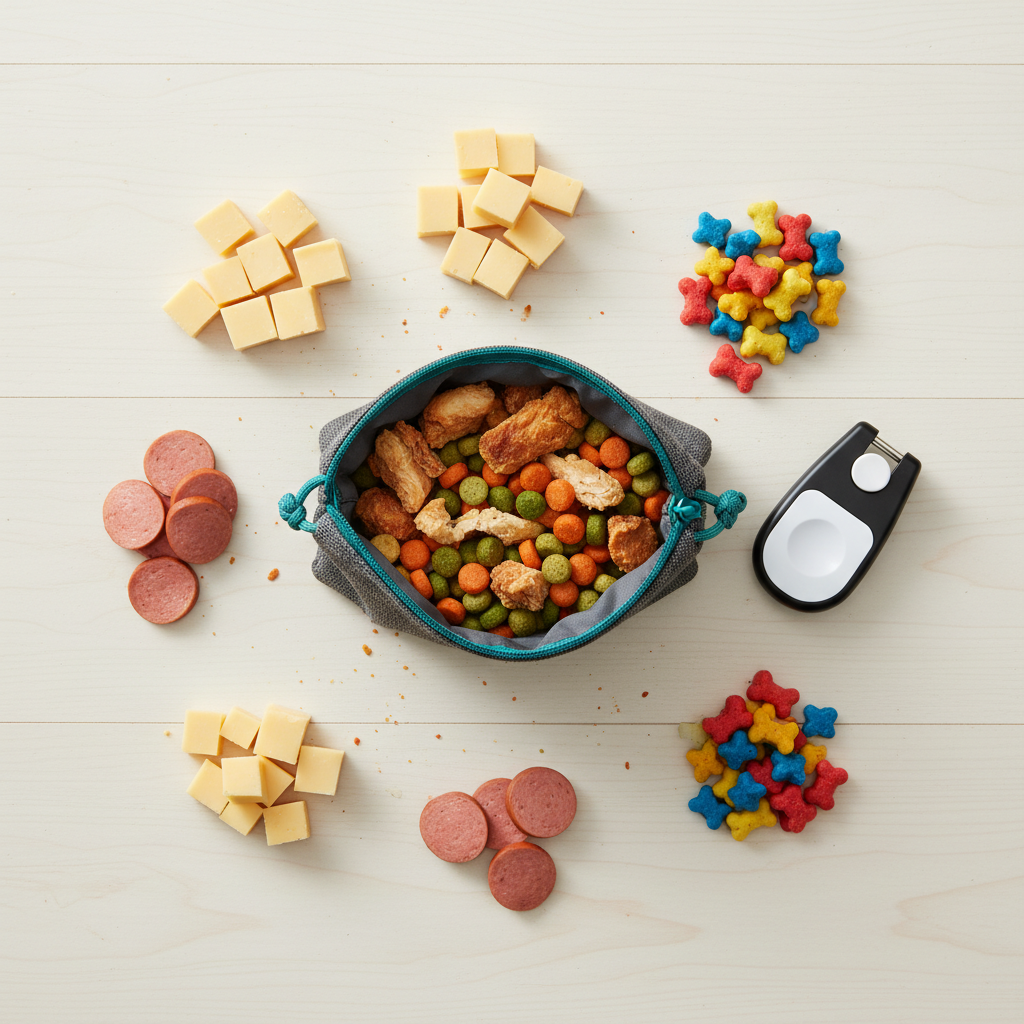
One of the best things about this game is its simplicity. You don’t need a cart full of fancy equipment to get started. Success is all about preparation and having the right kind of motivation for your dog. Let’s get our ‘game pieces’ in order.
Your Training Toolkit:
- A Quiet, Low-Distraction Space: Start indoors in a familiar room, like your living room or a hallway. By minimizing other things competing for your dog’s attention (like squirrels in the yard or people walking by), you set them up to win from the very beginning.
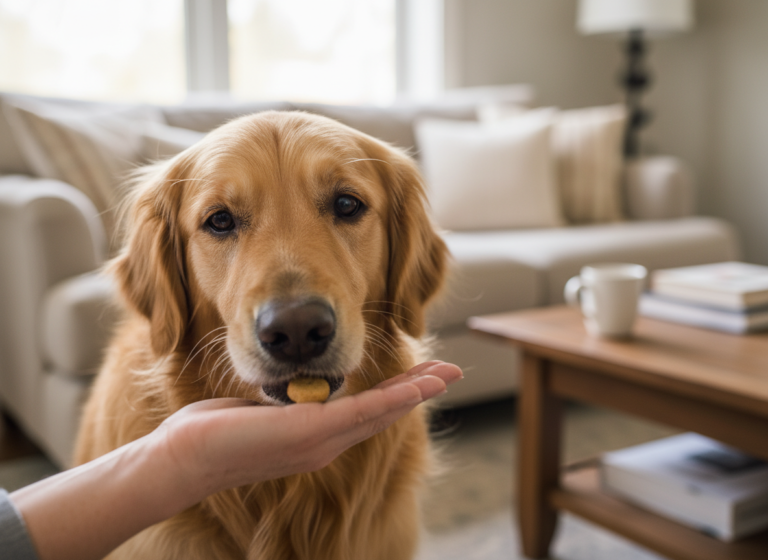
- High-Value Treats: This is the most important tool! Your dog’s regular kibble might not be exciting enough to compete with the urge to run. High-value means something special they don’t get all the time. Think small, pea-sized pieces of:
- Cooked chicken or turkey
- Cheese (string cheese or cheddar work well)
- Hot dogs
- Soft, smelly commercial training treats
The key is that the treats should be small so you can reward frequently without filling your dog up too quickly.
- A Treat Pouch (Optional but Recommended): Fumbling in your pockets for treats can be slow and distracting. A simple clip-on treat pouch makes it easy to deliver a reward the instant your dog does the right thing. Timing is everything in dog training!
- Your Enthusiasm: Your dog feeds off your energy. If you’re having fun, they’ll have fun. Use a happy, upbeat tone of voice and celebrate their successes with genuine praise.
Choosing the Perfect Reward
Not sure what motivates your dog most? Do a ‘taste test.’ Hold a piece of kibble in one closed hand and a piece of chicken in the other. Let your dog sniff both hands and see which one they are more interested in. For ‘Red Light, Green Light,’ you want to use the stuff they go bonkers for. This high-stakes reward makes their brain work harder and helps them choose to control their impulse in anticipation of that super tasty prize.
How to Play ‘Red Light, Green Light’: A Step-by-Step Guide
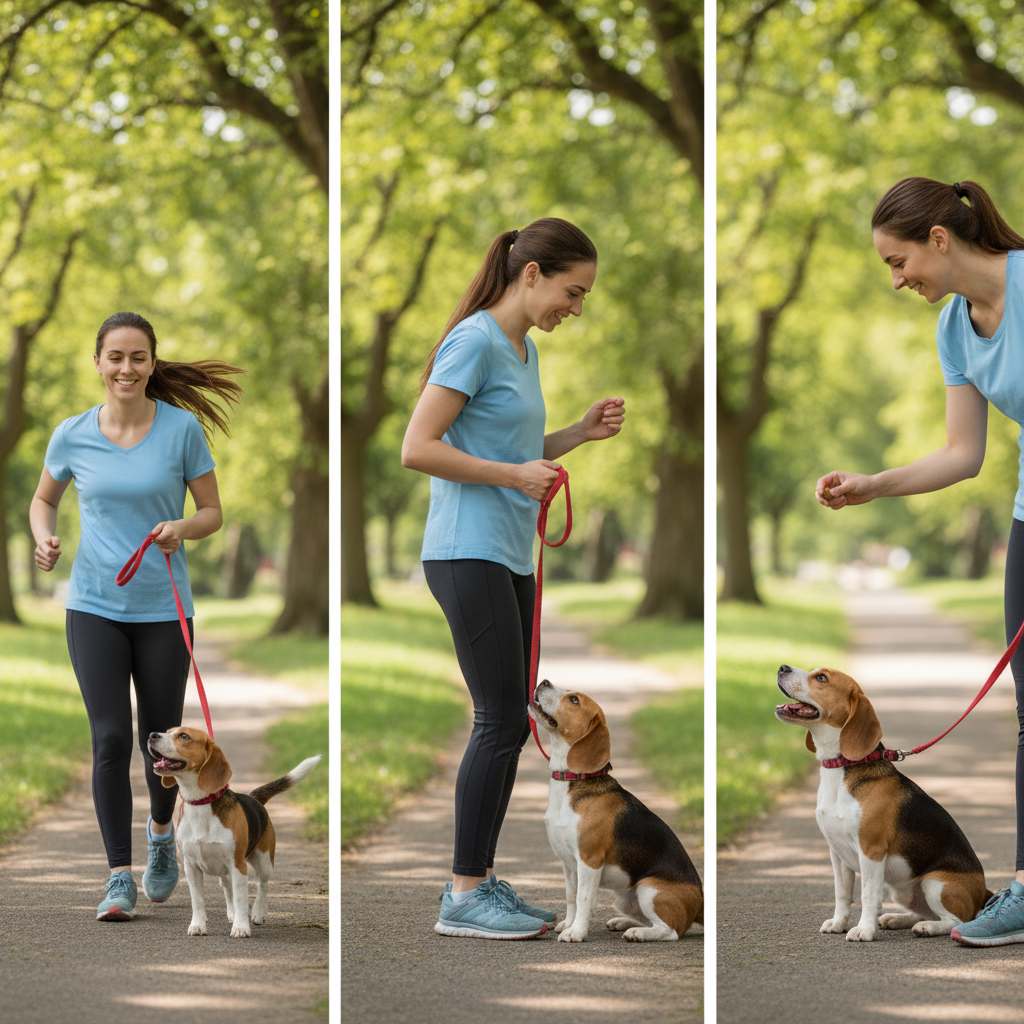
Alright, the stage is set and your treats are ready. It’s time to play! Remember to keep sessions short and sweet, especially at the beginning—just 3-5 minutes a couple of times a day is perfect. We want to end each session on a high note, leaving your dog wanting more.
Here’s how to break down the game into easy-to-learn steps:
-
Step 1: Charge the ‘Green Light’
The ‘Green Light’ simply means ‘let’s go!’ Start by taking one or two enthusiastic steps forward and encouraging your dog to come with you. Use a happy voice, saying something like, “Let’s go!” As they move with you, immediately praise them and give them a treat. Repeat this a few times. We’re teaching them that moving with you is a fun, rewarding experience.
-
Step 2: Introduce the ‘Red Light’
Now for the core of the game. Get your dog moving with you on a ‘Green Light.’ After just one or two steps, suddenly and silently stop moving. The very instant your dog stops moving too—even if it’s just a half-second pause—mark the moment with a ‘Yes!’ or a clicker, and give them a treat. At this stage, we don’t care if they sit or stand; we are only rewarding the pause in movement.
-
Step 3: Shape the ‘Sit’
Once your dog reliably pauses when you stop, we can refine the behavior. When you stop (‘Red Light’), wait a second to see if your dog offers a sit on their own. The moment their rear hits the floor, have a jackpot party! Give them lots of praise and several treats, one after the other. They will quickly learn that stopping and sitting makes the best rewards happen. If they don’t sit on their own, you can use a treat to lure them into a sit just after you stop, then reward.
-
Step 4: Add a Verbal Cue
When your dog is consistently and quickly sitting every time you stop, you can add a verbal cue. Right as you are about to stop, say your chosen word, like “Stop,” “Freeze,” or “Hold,” in a calm, clear voice. Then stop. When they sit, reward them. The cue will soon become associated with the action of stopping and sitting.
-
Step 5: Increase the Distance and Pace
Now you can start making it more game-like! Start by jogging a few steps (‘Green Light!’) and then suddenly stopping (‘Red Light!’). Gradually increase the number of steps you take during the ‘Green Light’ phase. The goal is to have your dog moving happily with you and then snapping into a focused sit the moment you stop, no matter how fast you were going or for how long.
Remember: The key to this game is that the reward always comes when the dog is stationary. The fun movement of the ‘Green Light’ is just the setup for the real payoff, which is the calm, controlled ‘Red Light’.
Level Up! Making the Game More Challenging
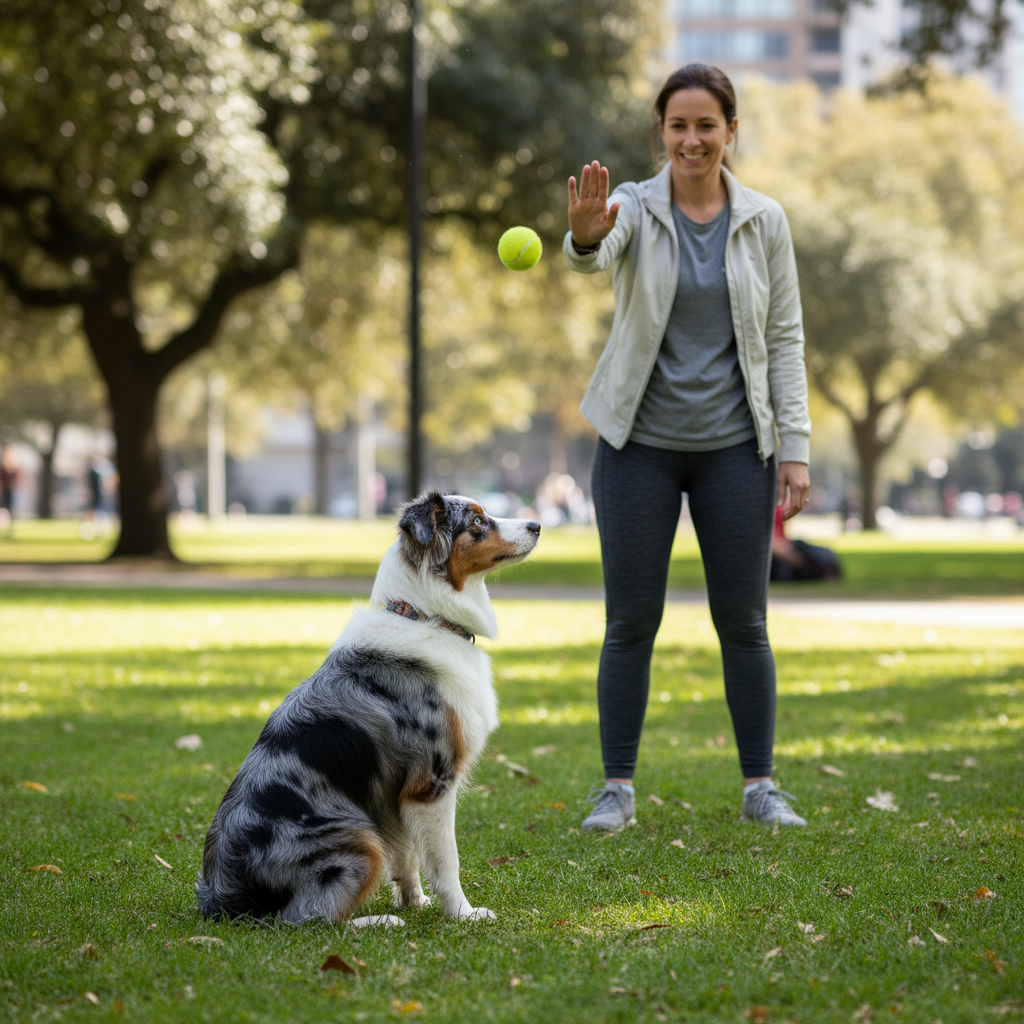
Once your dog has mastered the basic game in a quiet room, it’s time to ‘proof’ the behavior. Proofing means teaching your dog to perform the skill in different environments and with various distractions. This is how you make the impulse control reliable in the real world. Think of it as moving from elementary school to high school!
Introduce new challenges one at a time and be ready to lower the difficulty if your dog struggles. We always want to set them up for success.
Ways to Increase the Difficulty:
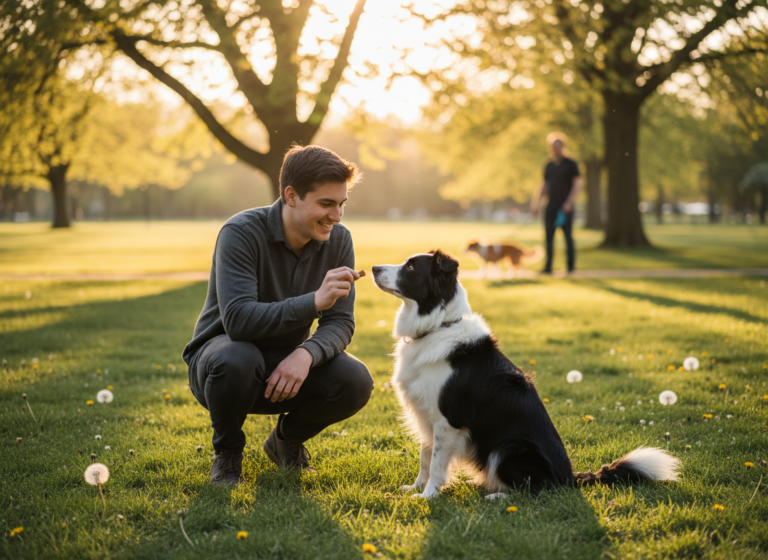
- Change of Scenery: Move the game from the living room to the backyard. Once that’s easy, try it on your front porch. The final boss level is a quiet corner of a park. New sights, sounds, and smells are all-natural distractions that will test your dog’s focus.
- Introduce Mild Distractions: While playing, have another family member walk calmly through the room. Or, place a favorite (but not too exciting) toy on the floor some distance away. Can your dog still stop and focus on you?
- Toss a Treat or Toy: This is a big one for impulse control. During a ‘Red Light’ while your dog is in a sit, toss a low-value treat a few feet away from them. Reward them with a high-value treat from your hand for ignoring the tossed one. This teaches them that the best things come from you directly, not from breaking their position.
- Vary Your Speed and Direction: Instead of just walking in a straight line, try jogging, taking slow-motion steps, or even walking backward. Zig-zag around the room. The more unpredictable your ‘Green Light’ is, the more your dog has to pay close attention to you for the ‘Red Light’ cue.
- Increase the Duration: After your dog stops for the ‘Red Light,’ ask them to hold their sit for a few seconds before you reward them. Gradually increase this duration. This builds patience and reinforces the idea that the ‘stop’ isn’t just a momentary pause.
| Challenge Level | Location | Distraction Type | Goal |
|---|---|---|---|
| Beginner | Living Room / Hallway | None | Master the basic stop-and-sit |
| Intermediate | Backyard / Driveway | Ambient sounds, familiar toy on floor | Maintain focus with minor distractions |
| Advanced | Quiet Park / Sidewalk | Distant people, other dogs, squirrels | Real-world reliability |
| Expert | Anywhere | Tossing toys, another person playing | Ultimate proofing of self-control |
By gradually leveling up the game, you’re building a rock-solid impulse control skill that will hold up when you need it most.
Troubleshooting: Common Stumbles and How to Fix Them
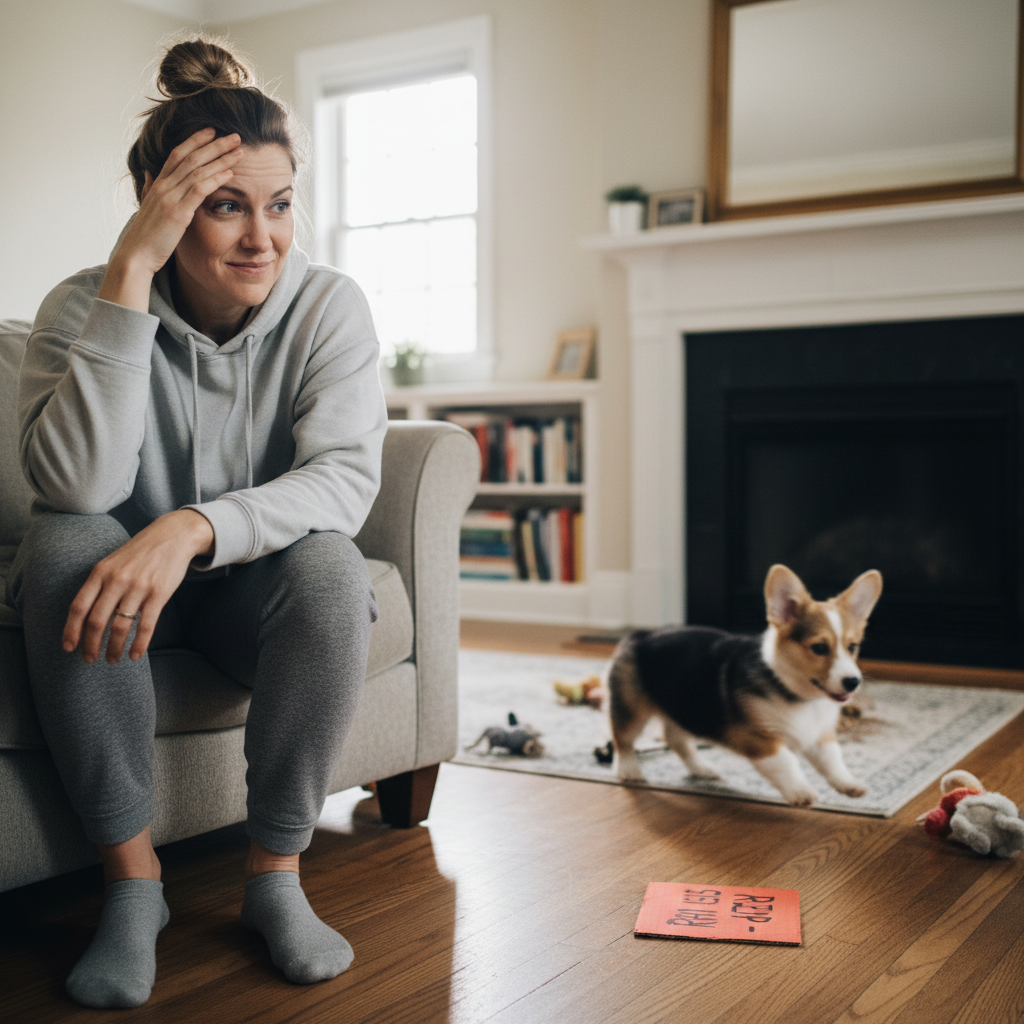
Even with the best game plan, you might hit a few bumps in the road. That’s completely normal! Dog training is never a straight line. The key is to recognize why your dog is struggling and adjust your technique. Here are some common issues and how to navigate them.
Help! My dog just keeps running past me when I stop!
This is the most common problem and it usually means one of two things: you’ve increased the difficulty too quickly, or your reward isn’t exciting enough. Go back a step! Shorten your ‘Green Light’ to just one or two steps before you stop. Make sure you are using your highest-value treats to make stopping more appealing than continuing to run. You can also practice in a hallway, where the narrow space naturally encourages your dog to stop with you.
My dog gets the zoomies and starts barking instead of focusing.
This often happens with high-energy dogs who get over-aroused by the game. If this happens, your session has gone on for too long. Over-excitement is a sign of a tired brain. End the session on a positive note if you can (ask for a simple ‘sit’ and reward), and then let your dog have a break. Next time, keep the session much shorter—even just 60-90 seconds. The goal is to end before the frantic energy starts.
My dog watches my treat hand, not my face.
It’s easy for dogs to become fixated on the source of the goodies. To fix this, hold the treat in your hand against your chest or chin when you stop. This will naturally draw your dog’s gaze up toward your face. The moment they make eye contact, mark (‘Yes!’) and reward. This teaches them that the cue to getting the treat is looking at you, not just staring at your pocket.
How often should we play this game?
Consistency is more important than duration. Several short, 2-5 minute sessions spread throughout the day are far more effective than one long, 30-minute session. Think of it like a commercial break during your day. Waiting for the kettle to boil? Play a round of Red Light, Green Light! It keeps the training fresh and fun without burning out your dog.
Golden Rule of Troubleshooting: If your dog is failing more than they are succeeding, the task is too hard. Take a step back to the last point where they were successful and build up more slowly from there. Training should always be a confidence-builder, not a test they constantly fail.
Conclusion
And there you have it! ‘Red Light, Green Light’ is more than just a silly game; it’s a powerful, positive way to build a foundation of impulse control that will benefit you and your dog for a lifetime. By transforming training into an engaging and predictable game, you teach your dog that paying attention to you is the most rewarding thing they can do.
Remember to be patient, stay positive, and celebrate the small victories along the way. Every time your dog chooses to pause and look to you for guidance, they are strengthening their self-control muscle and, more importantly, deepening their bond with you. So grab those tasty treats, find some space, and get ready to play. You’ll be amazed at how quickly your dog learns that sometimes, the best move is to stop and wait for the good stuff to happen.