If you’re the proud owner of a male dog, you’re likely familiar with the ‘sniff-and-scout’ mission that is your daily walk. Every tree, post, and shrub is a potential ‘pee-mail’ opportunity, turning what should be a relaxing stroll into a frustrating series of stops and starts. You love that your dog is engaging with his world, but you also have places to be! What if you could find a happy medium? A way to let your boy be a boy, but on a schedule that works for both of you?
Well, you can! Meet your new favorite training cue: the ‘Go Mark’ command. This isn’t about stopping your dog’s natural instinct to mark his territory; it’s about managing it. Think of it as giving him permission. You’re telling him, ‘This is a great spot! You have my blessing. Do your thing, and then let’s get back to our adventure.’ It’s a game-changer that transforms walks from a battle of wills into a cooperative journey. In this guide, we’ll break down exactly how to teach this simple but powerful command, putting you back in control and making your walks more enjoyable than ever.
Understanding the ‘Go Mark’ Command: Your Secret to Smoother Walks
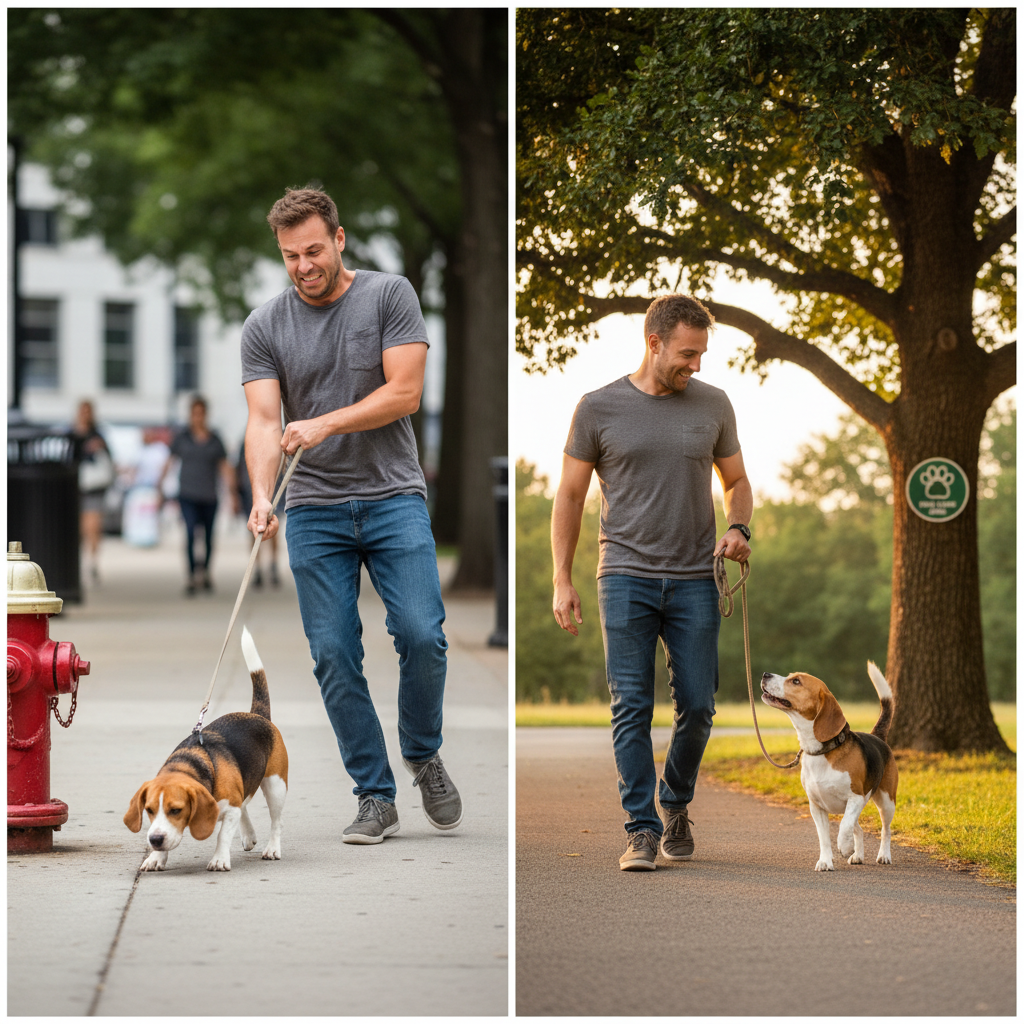
Before we jump into the ‘how-to,’ let’s get clear on the ‘what’ and the ‘why.’ The ‘Go Mark’ command is a verbal cue that you give your dog to let him know it’s an appropriate time and place to sniff and urinate. It’s a form of communication and a brilliant management tool rolled into one.
So, why is this particularly helpful for male dogs? Male dogs, especially those that are intact, are biologically wired to use urine to communicate. They’re leaving messages for other dogs about their status, presence, and availability. This is called marking behavior. While perfectly natural, it can lead to them wanting to leave a tiny deposit on dozens of objects during a single walk.
How is ‘Go Mark’ Different from ‘Leave It’?
This is a crucial distinction. ‘Leave It’ is a prohibitive command—it means ‘Do not touch that, move away.’ It’s for things that are dangerous or off-limits. ‘Go Mark,’ on the other hand, is a permissive command. It acknowledges your dog’s desire to do something and says, ‘Yes, you can do that right here, right now.’ This positive approach builds a stronger bond and avoids the frustration that can come from constantly telling your dog ‘no’.
The Benefits of a Well-Trained ‘Go Mark’
- More Efficient Walks: You get to decide when the potty breaks happen, allowing you to maintain a steady pace when you need to.
- Reduced Frustration: No more constant leash-tugging or feeling like your dog is ignoring you. You’re working as a team.
- Clear Communication: Your dog learns to look to you for guidance, strengthening your leadership role in a positive way.
- Controlled Freedom: It allows your dog to engage in his natural instincts in a structured way, which can be very mentally satisfying for him.
Expert Tip: Think of the ‘Go Mark’ command as channeling your dog’s instinct, not suppressing it. By giving him designated opportunities to mark, you make the behavior a reward that he earns by cooperating with you the rest of the time.
Gather Your Training Toolkit
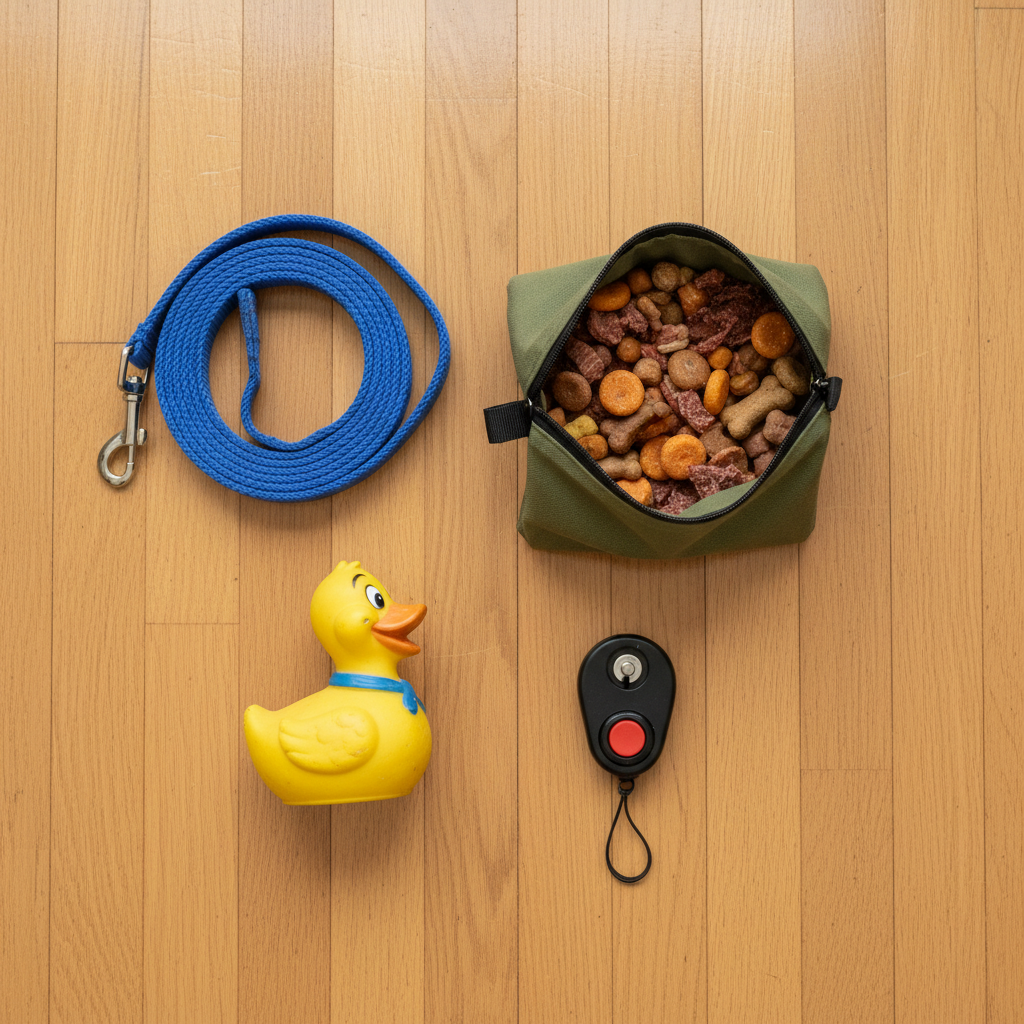
Great training starts with great preparation. The good news is you don’t need a lot of fancy equipment to teach the ‘Go Mark’ command. You probably have most of these items at home already. Setting yourself up for success is half the battle!
The Essentials List:
- A Standard Leash: A simple 4-to-6-foot nylon or leather leash is perfect. Avoid retractable leashes for this type of training, as they provide less control and can send mixed signals to your dog about how far away he’s allowed to be. You want to keep him close and focused.
- High-Value Treats: We’re not talking about his everyday kibble. You need something special that will really get his attention and make him excited to work with you. Think small, soft, smelly treats like bits of chicken, cheese, or commercial training treats. The smellier, the better!
- A Treat Pouch: Fumbling for treats in your pocket is slow and inefficient. A treat pouch that clips onto your belt or waistband allows for quick, easy access, so you can reward your dog the instant he does the right thing. Timing is everything in dog training.
- A Clicker (Optional): If you’re familiar with clicker training, this is a fantastic tool to use here. A clicker ‘marks’ the exact moment your dog performs the correct behavior, followed by a treat. It creates a very clear signal for your dog, but it’s entirely optional. Your voice and a happy ‘Yes!’ can work just as well.
- Patience and a Positive Attitude: This is the most important tool in your kit! Your dog will feed off your energy. If you’re calm, patient, and positive, he’ll be more relaxed and eager to learn. Remember, this is a fun bonding activity, not a chore.
Teaching ‘Go Mark’: A Step-by-Step Guide
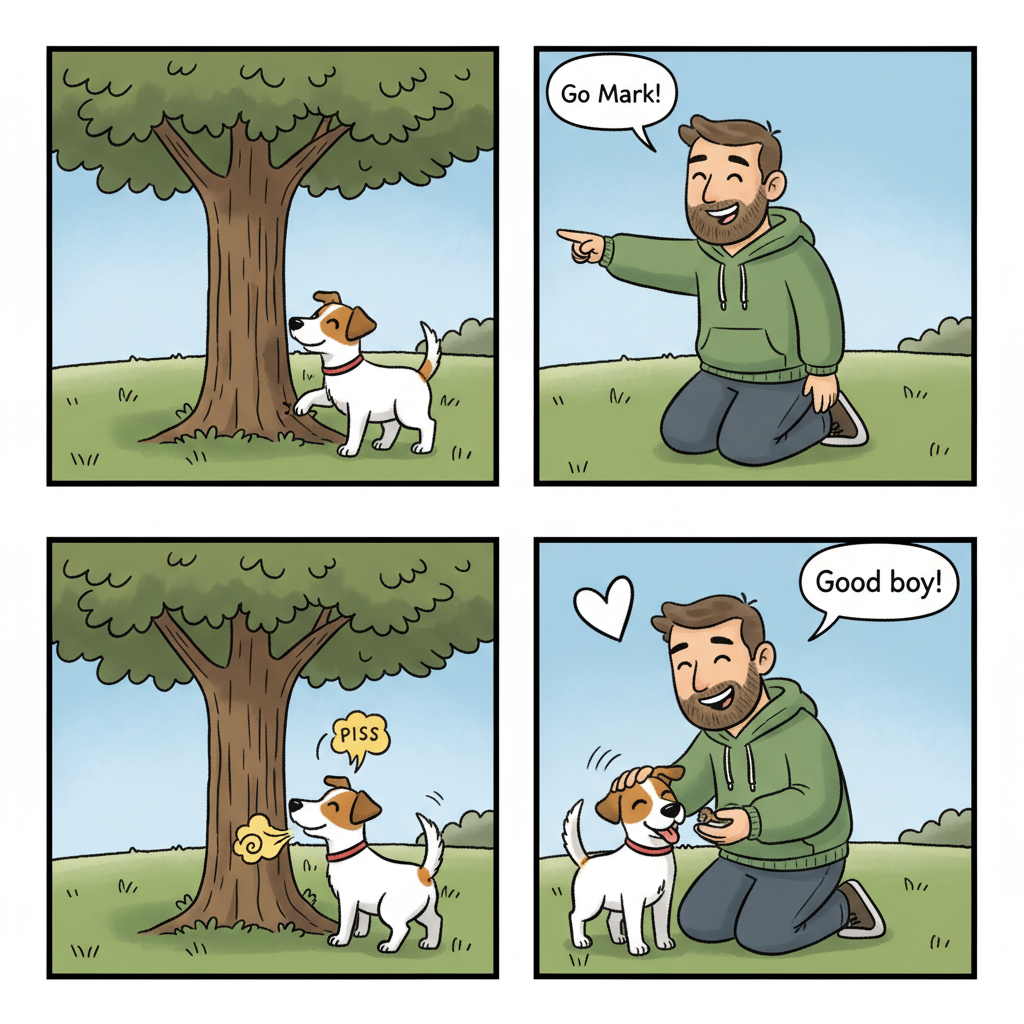
Alright, let’s get to the fun part! This process is all about building a positive association with your new verbal cue. We’ll start simple and gradually increase the difficulty as your dog begins to understand the game. Follow these steps, and be prepared to celebrate the small wins along the way!
- Step 1: Choose Your Cue and Charge It Up.
First, pick your phrase. ‘Go Mark’ is a great option, but you could also use ‘Go Sniff,’ ‘Potty Time,’ or ‘Check it Out.’ Just be consistent. Before you even go outside, you need to ‘charge’ the cue. This means teaching your dog that the phrase equals a reward. In a quiet room, simply say your cue (‘Go Mark!’) in a happy, upbeat tone, and immediately give him a high-value treat. Repeat this 10-15 times. Do this for a few short sessions over a day or two. You’re building a classic Pavlovian response: he hears the words and thinks, ‘Ooh, a treat is coming!’ - Step 2: Take It to a Familiar Spot.
Now, head outside to a place where you know he loves to mark, like his favorite bush in the backyard. Leash him up and walk him towards the spot. Just as he gets there and starts to sniff with intent, say your cue, ‘Go Mark!’ Let him sniff and urinate. The moment he finishes, praise him like he just won the lottery! ‘Good boy! Yes! What a smart dog!’ and give him a high-value treat. The reward comes after he’s done the deed. Repeat this every time you take him to his regular potty spot. - Step 3: Generalize the Behavior on Walks.
Once he’s getting the hang of it in the yard, it’s time to take the show on the road. On your next walk, pay close attention to his body language. When you see him start to veer towards a telephone pole or another dog’s favorite fire hydrant, anticipate his move. Right before he gets there, give your ‘Go Mark!’ command. When he’s done, throw a praise party and give him a treat. You are now linking your cue to the action in new and exciting places. - Step 4: Introduce the ‘Wait’.
This is where your leadership really shines. Inevitably, your dog will try to mark a spot that isn’t convenient—maybe you’re in a hurry or it’s your neighbor’s prize-winning roses. When he starts to pull towards an ‘unapproved’ spot, don’t give the ‘Go Mark’ cue. Instead, use a cheerful ‘Let’s Go!’ and use the leash to gently guide him along, increasing your pace slightly. Keep walking. Then, a little further down the block at a more appropriate spot (like a sturdy tree), slow down, point to it, and say ‘Go Mark!’ This teaches him a critical lesson: marking doesn’t happen whenever he wants; it happens when you give the green light. - Step 5: Fade the Food Reward.
As your dog becomes more and more reliable, you can start to phase out the treats. The act of sniffing and marking is a reward in itself (this is called a ‘life reward’). Start by rewarding him for only the best and quickest responses to the cue. Then, switch to rewarding every other time, then every third time, and so on. Always continue to use enthusiastic verbal praise. Eventually, you’ll only need to use a treat occasionally to keep the behavior sharp. The real reward will be the satisfying sniff and the happy continuation of your walk together.
Common Hurdles and How to Clear Them
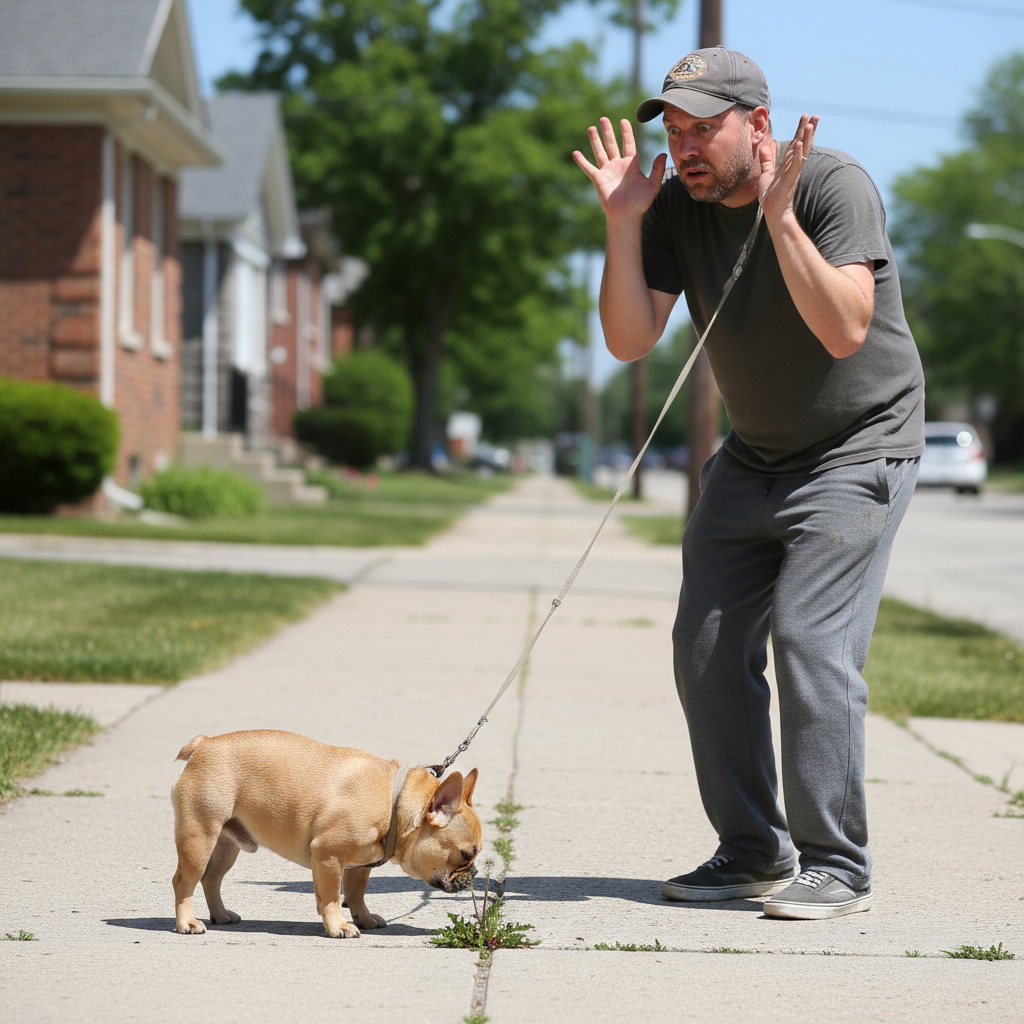
Even with the best plan, you might hit a few bumps in the road. That’s completely normal! Dog training is rarely a straight line. Here are some of the most common challenges you might face when teaching the ‘Go Mark’ command and how to navigate them like a pro.
‘My Dog Ignores the Command!’
If your dog seems to have developed selective hearing when you say ‘Go Mark,’ don’t worry. It usually means one of a few things. First, the environment might be too distracting. Try practicing in a quieter area with fewer smells and sounds. Second, your reward might not be motivating enough. Is his kibble competing with the scent of a squirrel? The squirrel will win every time. Up the ante with a higher-value treat. Finally, you may have moved through the steps too quickly. It’s never a bad idea to go back to the basics (Step 1 or 2) and reinforce the connection between the cue and the reward.
‘He Still Tries to Mark Everywhere!’
Consistency is your best friend here. This issue arises when a dog learns that sometimes he gets to ‘self-reward’ by marking without your permission. Every time he successfully marks without the cue, it reinforces the old behavior. Your job is to be a vigilant but gentle manager on your walks. When you see him about to mark an unapproved spot, use your ‘Let’s Go!’ cue and keep moving. Make being with you and walking forward more fun and rewarding than stopping to sniff. It takes time to break an old habit, so be patient and consistent.
‘How Long is This Going to Take?’
Ah, the million-dollar question! The answer is: it depends. Every dog is an individual. A young puppy might pick it up in a week, while an older dog with a lifetime of marking habits might take a month or more. Your consistency, the value of your rewards, and your dog’s individual personality all play a role. Celebrate progress, not perfection. If last week he marked 20 times without permission and this week it was only 10, that’s a huge victory! Focus on the journey and enjoy the process of building better communication with your best friend.
Troubleshooting Tip: Keep your training sessions short and sweet, especially at the beginning. A few focused 5-10 minute sessions are far more effective than one long, frustrating hour-long drill.
Mastering the ‘Go Mark’ and Walk Etiquette
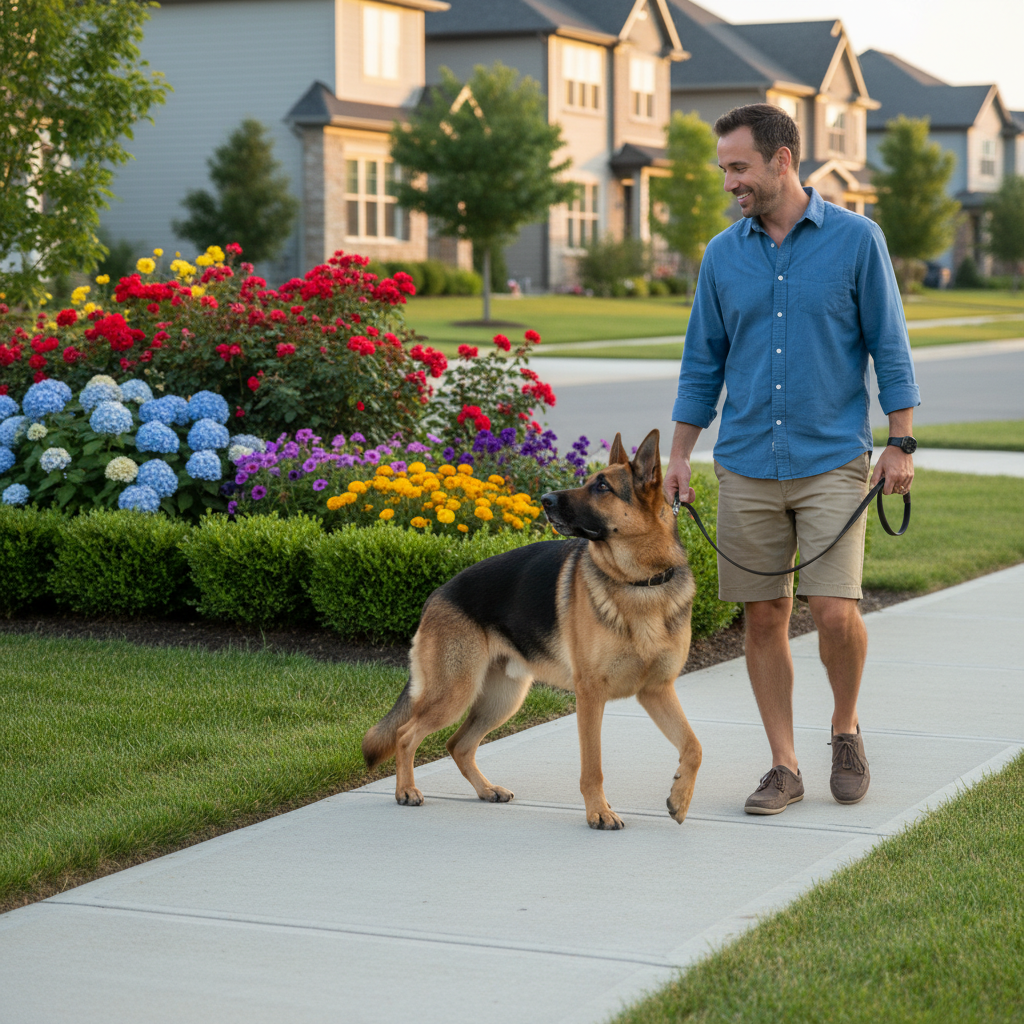
Once your dog has a solid understanding of the ‘Go Mark’ command, you can start to refine it and incorporate it into a broader philosophy of good canine citizenship. This is about taking your training to the next level and ensuring your walks are pleasant for everyone, not just you and your dog.
Advanced Cues: Introducing ‘Hurry Up’
Sometimes, you’ll give the ‘Go Mark’ command, and your dog will decide to read every bit of ‘pee-mail’ left on that spot for five minutes straight. For times when you need to keep moving, you can introduce a secondary ‘Hurry Up’ cue. After he has had a reasonable amount of time to sniff and has done his business, say ‘Hurry Up!’ in a cheerful tone, gently apply leash pressure, and start walking. When he follows, praise him and reward him. This teaches him that ‘Go Mark’ is the permission slip, and ‘Hurry Up’ is the friendly ‘five-minute warning’ that it’s time to move on.
The Unwritten Rules of Walk Etiquette
Having a well-trained dog also means being a considerate neighbor. The ‘Go Mark’ command is the perfect tool for practicing good walk etiquette. Teach your dog that certain areas are always off-limits.
- Private Property: This is a big one. Your neighbor’s lawn, flower beds, decorative statues, and mailboxes are not public toilets. Use your ‘Let’s Go!’ command to guide your dog past these areas.
- Community Spaces: Be mindful in places like outdoor cafes or children’s playgrounds. These are generally not appropriate areas for your dog to be marking.
- Other People and Pets: Never allow your dog to mark on another person, their belongings, or their dog. It’s rude and can cause conflict.
By using ‘Go Mark’ to direct your dog to appropriate spots—like the grassy strip between the sidewalk and the street, or a sturdy city tree—you show respect for your community and set a wonderful example for other dog owners.
Conclusion
Congratulations! You now have all the tools and knowledge you need to reclaim your walks and turn them into the highlight of your day. Teaching the ‘Go Mark’ command is about so much more than just getting from Point A to Point B faster. It’s a powerful exercise in communication, teamwork, and mutual respect between you and your dog. You’re not just issuing commands; you’re building a language that you both understand.
Remember to be patient, stay positive, and celebrate every little step forward. Before you know it, those frustrating, stop-and-go strolls will be a distant memory, replaced by the joyful, cooperative walks you’ve always dreamed of. So grab your leash, pocket some tasty treats, and get ready to enjoy the journey. Happy walking!