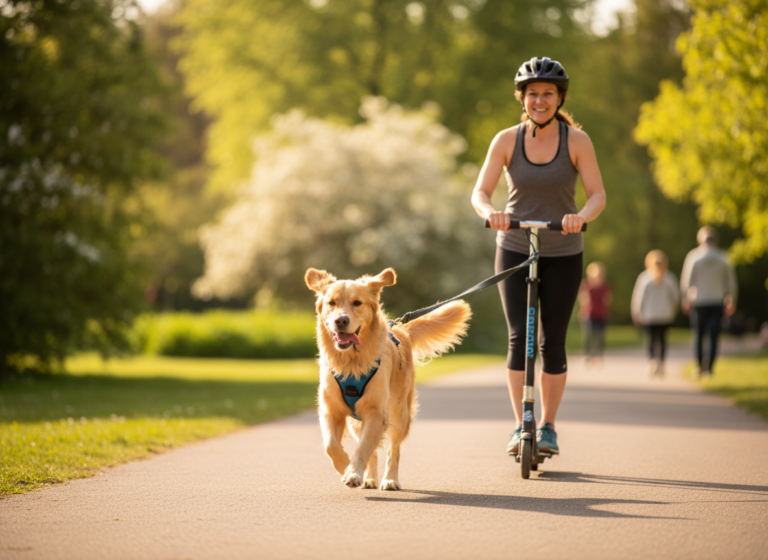
Have you ever seen someone effortlessly gliding down the street on a skateboard, powered by their happy, four-legged friend, and thought, ‘I want to do that!’? It looks like the ultimate team sport, a perfect blend of exercise, bonding, and pure, wind-in-your-fur fun. This exciting activity, often called urban mushing or land-joring, is more than just a cool trick—it’s a fantastic way to give your energetic dog a job and burn off some serious steam.
But before you grab your old deck and Fido’s leash, it’s crucial to understand that there’s a right way and a very, very wrong way to do this. Safety, for both you and your pup, is paramount. It’s not about simply hooking up and hoping for the best; it’s about clear communication, the right equipment, and building skills progressively. This guide is your complete roadmap to transforming your dog from a casual walker into a confident and safe pulling partner. Let’s get ready to roll!
Gearing Up: The Essential Equipment for You and Your Canine Co-Pilot
Before you even think about hitting the pavement, you need to gear up properly. Using the wrong equipment isn’t just ineffective; it can be dangerous and lead to serious injuries for your dog. Think of this as investing in safety and success.
For Your Canine Athlete:
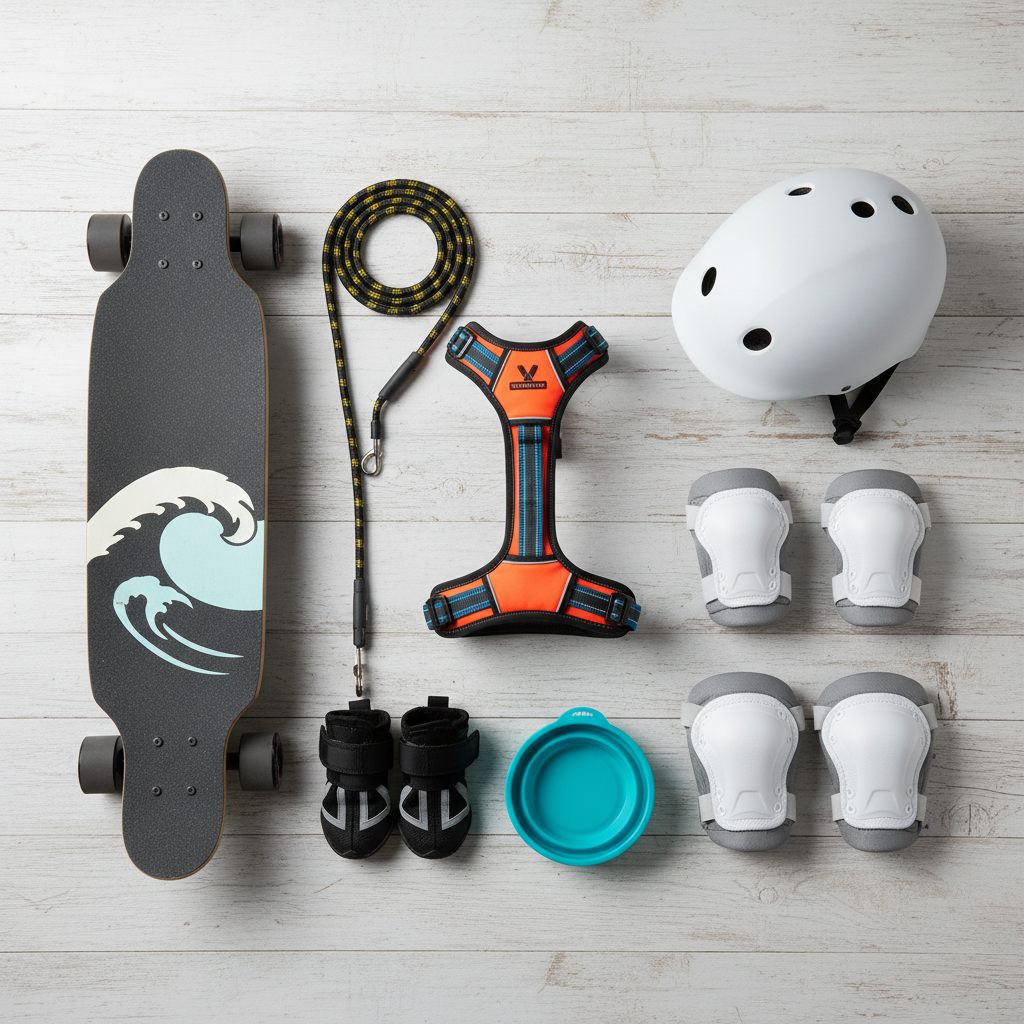
- A Proper Pulling Harness: This is the single most important piece of gear. Do not use a standard walking harness, collar, or choke chain. A proper pulling harness, like an X-back or a Y-front harness (often used for skijoring or canicross), is designed to distribute weight evenly across your dog’s chest and shoulders, allowing for full range of motion without restricting their breathing. It directs the pulling force to the strongest parts of their body, preventing strain on their neck and back.
- A Bungee Leash or Towline: A standard leash won’t cut it. A bungee line, typically 6-10 feet long, has a shock-absorbing section. This is critical for protecting both your body and your dog’s from the jarring forces of sudden starts, stops, or changes in speed. It creates a smoother, more comfortable ride for everyone.
- Protective Paw Booties (Optional but Recommended): Pavement can be abrasive, especially during longer runs. Dog booties can protect your pup’s sensitive paw pads from scrapes, cuts, and hot surfaces. Introduce them slowly at home so your dog gets used to the feeling.
- Water and a Collapsible Bowl: Your dog will be working hard. Always carry fresh water to prevent dehydration, no matter how short the trip seems.
For the Human on Wheels:
- A Stable Skateboard: While any board can work, a longboard is highly recommended for beginners. Its longer wheelbase and larger, softer wheels provide significantly more stability and a smoother ride over cracks and small pebbles, reducing the chances of a wipeout.
- The Holy Trinity of Safety Gear: This is non-negotiable. Wear a helmet, wrist guards, and knee/elbow pads. You will fall at some point, especially when you’re learning. Being protected means you can get back up and try again without a trip to the emergency room.
- Good Footwear: Wear closed-toe, flat-soled shoes (like skate shoes) that provide good grip and allow you to easily bail or foot-brake if necessary.
Before You Roll: Mastering the Essential Commands on Foot
You can’t steer a dog with handlebars. Your only control is verbal. That’s why teaching a set of specific mushing commands is the foundation of safe skating. Your dog must understand and reliably respond to these cues before you ever step on the board. Practice these commands relentlessly on your daily walks and runs, using positive reinforcement with lots of praise and high-value treats.
Key Commands to Master:
- “Hike On!” or “Let’s Go!”: This is your accelerator. It’s the command that tells your dog to move forward and start pulling. Start by saying it in an excited tone right as you start jogging, rewarding them for any forward tension on the leash.
- “Whoa!” or “Stop!”: Your emergency brake. This is arguably the most important command. Teach it by saying “Whoa!” in a firm, calm voice as you come to a stop during a walk. Reward your dog the instant they stop with you. Practice this over and over until it’s automatic.
- “Gee” (Turn Right) and “Haw” (Turn Left): These are your steering wheel. They are the traditional mushing terms, but you can use any words you like, as long as they are distinct. To teach “Gee,” as you approach a right turn on your walk, say the command and use leash pressure to gently guide them right. Praise them enthusiastically when they make the turn. Repeat for “Haw” on left turns. Over time, they’ll learn to associate the word with the action.
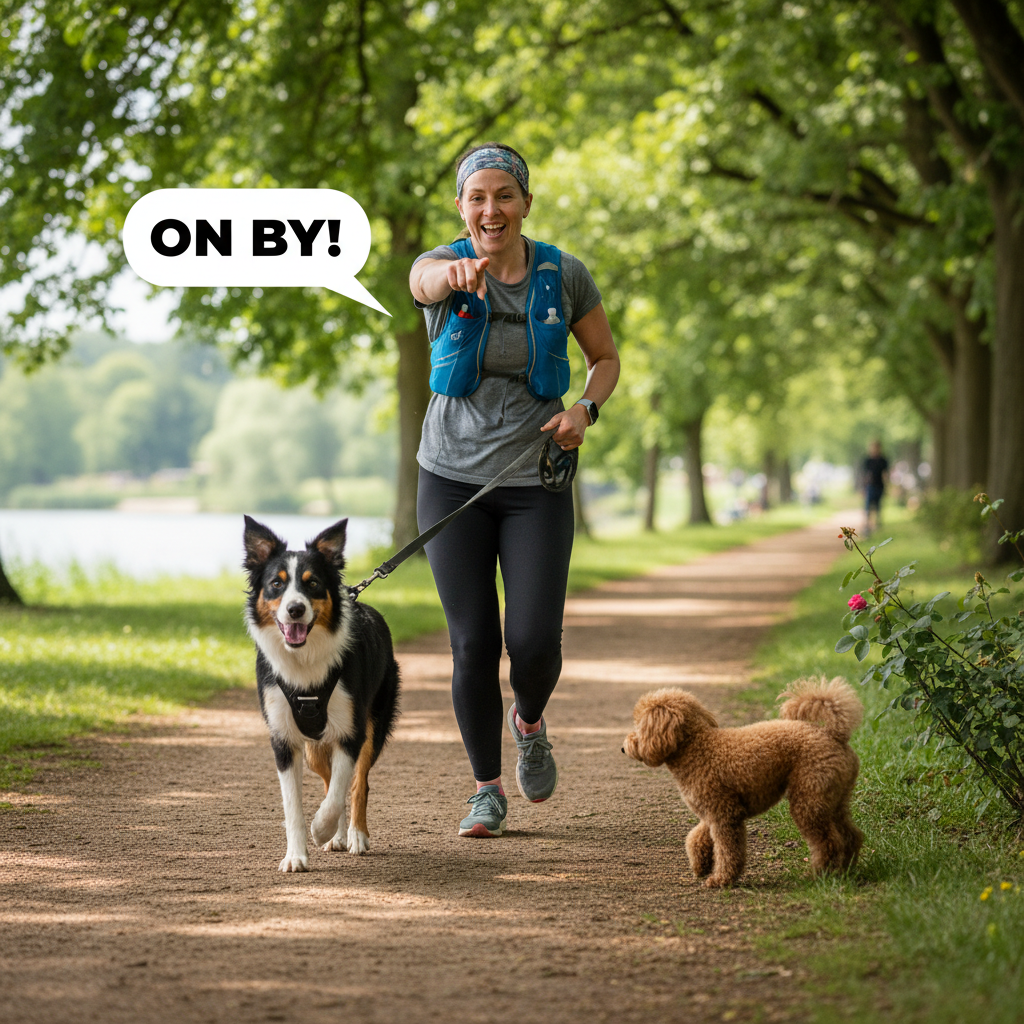
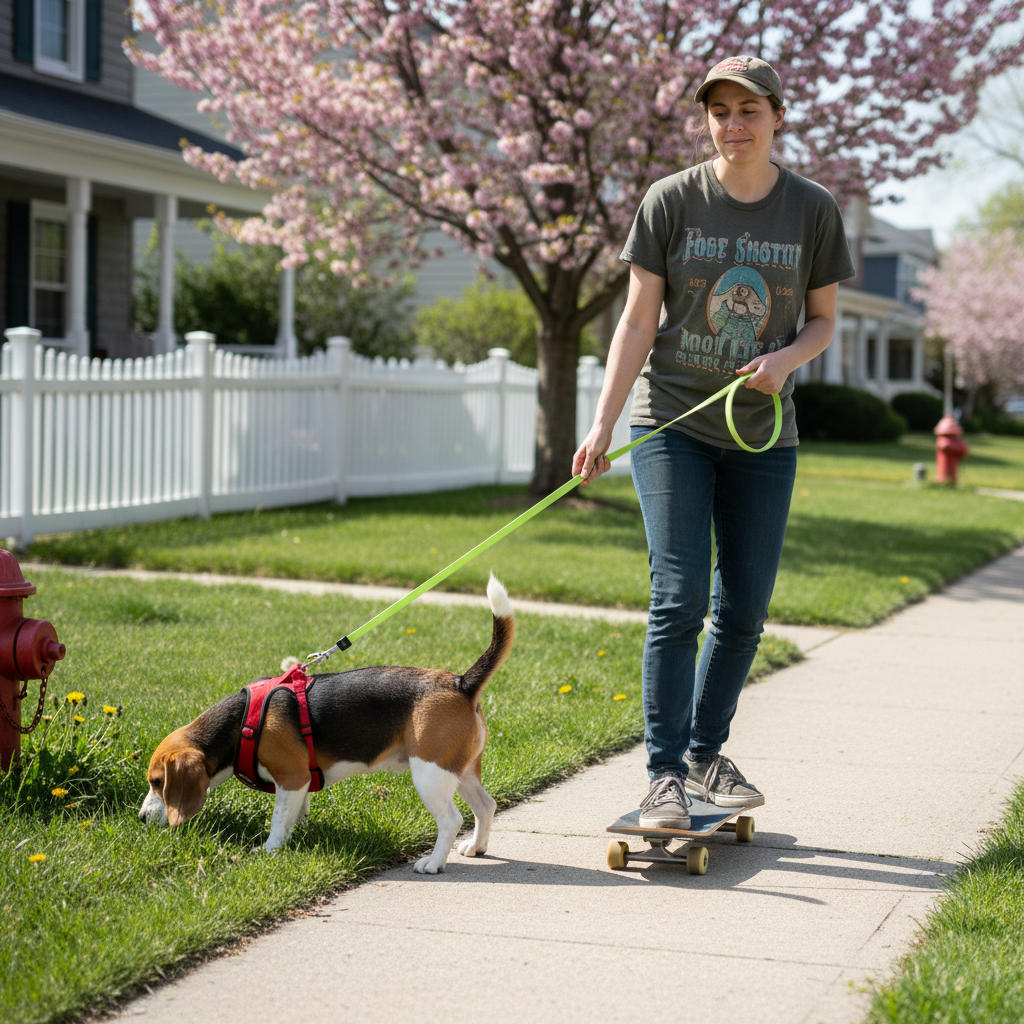
- “On By!” or “Leave It!”: This is your focus command. It tells your dog to ignore distractions—squirrels, other dogs, interesting smells, blowing leaves—and continue straight ahead. This command is crucial for safety. Practice by walking past low-level distractions. The moment your dog looks at the distraction, say “On By!” in an upbeat voice and reward them the second they look forward again.
Expert Tip: Keep your training sessions short and fun! End each session on a positive note, with a successful command and a big reward. This keeps your dog excited and eager to learn for the next session.
Let’s Roll! Your Step-by-Step Guide to Teaching Your Dog to Pull
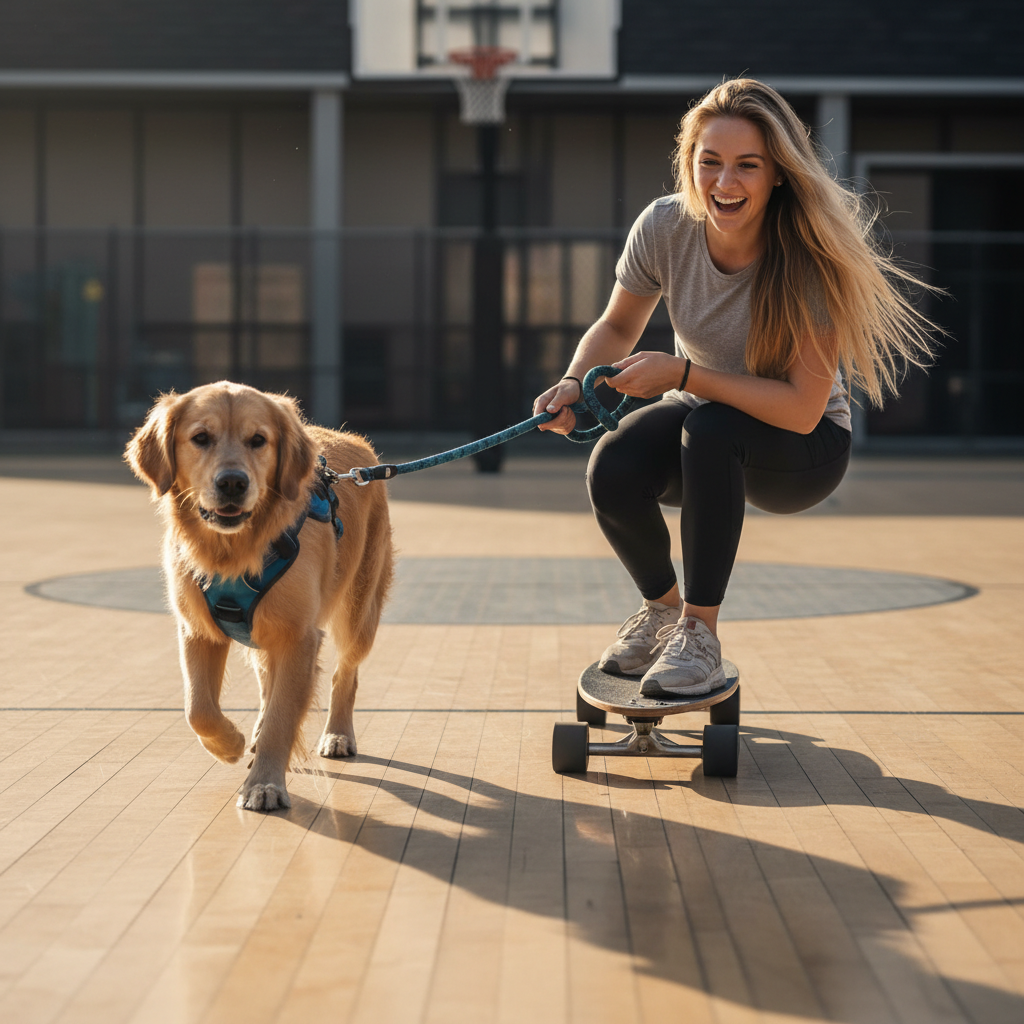
Once your dog is a rockstar with the verbal commands on foot, it’s time to introduce the wheels. This process should be slow, gradual, and overflowing with positive reinforcement. The goal is to make the skateboard a fun and normal part of your routine, not a scary, noisy monster.
- Step 1: Get Comfortable with the Harness and Board Separately. For a few days, just let your dog wear their new pulling harness for short periods around the house. Give them treats and praise. Separately, leave the skateboard on the floor. Let them sniff it, walk around it, and get used to its presence. Reward any calm curiosity.
- Step 2: Introduce Movement (Without You on It). Sit on the ground and gently roll the board back and forth. Reward your dog for staying calm. If they are nervous, move further away and use higher-value treats. The goal is for them to see the board’s movement as non-threatening.
- Step 3: Combine Walking and Coasting. Head to a quiet, flat, smooth area like an empty parking lot or a wide bike path. With your dog on leash (in their pulling harness), start walking. Hold the leash in one hand and your board in the other. After a minute, put the board down and just walk next to it. Then, try putting one foot on the board and ‘scooting’ with the other, staying at a walking pace next to your dog. Praise and treat them for ignoring the board.
- Step 4: The First Gentle Pull. This is the big moment! Stand on the board with both feet, holding the bungee leash. Get your balance. In a happy, excited voice, give your ‘Hike On!’ command. The moment your dog puts any tension on the line and moves forward, even a single step, shower them with praise and a jackpot treat. Keep this first attempt incredibly short—just a few feet.
- Step 5: Build Duration and Distance. Over many sessions, slowly start asking for more. Go from 5 feet to 10 feet, then to 20. The key is to always end on a high note, before your dog gets tired, overwhelmed, or bored. Keep the energy high and the rewards flowing.
- Step 6: Practice Your Steering and Braking. Once your dog is confidently pulling you in a straight line, start incorporating your directional commands. As you approach a gentle curve, give your ‘Gee’ or ‘Haw’ command. Use your own body weight to help steer the board. Practice your ‘Whoa!’ command frequently when moving at a very slow speed. Never move faster than you can safely bail or foot-brake.
Safety First, Always: The Golden Rules of Canine Skateboarding
This sport is incredibly fun, but the potential for injury is real if you cut corners. Adhering to these safety rules will ensure you and your pup can enjoy this activity for years to come.
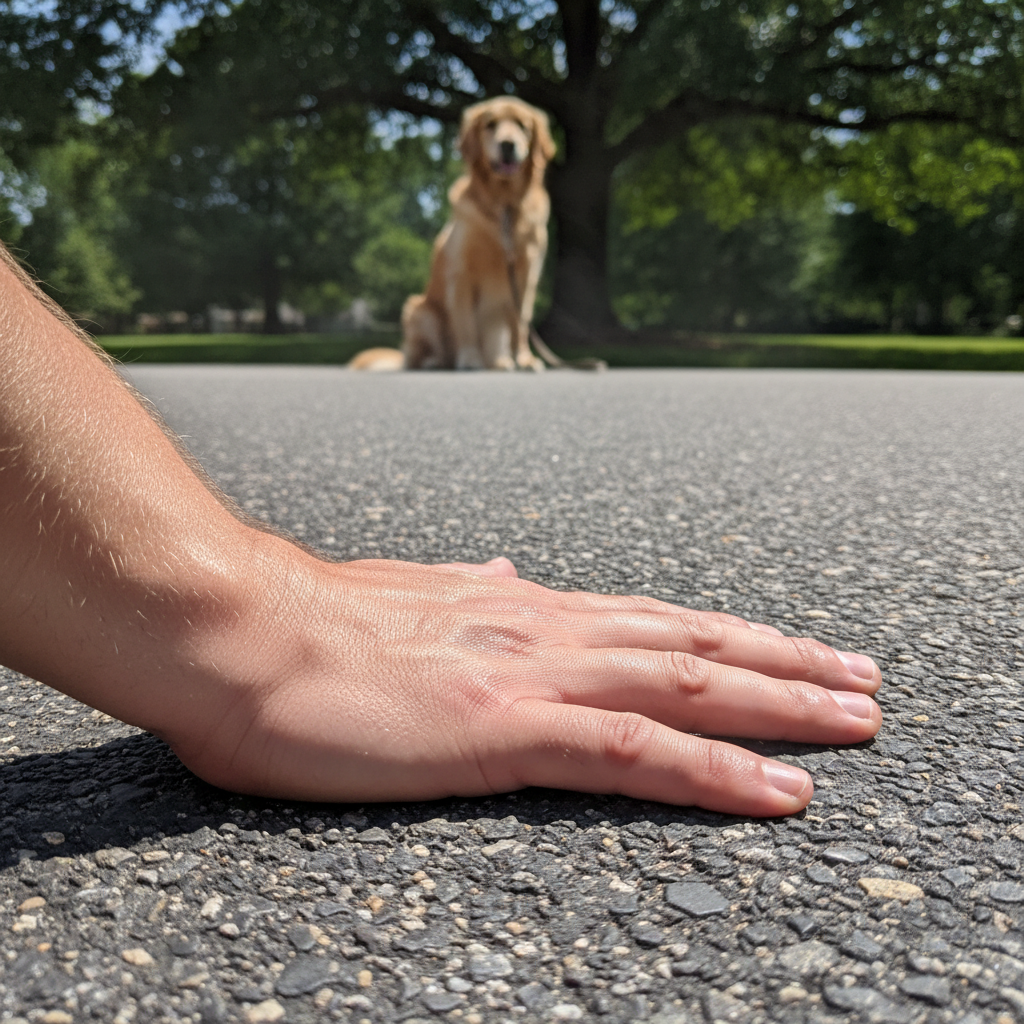
- Check the Pavement Temperature: This is a critical, often-overlooked rule. Before every session, place the back of your hand on the pavement for five seconds. If it’s too hot for your hand, it’s definitely too hot for your dog’s paws. Skate during cooler parts of the day, like early morning or evening, especially in the summer.
- Know Your Dog’s Breed, Age, and Fitness Level: This activity is best suited for medium to large, high-energy breeds with a natural inclination to pull, like Huskies, Malamutes, and Pitbull-type dogs. It is not suitable for brachycephalic (flat-faced) breeds like Pugs or Bulldogs, as they can easily overheat and have breathing difficulties. Always consult your vet before starting any new high-impact sport, and ensure your dog is fully grown (at least 12-18 months) to protect their developing joints.
- Choose Your Location Wisely: Start in safe, enclosed, or low-traffic areas. Avoid busy streets, areas with lots of intersections, or crowded parks. Smooth bike paths, empty tennis courts, or quiet suburban cul-de-sacs are ideal.
- Never Attach the Leash to Yourself or the Board: This is a recipe for disaster. If you fall, you could drag your dog down with you, or the board could get tangled and injure them. If the leash is attached to the board and your dog bolts, you have a runaway skateboard. Always hold the leash handle securely in your hand so you can let go in an emergency.
- Master the Art of Bailing: Learn how to safely step or jump off your board and run it out. Practice this without your dog first. Knowing how to bail confidently will save you from countless falls.
- Stay Hydrated and Watch for Fatigue: Always bring water. Pay close attention to your dog’s body language. Signs of overexertion include excessive panting, lagging behind, drooling more than usual, or losing their enthusiastic ‘pull.’ Keep initial sessions very short (5-10 minutes) and build up endurance slowly over weeks and months.
Hitting a Snag? How to Troubleshoot Common Roadblocks
Even with the best training plan, you might hit a few bumps in the road. Don’t get discouraged! Here’s how to navigate some common challenges.
Problem: My dog just won’t pull.
Solution: Go back to basics. Many dogs have spent their whole lives being taught not to pull on the leash. You’re now rewriting the rules, which can be confusing. Make pulling a fun game on foot first. Have a friend or family member stand a short distance ahead and excitedly call the dog, rewarding them the moment they pull toward the person. You can also try jogging in front of your dog to encourage them to chase and get into ‘drive’ mode. Keep the pressure off and make it all about fun.
Problem: My dog is way too distracted by everything.
Solution: This is a sign that your ‘On By’ or ‘Leave It’ command isn’t strong enough yet. Go back to practicing on foot in very low-distraction environments. Your goal is to be more interesting than the distraction. Use extremely high-value treats (like small pieces of chicken or cheese) that they only get for this specific training. Gradually increase the level of distraction as they become more reliable.
Problem: My dog keeps trying to bite or herd the wheels.
Solution: This is common in herding breeds who are naturally stimulated by moving objects. It’s a sign that the desensitization process was rushed. Go back to Step 2 of the training plan. Reward your dog for any calm behavior around the moving board. You may need to teach a solid ‘place’ or ‘stay’ command while you move the board around them, rewarding them for staying put and ignoring the wheels.
Problem: My dog pulls to the side or crosses in front of me.
Solution: This is dangerous and can cause a major crash. It usually means the dog doesn’t understand that the job is to pull straight ahead. Use a clear path or walkway to provide a natural visual cue. Keep initial sessions short and reward heavily for any movement in a straight line. If they veer, immediately stop, reset, and try again. Don’t let them practice the wrong behavior.
Conclusion
Teaching your dog to skate with you is so much more than learning a cool new party trick. It’s an incredible bonding experience that builds trust, communication, and teamwork. It provides a powerful physical and mental outlet for your dog, leading to a happier, healthier, and more tired companion (which is always a plus!).
Remember that patience is your best friend throughout this process. Every dog learns at a different pace. Celebrate the small victories, keep your sessions positive and fun, and prioritize safety above all else. Before you know it, you and your canine co-pilot will be cruising in sync, enjoying a special adventure that’s all your own. Now gear up, be safe, and have an absolute blast on your new journey together!