Have you ever seen a dog sit up on its hind legs, paws dangling in the air, with an expression of pure, adorable concentration? That’s the ‘Sit Pretty’ or ‘Beg’ trick, and it’s a guaranteed heart-melter. But what if I told you that this charming trick is one of the best exercises you can teach your canine companion? It’s true! Behind that cute pose is a powerhouse of a workout that engages your dog’s core muscles, improves their balance, and boosts their body awareness.
A strong core is just as important for our dogs as it is for us. It’s the foundation for almost every movement they make, from a playful pounce to a soaring leap for a frisbee. A stable core supports the spine, reduces the risk of injury, and can even help senior dogs maintain their mobility and confidence. So, while you’ll definitely get some amazing photos for social media, you’ll also be giving your dog the gift of strength and stability.
In this guide, we’re going to break down the ‘Sit Pretty’ trick into simple, positive, and fun steps. We’ll cover everything from the physical benefits to troubleshooting common hiccups along the way. Get your tastiest treats ready, find a comfy spot, and let’s turn your talented pup into a core-strengthening superstar!
The Core of the Matter: Why ‘Sit Pretty’ is a Canine Super-Workout
Before we jump into the ‘how-to,’ let’s dig into the ‘why.’ Understanding the incredible physical and mental benefits of the ‘Sit Pretty’ trick can be a huge motivator for you and your pup. This isn’t just about looking cute; it’s about building a healthier, more resilient dog from the inside out.
Engaging the Core Muscles
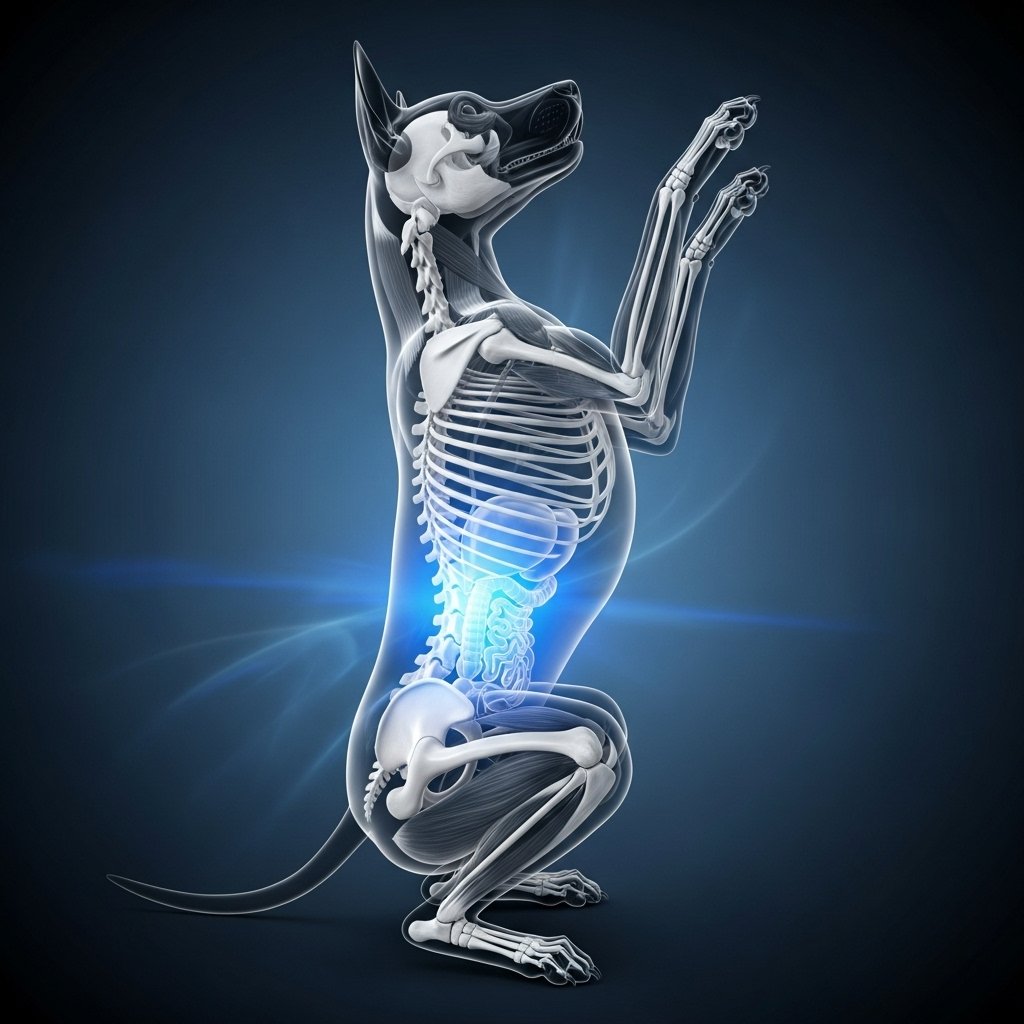
When your dog holds the ‘Sit Pretty’ position, they are firing up a whole group of muscles that are often underutilized. These include:
- Abdominal Muscles: These are crucial for stabilizing the spine and maintaining balance.
- Back Muscles: The muscles running along the spine work hard to keep your dog upright and prevent them from toppling over.
- Hip Flexors: These muscles are engaged to help lift and hold the front half of their body.
Think of it as a doggy Pilates session! This controlled movement strengthens their entire trunk, providing a stable base that supports all their limbs. For athletic dogs involved in sports like agility or flyball, a strong core is a game-changer, improving performance and preventing common sprains and strains.
Boosting Balance and Proprioception
Proprioception is a fancy term for your dog’s awareness of their body’s position in space. It’s an internal sense that lets them know where their paws are without having to look. The ‘Sit Pretty’ trick is a masterclass in proprioception. To hold the pose, your dog must constantly make micro-adjustments, shifting their weight and engaging small stabilizer muscles to keep from falling. This heightened body awareness translates to better coordination in everyday life, whether they’re navigating tricky terrain on a hike or simply getting up from their bed.
A Low-Impact Strength Builder
Unlike high-impact activities like running and jumping, ‘Sit Pretty’ builds strength in a controlled, gentle way. This makes it an excellent exercise for a wide range of dogs. For young puppies, it helps develop coordination. For adult dogs, it’s a great way to maintain muscle tone. And for many senior dogs (with veterinary approval, of course!), it can be a safe way to keep their core muscles engaged, which is vital for supporting aging joints and a less stable spine.
Expert Tip: Always check with your vet before starting any new exercise routine, especially for dogs with known back or hip issues, or breeds prone to them like Dachshunds or Corgis. This trick requires a healthy spine.
Gearing Up for Success: Tools and Prep Work
Great news! You don’t need a fancy home gym or expensive equipment to teach ‘Sit Pretty.’ The most important tools are patience and a positive attitude. However, having a few key items on hand will make the process smoother and more enjoyable for both of you.
Your Training Toolkit
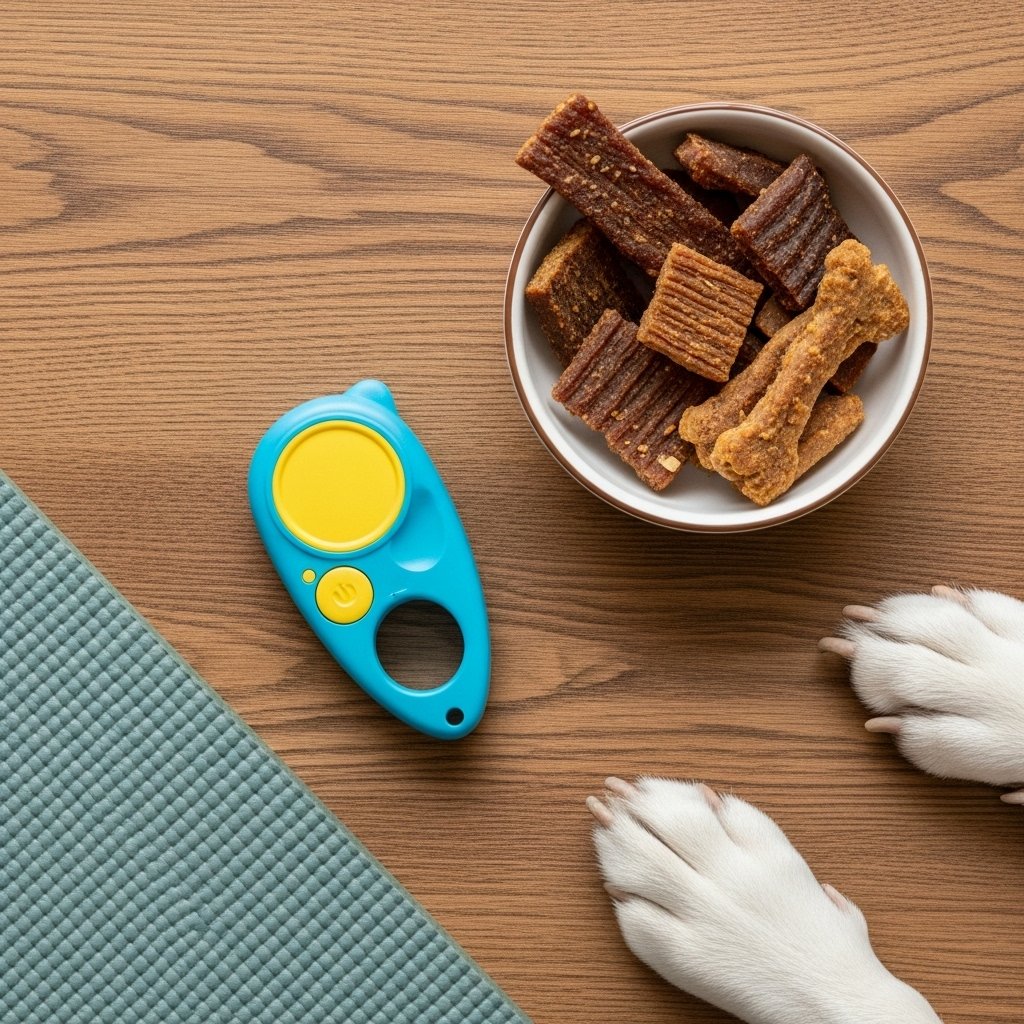
- High-Value Treats: This is non-negotiable. You need something your dog absolutely loves and will work hard for. Think small, soft, and extra tasty morsels like tiny pieces of boiled chicken, cheese, or commercial training treats. The key is ‘small’—you’ll be using a lot of them!
- A Non-Slip Surface: Your dog needs to feel secure to balance. A rug, carpet, or a yoga mat is perfect. Avoid slippery surfaces like hardwood or tile floors, as they can make it difficult and scary for your dog to hold the position.
- A Quiet Environment: Choose a space with minimal distractions. Turn off the TV, put your phone on silent, and find a time when the house is calm. This helps your dog focus on you and the task at hand.
- A Clicker (Optional): If you’re familiar with clicker training, this is a fantastic time to use it! A clicker allows you to mark the exact moment your dog does the right thing (like lifting their paws even a tiny bit), which communicates your expectations with crystal-clear precision.
Prerequisite Skills: The Solid ‘Sit’
Before you can ask your dog to ‘Sit Pretty,’ they need to have a rock-solid ‘Sit.’ They should be able to sit calmly for at least 10-15 seconds without you needing to repeat the command. This starting position provides the stable base from which they will learn to lift their front paws. If their ‘Sit’ is still a work in progress, spend a few sessions reinforcing it before moving on.
Remember: Keep your training sessions short and sweet! Aim for two or three 5-minute sessions a day rather than one long, frustrating one. Always end on a positive note when your dog has successfully completed a step, even if it’s a small one. This keeps them excited to train again next time!
Let’s Do This! Your Step-by-Step Training Plan
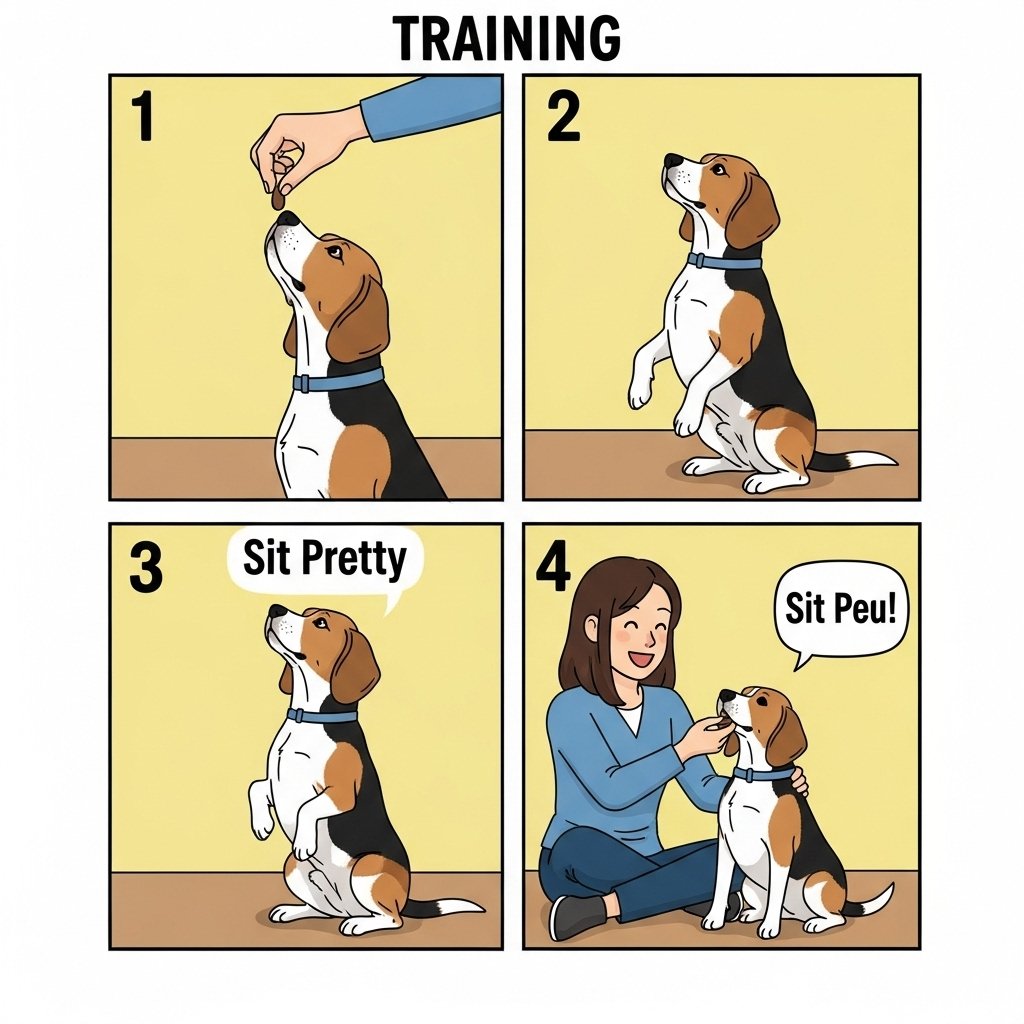
Alright, the treats are ready, your dog is sitting patiently, and you’re armed with enthusiasm. It’s time to begin! We’ll use a technique called ‘luring,’ which uses a treat to guide your dog into the desired position. Remember to be patient and celebrate every tiny bit of progress.
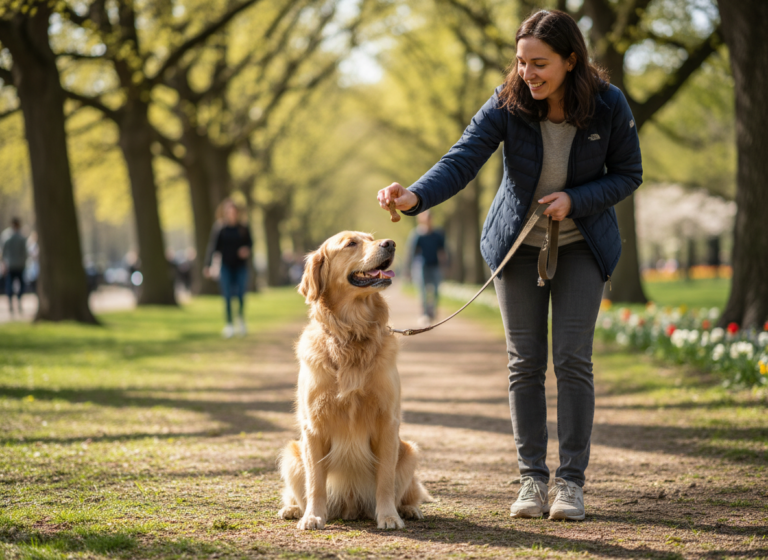
- Step 1: The Lure and Lift. Start with your dog in a solid ‘Sit’ on your non-slip surface. Hold a high-value treat between your thumb and forefinger. Place the treat right in front of your dog’s nose, then slowly move it upwards and slightly backwards, towards the space between their eyes. As their head follows the treat, their weight will naturally shift to their hind legs, and their front paws should lift off the ground, even just for a millisecond. The very instant their paws lift, mark the moment with a ‘Yes!’ or a click, and give them the treat. Repeat this 5-10 times. Don’t worry about height or duration yet; you’re just rewarding the lift.
- Step 2: Build a Little Height. Once your dog is consistently lifting their paws for the lure, you can start to encourage a little more height. Lure them up just a tiny bit higher than before. The goal is still a quick lift, not a long hold. If they stand up or jump for the treat, your lure is likely too high or too fast. Reset and try a slower, lower lure. Mark and reward every successful lift.
- Step 3: Introduce Duration. Now that your dog understands the motion, we can ask them to hold it for a second. Lure them into position, and the moment they are balanced with paws up, wait just one second before you mark/click and treat. Gradually increase this duration, second by second, over many repetitions and sessions. If they fall out of the position, that’s okay! You just asked for too much, too soon. Go back to a shorter duration where they were successful and build up more slowly.
- Step 4: Fade the Lure and Introduce a Hand Signal. Your dog is now a pro at following the treat lure. It’s time to see if they understand the motion itself. Go through the same luring motion, but this time without a treat in your hand. After they perform the ‘Sit Pretty,’ mark the behavior and then reward them with a treat from your other hand. Over time, you can make this hand signal smaller and more subtle—perhaps just a finger pointing upwards.
- Step 5: Add the Verbal Cue. Your dog is now reliably responding to your new hand signal. It’s time to name the behavior! Just before you give the hand signal, say your chosen verbal cue clearly and cheerfully, such as ‘Sit Pretty!’ or ‘Beg!’ After a few repetitions, your dog will begin to associate the words with the action. Eventually, you can test the verbal cue on its own. If they do it, throw a jackpot of treats! If they look confused, that’s fine—just pair it with the hand signal a few more times before trying again.
Hit a Snag? Troubleshooting Common ‘Sit Pretty’ Problems
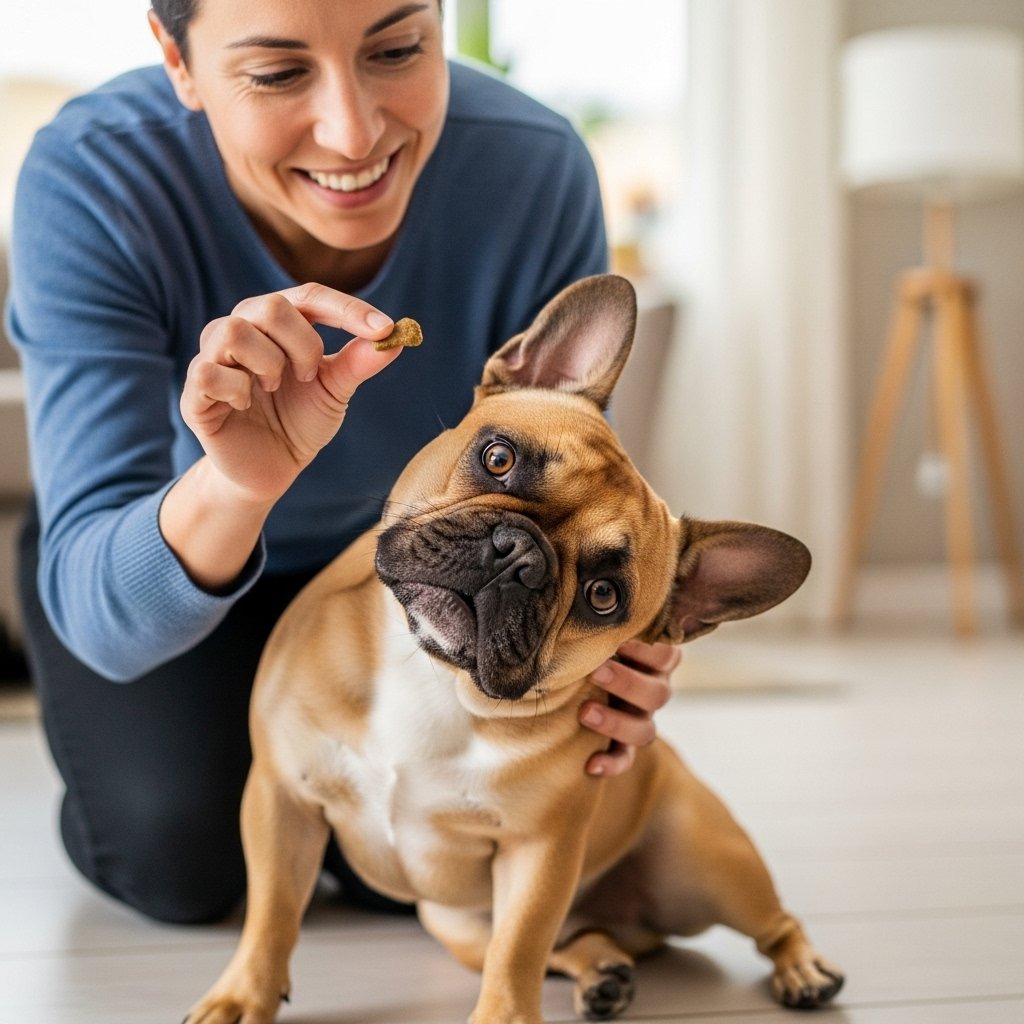
Training is never a straight line; there are always bumps and detours along the way. Don’t get discouraged! Nearly every problem has a simple solution. Here are some of the most common hurdles you might encounter when teaching ‘Sit Pretty’ and how to clear them.
- Problem: My dog keeps falling over to one side.
Solution: This is very common, especially at the beginning! It usually means they haven’t quite developed the balance or core strength yet. Go back to rewarding very short durations—even a split-second of balance is a win. You can also try practicing in a corner, where the walls can provide a bit of support and help them feel more stable as they learn. Also, double-check that your surface isn’t slippery. - Problem: My dog jumps up or stands on their hind legs instead of sitting pretty.
Solution: This is a classic case of a ‘lure malfunction.’ You’re likely holding the treat too high or moving it too far forward. The motion should be more up and back towards their ears, not straight up or forward. This encourages them to rock their weight back onto their haunches rather than pushing up and forward into a stand. - Problem: My dog just won’t lift their paws, they just stare at the treat.
Solution: First, ensure your treat is exciting enough to motivate them! If it is, you may need to ‘shape’ the behavior more gradually. Start by rewarding any tiny weight shift to their back legs. Then, reward one paw lifting an inch. Then both paws lifting an inch. You’re breaking the final behavior down into microscopic steps and rewarding each one. This can help a hesitant or confused dog understand the goal. - Problem: My dog whines or seems uncomfortable.
Solution: Stop immediately. This is the most important rule of dog training: listen to your dog. Discomfort is a clear signal to end the session. The ‘Sit Pretty’ pose can be physically demanding. If your dog shows any signs of pain, hesitation that seems physical, or repeated discomfort, the trick may not be right for them. It’s crucial to consult your veterinarian to rule out any underlying back, hip, or joint pain before attempting this exercise again. Never force a dog to perform a trick that causes them distress.
Conclusion
Congratulations! You now have all the tools and knowledge to teach your dog the amazing ‘Sit Pretty’ trick. More than just a crowd-pleaser, you’re embarking on a journey to build your dog’s physical strength, improve their coordination, and deepen the trust and communication you share. Every training session is an opportunity to bond and better understand each other.
Remember to keep it positive, be patient with the process, and celebrate every small success along the way. Your dog’s well-being always comes first, so pay close attention to their body language and never push them past their comfort zone. Before you know it, your pup will be proudly showing off their new skill—and their new six-pack! Happy training!