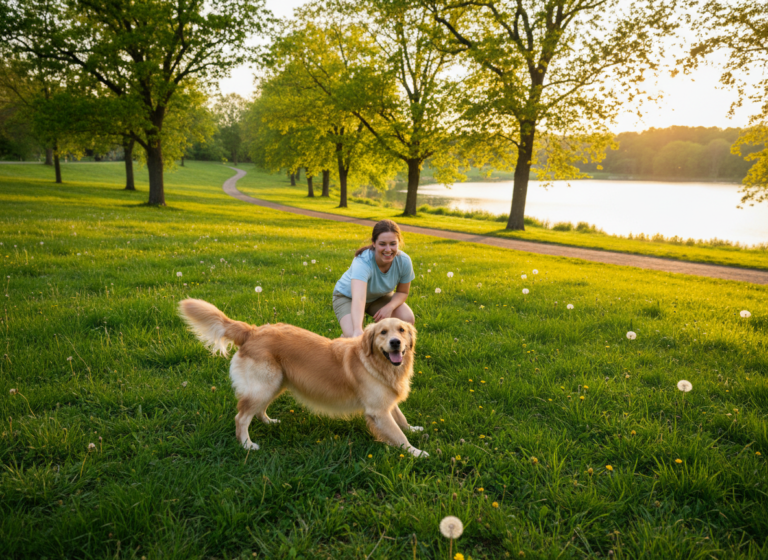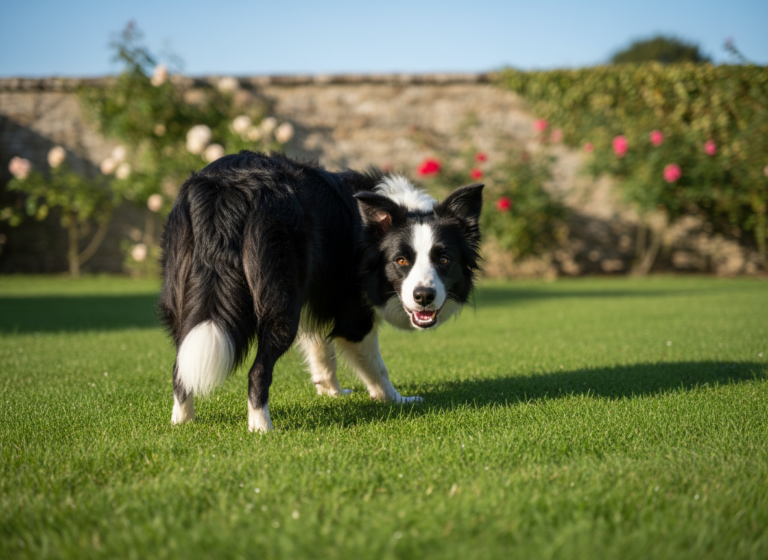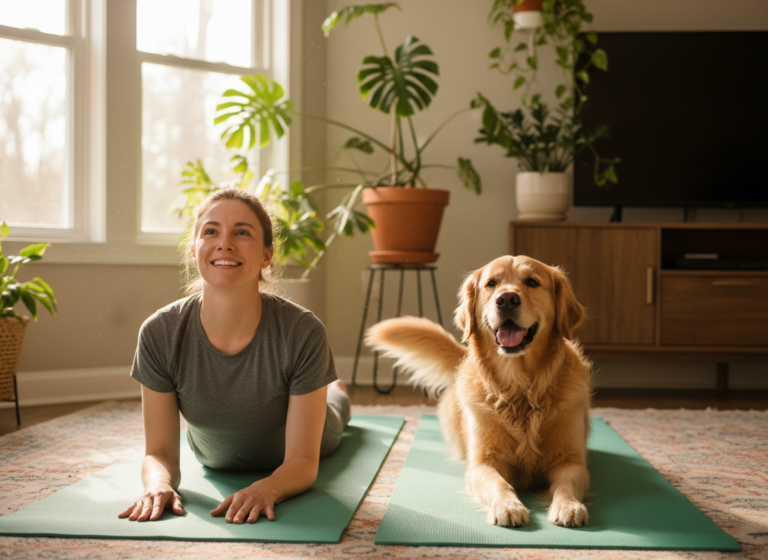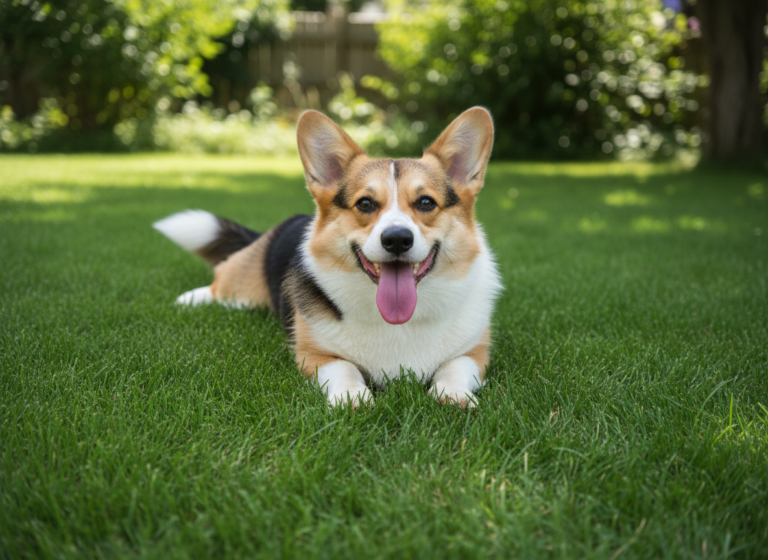
If you share your life with a high-energy dog, you know the struggle is real. You can walk for miles, play fetch until your arm feels like it might fall off, and yet, they still have that wild look in their eyes, ready for the next adventure. What if I told you there’s a simple, fun, and incredibly effective exercise that can tire out your dog’s body and brain in just a few minutes? Enter the ‘Puppy Pushup.’
Now, don’t worry, we’re not asking your pup to drop and give you twenty! A ‘Puppy Pushup’ is a fantastic training exercise where your dog rapidly moves between sitting and lying down on cue. It’s a dynamic combination of mental focus and physical activity that builds muscle, improves impulse control, and reinforces basic obedience in a thrilling new way. It’s the perfect solution for rainy days, small living spaces, or any time you need to burn off that excess puppy energy, fast. Ready to transform your training sessions and bring some calm back into your home? Let’s get started!
What Exactly Are Puppy Pushups? (And Why They’re Awesome!)
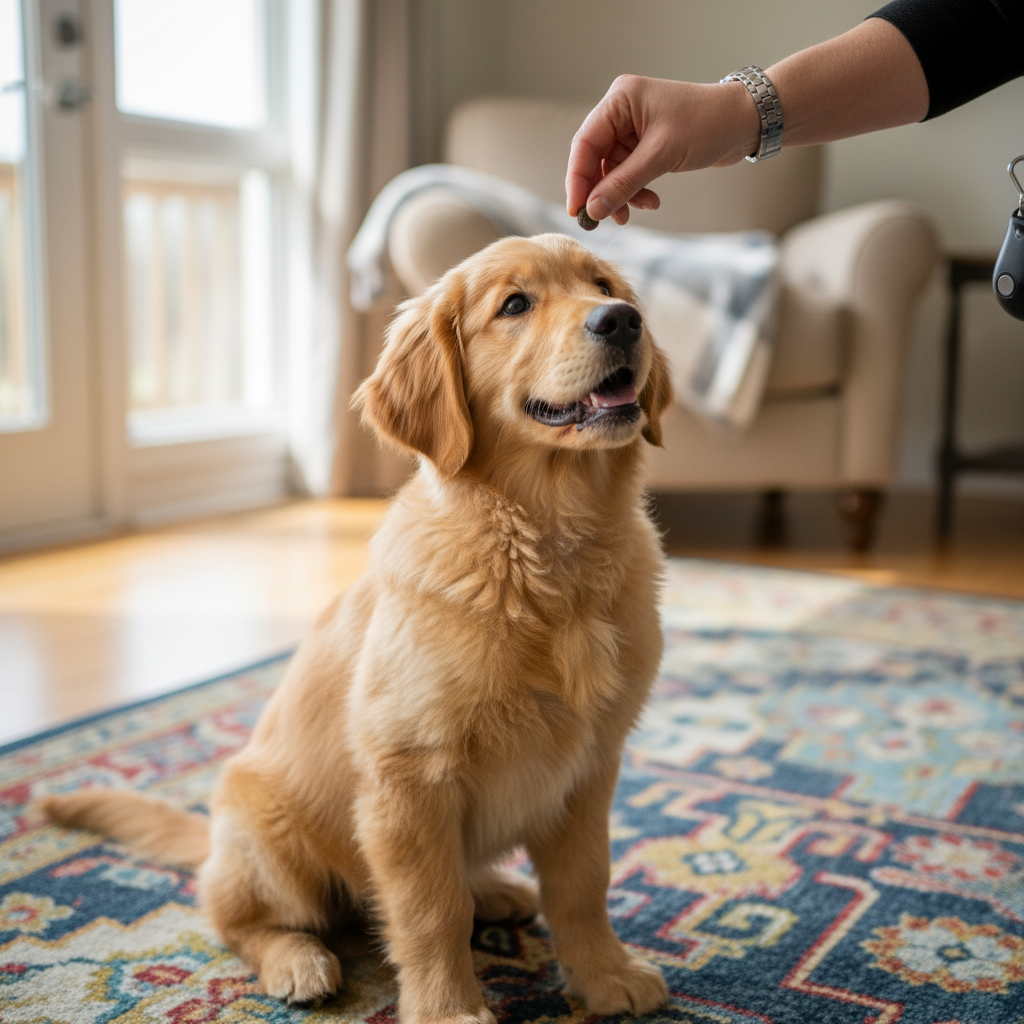
So, what’s all the fuss about? A ‘Puppy Pushup’ isn’t one single trick but rather a fluid sequence of two or three core commands: Sit, Down, and sometimes Stand. The goal is to have your dog move smoothly and quickly from one position to the next, creating a burst of physical and mental effort. Think of it as canine calisthenics! Instead of just holding a ‘stay,’ your dog is actively engaging their muscles and their mind to follow your lead.
This simple exercise packs a surprising number of benefits for both you and your furry friend. It’s far more than just a cute party trick.
The Amazing Benefits:
- Mental Stimulation: This is the big one! Rapidly processing and responding to cues is a serious brain workout. It requires intense focus, which is often more tiring for a dog than purely physical exercise. A tired brain leads to a calm dog.
- Impulse Control: To perform a puppy pushup correctly, your dog has to listen carefully and resist the urge to just flop around or offer other behaviors. This teaches them to wait for the cue and respond appropriately—a crucial life skill.
- Builds ‘Flash’ and Engagement: Training this sequence makes basic obedience commands exciting and fast-paced. It builds enthusiasm for training and strengthens your dog’s focus on you, making you the most interesting thing in the room.
- Low-Impact Physical Conditioning: While it’s not a replacement for a long run, the repetitive motion of going from sit to down and back up helps strengthen core muscles, shoulders, and hind legs. It’s a great, safe way to build muscle, especially for growing puppies or senior dogs.
- The Ultimate Bond-Builder: Working together on a fun, fast-paced challenge is one of the best ways to strengthen your relationship. It builds trust and improves your communication, turning you into a super-team.
Expert Tip: Think of puppy pushups as a ‘focus tool.’ Before you start a walk or have guests over, a quick session of five to ten pushups can help your dog channel their excitement into a productive task, making them calmer and more responsive.
Getting Started: Your Puppy Pushup Toolkit
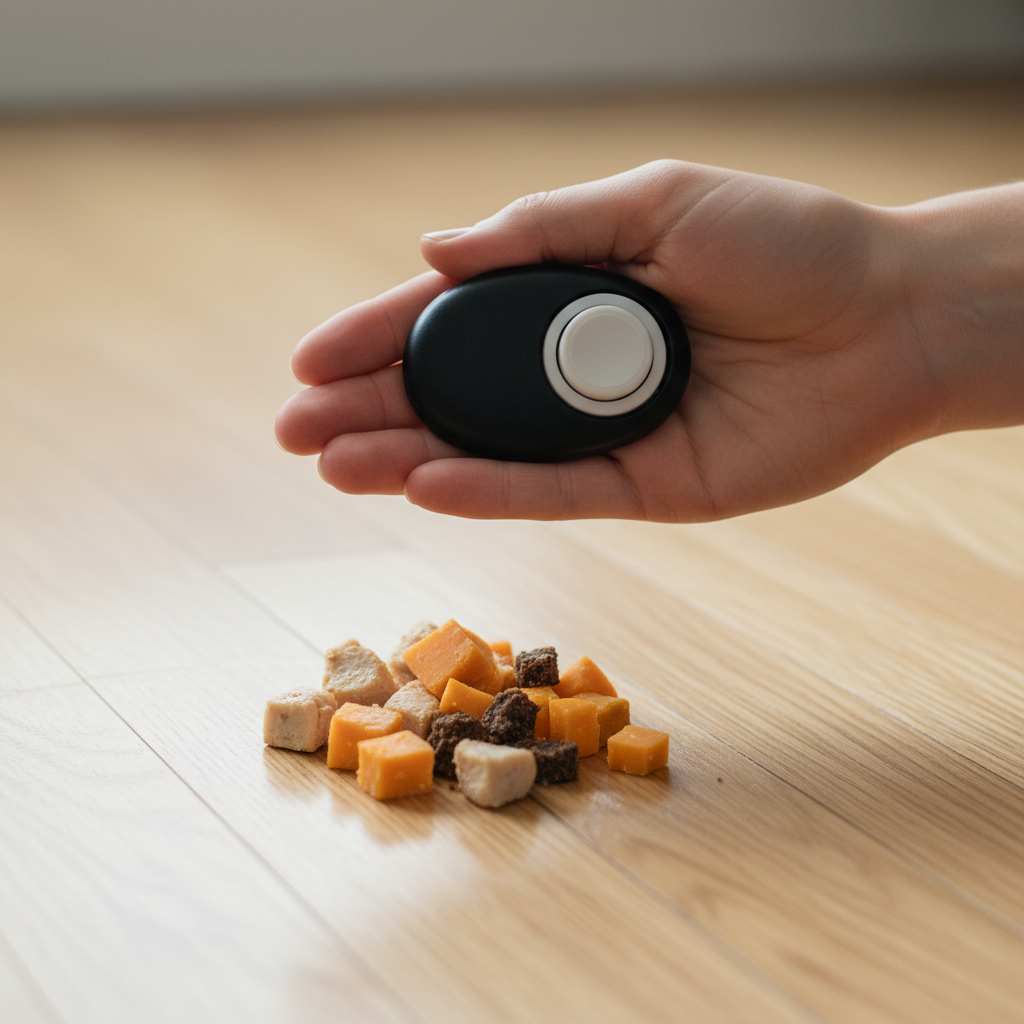
The beauty of this exercise is its simplicity. You don’t need any fancy equipment or a huge space to get started. In fact, you probably have everything you need right now. Setting yourself up for success is all about creating a positive and motivating environment for your dog.
Here’s your simple checklist:
- A Quiet, Distraction-Free Space: Start in a calm area of your home, like the living room or hallway, where your dog won’t be distracted by squirrels, other pets, or family members walking by.
- High-Value Treats: This is non-negotiable! To keep your dog engaged and excited, you need treats they absolutely love. Standard kibble might not cut it. Think small, soft, and smelly—like tiny pieces of cheese, boiled chicken, hot dogs, or commercial training treats. They should be pea-sized so you can reward frequently without filling your dog up too quickly.
- A Clicker (Optional, but Recommended): A clicker is a fantastic tool for marking the exact moment your dog does the right thing. This clear communication can speed up the learning process significantly. If you’re not using a clicker, you can use a verbal marker word like “Yes!” said in an excited tone.
- A Positive Attitude: Your dog feeds off your energy. Keep sessions short (just 2-5 minutes at a time), stay patient, and celebrate the small wins. This should be a fun game, not a chore!
That’s it! Once you’ve gathered your treats and found your quiet spot, you’re ready to start building the foundation for some seriously impressive puppy pushups.
The Step-by-Step Guide to Teaching Puppy Pushups
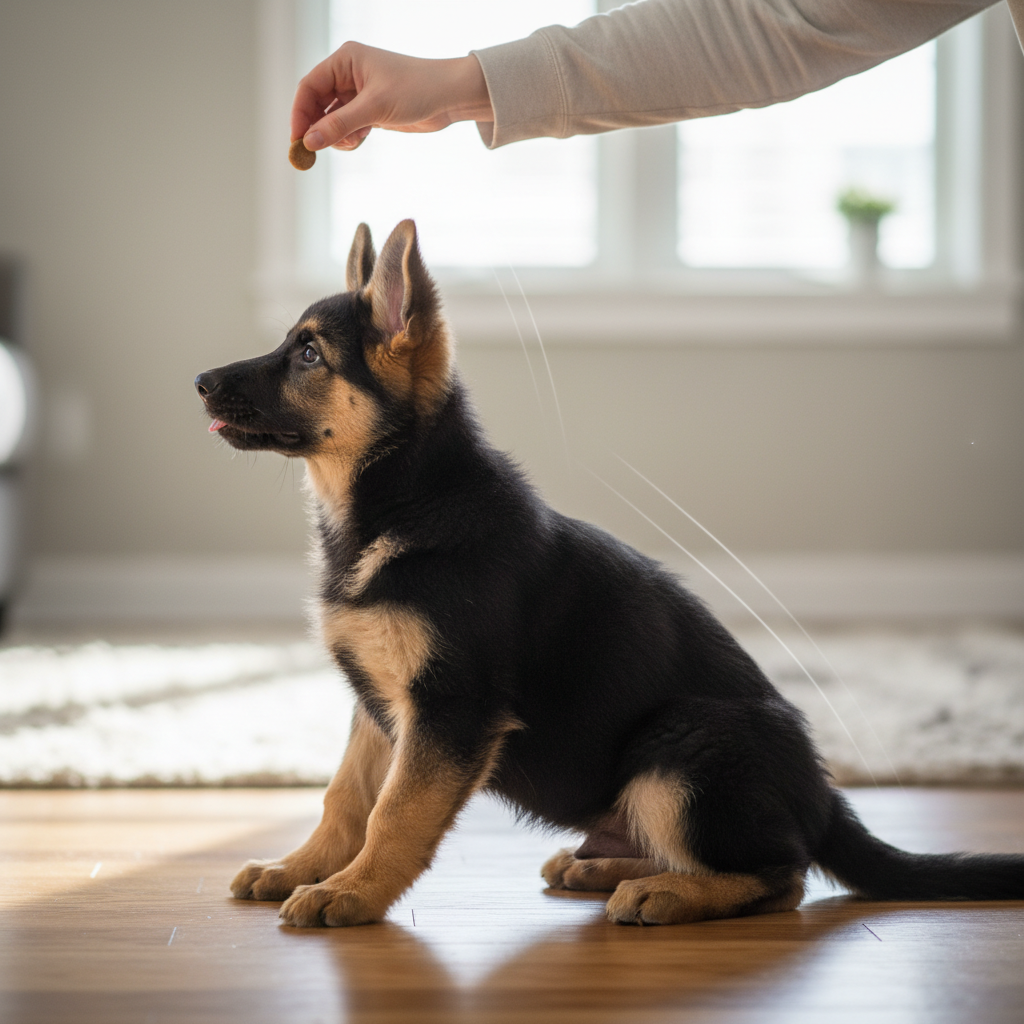
Alright, it’s time for the fun part! We’re going to break this down into easy-to-follow steps. Remember to go at your dog’s pace. If they seem confused, just go back to the previous step for a few more repetitions. Patience and positivity are key!
- Step 1: Master the Basics Individually. Before you can combine them, your dog needs a solid understanding of ‘Sit’ and ‘Down’ as separate commands. They should be able to perform each one reliably with a verbal cue and/or a hand signal. If these are still a work in progress, spend some time polishing them first.
- Step 2: Lure the ‘Sit’ to ‘Down’ Transition. Ask your dog for a ‘Sit.’ Once they’re sitting, take a high-value treat, hold it near their nose, and slowly lower it down between their paws. As their head follows the treat, their body will naturally go into a ‘Down’ position. The moment their elbows hit the floor, click (or say “Yes!”) and give them the treat. Repeat this 5-10 times until the motion is smooth.
- Step 3: Lure the ‘Down’ to ‘Sit’ Transition. This can be the trickiest part for some dogs. Start with your dog in a ‘Down.’ Take a treat and hold it at their nose, then slowly lift it up and slightly back over their head. Their head will follow the treat upwards, causing them to lift their front end and shift their weight back into a ‘Sit.’ The instant their bottom touches the floor, click/”Yes!” and reward. This motion might be awkward at first, so be patient!
- Step 4: Combine the Two into a ‘Pushup.’ Now, let’s put it together. Lure your dog from a ‘Sit’ into a ‘Down,’ but don’t reward them yet. As soon as they are down, immediately use your treat to lure them back up into a ‘Sit.’ Once they are sitting again, click/”Yes!” and give them a big reward—maybe even a few treats! You’re now rewarding them for completing one full ‘pushup’ motion.
- Step 5: Add the Verbal Cues. Once your dog is performing the lured sit-down-sit sequence smoothly, you can start adding the words. As you’re luring them down, say “Down.” As you’re luring them up, say “Sit.” After several repetitions, your dog will begin to associate the words with the actions.
- Step 6: Fade the Lure and Speed It Up! Gradually, make your hand lure smaller and more subtle. Eventually, you should be able to cue the pushup with just small hand signals or only your verbal cues (“Sit… Down… Sit!”). As your dog gets more confident, you can start picking up the pace, asking for the sequence faster and faster. This is where the real workout begins!
Level Up! Advanced Puppy Pushups and Variations
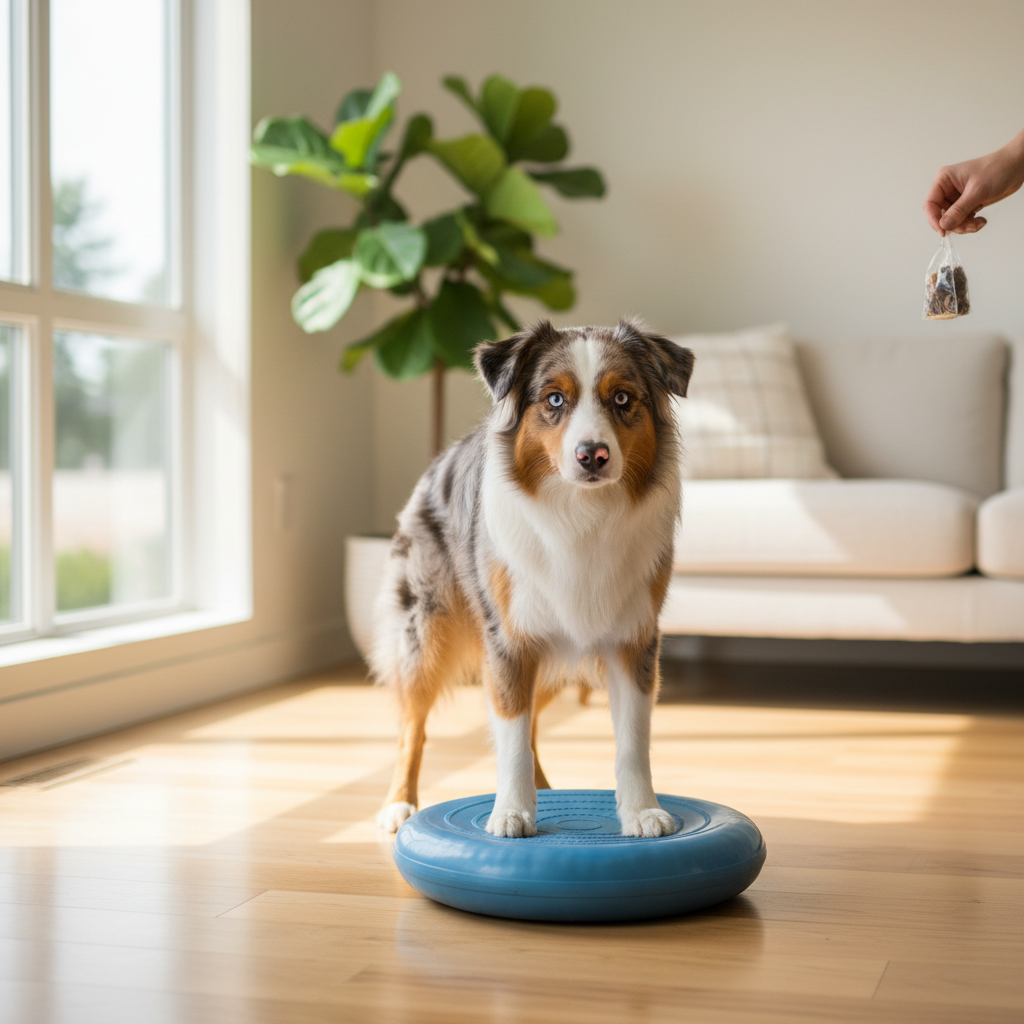
Once your dog has mastered the basic sit-down-sit pushup, you can start introducing new challenges to keep their brain buzzing and their body working. These variations prevent boredom and take the exercise to a whole new level of fun and difficulty.
Try these exciting variations:
- Add a ‘Stand’: The ultimate puppy pushup involves all three positions: Sit, Down, and Stand. You can mix them up in any order (‘Sit-Down-Stand-Sit’ or ‘Stand-Down-Sit’). Teaching a ‘Stand’ from a ‘Down’ or ‘Sit’ position uses the same luring principles. This three-part combo is a fantastic test of focus.
- Work on Different Surfaces: Take the show on the road! Practice on grass, sand, or a plush carpet. For a real core workout, try doing pushups on an unstable surface like a couch cushion, a balance disc, or a wobble board. This forces your dog to engage their stabilizer muscles.
- Introduce ‘Distance Pushups’: Gradually add distance between you and your dog. Start by taking one step back and asking for a pushup. Slowly increase the distance until you can cue the exercise from across the room. This builds incredible verbal cue control.
- Beat the Clock (Repetition Challenges): Make it a game! See how many puppy pushups your dog can do in 30 seconds. Try to beat your record in the next session. This adds a layer of excitement and is a great way to quickly burn energy.
- Incorporate into Other Games: Use a puppy pushup as a ‘reset’ during a game of fetch. Before you throw the ball, ask for two or three quick pushups. This practices impulse control in a highly exciting situation.
Safety First: Always pay attention to your dog’s physical condition. If they seem tired, sore, or are slowing down significantly, end the session on a positive note. Keep sessions short to avoid repetitive strain, especially for young puppies whose growth plates haven’t closed yet.
Troubleshooting Common Problems
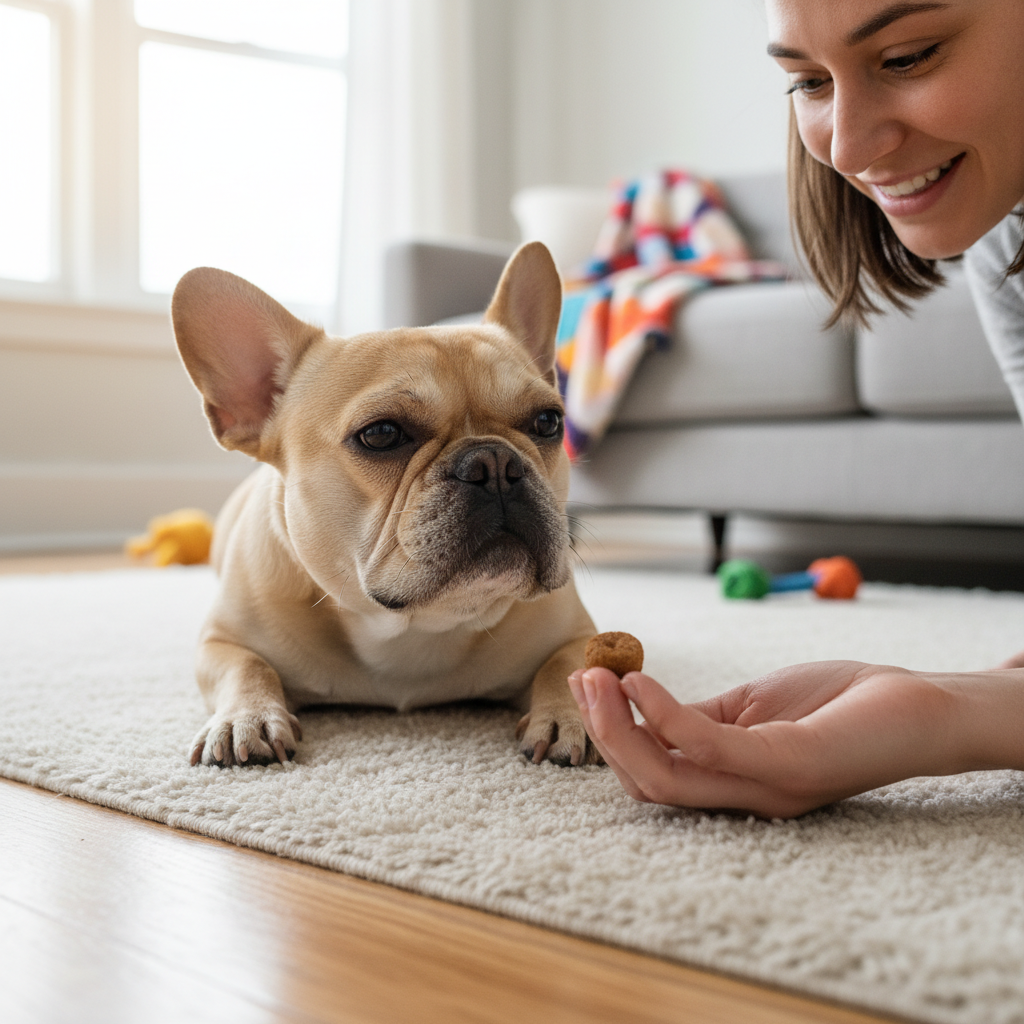
Even with the best treats and a great attitude, you might hit a few bumps in the road. That’s completely normal in dog training! Most issues are easy to solve with a small adjustment. Here are some of the most common challenges and how to work through them.
| The Problem | The Solution |
|---|---|
| My dog gets ‘stuck’ in the down position and won’t get up. | This is very common! The ‘down’ position is comfortable. Your treat might not be motivating enough, or your lure isn’t clear. Try a higher-value treat (think cheese!) and make sure you’re lifting it up and slightly back over their head to encourage them to shift their weight backward to sit up. |
| My dog gets frustrated and starts barking or walking away. | This is a clear sign that the session is too long or too difficult. End the session immediately with an easy win (like a simple ‘sit’) and a reward. Next time, make your session shorter (even just 60 seconds) and go back to a step they were successful with. Keep it light and fun! |
| The movements are really slow and sloppy. | Speed comes with confidence and practice. Don’t worry about speed at first—focus on clean movements. Use the clicker or your marker word to pinpoint the exact moment they complete the position correctly. The more you reward the correct form, the faster and more confident they will become over time. |
| My dog offers other tricks like ‘shake’ or ‘roll over’ instead. | Your dog is being a creative problem-solver! They’re just trying to figure out what earns them the reward. Simply ignore the incorrect behaviors (don’t say ‘no’), and wait for the correct one. Make your lure more obvious to guide them to the right answer, and give a big reward when they get it. |
The golden rule of troubleshooting is to always make it easier. If your dog is failing, it’s not their fault. We just need to break the task down into even smaller, more manageable steps to help them succeed.
Conclusion
And there you have it—the complete guide to teaching the amazing puppy pushup! This simple, dynamic exercise is so much more than a cute trick. It’s a powerful tool for tiring out your high-energy dog, sharpening their mind, and building an incredible line of communication between you. By turning basic obedience into an exciting game, you’ll strengthen your bond and create a dog who is eager and enthusiastic about training with you.
Remember to keep your sessions short, positive, and packed with praise. Whether you’re stuck inside on a rainy day or just need a quick way to focus your dog’s boundless energy, a few rounds of puppy pushups can work wonders. So grab those high-value treats, find a clear spot on the floor, and get ready to have some fun. You’ll be amazed at how quickly your clever pup masters this impressive and beneficial skill!