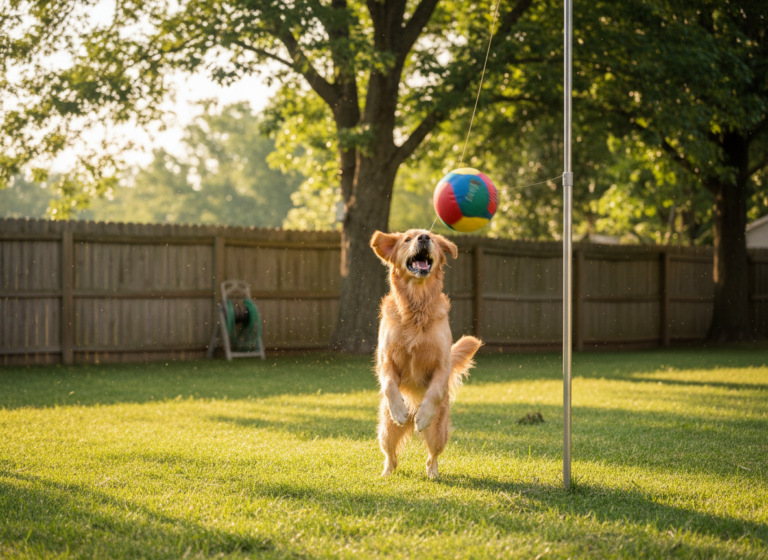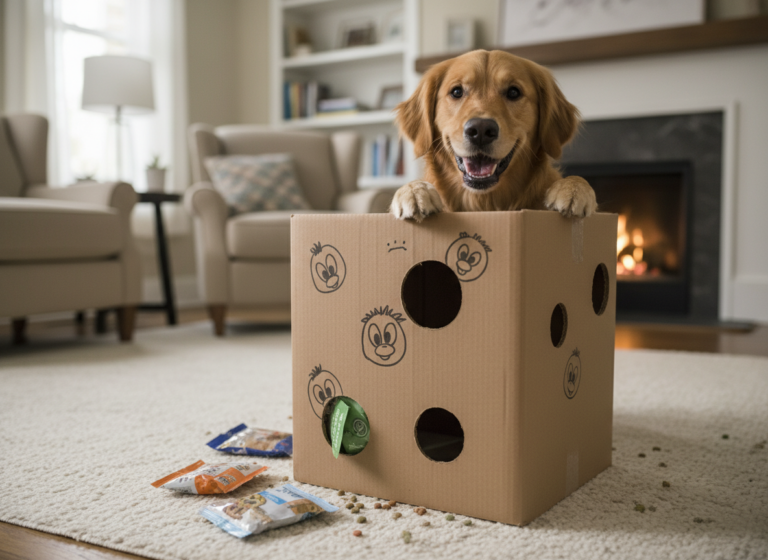
Got a dog with energy for days? If you’re nodding your head, you’ve probably tried every trick in the book to tucker them out. But what if one of the best games for your canine dynamo is one you’ve been told to avoid? Let’s talk about tug-of-war. For years, this classic game got a bad rap, with myths claiming it causes aggression and dominance issues. It’s time to set the record straight! When played with a clear set of rules, tug-of-war is an absolutely fantastic outlet for your high-energy companion.
Far from being a power struggle, structured tug is a brilliant way to burn physical and mental energy, build your dog’s confidence, and strengthen the incredible bond you share. It’s a cooperative game that teaches crucial skills like impulse control and listening to cues, even when they’re super excited. In this guide, we’ll break down everything you need to know to transform tug from a potential free-for-all into a safe, productive, and incredibly fun training exercise. Ready to play? Let’s get started!
Why Tug is More Than Just a Game: The Surprising Benefits
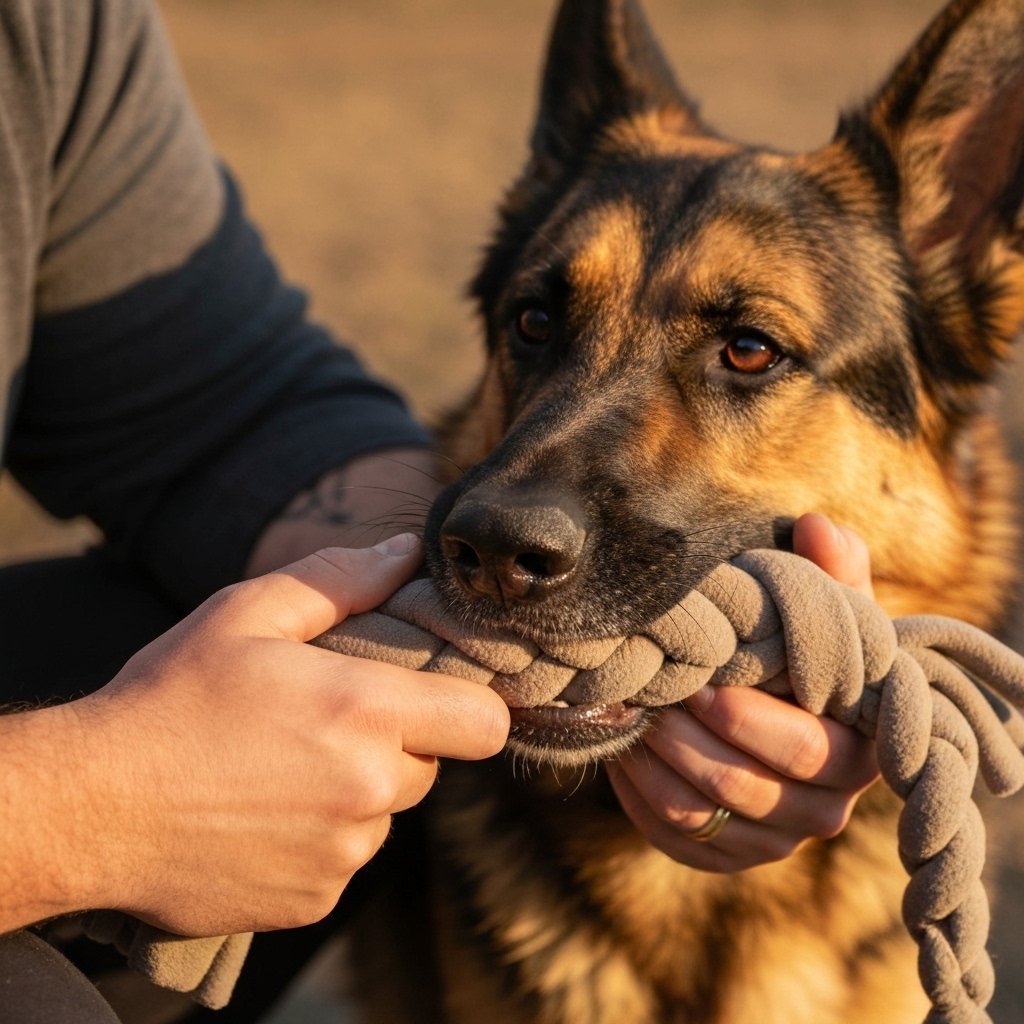
Before we dive into the ‘how-to,’ let’s explore the ‘why.’ Understanding the benefits of a structured game of tug can motivate you to make it a regular part of your routine. It’s so much more than just pulling on a rope!
A Full-Body Workout
For a high-energy dog, a simple walk around the block often isn’t enough. Tug-of-war is an intense cardiovascular exercise that engages their entire body—from their jaw and neck to their core and legs. A few minutes of enthusiastic tug can be as physically taxing as a much longer run, making it a perfect activity for rainy days or when you’re short on time.
Mental Stimulation and Impulse Control
This is where the ‘rules’ come in. A structured game of tug isn’t a chaotic frenzy. It requires your dog to think, listen, and control their impulses. They learn to wait for your cue to start, to release the toy on command, and to keep their teeth on the toy, not on your hands. This mental workout is just as important as the physical one for tiring out a smart, energetic pup.
Expert Tip: Think of tug as a conversation. Every pull, every release, is a form of communication. When you establish the rules, you’re teaching your dog a new way to communicate and cooperate with you.
Confidence Booster
Letting your dog ‘win’ the game frequently is a huge confidence builder! When they successfully tug the toy away from you, it’s a moment of triumph. For dogs that are a bit timid or insecure, this can be incredibly empowering. It shows them that engaging with you is fun and rewarding, which can translate to more confidence in other areas of their life.
Strengthening Your Bond
At its heart, tug is a cooperative activity. It’s a game you play with your dog, not against them. This shared experience, filled with positive reinforcement and clear communication, deepens the trust and partnership between you. It’s a powerful bonding tool disguised as a simple game.
Gearing Up: Choosing the Perfect Tug Toy
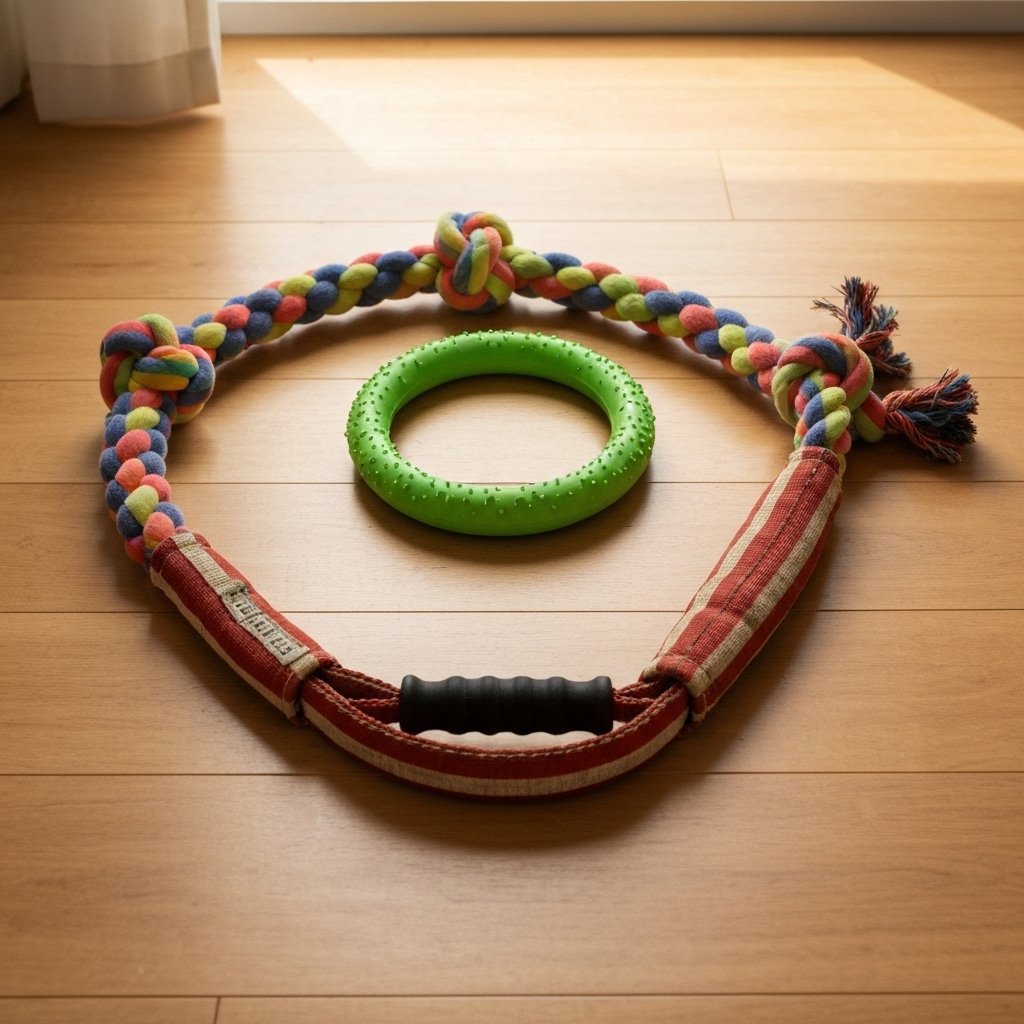
Not all toys are created equal, especially when it comes to a good game of tug. The right equipment is crucial for safety and enjoyment. Here’s what to look for and what to avoid when stocking your dog’s toy box.
What Makes a Great Tug Toy?
- Length is Key: The best tug toys are long enough to keep your hands a safe distance from your dog’s mouth. This helps prevent accidental nips during an exciting game. Look for toys that are at least 12-18 inches long.
- Soft and Forgiving Material: Choose toys made from materials that have some give, like fleece, rubber, or durable firehose material. These are easier on your dog’s teeth and gums than hard plastic or bone.
- Good Grip for Both of You: Many great tug toys have handles for you and a tempting, bite-able surface for your dog. This ensures you can both get a comfortable and secure grip.
Toys to Avoid for Tug
- Anything Too Hard: Avoid hard plastic, nylon bones, or antlers for tug. Pulling on these can damage your dog’s teeth.
- Your Old Socks or Shoes: It might seem cute, but never use personal items for tug. This teaches your dog that it’s okay to grab and pull on your belongings, which can lead to destructive behavior down the line.
- Toys with Small, Detachable Parts: Avoid toys with squeakers that can be easily punctured or parts that can be chewed off and swallowed, as these pose a choking hazard.
| Toy Type | Why It’s Great for Tug | Best For |
|---|---|---|
| Braided Fleece Ropes | Soft, stretchy, and easy on the mouth. Often come with handles. | Most dogs, especially those who like a softer bite. |
| Durable Rubber Rings/Toys | Tough, long-lasting, and provide a satisfying grip. | Power chewers and strong pullers. |
| Firehose Tugs | Made from ultra-durable material but still have some give. | Dogs with a very strong bite. |
The Golden Rules: A Step-by-Step Guide to Safe Tug

Alright, you’ve got your toy and you’re ready to play! Now for the most important part: the rules. By teaching your dog this structure, you ensure the game stays fun, safe, and controlled. Follow these steps consistently, and you’ll be a pro in no time.
- Teach a Solid “Drop It”. Before you even start, your dog needs a reliable release cue. Practice this away from the game first. Offer your dog a toy, and when they take it, present a high-value treat near their nose. The moment they open their mouth to take the treat, say your cue (like “Drop It” or “Release”) in a cheerful voice. Praise them enthusiastically and give them the treat. Repeat this until they drop the toy on cue, even without seeing the treat first.
- You Start the Game. Tug should always be initiated by you, not your dog. Keep the tug toy put away when not in use. When you’re ready to play, bring it out and use a clear starting cue like, “Wanna play tug?” or “Get it!” This teaches your dog that the game happens on your terms.
- Rule #1: Teeth Touch Skin, Game Over. This is non-negotiable. If your dog’s teeth make contact with your hand or clothing, even accidentally, the game stops immediately. Say “Oops!” in a neutral tone, drop the toy, and walk away for 30-60 seconds. This isn’t a punishment, but a clear consequence: mouthy behavior makes the fun go away.
- Keep it Low and Side-to-Side. Never pull the toy straight up or jerk your dog’s neck. This can cause serious injury. Keep the toy low to the ground and pull from side to side, letting your dog’s strength do most of the work. Your role is to be a stable, fun anchor.
- Let Them Win! Remember, this is a cooperative game, not a competition. Let your dog win the toy about 70-80% of the time. This keeps them engaged, builds their confidence, and makes them want to bring the toy back to you to start the fun all over again.
- Practice Mid-Game “Drops”. Periodically, ask for a “Drop It” in the middle of a session. When they release the toy, praise them like they’re a superstar, and then immediately reward them by saying “Get it!” and restarting the game. This reinforces that letting go of the toy is a good thing and doesn’t mean the fun is over.
- You End the Game. Just as you start the game, you should be the one to end it, preferably while your dog is still engaged and having fun. Use your “Drop It” cue one last time, praise your dog, and then put the special tug toy away. This ends the session on a positive, controlled note.
Troubleshooting Common Tug-of-War Troubles
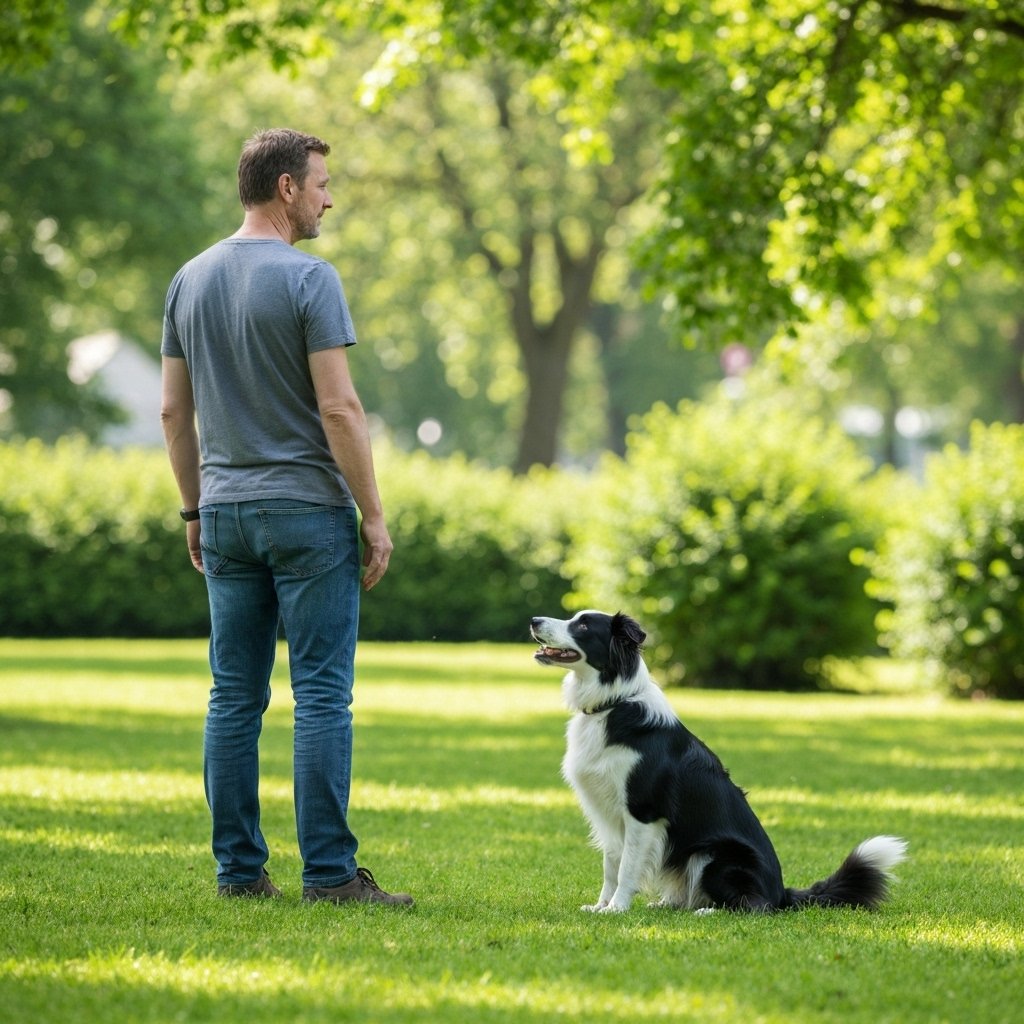
Even with the best intentions, you might run into a few bumps along the road. Don’t worry! Most common tug problems are easily solved with a bit of consistency and patience. Let’s tackle some frequent issues.
“My dog gets too wild and nippy!”
This is all about impulse control. If your dog gets frantic and starts grabbing at your hands or the toy wildly, the game is too exciting for their current skill level. The solution is to shorten your play sessions and enforce the ‘Teeth Touch Skin, Game Over’ rule with zero exceptions. You can also practice asking for a ‘Sit’ or ‘Wait’ before you even begin the game to set a calmer tone from the start.
“My dog growls during tug. Should I be worried?”
Growling during play is usually perfectly normal. It’s often a sign of excitement and engagement, not aggression. A play growl is typically low and rumbly, and it’s accompanied by loose, wiggly body language: a wagging tail, play bows, and a relaxed facial expression. However, if the growl becomes deep, stiff, or is accompanied by tense body language (staring, raised hackles, lip curling), stop the game immediately. This could indicate your dog is becoming over-aroused, possessive, or uncomfortable.
Body Language Check: Always pay more attention to your dog’s body than their voice. A happy, playful dog is loose and bouncy. A stressed or aggressive dog is stiff and rigid. When in doubt, take a break.
“My dog won’t ‘Drop It’ during the game!”
This is a classic! It usually means one of two things: either the ‘Drop It’ cue isn’t strong enough yet, or the reward for continuing to tug is higher than the reward for letting go. Go back to basics and practice your ‘Drop It’ cue in low-distraction environments. When you play tug, make sure your praise and the reward for releasing (like immediately restarting the game) are super exciting. You can also try going completely still and ‘boring’ when they won’t release. The moment they let go, the fun, exciting human comes back to life!
Conclusion
Tug-of-war, when played with clear boundaries and a cooperative spirit, is one of the most rewarding games you can play with your high-energy dog. It’s a dynamic training tool, a fantastic workout, and a powerful way to deepen your connection. By establishing yourself as the fun gatekeeper who starts and stops the game, and by teaching a rock-solid “Drop It” cue, you transform potential chaos into a constructive and joyful activity.
Remember to keep it positive, watch your dog’s body language, and most importantly, have fun! You’re not just tiring out your dog; you’re building a language of play and trust that will strengthen every aspect of your relationship. So grab that favorite toy, find some space, and get ready to tug your way to a happier, healthier, and more well-behaved best friend.