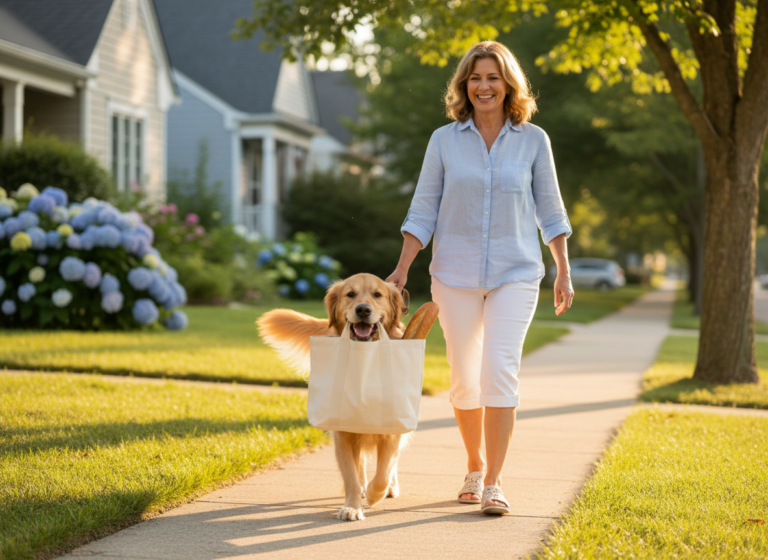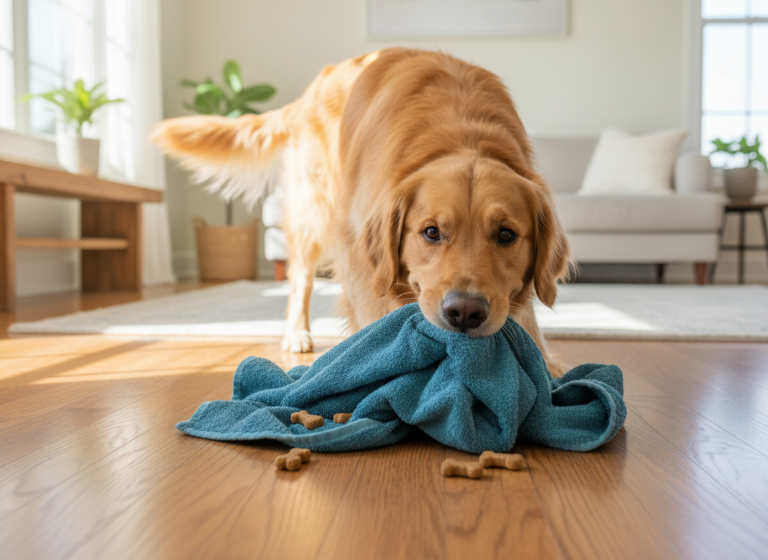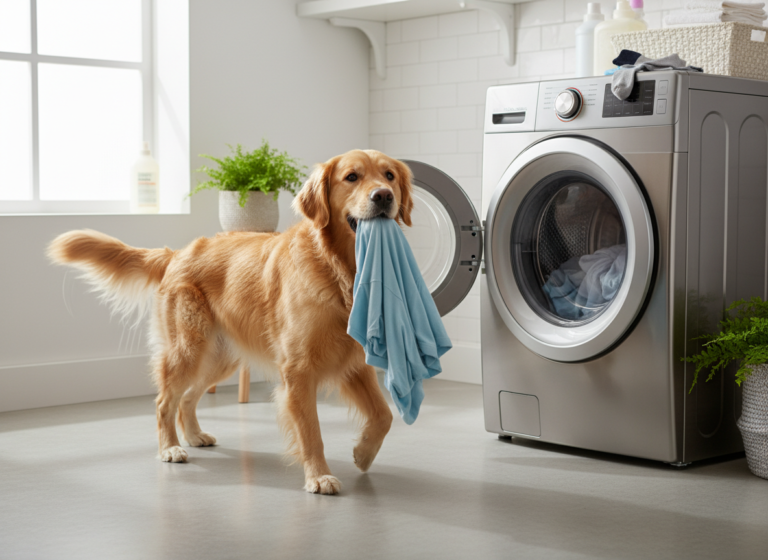
Have you ever watched your dog eagerly grab a toy and thought, ‘I bet they could carry something useful’? Well, you’re in for a treat! Teaching your dog to drop letters into a mail slot is more than just an adorable party trick; it’s a fantastic way to engage their mind, build your bond, and even get a little help with your daily chores. It’s a task that combines several skills—holding an object, moving to a target, and releasing on cue—making it a wonderfully enriching activity for any clever pup.
Don’t worry if you’re not a professional dog trainer. We’ve broken down this impressive trick into simple, easy-to-follow steps that anyone can master with a bit of patience and a pocketful of tasty rewards. In this guide, we’ll walk you through everything from the basic tools you’ll need to troubleshooting common hiccups along the way. Get ready to turn your talented canine into the most enthusiastic postal assistant on the block!
Getting Started: What You’ll Need and a Few Prerequisites
Before we jump into the fun part, let’s gather our supplies and make sure your dog has a couple of foundational skills under their belt. Setting yourselves up for success from the start makes the whole process smoother and more enjoyable for both of you.
Essential Training Tools
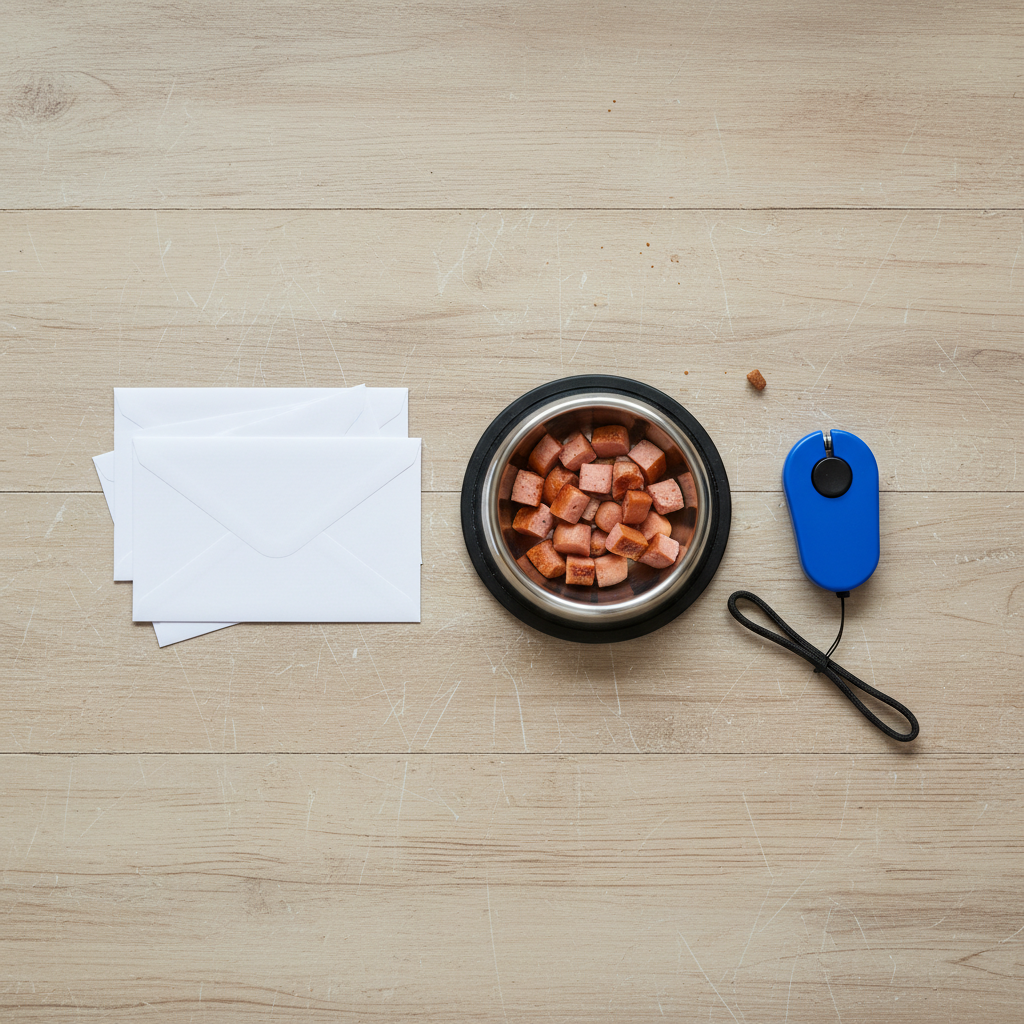
You don’t need a lot of fancy equipment for this trick. Here’s a simple checklist:
- High-Value Treats: These should be extra special, not their everyday kibble. Think small pieces of cheese, cooked chicken, hot dogs, or their favorite soft training treats. The goal is to make the reward worth the effort!
- A Clicker (Optional, but Recommended): A clicker is a fantastic tool for marking the exact moment your dog does something right. If you’re not using a clicker, you can use a consistent marker word like ‘Yes!’ said in an upbeat tone.
- Practice Mail: Don’t use your important bills! Start with junk mail, old envelopes, or even a piece of folded cardstock. You’ll want something your dog can hold easily without it being too flimsy or too heavy.
- The Mail Slot: Of course, you’ll need access to the mail slot you want your dog to use.
Prerequisite Skills: ‘Take It’ and ‘Hold’
For this trick to work, your dog needs to be comfortable holding an object in their mouth without immediately chewing or dropping it. If your pup isn’t there yet, spend some time on these two basic commands first.
Teaching ‘Take It’:
- Hold a toy or a training-safe object (not the mail yet) in your hand.
- When your dog shows interest and their mouth touches the object, click (or say ‘Yes!’) and give them a treat.
- Gradually wait for them to put more of their mouth on the object before you click and treat.
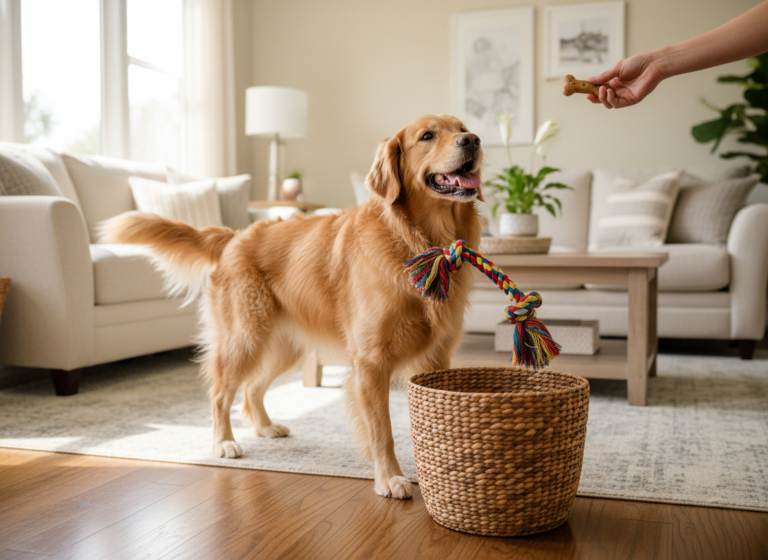
- Once they are confidently putting their mouth on it, add the cue ‘Take It’ just as they are about to make contact.
Teaching ‘Hold’:
- Once your dog will ‘Take It,’ you’ll work on duration. Give the ‘Take It’ cue. The instant they have the object in their mouth, click and treat.
- Slowly increase the time between them taking the object and you clicking. Start with just one second, then two, and so on.
- If they drop it before you click, no worries! Just reset and try for a shorter duration. The goal is to reward the hold, not the drop.
- Once they can hold it for a few seconds, add the ‘Hold’ cue.
Mastering these two skills first will make teaching the mail trick a breeze!
The Training Blueprint: A Step-by-Step Guide to Mail Delivery
Alright, trainers, it’s go-time! Remember to keep your sessions short (5-10 minutes is perfect) and always end on a positive note. Let’s break this down into bite-sized pieces.
-
Step 1: Introduce the Mail
First, we need to make the letter the most exciting thing in the world. Start by holding a practice envelope and acting very interested in it. When your dog sniffs it, click and treat. Do this a few times. Next, offer the letter to your dog and use your ‘Take It’ cue. When they take it, even for a second, click and give them a super-tasty reward. We want them to think, ‘Wow, holding this envelope gets me the good stuff!’ Practice this until they are eagerly taking the letter from your hand.
-
Step 2: Target the Mail Slot
Now, let’s shift focus to the door. Without the letter for now, lead your dog to the mail slot. Tap the slot or hold a treat near it to encourage your dog to investigate. The moment their nose touches the mail slot, click and treat. Repeat this until your dog is confidently booping the mail slot with their nose. This is called ‘targeting,’ and it teaches them where the action needs to happen.
-
Step 3: Combine ‘Hold’ and ‘Target’
This is where we start putting the pieces together. Ask your dog to ‘Take’ and ‘Hold’ the letter while you are a few feet away from the door. Then, walk with them towards the door. Encourage them to target the mail slot with their nose, even while holding the letter. This might be tricky! If they drop the letter to touch the slot, that’s okay. Reward the nose touch. The goal of this step is just to get them comfortable approaching the slot while holding the mail.
-
Step 4: The ‘Drop It’ Refinement
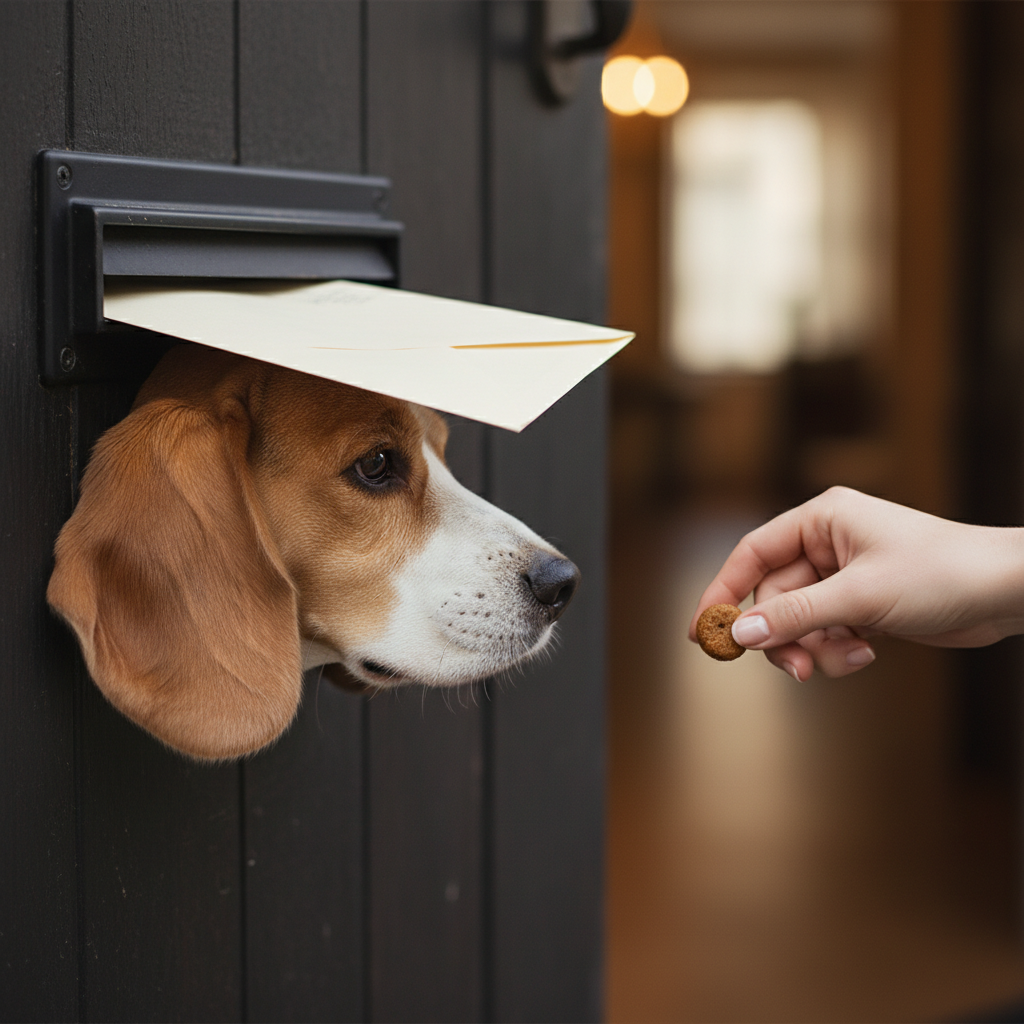
This is the magic moment! Get your dog to hold the letter right in front of the mail slot. Hold your hand, with a treat, on the other side of the slot. Your dog will likely try to push their nose through to get the treat. In the process, they will probably drop the letter, and it might just fall through! The instant the letter goes through the slot, have a jackpot party! Give them lots of treats and praise. They might not understand what they did at first, but with repetition, they’ll realize that letter-through-slot equals amazing rewards. You can begin adding a cue like ‘Mail It!’ or ‘Post It!’ right as they are about to drop it.
-
Step 5: Adding Distance and Fading Lures
Once your dog is reliably pushing the letter through the slot when you’re right there, it’s time to build distance. Start by standing a foot away from the door. Give them the letter and your ‘Mail It!’ cue. Cheer them on as they go to the door and post the letter. Gradually increase the distance until you can hand them a letter from across the room and they’ll happily trot over to mail it for you. Slowly fade out the lure of holding a treat on the other side of the door, instead rewarding them after the letter is successfully delivered.
Troubleshooting Common Mail Delivery Mishaps
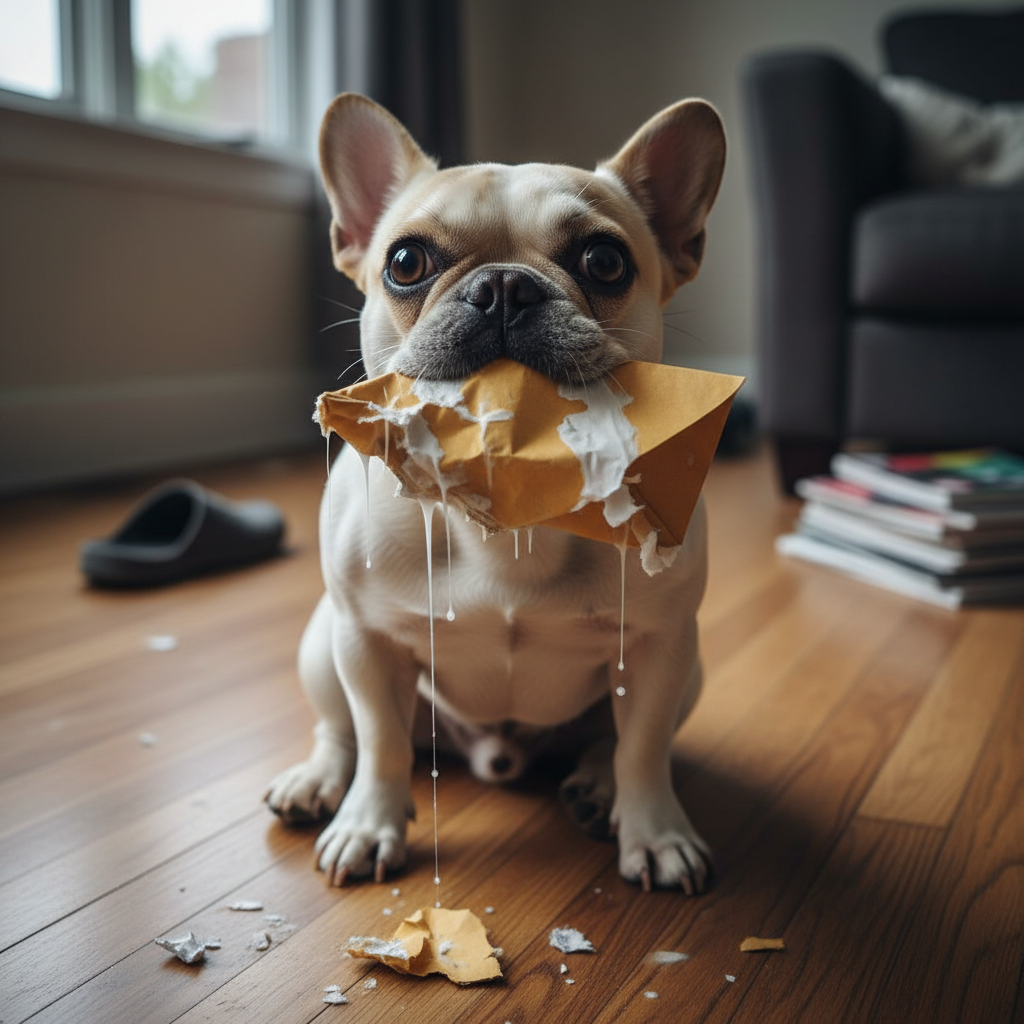
Training is never a straight line, and hitting a snag is totally normal. Don’t get discouraged! Here are some common issues and how to work through them with a positive attitude.
Help, My Dog Chews the Mail!
A little slobber is expected, but you don’t want your letters to arrive shredded. If your pup is a chomper, go back to practicing the ‘Hold’ command. Reward them for holding gently, even for a split second. You can also try using a sturdier object initially, like a piece of cardboard or a rolled-up magazine, which is less satisfying to chew. Keep the mail in their mouth for very short periods before asking for the drop.
My Dog Keeps Dropping the Letter Too Early.
This usually means you’ve moved ahead too quickly. Go back to the step where they were last successful. If they drop it on the way to the door, shorten the distance. Practice just taking one step towards the door while they ‘Hold,’ then click and treat. Build the duration and distance slowly. Ensure your rewards are high-value enough to keep them motivated to hold on until they reach the goal.
My Dog is Scared of the Mail Slot!
The sound of the metal flap or the letter dropping can be spooky for some dogs. We need to change that association from scary to amazing! This is called desensitization and counter-conditioning. Start by making the noise yourself very quietly while your dog is several feet away. When you make the noise, immediately toss them a treat. Gradually make the noise a little louder and a little closer to them, always followed by a fantastic reward. You can also put a piece of tape or cloth on the flap to dampen the sound in the beginning. Let your dog set the pace and never force them to approach if they are scared.
Expert Tip: Always end your training session on a high note! If your dog is struggling with a new step, ask them to do something they know well, like a ‘sit’ or ‘down,’ and reward them for that. This keeps their confidence high and ensures they’re excited for the next session.
Pro Tips for a Perfect Postal Pup
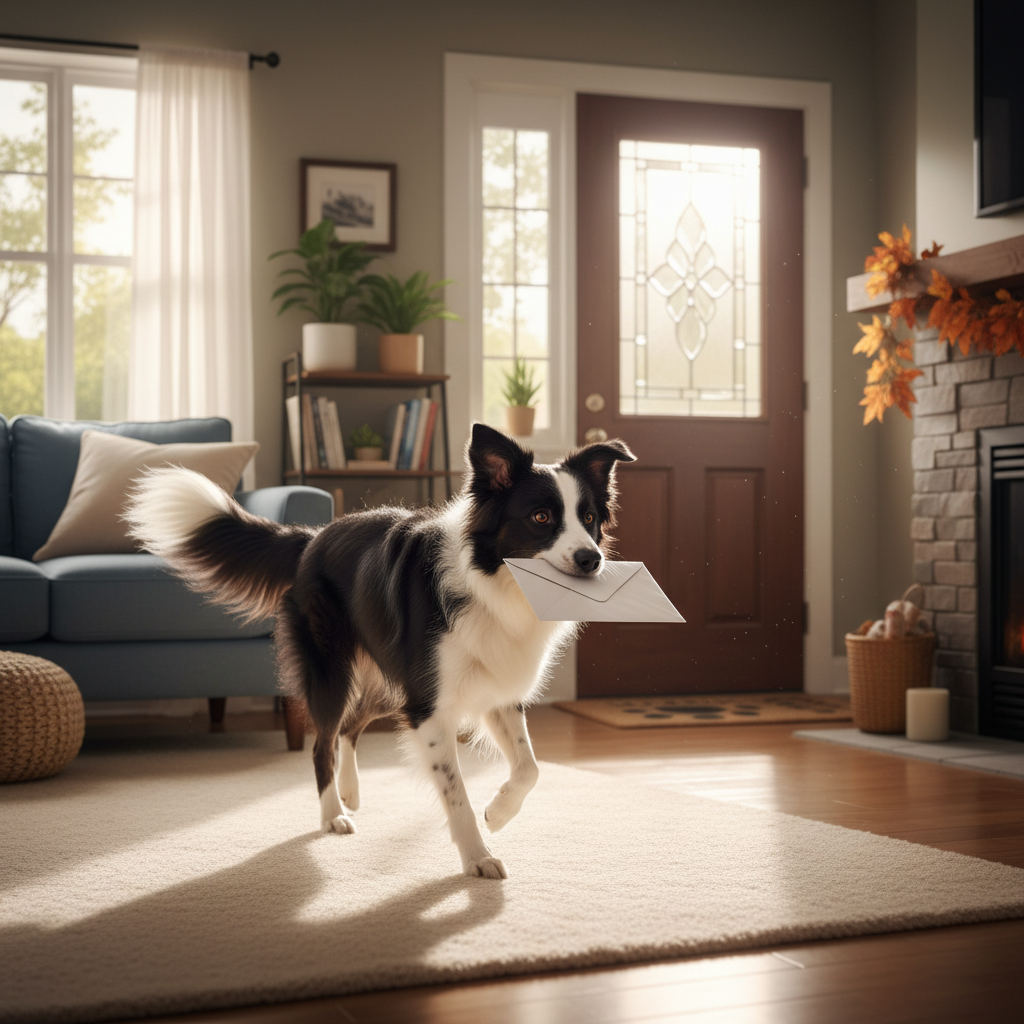
You’ve got the basics down, and your dog is on their way to becoming a mail-mailing master. Here are a few extra tips to polish the performance and keep the game fun for years to come.
Keep Sessions Short and Sweet
Dogs, especially when learning something complex, have short attention spans. A few focused, 5-minute sessions throughout the day are far more effective than one long, frustrating 30-minute session. This keeps their enthusiasm high and prevents burnout for both of you.
Generalize the Behavior
Your dog might be a pro at using your front door mail slot, but what about the one at grandma’s house? To make the skill truly solid, practice in different locations if possible. This helps your dog understand that ‘Mail It!’ means put the object through any similar slot, not just the one specific slot they learned on.
Vary the ‘Mail’
Once your dog has mastered the trick with your standard practice envelopes, start varying the objects. Try a postcard, a slightly thicker catalog, or a differently shaped envelope. This ensures they aren’t just memorizing one object but understanding the concept of mailing whatever you give them (within reason, of course!).
Make it a Game
Incorporate the mail trick into your daily routine. Before you leave the house, make a game out of having your dog ‘mail’ the outgoing letters. This gives them a fun and important ‘job’ to do, which can be incredibly fulfilling for intelligent breeds. Celebrate every successful delivery with a happy dance or a special ‘job well done’ toy. The more fun you make it, the more reliable and enthusiastic your postal pup will be.
Conclusion
Congratulations! You now have all the tools and knowledge to teach your dog one of the most charming and useful tricks around. Transforming your canine companion into a helpful postal assistant is a journey of patience, partnership, and plenty of positive reinforcement. Remember that every dog learns at their own pace, so celebrate the small victories and laugh off the silly mistakes—like a slobbery letter or two!
Beyond the impressive final result, the real reward is the time you spend together, strengthening your communication and deepening your bond. So grab your clicker, some tasty treats, and a piece of junk mail, and get ready to have some fun. Before you know it, you’ll have your very own four-legged mail carrier, ready and wagging to help with the daily post.