Hey there, fellow dog lovers! Are you looking for a new, exciting way to spice up your walks and connect with your furry best friend on a deeper level? If your pup has a nose for adventure and you have a love for the great outdoors, I’ve got the perfect game for you: hide and seek in the woods! This isn’t just a silly game we played as kids; for our dogs, it’s an incredibly enriching activity that taps into their natural instincts. It’s a brain game, a physical workout, and a powerful bonding experience all rolled into one.
Playing hide and seek engages your dog’s powerful sense of smell, sharpens their problem-solving skills, and supercharges their recall command in a way that’s far more thrilling than just calling their name in the backyard. It transforms a simple hike into a collaborative mission, with you and your canine partner working together. In this guide, we’re going to walk you through everything you need to know to safely and successfully introduce this amazing game. From the essential gear and step-by-step training process to crucial safety protocols for woodland environments, get ready to unlock a new level of fun and teamwork with your dog.
Why Hide and Seek is a Super-Game for Your Super-Dog
Before we dive into the ‘how,’ let’s talk about the ‘why.’ Understanding the benefits of hide and seek can motivate you to stick with the training and appreciate just how much your dog is getting out of it. This game is a powerhouse of canine enrichment.
Taps into Natural Instincts
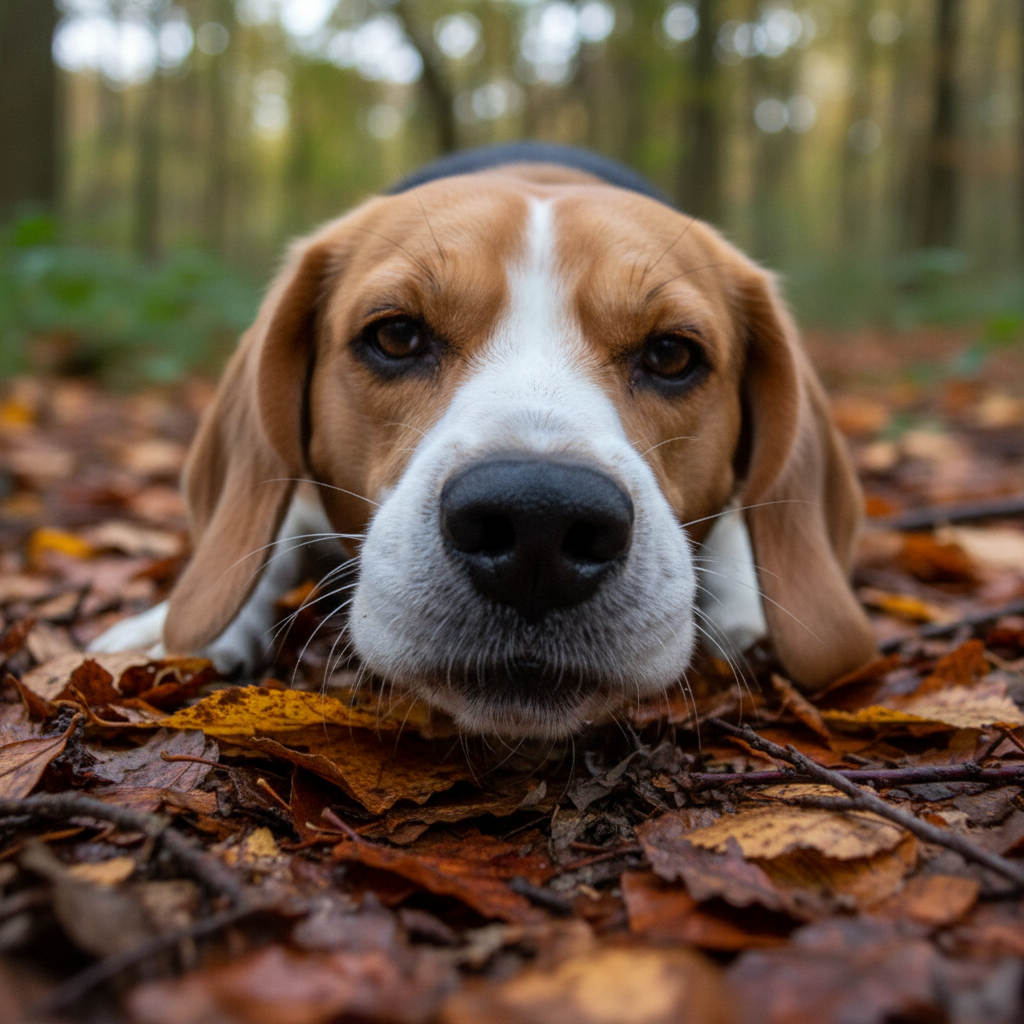
Dogs, especially breeds with hunting backgrounds, are hardwired to use their senses to find things. Their sense of smell is legendary—up to 100,000 times more acute than ours! Hide and seek allows them to use this incredible superpower in a positive and rewarding way. When they search for you, they’re not just looking with their eyes; they’re reading the air, following your unique scent trail, and piecing together clues just like their wild ancestors would. Fulfilling these natural drives leads to a happier, more content, and less destructive dog at home.
Builds an Unbreakable Bond
Think about it from your dog’s perspective: their favorite person in the world disappears, and it’s their job to find you. The moment they succeed, they’re met with ecstatic praise, delicious treats, and joyous celebration. This powerful emotional reward system reinforces that finding you is the best thing ever. It builds trust and strengthens your partnership, making your dog see you as the source of all fun and adventure.
Mental Stimulation Galore
A tired dog is a happy dog, but physical exercise is only half the equation. Mental fatigue is just as important. Hide and seek is a puzzle. Your dog has to think, focus, and ignore distractions like squirrels or interesting smells to complete their mission. This mental workout can be more tiring than a long run and is incredibly effective at preventing boredom-related behaviors like chewing or excessive barking.
Expert Tip: A 15-minute session of an intense scent game like hide and seek can be as tiring for a dog as a 60-minute leash walk. It’s the perfect activity for rainy days (indoors) or for high-energy dogs who need more than just physical exercise.
The Ultimate Recall Training
Is your dog’s recall a bit… selective? Hide and seek is the ultimate secret weapon for a rock-solid ‘come’ command. The game inherently rewards your dog for coming to you. Instead of you calling them away from something fun, the game makes you the fun thing they are searching for. This positive association makes them much more likely to come running when you call them in any situation.
Gearing Up for Your Woodland Adventure
Before you and your furry explorer head for the trees, it’s crucial to be prepared. The woods are a fantastic playground, but they also have unique challenges. Having the right gear ensures the game is safe and fun for everyone involved.
Essential Safety & Training Gear
Here’s a checklist of what you should consider bringing on your hide and seek expeditions. Not everything is mandatory for every trip, but it’s better to be over-prepared!
| Gear Item | Why It’s Important |
|---|---|
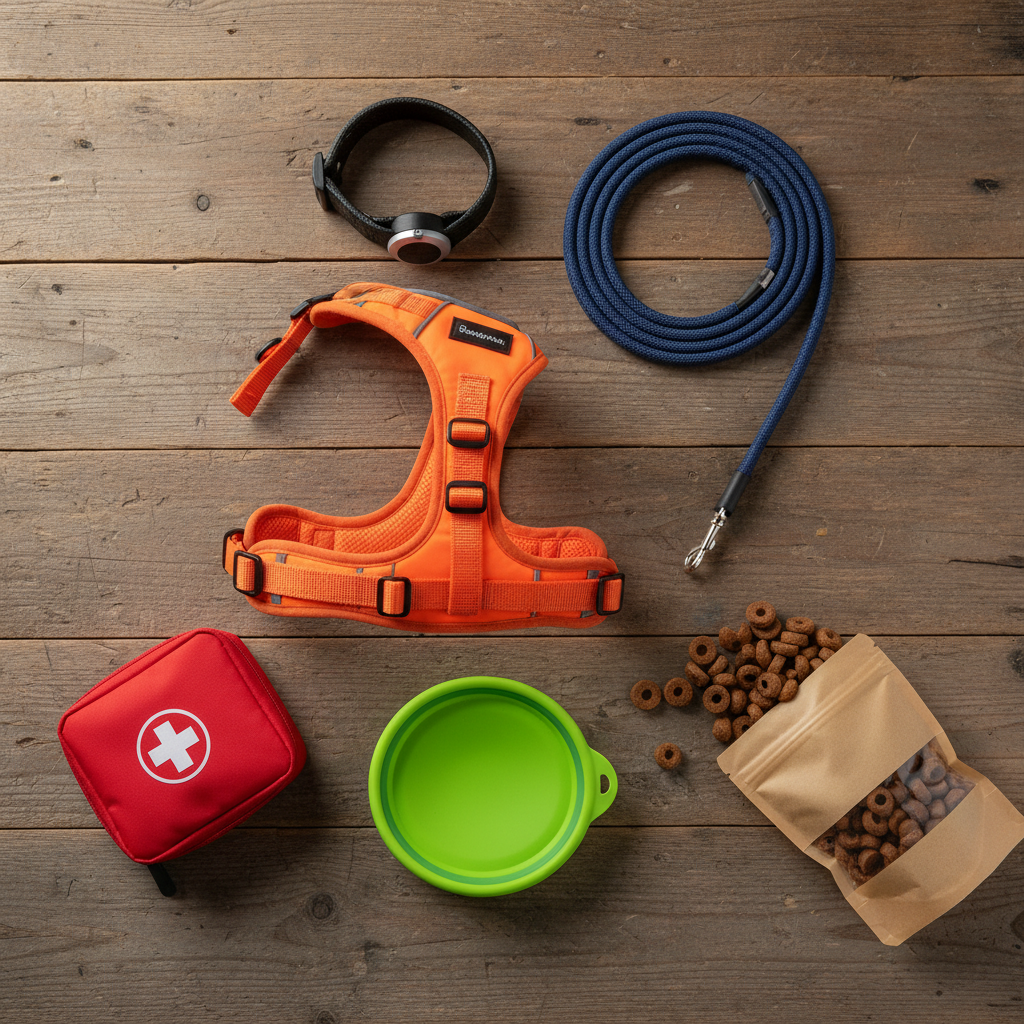
| Long-Line Leash (15-30 ft) | This is non-negotiable, especially when you’re starting out or in an area that isn’t securely fenced. It gives your dog freedom to search while ensuring you maintain control and they can’t wander off too far. |
| Back-Clip Harness | A harness is safer and more comfortable than a collar for a dog that might be pulling on a long line. A back-clip style prevents the line from getting tangled in their legs. |
| High-Value Treats | Bring something extra special that your dog absolutely loves. This is their jackpot reward for finding you! Think small pieces of chicken, cheese, or their favorite smelly training treats. |
| High-Visibility Vest for Your Dog | A brightly colored vest (orange or yellow) makes your dog easy to spot among the trees and undergrowth, both for you and for any hunters or other people who might be in the area. |
| GPS Tracker Collar | For ultimate peace of mind, especially if you plan to play off-leash in safe, designated areas. A GPS tracker lets you know your dog’s location right from your phone. |
| Water and a Collapsible Bowl | Searching is thirsty work! Always carry enough fresh water for both you and your dog to stay hydrated. |
| Dog-Friendly First-Aid Kit | Accidents can happen. A basic kit with antiseptic wipes, gauze, self-adhesive bandages, and tweezers for ticks or splinters is a must-have for any outdoor adventure. |
Choosing the Right Location
Not all woods are created equal. When picking your spot, look for:
- Familiarity: Start in a park or wooded area you know well. You’ll be more aware of the terrain, potential hazards, and how to get back to your starting point.
- Low Traffic: Choose a time or place with fewer people, off-leash dogs, or other distractions, especially when your dog is learning the game.
- Clear Boundaries: Areas with natural boundaries like a creek or a well-defined trail can help keep your game contained.
- Good Visibility: At least initially, avoid extremely dense undergrowth where you could easily lose sight of your dog or they could get stuck.
Step-by-Step: Teaching Your Dog to Play Hide and Seek

Alright, it’s game time! Teaching hide and seek is all about starting simple and gradually increasing the difficulty. The key is to build your dog’s confidence and make it a super positive experience every step of the way. Patience is your best friend here!
Step 1: The ‘Stay’ and ‘Find Me’ Foundation (Indoors)
Before you can hide, your dog needs a solid ‘stay’ command. If they don’t have one, work on that first. Once they can hold a ‘stay’ for a few seconds, you can introduce the game.
- Have a partner hold your dog or put your dog in a ‘stay’.
- Show your dog a favorite toy or a high-value treat, get them excited, then say your release cue like “Find me!” or “Ready or not!” in an enthusiastic voice.
- Take just a few steps away in plain sight and crouch down.
- Have your partner release the dog (or release them from their ‘stay’).
- When they come to you, throw a party! Lavish them with praise, treats, and play. Repeat this several times until they understand that “Find me!” means ‘run to mom/dad and get awesome stuff.’
Step 2: The First Real Hides (Indoors)
Now, let’s make it a tiny bit harder. Start hiding behind a door, a piece of furniture, or around a corner in your house.
- Put your dog in a ‘stay’ in one room.
- Go into another room and hide behind the couch. Make it super easy at first.
- Call out your release cue, “Find me!”
- The moment they find you, celebrate like they just won the lottery. This is the most important part!
- Gradually increase the difficulty of your hiding spots within the house.
Step 3: Taking the Game Outside (Fenced Yard)
Once your dog is a pro at finding you indoors, it’s time to add the complexities of outdoor smells and sights. A securely fenced backyard is the perfect training ground.
- Start with your dog on their long-line leash.
- Have a partner hold them, or use the ‘stay’ command.
- Hide behind a bush, a tree, or the garden shed. Keep the first few hides easy and relatively close.
- Use your verbal cue to release them. If they seem confused, you can call their name once to help them out.
- Again, massive party when they succeed!
Step 4: Welcome to the Woods!
This is it—the main event! Keep your dog on the long-line leash for safety and control. The rules are the same, but the environment is much more stimulating.
- Find a relatively clear area to start.
- While your dog is distracted (or held by a partner), slip behind a very large, obvious tree only 20-30 feet away.
- Call your release cue. Let the long line play out as they search.
- Your dog will likely use a combination of sight and smell now. When they find you, it’s a huge accomplishment! Reward them generously.
- As they get better, you can start hiding further away, behind smaller trees, or crouching down behind logs.
Pro Tip: On your way to the hiding spot, scuff your feet a little and brush against trees. This leaves a stronger scent trail for your dog to follow, setting them up for success.
Safety First: Navigating the Woods Like a Pro
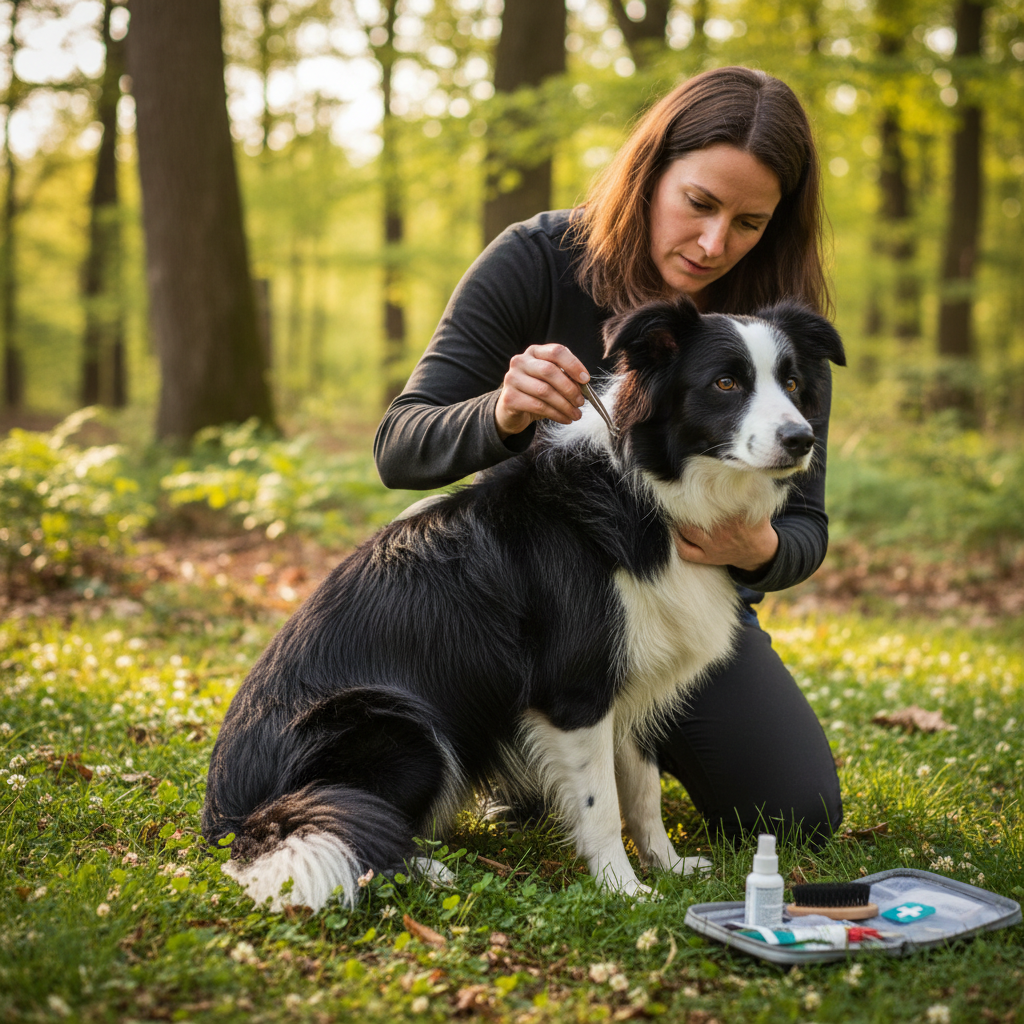
Fun is the goal, but safety is the priority. The great outdoors is full of wonders, but also potential hazards. Being aware and prepared is the key to a worry-free adventure.
Wildlife Encounters
You’re a guest in their home. Be respectful and cautious. Make some noise as you move through the woods—talking or singing—to alert animals to your presence and avoid startling them. Keep your dog close, especially in areas known for animals like deer, coyotes, or bears. Never let your dog chase wildlife.
Pesky Plants and Pests
The woods are full of things your dog shouldn’t eat or touch. Be aware of common toxic plants in your area, such as poison ivy, oak, and certain mushrooms. After every trip, do a thorough check of your dog (and yourself!) for ticks. These pests can carry serious diseases. Check in their ears, between their paw pads, and under their collar.
Staying Found
It’s surprisingly easy to get turned around in the woods. Always tell someone where you’re going and when you expect to be back. A fully charged phone with a GPS app is a great tool, but don’t rely on it entirely. Pay attention to landmarks and trail markers. This is another reason a high-visibility vest for your dog and a GPS collar are such fantastic investments.
Trail Etiquette
If you’re playing in a public park or forest, be mindful of others. Keep your dog on their long line, and step off the trail to let others pass. Always, always, always pick up after your dog. Leave the trail better than you found it. Following these simple rules ensures that dog-friendly spaces remain dog-friendly for years to come.
Troubleshooting Common Hide and Seek Hiccups
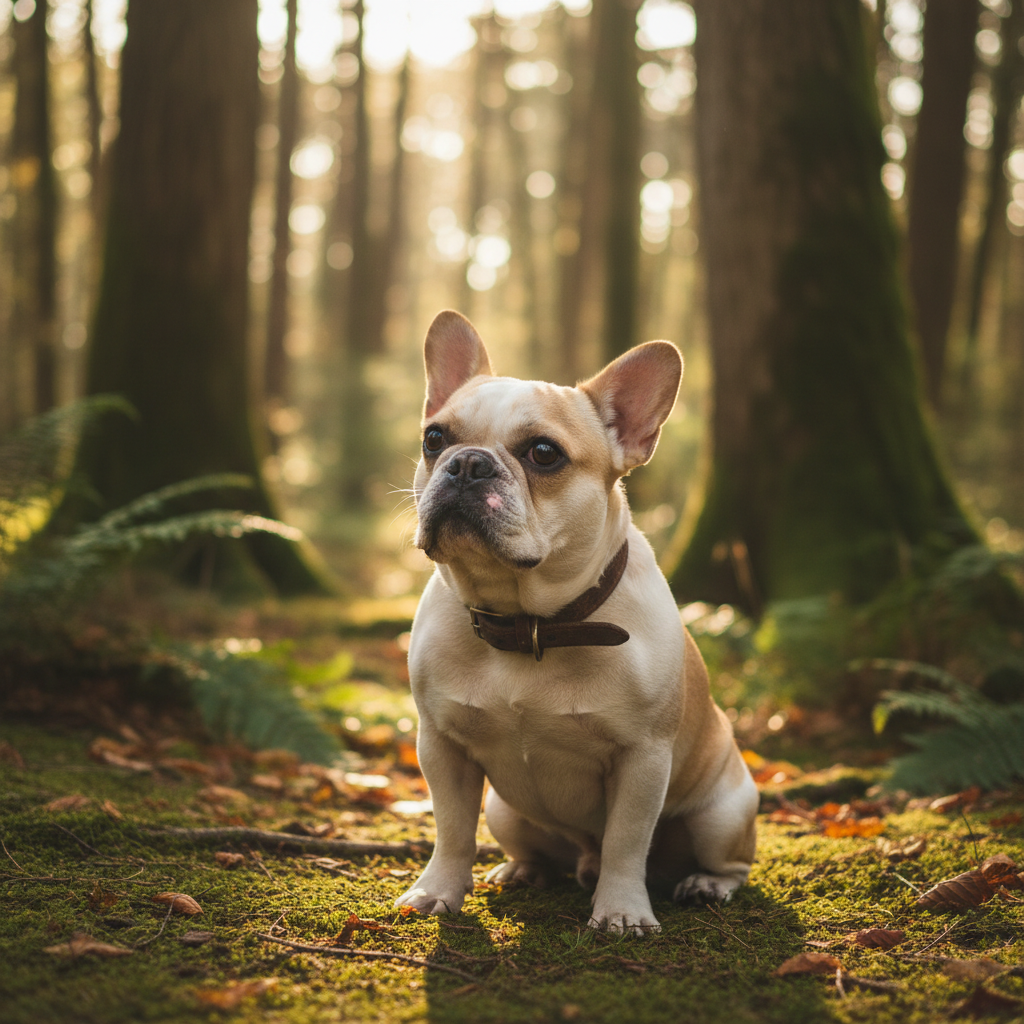
Even the best games can hit a snag. If your hide and seek sessions aren’t going as planned, don’t worry! Most issues are common and easy to fix with a little patience and a change in strategy. Here’s how to handle some frequent challenges.
Conclusion
And there you have it—your complete guide to turning a simple walk in the woods into an epic game of hide and seek! This wonderful activity is so much more than just a way to pass the time. It’s a powerful tool for building communication, trust, and a partnership with your dog that goes beyond the everyday. You’re giving them a ‘job’ that satisfies their deepest instincts, and in return, they’re giving you their focused attention and unbridled joy.
Remember to start slow, keep it positive, and always prioritize safety. Every dog learns at a different pace, so celebrate the small victories and enjoy the process. The real prize isn’t just being found; it’s the shared laughter, the wagging tail, and the incredible memories you’ll create together among the trees. So grab your long line, pocket some tasty treats, and get ready for your next great adventure. Happy hiding!