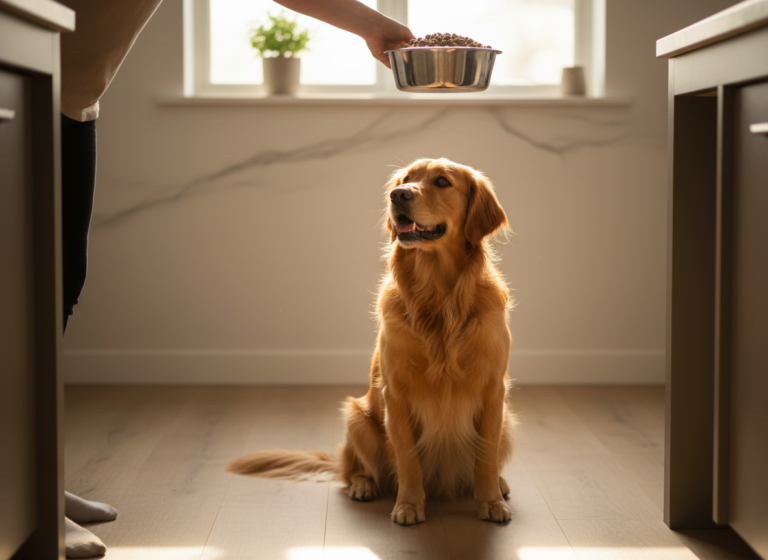
Does treat time in your house feel more like feeding time at the zoo? If you find yourself flinching and pulling your hand back every time you offer your furry friend a snack, you’re not alone. That enthusiastic, snatchy, ‘shark mouth’ behavior is a common issue for many pet owners. While it often comes from a place of pure excitement, it can be painful, startling, and even a little scary, especially for children or guests. But here’s the good news: a gentle mouth is a trainable skill! It’s not just about saving your fingers; it’s about teaching your dog valuable impulse control and good manners. In this guide, we’ll break down the ‘why’ behind the snatching and give you a clear, step-by-step plan to teach your dog how to take treats with the delicate finesse of a true gentleman or lady.
Why Does My Dog Snatch Treats Like a Little Alligator?
Before we dive into the ‘how,’ let’s understand the ‘why.’ Your dog isn’t trying to be rude or aggressive; their snatchy behavior is usually rooted in a few simple reasons. Understanding the cause can help you approach the training with more empathy and patience.
Top Reasons for a ‘Shark Mouth’
- Pure Excitement: For most dogs, treats are the absolute best thing in the world! Their over-the-top enthusiasm can override any sense of decorum. They’re so focused on the yummy reward that they forget to be careful with their teeth.
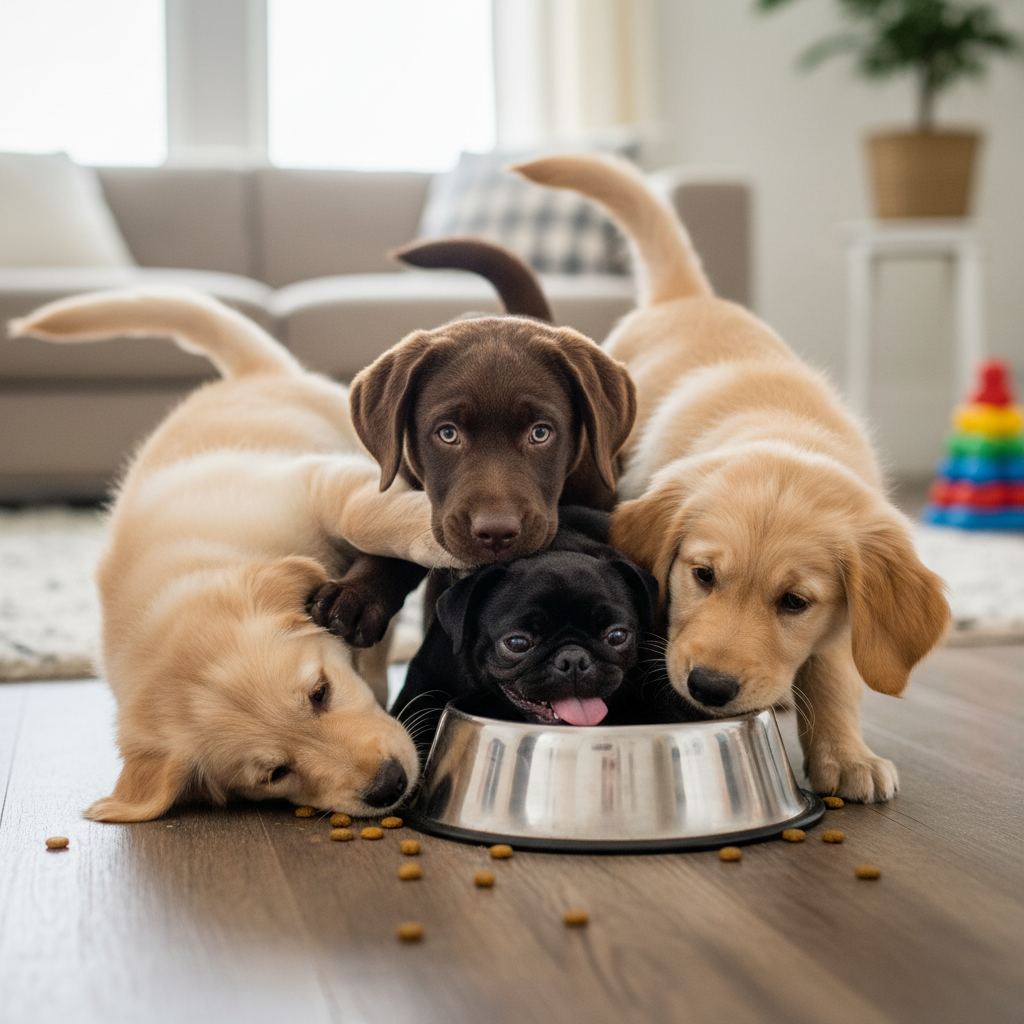
- Competition: If your dog grew up with littermates, they had to compete for resources, including their mother’s milk and food. This can instill a ‘grab it before it’s gone’ mentality that carries over into adulthood. This is also common in multi-dog households.
- Lack of Training: Simply put, no one may have ever taught them the right way! Bite inhibition, or a dog’s ability to control the pressure of their mouth, is a learned skill. Puppies start learning this from their mother and littermates, but it needs to be reinforced by their human family.
- Anxiety or Uncertainty: Sometimes, a dog might snatch a treat quickly because they’re worried it will be taken away. This can be a sign of underlying resource guarding or general anxiety.
Expert Tip: Remember, this behavior is rarely malicious. It’s an impulse control issue. Our job as trainers is not to punish the excitement, but to teach our dogs how to manage it politely.
Gather Your Tools for Gentle Treat Training
The great news is that you don’t need a lot of fancy equipment to teach this skill. The most important tools are patience and consistency. However, having the right kind of treats can make the process much smoother and more effective.
What You’ll Need:
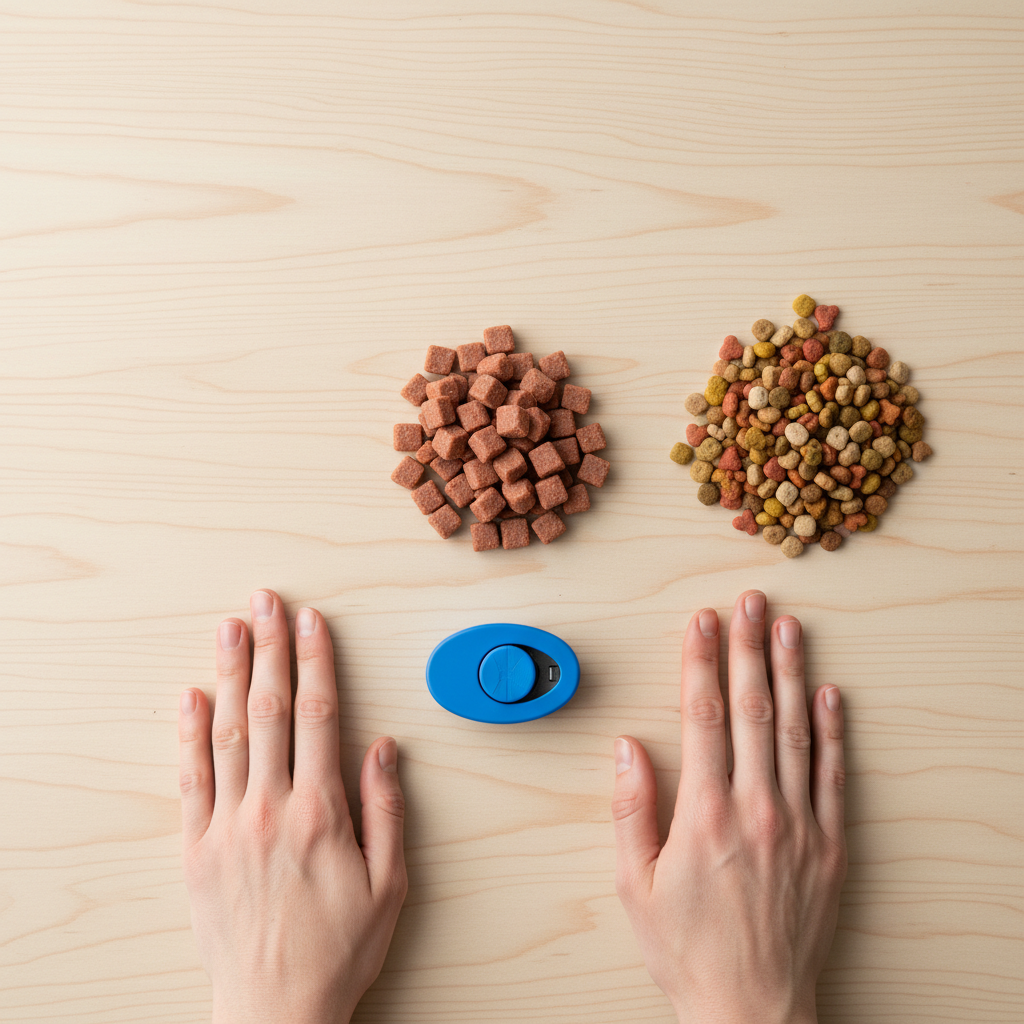
- High-Value Treats: These are the super-tasty, extra-special treats that your dog absolutely loves. Think small pieces of chicken, cheese, or commercial soft treats. The goal is to have something so motivating that your dog is willing to really think and work for it.
- Low-Value Treats: Your dog’s regular kibble or simple, crunchy biscuits can also be useful. We’ll use these to raise the difficulty level later on.
- A Clicker (Optional): A clicker is a fantastic tool for marking the exact moment your dog does the right thing. If you’re not familiar with clicker training, you can use a verbal marker like a sharp “Yes!” instead. The key is to use the same marker word every single time.
- Patience: This is non-negotiable! Your dog won’t learn this overnight. Keep training sessions short (5-10 minutes) and positive to avoid frustration for both of you.
Before you begin, make sure you’re in a quiet, low-distraction environment. You want your dog to be able to focus on you and the task at hand. Avoid training when your dog is overly hungry or full of pent-up energy, as this can make it harder for them to concentrate.
The Step-by-Step Guide to a Softer Mouth
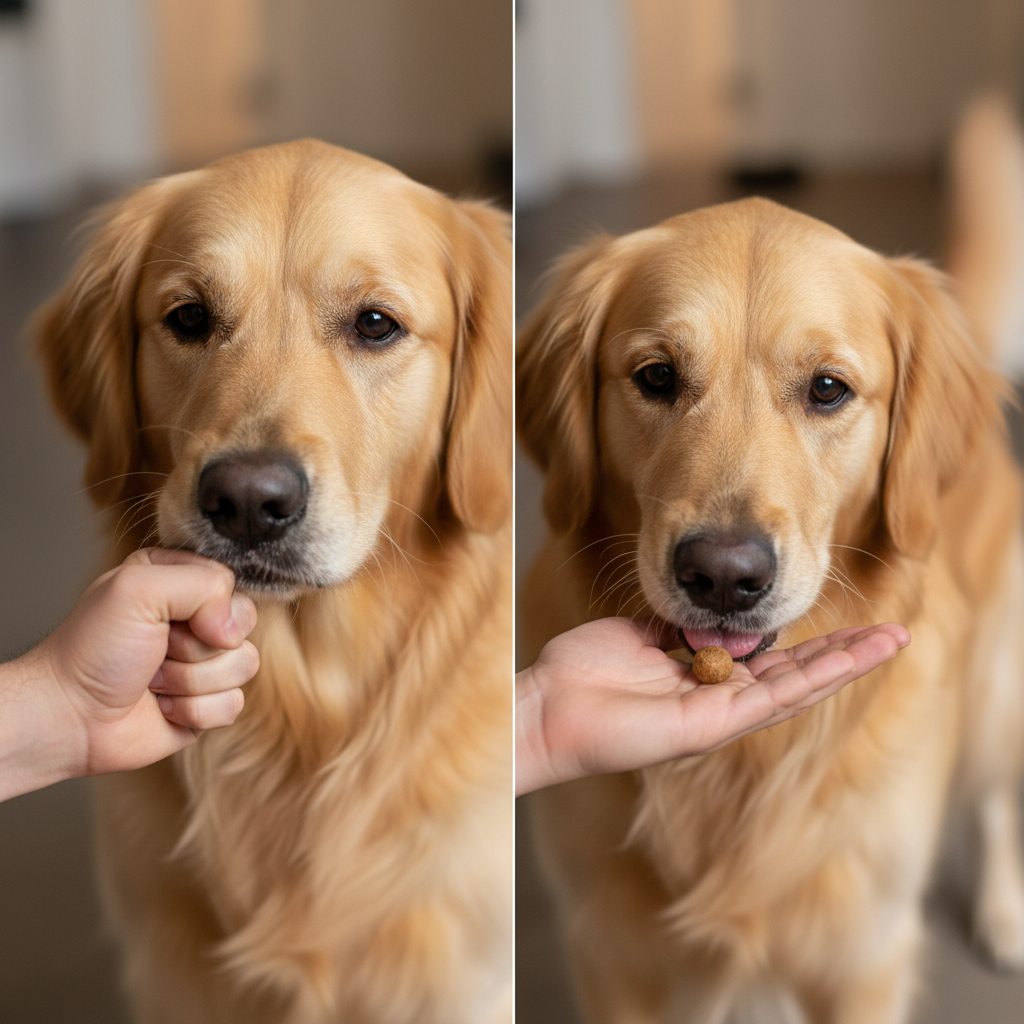
Alright, let’s get to the fun part! We’re going to use a couple of simple, positive reinforcement methods. Remember to keep it light and fun. This is a game, not a chore. We’ll start with the most common and effective technique.
Method 1: The Closed Fist
- Load Your Hand: Place a treat in your hand and close your fingers around it to make a fist.
- Present Your Fist: Offer your closed fist to your dog. They will likely sniff, lick, nudge, and maybe even nibble at your hand to get the treat. Keep your fist closed and let them figure it out. Do not say anything. Let their brain do the work.
- Mark the Right Moment: The instant your dog stops nibbling or pawing and either backs away slightly or licks your hand gently, say “Yes!” (or click your clicker) and immediately open your hand to give them the treat.
- Repeat, Repeat, Repeat: Do this over and over again. Your dog will quickly learn that frantic, toothy behavior gets them nothing, while gentle, polite behavior makes the magic hand open.
Method 2: The Open Palm
Once your dog has mastered the closed fist game, you can move on to the next level. This method teaches them to be gentle even when the treat is visible.
- Place and Cover: Place a treat on your flat, open palm.
- Approach and Cover: As your dog moves toward the treat, be ready. If they lunge with an open ‘shark mouth,’ quickly close your fingers over the treat to protect it (like in the first method).
- Wait for Calm: Wait for them to back off or offer a gentle lick. The moment they show gentle behavior, say “Yes!” and open your hand again.
- The Gentle Take: Let them take the treat from your open palm. If they are still too snatchy, close your hand again. They only get the reward when their approach is slow and their mouth is soft. With practice, they will learn to delicately lift the treat from your hand with their lips and front teeth.
Important Takeaway: The key to both methods is timing. You must mark and reward the absence of nipping and the presence of gentle behavior. Your dog learns that their own calm actions control whether they get the treat.
Troubleshooting: When Your Little Shark Bites Back
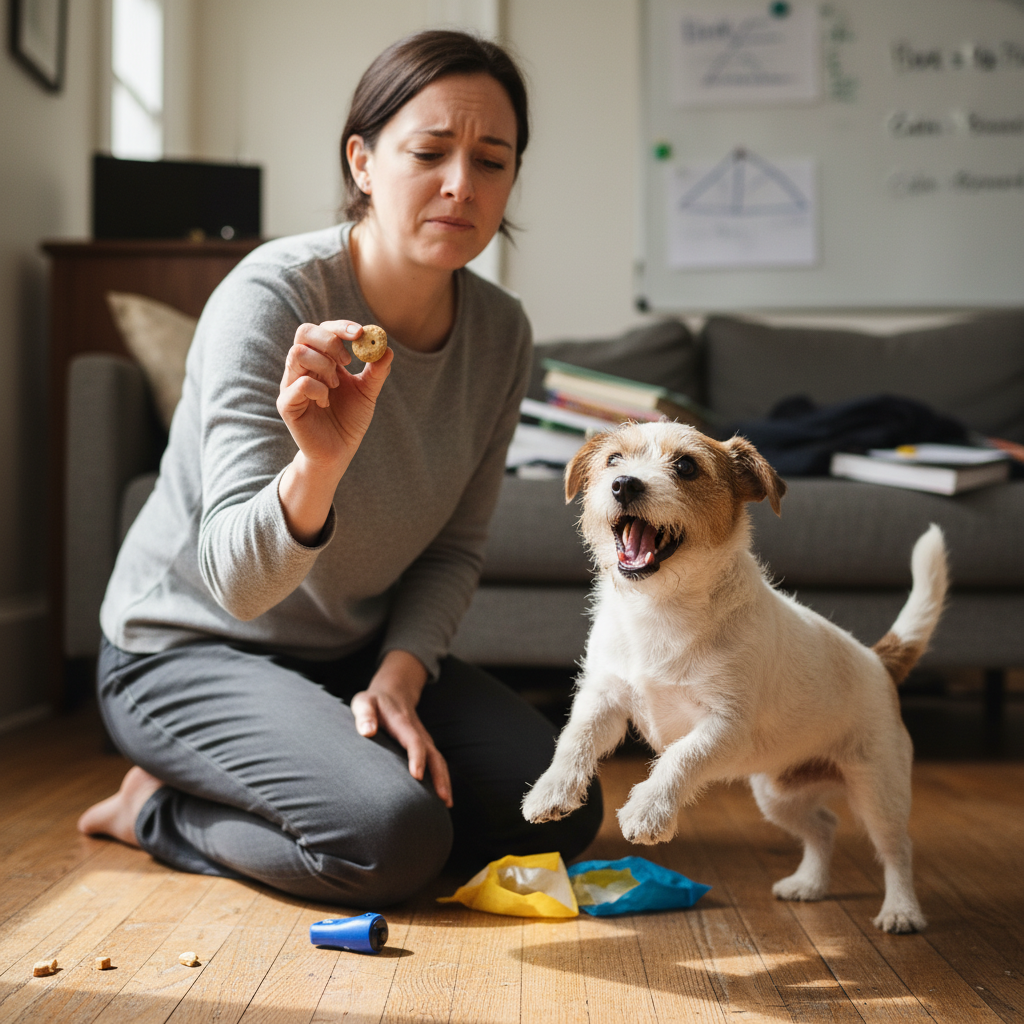
Training isn’t always a straight line. It’s normal to hit a few bumps in the road. Here are some common problems and how to solve them.
‘My dog is just too excited and won’t calm down!’
If your dog is bouncing off the walls, they’re not in a good headspace to learn. Try a quick game of fetch or a short walk to burn off some excess energy before you start your training session. You can also use lower-value treats, like their kibble, as they might not trigger such an intense, frantic reaction.
‘My dog is getting frustrated and barking or giving up.’
This is a clear sign that the session has gone on too long or is too difficult. End the session on a positive note with a behavior they know well (like ‘sit’) and give them a treat for that. Next time, make it easier. Reward even the smallest try in the right direction, like a brief pause in their nipping. Keep sessions super short—even just two or three minutes at a time is effective.
‘This isn’t working. My dog still nips me hard.’
If the nipping is genuinely painful, you can add a verbal cue. A sharp, high-pitched “Ouch!” or “Yip!” can communicate that they used too much pressure. This mimics the way puppies learn from their littermates. When you say “Ouch!”, briefly withdraw your hand and the treat for a few seconds. This is a negative punishment (removing something good), which teaches them that hard bites make the fun stop. Then, present your hand again and give them another chance to be gentle.
A Word of Caution: Never, ever hit, slap, or physically punish your dog for nipping. This can create fear, damage your bond, and may even lead to true aggression. Our goal is to teach, not intimidate.
Beyond Treats: Generalizing a Gentle Mouth
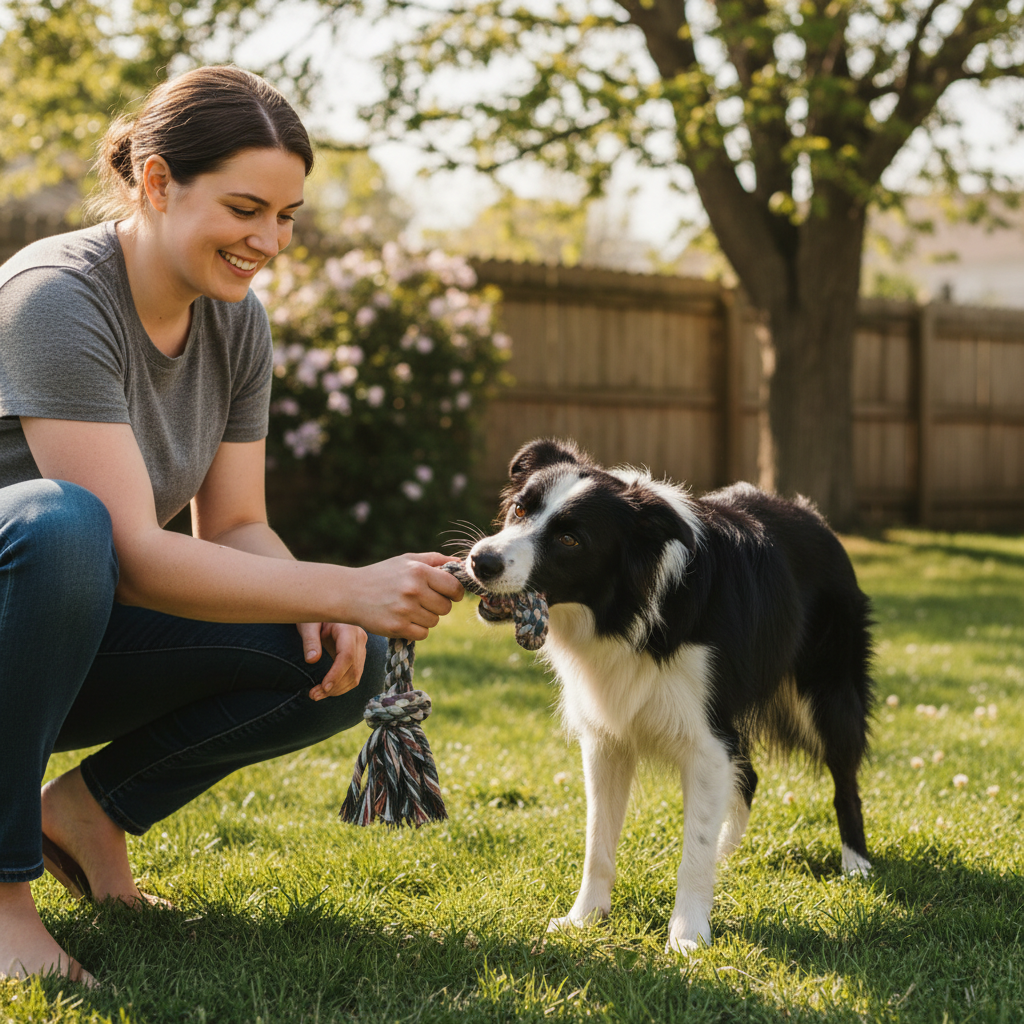
Teaching your dog to take treats gently is a fantastic start, but the real magic happens when they apply this lesson to other parts of their life. The impulse control they learn here can translate to many other situations.
Taking Toys Gently
You can use the same principles during playtime. When you offer a tug toy, wait for your dog to take it with a soft mouth before you engage in a game. If their teeth hit your hand, say “Ouch!” and briefly drop the toy. They’ll learn that the game only starts when they are careful with your hands. This is crucial for preventing accidental bites during play.
Hand-Feeding a Meal
For dogs who are especially snatchy, hand-feeding a portion of their daily kibble can be a powerful exercise. Using the same closed-fist and open-palm methods, you can use their entire meal to reinforce a soft mouth. This not only practices the skill but also strengthens your bond and reinforces your role as the provider of all good things.
Greeting People Politely
A dog who has learned impulse control around treats is often better at managing their excitement in other areas, too. While it’s not a direct one-to-one translation, the practice of pausing, thinking, and acting calmly can help reduce jumping on guests or mouthing hands during greetings.
By expanding this training beyond the treat pouch, you’re not just fixing a single annoying habit. You’re building a foundation of communication, trust, and self-control that will benefit your dog for their entire life. You’re teaching them a better way to interact with the human world, and that’s a gift that keeps on giving.
Conclusion
Congratulations! You now have a complete toolkit to banish the ‘shark mouth’ forever. Remember that consistency and patience are your best friends in this journey. Every short, positive training session is a step toward a more polite and well-mannered companion. Celebrate the small victories—the moment your dog hesitates, the first time they lick your hand instead of nibbling, the first perfectly gentle treat-take. These are the building blocks of success. By teaching your dog how to take treats gently, you’re doing more than just saving your fingers; you’re deepening your bond and improving your communication. So grab those high-value treats and get started. A calmer, gentler treat time is just around the corner!