Are your mornings a frantic scramble of buzzing alarms, sleepy groans, and the constant refrain of ‘Five more minutes!’? For many parents, waking up the kids for school can feel like the day’s first big battle. But what if you could trade that chaos for a happy wagging tail and a gentle, wet-nosed nudge? Imagine your child giggling as their furry best friend lets them know it’s time to start the day. It’s not a scene from a movie; it’s a real possibility!
Training your dog to be a gentle alarm clock is more than just a cute trick. It’s a wonderful way to give your dog a ‘job,’ which builds their confidence and strengthens their bond with the family. It also helps create a positive, fun association with waking up for your kids. This guide will walk you through the entire process, using only positive reinforcement techniques. With a little patience, consistency, and a pocketful of treats, you can create a morning routine that your entire family—two-legged and four-legged members alike—will look forward to.
Before You Begin: Assessing Your Dog and Gathering Your Tools
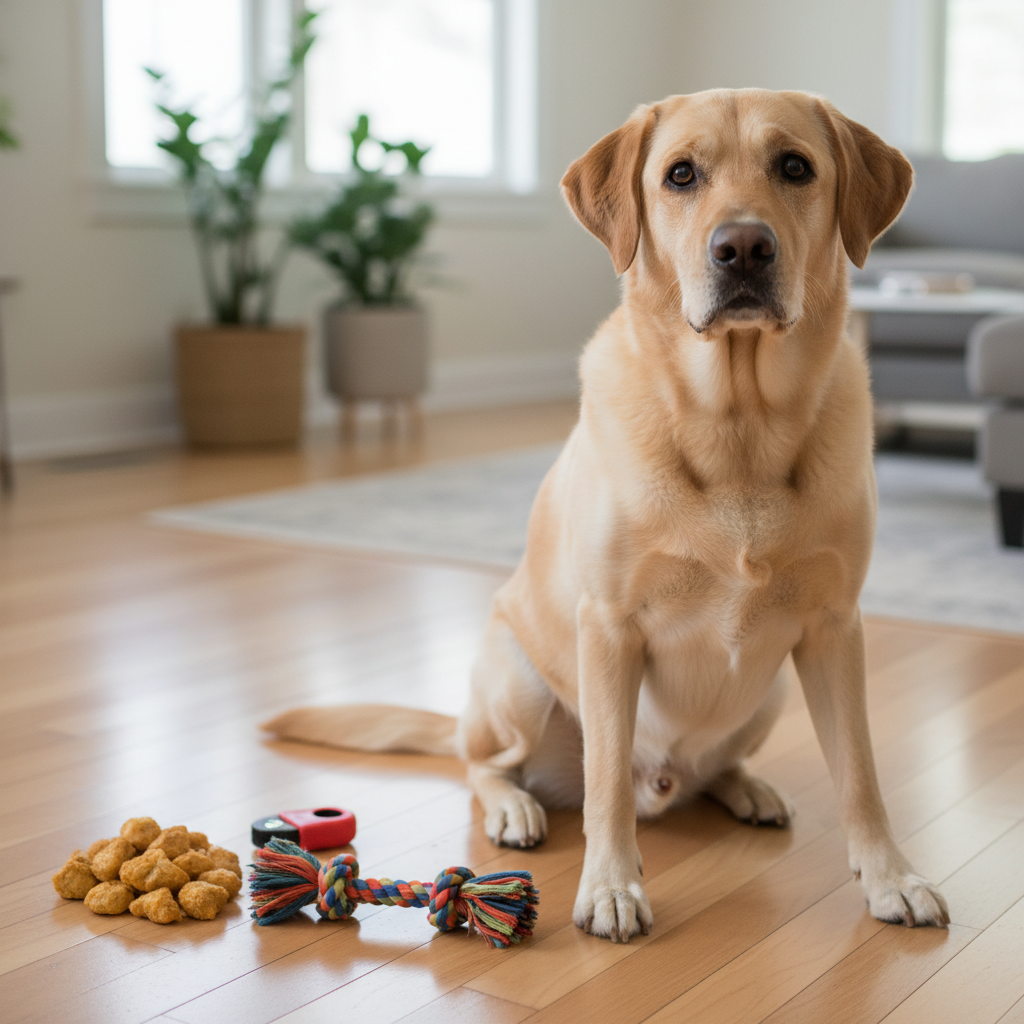
Is Your Dog the Right Candidate?
Before you jump into training, it’s crucial to make sure this is the right job for your dog and a positive experience for your child. Not every dog is suited to be a gentle alarm clock. An ideal candidate is a dog that is:
- Naturally Gentle: A dog with a soft mouth and a calm demeanor is essential. Overly boisterous, jumpy, or mouthy dogs might need to master basic impulse control first.
- People-Oriented: Your pup should genuinely enjoy interacting with the family and be motivated by praise and treats.
- Already Knows Basics: A solid foundation in commands like ‘Sit,’ ‘Stay,’ and ‘Come’ will make this new, more complex task much easier to teach.
Equally important is your child’s comfort level. This routine should be a source of joy, not fear. Talk to your child about the idea first. If they are hesitant, don’t force it. Safety and comfort for both your child and your dog are the top priorities.
Gathering Your Training Toolkit
You don’t need a lot of fancy equipment, but having the right tools on hand will set you up for success. Here’s what you’ll need:
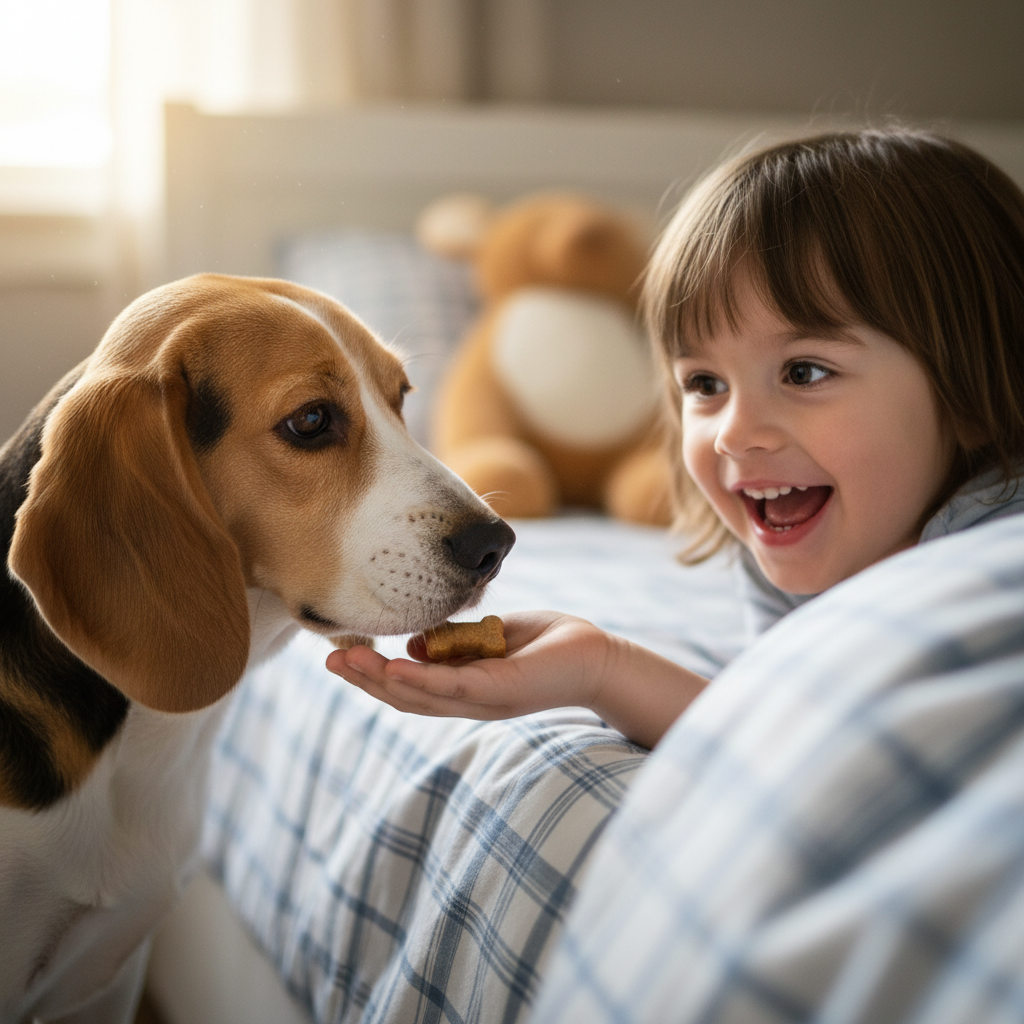
- High-Value Treats: These aren’t your dog’s everyday kibble. Think small, tasty morsels like boiled chicken, cheese, or special training treats that your dog absolutely loves.
- A Clicker (Optional): A clicker is a fantastic tool for marking the exact moment your dog does the right thing, making communication crystal clear. If you’re not using a clicker, a consistent marker word like ‘Yes!’ works just as well.
- Patience and a Positive Attitude: This is the most important tool! Training takes time. Stay positive, keep sessions short and fun, and celebrate the small victories along the way.
The 5-Step Guide to Creating a Furry Alarm Clock
This is where the fun begins! We’ll break down the training into small, manageable steps. Remember to master each step before moving on to the next. Keep your training sessions short—about 5-10 minutes once or twice a day is perfect.
-
Step 1: Teach ‘Go to the Room’
First, your dog needs to learn to go to your child’s bedroom on cue. Start by standing at the doorway of the child’s room. Toss a treat into the room and say your cue, like ‘Go see Timmy!’ When your dog goes in to get the treat, praise them enthusiastically. Repeat this several times. Gradually, start giving the cue from further away, rewarding your dog as soon as they enter the room.
-
Step 2: Introduce a Gentle ‘Nudge’ or ‘Lick’
The goal is a gentle wake-up, not a startling one. We’ll shape this behavior separately at first. Sit on the floor and hold your hand out flat. Encourage your dog to touch your hand with their nose. The moment they do, click (or say ‘Yes!’) and give them a treat. You can use a tiny smear of peanut butter on your hand to encourage this at first. Practice this until they are reliably nudging your hand on cue (‘Touch’ or ‘Nudge’). You can also reward gentle licks if you prefer that behavior.
Expert Tip: For this step, it’s often best to practice on a doll or a pillow placed on the bed first. This helps the dog associate the location (the bed) with the action (gentle nudge) without overwhelming a sleeping child.
-
Step 3: Combine the Cues
Now, let’s put the first two steps together. Give your ‘Go see Timmy!’ cue. When your dog enters the room and approaches the bed, give your ‘Nudge’ cue, encouraging them to touch the pillow or your hand placed on the bed. When they do it successfully, give them a big reward! This links the sequence of actions together.
-
Step 4: Add the Final ‘Wake Up’ Cue
Once your dog is reliably performing the sequence, you can add a final, overarching cue. Right before you send them to the room, say your new cue, like ‘Wake up time!’ and then immediately follow it with ‘Go see Timmy!’. Over time, your dog will associate ‘Wake up time!’ with the entire delightful routine.
-
Step 5: Practice with a Willing Participant (Under Supervision!)
The final step is to transition to the real thing, but with your child awake and in on the game. Have your child lie in bed and pretend to be asleep. Run through the routine. When your dog gently nudges them, have your child give the dog a treat and lots of praise. This builds a wonderfully positive association for everyone. Only after many successful, supervised practice runs should you try it when your child is actually asleep. Always supervise these interactions.
Troubleshooting Common Wake-Up Woes
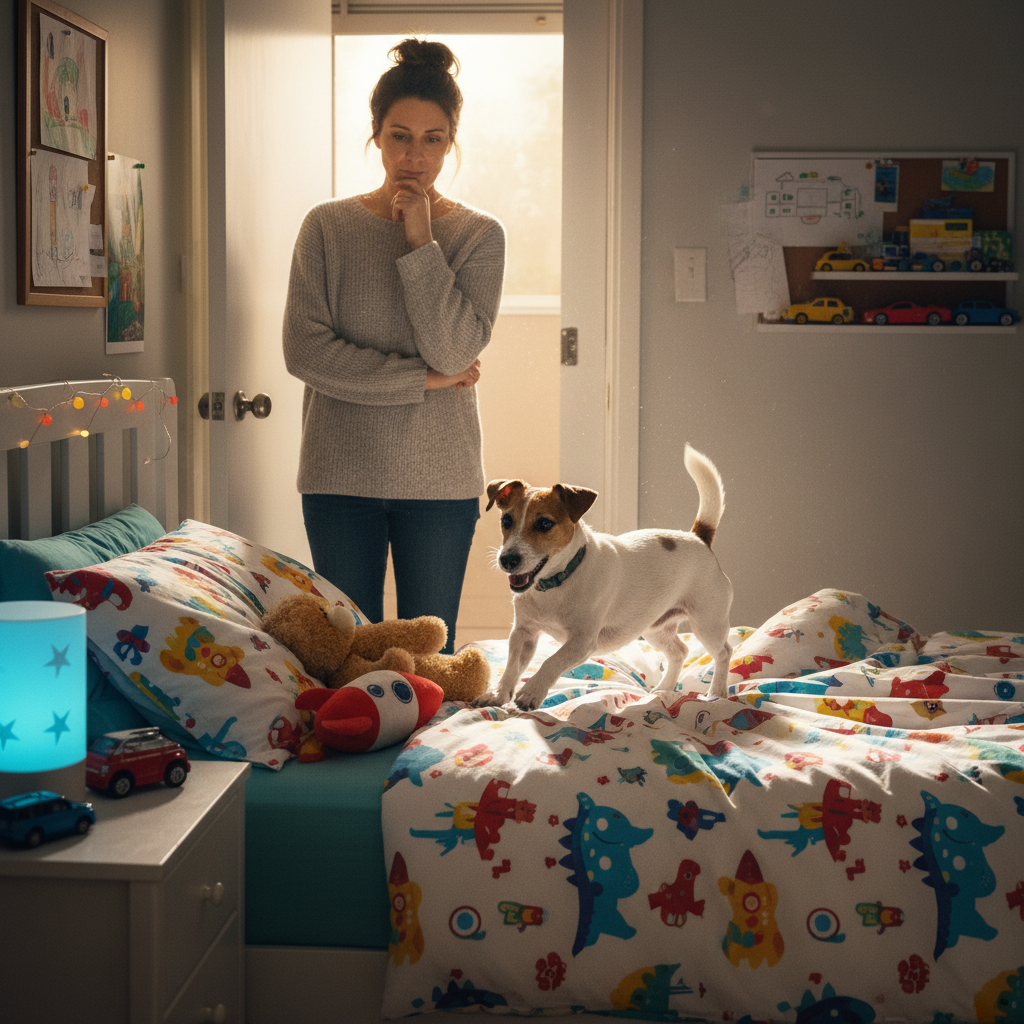
Even with the best plan, you might run into a few bumps. Don’t worry, that’s a normal part of training! Here are some common problems and how to solve them.
| The Problem | The Solution |
|---|---|
| My dog is too excited and jumps on the bed. | This is a sign of too much excitement. Go back a few steps and work on impulse control. Reward heavily for ‘four on the floor.’ Shorten the training sessions to end before your dog gets overly aroused. You can also practice a rock-solid ‘place’ command on a mat beside the bed. |
| My dog just licks themself or the blankets. | Your dog might not understand what to target. Go back to Step 2 and make the target (your hand, or a doll) more obvious and rewarding. Using a tiny, safe food lure on the target can help clarify the goal. |
| My dog loses interest and wanders off. | This usually means the reward isn’t high-value enough or the sessions are too long. Make sure you’re using treats your dog would do anything for, and keep sessions short, upbeat, and always end on a successful repetition so they’re eager for the next session. |
| My child doesn’t like it or seems scared. | Stop immediately. The goal is a happy routine for everyone. This interaction must be 100% positive for your child. Involve them in other aspects of the dog’s care and training, but don’t force this specific task. It may simply not be the right fit for your family, and that’s okay. |
Perfecting the Routine: Consistency is Key
Building a Reliable Habit
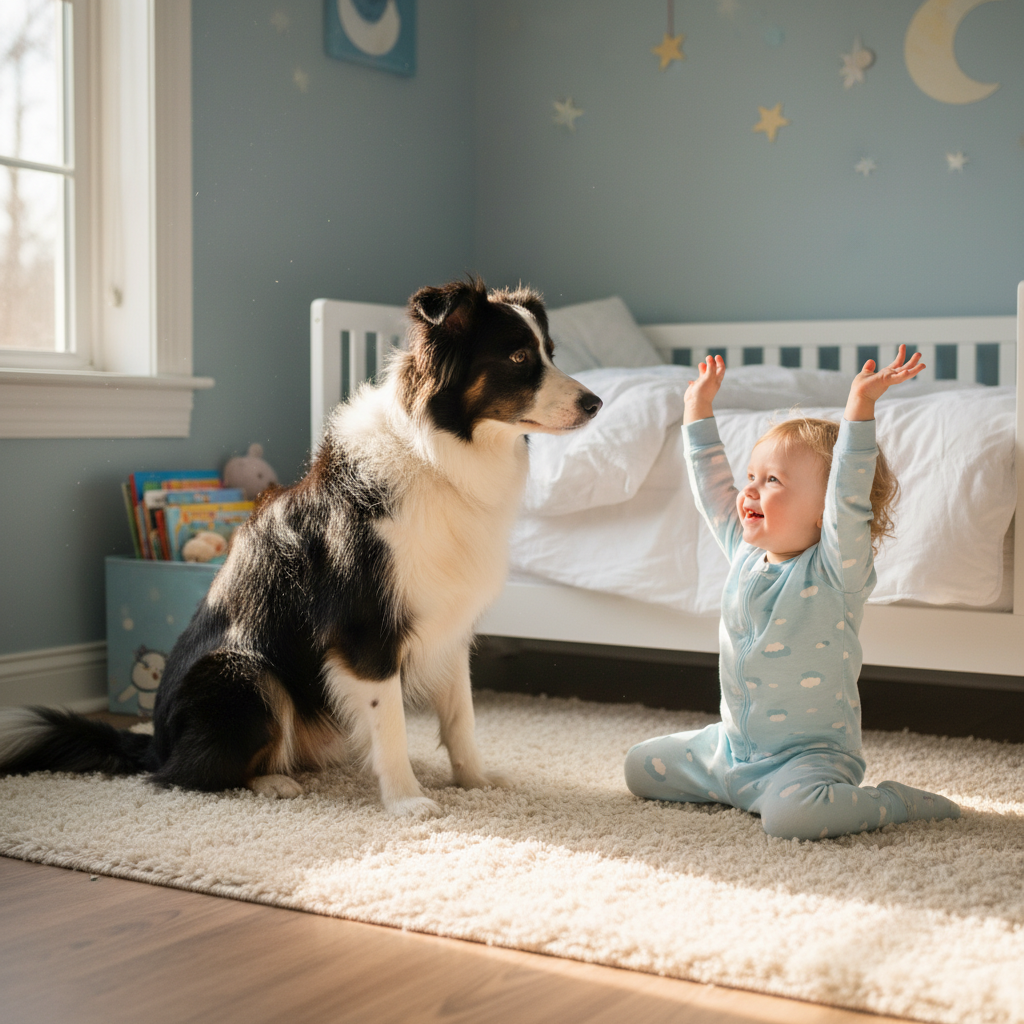
Once your dog understands the basic steps, the final phase is all about making the behavior reliable and integrating it smoothly into your morning. Consistency is your best friend here. Try to initiate the wake-up call at roughly the same time every school day. Dogs thrive on routine, and this predictability will help solidify the training.
What Happens Next? Defining the ‘End’ of the Job
It’s important to teach your dog what to do after the child is awake. Otherwise, you might trade a buzzing alarm for a barking or pawing dog who wants more treats! Once your child starts to stir, give your dog a ‘release’ cue, like ‘All done!’ or ‘Come,’ and call them back to you for a final jackpot reward. This teaches them that their job is complete. Alternatively, you can train them to lie down quietly on a mat in the room until you come in. This prevents the wake-up from escalating into a wild play session.
Remember, the goal is a calm and happy start to the day. Reward the calm, gentle behavior you want to see, not frantic, chaotic energy. Your own calm demeanor during this routine will help set the tone for both your child and your dog.
Conclusion
Teaching your dog to wake up the kids is a unique and rewarding journey that does more than just simplify your morning. It builds communication, trust, and deepens the incredible bond your children share with their canine companion. Remember to lead with patience, celebrate every small success, and always keep the experience positive for both your child and your pup.
By turning your furry friend into a key player in the morning routine, you’re not just getting the kids out of bed on time—you’re creating cherished memories, one gentle, wet-nosed nudge at a time. Happy training, and here’s to happier mornings!