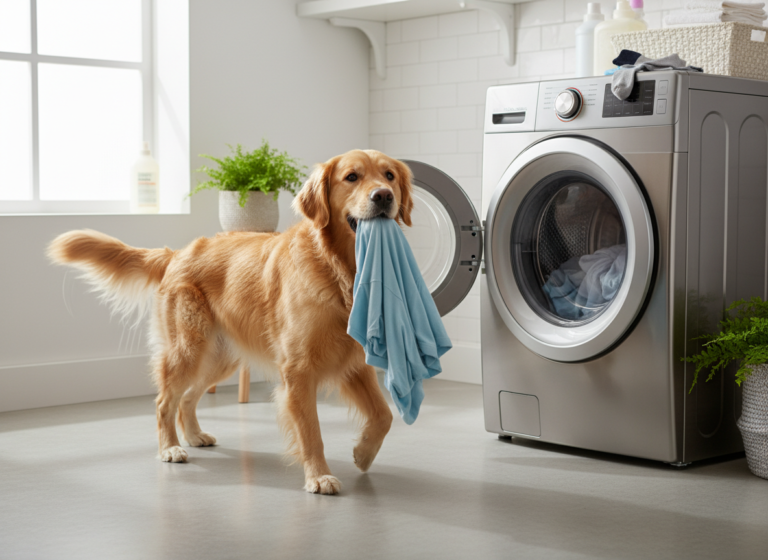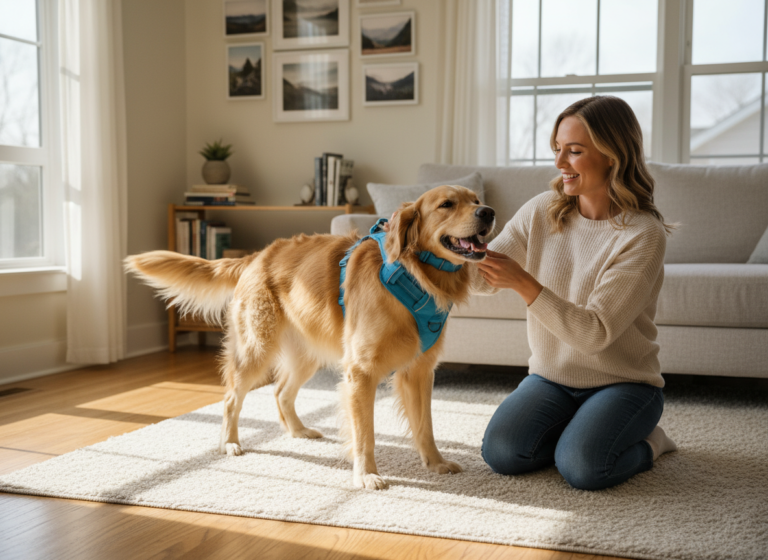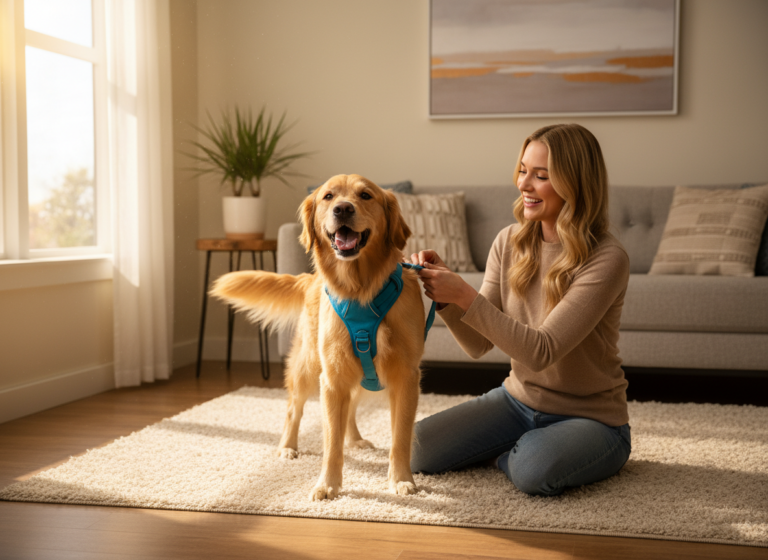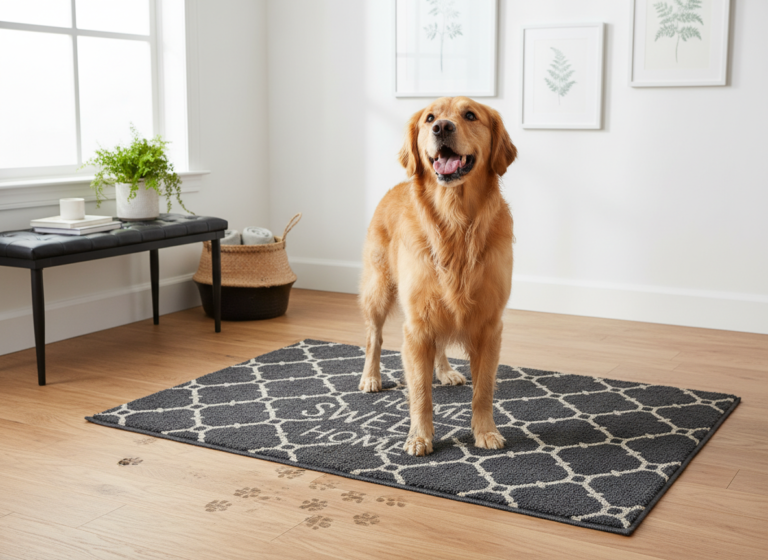
We’ve all been there. You hear the familiar slurp, slurp, slurp from the kitchen, and you brace yourself. A moment later, your beloved, four-legged friend trots into the living room, jowls dripping, leaving a trail of water droplets all over your clean floors. It’s a sweet, slobbery calling card that says, ‘I was thirsty!’ While we love our dogs to pieces, the constant mopping can get a little old. But what if you could turn this messy moment into a fun, impressive, and useful trick?
You can! Teaching your dog to wipe their face after drinking is not just a neat party trick; it’s a practical skill that helps keep your home cleaner and engages your dog’s brilliant mind. This isn’t about scolding them for being messy—it’s about teamwork and turning a daily routine into a positive interaction. In this guide, we’ll walk you through the simple, positive-reinforcement steps to train your canine companion to become a polite, face-wiping member of the household. Get ready to say goodbye to water trails and hello to a fun new bonding activity!
Gather Your Supplies: Setting Up for Success
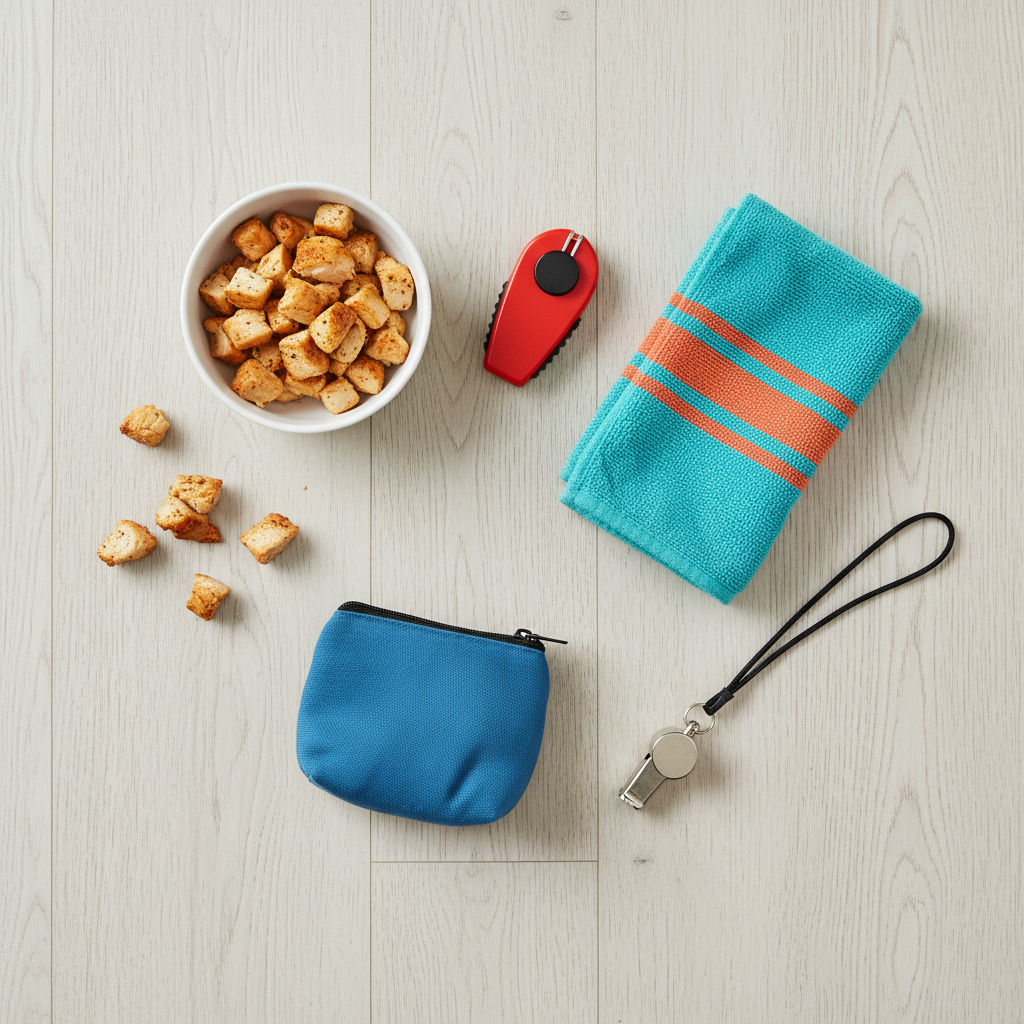
Before you start your training journey, it’s best to get all your tools in order. Having everything ready makes the process smoother and more enjoyable for both you and your furry student. You don’t need a lot of fancy equipment, just a few key items and a can-do attitude!
What You’ll Need:
- High-Value Treats: We’re talking the good stuff! Small, soft, and extra tasty treats that your dog absolutely loves will make them much more motivated to learn. Think tiny pieces of chicken, cheese, or their favorite store-bought training treats.
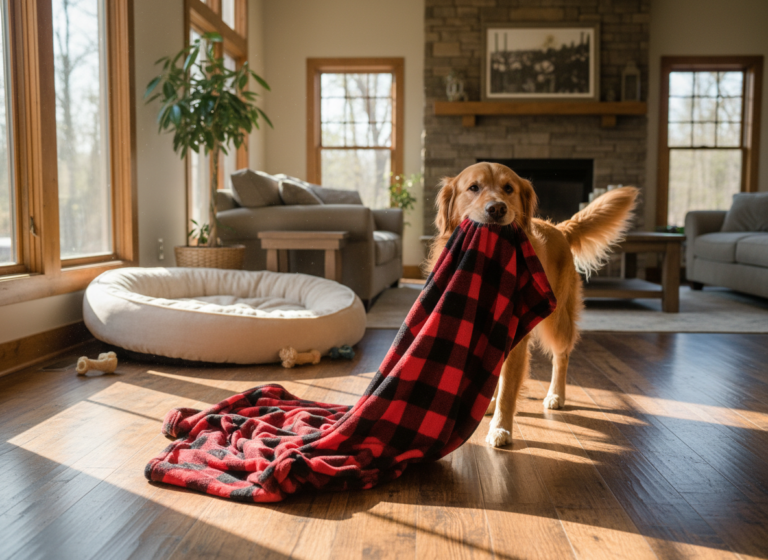
- A Designated ‘Face Towel’: Choose a specific towel that will be used only for this trick. A hand towel or a small, soft microfiber cloth works perfectly. Using the same towel every time helps your dog understand its purpose. Pick a distinct color or pattern to help it stand out.
- A Clicker (Optional, but Recommended): A clicker is a fantastic tool for marking the exact moment your dog does the right thing. This precision helps your dog learn faster. If you’re not using a clicker, you can use a verbal marker word like ‘Yes!’ or ‘Good!’.
- Patience and a Positive Attitude: This is the most important tool in your kit! Training should always be fun. Keep sessions short (5-10 minutes is plenty), stay upbeat, and celebrate the small wins. Your dog feeds off your energy, so a happy trainer makes for a happy learner.
Step 1: Making Friends with the Towel
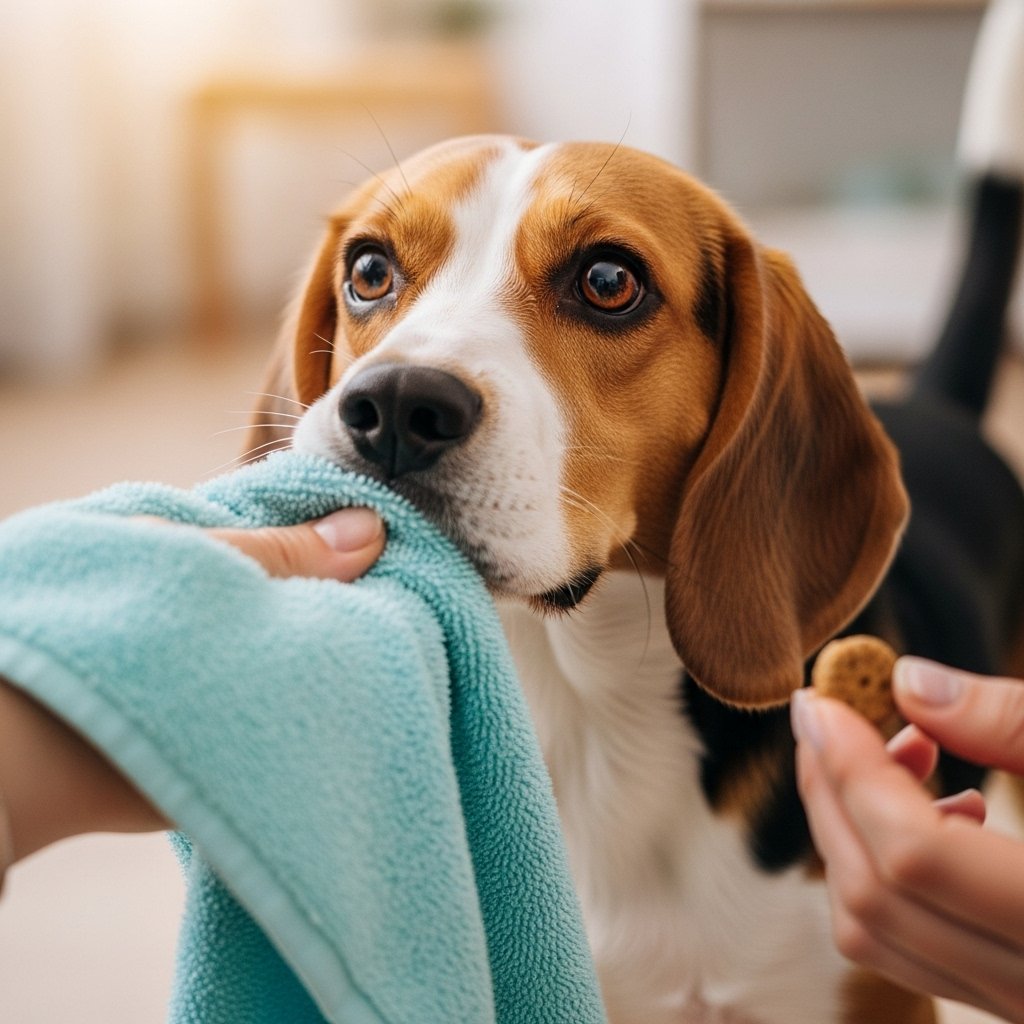
The first goal is to make your dog absolutely love their special face towel. Right now, it’s just a strange piece of cloth. We need to transform it into a magical object that predicts wonderful things (like treats!). This process is all about building a positive association.
Introduce the Towel Calmly
Start by simply placing the towel on the floor. Let your dog approach and sniff it at their own pace. The moment their nose touches it, or even just shows curiosity, click (or say ‘Yes!’) and give them a treat. Don’t force any interaction. Just let them investigate and reward them for their bravery. Repeat this several times.
Reward Any Interaction
Once your dog is comfortable sniffing the towel, encourage them to interact with it more. Here’s how you can build on that initial curiosity:
- Hold the towel in your hand. When your dog touches it with their nose, click and treat.
- Gently drape the towel over their back for a second, then click, treat, and remove it.
- Place a treat on the towel on the floor for them to take.
The goal of these exercises is to communicate one simple thing: ‘Good things happen when this towel is around!’ Keep these sessions short and super positive. If your dog seems hesitant or nervous, take a step back and go slower. By the end of this phase, your dog should perk up and get excited whenever you bring out the special face towel.
Step 2: The Nitty-Gritty of Teaching the ‘Wipe’ Cue
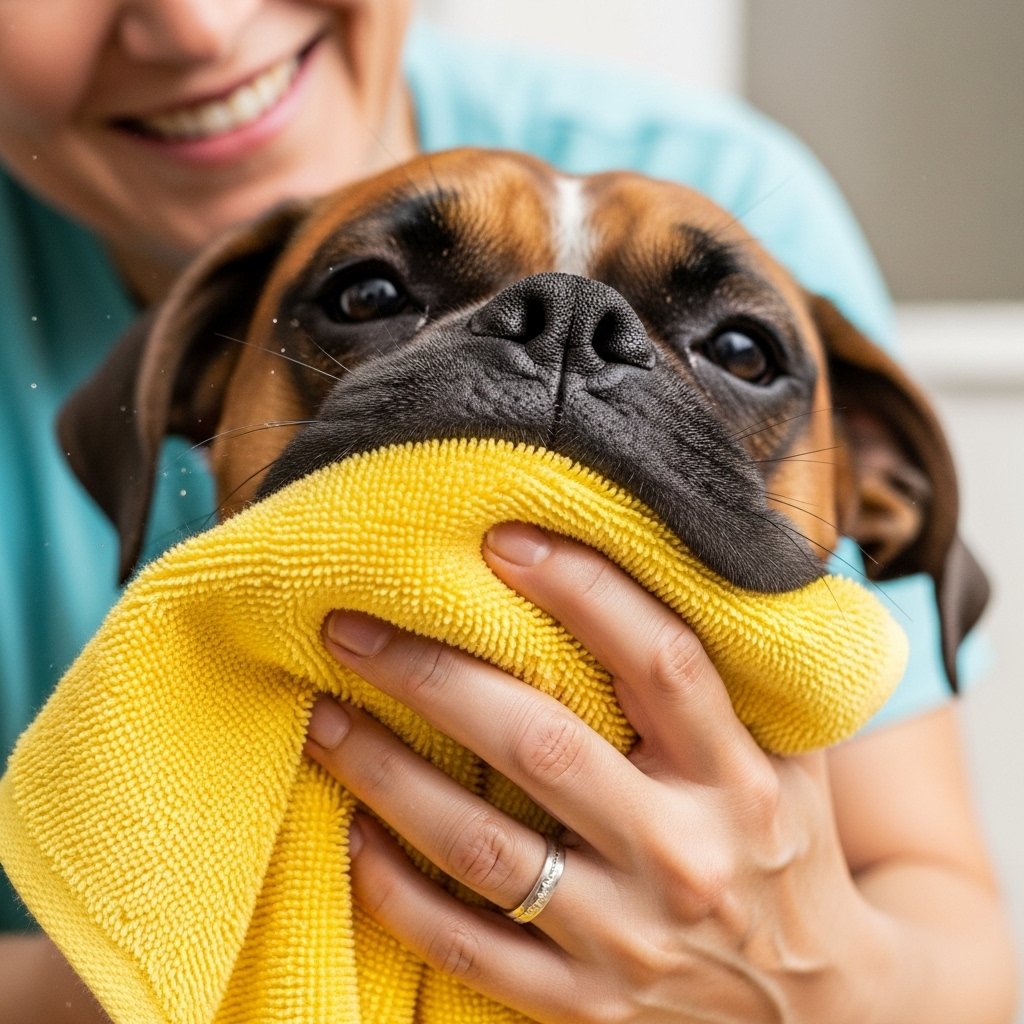
Now that the towel is your dog’s new best friend, it’s time to teach the actual ‘wiping’ motion. We’ll do this by ‘luring’ the behavior, which means using a treat to guide your dog into the correct position. This is the core of the training process, so take your time and have fun with it!
Phase 1: Luring the Head Movement
Hold the towel in one hand and a treat in the same hand, with the treat slightly visible. Hold it out to your dog. Naturally, they will move their head toward the treat. As their muzzle touches the towel to get to the treat, click and let them have the reward. At this stage, you are rewarding them for simply touching their face to the towel. Repeat this until your dog is confidently and eagerly booping the towel with their nose.
Phase 2: Adding the Verbal Cue
Once your dog is reliably touching the towel, you can start adding your verbal cue. Choose a short, clear cue like ‘Wipe,’ ‘Clean,’ or ‘Dry your face.’ Say the cue just before you present the towel and lure them. The sequence should be: ‘Wipe!’ -> Present towel -> Dog touches towel -> Click & Treat. The timing is important; the word needs to predict the action. After many repetitions, your dog will start to associate the word ‘Wipe!’ with the action of touching the towel.
Phase 3: Fading the Lure
Our ultimate goal is for the dog to perform the action on the verbal cue alone, without needing to see a treat. To do this, we need to ‘fade the lure.’ Start by pretending to have a treat in your towel hand, but actually have it hidden in your other hand. Give the cue, present the towel, and when your dog touches it, click and reward them with the treat from your other hand. This teaches them that the reward comes after the action, not from the towel itself. Gradually, you can stop using the hand motion and rely solely on the verbal cue.
Expert Tip: Keep your training sessions short and sweet, ideally no more than 5 minutes at a time. Ending on a successful repetition will keep your dog eager to train again later!
Step 3: From Trick to Practical Skill: The Post-Drink Routine
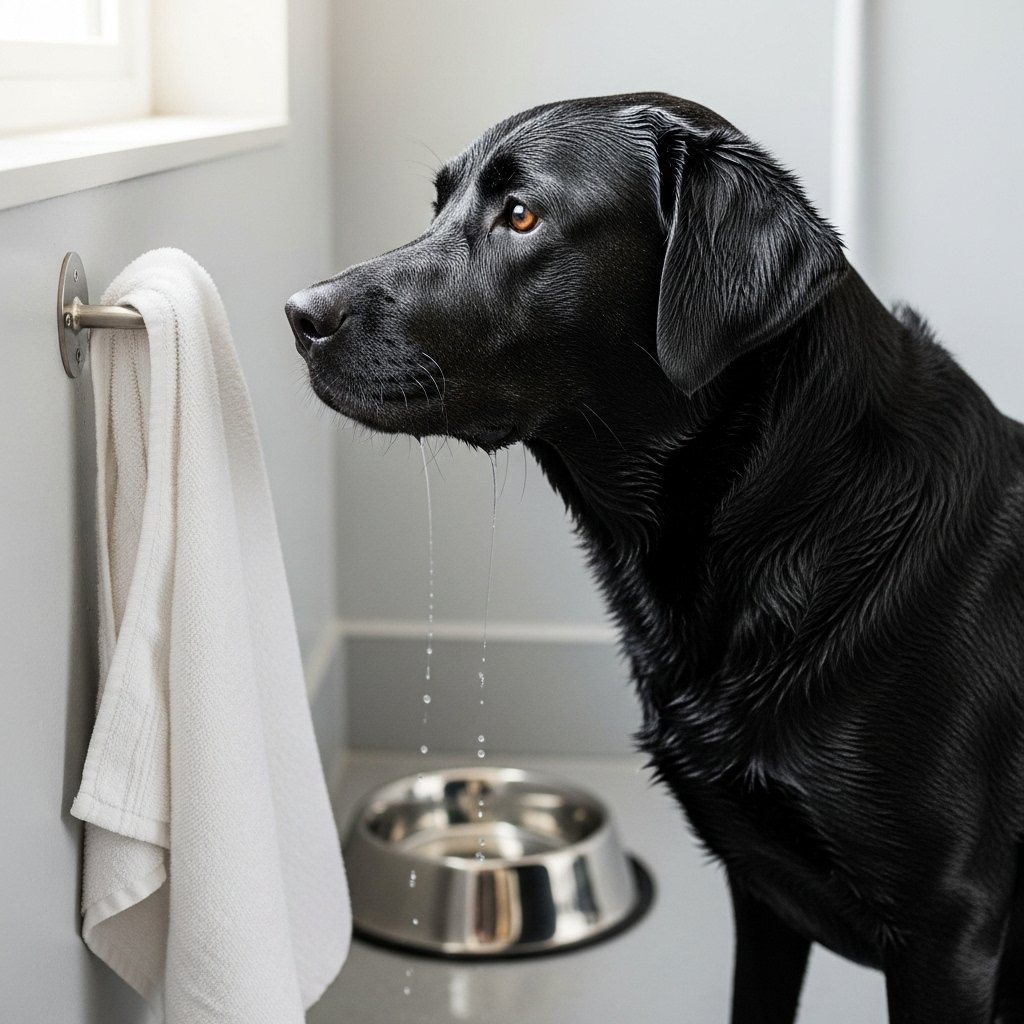
Your dog knows the ‘Wipe!’ cue—congratulations! Now it’s time to apply this new skill to the real-world situation: right after they take a big, sloppy drink. This step is all about context and creating a consistent routine.
Set the Scene
To make this work, you need to be prepared. Before your dog goes for a drink, make sure their special face towel is ready. The best way to do this is to install a low hook next to their water bowl or simply place the towel on the floor nearby. The easier it is for your dog to access the towel, the more likely they are to succeed.
Timing is Everything
As soon as your dog lifts their head from the water bowl, give your cue: ‘Wipe!’ Be enthusiastic! Point to the towel to help guide them. The first few times, they might be confused about why you’re asking them to do this now. You may need to lure them over to the towel and guide them through the motion again. That’s perfectly okay!
Celebrate Big!
When they do wipe their face on the towel, even if it’s not perfect, throw a party! Lavish them with praise, pets, and a super high-value jackpot treat. You want to create a powerful positive association with wiping their face right after drinking. This is the behavior you want to reinforce the most. Over time, with consistency, your dog will start to perform the behavior automatically as part of their post-drink ritual.
Hitting a Snag? Troubleshooting Common Training Hurdles
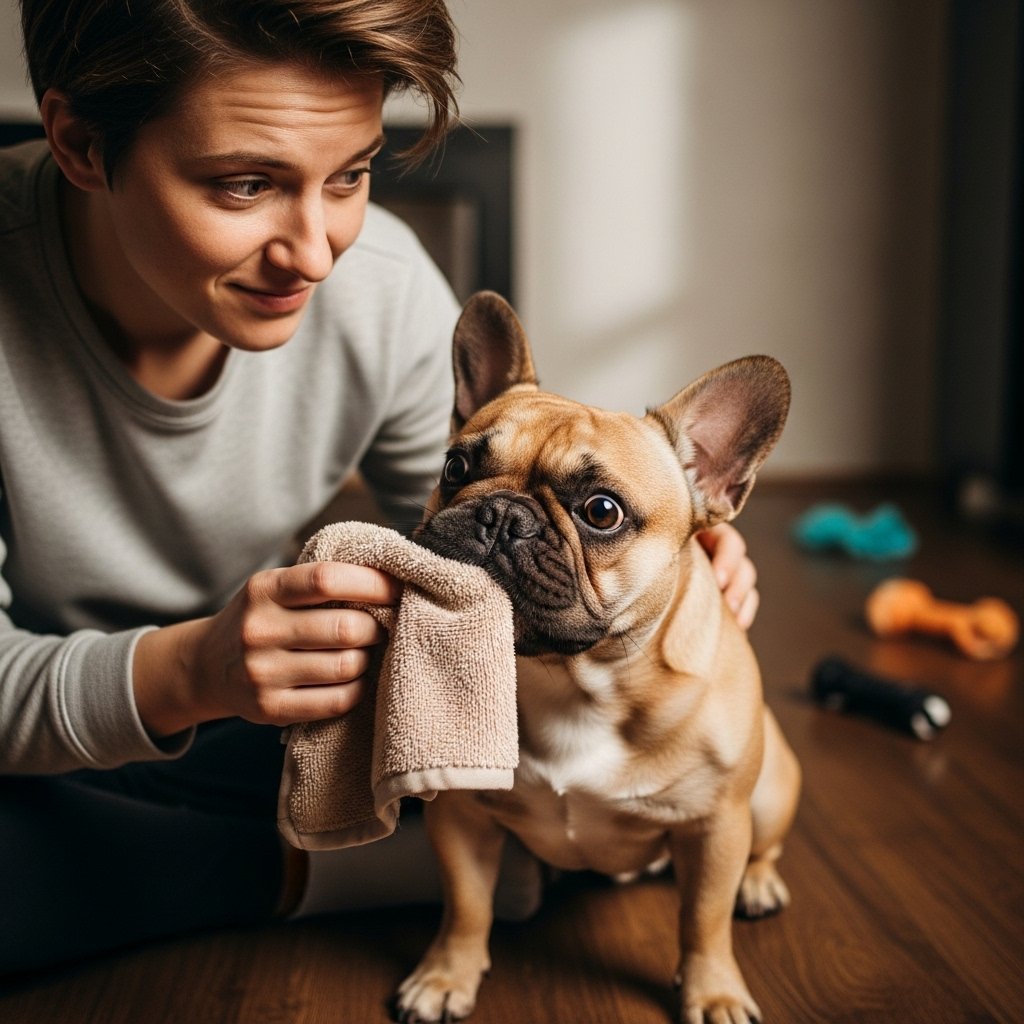
Every dog learns at a different pace, and it’s completely normal to encounter a few bumps in the road. Don’t get discouraged! Training is about problem-solving. Here are some common challenges and how you can work through them.
- ‘My dog is scared of the towel!’
If the towel seems spooky to your dog, you’ve moved a little too fast. Go back to Step 1 and focus solely on creating a positive association. Drop treats on it. Leave it near their food bowl. Don’t try to make them touch it; just let them get used to its presence being a predictor of great things.
- ‘My dog just wants to play tug-of-war with the towel!’
This is common with playful pups! If your dog grabs the towel, don’t pull back. Instead, go limp and become ‘boring.’ You can also trade them for a treat by saying ‘Drop it.’ Work on teaching a solid ‘Drop it’ cue separately. Reinforce calm interactions with the towel (sniffing, gentle touches) and ignore the attempts to play tug.
- ‘My dog won’t touch the towel without a treat lure.’
This means you need to work more on ‘fading the lure.’ Go back to that step and practice in short bursts. Another trick is to use a ‘bait-and-switch.’ Lure with a treat for a few reps, then do one rep with an empty hand. When they touch the towel, give them a huge jackpot of treats from your pocket. This teaches them that the reward is even better when the lure isn’t visible.
- ‘This works during training, but not after drinking.’
This is a problem of generalization. Your dog has learned ‘Wipe!’ is a fun game we play in the living room, but hasn’t connected it to the water bowl yet. Be extra consistent with practicing right after they drink. You may need to increase the value of the reward for post-drink wipes to make it worth their while. Be patient, and they’ll make the connection.
Conclusion
Congratulations on taking the first step toward a cleaner floor and a cleverer dog! Teaching your dog to wipe their face is more than just a solution to a messy problem; it’s a wonderful way to strengthen your communication and bond. Remember that the keys to success are patience, positivity, and consistency. Every dog is an individual, so celebrate the small victories and enjoy the process of learning together.
Before you know it, that post-drink water trail will be a thing of the past, replaced by a proud pup showing off their favorite trick. Happy training!