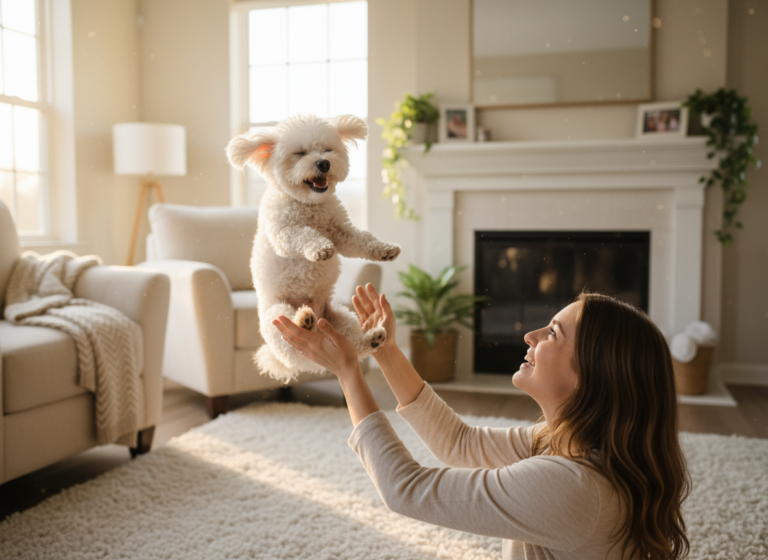
We’ve all been there. The rain is pouring down, the wind is howling, and your dog is giving you that look. The one that says, ‘I’m bored out of my mind, and if you don’t find something for us to do, the couch cushions are going to pay the price.’ Outdoor walks are a no-go, and you’ve already thrown the squeaky toy a hundred times. What’s a loving pet parent to do?
Well, what if I told you that you could turn that rainy-day restlessness into a fun, engaging, and impressive training session? Introducing the Leg Jump! This simple agility trick is the perfect indoor activity. It doesn’t require any fancy equipment—just you, your dog, some tasty treats, and a positive attitude. It’s a fantastic way to burn off some of your dog’s mental and physical energy, strengthen your bond, and build their confidence. Plus, you’ll have an amazing new party trick to show off when guests come over! Ready to get started? Let’s jump in!
Gathering Your Gear: What You’ll Need for Success
One of the best things about teaching the leg jump is how little you need to get started. You probably have everything in your house right now! This isn’t about expensive agility courses; it’s about simple, effective fun.
The Essentials List:
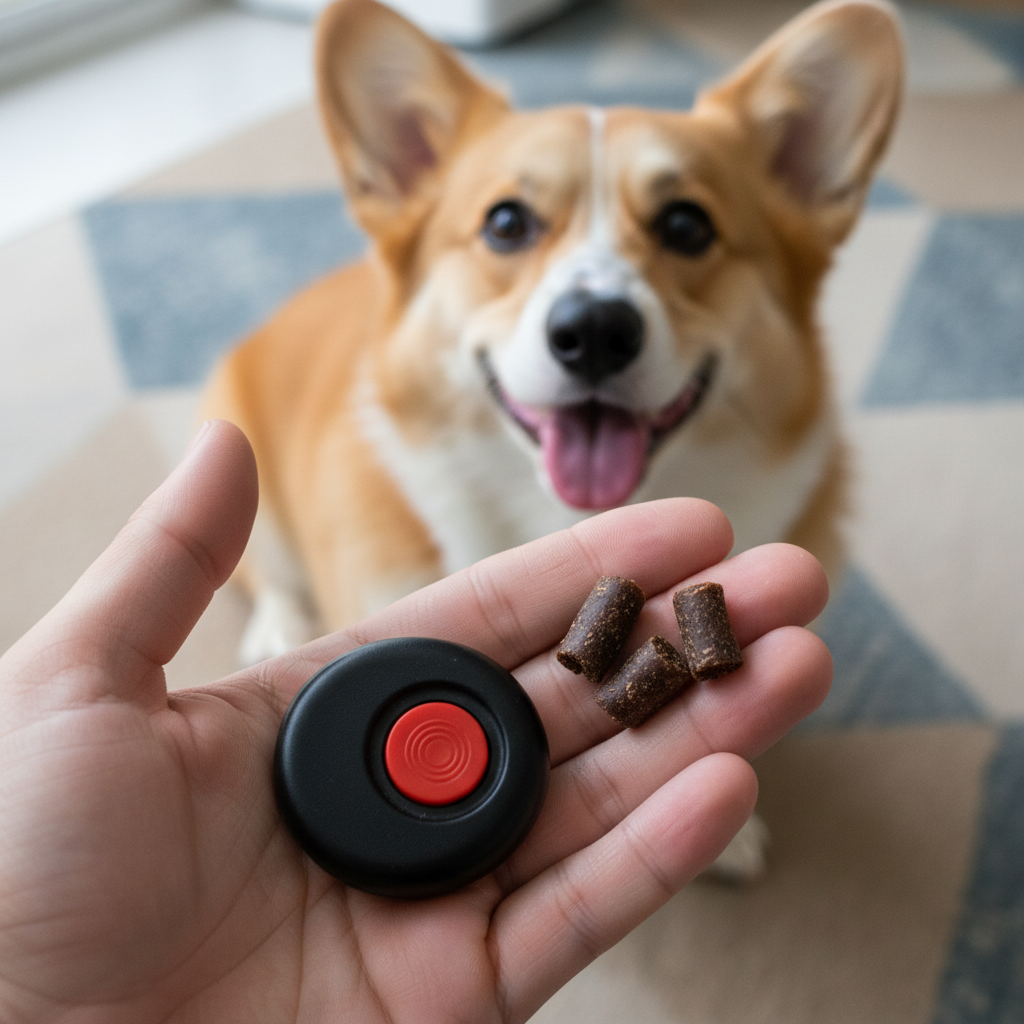
- High-Value Treats: This is the star of the show! You’ll want something extra special that your dog absolutely loves and doesn’t get all the time. Think small, soft, and smelly treats like tiny pieces of cooked chicken, cheese, or commercial training treats. The goal is to make the reward so good that your dog is super motivated to figure out what you’re asking.
- A Positive Attitude: Your energy is contagious! If you’re excited and happy, your dog will be, too. Keep sessions short, upbeat, and always end on a positive note, even if you only made a tiny bit of progress. Patience is your best friend here.
- A Comfortable Space: Find a spot indoors with good footing. A carpeted living room is perfect. Avoid slippery surfaces like hardwood or tile floors, as we don’t want any slips or falls, especially as your dog starts to jump. Make sure you have enough room to move around without bumping into furniture.
Optional but Helpful Tools:
- A Clicker: If you’re familiar with clicker training, this is a fantastic time to use it! A clicker is a tool that makes a distinct ‘click’ sound to mark the exact moment your dog does the right thing. It provides clear, precise communication. If you’re new to it, no worries! A verbal marker word like ‘Yes!’ or ‘Good!’ said in an excited tone works just as well. The key is consistency.
Expert Tip: Before you start, have your treats ready in a treat pouch or a small bowl nearby. Fumbling for treats in a bag can break your dog’s focus and slow down your training momentum.
The Step-by-Step Guide to the Perfect Leg Jump
Alright, let’s get to the fun part! Remember, the key to teaching any new trick is to break it down into tiny, easy-to-achieve steps. We’ll build up to the final jump gradually, ensuring your dog understands and feels confident the whole way. We’ll use a technique called ‘luring,’ where we use a treat to guide the dog into the desired position.
-
Step 1: Create the ‘Hoop’
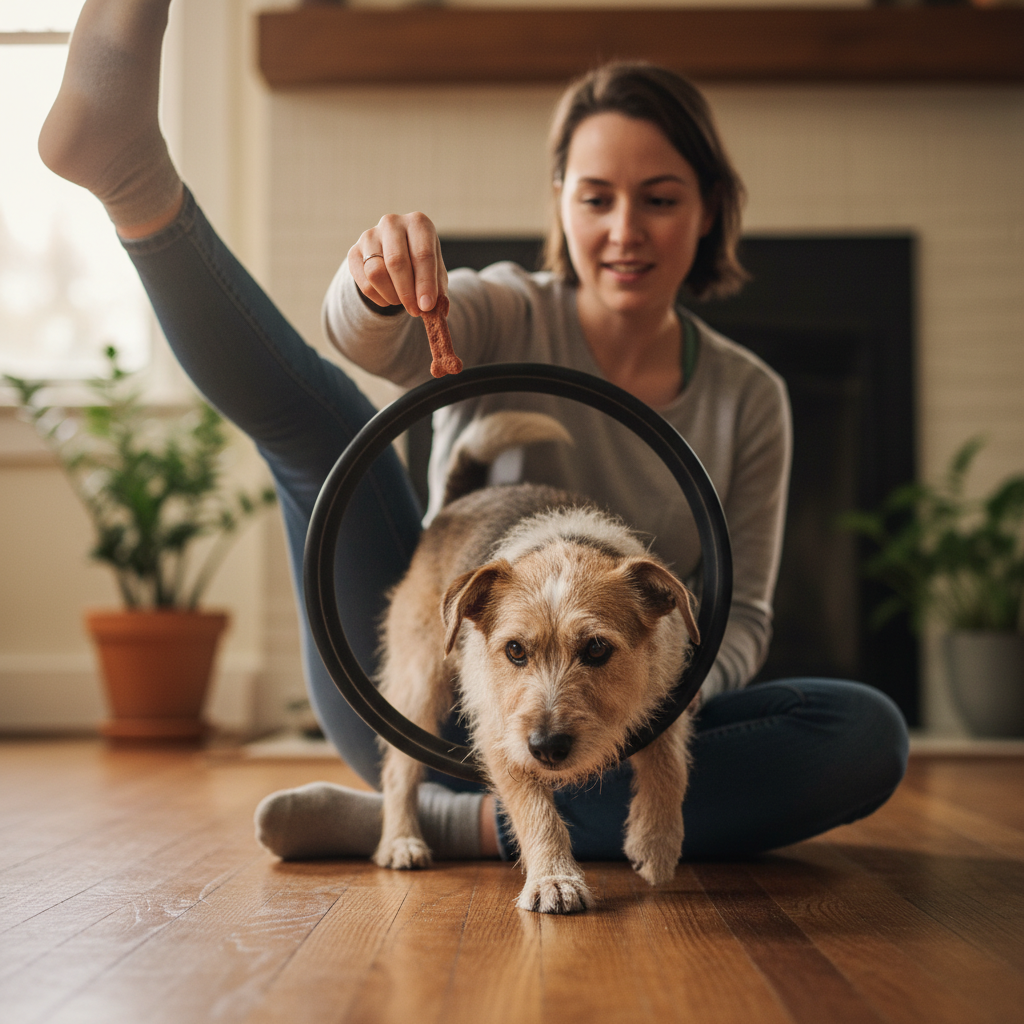
Start by sitting on the floor with one leg bent at the knee, creating a small tunnel or ‘hoop’ with your leg. The goal is to make the space so inviting and obvious that your dog naturally wants to go through it. Keep it low to the ground for now; we’re not asking for a jump yet, just a simple walk-through.
-
Step 2: Lure Your Dog Through
Grab a tasty treat and hold it in your hand. Let your dog sniff it so they know the good stuff is involved! Then, on one side of your leg ‘hoop,’ show them the treat. Slowly move your hand through the opening to the other side. Your dog’s nose should follow the treat, causing them to step through the space created by your leg. The very second they are on the other side, say your marker word (‘Yes!’) and give them the treat and lots of praise. Repeat this 5-10 times until they are moving through smoothly and confidently.
-
Step 3: Introduce the Verbal Cue
Once your dog is reliably following the lure through your leg, it’s time to add a name to the action. Just before you lure them through, say your chosen verbal cue. Pick something short and snappy. ‘Jump,’ ‘Over,’ or ‘Hup!’ are popular choices. So, the sequence is: Say ‘Jump!’, then lure them through, then ‘Yes!’ and treat. We’re building an association between the word and the action.
-
Step 4: Fade the Lure
This is where the real magic happens. Your dog is starting to understand the game, so we can begin to rely less on the treat lure. Start by making your hand motion through the hoop less obvious. Instead of a full lure, just motion with your empty hand (a hand signal) and reward them with a treat from your other hand after they go through. Gradually make the hand signal smaller and smaller until you can simply point at the opening, say your cue, and they go through on their own.
-
Step 5: Start Lifting Your Leg
Now that your dog understands the concept of going through the ‘hoop,’ you can slowly start to raise your leg off the ground. Slowly is the key word! Lift it just an inch or two at first. This turns the walk-through into a tiny step-over. As they succeed, praise them enthusiastically! Over several training sessions, you can gradually increase the height. The goal is a small, safe hop, not a high jump. Let your dog’s comfort and ability be your guide. If they hesitate or try to go around, you’ve likely raised it too high, too fast. Just lower it back to the last successful height and practice a few more times before trying again.
Remember: Keep training sessions short and sweet, around 5-10 minutes max. This keeps your dog engaged and prevents them from getting frustrated or bored. Always end on a successful repetition!
Troubleshooting Common Hurdles (and How to Clear Them!)
Even with the best plan, sometimes our canine students have their own ideas. Don’t worry, it’s all part of the process! Hitting a snag is normal. Here are some common issues you might encounter and how to work through them with a smile.
My dog just goes around my leg instead of through it.
This is probably the most common issue! It often means the path of least resistance is more appealing. To fix this, try practicing with your leg hoop positioned against a wall or a piece of furniture. This creates a physical barrier that blocks them from going around, making ‘through’ the only and most obvious option. Once they get the hang of it, you can move back to the middle of the room.
My dog seems scared or hesitant to go through.
Never force your dog to do something they’re uncomfortable with. Hesitation is a sign that we need to take a step back and build more confidence. Lower your leg so it’s flat on the floor again. Make it super easy. Reward them just for sniffing near the opening, then for putting one paw through, then two paws. Celebrate every tiny bit of progress with lots of praise and treats. We want them to associate the leg hoop with wonderful things!
My dog gets the treat and then loses interest.
This could be a sign that your training session has gone on a bit too long, or perhaps the treats aren’t exciting enough. Try cutting the session short and ending on a high note. Next time, try an even higher-value treat—something they’ll really work for. You can also increase the fun by getting really excited and playful after each success.
My dog tries to crawl under my leg instead of stepping over.
This is common when you start to raise your leg. It means your dog is still thinking ‘go through’ rather than ‘go over.’ To encourage the ‘over’ motion, try holding the treat a little higher on the other side of your leg. This will encourage them to lift their head and, consequently, their body, making a little hop more natural than a crawl.
Safety First! Keeping the Fun Injury-Free
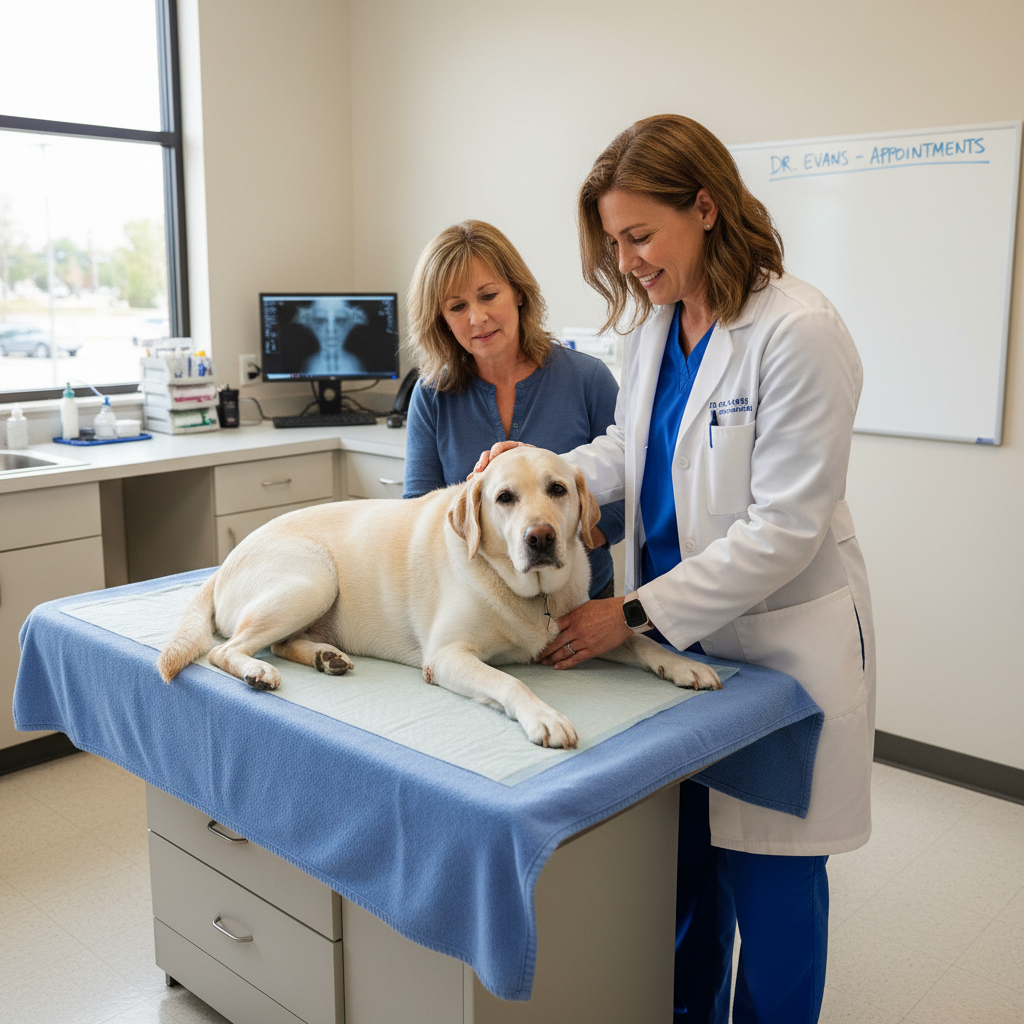
While the leg jump is a relatively low-impact trick, safety should always be our top priority. Our goal is fun and games, not a trip to the vet! Here are some crucial safety guidelines to keep in mind before and during your training.
Consider Your Dog’s Age and Health
Jumping activities are not suitable for all dogs. It’s especially important to be cautious with:
- Puppies: Very young puppies (generally under a year old, and even older for large breeds) have growth plates in their bones that are still developing. Repetitive jumping or high-impact activities can potentially cause damage. For puppies, keep the trick as a simple walk-through or a very low step-over on a soft surface.
- Senior Dogs: Older dogs may have arthritis or other joint issues that can make jumping painful. Always watch for signs of discomfort. If your senior pal isn’t into it, that’s okay! There are plenty of other ground-based tricks to learn.
- Breeds with Long Spines: Breeds like Dachshunds, Corgis, and Basset Hounds can be more prone to back injuries. It’s vital to keep the jump height very low to avoid putting stress on their spine.
- Overweight or Unfit Dogs: Carrying extra weight puts more strain on a dog’s joints. Focus on low-impact versions of the trick and consult your vet about a healthy weight loss plan.
Veterinarian’s Advice: When in doubt, always consult your veterinarian. They can advise you on what level of physical activity is safe and appropriate for your specific dog’s age, breed, and overall health condition.
Warm-Ups and Cool-Downs
Just like human athletes, dogs benefit from a little warm-up! Before you start your trick training, engage in a few minutes of light play, like a gentle game of tug or a few simple obedience cues (sit, down). This gets their muscles ready for action. After your session, a few minutes of calm petting or a gentle walk around the room can serve as a nice cool-down.
Choose the Right Surface
As mentioned earlier, avoid slippery floors. Carpet, rugs, or interlocking foam mats provide much better traction and a softer landing, reducing the risk of slips and joint impact.
Level Up! Advanced Variations for Your Trick Star
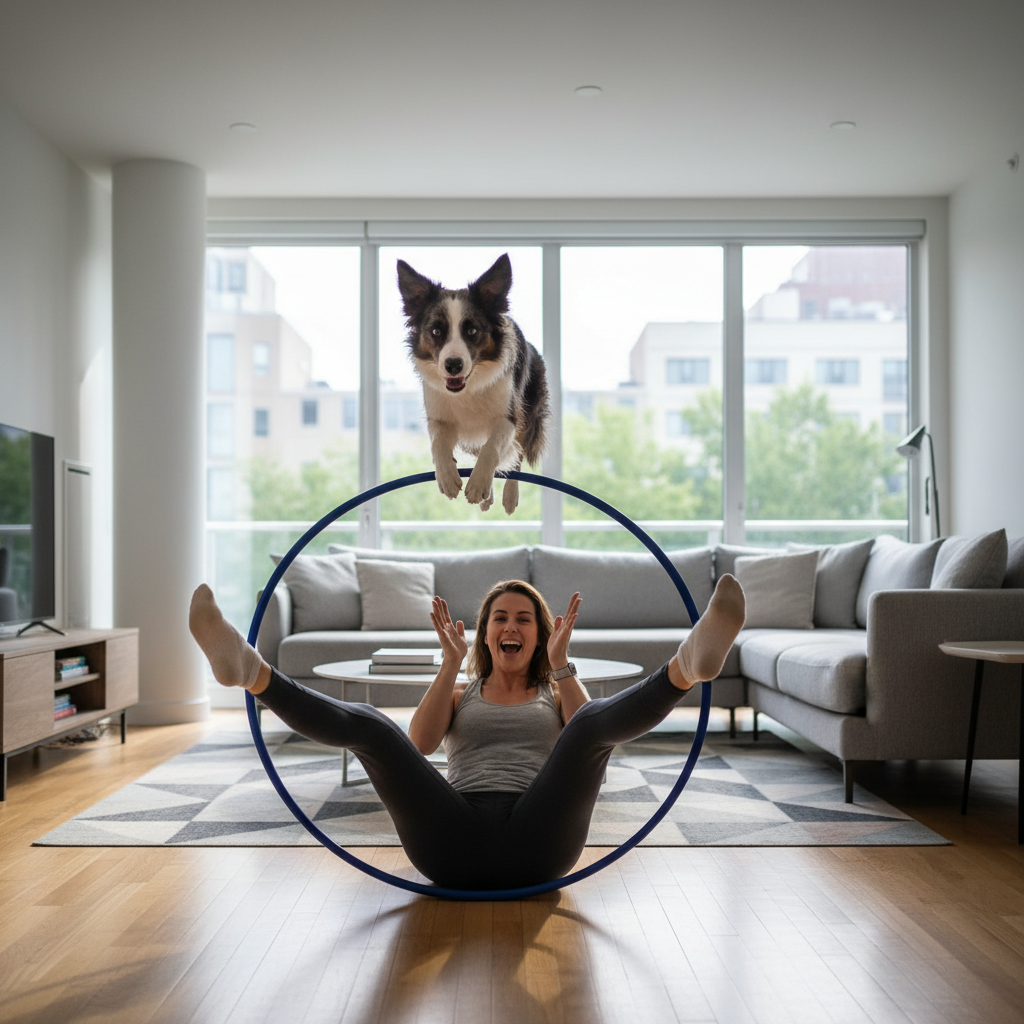
Has your dog mastered the basic leg jump and is looking at you for the next challenge? Awesome! Once the foundation is solid, you can add some fun variations to keep things interesting and further challenge your dog’s brain and body.
1. The Double Leg Jump
Once your dog can confidently jump over one leg, try creating a wider jump with both legs! Sit on the floor and form a circle or a long tunnel with both of your legs. Start by luring them through this new, wider space. Because it’s a new picture for them, you may need to go back a few steps and use a strong lure at first. This variation asks for a slightly broader, longer jump.
2. Jumping from Different Angles
So far, you’ve likely been practicing with your dog approaching the jump head-on. Now, try asking for the jump when they are sitting at your side. This requires them to think more about their body position and how to approach the jump from a different angle. You can use a hand signal to guide them around and over your leg.
3. Chaining Tricks Together
This is where you can get really creative! Turn the leg jump into part of a sequence. For example, you could ask your dog to ‘Spin,’ then ‘Jump’ over your leg, and then go to their ‘Place’ on a nearby mat. Chaining behaviors together is a fantastic mental workout and looks incredibly impressive!
Here’s a sample routine you could build:
| Step | Command | Action |
|---|---|---|
| 1 | Sit | Dog sits politely in front of you. |
| 2 | Spin | Dog performs a spin in a circle. |
| 3 | Jump! | Dog jumps over your outstretched leg. |
| 4 | Down | Dog lies down on the other side. |
4. The ‘Weave and Jump’
If you’ve also taught your dog to weave through your legs, you can combine the two. Ask them to weave through your legs as you walk, and then stop, present the leg jump, and have them pop over it as a grand finale. This is a great transition into more formal agility-style work.
Remember to introduce these new challenges slowly and with the same positive, step-by-step approach. The goal is always to set your dog up for success and keep the game fun for both of you!
Conclusion
And there you have it! You’re now fully equipped to transform any dreary, rainy day into an exciting training adventure. Teaching the leg jump is so much more than just a cool trick; it’s a language of fun and cooperation you build with your dog. It strengthens your communication, boosts your dog’s confidence, and provides much-needed mental stimulation when you’re cooped up indoors.
Remember to be patient, keep it positive, and celebrate every small success along the way. Every dog learns at a different pace, so enjoy the unique journey with your furry best friend. Before you know it, you’ll have a happy, tired-out pup and a fantastic new trick to show for your efforts. Now go have some fun!