We’ve all been there. It’s pouring rain, scorching hot, or you’re just swamped with work, but your four-legged friend is giving you those eyes—the ones that say, ‘Is it time for our walk yet?’ For high-energy breeds or any dog needing consistent exercise, missed walks can lead to boredom and unwanted behaviors. So, what’s a loving pet parent to do? Enter the dog treadmill!
It might sound a bit strange at first, but a treadmill can be an incredible tool for supplementing your dog’s exercise routine. It provides a fantastic physical and mental workout, all from the comfort and safety of your home. However, you can’t just pop your pup on and press ‘start.’ Proper training is crucial for making it a safe, positive, and enjoyable experience. This guide will walk you through every step, from picking the right machine to celebrating your dog’s first successful treadmill session. Let’s get moving!
Why Use a Treadmill? Benefits and Key Considerations
Is a Treadmill a Good Idea for Your Dog?
Before you start shopping, let’s talk about why a treadmill can be a game-changer and what you need to consider. It’s not a replacement for outdoor walks, which provide crucial sniffing opportunities and social exposure, but it’s an amazing supplement.
The Paw-sitive Perks:
- Weather-Proof Workouts: Rain, snow, or extreme heat won’t derail your dog’s exercise schedule. It ensures they get the physical activity they need, no matter what’s happening outside.
- Mental Stimulation: Learning to walk on a treadmill is a fantastic brain game for your dog. It requires focus and coordination, which can help burn mental energy and reduce boredom-related behaviors like chewing or barking.
- Controlled Environment: For dogs recovering from injury (with vet approval!), seniors, or those with specific health conditions, a treadmill offers a flat, predictable surface. You can precisely control the speed and incline to match their needs.
- Weight Management: Consistent, low-impact exercise is key for helping a dog maintain a healthy weight. A treadmill makes it easy to stick to a routine.
- Energy Outlet for Active Breeds: If you have a Border Collie, Australian Shepherd, or any high-drive breed, you know their energy reserves are boundless. A treadmill session can help take the edge off on days when a long run isn’t possible.
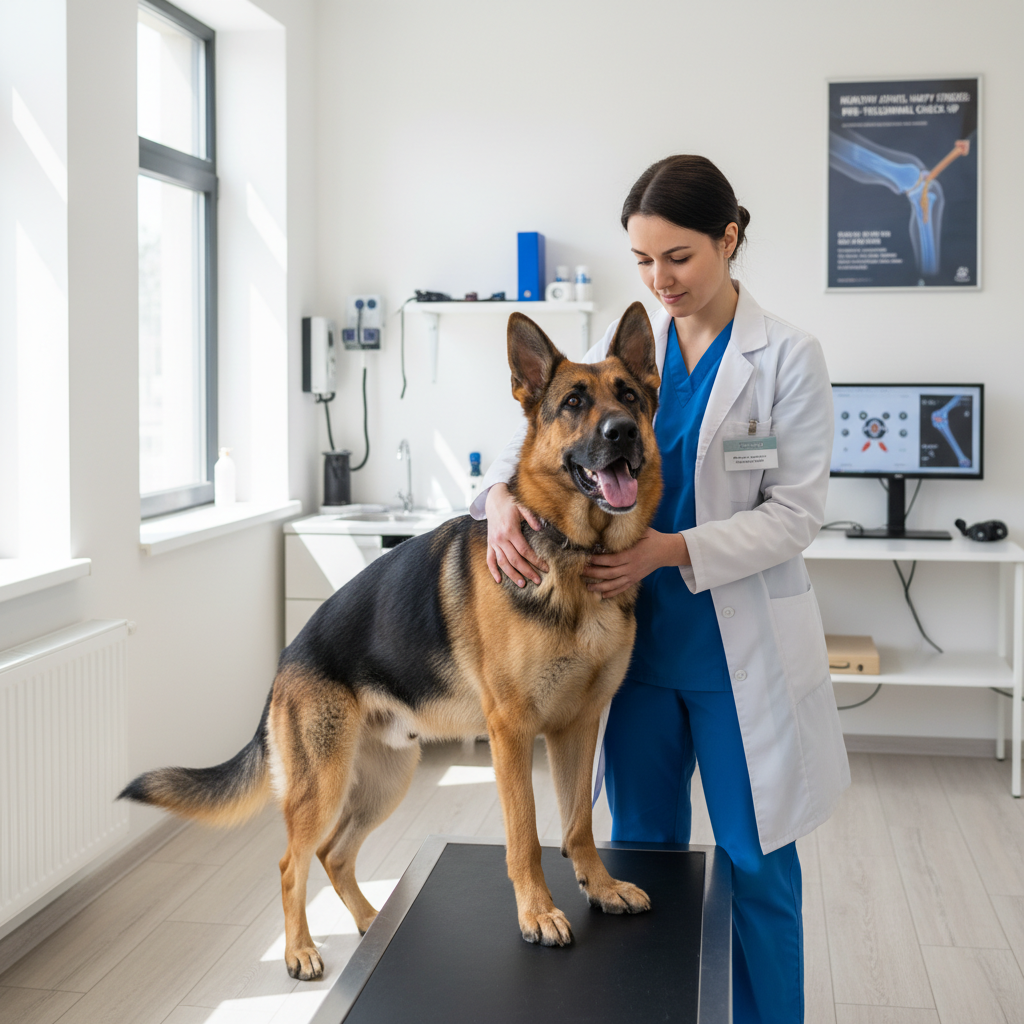
Expert Tip: Always consult your veterinarian before starting any new exercise regimen, including treadmill training. They can confirm your dog is physically sound and help you determine an appropriate exercise duration for their age, breed, and health status.
Gearing Up: Choosing the Right Treadmill & Safety Essentials
Human Treadmill vs. Dog-Specific Treadmill
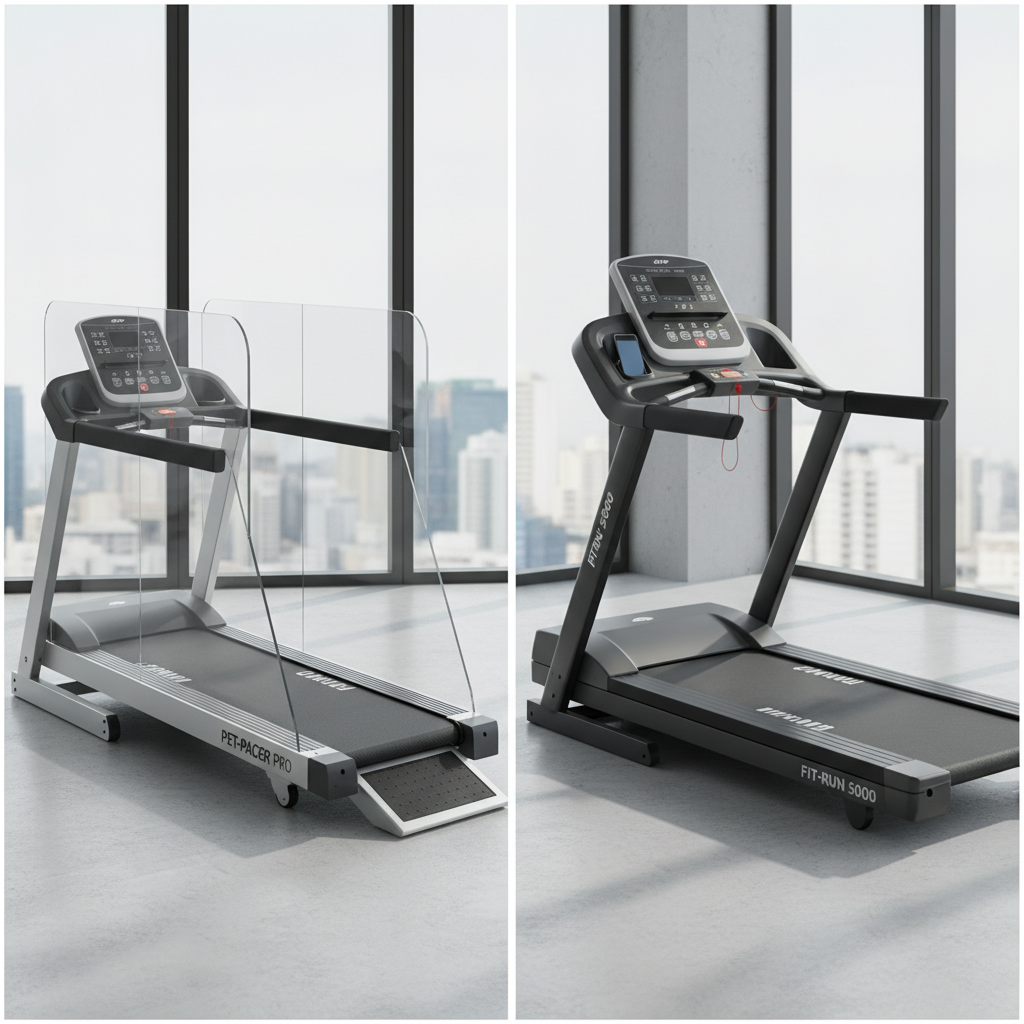
You might be tempted to use the treadmill already sitting in your basement, but it’s not always the best or safest option. Dog-specific treadmills are designed with canine safety and anatomy in mind.
Here’s a breakdown of the key differences:
| Feature | Dog-Specific Treadmill | Human Treadmill |
|---|---|---|
| Motor Location & Noise | The motor is typically housed to be quieter and is enclosed to prevent fur from getting caught. | Motors can be louder, which may frighten dogs. Vents and moving parts are often exposed. |
| Track Length | Longer track to accommodate a dog’s natural gait and stride. | Often too short, forcing a dog into an unnatural, shortened stride which can cause injury. |
| Side Rails | Often includes side panels or rails to help keep the dog focused and prevent them from stepping off. | Usually has only handrails, offering little guidance or protection for a four-legged user. |
| No Gaps | Designed without gaps between the belt and the frame where paws or claws could get trapped. | May have gaps at the front or back of the belt, posing a significant safety risk. |
| Control Panel | Simple, easy-to-use controls, often with a remote. Located away from the dog’s reach. | Complex console at the front, which a dog could accidentally step on or be distracted by. |
Must-Have Safety Features:
- Emergency Stop: Look for a safety key or clip that will immediately stop the machine if your dog stumbles or tries to jump off.
- Stable and Sturdy Build: The machine should not wobble or feel flimsy.
- Variable and Low-Speed Start: The ability to start at a very slow crawl (e.g., 0.5 mph) is essential for the training process.
- Clear On/Off Switch: Ensure you can quickly and easily shut down the machine in any situation.
While a dog-specific model is the gold standard, if you must use a human treadmill, ensure it has a long enough track for your dog’s stride and that you can supervise them 100% of the time.
Step-by-Step Guide: Introducing Your Dog to the Treadmill
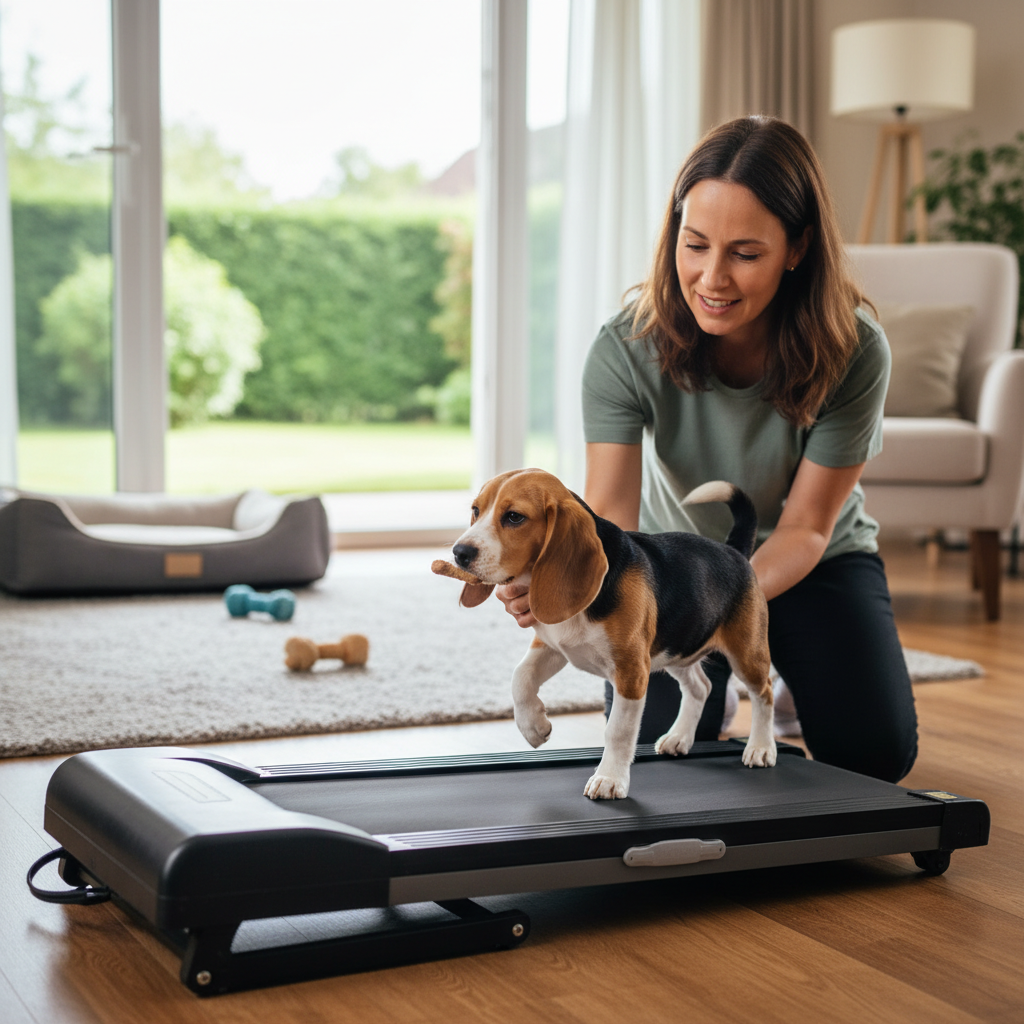
Patience and Positivity are Key!
This process is a marathon, not a sprint. The goal is to create a positive association with the treadmill. Never force your dog. Keep sessions short (1-5 minutes at first) and always end on a high note. You’ll need plenty of high-value treats—think small pieces of chicken, cheese, or their absolute favorite training snack.
- Step 1: The Introduction (Machine OFF). Place the treadmill in a quiet area of your home. Let your dog sniff and explore it at their own pace. Drop treats on and around the machine. Reward any curiosity. Do this for a few days until the treadmill is just another boring piece of furniture.
- Step 2: Getting On and Off (Machine OFF). Lure your dog to step onto the treadmill belt with a treat. The second their paws touch the belt, praise them enthusiastically and give them the treat. Lure them back off. Repeat this until they are happily hopping on and off for a reward.
- Step 3: The Sound (Machine STILL OFF… then ON). Stand with your dog near the treadmill. Turn it on to the lowest possible speed. Don’t ask them to get on yet. Just toss treats and praise them for staying calm while the machine is running. The goal is to associate the sound with good things. If they seem scared, move further away and work your way closer over several sessions.
- Step 4: The First Steps (The Big Moment!). With the treadmill set to its slowest speed, use a treat to lure your dog into position at the front of the belt. As they step on, the belt will move them backward. This is a weird sensation! Hold the treat right in front of their nose to encourage them to take a step forward to get it. Give them the treat after one or two successful steps. Keep this first walking session incredibly short—just 10-30 seconds.
- Step 5: Building Duration. Once your dog is comfortable taking a few steps, you can slowly increase the duration. Continue to lure with treats and offer verbal praise. Gradually phase out the constant luring, instead offering a treat every 15 seconds, then every 30 seconds, and so on.
- Step 6: Increasing Speed. Only after your dog can walk comfortably for several minutes should you consider a tiny increase in speed. Make micro-adjustments. The goal is a steady, natural walking pace, not a run.
- Step 7: The Cool Down. Always end each session with a cool-down. Slow the treadmill back to its lowest speed for the last minute, then turn it off and let your dog step off calmly. End with lots of praise and a jackpot treat!
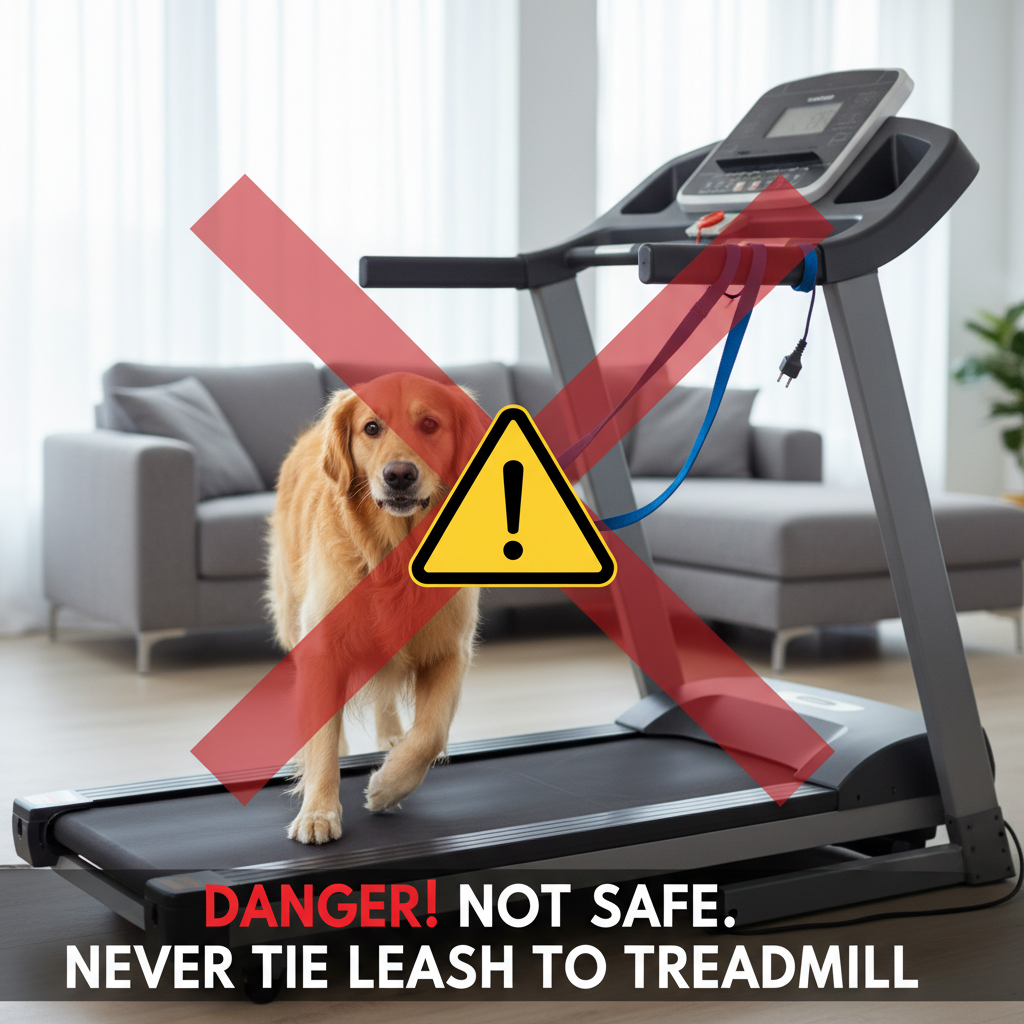
Safety First: Never, ever tie your dog’s leash to the treadmill. Hold the leash loosely or, preferably, use a harness for guidance and stand right next to them throughout the entire session. Your focused supervision is the most important safety tool.
Common Mistakes to Avoid for a Safe Experience
Don’t Let These Pitfalls Derail Your Progress
Even with the best intentions, it’s easy to make a few mistakes. Being aware of them from the start can save you a lot of time and ensure your dog’s safety and comfort.
- Going Too Fast, Too Soon: This is the most common mistake. Pushing for too much duration or speed before the dog is truly comfortable will create fear and anxiety. Let your dog set the pace of the training.
- Forcing Your Dog Onto the Machine: Dragging or pushing your dog onto the treadmill will guarantee they develop a negative association with it. All interactions must be voluntary and reward-based.
- Leaving Your Dog Unattended: This cannot be stressed enough. Never leave your dog alone on a treadmill, even for a second. Accidents can happen in an instant.
- Using a Leash Incorrectly: Never tie the leash to the machine. This is incredibly dangerous and can lead to serious injury or strangulation. Hold the leash lightly to guide them, but don’t use it for corrections.
- Forgetting the ‘Off’ Switch: Don’t let your dog jump on and off a moving treadmill. Teach them that they only get on and off when the machine is completely stopped.
- Skipping the Warm-Up and Cool-Down: Just like humans, dogs benefit from easing into and out of exercise. A minute at a slow pace at the beginning and end of each session is crucial.
- Overdoing It: A treadmill workout is more physically and mentally demanding than a regular walk. Start with just 5 minutes and slowly build up. A 15-20 minute session is plenty for most dogs.
By avoiding these common errors, you’re setting your dog up for a lifetime of safe and happy indoor walks.
Troubleshooting: What if My Dog is Hesitant or Scared?

Helping a Fearful Friend Find Their Footing
Is your dog giving the treadmill major side-eye? Don’t worry. It’s perfectly normal for a dog to be wary of a noisy, moving machine. The key is to go back to basics and build their confidence with patience.
For the Hesitant Hound:
- Go Back a Step: If your dog is scared of the movement, go back to just rewarding them for being on the treadmill while it’s off. If they’re scared of the sound, go back to rewarding them for being in the same room while it’s running. Don’t move forward until they are 100% comfortable.
- Change the Location: Sometimes the location is the problem. Try moving the treadmill to a more open, comfortable area of the house where they feel safe.
- Make it a Dinner Destination: Start feeding your dog their meals right next to the (turned off) treadmill. This builds a powerful positive association. Over time, you can place the bowl on the non-moving belt itself.
- Use a Target: Teach your dog to ‘touch’ a target (like a small mat or a yogurt lid) with their nose or paw. Place the target on the treadmill to encourage them to step on it voluntarily.
For the Anxious Pup:
If your dog shows signs of serious stress—like excessive panting, drooling, tucked tail, or trying to flee—stop the session immediately. The treadmill isn’t for every dog, and that’s okay. But for mild anxiety, you can try:
- Calming Pheromones: Use a calming diffuser or spray in the room about 30 minutes before your training session.
- Lead by Example: Walk on the treadmill yourself (if it’s a human one) while your dog watches from a safe distance. Toss them treats for observing calmly. Your relaxed demeanor can be very reassuring.
Remember the Golden Rule: The training session ends the moment your dog stops having fun. Your goal isn’t to get them to walk for 10 minutes today; it’s to make them want to try again tomorrow.
Conclusion
Congratulations! You now have all the tools you need to introduce your dog to treadmill walking safely and effectively. Remember that the three pillars of this training are patience, positivity, and safety. By taking it slow, showering your dog with praise and rewards, and always prioritizing their well-being, you can unlock a fantastic new way to keep them happy, healthy, and exercised, no matter the weather.
Treadmill walking can become a fun bonding activity that strengthens your relationship and provides your dog with the vital physical and mental enrichment they crave. So, clear some space, grab your tastiest treats, and get ready to take the first step on this exciting new journey together!