We all want what’s best for our furry family members, and proper hydration is at the top of the list for good health. But what do you do when your pup turns up their nose at their water bowl? Sometimes, the trick isn’t a new bowl, but a new, exciting source of water. Enter: the running tap!
Teaching your dog to drink from a faucet can be more than just a cute party trick. For many dogs, the novelty and fresh, flowing water can be a powerful incentive to drink more, especially on hot days or after a vigorous play session. It’s also a wonderful opportunity for enrichment and bonding. This guide will walk you through the entire process, using positive, fear-free methods to turn your tap into a fun and reliable hydration station. Let’s get started!
Before You Begin: Safety and Suitability
Is This Trick Right for Your Dog?
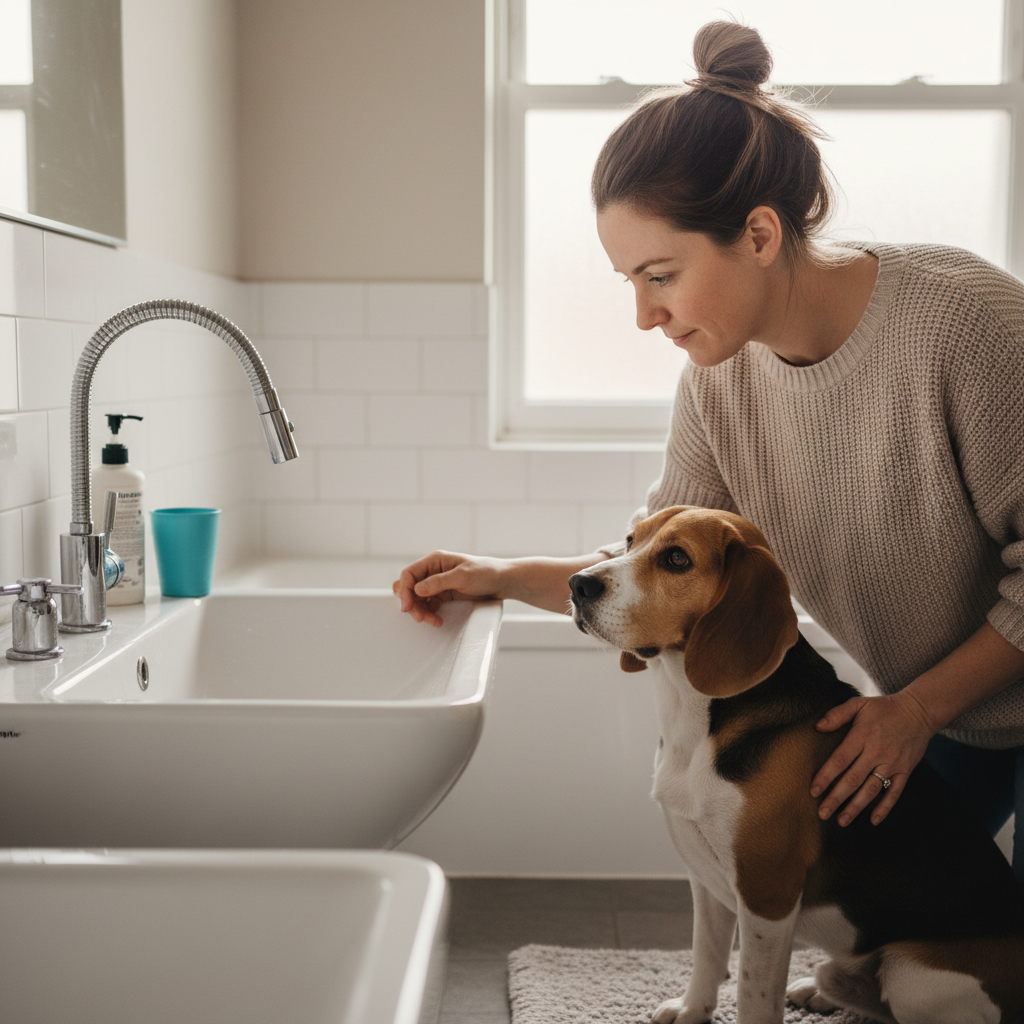
Before you turn on the water, let’s pause and consider if this is a good fit for your specific pup. While many dogs will love this game, it’s not for everyone. The goal is happy hydration, not creating new fears.
Consider Your Dog’s Personality:
Confident, curious dogs are often the best candidates. If your dog is generally timid, anxious, or has a known fear of water (like bath time battles), you’ll need to proceed with extreme caution and patience, or perhaps skip this particular trick in favor of other hydration methods. Never force a scared dog to approach the water.
Key Safety Checks:
- Water Temperature: Always use cold water. Hot water can scald your dog’s sensitive mouth and tongue. Run the tap for a moment to ensure it’s cool before inviting your dog over.
- Water Pressure: A gentle, steady stream is what you’re aiming for. A high-pressure blast can be frightening and could get in your dog’s nose, creating a negative experience.
- Supervision is a Must: This should always be a supervised activity. You don’t want your dog helping themselves whenever they please, which could lead to a mess or injury if they try to jump into the sink.
- A Supplement, Not a Replacement: Drinking from the tap should be an extra, fun way to get water. Your dog must always have access to a clean, full bowl of fresh water as their primary source of hydration.
Expert Tip: Place a non-slip mat in front of the sink or in the tub. Wet floors are slippery, and ensuring your dog has secure footing will boost their confidence significantly during training.
Setting Up for Success: Your Training Toolkit
Gathering Your Simple Supplies
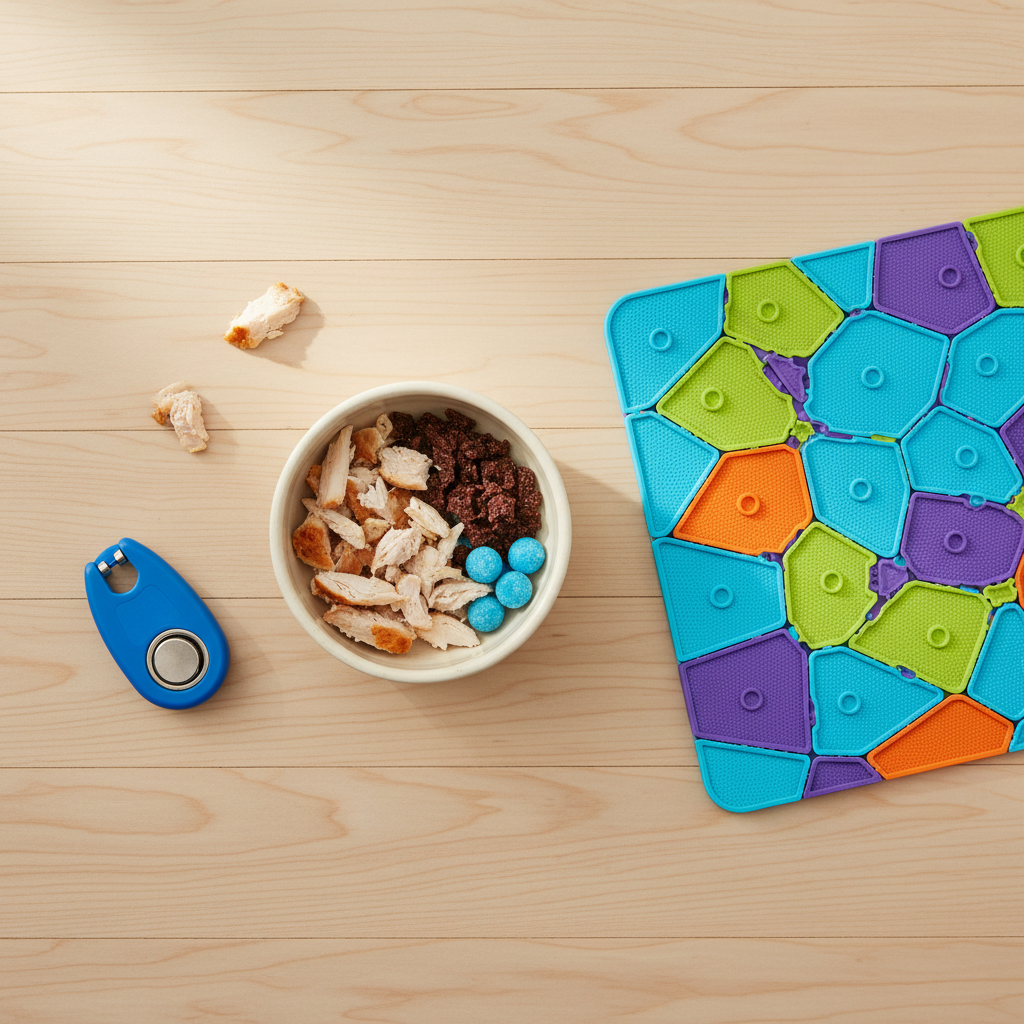
The beauty of this training exercise is that you don’t need a lot of fancy equipment. You probably have everything you need at home already. Setting up your tools beforehand will make the process smooth and enjoyable for both of you.
- High-Value Treats: This is the key to positive reinforcement! Forget the dry biscuits for this one. You’ll want something extra special that your dog absolutely loves. Think tiny pieces of cooked chicken, cheese, or a lickable treat like peanut butter (ensure it’s xylitol-free) or cream cheese.
- A Non-Slip Mat: As mentioned, safety and confidence are paramount. A bath mat or a yoga mat placed in front of the training area will prevent slips and make your dog feel more secure.
- A Clicker (Optional): If you and your dog are already familiar with clicker training, this is a fantastic tool for precisely marking the moments your dog shows the right behavior (like looking at the tap, or moving towards it). If not, a simple, happy verbal marker like “Yes!” works just as well.
- Patience and a Positive Attitude: This is your most important tool! Every dog learns at a different pace. Keep sessions short (5-10 minutes) and always end on a positive note. Your calm and encouraging energy will be contagious.
The Fun Part: Your Step-by-Step Guide to Tap Training
From Faucet-Phobic to Faucet-Fan
Ready to begin? Remember to go at your dog’s pace. If they seem stressed at any step, just go back to the previous one where they were successful and practice it a few more times before moving forward. Let’s break it down.
-
Step 1: Faucet Familiarization (Water Off)
The first step is simply getting your dog comfortable being in the training area (the bathroom or kitchen). Lure your dog near the sink or tub with a treat. Reward them for simply being there calmly. Let them sniff the faucet. Smear a tiny bit of peanut butter on the (dry, off) faucet and let them lick it off. Repeat this a few times until they happily approach the area.
-
Step 2: Introducing the Sound
Now, we introduce the sound. With your dog a few feet away, turn the tap on to the lowest possible trickle. Don’t draw attention to it. Casually toss treats on the floor away from the sink. This helps your dog associate the new, weird sound with good things (treats!). If they are comfortable, slowly start rewarding them for getting closer to the sink while the water is trickling.
-
Step 3: Luring Towards the Water
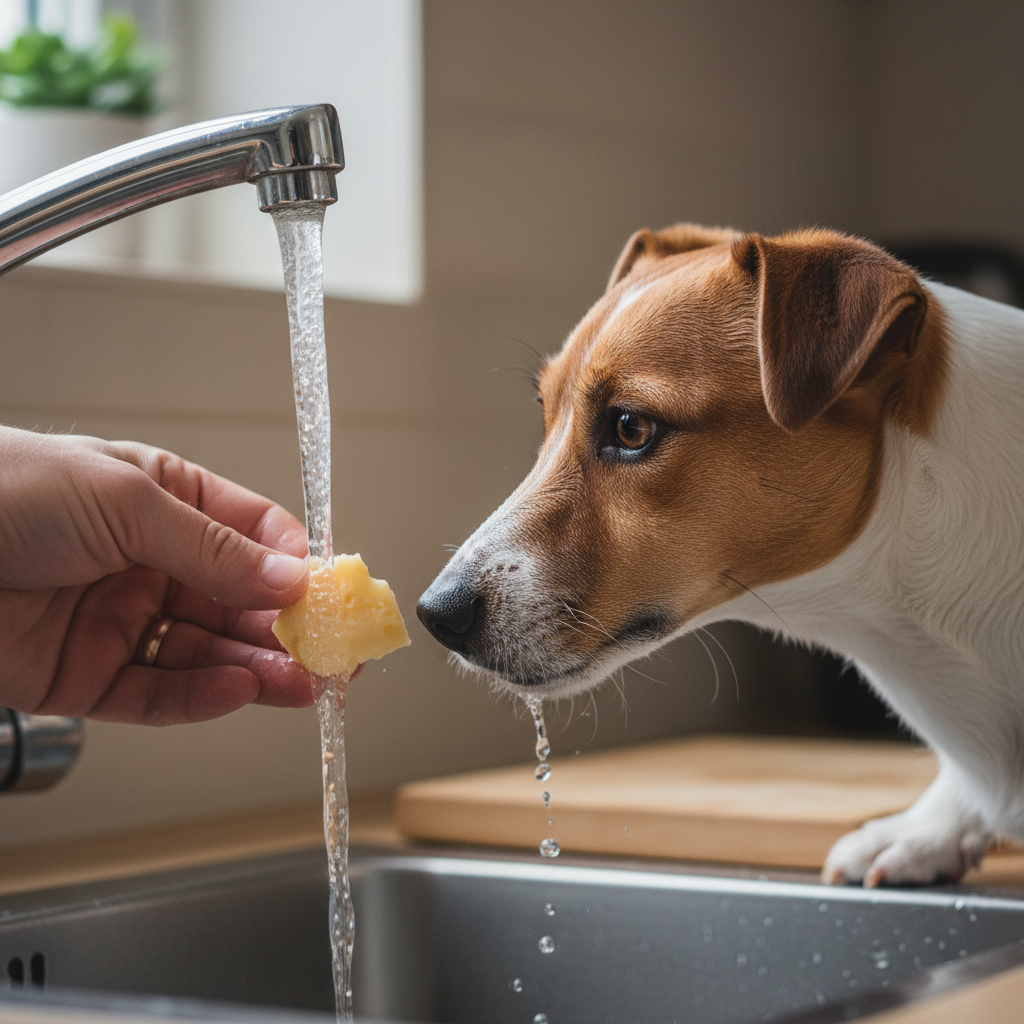
Turn the water on to a very gentle, thin stream. Hold a high-value treat right next to the stream of water. The goal is for your dog to get a little splash on their nose or tongue as they take the treat. Mark and reward any interaction with the water, no matter how small. Many dogs will be curious and lick the water off their nose, which is a huge win!
-
Step 4: Encouraging the Lick
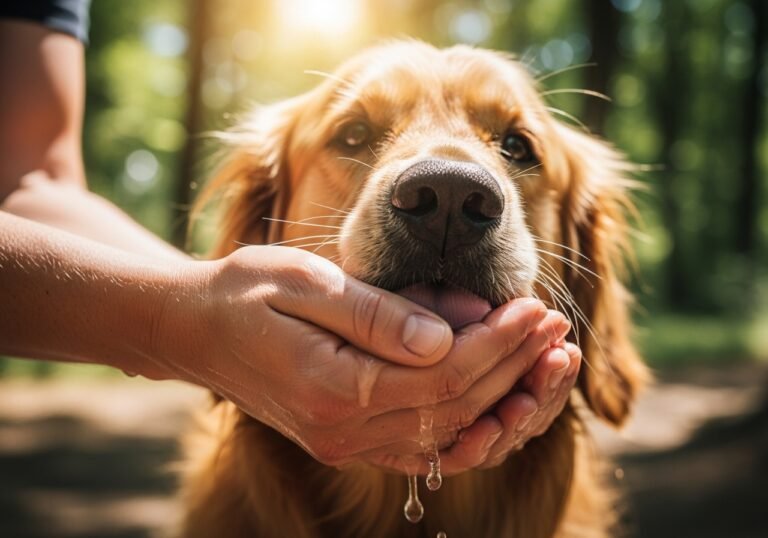
Once your dog is comfortable taking treats near the stream, it’s time to encourage them to lick the water directly. You can try dabbing a bit of peanut butter or cream cheese on your finger and holding it right under the stream, so they have to lick through the water to get the treat. Another method is to hold your cupped hand under the faucet to catch a little water and let them lick it from your hand first, gradually moving your hand closer to the stream itself.
-
Step 5: Fading the Lure
As your dog starts to understand the game and willingly licks the water, you can start to ‘fade the lure.’ This means you’ll stop using the food to guide them every time. Lure them to the water, and as they go to lick, say your verbal marker (“Yes!”) and give them a treat from your other hand. This teaches them that the action of drinking from the tap itself is what earns the reward.
-
Step 6: Adding a Cue (Optional)
Once your dog is reliably drinking from the stream when you lead them to it, you can add a verbal cue. Just as your dog is about to drink, say your chosen word, like “faucet,” “drink,” or “taps.” After a few repetitions, you can try saying the cue when you get to the sink and see if they offer the behavior. It’s a fun final step to formalize the new skill!
Hitting a Snag? Troubleshooting Common Challenges
Don’t Worry, We’ve All Been There!
Training is never a perfectly straight line. It’s totally normal to run into a few bumps along the way. Here are some common issues and how to navigate them with a cool head and a patient heart.
“My dog is terrified of the sound of the running water!”
This is very common! Sound sensitivity can be a big hurdle. Go all the way back to basics. Start by playing a very quiet recording of running water on your phone while you’re playing or giving treats in a different room. Gradually increase the volume over several days. When using the actual tap, start with the tiniest ‘drip…drip…drip’ you can manage before moving to a trickle.
“My dog just bites at the water and makes a huge mess.”
For some dogs, especially playful breeds, the moving water is a toy! To encourage gentle lapping instead of biting, lower the water pressure significantly. A slow, boring drip is less exciting to pounce on than a gushing stream. Heavily reward any calm, gentle licking, and ignore the chaotic biting (simply turn the water off and walk away for a minute if they get too wild).
“My dog will lick peanut butter off the faucet, but not the water itself.”
This means the connection isn’t quite there yet. Try using a ‘tastier’ water. You can dip your finger in low-sodium chicken broth and hold it in the water stream. This flavors the water and can be the breakthrough you need. You can also try catching the water in your hand first; sometimes drinking from a trusted person’s hand is a less intimidating step.
Remember the Golden Rule: Keep training sessions short and sweet. Pushing a frustrated or tired dog will only work against you. It’s always better to end a 3-minute successful session on a high note than to struggle through a 15-minute frustrating one.
Beyond the Tap: More Creative Hydration Hacks
When the Tap Isn’t the Trick: More Ways to Boost Hydration
So, you’ve tried tap training, and it’s just not clicking with your dog. That is perfectly okay! The ultimate goal is a well-hydrated dog, and there are plenty of other fantastic ways to encourage drinking.
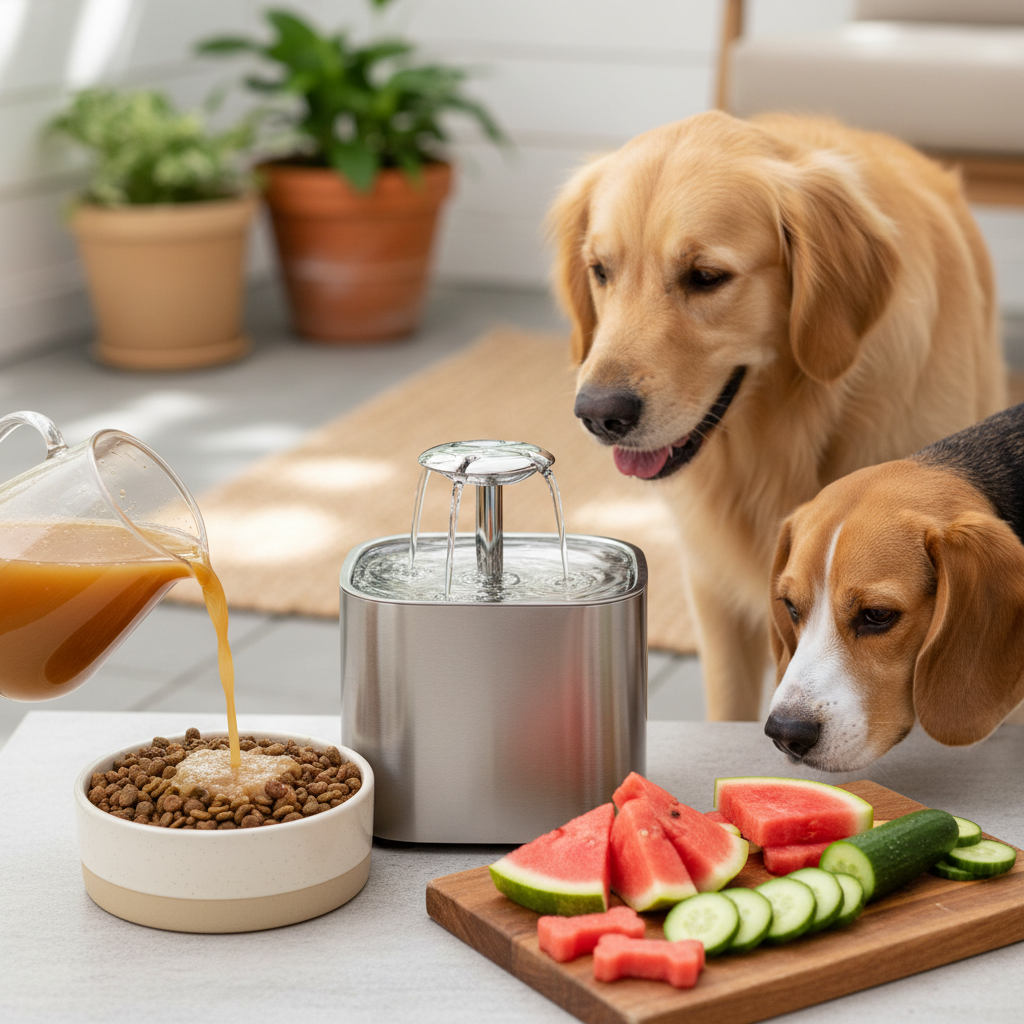
- Pet Water Fountains: Many cats and dogs are drawn to moving water. A pet water fountain constantly circulates and filters water, keeping it fresh, cool, and appealing. It’s a great hands-off solution.
- Flavoring Their Water: Add a splash of low-sodium chicken or beef broth, or the water from a can of tuna (packed in water, not oil), to their regular water bowl. The enticing smell can be irresistible.
- ‘Wet’ Your Dog’s Food: If your dog eats dry kibble, simply adding a bit of warm water or broth can significantly increase their daily water intake without them even noticing.
- Offer Hydrating Snacks: Many fruits and vegetables are packed with water and are safe for dogs. Offer small pieces of cucumber, celery, or watermelon (seedless) as a refreshing and hydrating treat.
- Make ‘Pupsicles’: Freeze low-sodium bone broth in an ice cube tray. On a hot day, a pupsicle is a delicious, cooling, and hydrating treat that also provides enrichment.
Let’s see how these options stack up:
| Hydration Method | Pros | Cons |
|---|---|---|
| Standard Water Bowl | Simple, inexpensive, always available. | Water can get stagnant, boring for some dogs. |
| Tap Drinking | Fun, engaging, fresh water on demand. | Requires supervision, can be messy, not suitable for all dogs. |
| Pet Water Fountain | Encourages drinking with moving water, often filtered. | Requires electricity, cleaning, and filter changes. |
| Adding Broth/Water to Food | Easy way to add significant moisture, enhances flavor. | Can make kibble soggy if left out, requires extra prep. |
Conclusion
Whether your dog is now a tap-drinking professional or you’ve discovered they’re a huge fan of ‘pupsicles,’ the journey to better hydration is a win. Teaching a new skill like this is about so much more than the final result; it’s about communication, patience, and strengthening the incredible bond you share. You’ve provided your dog with fun mental enrichment and learned more about their unique personality along the way.
So keep the water flowing—in whatever way works best for your best friend. A happy, hydrated dog is a healthy dog, and you’re doing a fantastic job of making sure of it. Cheers to you and your clever canine!