Congratulations on your growing family! It’s such an exciting time, and it’s only natural to want to include every member of your family in the celebration—including the furry ones. The trend of having a dog pop a gender reveal balloon is undeniably adorable, creating a picture-perfect moment you’ll cherish forever. But before you rush out to buy the biggest balloon you can find, it’s crucial to pause and consider your dog’s safety and comfort.
A popping balloon can be startling, and the leftover pieces can be a choking hazard. That’s why this isn’t just a trick; it’s a training process that requires patience, positive reinforcement, and a deep understanding of your dog’s personality. In this guide, we’ll break down everything you need to know, from assessing if this is the right activity for your pup to a detailed, step-by-step training plan. Let’s make sure your big reveal is a happy, safe, and memorable moment for everyone involved!
Safety First: Is This Trick Right for Your Dog?
Before we even get to the ‘how,’ we need to tackle the ‘if.’ Not every dog is a good candidate for this particular trick, and forcing it can lead to fear, anxiety, and potential accidents. Your dog’s well-being is always the top priority. Ask yourself these questions honestly before you begin training:
Does my dog have a history of noise anxiety?
If your pup hides during thunderstorms, trembles at fireworks, or startles easily at loud, sudden noises, the ‘pop’ of a balloon is likely to be terrifying for them. For these dogs, forcing them to be the source of the scary noise can create a lasting negative association and is not recommended. Consider a quieter alternative, like having them wear a decorated bandana or posing with a sign.
Is my dog prone to eating non-food items?
Some dogs, especially puppies, explore the world with their mouths. If your dog is a notorious ‘hoover’ who tries to eat everything off the floor, the shredded pieces of a latex balloon and confetti present a serious choking and intestinal blockage risk. While cleanup is essential for any dog, it’s a much higher risk for those who are known to ingest foreign objects.
How does my dog react to new objects?
Is your dog generally curious and confident, or are they suspicious and fearful of new things in their environment? A giant, wobbly balloon can be an intimidating object. A confident dog might see it as a fun new toy, while an anxious one might see it as a threat.
Expert Tip: Never, ever force your dog to interact with the balloon. The entire process should be voluntary and positive. If at any point your dog shows signs of stress (tucking their tail, whale eye, lip licking, backing away), stop the session immediately and give them a break.
Ultimately, you know your dog best. If you have any doubts about their ability to handle this activity calmly and safely, it’s always better to choose a different, less stressful way to include them in your celebration. There are plenty of other adorable options that don’t involve loud noises and potential hazards.
Gathering Your Supplies: What You’ll Need for Success
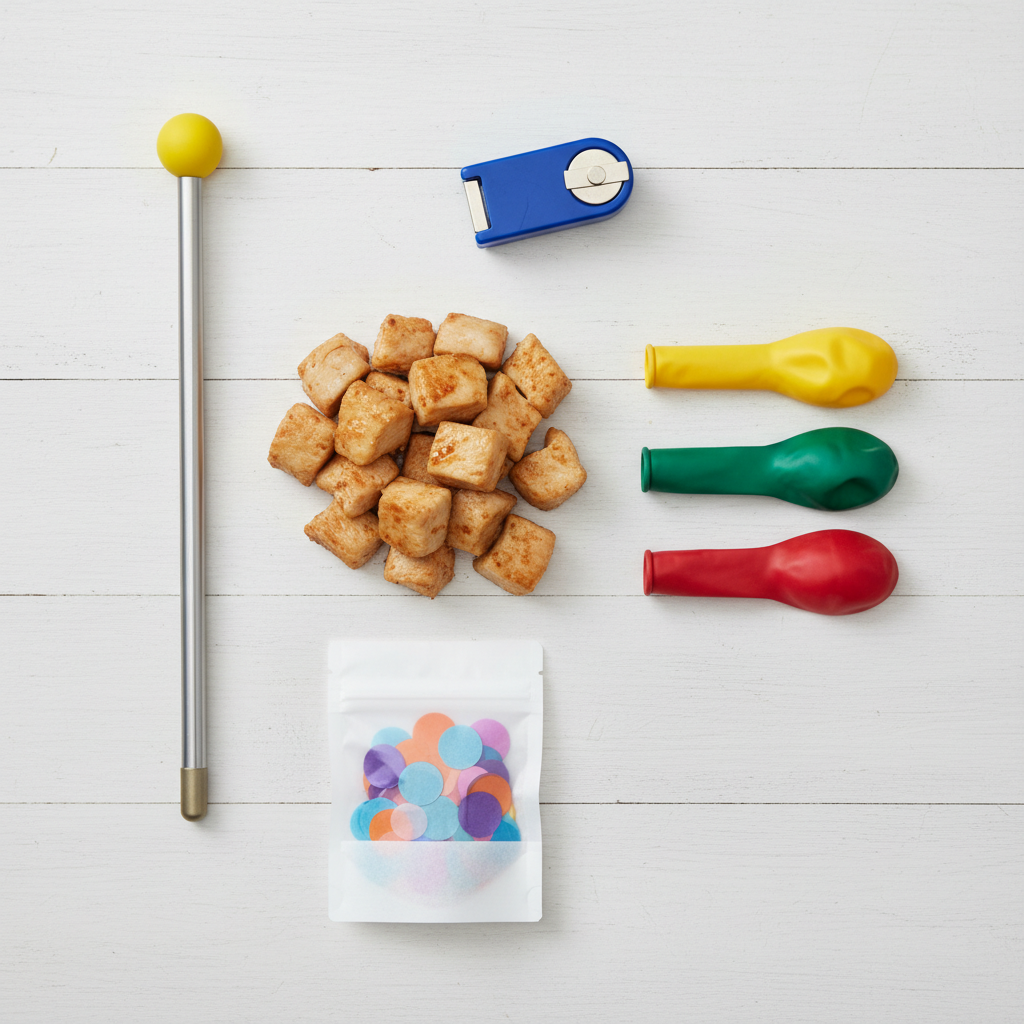
Once you’ve decided your dog is a good candidate, it’s time to gather your training toolkit. Having everything ready beforehand will make your sessions smoother and more effective. You don’t need a lot of fancy equipment, just a few key items.
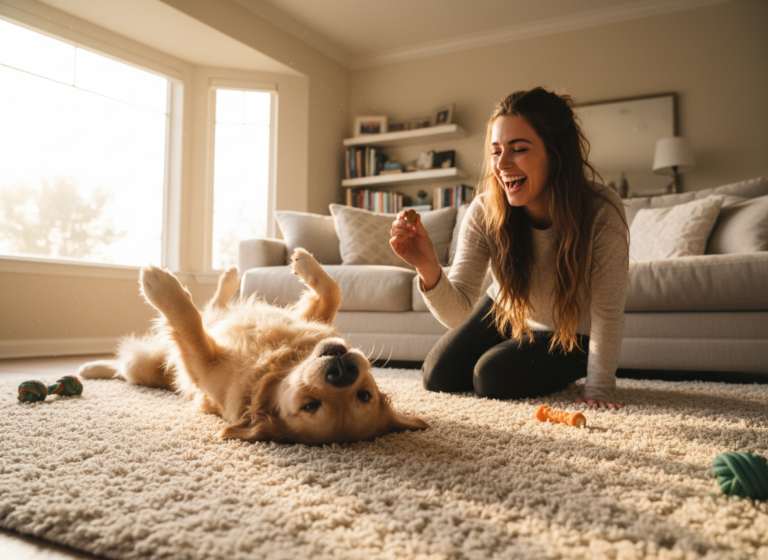
- High-Value Treats: We’re not talking about their everyday kibble. You need the good stuff! Think small pieces of cooked chicken, cheese, hot dogs, or their absolute favorite store-bought training treats. The reward needs to be exciting enough to make learning this new skill worthwhile.
- Clicker (Optional): If your dog is already clicker-trained, a clicker is a fantastic tool for precisely marking the moment they perform the correct action. If not, a consistent verbal marker like a happy “Yes!” works just as well.
- Balloons: Start with standard, 12-inch party balloons for training. You’ll want several. For the final reveal, opt for a high-quality, thicker ‘gender reveal’ balloon, as it will be more durable and less likely to pop prematurely.
- Dog-Safe Confetti or Powder: This is critical. Ensure that the filling for your reveal balloon is non-toxic. Some companies offer cornstarch-based powders or larger paper confetti pieces that are safer and easier to clean up than fine plastic glitter. Never use anything that could be harmful if ingested.
- A Target Stick (Optional but Recommended): A simple target stick (or even a wooden spoon) can be incredibly helpful for teaching your dog to target a specific spot with their paw, which is the foundation of this trick.
- A Quiet Training Space: Choose a familiar, comfortable area of your home with minimal distractions. A living room or a quiet backyard is perfect. Avoid busy areas where other people or pets might interrupt your session.
The Step-by-Step Training Plan: From Paw to Pop!
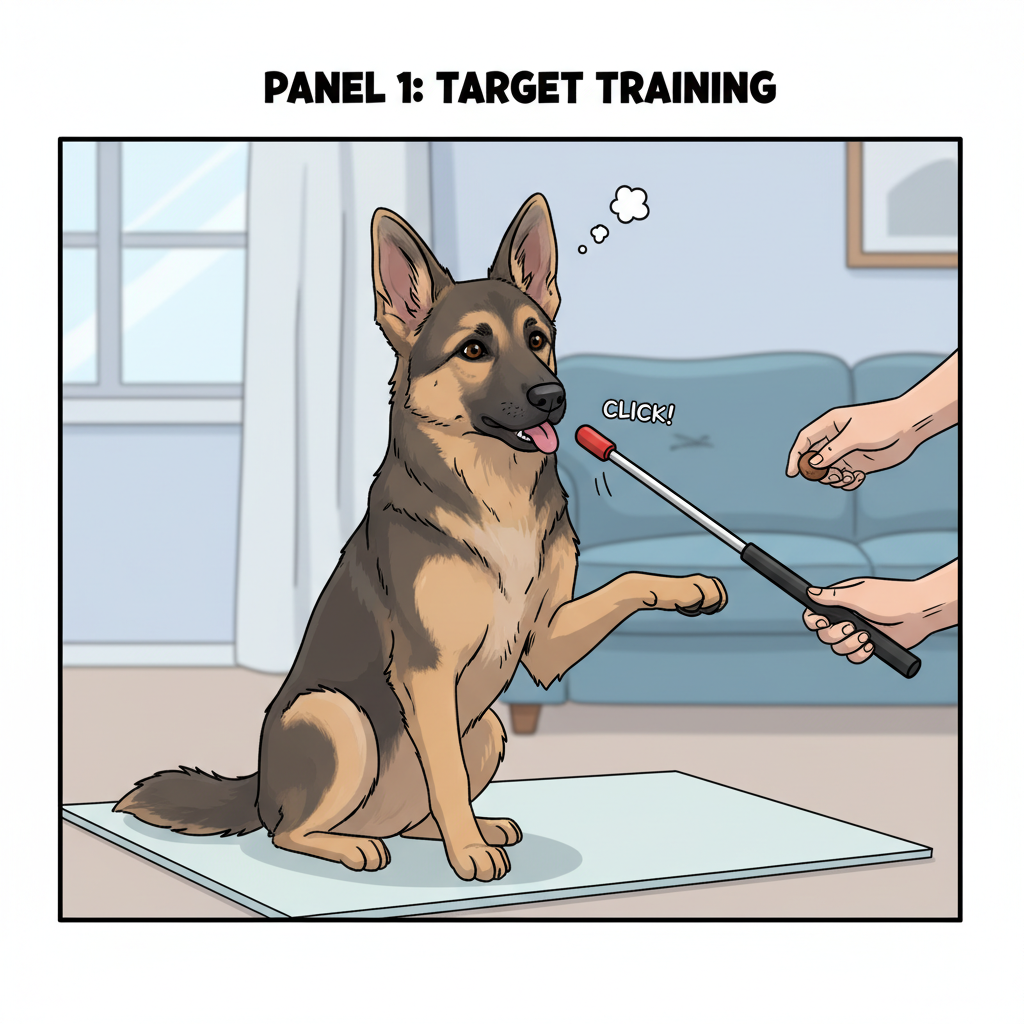
Patience is your best friend here. This process could take a few days or a few weeks, depending on your dog. Keep sessions short (5-10 minutes at a time) and always end on a positive note. Let’s break it down into manageable steps.
-
Step 1: Introduce the Balloon (No Popping!)
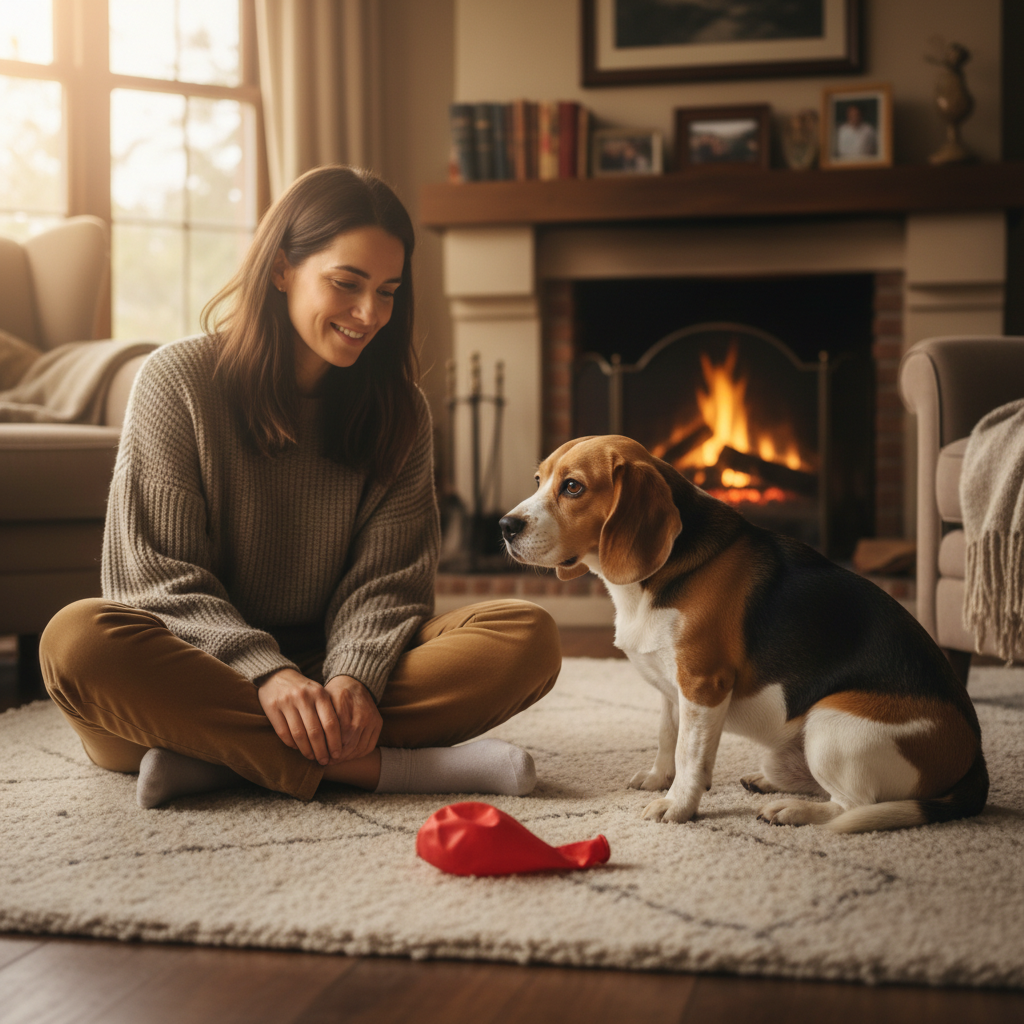
The first goal is to create a positive association with the balloon. Start with an uninflated balloon. Place it on the floor. When your dog approaches it, sniffs it, or shows any calm curiosity, say “Yes!” (or click) and give them a treat. Don’t force them near it. Let them choose to investigate. Once they are comfortable, inflate the balloon just a tiny bit. Repeat the process of rewarding calm behavior around the slightly inflated, wobbly object.
-
Step 2: Teach a ‘Paw’ Target
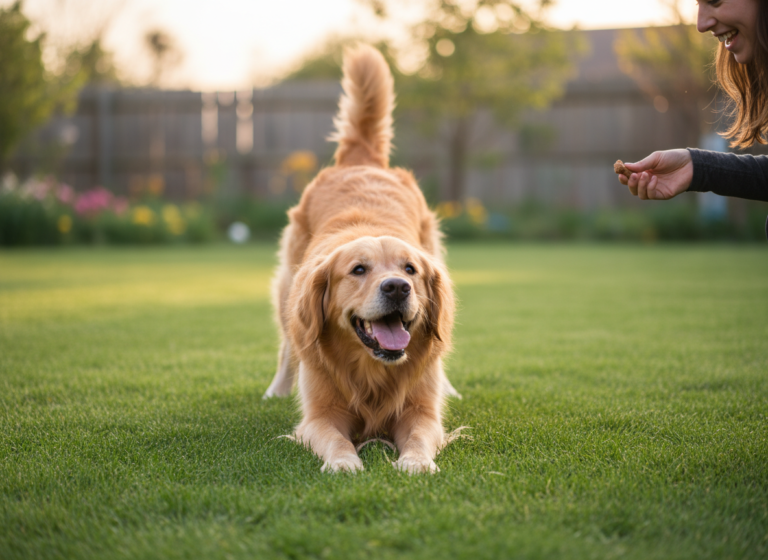
This is the core mechanic of the trick. If your dog doesn’t already know a ‘paw’ or ‘shake’ command, now is the time to teach it. A great way to do this is with a target. Hold out your hand or a target stick low to the ground. The moment your dog’s paw touches it (even by accident at first), mark the behavior and reward them enthusiastically. Practice this until your dog is confidently booping the target with their paw on cue.
-
Step 3: Combine ‘Paw’ and Balloon
Now, we merge the two skills. Place a partially inflated, stable balloon on the floor (you might need to hold it steady at first). Give your ‘paw’ cue, positioning the balloon where your hand or target stick would normally be. The instant their paw touches the balloon, have a party! Give them lots of praise and a super high-value treat. They need to learn that touching this weird object with their paw is a fantastic thing to do.
-
Step 4: Build Confidence and Pressure
Gradually inflate the balloon more and more with each session. Continue rewarding your dog for touching it with their paw. As they get more confident, they will likely start to apply more pressure naturally. You can encourage a slightly firmer touch by briefly withholding the reward until the touch is a little more deliberate. Some dogs will get excited and use their claws—this is what we want! When they finally apply enough pressure to pop a practice balloon, it’s jackpot time! Shower them with treats and praise. The pop should be the predictor of an amazing reward, not a scary event.
Important Note: The first time the balloon pops, it will likely startle your dog. Be ready with immediate, over-the-top praise and treats to counteract the shock and turn it into a positive, exciting event. Your reaction is key to shaping their perception.
-
Step 5: The Dress Rehearsal
Before the big day, do a full dress rehearsal. Use a regular balloon (not the final gender reveal one) and fill it with a few of their favorite treats. Go to the spot where you plan to do the reveal. Give the cue and let them pop it. The explosion of treats will create a powerful positive reinforcement for the pop itself. This helps solidify that popping the balloon is a fun game.
Troubleshooting Common Training Hurdles
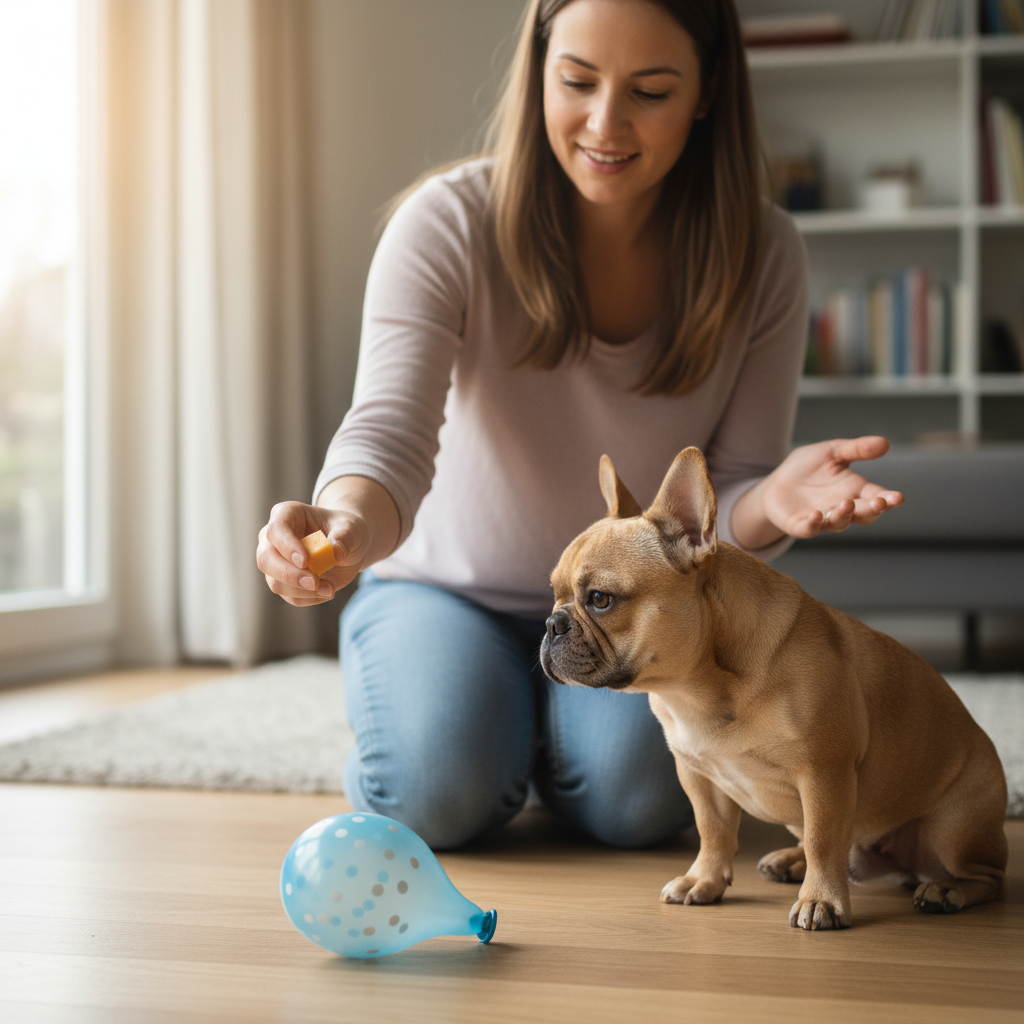
Training is never a straight line; there will be bumps along the way. Here’s how to handle some common issues you might encounter.
What if my dog is scared of the balloon?
This is a very common reaction. If your dog is showing fear, you’ve moved too fast. Go all the way back to Step 1. Spend more time just rewarding them for being in the same room as a completely deflated balloon. Then, reward for sniffing it. Only inflate it a tiny amount, the size of your fist, and reward them for just looking at it. This process of desensitization and counter-conditioning can’t be rushed. The goal is for the balloon to predict amazing treats, not fear.
What if my dog tries to bite or chew the balloon?
This is a major safety concern. Immediately interrupt this behavior with a firm ‘No’ or ‘Leave it’ and redirect their attention. This trick must be for paws only. If your dog is persistent in trying to bite it, work on a solid ‘leave it’ command completely separate from your balloon training. Reward them heavily for choosing to use their paw instead of their mouth. Never leave your dog unattended with a balloon, even for a second.
What if my dog just isn’t getting it?
First, check your rewards. Are they exciting enough? Second, shorten your sessions. A tired or bored dog won’t learn effectively. End each session on a success, even if it’s just a simple paw touch on the balloon without a pop. It’s also possible that the multi-step process is confusing. Go back to the last step where they were successful and practice it a few more times before trying to move forward again. Every dog learns at a different pace!
The Big Day: A Checklist for a Perfect (and Safe) Reveal
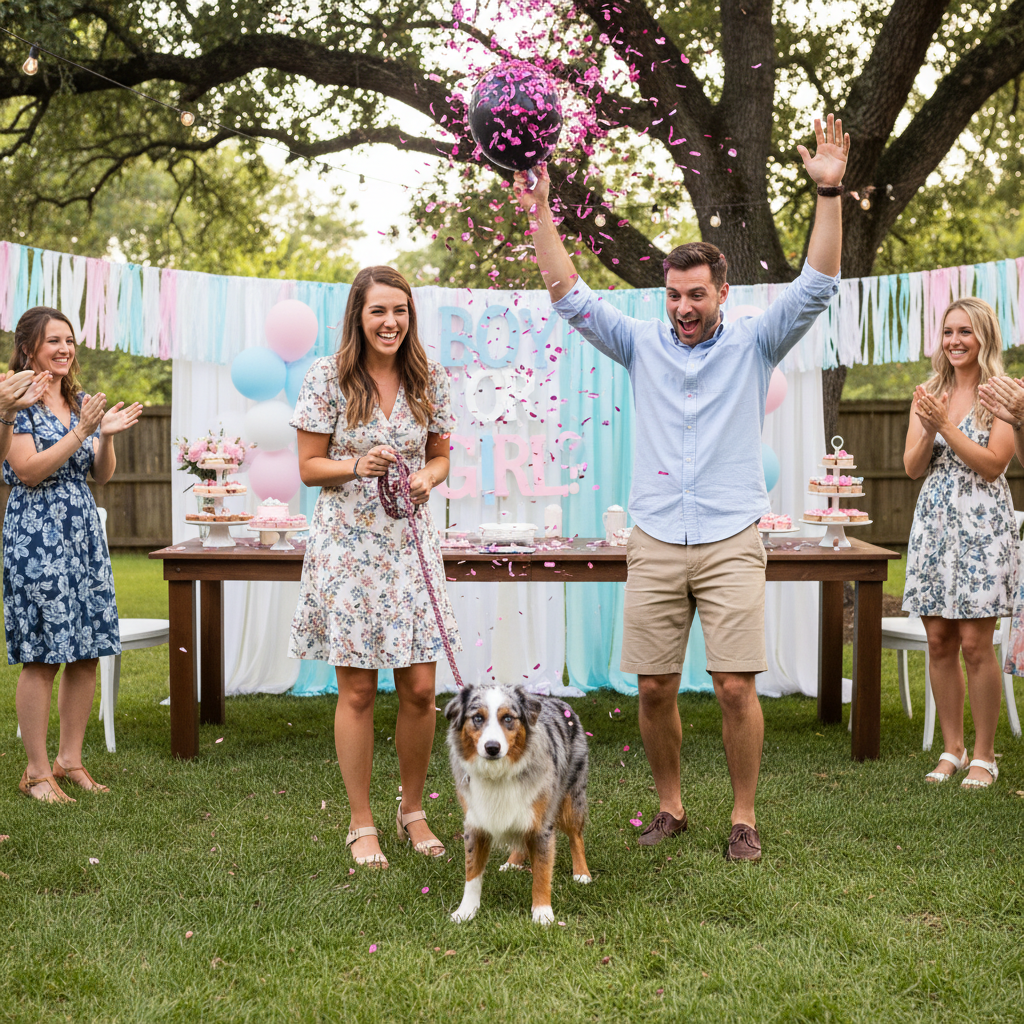
The training is done, and it’s time for the main event! A little bit of planning will ensure the moment goes off without a hitch and remains a safe and happy experience for your pup.
| Task | Why It’s Important |
|---|---|
| Do a Quick Warm-Up | Run through the ‘paw’ command on the balloon one or two times in a quiet spot before your guests arrive. This reminds your dog of their job. |
| Clear the Area | Make sure the immediate area around the balloon is free of any hazards your dog could run into. Also, ensure guests give you and your dog plenty of space. |
| Keep Your Dog on a Leash | Even the best-trained dog can get overwhelmed by excitement or a crowd. A leash ensures you have full control and can guide them away if they get stressed. |
| Assign a ‘Dog Handler’ | Your attention will be on the reveal and your guests. Assign one responsible person (who the dog knows and trusts) to be in charge of the dog’s leash and well-being. |
| Prepare for Immediate Cleanup | The moment the balloon pops, the handler’s job is to lead the dog away from the debris while another person immediately cleans up ALL balloon fragments and confetti. This prevents any accidental ingestion. |
| Manage the Crowd | Ask your guests not to cheer loudly or rush towards your dog the second the balloon pops. The pop itself is a lot of stimulation; a crowd rushing in can be overwhelming and frightening. |
| Have an Exit Strategy | After their big moment, let your dog retreat to a quiet room with a favorite toy or a chew to relax, away from the noise and commotion of the party. They’ve earned it! |
Conclusion
Including your dog in your gender reveal can be an incredibly heartwarming and memorable experience. By prioritizing their safety, respecting their personality, and dedicating time to patient, positive training, you’re not just teaching a cute trick—you’re strengthening the bond you share. You’re proving that they are truly part of the family, and their comfort matters just as much as that perfect photo.
Remember to go at your dog’s pace, celebrate the small victories, and never be afraid to switch to a different plan if your pup isn’t enjoying the process. Whatever you choose, your celebration will be special because you’re starting the next chapter of your life with your best friend by your side. Congratulations, and happy training!