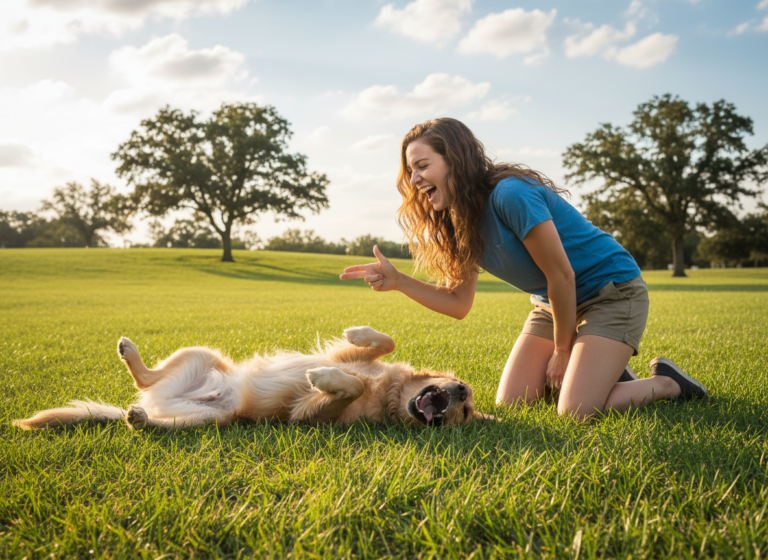
There’s nothing quite like a hug from a beloved dog. It’s a moment of pure connection, a physical sign of the incredible bond you share. When that dog is a gentle giant—a Great Dane, a Mastiff, or a fluffy Newfoundland—that hug can feel like being wrapped in the world’s best blanket. But let’s be honest, a hug from a 150-pound dog can also be a bit… overwhelming if not done right! That’s why teaching a gentle hug is so important.
This isn’t just about teaching a cute party trick. It’s about teaching a behavior built on trust, communication, and mutual respect. It’s about ensuring your big buddy understands how to show affection in a way that is safe for everyone, including themselves. In this guide, we’ll break down the process step-by-step, using positive, fun techniques that will strengthen your relationship while you learn. Get ready to transform your bond and master the art of the perfect, gentle doggy hug!
Before You Begin: The Hugging Ground Rules
Before You Begin: The Hugging Ground Rules
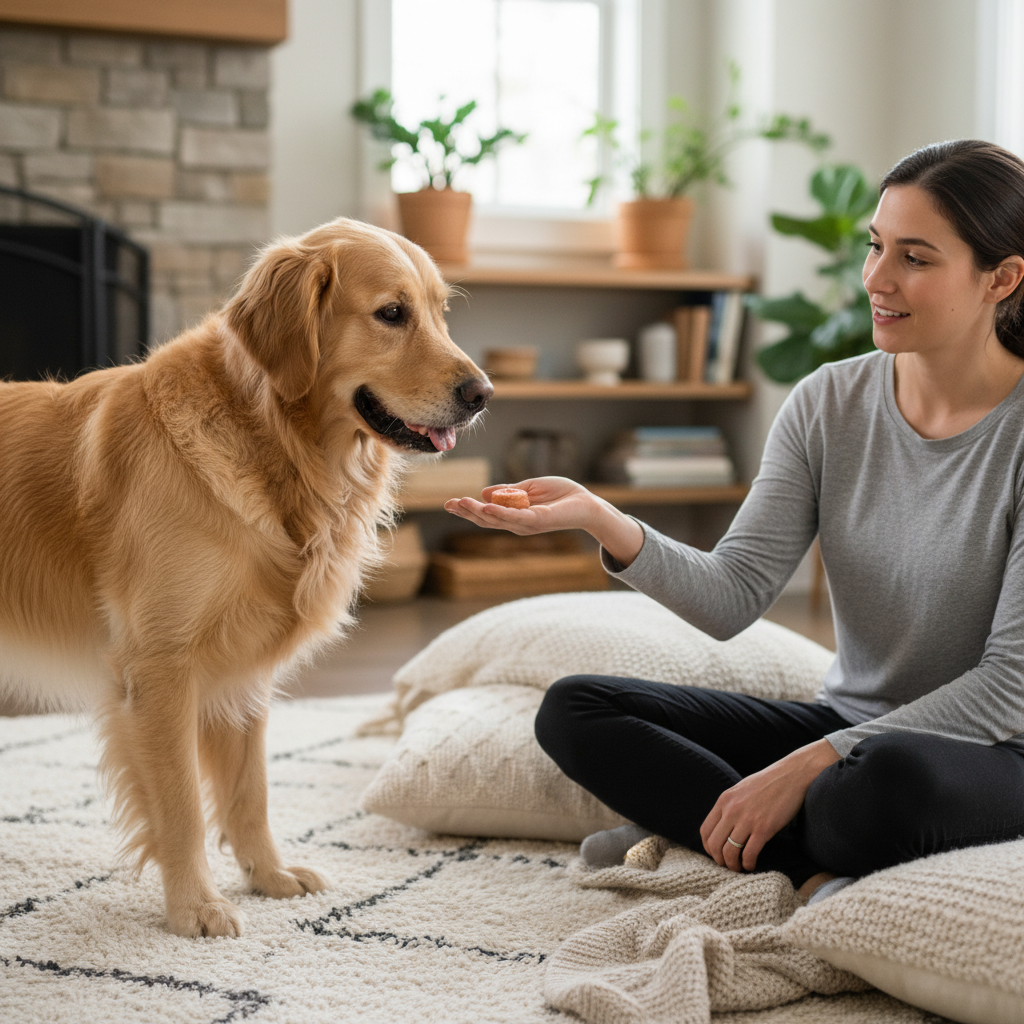
Before we jump into the fun stuff, we need to lay a solid foundation. Think of this as the safety check before the main event. A successful and happy hug experience starts with understanding your dog’s personality and making sure they’re genuinely on board with the idea. Pushing a dog into physical affection they’re not comfortable with can create anxiety and damage trust—the exact opposite of what we want!
Assess Your Dog’s ‘Hug-o-Meter’
Is your dog a natural-born cuddler, or do they prefer their personal space? Observe their everyday behavior:
- The Leaner: Does your dog often lean against your legs while you’re standing or watching TV? This is a great sign they enjoy close physical contact.
- The Cuddle Bug: Do they actively seek out your lap or snuggle up next to you on the couch? Another big green flag!
- The Independent Soul: Does your dog enjoy pets but tends to move away if you get too close or try to hold them? They might not be a prime candidate for hugging, and that’s perfectly okay! Forcing it will only make them uncomfortable.
Expert Tip: Never force a dog into a hug. The goal is a shared moment of affection, not a one-sided squeeze. Respecting their boundaries is the ultimate sign of love.
Gather Your Training Toolkit
You don’t need much for this, but having the right tools makes all the difference. Simplicity is key.
- High-Value Treats: We’re talking top-tier goodies here! Small, soft, and extra tasty morsels that your dog absolutely loves. Think tiny pieces of cooked chicken, cheese, or their favorite commercial training treats. The hug should be associated with something amazing.
- A Positive Attitude: Your dog feeds off your energy. Keep training sessions short, upbeat, and fun. If you get frustrated, take a break and try again later.
- A Quiet Space: Choose a familiar, comfortable area with minimal distractions. Your living room is perfect; the dog park is not (at least, not yet!).
The Golden Rule: Doggy Consent
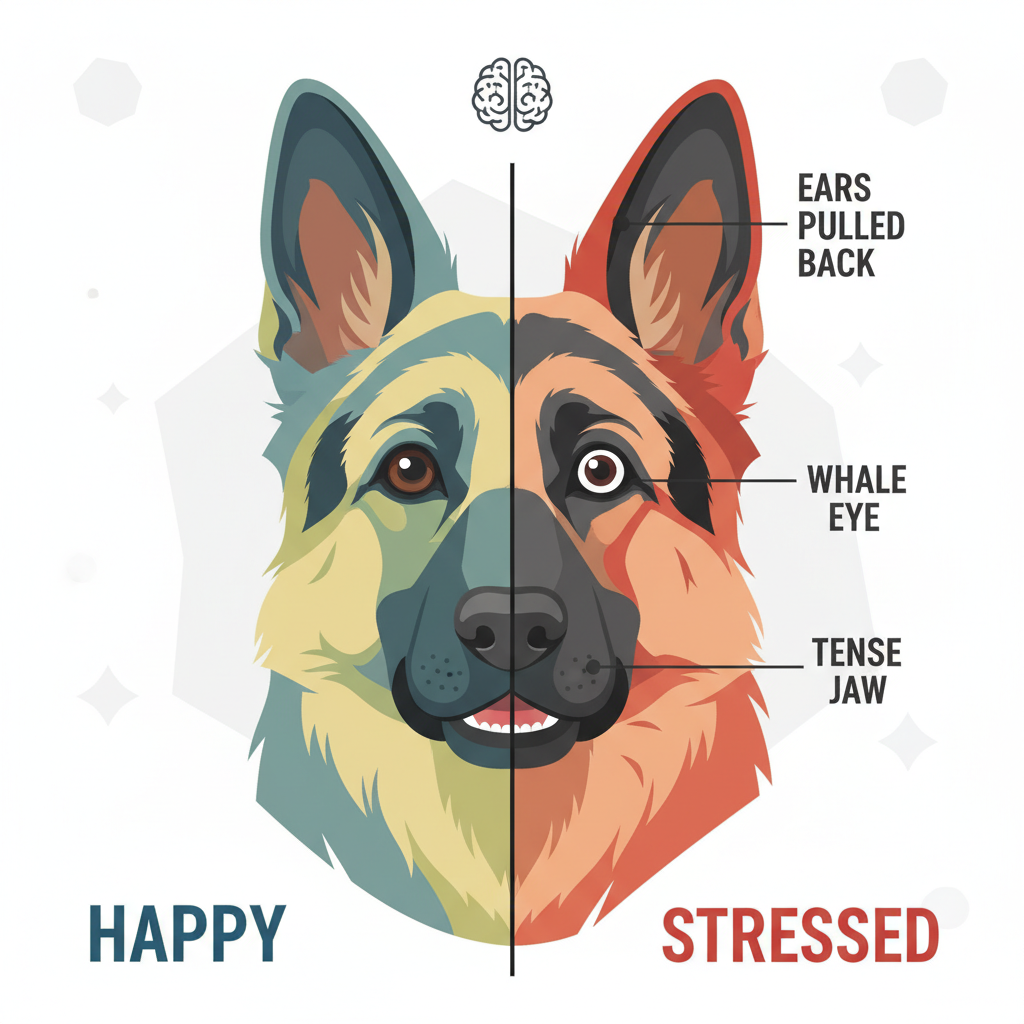
This is the most important ground rule. We must always be watching for our dog’s consent. Throughout the training process, pay close attention to their body language. Are they eagerly participating, with a wagging tail and a relaxed body? Or are they showing signs of stress, like lip licking, yawning when not tired, or showing the whites of their eyes (often called ‘whale eye’)? If you see any signs of discomfort, stop immediately and end the session on a positive note with a simple, known command and a treat. This teaches your dog that you’re a safe person who will listen to them.
The Step-by-Step Guide to a Gentle Hug
The Step-by-Step Guide to a Gentle Hug
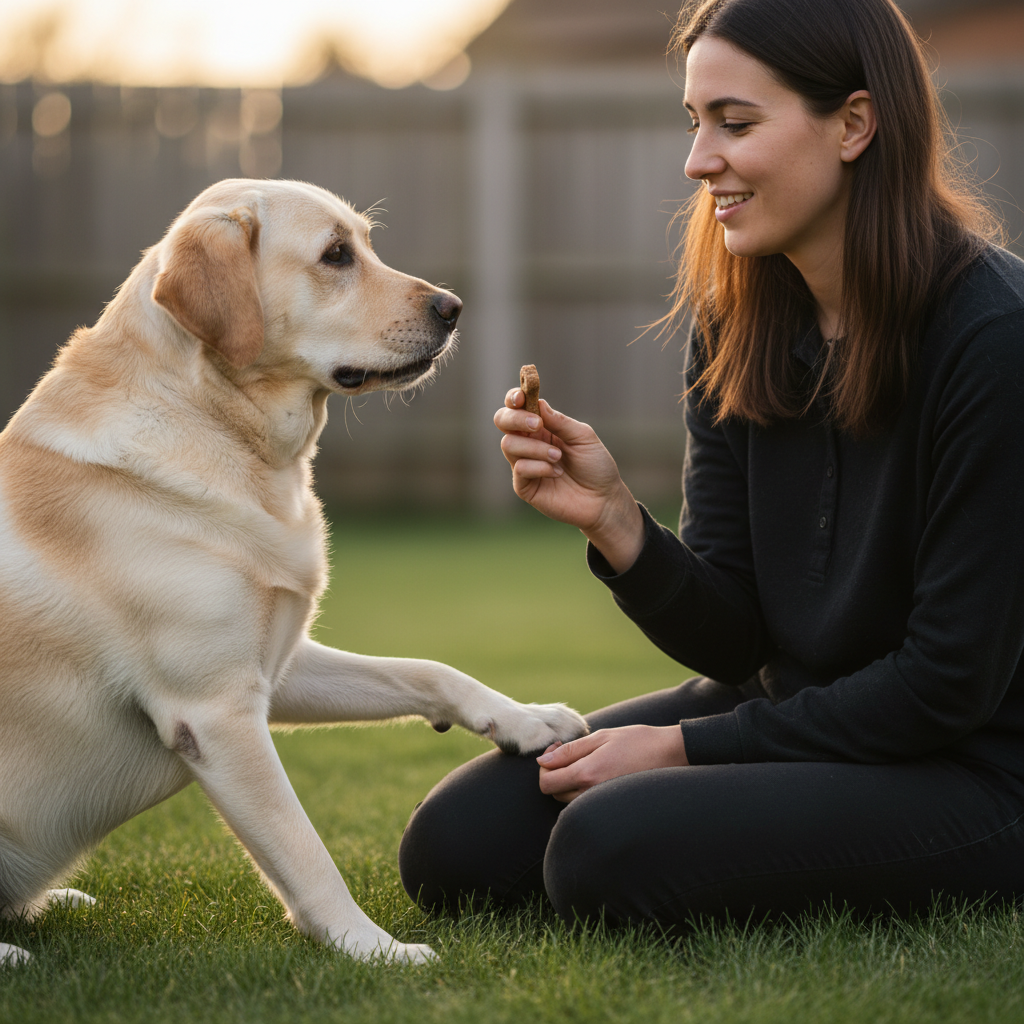
Alright, you’ve assessed your dog, you’ve got your tasty treats, and you’re ready to go! Remember, the key here is to break the behavior down into tiny, achievable pieces. We’ll build the ‘hug’ from the ground up, ensuring your dog understands and enjoys every stage. Patience is your superpower!
Step 1: The ‘Paws Up’ Foundation
Before we can get a hug, we need to teach our dog to place their paws on us gently. This is the building block for the entire trick.
- Sit comfortably on the floor or a low stool. This makes you less intimidating and the target easier to reach.
- Pat your lap or your shoulders and use an encouraging voice. When your dog investigates, even if they just sniff your shoulder, praise them and give them a treat.
- The goal is to get them to place a paw on you. You can lure them by holding a treat near your shoulder. The moment their paw touches you, say “Yes!” (or use a clicker) and give them the treat.
- Repeat this several times in short sessions. We want them to understand that Paws on Person = Treat. Keep it fun and low-pressure.
Step 2: Introducing the ‘Hug’ Cue
Once your dog is reliably placing their paws on you, it’s time to name the behavior. We want them to associate a specific word with the action.
- As your dog is in the motion of putting their paws on you, say your chosen cue word clearly. This could be “Hug,” “Embrace,” or “Cuddle.” Choose one and stick with it.
- Say the cue word just before they make contact. For example, as they are lifting their paws, say “Hug!” The moment they do it, praise and treat.
- Practice this until you can say the cue word, and they respond by placing their paws on you without you needing to lure them with a treat or pat your shoulders.
Step 3: From Sitting to Standing Hugs
Now we’re taking it vertical! This step requires more balance and control from your dog, so take it slow.
- Stand up and pat your waist or chest area. Say your “Hug” cue.
- At first, your dog might be confused or try to jump. Only reward them when they place their paws on you gently, without jumping or launching themselves at you. If they jump, simply turn away for a second, then reset and try again. They’ll quickly learn that jumping makes the fun stop, while a gentle ‘paws up’ earns a reward.
- Keep these standing hugs very brief at first. As soon as their paws touch you, reward and then encourage them to get back down with a phrase like “Okay” or “All done.”
Step 4: Shaping the ‘Gentle’ in the Hug
This is where we refine the behavior. We want to reward calm, gentle pressure, not frantic scrabbling or leaning with their full body weight.
- When your dog places their paws on you, wait just a second before rewarding. Reward them for the moment they are calmest.
- If they start to get mouthy or nibble at your clothes out of excitement, ignore it and withhold the reward. Ask them to get down and try again. Reward only when their mouth is closed.
- You can gently place your arms around them for a split second while they are in the ‘paws up’ position. Pair this with a treat. This starts to build the association of your arms around them with the positive reward. Slowly increase the duration of your gentle embrace from one second to two, and so on.
Remember: We are rewarding the calmness within the hug. This is how you teach your powerful dog to be gentle and mindful of their strength.
Reading Your Dog’s Body Language: The Key to Safe Hugs
Reading Your Dog’s Body Language: The Key to Safe Hugs
Teaching a trick is one thing, but understanding your training partner is everything. Dogs communicate primarily through body language, and it’s our job as responsible owners to learn what they’re saying. A hug is a very intimate, primate-like behavior that isn’t natural for canines. While many dogs learn to love it, some merely tolerate it. Knowing the difference is crucial for a safe and happy relationship.
Pay close attention to these signals during your training and anytime you initiate a hug. A dog giving ‘consent’ will look relaxed, happy, and engaged. A dog who is merely tolerating the interaction or feeling stressed will show subtle signs of discomfort.
| Signal of Comfort (The Green Lights) | Signal of Discomfort (The Yellow/Red Lights) |
|---|---|
| Soft, relaxed body: No tension in the muscles. They might even lean into you softly. | Stiff, tense body: Their body may become rigid as soon as you embrace them. |
| Loose, wagging tail: A broad, sweeping wag often indicates happiness. | Tucked or low, stiffly wagging tail: This can be a sign of nervousness or uncertainty. |
| Relaxed ‘soft’ eyes and face: No tension around the eyes or mouth. | ‘Whale eye’: Showing the whites of their eyes is a classic sign of stress. |
| Leaning in: Actively moving their body closer to you during the hug. | Leaning away: Shifting their weight or head away from you to create space. |
| A ‘happy sigh’: Sometimes a dog will let out a contented sigh when comfortable. | Lip licking or nose licking: When not related to food, this is a common calming signal. |
| Nudging you for more: When you stop, they might nudge your hand or arm to ask for more affection. | Yawning: A yawn out of context (when they aren’t tired) is another major stress signal. |
If you see any of the yellow or red light behaviors, it’s a clear signal from your dog to stop. Don’t take it personally! Simply end the hug calmly, give them some space, and maybe offer a gentle chest scratch instead. By respecting their communication, you are building a rock-solid foundation of trust. You’re telling them, ‘I hear you, and I respect your feelings.’ This makes them more likely to trust you in all situations, not just during hug training.
Common Hugging Hurdles & How to Clear Them
Common Hugging Hurdles & How to Clear Them
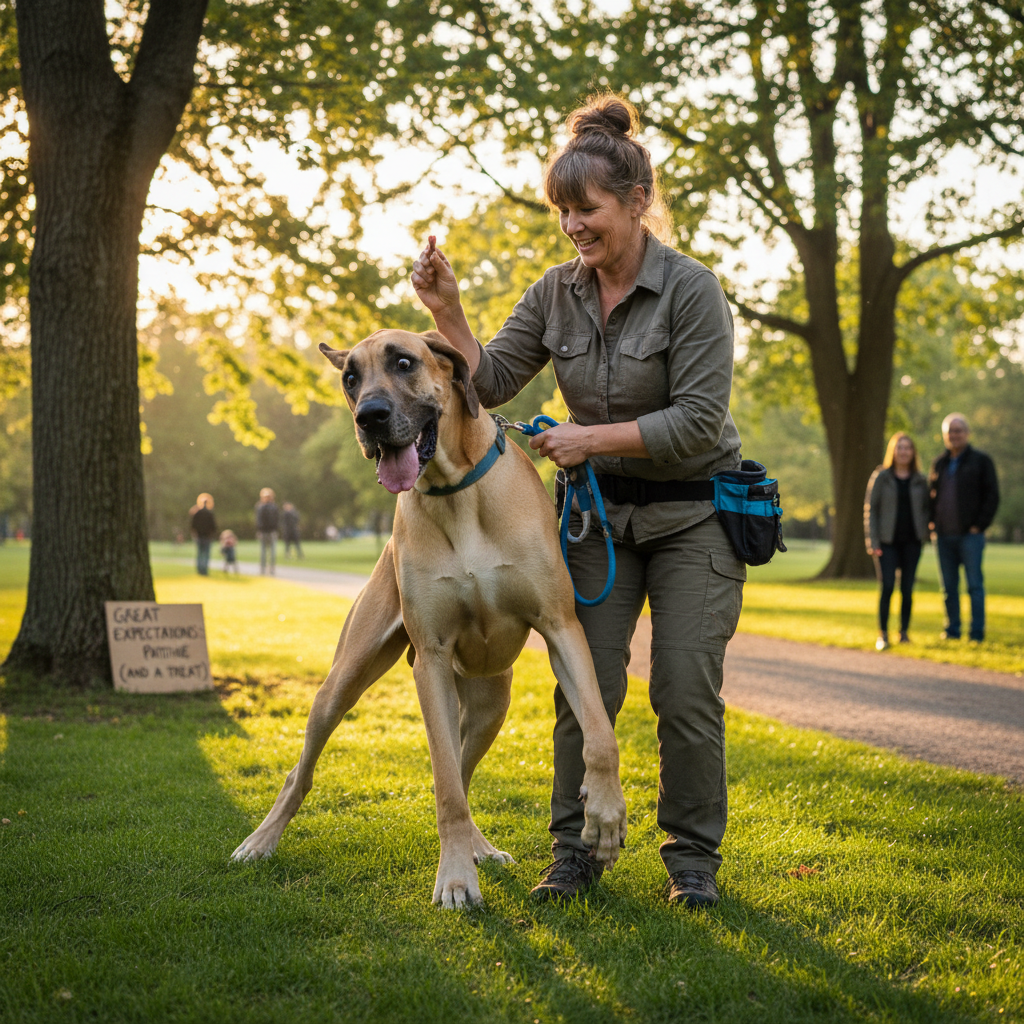
Even with the best plan, you might run into a few bumps in the road. That’s completely normal in dog training! The key is to identify the problem and adjust your approach with patience and positivity. Here are some of the most common challenges you might face when teaching a gentle hug and how to overcome them.
Hurdle 1: The Overly Enthusiastic Jumper
Your dog is so excited to hug you that they launch themselves like a furry missile. While their enthusiasm is sweet, it’s also dangerous, especially with a large breed.
- The Fix: Go back to basics. If they jump, say nothing. Simply turn your back for two seconds. This is a ‘time-out’ from the fun. Then, turn back and try again. The instant they put their paws on you gently, even for a second, have a ‘treat party’—lots of praise and several treats. They need to learn that gentle paws get the reward, while jumping makes the fun go away. Lowering your body by squatting can also help in the beginning stages.
Hurdle 2: The Mouthy Hugger
In their excitement, your dog might start to gently mouth or nip at your hands, arms, or clothes during the hug. This is often not aggressive but rather an overexcited behavior that needs to be redirected.
- The Fix: Teach them that mouths and hugs don’t mix. The moment you feel their teeth on you, say a calm “Oops!” and immediately withdraw your attention and the hug. Wait a few seconds for them to calm down, then re-engage. You can also try giving them a specific job for their mouth to do. Ask them to hold a soft toy in their mouth right before you ask for the hug. This can prevent the mouthiness from even starting.
Hurdle 3: The ‘All-My-Weight’ Leaner
Some dogs don’t jump, but they do lean with their entire body weight, which can easily knock a person off balance.
- The Fix: This is about teaching body awareness. Keep the hugs extremely short at first. Reward and release them before they have a chance to put their full weight on you. You are rewarding the light touch, not the heavy lean. You can also practice on a sturdier object, like a wall or a tree, asking them for a ‘paws up’ to teach them to support their own weight.
Hurdle 4: The ‘I’m Not Interested’ Pup
You’re ready to train, but your dog seems completely uninterested. They wander off, sniff the floor, or just look at you blankly.
- The Fix: First, check your rewards. Are they truly high-value enough to hold your dog’s attention? Second, check your timing. Are your training sessions too long? Keep them short and sweet—just 3-5 minutes at a time is plenty. Finally, accept that this might just not be your dog’s thing. And that’s okay! Find other ways to bond that your dog genuinely enjoys, like a game of tug, a good belly rub, or learning a different trick.
Hug Etiquette: Who, When, and Where to Hug
Hug Etiquette: Who, When, and Where to Hug
Congratulations, you’ve taught your gentle giant how to give a wonderful, soft hug! Now comes the equally important part: managing this new skill responsibly. A hug is a special interaction, and it’s our job to set our dogs up for success by teaching them the proper etiquette.
Rule #1: This Trick is for a Select Few
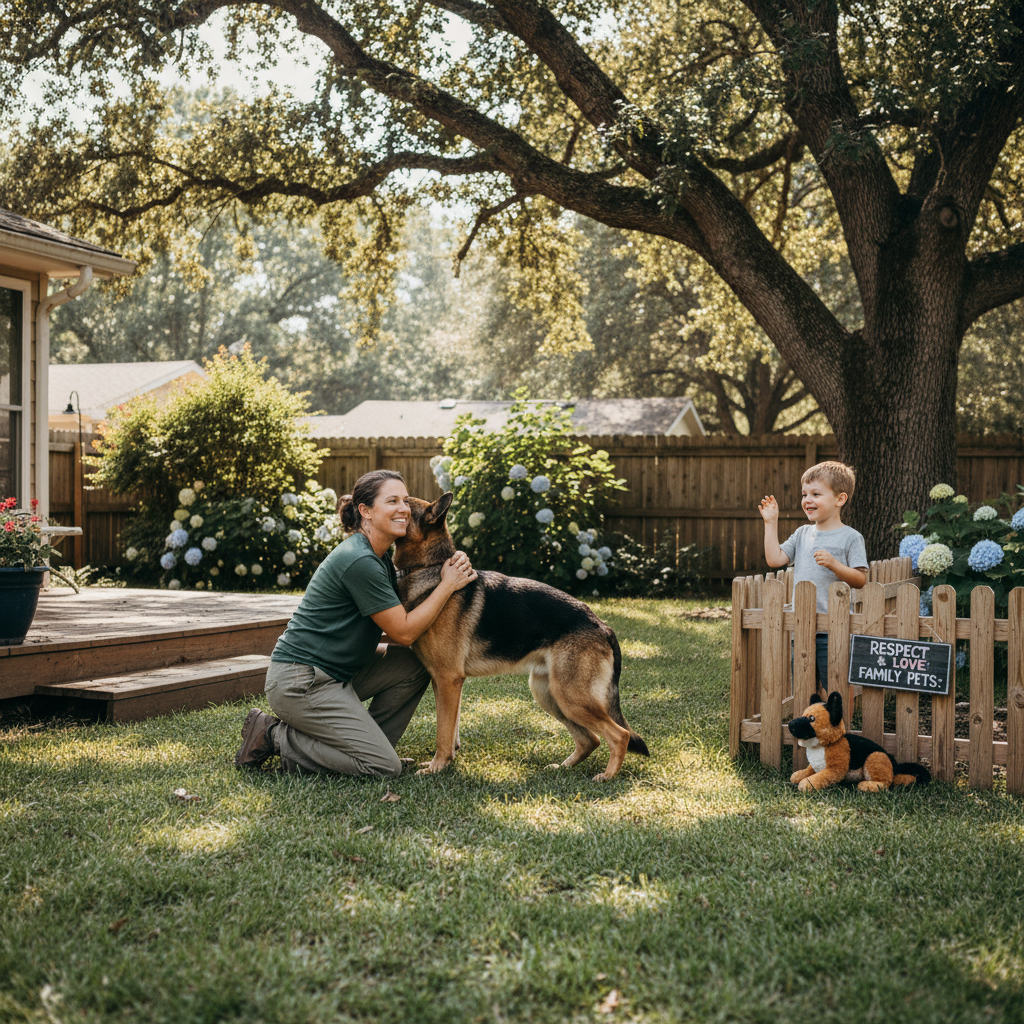
Your dog’s hug should be reserved for a very small circle of trusted humans. This is typically the primary owner who trained the behavior and perhaps one or two other immediate family members who have practiced with the dog under supervision.
Crucial Safety Point: Do not allow strangers, and especially children, to ask your dog for a hug. Many dogs are uncomfortable with close, face-to-face interactions with unfamiliar people. A child might move unpredictably or squeeze too tightly, which could frighten even the most gentle dog and lead to a defensive reaction. A hug is an ‘on-cue’ behavior, not an open invitation for everyone.
Rule #2: You Initiate the Hug
Your dog should only offer a hug when you give the specific cue (“Hug!”). They shouldn’t be jumping up on you or other people uninvited. If they start offering the behavior without being asked, simply ignore it. Don’t praise or reward them. Only reward the hugs that you specifically request. This maintains clear boundaries and reinforces the idea that this is a trained command, not a free-for-all behavior.
Rule #3: Consider the Context
Timing and location are everything. Ask for a hug when your dog is calm and relaxed. Don’t ask for a hug when they are:
- Highly aroused or excited: Like when you first get home or when guests arrive. Their adrenaline is high, and a ‘gentle’ hug is less likely.
- Eating or chewing a high-value item: Respect their space and resources. Interrupting them can lead to resource guarding.
- Sleeping or resting: Just like us, dogs can be startled and react defensively if woken up suddenly by being grabbed.
- Showing any signs of stress or fear: If there are loud noises (like a thunderstorm) or they seem anxious, it’s time for comfort, but perhaps not a full-body hug. A gentle stroke might be better.
By managing the who, when, and where, you ensure that every hug remains a positive, safe, and cherished experience. It’s the final piece of the puzzle in being a responsible owner of a wonderfully well-trained, affectionate large dog.
Conclusion
Teaching your large dog to give a gentle hug is so much more than just a neat trick. It’s a journey of communication, trust, and mutual understanding. Through each step—from establishing the ‘paws up’ foundation to reading their subtle body language—you’ve been strengthening the incredible bond you share. You’ve learned to listen to your dog, to respect their boundaries, and to guide their enthusiasm into a safe and loving expression of affection.
Remember that the principles you’ve used here—patience, positive reinforcement, and clear communication—are the cornerstones of all good training and a healthy relationship with your canine companion. Cherish those gentle hugs. They are a testament to your hard work and the amazing partnership you’ve built together. Now go on and enjoy those wonderful, warm, and well-earned cuddles!