Have you ever wished you could ask your dog a question and get a clear answer? While they might not be ableto chat about the weather, you can teach them one of the most adorable tricks around: nodding “yes”! Imagine asking, “Are you a good boy?” and getting an enthusiastic nod in return. It’s a guaranteed heart-melter and a fantastic party trick.
But teaching a fun trick like this is about more than just showing off. It’s a wonderful way to strengthen your bond, provide your dog with much-needed mental stimulation, and build their confidence. And the best part? It’s surprisingly easy! The “5-minute” timeline is a fun goal, but remember, every dog is a unique student. The real goal is to have a great time together. Using simple, positive techniques, we’ll guide you through the process of turning your pup into a nodding genius. So grab some tasty treats, find a comfy spot, and let’s get started!
Gearing Up for Nodding Success: What You’ll Need
Before you start the clock, let’s get all our ducks (or, in this case, dogs) in a row. Having the right tools and mindset is half the battle and will make the training process smooth, fun, and effective for both of you. You probably have most of these things at home already!
The Perfect Paycheck: High-Value Treats
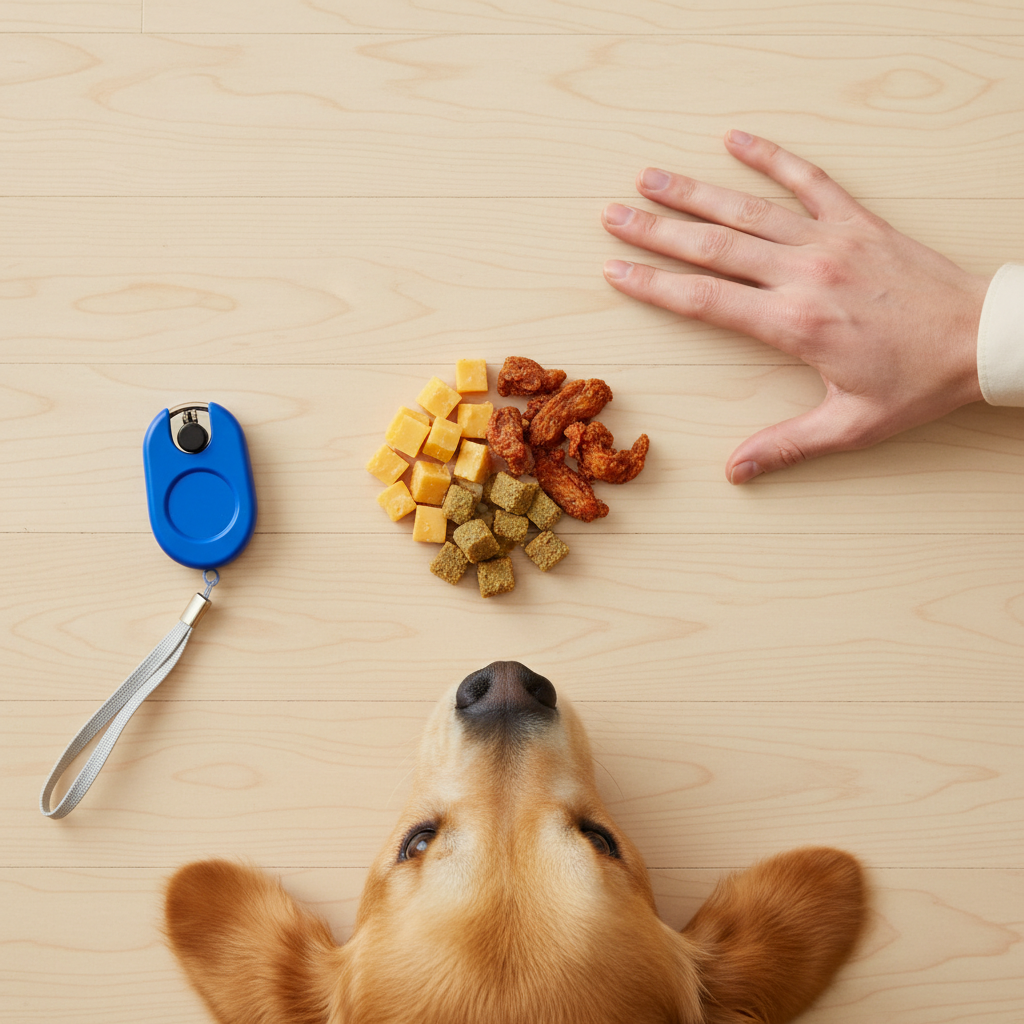
For a brand-new trick, your dog’s everyday kibble might not cut it. We need something special to really capture their attention and motivate them. These are what trainers call high-value treats. Think of it as the difference between getting your regular salary and getting a surprise bonus—the bonus is way more exciting!
- What makes a treat high-value? It’s usually something extra smelly, extra tasty, and soft enough to be eaten quickly.
- Great examples include: Tiny pieces of boiled chicken, small cubes of cheese, bits of hot dog, or soft commercial training treats.
- The key is size: Keep the treats pea-sized. We’ll be using a lot of them, and we don’t want your pup to get full too quickly or upset their tummy.
A Distraction-Free Zone: Your Training Arena
Dogs can have the attention span of, well, a dog! To set your pup up for success, choose a training location with minimal distractions. A quiet living room, a hallway, or a bedroom is perfect. Avoid areas where other pets are roaming, kids are playing, or there’s a lot of foot traffic. By controlling the environment, you make it easier for your dog to focus on the most interesting thing in the room: you and those delicious treats!
The Magic Wand (Optional): A Clicker
Ever heard of a clicker? It’s a small plastic box that makes a distinct “click” sound when you press it. In training, the click acts as a marker signal. It tells your dog, “YES! That exact thing you just did is what earned you a treat.”
Expert Tip: Using a clicker can speed up learning because it’s a clear, consistent signal that’s much faster than saying “Good dog!” By the time you say the words, your dog might have already done something else. The click captures the precise moment of success.
If you’re new to clickers, you’ll need to “charge” it first. This is simple: just click, then immediately give your dog a treat. Repeat this 10-15 times. Your dog will quickly learn that click = treat, and the sound itself will become a reward.
Your Most Important Tool: A Positive Attitude!
This is non-negotiable! Your dog is an expert at reading your energy. If you’re excited, patient, and positive, they will be too. Keep your voice upbeat and your movements encouraging. Remember, this is a game you’re playing together. If you or your dog gets frustrated, just end the session with a simple, known command (like “sit”) and a treat, and try again later. Training should always be fun!
The 5-Minute Nod: Your Step-by-Step Training Plan
Alright, the stage is set, your treats are ready, and your dog is looking at you with anticipation. It’s time for the main event! We’re going to use a technique called “luring,” which means using a treat to guide your dog’s nose—and therefore their head—into the position we want. Let’s break it down into simple, manageable steps.
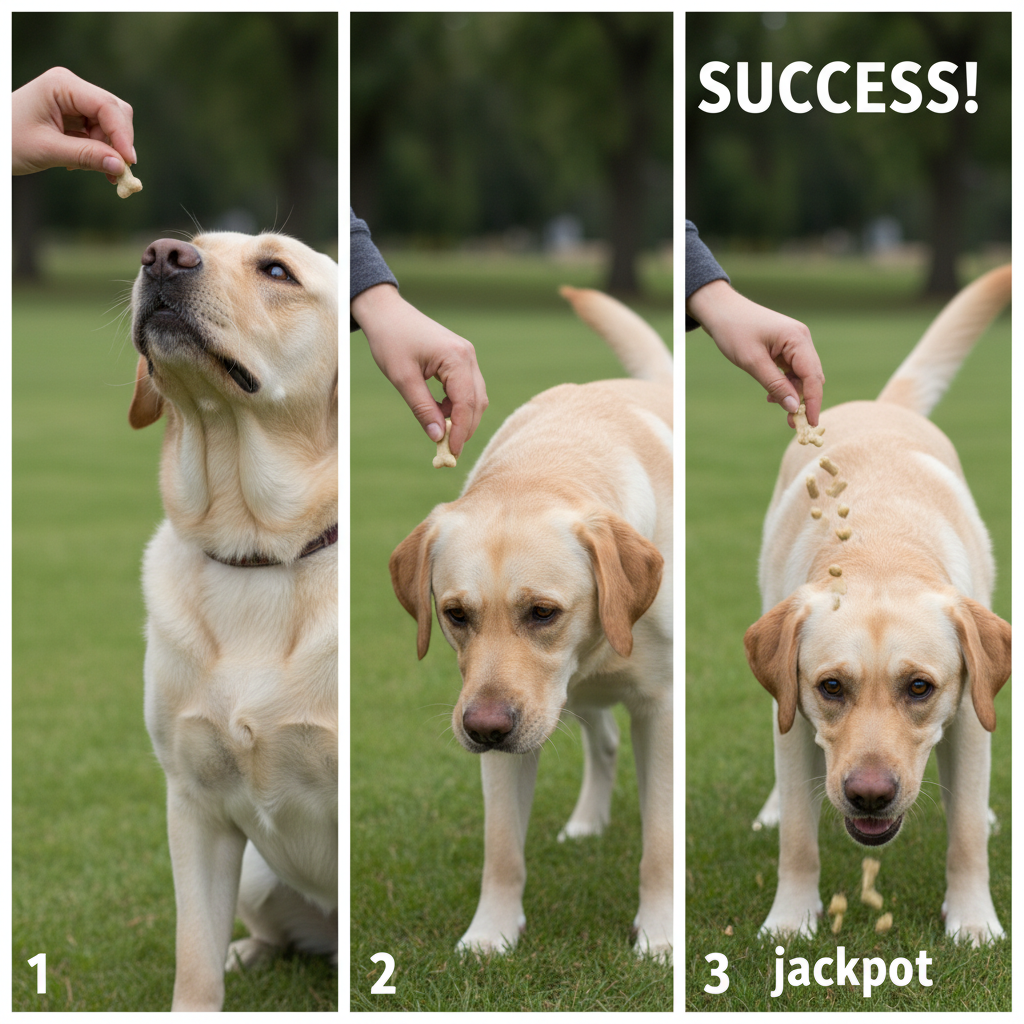
- Step 1: The ‘Up’ Motion. Hold a pea-sized treat between your thumb and forefinger. Let your dog sniff it so they know the prize. Now, place the treat right in front of their nose and slowly move your hand straight up and slightly back over their head. Their nose will naturally follow the treat, causing their head to tilt upwards. The very instant their chin lifts, click (or use a verbal marker like “Yes!”) and give them the treat. Repeat this 5-10 times until they are fluidly lifting their head for the lure.
- Step 2: The ‘Down’ Motion. This is the opposite movement. Start with the treat at your dog’s nose level. Slowly lower your hand straight down towards their chest. To follow the treat, they’ll have to dip their head downwards. The moment their head dips, click and treat! Just like before, repeat this 5-10 times. Some dogs find this motion a bit trickier, so be patient.
- Step 3: Creating the Nod. Now we combine the two movements into one fluid motion. Lure your dog’s head up (as in Step 1), but instead of treating, immediately lure their head down (as in Step 2). Once they complete the full up-and-down movement, that’s the jackpot! Give a big click and reward them with several treats at once while offering lots of praise like “Wow, what a good nod!” This big reward tells them that the combined movement is extra special.
- Step 4: Fading the Lure. Your dog is now performing the physical motion, but they’re still just following a treat. Our next goal is to transition them to a hand signal. Start making the luring motion, but with an empty hand, keeping the treat hidden in your other hand. Go through the up-down motion with your empty fingers. When they perform the nod, click and reward them from your other hand. Gradually, make your hand signal smaller and more subtle—a simple up-and-down flick of your finger is the goal.
- Step 5: Adding the Verbal Cue. Once your dog reliably performs the nod with your subtle hand signal, it’s time to name the trick. Just before you give the hand signal, say your chosen verbal cue. A great cue is an actual question, like “Are you a good dog?” or simply “Yes?” Say the cue, give the hand signal, and then click and treat the resulting nod. After many repetitions, your dog will begin to associate your question with the action. Eventually, you’ll be able to ask the question without any hand signal at all!
Remember to keep sessions short and sweet. A few 1-2 minute sessions throughout the day are far more effective than one long, frustrating 15-minute session.
Oops! Troubleshooting Common Nodding Problems
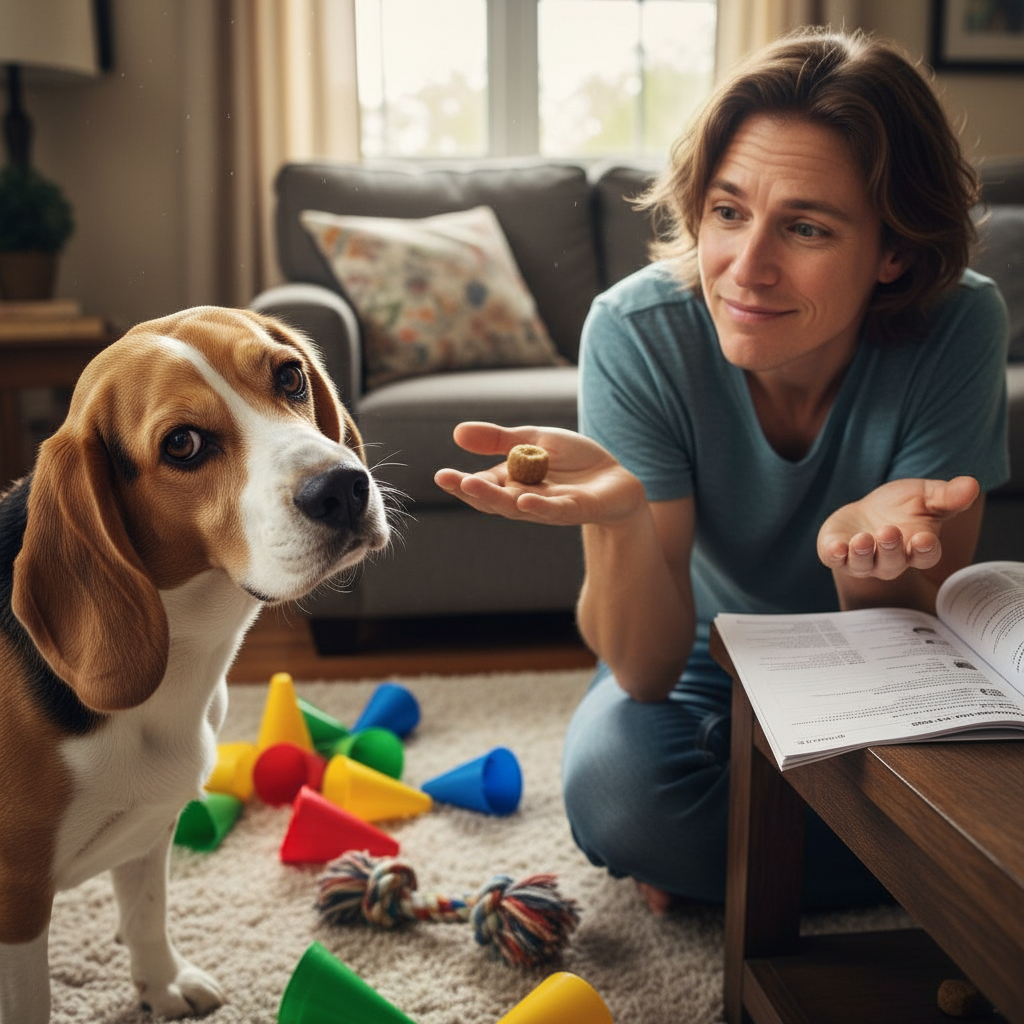
Even with the best plan, sometimes you hit a little snag. Don’t worry, it’s completely normal! Every dog learns differently. Here are some of the most common issues you might encounter and how to solve them with a bit of trainer-savvy troubleshooting.
Problem: My dog just stands there and licks my hand.
Solution: This is a classic! It means your dog is more focused on getting the treat out of your hand than on the movement. The fix is simple: close your fist around the treat. They can still smell the delicious prize, but they can’t lick it. Now, use your closed fist as the lure. They will have to move their head to follow the scent, which is exactly what we want. Once they make the correct head motion, open your hand and give them the treat.
Problem: My dog keeps jumping up for the treat.
Solution: This usually means the lure is too high or you’re moving it too quickly. Try lowering the starting position of the treat and use a slower, more deliberate upward motion. Only click and treat when all four of your dog’s paws are firmly on the floor. If they jump, simply pull the treat away, wait for them to settle, and try again. They’ll quickly learn that jumping makes the good stuff go away, while staying grounded earns the reward.
Problem: The 5 minutes are up and we’re not even close!
Solution: First, take a deep breath. The “5 minutes” title is a fun, catchy goal, not a strict deadline. It’s meant to show how quickly this can be taught, but it’s not a race. If your dog is struggling, it’s a sign to break it down even further. Are they great at the ‘up’ motion but confused by the ‘down’? Spend a whole session just on the ‘down’ part. Celebrate the smallest bit of progress—a tiny head dip is still a win! End on a positive note and try again tomorrow. Patience and positivity are your superpowers here.
| Common Issue | Quick Fix | Trainer’s Insight |
|---|---|---|
| Dog is biting or nibbling at fingers | Hold the treat further back between your thumb and palm. | This often happens with very food-motivated dogs. The goal is to teach them to follow the hand, not attack it for the treat. |
| Dog loses interest quickly | Check your treats! Are they high-value enough? Shorten your sessions to just 60 seconds. | Boredom is the enemy of training. Keep it fast, fun, and rewarding to hold their attention. |
| Dog offers other tricks like ‘sit’ or ‘paw’ | Ignore the incorrect behavior and wait for the head movement you want. | Your dog is trying to figure out the puzzle! Be patient and only reward the specific action you’re looking for to avoid confusion. |
Beyond the Basics: Making the Nod Reliable and Fun
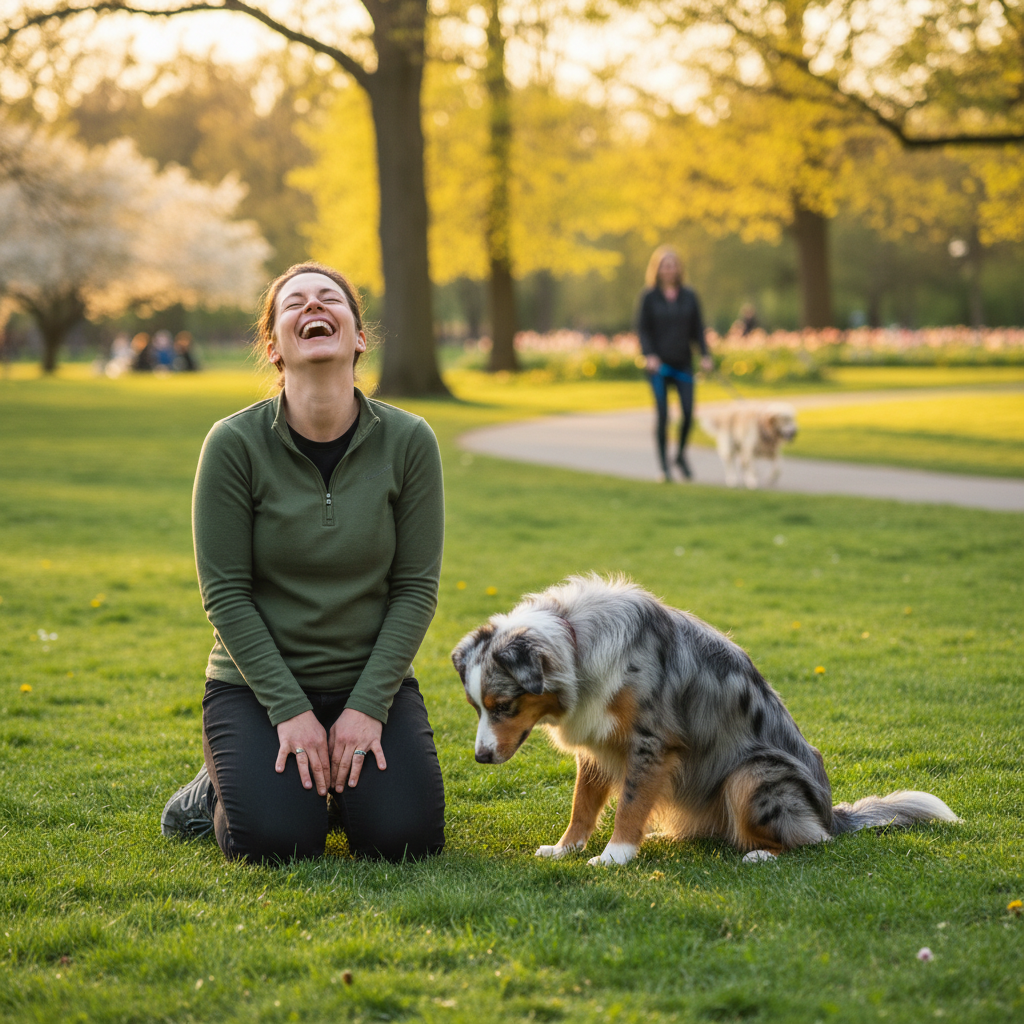
Congratulations, your dog is nodding! That’s a huge accomplishment. But right now, they probably only do it in your quiet training spot when you have treats. The final, crucial step is to make the trick reliable in different situations—a process trainers call “proofing.” This is how you get from a living room trick to a trick you can show off at the park.
What is ‘Proofing’ a Behavior?
Proofing is the process of teaching your dog to generalize a command. It means they learn that “nod” means nod, whether you’re in the kitchen, a friend is over, or the TV is on. We’ll gradually add small distractions and change the environment so the trick becomes solid and dependable.
How to Proof the Nod Trick
The key to proofing is to increase the difficulty in small, manageable steps. Don’t go from your quiet living room straight to a busy dog park. Here’s a good progression:
- Change the Location: Once the nod is perfect in the living room, try practicing in the kitchen. Then the hallway. Then the backyard. Master the trick in each new, slightly more distracting location before moving to the next.
- Add Mild Distractions: Go back to your original training spot and have another family member sit quietly in the room. Practice the nod. If your dog succeeds, great! Next, try it with the radio or TV on at a low volume.
- Vary Your Body Position: So far, you’ve probably been sitting or kneeling in front of your dog. Try asking for the nod while you’re standing up. Then while you’re sitting on the couch. This teaches your dog that the cue is the same, no matter what you look like.
Important Note: When you increase the difficulty (like changing location), you may need to temporarily go back a step. For example, you might need to use a bigger hand signal or a more obvious lure the first few times you practice in the backyard. That’s perfectly fine! You’re helping your dog succeed in a new context.
Fun Ways to Use the ‘Yes’ Nod
Now that you have a reliable nod, it’s time to have some fun with it! This trick is a fantastic way to engage with your dog and show off their intelligence.
- Interactive Questions: This is the best part! Ask your dog questions and cue the nod for a cute response. Try, “Do you want to go for a walk?” or “Is it dinner time?” or the classic, “Are you the best dog in the whole world?”
- Photo and Video Ops: A nodding dog is pure gold for social media. Capture a video of your Q&A session to share with friends and family.
- A Calming ‘Check-In’: The nod can also be a simple, low-energy way to engage your dog’s brain when you don’t have time for a long walk or intense play. It’s a quick mental workout that reinforces your connection.
Conclusion
You did it! You and your clever canine have mastered one of the most charming tricks around. Whether it took you five minutes or five days, the time you spent together laughing, learning, and communicating is the real prize. You’ve done more than just teach a trick; you’ve enriched your dog’s mind, strengthened your incredible bond, and created a fun new way to interact.
Remember that the principles you used here—positive reinforcement, patience, and breaking down a behavior into small steps—are the foundation for all successful dog training. You can use these same skills to teach anything from a simple ‘stay’ to more complex and impressive tricks.
So go ahead, ask your pup if they’re proud of themselves. You already know what the answer will be. Give them an extra treat, a big hug, and enjoy showing off your brilliant, nodding companion!