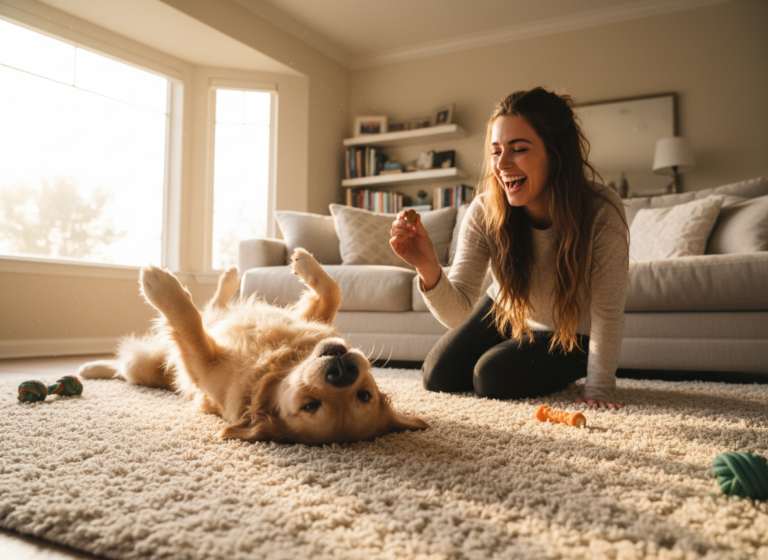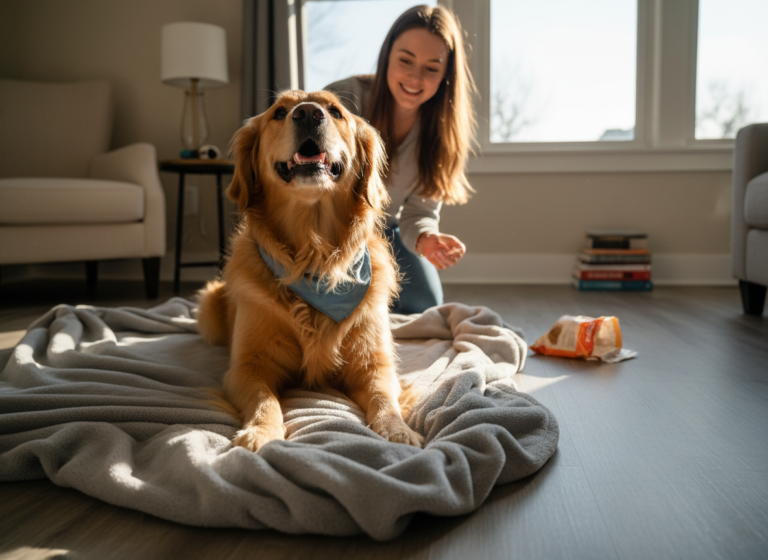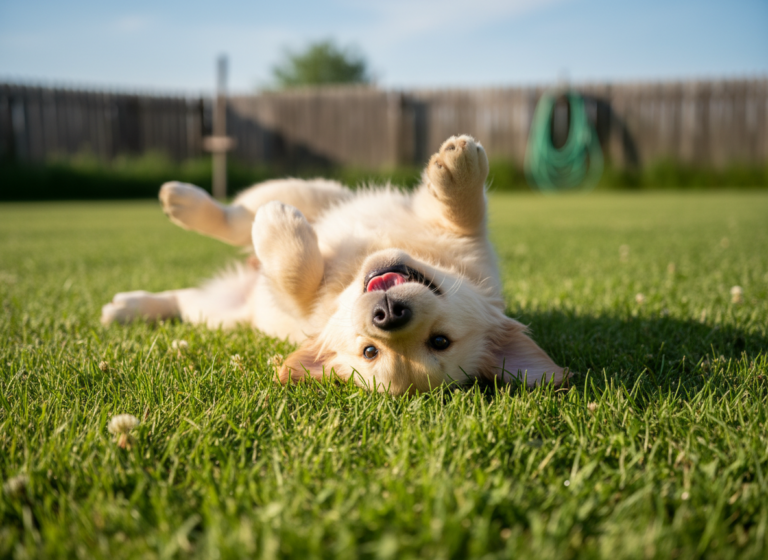
Have you ever seen a dog do a trick that just made you smile from ear to ear? Teaching your dog new skills is one of the most rewarding parts of being a pet owner. It’s not just about showing off—it’s about mental stimulation, strengthening your bond, and having a blast together. And when it comes to show-stopping tricks, the ‘kangaroo hop’ is right at the top of the list!
This adorable trick involves your dog balancing on their hind legs and performing a little hop, just like our marsupial friends from down under. It’s a fantastic display of balance, strength, and training. But before you start dreaming of your dog’s viral video debut, it’s important to approach this trick with care, patience, and a whole lot of positivity. This guide will walk you through everything you need to know, from crucial safety checks to the final, triumphant hop. Let’s get bouncing!
Safety First: Is the Kangaroo Hop Right for Your Dog?
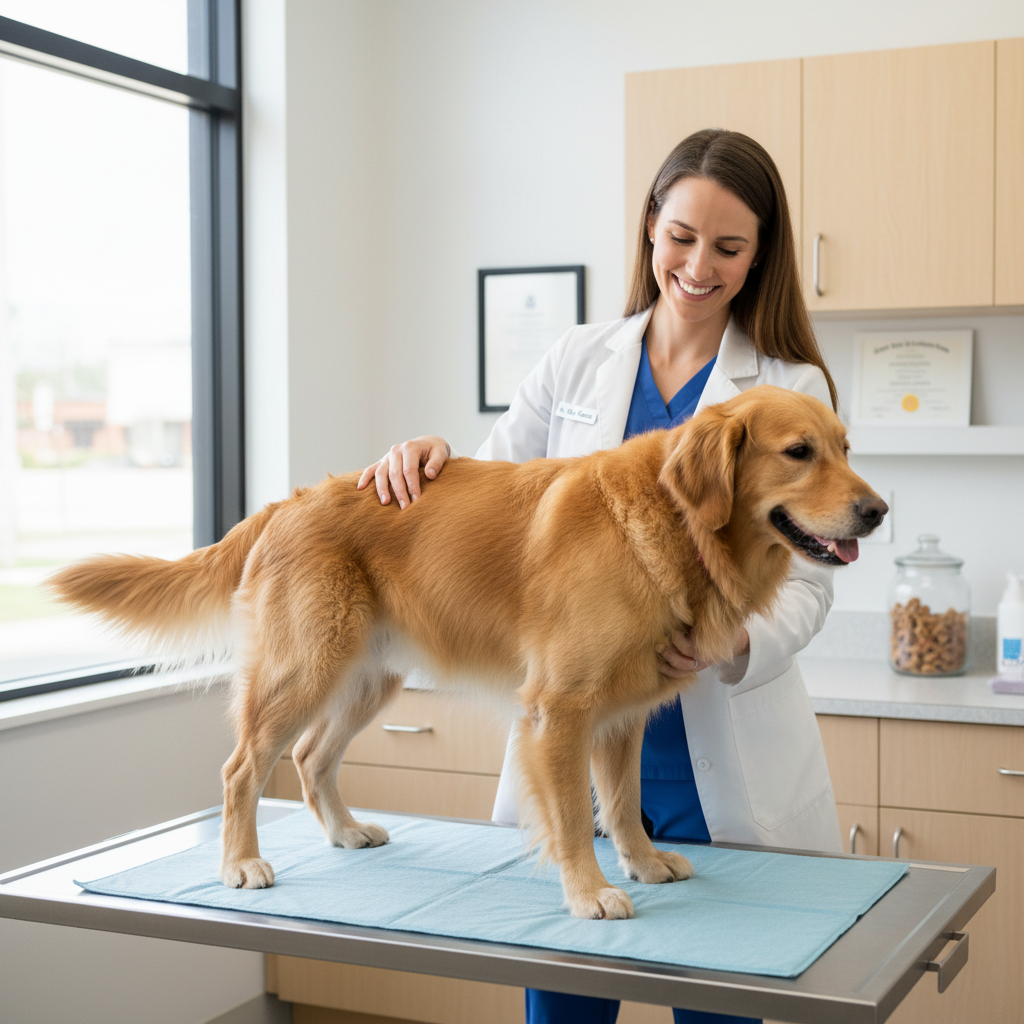
Before we even think about treats and training cues, we need to have a serious talk about safety. The kangaroo hop is a high-impact trick that puts stress on your dog’s spine and hind joints. It is not suitable for every dog. Your dog’s well-being should always be the number one priority.
Who Should Sit This One Out?
Certain dogs are at a higher risk of injury from this type of exercise. Please be extra cautious or avoid this trick entirely if your dog:
- Has a long spine: Breeds like Dachshunds, Corgis, and Basset Hounds are prone to Intervertebral Disc Disease (IVDD). The pressure from hopping can be dangerous for their backs.
- Is a giant breed: Large and giant breeds like Great Danes, Mastiffs, or Saint Bernards already have a lot of stress on their joints. High-impact tricks can exacerbate potential issues like hip dysplasia.
- Is a brachycephalic (flat-faced) breed: Pugs, French Bulldogs, and other flat-faced breeds can have breathing difficulties, and strenuous activity can be risky.
- Is overweight: Extra weight means extra stress on the joints, making this trick a poor choice until your dog is at a healthy weight.
- Is a senior or has pre-existing conditions: Older dogs with arthritis or any dog with a history of back, hip, or leg injuries should not attempt this trick.
Expert Tip: When in doubt, always consult your veterinarian. A quick chat with your vet can confirm if your dog is physically sound enough for advanced athletic tricks like the kangaroo hop. They can check for any underlying joint or spinal issues you might not be aware of.
Setting the Stage for Safe Training
If you and your vet have determined your dog is a good candidate, make sure your training environment is safe. Always practice on a non-slip surface like a carpeted floor, a rubber mat, or soft grass. Avoid slippery surfaces like hardwood, tile, or laminate, as your dog could easily lose their footing and get injured.
Gather Your Training Toolkit
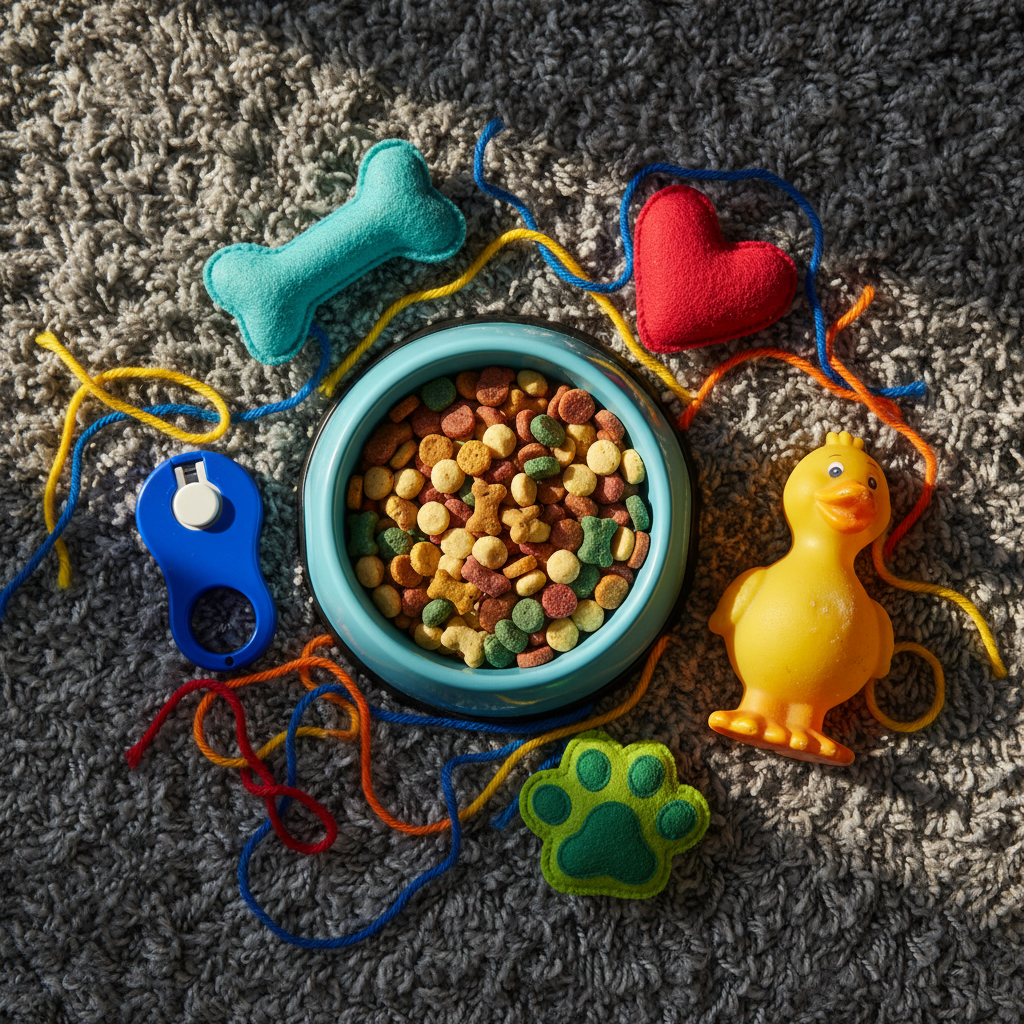
You don’t need a lot of fancy equipment to teach the kangaroo hop, but having the right tools will make the process smoother and more enjoyable for both of you. Think of it as setting up your ‘hop-quarters’ for success!
What You’ll Need:
- High-Value Treats: This is a challenging trick, so your dog’s regular kibble might not be motivating enough. Think small, soft, and extra-tasty treats that your dog absolutely loves. Pieces of boiled chicken, cheese, or special training treats work wonders. The key is that they are small enough to be eaten quickly so you can keep the training session moving.
- A Clicker (Optional, but Recommended): A clicker is a fantastic tool for marking the exact moment your dog does the right thing. This precision communication can speed up the learning process significantly. If you’re not using a clicker, you can use a verbal marker like a sharp “Yes!”
- A Comfortable, Non-Slip Surface: As we mentioned, safety is key. A yoga mat, a thick rug, or a patch of soft grass in your yard is perfect.
- Patience and a Positive Attitude: This is the most important tool in your kit! This trick takes time to learn. Your dog will feed off your energy, so stay upbeat, patient, and ready to celebrate every tiny bit of progress. Keep sessions short (5-10 minutes) to prevent frustration.
Step-by-Step: From ‘Sit Pretty’ to Full Kangaroo Hop
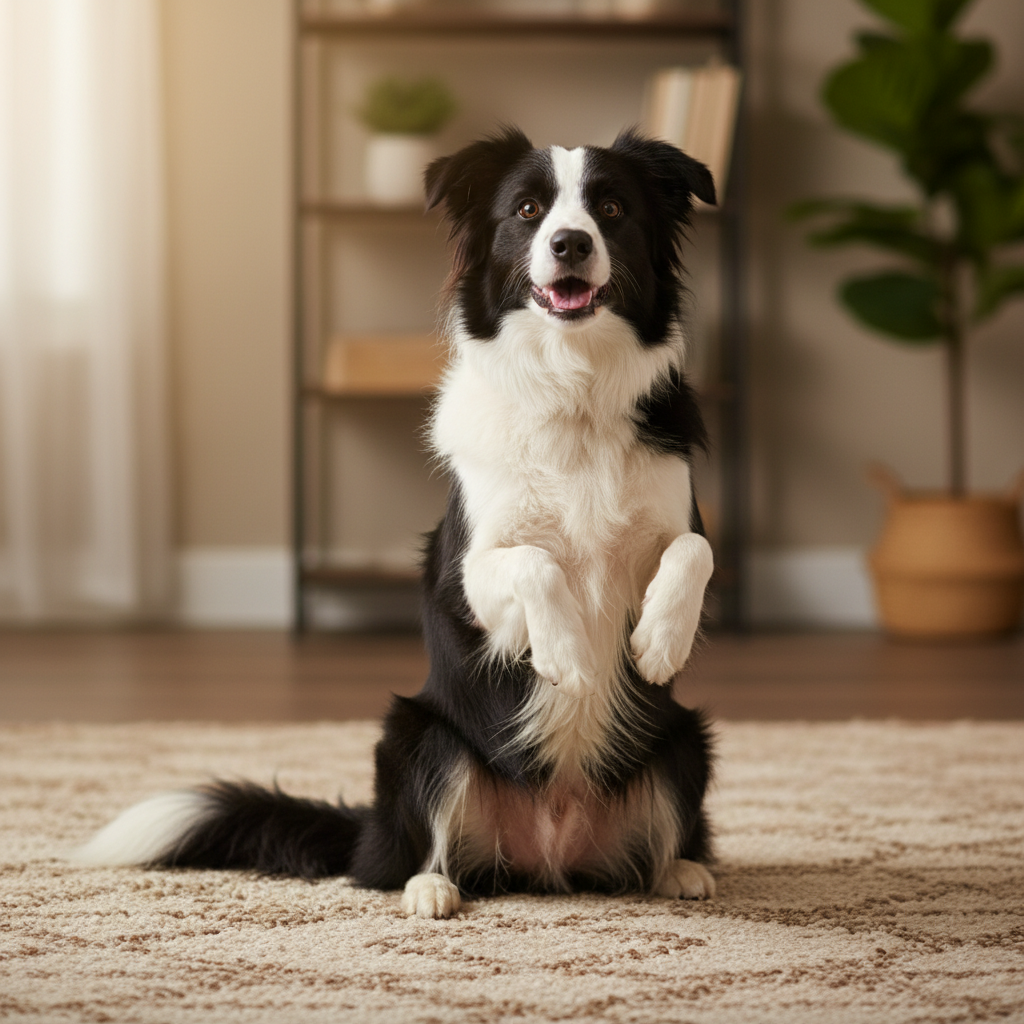
Alright, let’s get to the fun part! Remember, we’re going to build this behavior in small, achievable pieces. This process is called ‘shaping.’ We’ll reward small efforts that lead up to the final, fantastic hop. Let’s break it down.
-
Step 1: Master the ‘Sit Pretty’ (The Foundation)
The kangaroo hop starts from a stable, two-legged base. If your dog doesn’t already know ‘Sit Pretty’ (also called ‘Beg’), this is your starting point. Ask your dog to sit. Hold a high-value treat near their nose and slowly lift it upwards and slightly back over their head. This will encourage them to lift their front paws off the floor to follow the treat. The moment their paws lift, click (or say “Yes!”) and give them the treat. Repeat this until they can hold the position for a few seconds without wobbling too much. This builds crucial core strength.
-
Step 2: Lure for Height
Once your dog has a solid ‘Sit Pretty,’ we’ll ask for a little more. From the ‘Sit Pretty’ position, continue luring their nose straight up with a treat. The goal is to get them to stretch their body upwards, putting more weight on their hind legs. Click and treat any upward motion, even if it’s just a tiny stretch. We’re teaching them the feeling of shifting their balance backward.
-
Step 3: Capture the ‘Hop’
This is where your timing becomes critical. As you lure your dog upwards from the ‘Sit Pretty,’ watch their back feet closely. Eventually, to reach higher, they will have to make a small adjustment with their back legs—this might be a tiny lift, a shuffle, or a small hop. The instant you see any air under those back paws, click and give them a jackpot of treats (several treats at once)! This is the behavior we want. At first, you are rewarding the effort, not the perfect execution.
-
Step 4: Add the Verbal Cue
Once your dog is consistently offering a little hop to get the treat (maybe 8 out of 10 times), you can start adding a verbal cue. Just before you lure them into the hop, say your chosen cue clearly. Good cues are short and distinct, like “Hop!”, “Boing!”, or “Roo!”. Say the cue, lure the hop, then click and treat. Repetition will build the association between the word and the action.
-
Step 5: Fade the Lure
Our goal is for the dog to perform the trick on the verbal cue alone, without needing a treat waved in their face. Start making your hand lure less obvious. Instead of a treat in your hand, just use an empty hand with the same upward motion. When they hop, click and then give them a treat from your other hand. Gradually, you can make the hand signal smaller and smaller, until your dog responds to just the verbal cue.
-
Step 6: Build on Success
For now, you’ve taught a single hop. To get the classic ‘kangaroo’ look, you can ask for multiple hops. Start by rewarding a single hop, then occasionally wait a split second to see if they offer a second hop before you click and treat. You can slowly build up to two or three hops in a row. Always keep sessions short and end on a high note to keep your dog excited about training.
Stuck in a Rut? Troubleshooting Common Training Hiccups
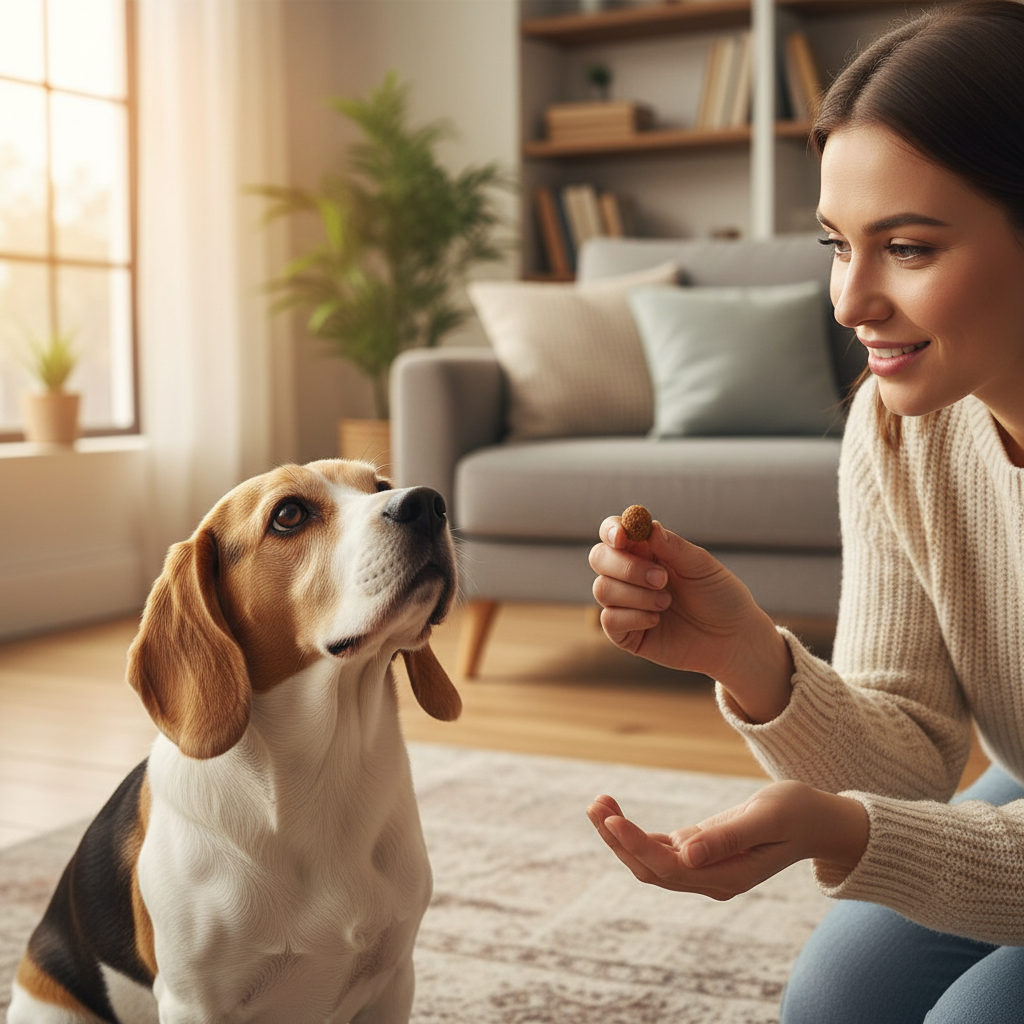
Training is never a straight line; there are always bumps along the way. If you find yourself and your pup getting stuck, don’t worry! It’s completely normal. Here are some common problems and how to hop over them.
- Problem: My dog won’t lift their back feet at all.
Solution: You might be asking for too much, too soon. Go back to Step 2 and really reward any upward stretching from the ‘Sit Pretty.’ Make the treat extra enticing and celebrate big when they stretch high. You can also try making the lure a bit faster and more exciting to encourage a more dynamic movement. - Problem: My dog keeps falling over.
Solution: This usually points to a lack of core strength or balance. Spend more time practicing and strengthening the basic ‘Sit Pretty.’ You can also incorporate other balance-building exercises (with your vet’s approval), like having them place their front paws on a low, stable object. Also, double-check your training surface to ensure it’s not slippery. - Problem: My dog is getting frustrated or bored.
Solution: This is a clear sign to end the training session. Always aim to end on a positive, successful repetition, even if it’s just a simple ‘Sit.’ Keep your training sessions very short—even just 3-5 minutes a couple of times a day is more effective than one long, frustrating session. Mix it up with other fun tricks your dog already knows and loves. - Problem: My dog just lunges for the treat instead of hopping.
Solution: Work on your luring technique. Make sure you’re lifting the treat straight up and slightly back, not forward. If they lunge, simply pull the treat away and reset. They will learn that lunging makes the treat disappear, while lifting up makes the treat appear.
Conclusion
Congratulations! You now have all the steps and knowledge to teach your dog the amazing kangaroo hop. Remember that the journey is just as important as the destination. Every training session is an opportunity to strengthen your communication and deepen your bond with your best friend. Celebrate the small victories, have a good laugh when things don’t go as planned, and most importantly, keep it fun.
Not every dog will master this trick, and that’s perfectly okay. The real prize is the quality time you spend together. So grab your treats, find your positive attitude, and get ready to hop to it. Happy training!